Our verdict
Camino belongs to Milan’s central dining circuit, where fashion-district polish increasingly meets a more ingredient-conscious Italian kitchen. With little public detail on format, pricing, awards, or chef identity, it is better read through its context: a city table shaped by Lombardy’s markets, northern Italian seasonality, and a clientele that expects restraint over spectacle.

Pearl is the En Primeur Club membership app — saves, bookings, and concierge access live there. Same editors, same standards.
The menu
What to order
- Club sandwich
- Burger
- Light Italian pasta dishes
- Afternoon pastries
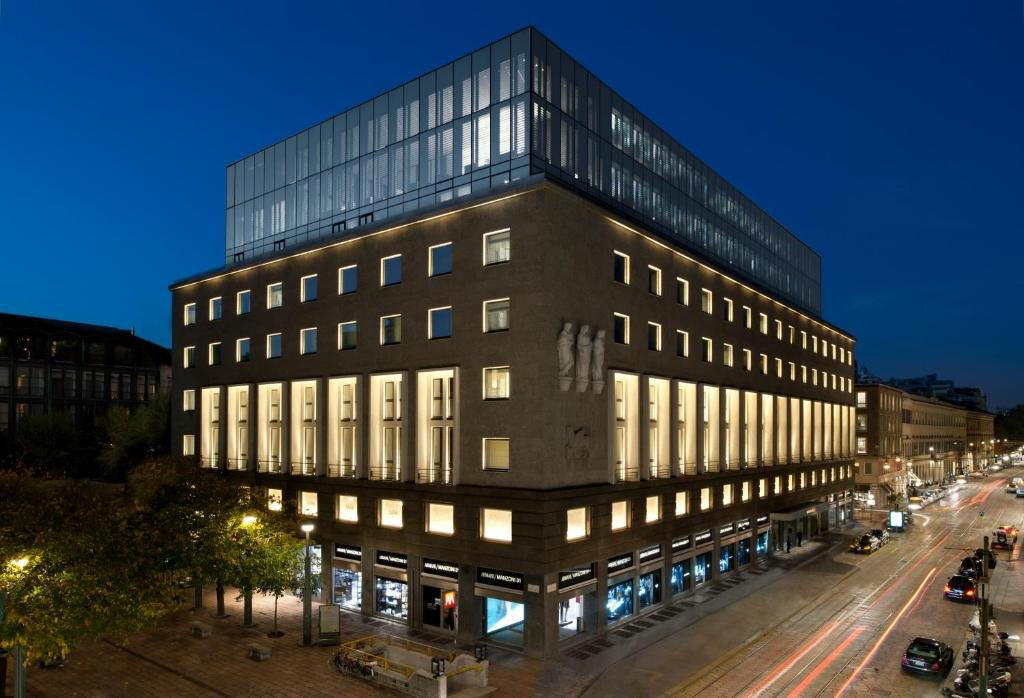
Approaching a dining room in Milan is rarely neutral. The city trains the eye before the first glass is poured: stone courtyards, showroom lighting, tailored foot traffic, and a tempo that makes restaurant rooms feel judged as much by editing as by abundance. Camino sits inside that Milanese grammar, where a meal has to make sense beside design offices, hotel bars, and patisserie counters that have spent decades teaching the city to value proportion.
The more useful way to read Camino is not through a chef myth or a trophy cabinet. The available record supplied supports a reading based on atmosphere, restraint, and the way a Milan dining room translates ingredients into a city style that prefers clean lines to rustic theatre. In Milan, produce has a different role than it does in coastal or rural Italy. Fish arrives as a choice rather than a birthright, vegetables often carry the weight of seasonality, and dairy, rice, veal, bitter greens, and preserved elements still sit close to the northern table.
Milan's ingredient-led middle ground, between heritage rooms and design-era dining
Milan has several dining identities operating at once. Traditional Milanese rooms still anchor the city’s appetite for saffron rice, cutlets, slow braises, and polished service; Bice remains a useful reference point for that old-city register. At the other end, modern dining rooms such as ZELO work in a more hotel-adjacent idiom, where international guests often expect technique and ceremony. Camino reads more interestingly in the space between those poles: not as a grand formal address, and not as a casual trattoria gesture, but as part of the city’s quieter turn toward ingredient clarity.
That shift matters because Milan is not a market city in the same way many coastal or southern Italian cities are experienced by visitors. Its food culture is filtered through commerce, commuting, design, and northern discipline. A restaurant here earns credibility by knowing when not to overwork an ingredient. The better contemporary rooms do not need every plate to announce itself; they use the season, the supplier, and the rhythm of the menu to create confidence. Camino’s available public footprint points to that type of reading rather than a personality-led restaurant narrative.
For nearby context, other Milan dining rooms show how the city folds meals into retail, design, hotel, and social culture, while 10_11 belongs to the city’s hotel-linked social dining circuit. Other contemporary Milan restaurants represent a more explicit modern vocabulary; the wider central restaurant category is broad enough to include polished heritage rooms, design-conscious tables, and more casual city addresses.
Why sourcing carries more weight in Milan than menu theatre
Ingredient sourcing has become a sharper test in Milan because the city’s diners are fluent in comparison. They can move from a pastry counter such as Marchesi 1824 to a central lunch, from an aperitivo bar to a formal dinner, often within the same itinerary. In that environment, a restaurant’s credibility comes from coherence. If the cooking gestures toward seasonality, the expectation is not a decorative menu note but a kitchen that understands the north: rice and butter without heaviness, vegetables with bitterness intact, meat used with restraint, and seafood treated as part of a supply chain rather than a postcard.
Camino’s Milan position makes it a practical candidate for a meal folded into a city itinerary rather than a destination requiring a separate evening structure. That distinction is important. Milan rewards restaurants that fit the city’s working rhythm: lunch between appointments, dinner after an exhibition, a table that can handle conversation without turning the room into performance. For travellers building a wider plan, Our full Milan restaurants guide, Our full Milan hotels guide, Our full Milan bars guide, Our full Milan wineries guide, and Our full Milan experiences guide give the broader grid of where to eat, drink, stay, and plan around the city.
The useful editorial stance is simple: choose Camino when the aim is a Milan table interpreted through contemporary restraint, not when the brief requires a highly ceremonial room, a named chef counter, or a publicly defined tasting-menu format. It does not weaken the category; it clarifies the occasion. Milan has enough high-ceremony dining. The more revealing meal can be the one that shows how the city treats ingredients when it is not trying to perform abundance for visitors.
Further Italian context for reading the category
Italy’s regional restaurant map makes Milan easier to understand by contrast. Southern tradition, Tuscan street-food directness, Romagna’s casual register, local dining cultures in smaller cities, and modern urban cooking all frame different expectations from the ones Milan sets. For a non-Italian counterpoint in ingredient-focused casual formats, other international examples show how sourcing narratives travel across cuisines without requiring the same dining rituals.
Frequently asked questions
Is Camino okay with children?
Camino is in Milan, which makes it a city stop rather than a purpose-built family venue. For children, the practical question is less policy than timing, seating, and the kind of dining room the reservation team can place you in.
Is Camino better for a quiet night or a lively one?
Camino’s Milan setting suits a quieter dinner more naturally than a raucous night out. The room is the point here, not a bar-style scene.
Where is Camino in Milan?
Milan.
What's the best way to book Camino?
Use Milan as the reference point when making arrangements. The practical route is to check the venue directly through its official channels before heading out.
What's the signature at Camino?
That keeps the focus on the dining room rather than on a claimed house specialty. Check the venue's official channels for the latest details.
Side-by-Side Snapshot
Comparable venues by cuisine and price in the same metro.
| Venue | Cuisine | Price | Awards | Notes |
|---|---|---|---|---|
| CaminoThis venue — the venue you are viewing | Italian lounge & cocktail bar | $50–100 | Not listed | Not listed |
| ZELO | Modern Italian Fine Dining | $100–150 | Michelin Plate · Wine Spectator Best of Award of Excellence | Modern Cuisine |
| Marchesi 1824 | Historic Italian Patisserie | $50–100 | Not listed | Patisserie |
| Bice | Classic Northern Italian | Not listed | Not listed | Milanese |
| Beefbar Milano | Modern Cosmopolitan Steakhouse | $100–150 | World's Best Steaks Europe's 50 Best #20 | Not listed |
| 10_11 | Traditional Italian Trattoria | $50–100 | Not listed | Not listed |
Continue exploring
More in Milan
Restaurants in Milan
All restaurants in Milan →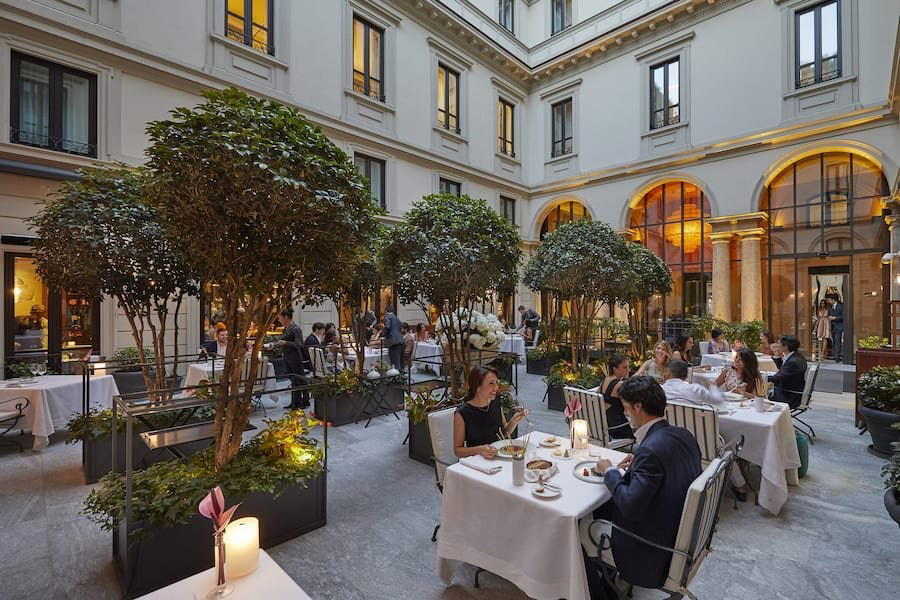
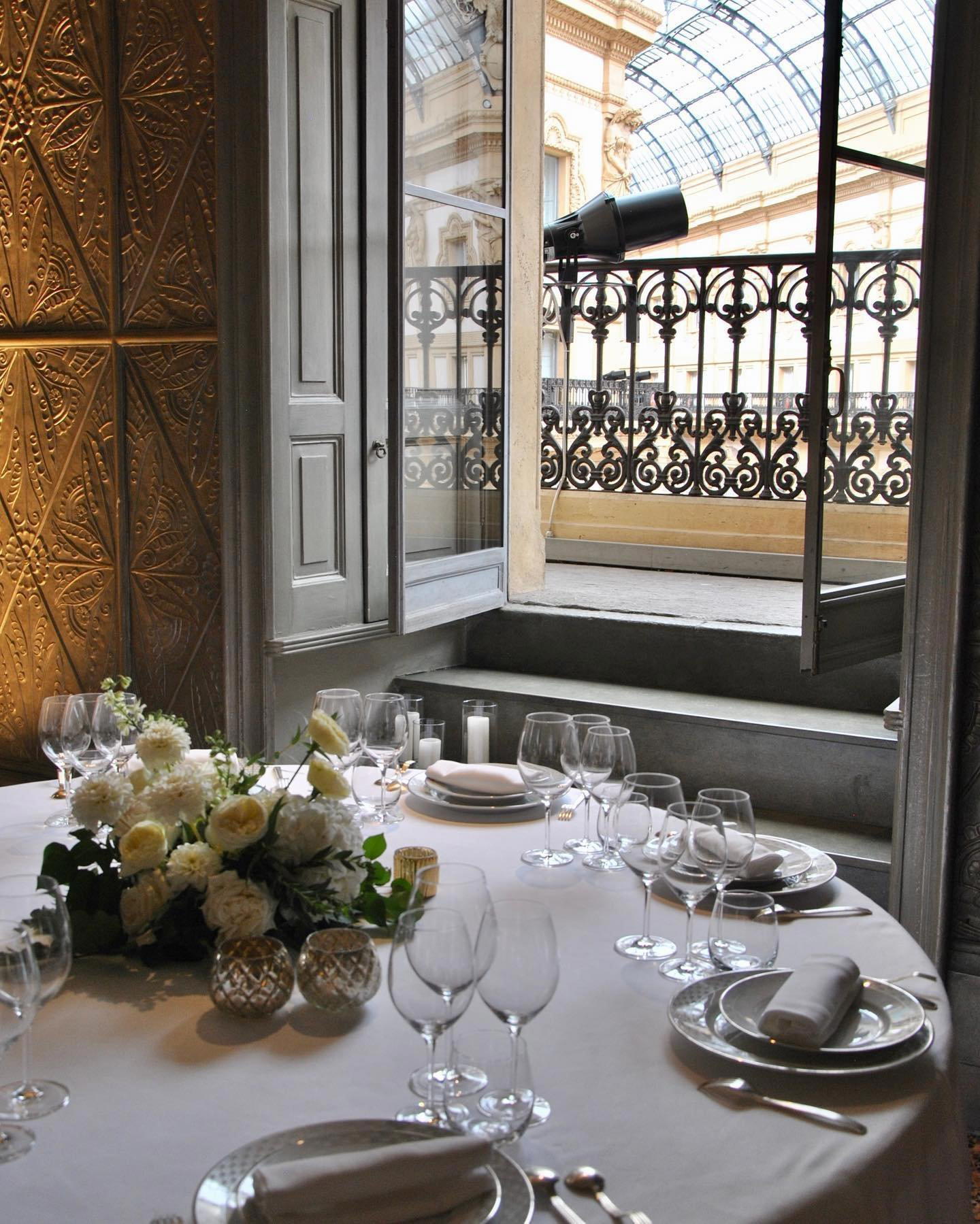
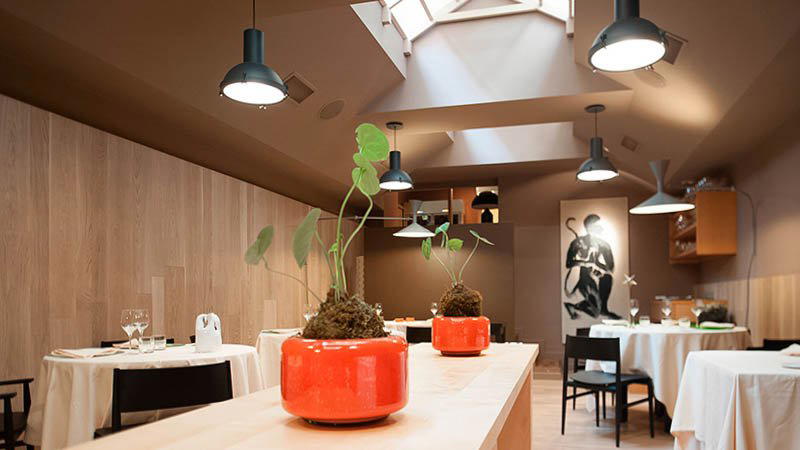
Bars in Milan
All bars in Milan →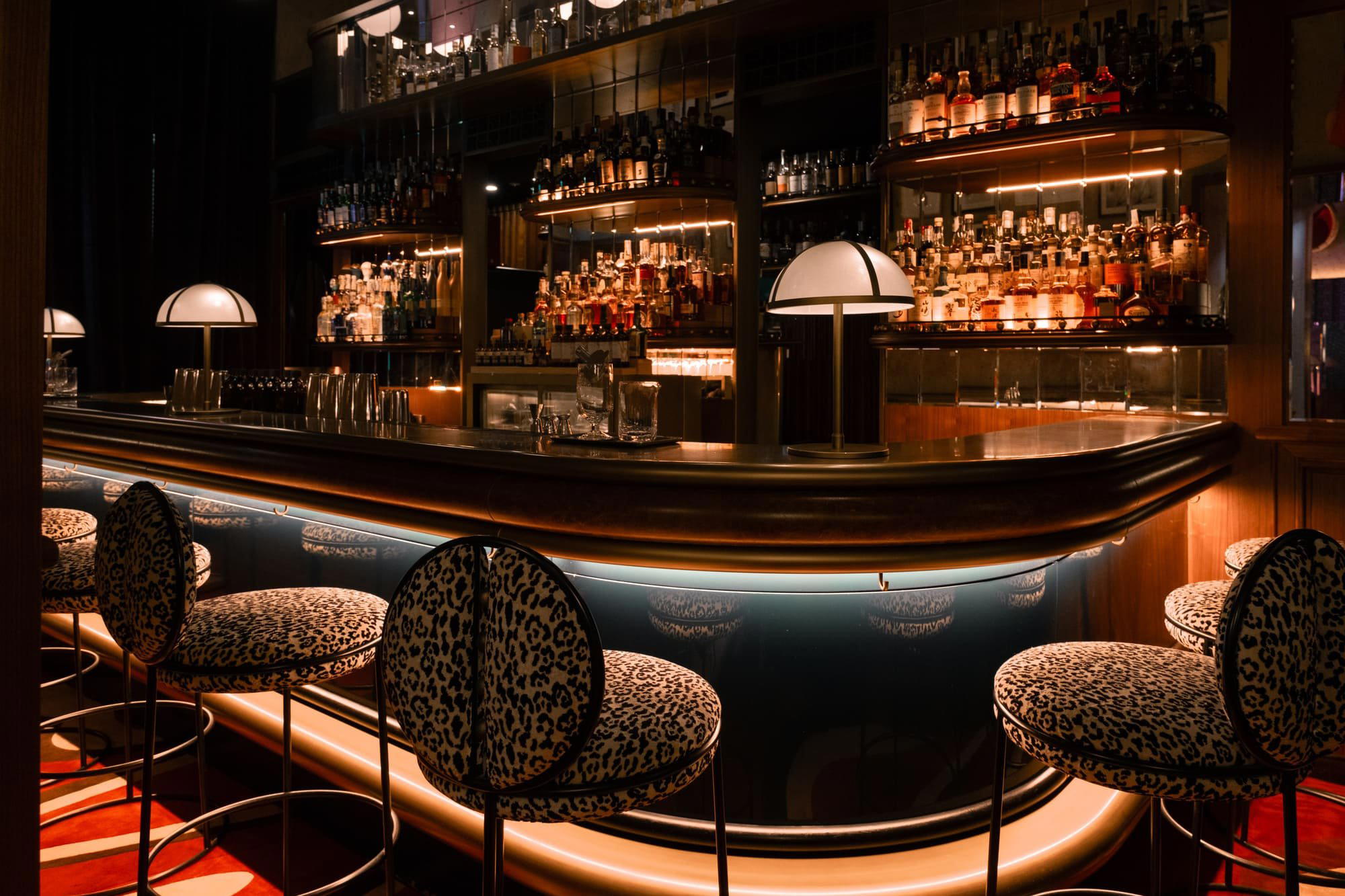


Camino
The wine
- Wine program
- Curated wine list
- Extensive wine list
- Craft cocktails
- Zero-proof drinks
Details
- Elegant
- Cozy
- Classic
- Romantic
- Intimate
- Sophisticated
- Date Night
- After Work
- Business Dinner
- Casual Hangout
- Special Occasion
- Hotel Restaurant
- Courtyard
- Design Destination
- Historic Building
- Terrace
- Craft Cocktails
- Extensive Wine List
- Zero Proof
- Garden
- A La Carte
- Small Plates
- Cocktails
- Wine
- Coffee & Tea
- Vegetarian Friendly
Current opening hours
- Monday
- 8 am–1 am
- Tuesday
- 8 am–1 am
- Wednesday
- 8 am–1 am
- Thursday
- 8 am–1 am
- Friday
- 8 am–1 am
- Saturday
- 8 am–1 am
- Sunday
- 8 am–1 am
Hours can change for holidays and private events. Last verified .
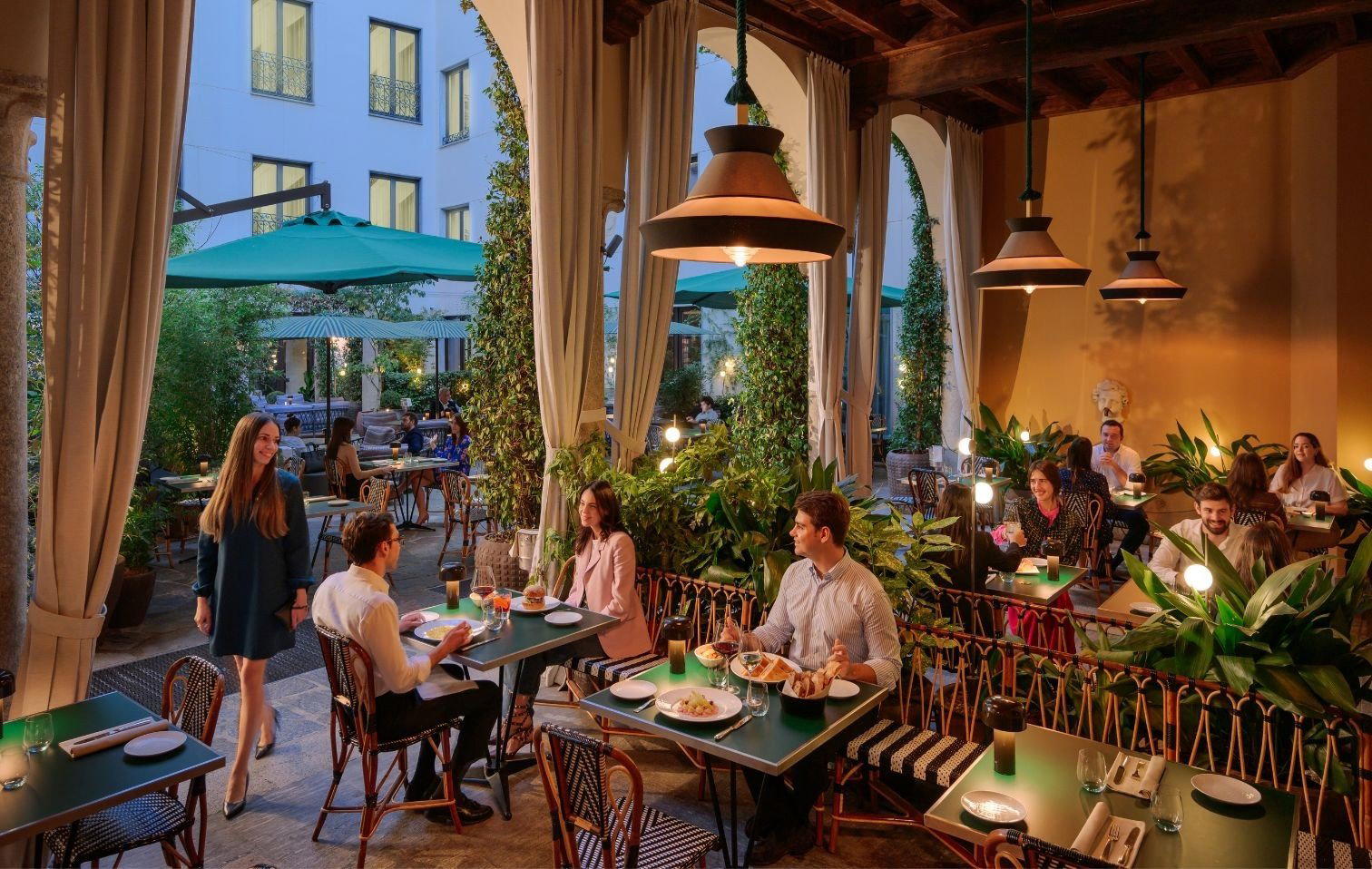
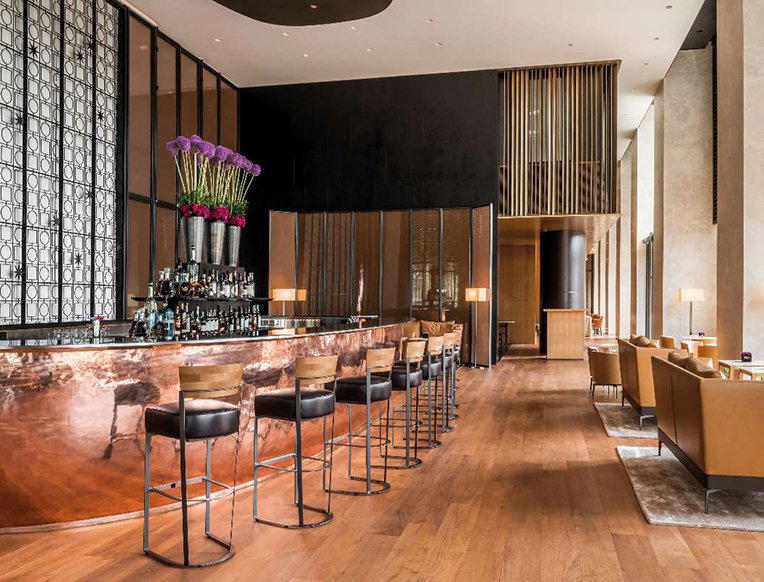
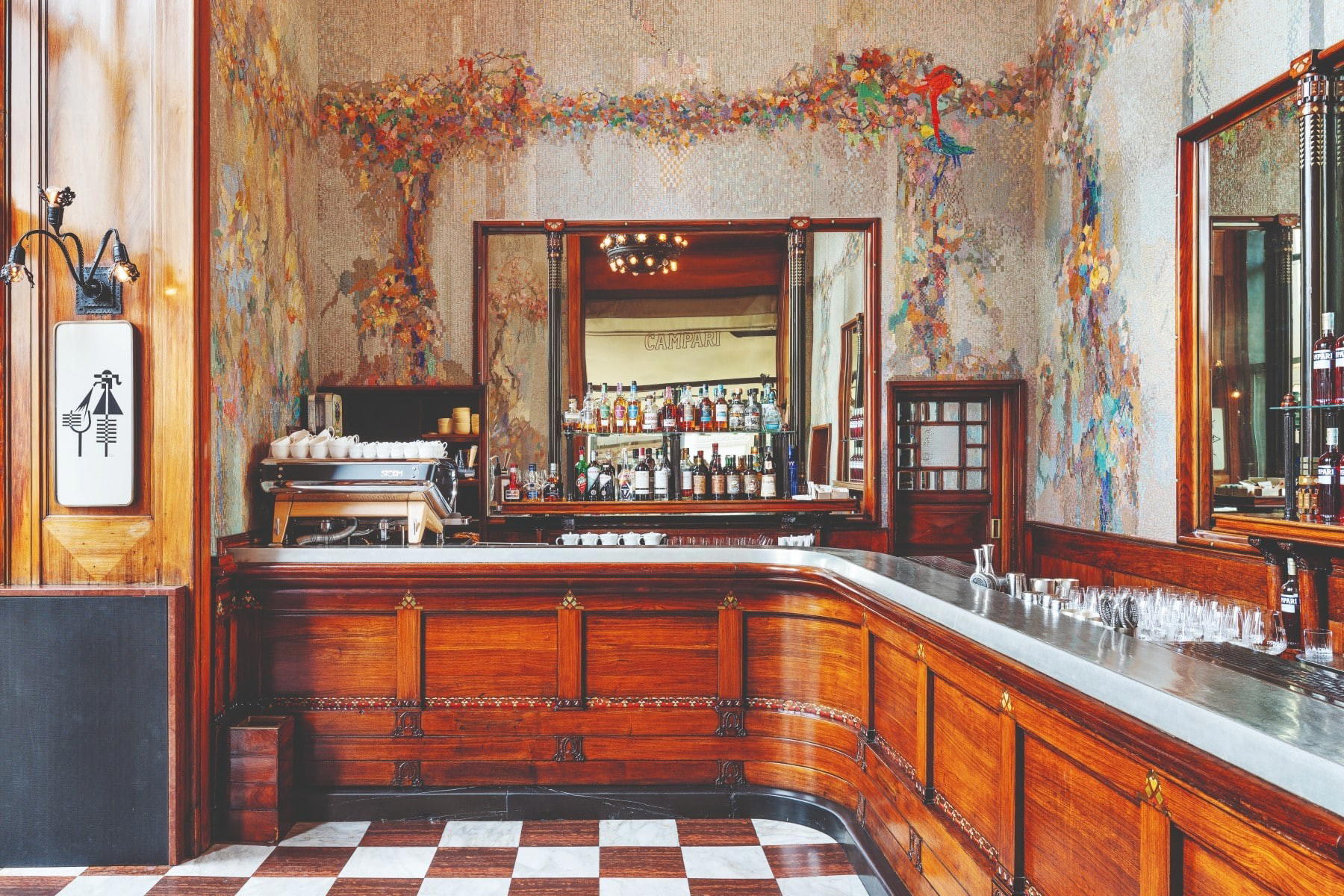
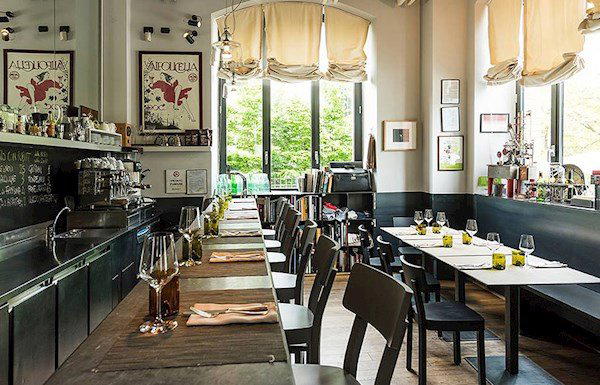
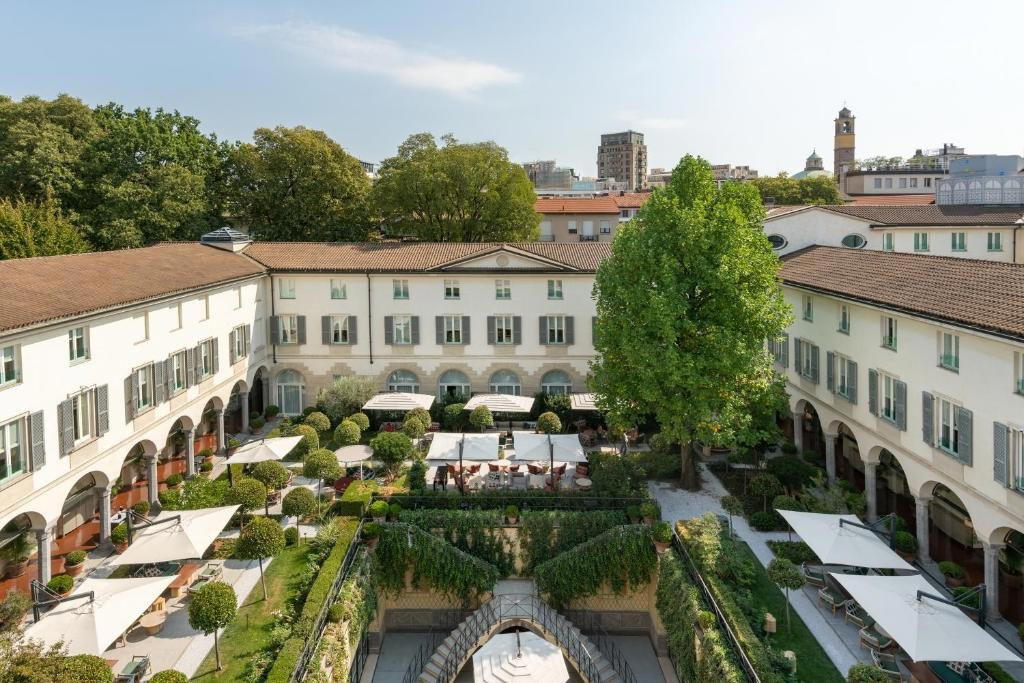
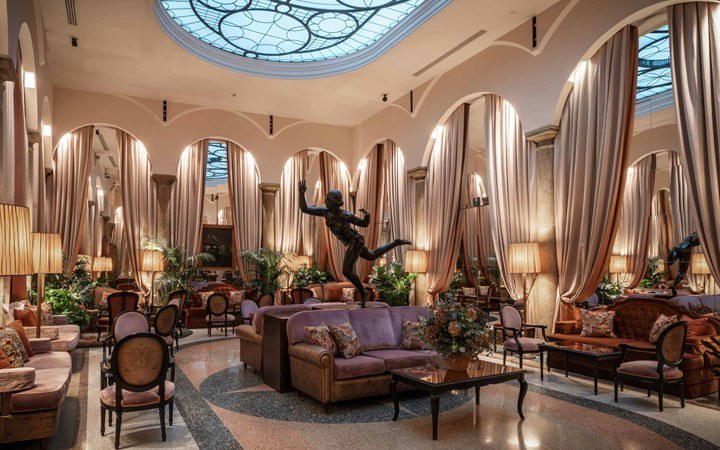
Warm and intimate lounge with a central historic fireplace, soft lighting, plush sofas and armchairs, and a calm, refined hotel-bar atmosphere that feels like a private living room opening onto the courtyard garden.