Our verdict
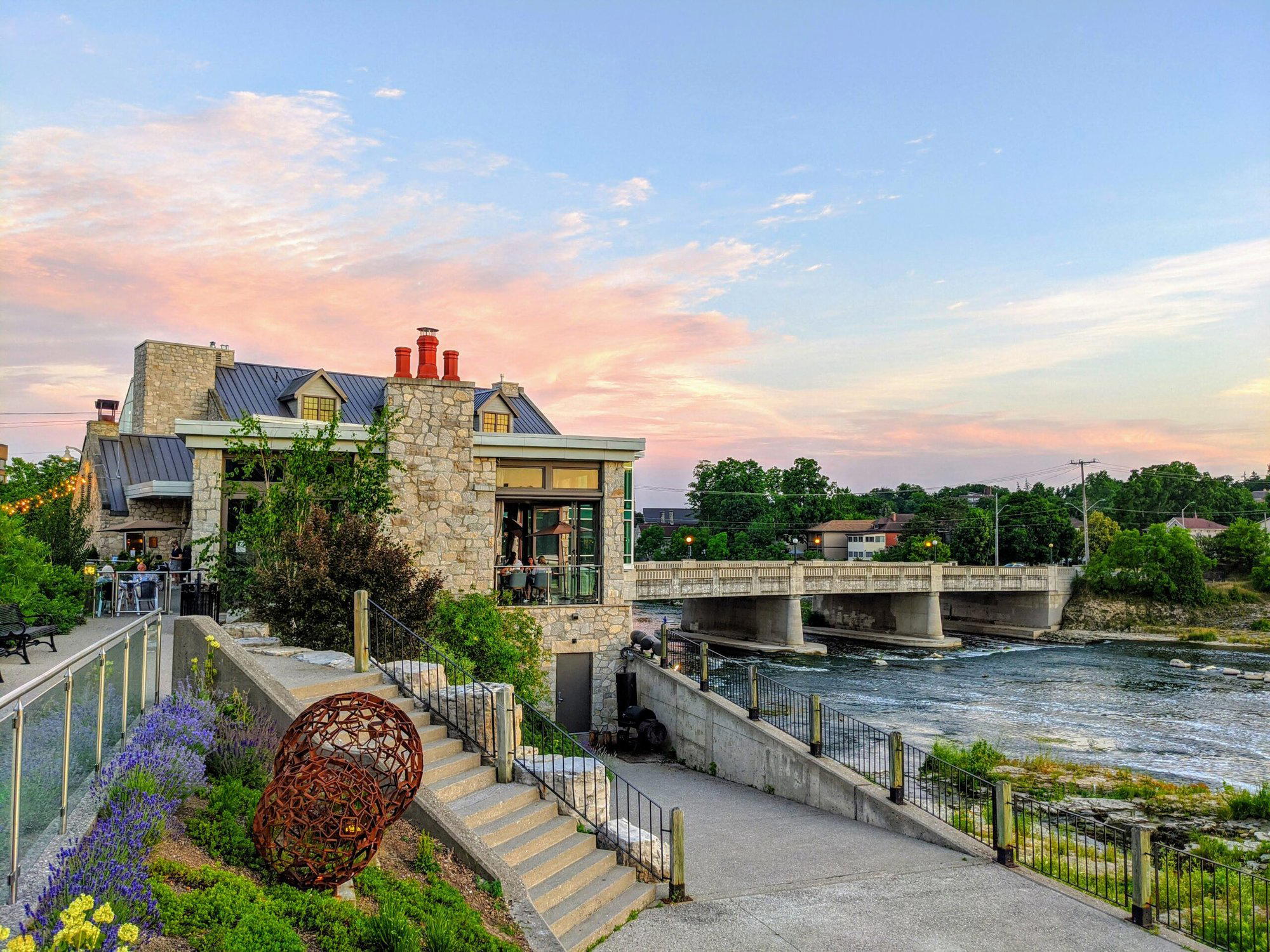
Cambridge Mill occupies a 19th-century grist mill on the Grand River, where the stone walls and millrace views set the stage for a wine-forward dining experience in the heart of Cambridge, Ontario. The cellar program draws serious attention in a region where heritage settings rarely match serious hospitality. For wine-focused diners within driving range of Toronto, it registers as one of Southern Ontario's more considered addresses.

Pearl is the En Primeur Club membership app, where members save venues, book tables and use the concierge.
The menu
What to order
- Sunday Brunch Buffet
- Prime Rib
- Glazed Trout
- Eggs Benedict
- Crêpe Station
Stone, Water, and the Weight of a Wine List
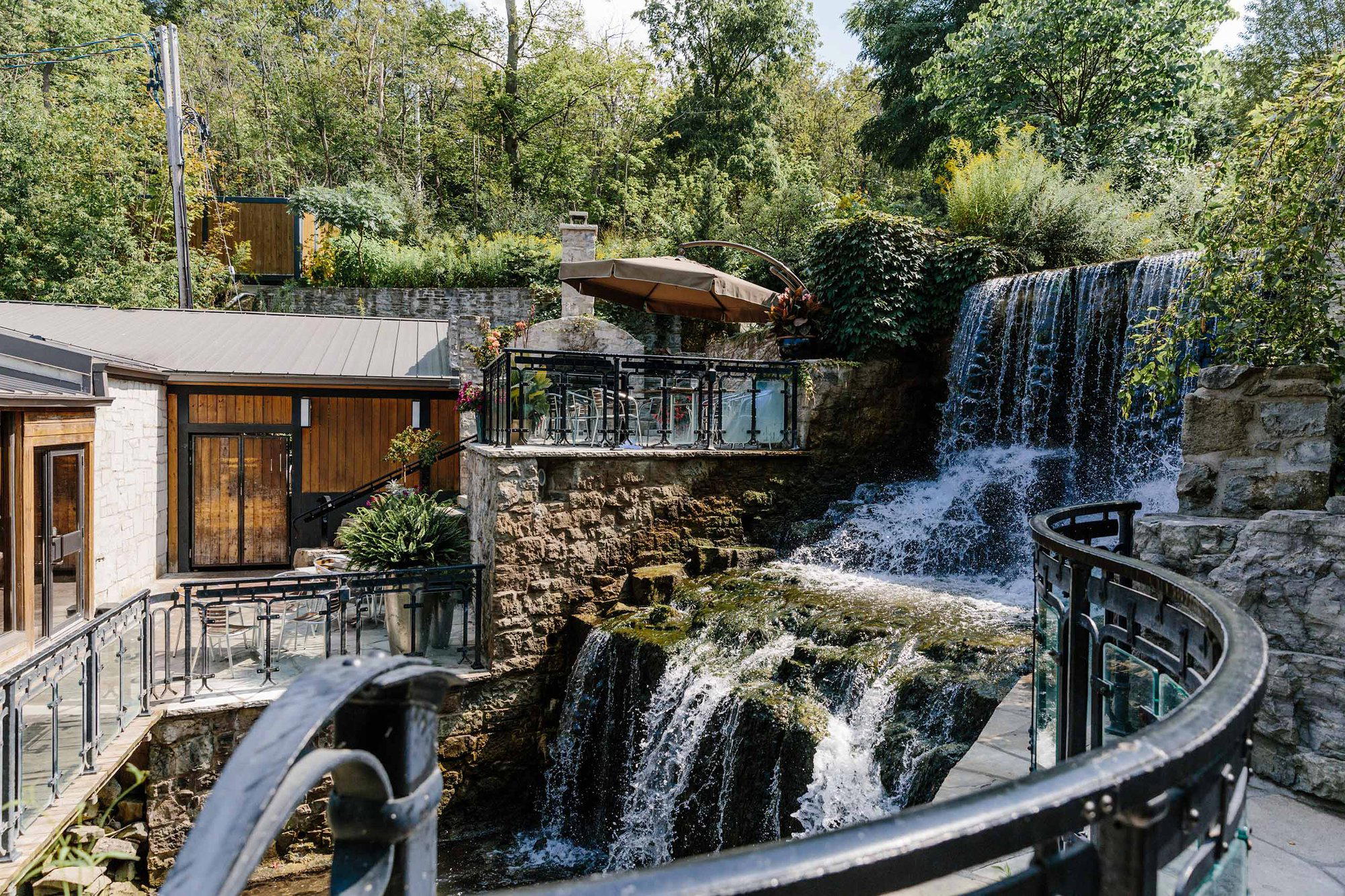
The Grand River has shaped Cambridge since before the city had its current name. At 100 Water Street North, the current iteration of that relationship takes the form of a restored 19th-century grist mill, its limestone walls and timber frames doing exactly what heritage architecture does leading: lending a room gravity it would take decades to manufacture from scratch. Approaching from the street, the building reads as a landmark before you've opened a door. That first impression is not incidental to the dining experience. In Ontario's mid-sized cities, settings like this are rare, and restaurateurs who inherit them carry both an advantage and an obligation.
Cambridge, the amalgamated city formed from Galt, Preston, and Hespeler in 1973, sits roughly 90 minutes southwest of Toronto and occupies a different register than its larger neighbours. It doesn't generate the dining press coverage of Kitchener-Waterloo, and it isn't positioned as a destination in the way Stratford markets itself around the festival circuit. What it has is an older industrial character, the river, and a handful of addresses serious enough to hold the attention of diners willing to leave the 401 corridor behind. Cambridge Mill operates at the top of that short list.
The Wine Program as Primary Lens
In most heritage-building restaurants, the room is the offering and the wine list is an afterthought. The cellar at Cambridge Mill inverts that hierarchy, or at least attempts to. Canadian dining has moved steadily toward more considered wine programs over the past decade, partly driven by the expansion of Ontario's own VQA system and Niagara's rising international profile, and partly by a generation of sommeliers who trained abroad and brought European cellar discipline back with them. The leading Ontario lists now carry real depth in Burgundy and Champagne alongside the domestic program, and treat by-the-glass selections as a reflection of editorial judgment rather than inventory management.
For a venue in Cambridge's position, the wine list is the primary tool for signaling where it competes. Without specific verified list details available for this review, the editorial signal is the positioning itself: a mill-building dining room at this price tier and audience expectation is not pitching to the casual midweek crowd. The room, the setting, and the category suggest a cellar built to match. Readers planning a visit who place weight on wine-service depth should confirm current list composition directly with the venue before booking, as programs at this level turn seasonally.
The broader Ontario context is worth holding in mind. Restaurant Pearl Morissette in Lincoln has made an international argument for what a wine-estate dining program in this province can achieve. Alo in Toronto operates the tasting-menu and cellar standard that Toronto's top tier benchmarks against. The Pine in Creemore demonstrates what wine seriousness looks like in a smaller-town setting. Cambridge Mill enters that conversation from a distinctive geographic and architectural position: it is neither a city restaurant nor a rural destination, but something in between, which gives its cellar program a particular kind of stake in the outcome.
Dining at the Mill: Scene and Format
Heritage dining rooms in Ontario tend toward one of two formats: the event-space banquet operation, where the building does the work and the food is secondary, or the serious kitchen that treats the setting as context rather than content. Cambridge Mill's positioning within the Cambridge market, at the upper end of the local dining tier, places it closer to the latter category. The Grand River views from the dining room function as atmosphere, not distraction. Stone and water have a way of making a room feel both located and removed from ordinary time, which is precisely the condition under which a long dinner with a good bottle makes the most sense.
For comparison, Cambridge's other serious addresses run in different directions. Midsummer House (Contemporary British, Creative) and Restaurant Twenty-Two (Modern Cuisine) each hold their own positioning in the city's premium dining tier. More casual options like 730 Tavern, Kitchen & Patio and Afghan Flavour fill out the mid-market, while 1369 Coffee House anchors the neighborhood daytime trade. Cambridge Mill operates in a different register from all of them.
Comparable Canadian addresses that share the heritage-setting and wine-forward combination include Eigensinn Farm in Singhampton and Fogo Island Inn Dining Room in Joe Batt's Arm, both of which demonstrate that serious hospitality in non-urban settings depends on a precisely calibrated sense of occasion. At the international level, Le Bernardin in New York City and Lazy Bear in San Francisco represent the standard against which any program claiming cellar depth is ultimately measured, even if Cambridge Mill operates at a different scale and ambition level.
Planning Your Visit
Cambridge sits between the Kitchener-Waterloo and Hamilton metropolitan areas, accessible by car from Toronto in roughly 90 minutes via Highway 401. The Water Street address places Cambridge Mill along the Grand River in the former Galt district, which retains the most intact 19th-century streetscape in the city. Weekend reservations at the upper end of Cambridge's dining market tend to fill in advance, and a venue of this character and positioning should be booked with reasonable lead time, particularly for larger parties or special occasions. Those building a longer regional itinerary around Ontario dining can reference our full Cambridge restaurants guide for broader context, or cross-reference other serious Canadian addresses such as Tanière³ in Quebec City, AnnaLena in Vancouver, Jérôme Ferrer - Europea in Montreal, Narval in Rimouski, and Busters Barbeque in Kenora for a fuller picture of what the country's dining range looks like across price points and formats.
Frequently asked questions
Where is Cambridge Mill located?
Cambridge Mill is located at 100 Water St N, Cambridge, ON N1R 1P1, Canada, Cambridge.
Is Cambridge Mill a good venue for a private event or celebration dinner in Cambridge, Ontario?
Cambridge Mill's 19th-century mill building on the Grand River positions it as one of the more architecturally distinctive private dining options between Toronto and Hamilton. Heritage-building venues of this type in Ontario typically offer multiple room configurations suited to corporate dinners, anniversaries, and milestone events. Reach out to the venue at 100 Water Street North, Cambridge for current event availability and format details.
What do regulars order at Cambridge Mill?
What the venue's positioning does signal is that the wine program drives the dining experience at 100 Water Street North, meaning regulars tend to build their meal around the cellar rather than the other way around. Contacting Cambridge Mill directly will give you the most accurate picture of current menu options.
What's the best way to book Cambridge Mill?
Heritage-room restaurants in Ontario's secondary cities often fill well in advance for weekend dinner service, particularly in rooms with limited covers. For a wine-focused visit from Toronto or Kitchener-Waterloo, booking as far ahead as possible and specifying your interest in the wine program when you reserve is the practical approach. Current booking contact details are best confirmed directly with the venue at 100 Water Street North, Cambridge.
Comparable Venues
Comparable venues nearby, for context on price, style, and recognition.
| Venue | Cuisine | Price | Awards | Notes |
|---|---|---|---|---|
| Cambridge MillThis venue (the venue you are viewing) | Contemporary Canadian Farm-to-Table | $50–100 | Not listed | Not listed |
| The Aging Oak | Canadian Tapas | Not listed | Not listed | Hespeler Village |
| Wilk's Bar | Contemporary Gastropub | $30–50 | Relais Chateaux Award | Langdon Hall Country House Hotel & Spa |
| Afghan Flavour | Authentic Afghan | $20–30 | Not listed | Cambridge |
| Alder | Mediterranean | Not listed | Not listed | Cambridge |
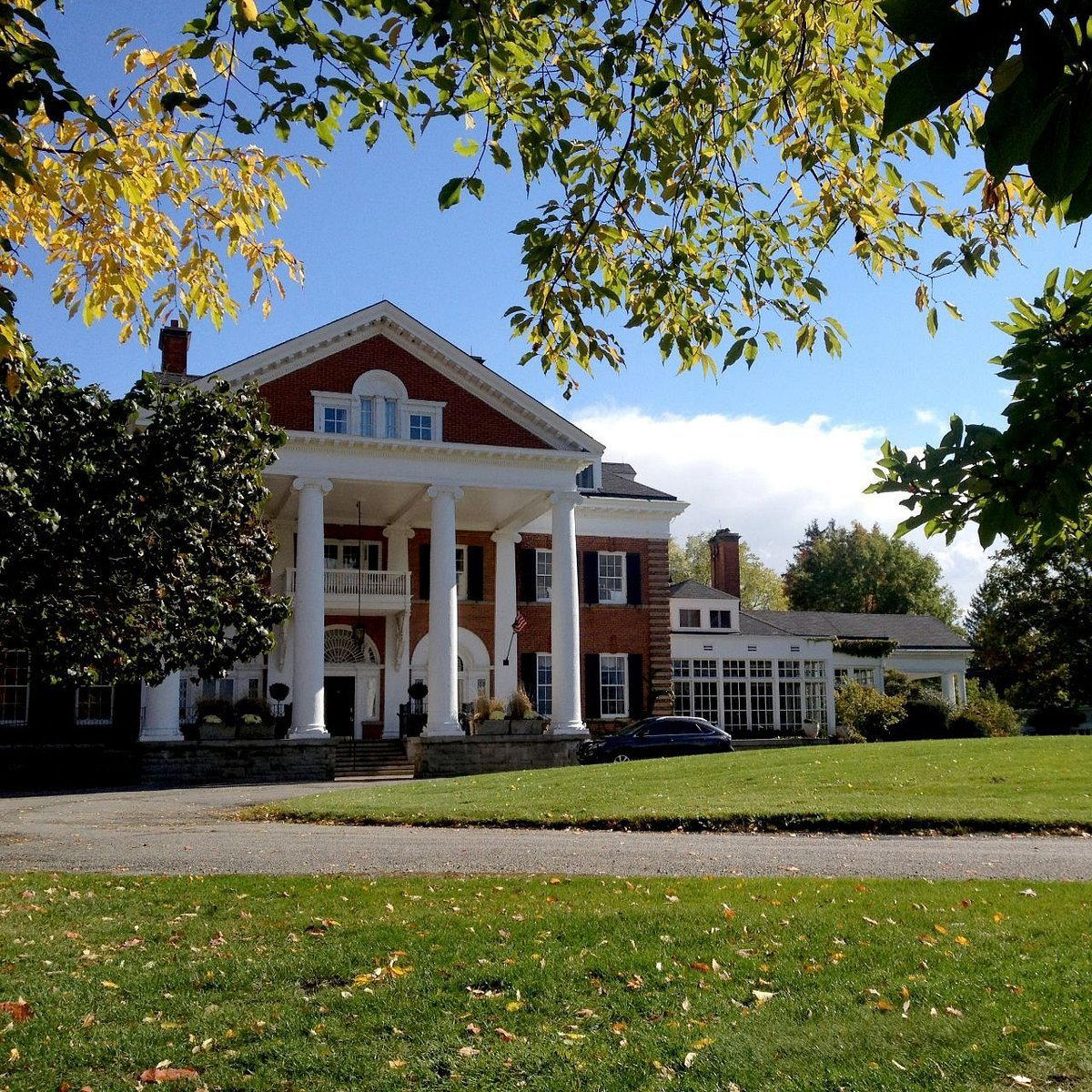
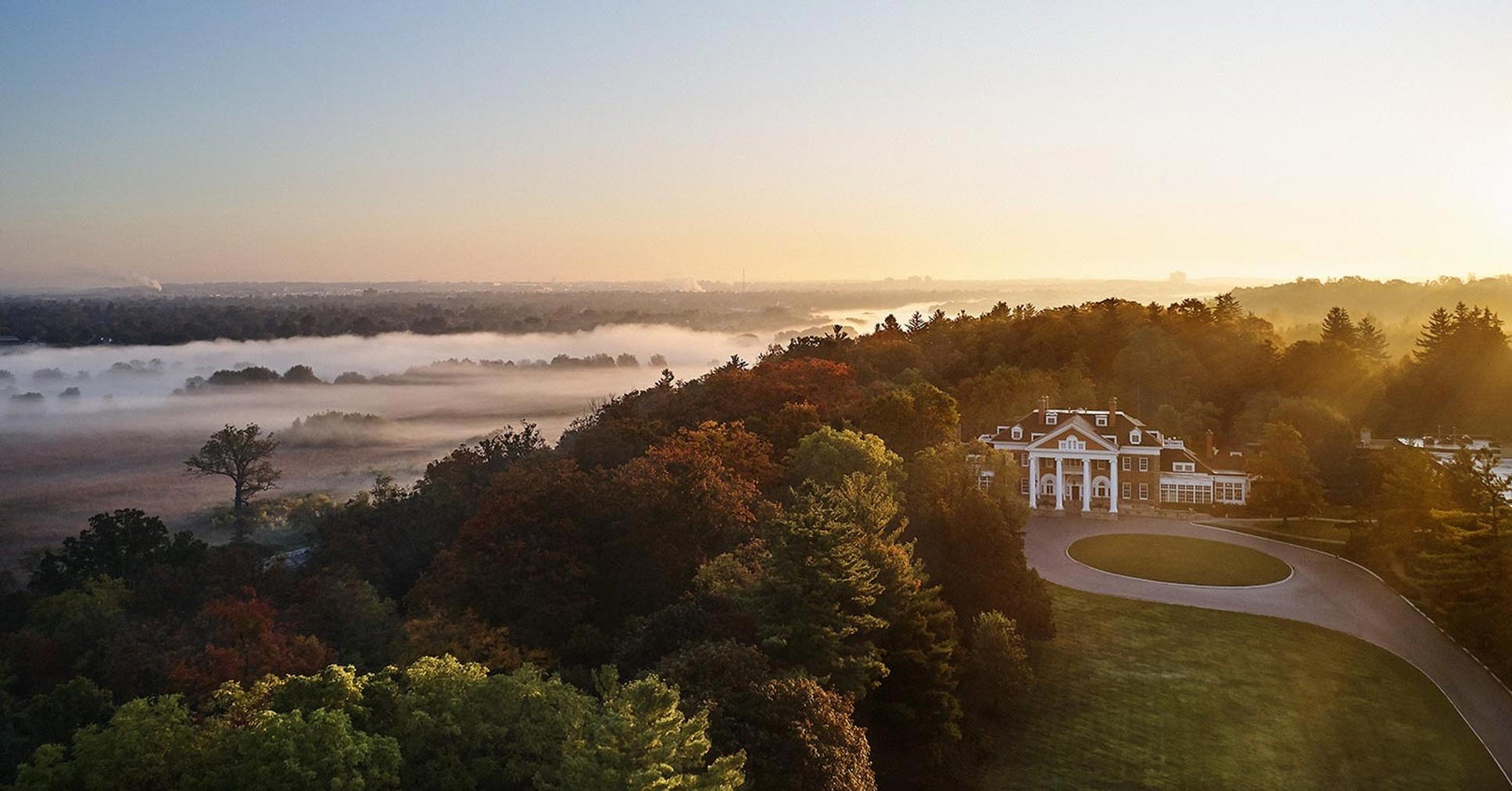
| Langdon Hall | Refined Canadian Fine Dining | $150–200 | Michelin Plate · La Liste Top Restaurants | Cambridge |
Continue exploring
More in Cambridge
Restaurants in Cambridge
All restaurants in Cambridge →
Bars in Cambridge
Browse all →
Hotels in Cambridge
All hotels in Cambridge →
Cambridge Mill
The wine
- Extensive wine list
- Sommelier-led
- Craft cocktails
Details
- Romantic
- Scenic
- Elegant
- Rustic
- Historic
- Date Night
- Brunch
- Celebration
- Special Occasion
- Private Event
- Group Dining
- Waterfront
- Historic Building
- Private Dining
- Terrace
- Panoramic View
- Live Music
- Extensive Wine List
- Craft Cocktails
- Sommelier Led
- Farm To Table
- Local Sourcing
- Waterfront
- A La Carte
- Prix Fixe
- Buffet
- Wine
- Cocktails
- Craft Beverages
- Vegetarian Friendly
- Vegan Options
- Gluten Free Options
Current opening hours
- Monday
- Closed
- Tuesday
- 11:30 AM–8:30 PM
- Wednesday
- 11:30 AM–8:30 PM
- Thursday
- 11:30 AM–9 PM
- Friday
- 11:30 AM–9 PM
- Saturday
- 11:30 AM–9 PM
- Sunday
- 9 AM–4 PM, 5–8 PM
Hours can change for holidays and private events. Hours as of .
Warm and elegant with original stonework, fireplaces, and panoramic river views; combines historic charm with contemporary comfort across five stories of beautifully restored industrial architecture.