Caló Kitchen + Tequila
Caló Kitchen + Tequila brings Mexican-influenced cooking and an agave-forward bar program to Rosecrans Avenue in El Segundo, a stretch of the South Bay that has quietly developed into a credible dining corridor. The format pairs kitchen and tequila bar under one roof, positioning it within a local scene that ranges from Italian-focused wine bars to Japanese concepts and American BBQ.
Pearl is the En Primeur Club membership app — saves, bookings, and concierge access live there. Same editors, same standards.
- Address
- 2191 Rosecrans Ave, El Segundo, CA 90245
- Phone
- +14242692322
- Website
- calokitchen.com
- Directions
- Get directions
 Saves & bookings on Pearl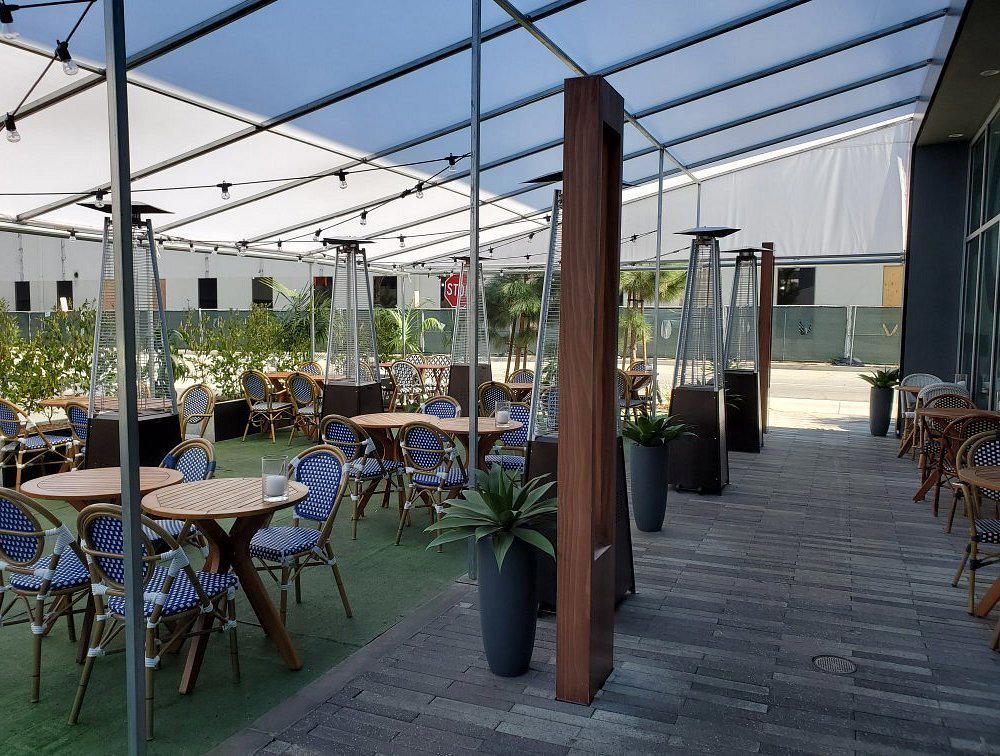
Where the South Bay Meets the Agave Belt
El Segundo's Rosecrans Avenue has spent the better part of a decade accumulating restaurants that punch above the expectations of an airport-adjacent suburb. The corridor now includes an Italian wine bar with serious cellar depth at Jame Enoteca, a Japanese concept at SALOON OSAKA, and smoke-forward American barbecue at Sauced BBQ & Spirits. Caló Kitchen + Tequila occupies a distinct lane in this mix: a Mexican-influenced kitchen paired with an agave-centered bar program, sitting at 2191 Rosecrans Ave in a neighborhood that has shown it can support format-specific concepts rather than generic crowd-pleasers.
That pairing of kitchen and dedicated tequila program reflects a broader shift in how Mexican and Mexican-American dining has repositioned itself in Southern California. Tequila, once treated as a party vehicle rather than a sipping category, now sits alongside mezcal and other agave spirits in bar programs that treat production method and regional origin as seriously as any wine list. Restaurants built around that premise tend to attract a different conversation at the bar, one that circles back to terroir, to the highlands versus lowlands divide in blue agave cultivation, and to why a blanco from the Jalisco highlands tastes categorically different from a reposado rested in American oak. Caló's name, a nod to the street slang that bridged Mexican and Chicano culture across the Southwest, signals that the concept is rooting itself in something more specific than generic Tex-Mex or resort-style margarita culture.
The Cultural Weight of a Kitchen and Bar Pairing
Mexican cuisine carries one of the more complicated critical histories of any major food tradition in the United States. For much of the twentieth century, it was either reduced to a cheap-casual category or filtered through Tex-Mex conventions that bore limited resemblance to regional Mexican cooking. The last fifteen years have seen a correction, with chefs and restaurateurs in Los Angeles, Chicago, and New York pressing the argument that Mexican regional cooking deserves the same critical attention as any European tradition. That argument has largely been won in the press, even if fine-dining price points for Mexican food remain contested territory in many markets.
The tequila side of that equation has followed a parallel arc. Agave spirits earned their own dedicated criticism, their own certification programs, and eventually their own collector market, with allocated bottles from producers like Fortaleza or G4 trading on secondary markets in ways that mirror allocated Burgundy or Japanese whisky. A restaurant concept that takes both the kitchen and the agave bar seriously is, in that context, making a coherent cultural statement rather than a marketing one. It says that the food and the drink share a common geography and a common tradition, and that neither is an afterthought to the other.
Within El Segundo's dining scene, that positioning places Caló alongside concepts making similar arguments about specificity: Sausal has staked its own ground in the neighborhood, and Chef Hannes operates in a European register that assumes a diner willing to engage with the concept on its own terms. Caló operates from the same premise, that El Segundo diners are capable of more than the airport-hotel dining that the neighborhood's geography might imply.
Reading the Room: Format and Scene
The kitchen-plus-tequila-bar format positions Caló within a recognizable Southern California template: restaurants where the bar program is a co-equal draw to the kitchen rather than an amenity attached to it. In Los Angeles proper, versions of this model appear across Mexican-focused dining at multiple price points. The South Bay variant tends toward accessibility over spectacle, with less of the design-forward theater that defines some Eastside or Silver Lake concepts, and more emphasis on the regulars who make a neighborhood restaurant economically viable through the week, not just on Friday nights.
For a point of comparison in the wider California dining conversation, the contrast between El Segundo's neighborhood-anchored format and the destination-scale investment at places like The French Laundry in Napa or Single Thread Farm in Healdsburg is instructive. Those properties operate on reservation cycles measured in months and price points that require advance financial planning. Caló sits on the opposite end of that axis, in the mode of a restaurant that functions as part of the everyday fabric of a specific address rather than as a pilgrimage destination. That is not a lower ambition; it is a different one, and often a harder one to sustain. Nationally, the challenge of building a loyal neighborhood base is as visible at Smyth in Chicago as it is at a South Bay tequila bar, even if the scale and price tier differ entirely.
Among Mexican-influenced concepts in Southern California, Providence in Los Angeles and Addison in San Diego represent the fine-dining pole of the regional argument, where tasting-menu formats and Michelin recognition set the critical benchmark. Caló does not compete in that tier, nor does it appear positioned to. Its argument is made at street level, through consistent execution across a kitchen and bar that share a culinary geography.
Planning Your Visit
Caló Kitchen + Tequila is located at 2191 Rosecrans Ave in El Segundo, placing it within easy reach of the South Bay residential neighborhoods and the offices concentrated along the Rosecrans corridor. For visitors arriving from outside the immediate area, the address sits close enough to LAX that it functions as a practical first or last stop, though it reads as a neighborhood restaurant rather than an airport-adjacent convenience. Specific booking details, current hours, and reservation policy are best confirmed directly through the venue, as these details fall outside what can be verified here. El Segundo's dining scene rewards those willing to move beyond the airport strip; for a fuller orientation,
Readers building a broader California itinerary might also note that Lazy Bear in San Francisco and Blue Hill at Stone Barns in Tarrytown operate at the destination end of the spectrum, with booking windows and price commitments that require planning months in advance. Caló operates closer to the spontaneous end, which gives it a different kind of usefulness in any well-structured trip.
Price and Positioning
Comparable venues nearby, for context on price, style, and recognition.
| Venue | Cuisine | Price | Notes |
|---|---|---|---|
| Caló Kitchen + TequilaThis venue — the venue you are viewing | El Segundo, Modern Mexican Kitchen | $$$ | Not listed |
| Sausal | Downtown, Nuevo Rancho Mexican | $$$ | Not listed |
| Sauced BBQ & Spirits | El Segundo, Southern BBQ | $$ | Not listed |
| SALOON OSAKA | El Segundo, Cozy Japanese Sushi | $$ | Not listed |
| Tapizôn | Main Street, Brazilian-Asian Fusion | $$ | Not listed |
| Chef Hannes | Not listed | $$ | downtown El Segundo, Eclectic Italian Bistro |
Continue exploring
More in El Segundo
Restaurants in El Segundo
Browse all →
Bars in El Segundo
Browse all →
Hotels in El Segundo
Browse all →
Wineries in El Segundo
Browse all →
At a Glance
- Modern
- Lively
- Trendy
- Casual Hangout
- Family
- Group Dining
- Open Kitchen
- Craft Cocktails
Current opening hours
- Monday
- 11 AM–9:30 PM
- Tuesday
- 11 AM–9:30 PM
- Wednesday
- 11 AM–9:30 PM
- Thursday
- 11 AM–9:30 PM
- Friday
- 11 AM–10:30 PM
- Saturday
- 11 AM–10:30 PM
- Sunday
- 11 AM–9:30 PM
Hours can change for holidays and private events. Last verified .
Modern, high-end atmosphere with thoughtful service and a lively vibe suitable for families and groups.