Our verdict
Cai Kitchen occupies a quiet address in Hamburg's Schanzenviertel, bringing a focused approach to Asian cooking in a city whose fine-dining identity is dominated by European formats. In a neighbourhood better known for its independent creative scene than its destination restaurants, it represents the kind of specialist, low-profile operation that rewards those who look past the obvious.

Pearl is the En Primeur Club membership app — saves, bookings, and concierge access live there. Same editors, same standards.
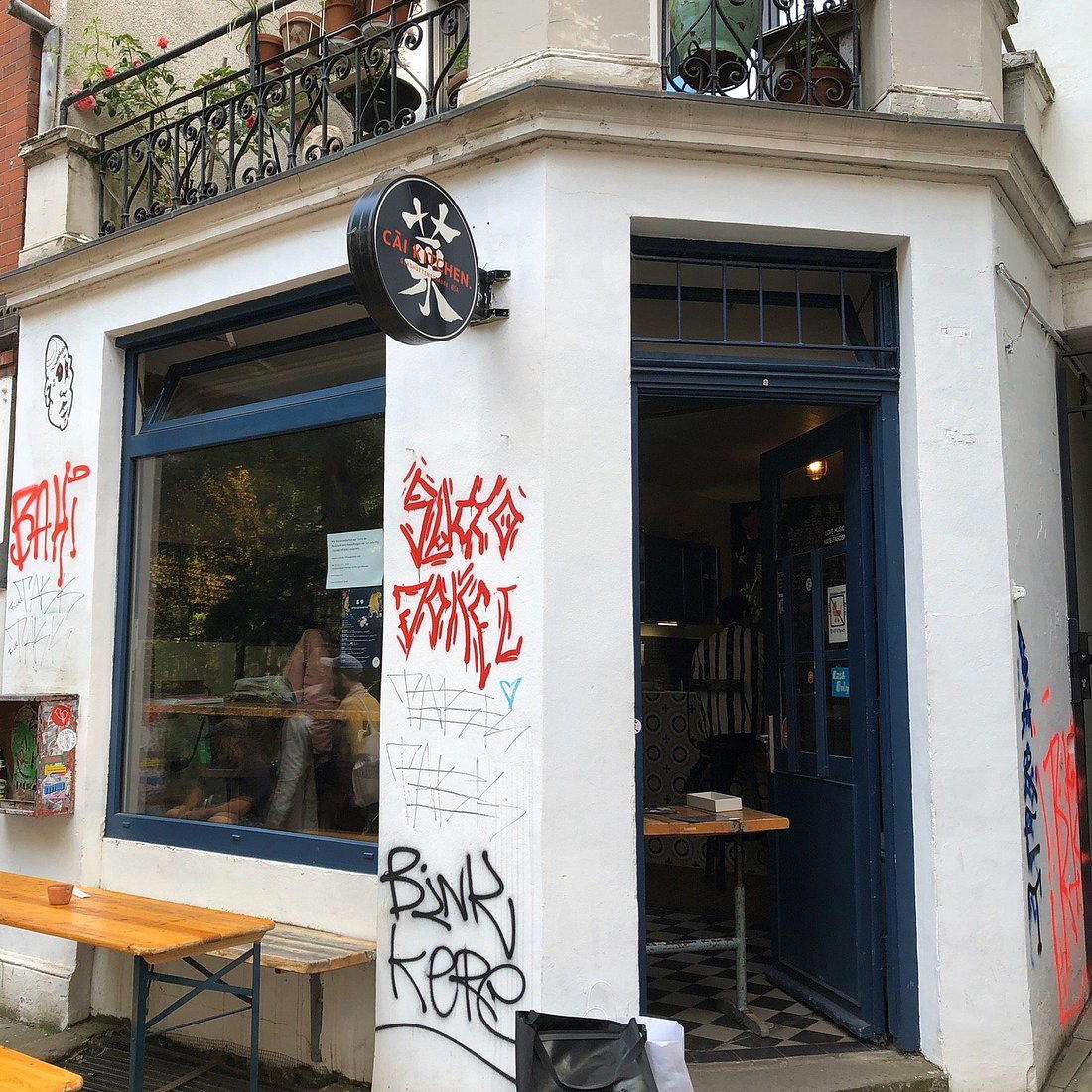
Schanzenviertel and the Case for Asian Cooking in Hamburg
Hamburg's restaurant map has long been shaped by its harbour heritage and its appetite for northern European classicism. The city's most decorated tables — places like Restaurant Haerlin and The Table Kevin Fehling — operate in the French-influenced creative fine-dining tradition, and they set the tone for how the city is discussed internationally. But there is a parallel dining culture running beneath that headline tier, concentrated in neighbourhoods like the Schanzenviertel, where independent operators work with more focused, less ceremonial formats.
Glashüttenstraße sits inside that neighbourhood, in the western stretch of the Schanze that blurs into Eimsbüttel. The streets here carry the texture of a working creative quarter: small-footprint shops, independent cafés, buildings whose ground floors cycle through uses. A restaurant opening here is not making a statement about prestige address, it is making a statement about its own food. That context matters when thinking about what Cai Kitchen is and what it is trying to do.
Asian Cooking in a European City: What the Context Demands
Running an Asian kitchen in a northern European city involves a particular set of pressures that do not apply to, say, a similar operation in London or Amsterdam. Hamburg has a comparatively smaller population of diners who grew up eating the cuisines of East and Southeast Asia, which means the reference pool is shallower. Restaurants operating in this space often face a choice: pitch to the broadest possible audience with familiar adaptations, or maintain a more disciplined fidelity to technique and ingredient and accept a smaller, more specific following.
The latter approach is, historically, the one that produces cooking worth discussing. Cities like Tokyo demonstrate that proximity to source ingredients and a deep cultural familiarity with a cuisine's internal logic produces a different result than kitchens working at a remove. But European cities also have their own examples: the Chinese and Vietnamese kitchens of Paris's 13th arrondissement, the Cantonese restaurants of London's Chinatown that have survived decades by refusing to simplify. The question for any Asian kitchen in Hamburg is where on that spectrum it chooses to sit.
Cai Kitchen's address in the Schanzenviertel places it among a dining public that is, by the neighbourhood's demographic character, relatively open to eating outside European formats. That is a meaningful locational advantage, even if the restaurant itself remains relatively low-profile in the wider conversation about Hamburg dining. For comparison, the city's most prominent tables, 100/200 Kitchen and bianc, operate in a different register entirely, with price points and production values that place them in a separate competitive tier.
The Cultural Roots of the Cuisine
"Cai" (菜) is a Chinese character with broad meaning, it translates variously as vegetable, dish, or cuisine depending on context, and is used across Mandarin, Cantonese, and other Sinophone culinary traditions to denote a style or category of cooking. A kitchen operating under that name is signalling an orientation toward Chinese culinary tradition, though the specific regional or stylistic focus remains unconfirmed here.
Chinese regional cooking is one of the most internally varied culinary traditions in the world. The gap between Cantonese dim sum service, Sichuan mala cooking, Shanghainese benbang cuisine, and the wheat-based dishes of Shaanxi is not merely a matter of spice level or ingredient substitution, these are fundamentally different technical and philosophical approaches to food. A restaurant in Hamburg that chooses to work with any of these traditions seriously is engaging with something that has centuries of recorded culinary history behind it, a body of technique comparable in depth to the classical French tradition that dominates the city's fine-dining tier.
That framing matters because it positions Chinese cooking not as a casual or entry-level category but as a discipline with its own internal hierarchy and standards. Germany has produced serious engagement with this kind of cooking in certain pockets, Berlin's Chinese restaurant scene has diversified considerably over the past decade, and Hamburg's position as a major port city with long-standing trade connections to Asia gives it a historical basis for that engagement. For those tracking the wider arc of serious Asian cooking across German cities, CODA Dessert Dining in Berlin represents a different but instructive example of how a non-European culinary logic can be applied at a high level in a German context.
Where Cai Kitchen Sits in Hamburg's Dining Picture
Hamburg's decorated restaurant tier is well-represented across EP Club's coverage. Lakeside works the German lakeside tradition at the leading price tier; The Table Kevin Fehling operates at the summit of Hamburg's creative fine-dining hierarchy.
Cai Kitchen is not competing in that tier, nor does it appear to position itself there. The Schanzenviertel address and the absence of documented awards place it in the neighbourhood specialist category, restaurants that earn their following through consistency, a clear culinary point of view, and the trust of a local dining public rather than through institutional recognition. That is a legitimate and often durable position. Some of Germany's most interesting eating happens outside the Michelin-framed conversation, in kitchens that have little interest in the formal hierarchy. Examples like JAN in Munich or Schanz in Piesport show what focused culinary ambition looks like when it engages with formal recognition, but the Schanze is a neighbourhood that has historically been indifferent to those signals.
For international reference points on what serious Asian cooking looks like at the destination level, Le Bernardin in New York City and Lazy Bear in San Francisco illustrate how a tightly defined culinary identity, maintained with discipline, generates long-term critical and public standing. The underlying principle, know what you are and do it with rigour, applies across cuisine types and geographies. Closer to the German fine-dining mainstream, Victor's Fine Dining by Christian Bau in Perl and ES:SENZ in Grassau demonstrate what sustained commitment to a culinary identity produces over time. Bagatelle in Trier offers another regional point of comparison for those charting Germany's broader dining geography. For the full picture of where Hamburg's restaurants sit relative to each other, see our full Hamburg restaurants guide.
Know Before You Go
| Address | Glashüttenstraße 85a, 20357 Hamburg, Germany |
|---|---|
| Neighbourhood | Schanzenviertel |
| Cuisine | Asian (specific focus unconfirmed) |
| Price Range | |
| Booking | Contact, check current listings |
| Awards | None documented at time of writing |
Frequently asked questions
Where do I go for Cai Kitchen?
Cai Kitchen is located at Glashüttenstraße 85a, 20357 Hamburg, Germany, Hamburg.
Is Cai Kitchen a good option for a casual weekday dinner in Hamburg's Schanzenviertel?
Cai Kitchen's address at Glashüttenstraße 85a places it squarely within Schanzenviertel's walkable restaurant corridor, which makes it a practical choice for a neighbourhood dinner without the commute to Hamburg's more formal dining districts. The area draws a local rather than tourist-heavy crowd on weeknights, which tends to shape the atmosphere at smaller Asian kitchens in this part of the city. For confirmed hours and current availability, reaching the venue directly remains the most reliable step.
What's the must-try dish at Cai Kitchen?
Confirmed menu details are not available for Cai Kitchen at Glashüttenstraße 85a. The name 'Cai' (菜) points toward a Chinese culinary orientation, where regional traditions from Cantonese to Sichuanese each have signature preparations worth asking staff about directly. The kitchen's focus will tell you more than any external list.
Can I walk in to Cai Kitchen?
No booking policy is confirmed for Cai Kitchen. In Hamburg's Schanzenviertel, smaller Asian restaurants at street-level addresses like Glashüttenstraße 85a often take walk-ins outside peak Friday and Saturday evening hours. Arriving before 7pm on a weekday is the standard approach for neighbourhood spots without published reservation systems.
What makes Cai Kitchen worth seeking out?
Asian kitchens operating in Hamburg's Schanzenviertel face a local dining scene that skews heavily toward northern European and Mediterranean formats. A Chinese-oriented kitchen that holds to its culinary reference point rather than adjusting for the widest possible audience occupies a genuinely distinct position in that context. Glashüttenstraße 85a sits in a neighbourhood with high restaurant density, which means the competition filters out kitchens that are not doing something with conviction.
Can Cai Kitchen adjust for dietary needs?
Chinese cooking traditions span a wide range of approaches to meat, seafood, tofu, and vegetable preparation, meaning flexibility often depends on the specific regional style the kitchen follows. Contacting the restaurant directly before visiting is the reliable route for specific requirements.
Is Cai Kitchen overpriced or worth every penny?
No pricing data is confirmed for Cai Kitchen. Neighbourhood Asian restaurants in Schanzenviertel typically operate at mid-range Hamburg prices, below the city's Michelin-tier, making them competitive against the area's broader casual dining offer. Value at this address tier is generally determined by the kitchen's fidelity to its source cuisine rather than by décor or service formality.
Recognition Snapshot
A quick peer check to anchor this venue’s price and recognition.
| Venue | Cuisine | Price | Awards | Notes |
|---|---|---|---|---|
| Cai KitchenThis venue — the venue you are viewing | Vegan Sichuan Chinese | $20–30 | Not listed | Not listed |
| The Table Kevin Fehling | Avant-Garde Fusion Fine Dining | $200–300 | 3 Michelin Stars · La Liste Top Restaurants | Creative |
| bianc | Modern Mediterranean Fine Dining | $200–300 | 2 Michelin Stars · La Liste Top Restaurants | Modern Mediterranean, Mediterranean Cuisine |
| Lakeside | Modern European Fine Dining | $200–300 | 2 Michelin Stars · La Liste Top Restaurants | German Lakeside |
| Heimatjuwel | Modern Regional German Vegetarian Fine Dining | Not listed | 1 Michelin Star · We're Smart World 3 Radishes | German, Creative |
| Landhaus Scherrer | Michelin-Starred North German Fine Dining | $150–200 | 1 Michelin Star · Star Wine List | Modern European, Classic Cuisine |
Continue exploring
More in Hamburg
Restaurants in Hamburg
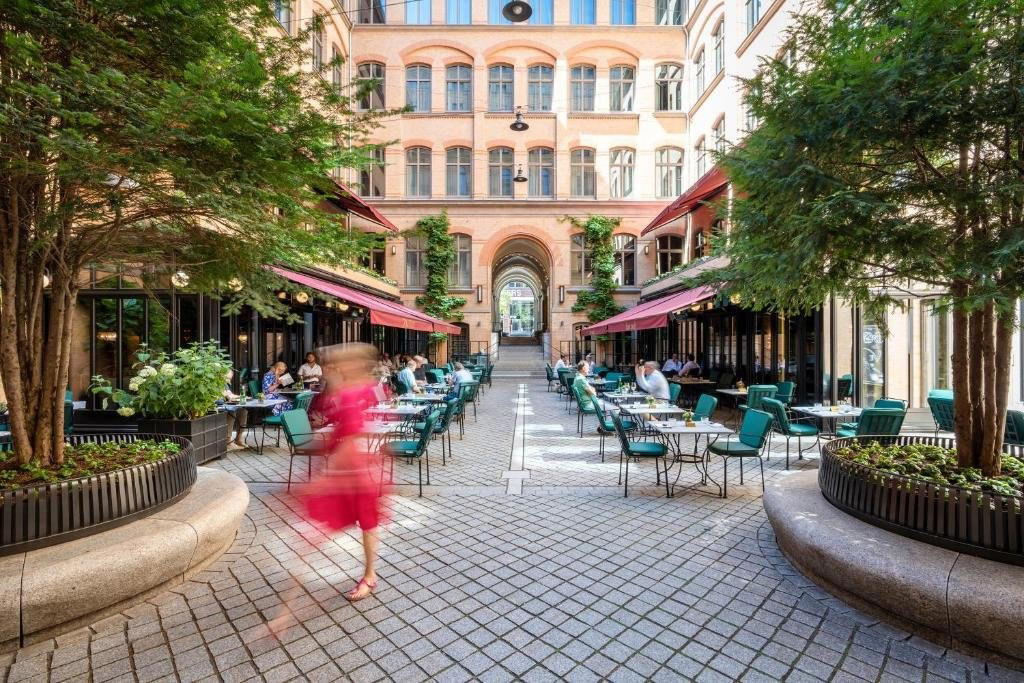
All restaurants in Hamburg →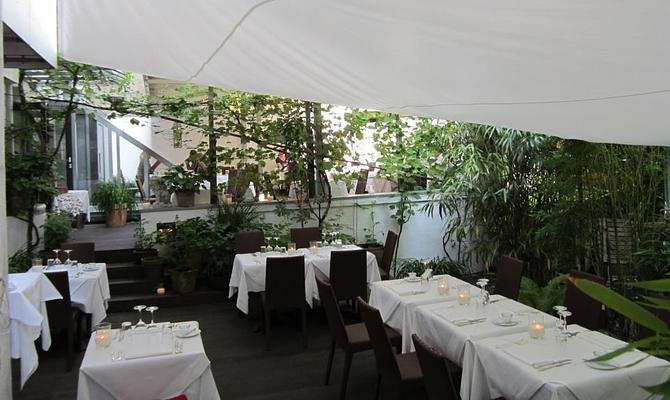
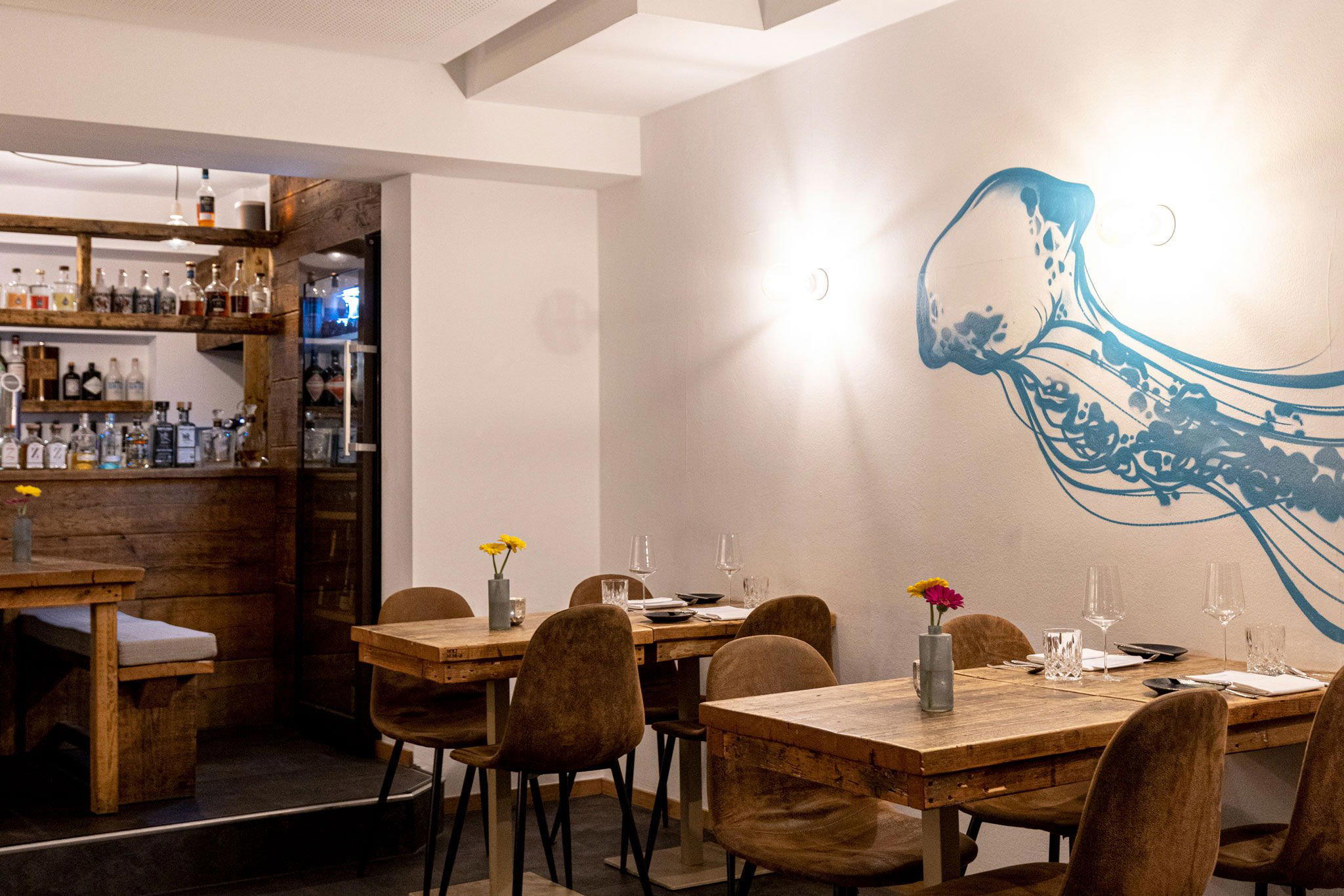
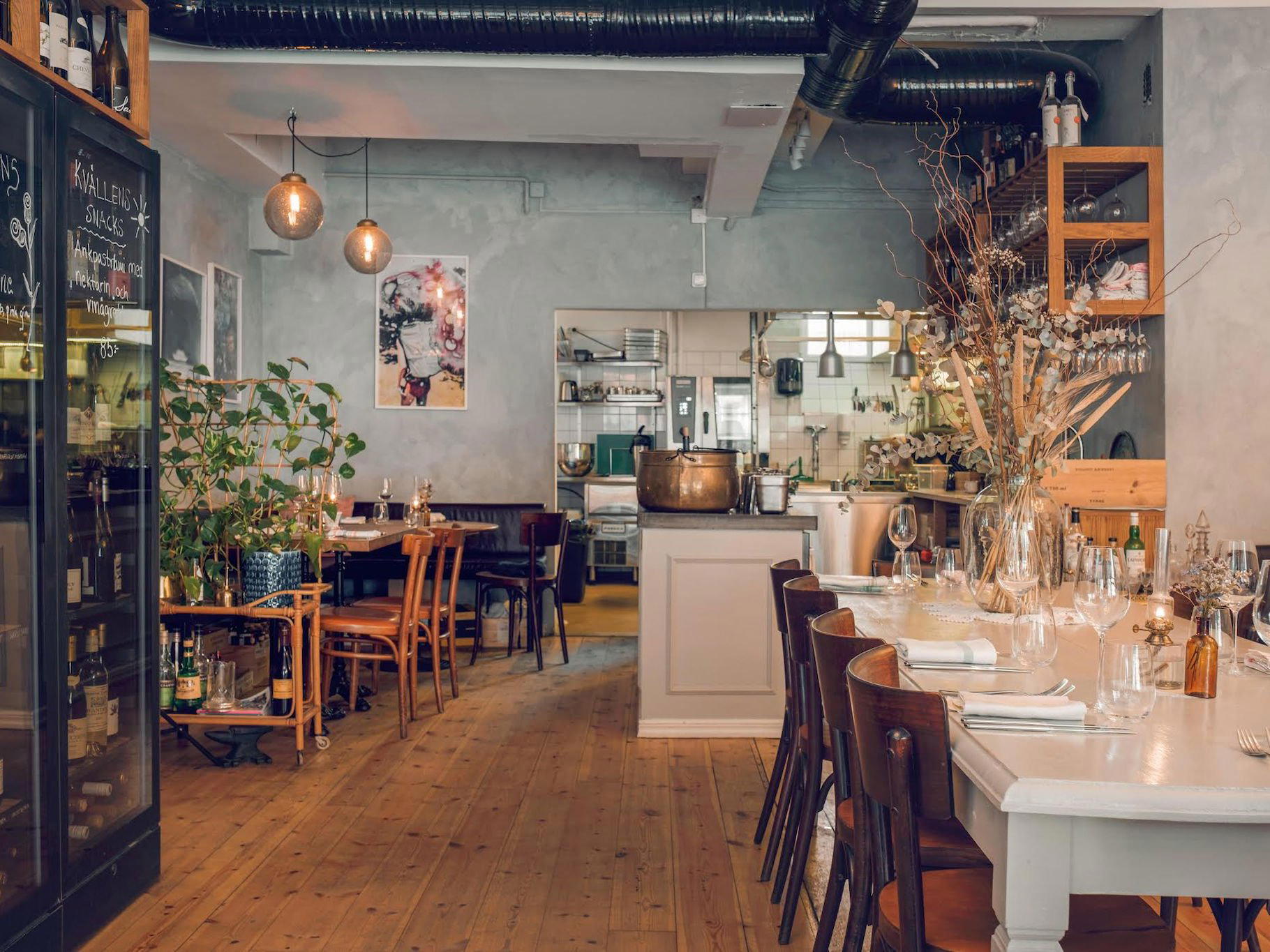
Bars in Hamburg
All bars in Hamburg →
Hotels in Hamburg
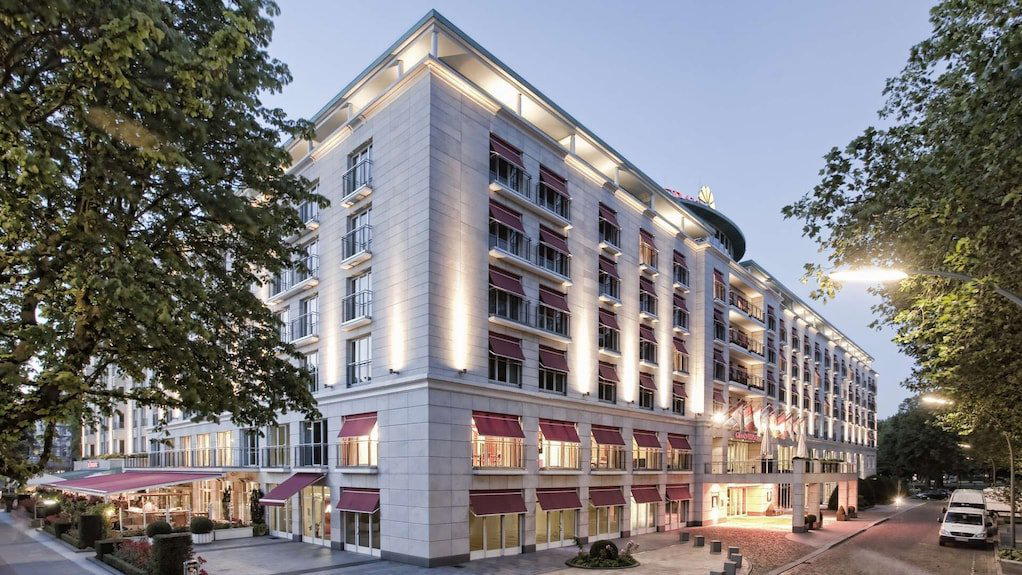
All hotels in Hamburg →
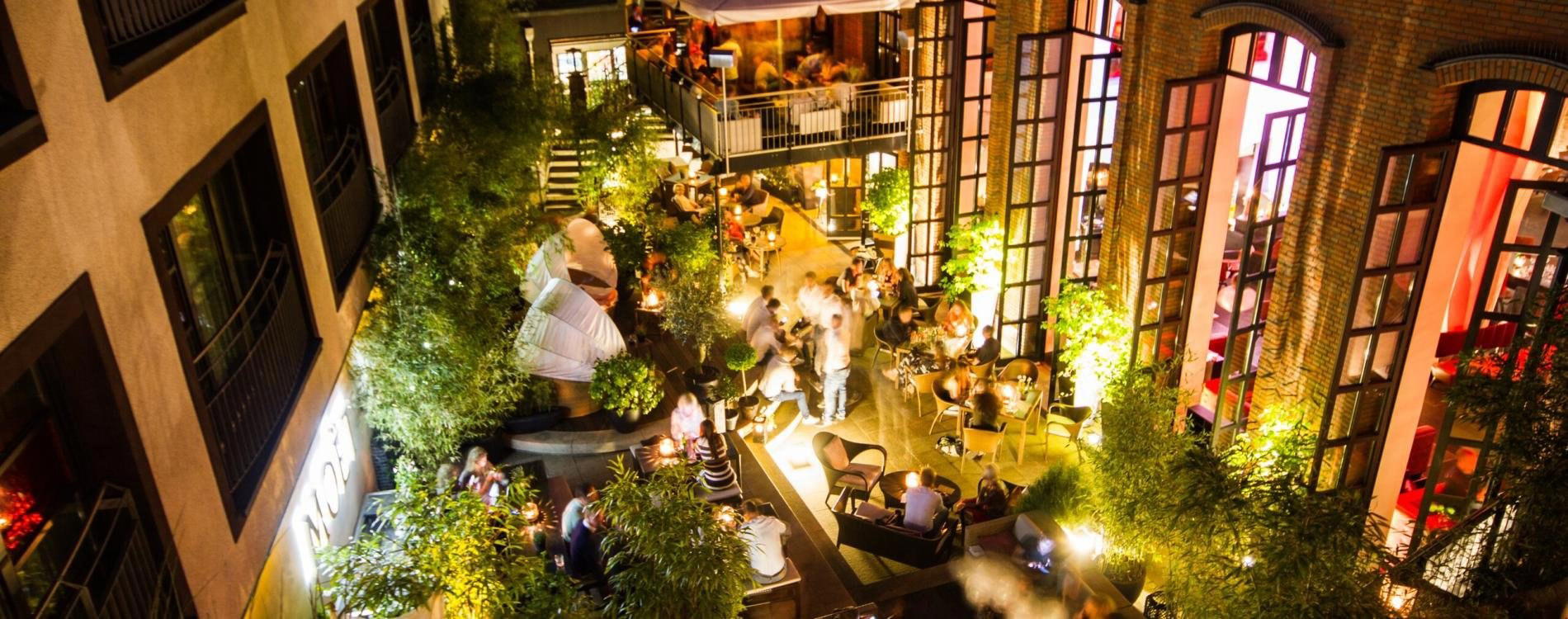

Wineries in Hamburg
Browse all →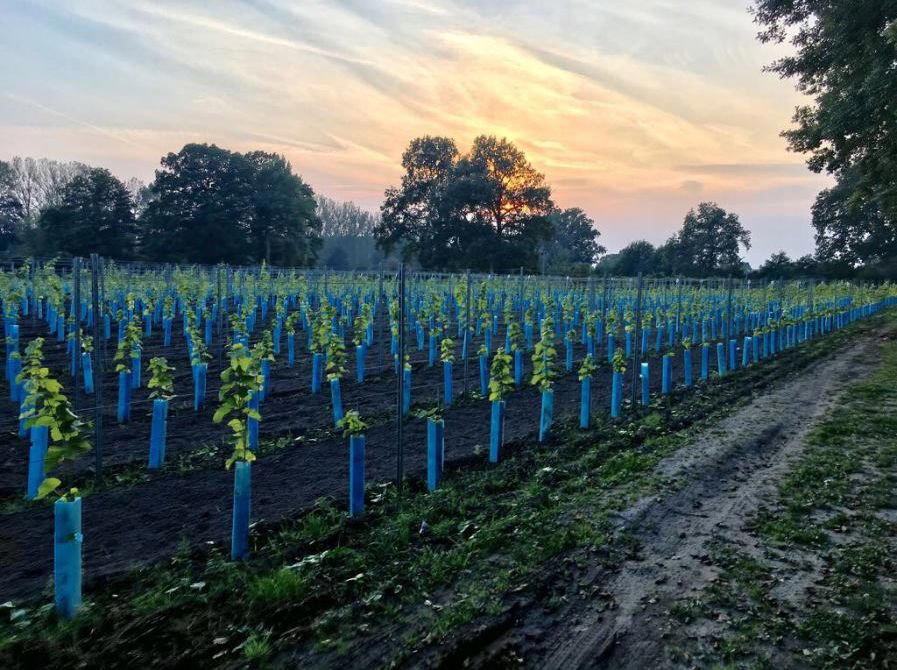
Details
- Cozy
- Trendy
- Casual Hangout
- Small Plates
- Vegan Options
Current opening hours
- Monday
- 12–3 PM, 5–8 PM
- Tuesday
- 12–3 PM, 5–8 PM
- Wednesday
- 12–3 PM, 5–8 PM
- Thursday
- 12–3 PM, 5–8 PM
- Friday
- 12–3 PM, 5–8 PM
- Saturday
- 6–9 PM
- Sunday
- Closed
Hours can change for holidays and private events. Last verified .
Cozy and lovely atmosphere in a small, intimate setting.