Our verdict
Café Wan belongs to Chengdu’s quieter café-and-casual-dining layer rather than its headline hotpot circuit. Its Jinjiang District position puts it inside a city where ingredient sourcing, river-adjacent social life, and Sichuan’s market culture shape how locals judge everyday tables.

Pearl is the En Primeur Club membership app, where members save venues, book tables and use the concierge.
The menu
What to order
- Tomato macaroni
- Omelette fried rice with char siew
- Breakfast bun with butter
- Hong Kong milk tea
- Iced coffee
- Curry dishes
- Specialty pasta in tomato soup with spam
Approaching Chengdu, the city changes register: traffic softens, tea tables and casual dining rooms replace the louder theatre of hotpot halls, and the question becomes less about spectacle than rhythm. Café Wan fits that register. Chengdu’s serious food culture has always depended on supply lines, from market vegetables and river fish to preserved chillies, doubanjiang, rapeseed oil, pickles, tofu, and the small producers that give local cooking its depth. A café-format room in this city is judged by how it sits inside that ecology, not by imported polish.
Chengdu's quieter tables are still ingredient-led
The international shorthand for Chengdu tends to stop at chilli heat and hotpot, but the city’s dining grammar is broader. Good local cooking is built on layered aromatics, fermented pastes, seasonal greens, bean products, noodles, and an instinct for texture as much as fire. That sourcing culture matters even when a venue is not presented as a formal restaurant. In Chengdu, casual rooms compete against a demanding baseline: locals know what fresh greens should taste like, how bean curd should hold sauce, and when spice is being used as volume rather than structure.
That is why Café Wan reads better as part of the city’s everyday dining continuum than as a destination restaurant isolated from place. Its setting places it in Chengdu, where walks, hotels, offices, and local dining can overlap in the same day’s rhythm. This is not the same decision as committing an evening to a full hotpot spread, nor does it occupy the same category as a more explicitly local table. The useful comparison is format: Chengdu diners move easily between tea, snacks, casual cafés, and more formal meals, and the city rewards places that understand that range.
A café address in a city that takes casual food seriously
Café culture in Chengdu is not a borrowed urban accessory. The city has long treated lingering as part of daily life, first through teahouses and later through coffee rooms, hotel lounges, dessert counters, and hybrid café-restaurants. The stronger operators tend to work because they respect pace: a meal can be light, social, and flexible without becoming vague. For travellers, that distinction is useful. A café in Chengdu should not be measured only against espresso bars or brunch rooms elsewhere; it should also be measured against the city’s habit of turning modest formats into serious social spaces.
The central question is sourcing. Chengdu’s ingredient economy gives casual kitchens access to produce, condiments, and prepared elements that can make even a low-ceremony meal feel rooted. When a room leans into that local pantry, the food does not need grand language. When it ignores it, the result often feels interchangeable with any mainland mall café. Café Wan’s value, from an editorial standpoint, lies in its position inside that tension: a named café address in a city where the casual table still carries culinary expectations formed by markets and household cooking.
For readers mapping the city, the sharper move is to place this stop within a wider Chengdu itinerary rather than treat it as a stand-alone trophy. Compare the category spread through our full Chengdu restaurants guide, then set café dining beside polished contemporary rooms such as The River House, the refined dining room at Nan's Gourmet, and other local dining traditions across Chengdu. Those contrasts show how broad the city’s middle ground can be.
How to read it against China's regional dining map
China’s better city dining is increasingly regional, not generic. Chengdu has its own base, while other cities protect different banquet, roast-meat, hotel-dining, and coastal registers. Against that map, Chengdu’s café layer is interesting because it borrows informality from tea culture while sitting beside one of China’s strongest ingredient traditions. Café Wan belongs in that conversation as a casual Chengdu address rather than as a trophy room or a cuisine manifesto.
Travellers building a fuller Chengdu stay should pair restaurants with the city’s hotel, bar, winery, and cultural-planning rails: our full Chengdu hotels guide, our full Chengdu bars guide, our full Chengdu wineries guide, and our full Chengdu experiences guide. For a wider read on casual formats, compare the way focused small rooms operate in other dining cities without losing their local frame. The lesson carries back to Chengdu: small formats only matter when they express place with discipline.
Frequently asked questions
Is Café Wan good for families?
Café Wan’s Chengdu setting points to a café format rather than a formal dining room, which generally works better for mixed-age groups than reservation-only restaurants. In Chengdu, that kind of format is often easier for relaxed family meals.
What is the atmosphere like at Café Wan?
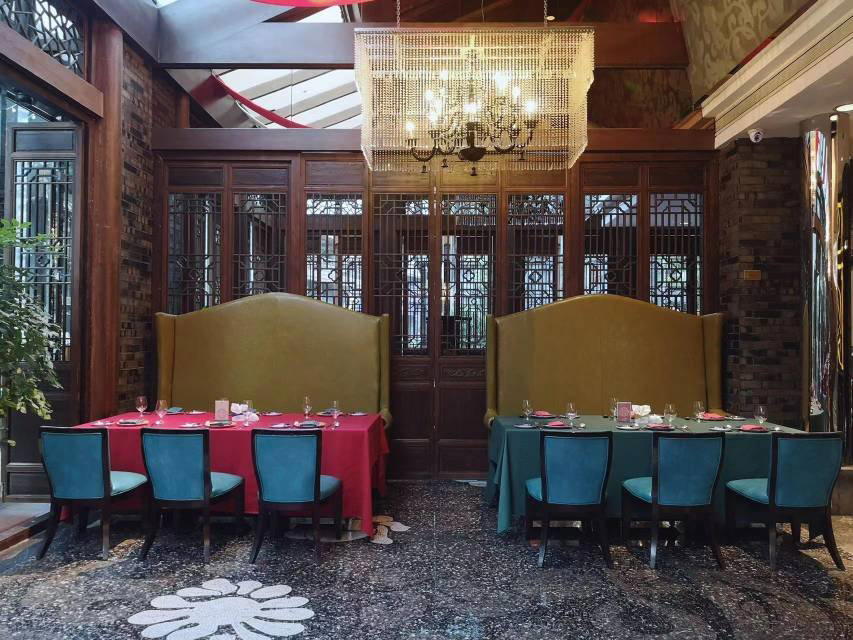
The atmosphere reads as café-led and city-facing, anchored by its place in Chengdu. That suggests an everyday, linger-over-coffee style of venue rather than a structured tasting-menu room.
Where is Café Wan located?
Chengdu.
How hard is it to get a table at Café Wan?
The clearest firm signal is the venue itself: a café in Chengdu, not a formal tasting-menu format. That generally points to a lower-friction seating experience than high-demand counter dining, though travellers should still check directly before going.
What has Café Wan built its reputation on?
The clearest credential is its identity as Café Wan in Chengdu. In a city that treats café culture as part of daily life, that format and local context do much of the work.
Quick Comparison
Comparable venues by cuisine and price in the same metro.
| Venue | Cuisine | Price | Awards | Notes |
|---|---|---|---|---|
| Café WanThis venue (the venue you are viewing) | Hong Kong-style cha chaan teng | Not listed | Not listed | Not listed |
| You Yan Yi Pin Huaiyang | Huaiyang Chinese | Not listed | Not listed | Not listed |
| The River House | Classic European with Local Ingredients | $30–50 | Michelin Plate · Black Pearl 1 Diamond | European |
| Nan's Gourmet | Refined Cantonese | $50–100 | Michelin Plate | Cantonese |
Continue exploring
More in Chengdu
Restaurants in Chengdu
All restaurants in Chengdu →
Bars in Chengdu
All bars in Chengdu →
Details
- Cozy
- Lively
- Casual Hangout
- Solo
- After Work
- Standalone
- Street Scene
- A La Carte
- Set Menu
- Tea
- Coffee
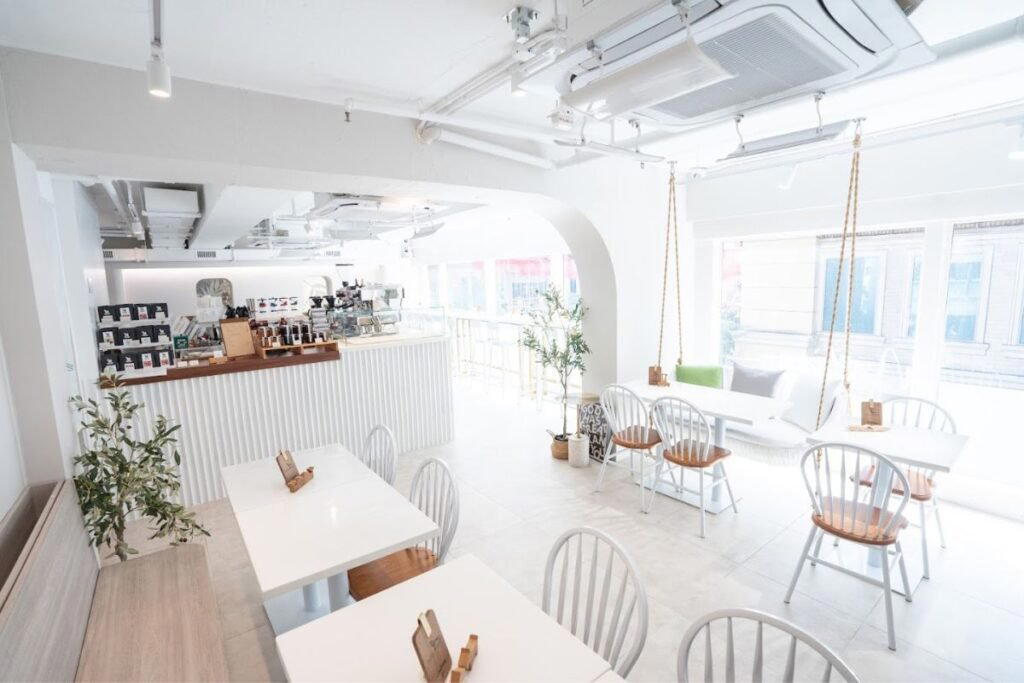
A small, jam-packed Hong Kong diner with clean but tightly spaced seating, shared tables at busy times, casual decor featuring cat paintings, and a bustling local feel with quick, efficient service.