Cafe Sydnie Mae
On East Bridge Street in Breaux Bridge, Louisiana, Cafe Sydnie Mae sits at the center of a town whose Cajun culinary identity runs deeper than its tourist reputation suggests. Breaux Bridge earned its 'Crawfish Capital of the World' designation through decades of real agricultural tradition, and the cafe operates within that same hyper-local sourcing culture that defines the best of Cajun cooking along the Atchafalaya Basin corridor.
Pearl is the En Primeur Club membership app — saves, bookings, and concierge access live there. Same editors, same standards.
- Address
- 140 E Bridge St, Breaux Bridge, LA 70517
- Phone
- +13379092377
- Website
- cafesydniemae.com
 Saves & bookings on Pearl
Where the Atchafalaya Basin Meets the Plate
Breaux Bridge announces itself slowly. The drive in along the bayou parishes of St. Martin Parish delivers flat, water-threaded land before the town's modest Main Street grid comes into focus. East Bridge Street, where Cafe Sydnie Mae sits at number 140, runs close to the Bayou Teche, the waterway that has shaped the agriculture, the fishing culture, and ultimately the cooking of this corner of south-central Louisiana for centuries.
Cajun cooking in its most honest form is an ingredient-driven tradition, not a technique-forward one. The roux is a tool. The trinity of onion, celery, and bell pepper is a foundation. What actually defines the food is the proximity to specific raw materials: crawfish from the Atchafalaya Basin, smoked meats from family operations that measure their recipes in generations rather than years, rice from Acadian Prairie farms that sit just north of the bayou country. Breaux Bridge, which Louisiana officially designated the Crawfish Capital of the World in 1959, sits at the geographic center of that sourcing network. Cafes and diners along streets like East Bridge Street inherit that geography automatically.
The Sourcing Logic Behind Cajun Cafe Culture
Operations like Blue Hill at Stone Barns in Tarrytown and Single Thread Farm in Healdsburg have built multi-course tasting menus around the premise that food tastes better when the distance between harvest and plate collapses. In Breaux Bridge, that premise isn't a concept, it's a structural fact of life. Crawfish are commercially farmed and wild-harvested within miles. Andouille and boudin come from nearby smoke houses whose reputations are measured in parish-wide loyalty rather than press coverage. The freshwater fish that appear in étouffées and courtboullon at local tables are often caught from the same basin that borders the town.
This is the context in which a cafe on East Bridge Street operates. Cajun cooking at the neighborhood level doesn't often position itself against fine dining programs at Le Bernardin in New York City or The French Laundry in Napa, nor does it need to. It competes on a different axis entirely: authenticity of sourcing, fidelity to local tradition, and the kind of casual accessibility that makes a Tuesday lunch as legitimate as a weekend reservation. The format is almost always counter-service or direct table service, portions are generous, and the cooking reflects what the surrounding land is producing at any given moment of the year.
Breaux Bridge as a Dining Destination
The Breaux Bridge Crawfish Festival, held annually in May, draws visitors from across Louisiana and beyond, but the more instructive signal is the steady regional traffic the town receives from Baton Rouge, Lafayette, and New Orleans diners who treat it as a day trip for the kind of food that hasn't been softened for outside palates. That is a meaningful distinction. Cajun cuisine as it appears in tourist corridors often involves compromises: heat levels reduced, richness moderated, presentations tidied. The cooking that travels less tends to stay truer.
East Bridge Street sits within walking distance of the town's small historic center, where a handful of established cafes and local institutions have held their positions for decades. The street's proximity to the Teche makes it a natural anchor for the kind of all-day cafe culture that defines small-town south Louisiana: coffee and biscuits in the morning, plate lunches in the middle of the day, and the kind of informal social rhythm that treats a restaurant less as a destination and more as an extension of the neighborhood itself. Visitors arriving from Lafayette, roughly fifteen miles to the west via I-10, find that Breaux Bridge rewards slow exploration more than a targeted itinerary.
Programs like Lazy Bear in San Francisco, Smyth in Chicago, or Oyster Oyster in Washington, D.C. have built serious reputations around hyper-local and regionally grounded cooking, often at price points that reflect the format's complexity. The Cajun cafe tradition in towns like Breaux Bridge achieves something adjacent through entirely different means: the sourcing is local by default, the recipes are inherited rather than invented, and the price remains calibrated to the community it feeds first.
That translation involves genuine craft, but it also involves a deliberate departure from the cafe-scale informality that gives the source tradition its particular energy. On East Bridge Street, that informality is the point.
Planning a Visit to Breaux Bridge
Breaux Bridge sits in St. Martin Parish, approximately fifteen miles east of Lafayette via I-10 and about an hour from Baton Rouge. The town is compact enough to cover on foot once you arrive, and East Bridge Street is within easy reach of the small downtown core. For visitors building a broader south Louisiana itinerary, the town pairs logically with a day in Lafayette's Cajun Prairie corridor or a drive through the Atchafalaya Basin. Seasonal timing matters in crawfish country: the peak commercial season runs roughly February through June, with availability tightening at either end of that window. Visitors arriving outside that range will find the cooking adapts to what's available, shifting toward smoked meats, rice dishes, and freshwater fish preparations that reflect the same agricultural logic applied to a different set of inputs. Nearby, K-B's Boiling Shack represents a different register of the same sourcing tradition, built around the boiled crawfish and shellfish format that defines the town's most recognizable food culture.
Restaurants elsewhere in the American south that have built national profiles through regional sourcing commitments, including Addison in San Diego, Providence in Los Angeles, Frasca Food and Wine in Boulder, and The Wolf's Tailor in Denver, demonstrate what regional cooking can achieve when given deliberate fine dining scaffolding. The Breaux Bridge cafe tradition proves the same sourcing principles can produce food of equal integrity at the opposite end of the format spectrum. Both arguments are worth understanding.
At-a-Glance Comparison
Comparable venues nearby, for context on price, style, and recognition.
| Venue | Cuisine | Price | Awards | Notes |
|---|---|---|---|---|
| Cafe Sydnie MaeThis venue — the venue you are viewing | Cajun-Creole | $$$ | , | |
| K-B's Boiling Shack | Cajun Seafood Boiling | $ | , | Breaux Bridge |
| Sac-a-Lait | Modern Cajun and Creole | $$$ | , | Arts District |
| Jack Rose | New Orleans Italian-French-Spanish | $$$ | , | Central City |
| Fulton Alley | American Gastropub | $$$ | , | Arts District |
| Dante's Kitchen | Modern Louisiana Farm-to-Table | $$ | , | Riverbend |
Continue exploring
More in Breaux Bridge
Restaurants in Breaux Bridge
Browse all →
Bars in Breaux Bridge
Browse all →
Hotels in Breaux Bridge
Browse all →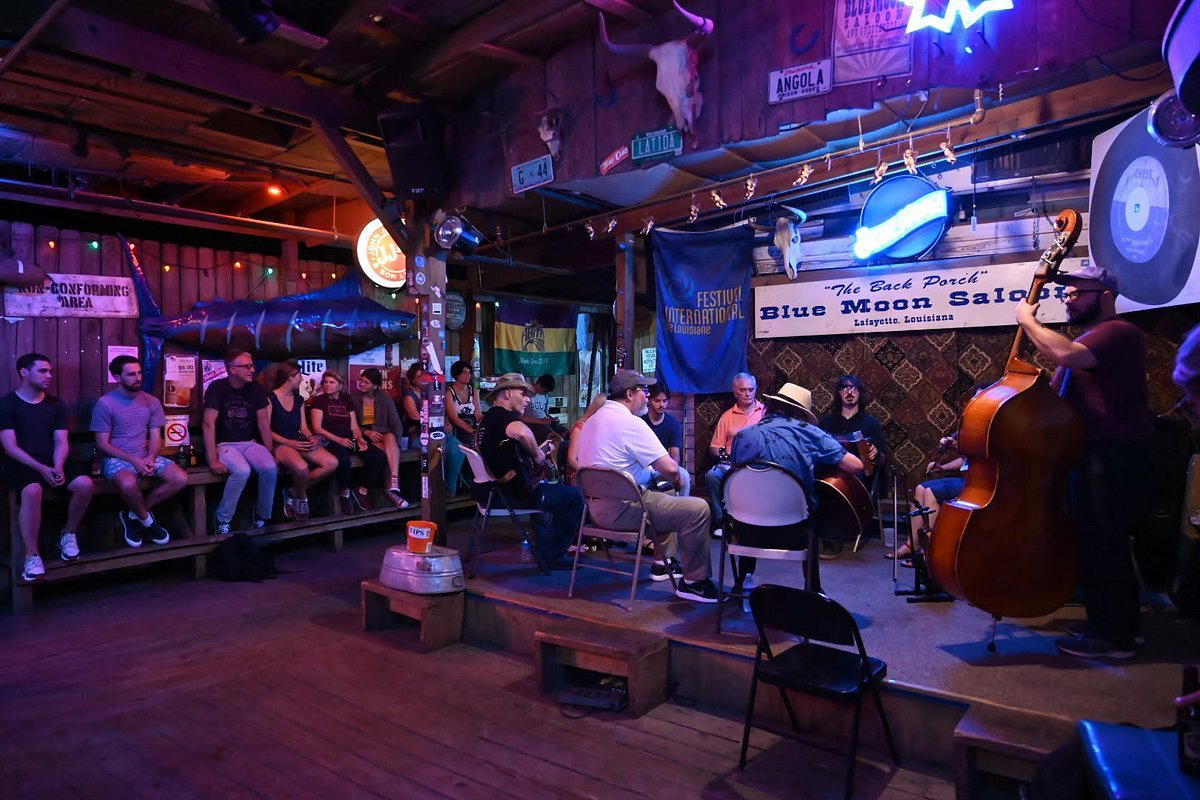
At a Glance
- Cozy
- Rustic
- Historic
- Intimate
- Brunch
- Casual Hangout
- Historic Building
- Live Music
- Street Scene
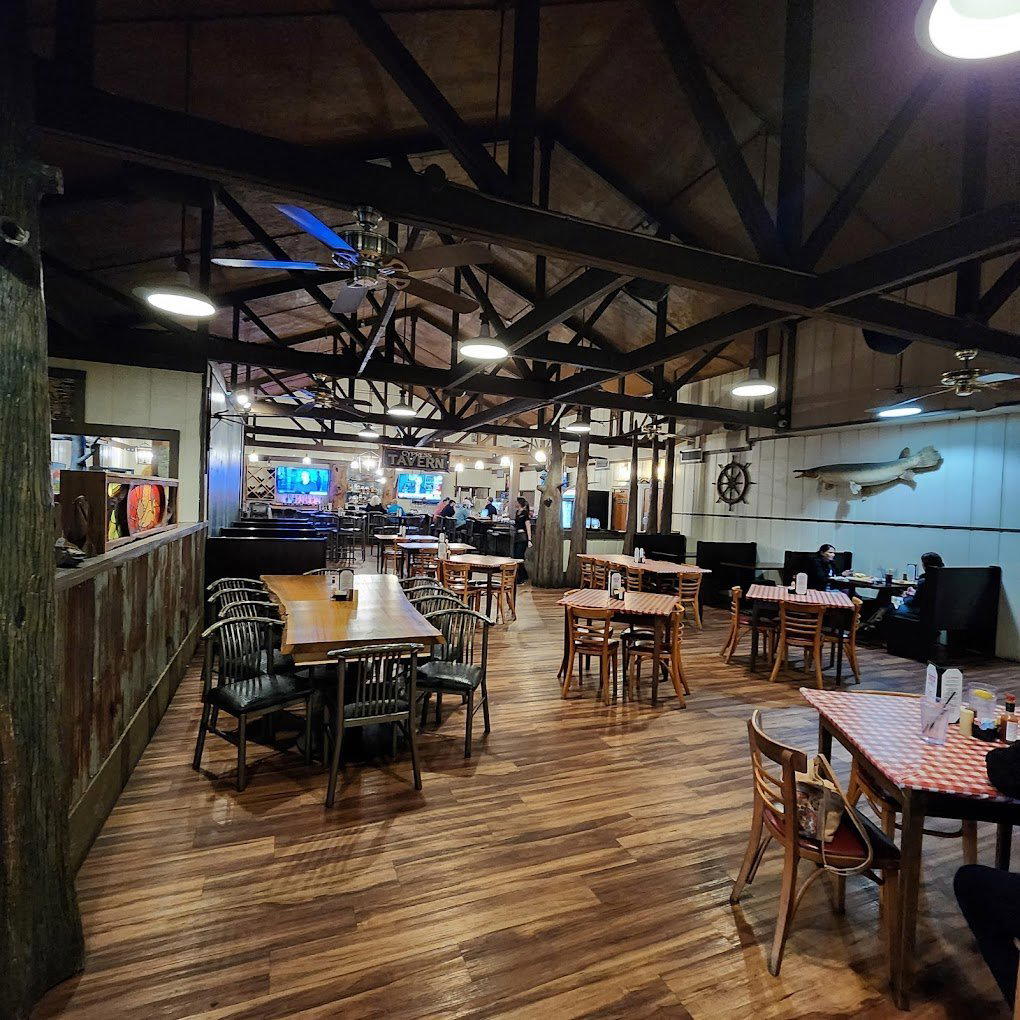
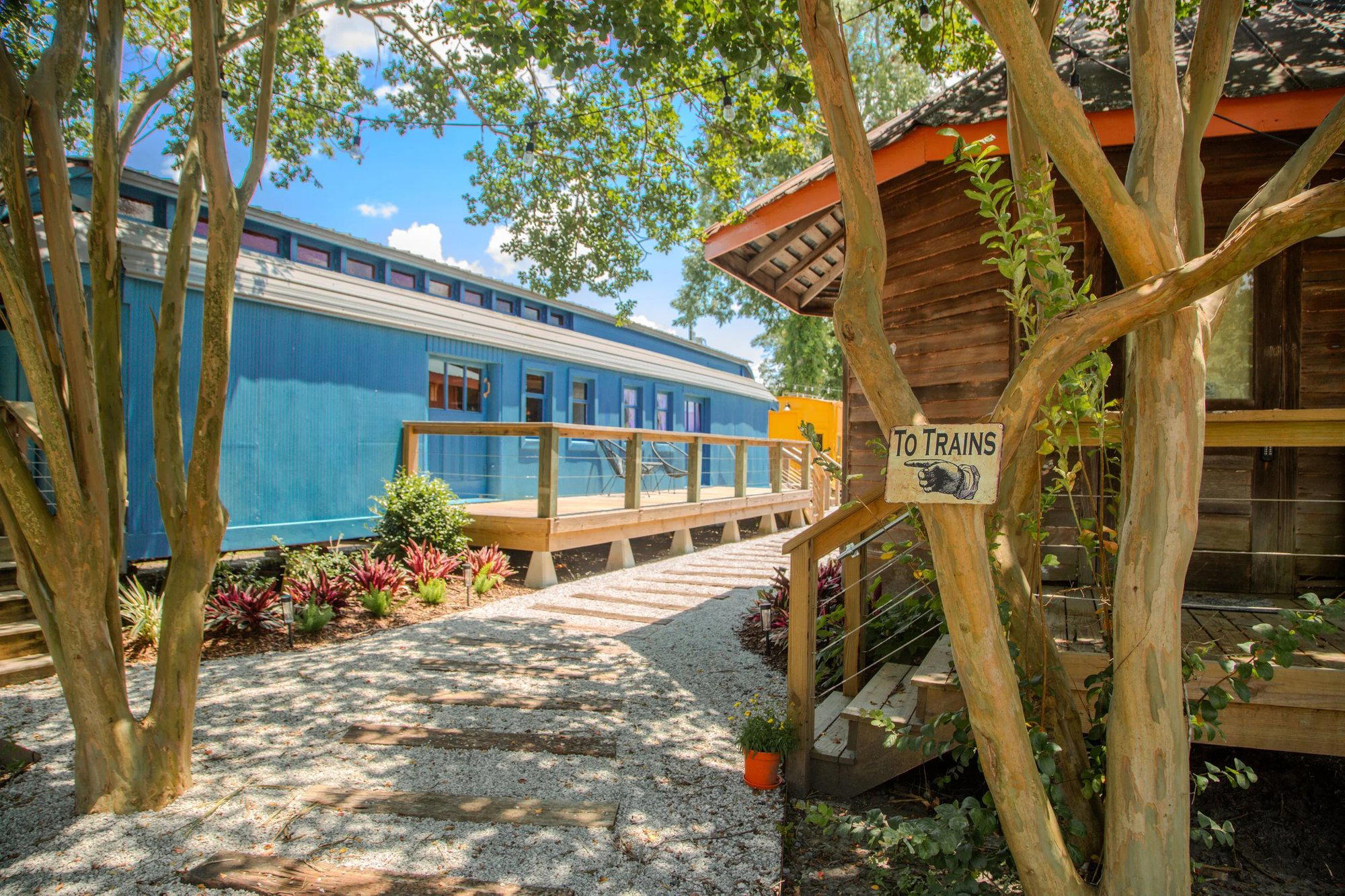
Cozy and charming atmosphere in a remodeled historic building with loads of character, homey vibe, and occasional live music.