Café Paradiso
Café Paradiso occupies a market-facing address on Rue du Marché in Bulle, the commercial hub of the Gruyère district. In a canton where the land itself is half the story on every plate, the café sits at the intersection of everyday Swiss hospitality and a regional food culture built around some of Europe's most closely monitored agricultural production. It is a reference point for understanding how Gruyère's ingredient tradition translates into a casual dining context.
Pearl is the En Primeur Club membership app — saves, bookings, and concierge access live there. Same editors, same standards.
- Address
- Rue du Marché 21, 1630 Bulle, Switzerland
- Phone
- +41265258696
- Website
- xn--caf-paradiso-deb.ch
- Directions
- Get directions
 Saves & bookings on Pearl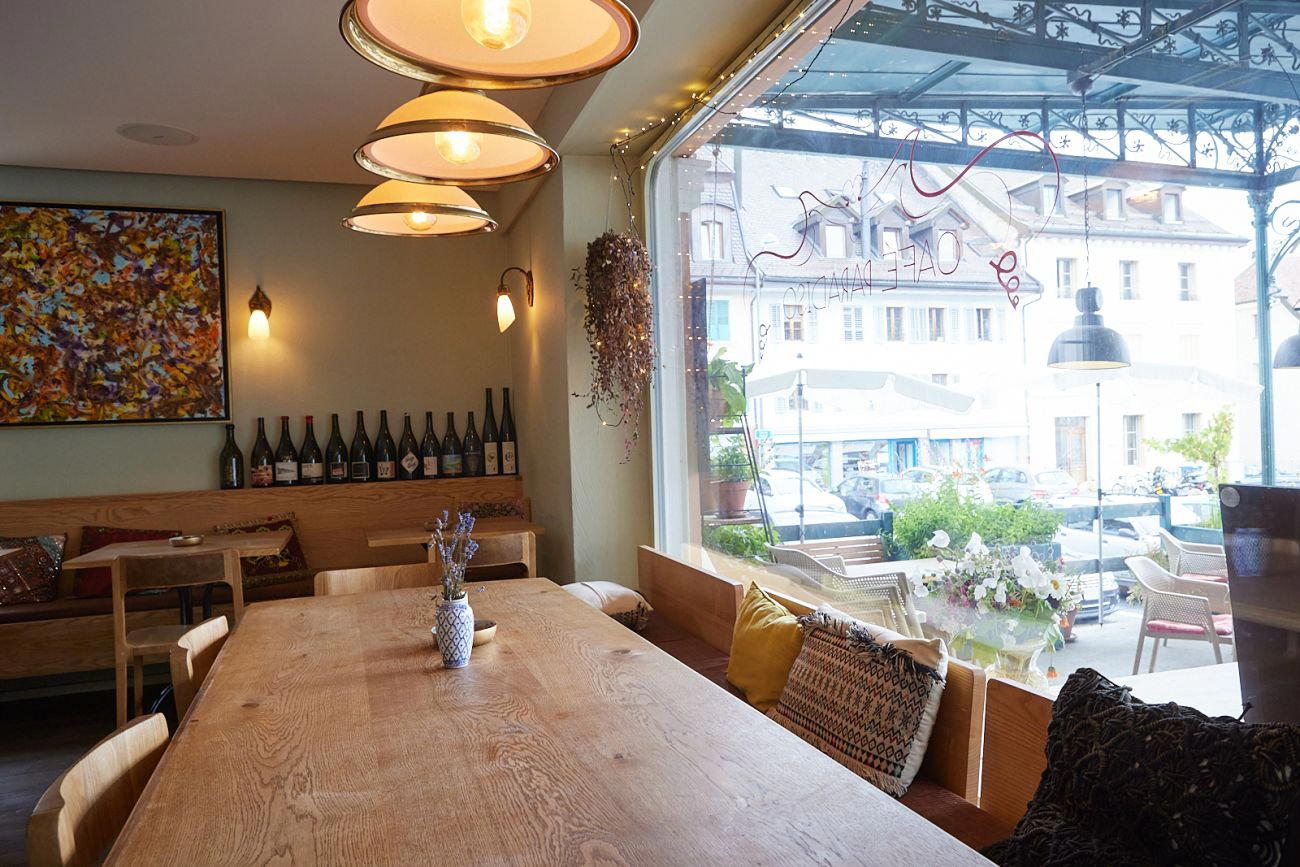
Market Street, Gruyère Country
Rue du Marché runs through the centre of Bulle with the unhurried confidence of a town that has been a market settlement since the medieval period. The street name is not incidental: Bulle is the commercial axis of the Gruyère district, the place where the cheese trade, the livestock economy, and the wider agricultural output of the Fribourg pre-Alps have historically been weighed, traded, and priced. Café Paradiso is a café in Bulle, Switzerland, serving Modern European with Swiss influences at about $35 per person. It sits at number 21, directly within that mercantile grain, and the address carries more meaning than a postal code. In a region where the raw material on your plate can often be traced to a named cooperative or a specific valley pasture, a café on the market street is making an implicit statement about proximity to source.
Bulle occupies a different position in Switzerland's dining conversation than Zurich or Geneva. It is not a destination for trophy restaurant tourism in the way that Hotel de Ville Crissier in Crissier or Cheval Blanc by Peter Knogl in Basel might attract international visitors. Instead, it functions as a working market town with a food culture grounded in the Gruyère AOP system, among the more regulated and geographically defined cheese appellations in the world. That regulatory framework does not simply protect a product name; it defines the grazing land, the breed requirements, the seasonal transhumance patterns, and the copper-vat production methods that have shaped what ends up in kitchens and on tables across this entire district.
The Gruyère Ingredient System and What It Means at the Table
Switzerland's relationship to ingredient sourcing is not sentimental, it is structural. The AOC and AOP frameworks that govern Gruyère cheese, Vacherin Fribourgeois, and other regional products create a supply chain with unusually short distances between producer and consumer. For a café operating within the Gruyère district itself, this is not a marketing advantage so much as a geographic baseline. The cheese that appears on a plate in Bulle may have been produced within a few kilometres, aged in one of the district's affinage cellars, and delivered without the intermediary steps that complicate provenance in larger urban markets.
This kind of proximity shapes expectations on both sides of the kitchen pass. Diners in this part of Fribourg tend to read ingredient quality through familiarity rather than novelty, they know what properly aged Gruyère tastes like because they have grown up eating it, and a kitchen that shortcuts on sourcing will be noticed. Elsewhere in Switzerland, the same dynamic plays out at the high end: Schloss Schauenstein in Fürstenau built its reputation in part on an on-site kitchen garden and hyper-local sourcing in the Graubünden valley. Memories in Bad Ragaz and focus ATELIER in Vitznau both operate within Swiss fine dining's broader turn toward regional specificity. In Bulle, that same instinct operates at a neighbourhood register rather than a tasting-menu register.
Bulle's Dining Context: Between Everyday and Destination
The restaurants of Bulle form a modest but coherent set. Com'ça and Du Cheval Blanc (Traditional Cuisine) represent the town's existing restaurant offerings, each staking out its own position within a dining scene that serves primarily a local and regional clientele rather than international food tourism. The wider Gruyère area draws visitors for the castle, the cheese demonstrations at La Maison du Gruyère in Pringy, and the alpine scenery, but the dining infrastructure in Bulle itself remains oriented toward the working population of the district capital.
This is not a limitation so much as a calibration. Cafés in Swiss market towns carry a specific social function: they are the meeting point for the mid-morning break, the post-market lunch, the afternoon coffee, the space where local commerce continues its conversation. The format is among the more durable in European hospitality, and it sits at a different point on the price and formality spectrum from the €€€€ tasting-menu tier that dominates Swiss fine dining recognition. For reference on what that upper tier looks like in the region, Maison Wenger in Le Noirmont and Einstein Gourmet in Sankt Gallen both operate at the awarded, multi-course end of Swiss dining. Café Paradiso occupies a categorically different register.
The broader Swiss dining scene has produced some of Europe's most technically precise cooking, from Da Vittorio - St. Moritz in St. Moritz to Mammertsberg in Freidorf and Skin's - the restaurant in Lenzburg. Even at the neighbourhood café level, Switzerland's food culture carries certain baseline expectations around product quality that distinguish it from equivalent café formats in other countries. The country spends more per capita on food than almost anywhere else in Europe, and that spending pressure filters through the entire supply chain, including the cafés on market streets in mid-size cantonal towns.
Getting There and Planning Your Visit
Bulle is served by direct rail connections from Fribourg (approximately 25 minutes) and connects onward to Montreux and the Lake Geneva corridor. The town centre, including Rue du Marché, is walkable from the station in under ten minutes. For visitors combining Café Paradiso with wider exploration of the Gruyère district, the cheese village of Gruyères itself is a short bus or car journey to the south, and La Table du Valrose in Rougemont sits further into the pre-Alps for those extending the itinerary. Taverne zum Schäfli in Wigoltingen and The Japanese Restaurant in Andermatt represent how widely Switzerland's restaurant offer distributes across smaller towns and mountain settings, a pattern that makes Bulle part of a broader network of non-urban dining worth considering. For those planning a more international comparison point, the market-to-table sourcing philosophy visible in this region has parallels in how Le Bernardin in New York City treats ingredient provenance as a structural discipline, or how Lazy Bear in San Francisco builds its communal format around a specific reading of place.
Fast Comparison
Comparable venues nearby, for context on price, style, and recognition.
| Venue | Cuisine | Price | Awards | Notes |
|---|---|---|---|---|
| Café ParadisoThis venue — the venue you are viewing | Modern European with Swiss influences | $$ | Not listed | Not listed |
| Com'ça | Modern Swiss Seasonal | $$$ | Not listed | Bulle |
| Du Cheval Blanc | French Gastronomic Fine Dining | $$$ | Michelin Plate | City Center |
| L'Escale | Swiss & European Bistro | $$ | Not listed | Le Chable |
| San Gennaro | Traditional Neapolitan Pizzeria | $$ | Not listed | Kreis 10 |
| Enoteca Capponi | Italian Enoteca & Gourmet Deli | $$ | Not listed | Lausanne |
Continue exploring
More in Bulle
Restaurants in Bulle
Browse all →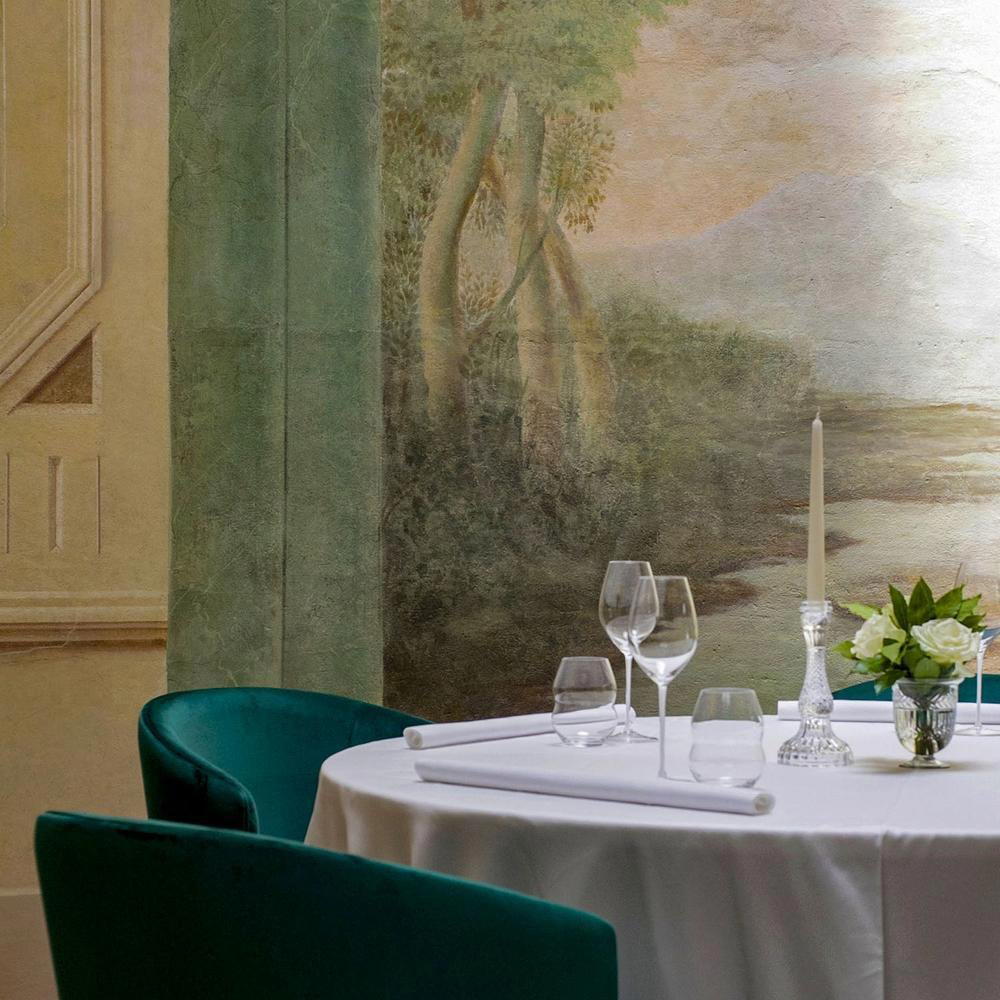
At a Glance
- Cozy
- Intimate
- Lively
- Casual Hangout
- Date Night
- Terrace
- Historic Building
- Natural Wine
- Local Sourcing
- Organic
- Mountain
- Street Scene
Current opening hours
- Monday
- Closed
- Tuesday
- 10 AM–11 PM
- Wednesday
- 10 AM–11 PM
- Thursday
- 10 AM–11 PM
- Friday
- 10 AM–11 PM
- Saturday
- 10 AM–11 PM
- Sunday
- Closed
Hours can change for holidays and private events. Last verified .
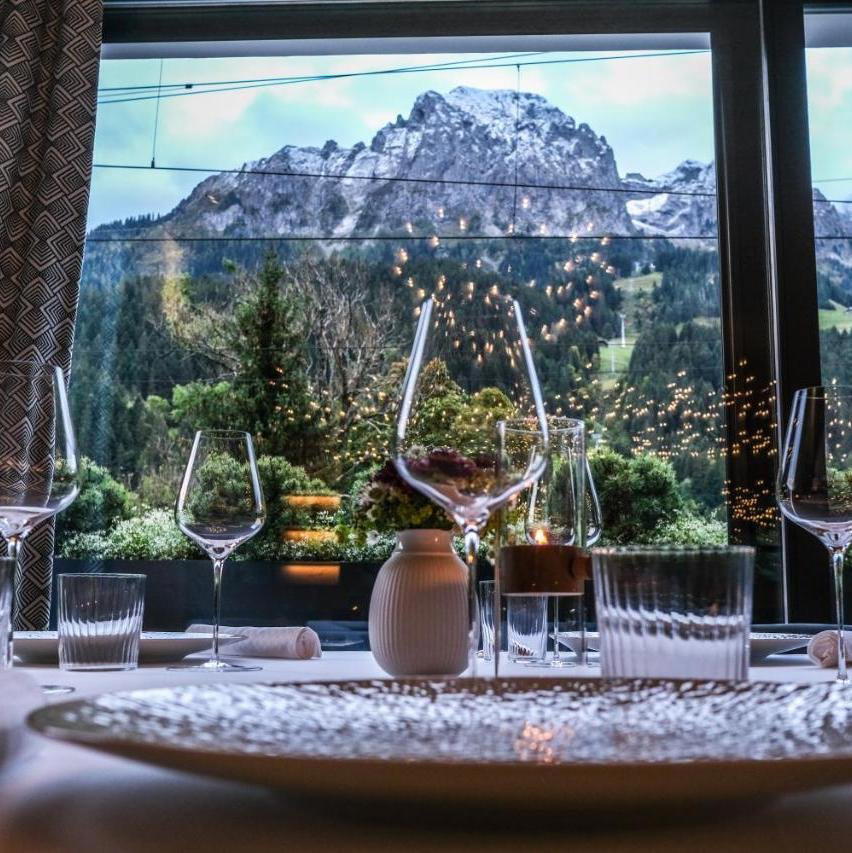
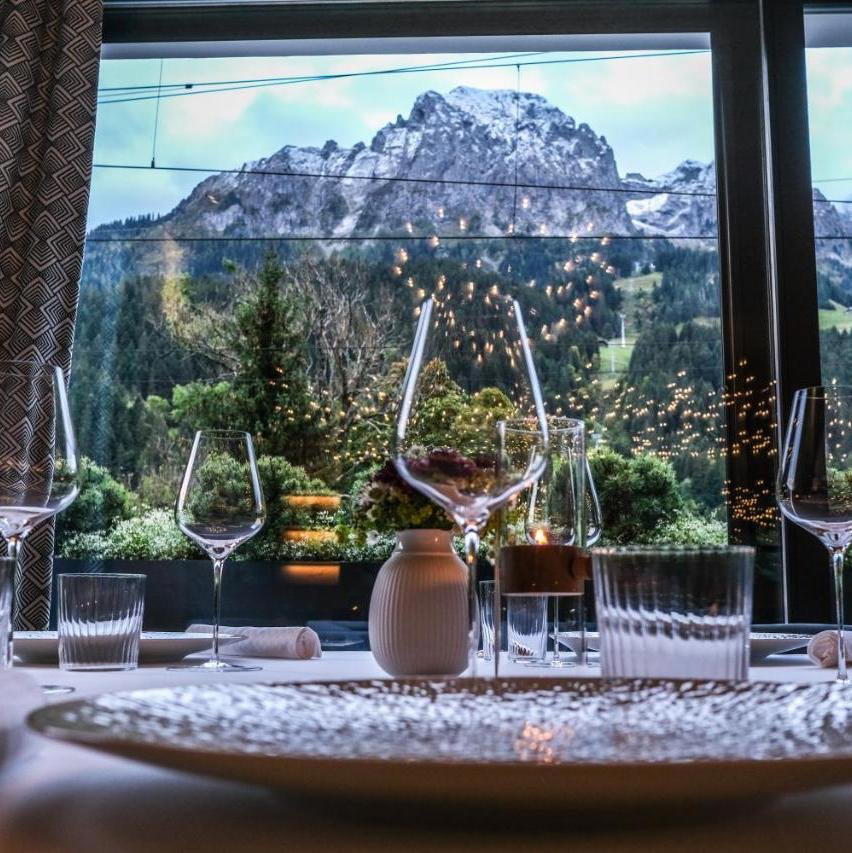
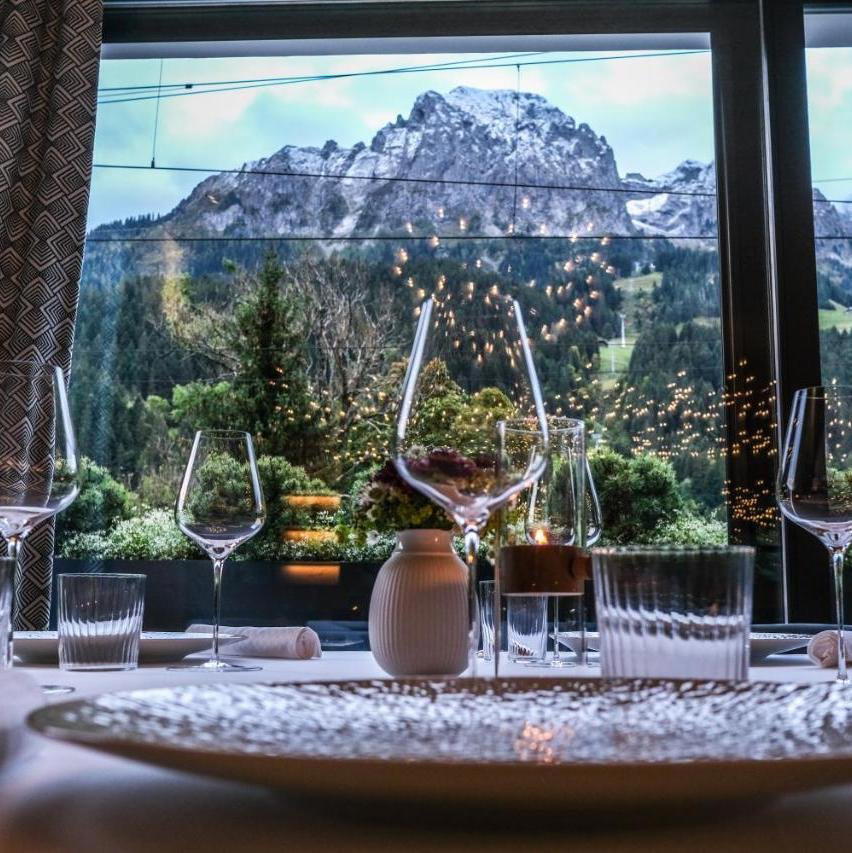
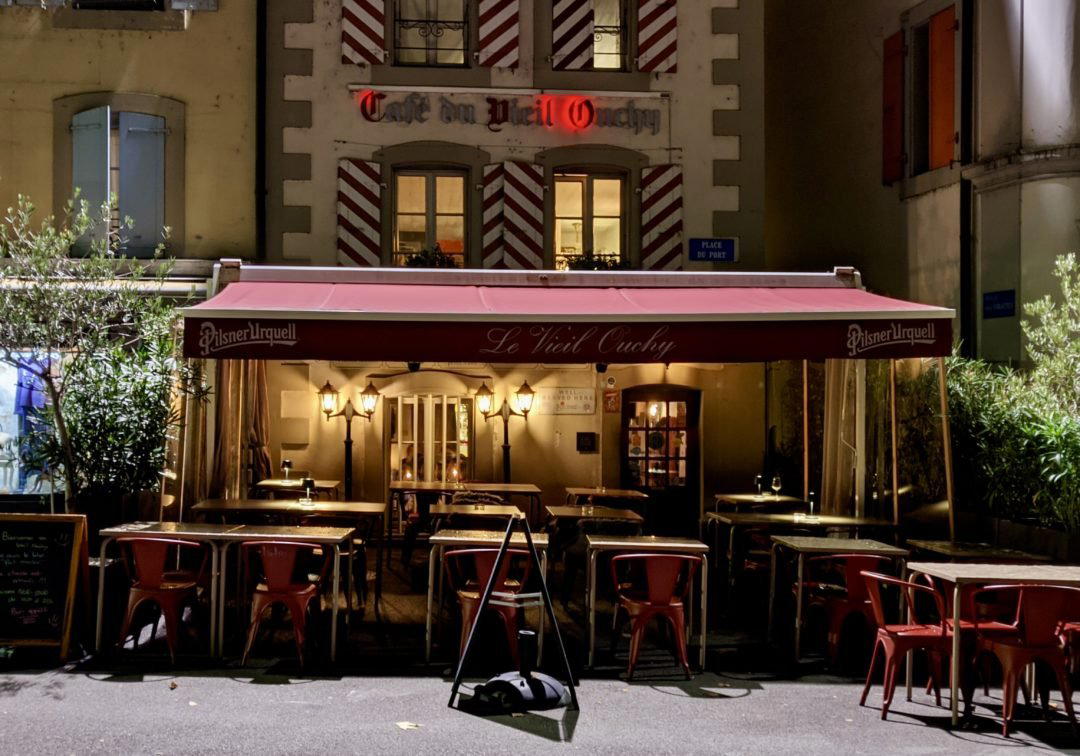
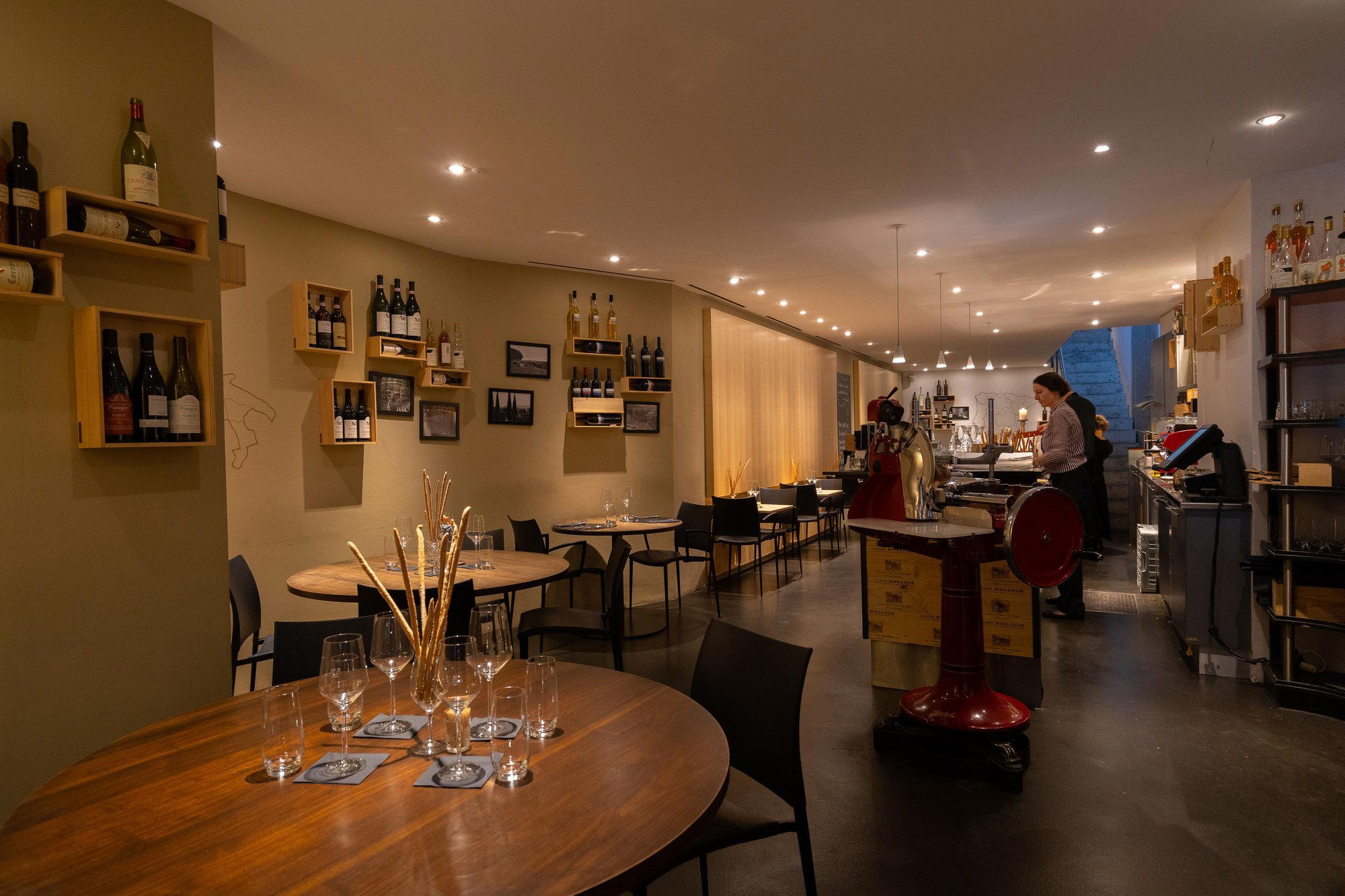
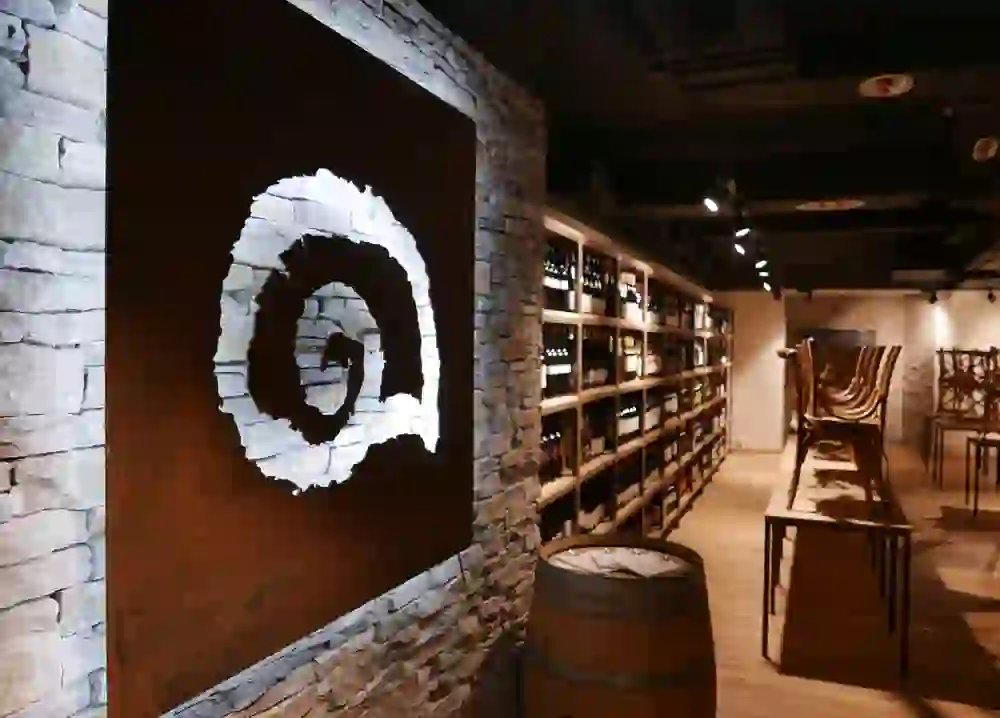
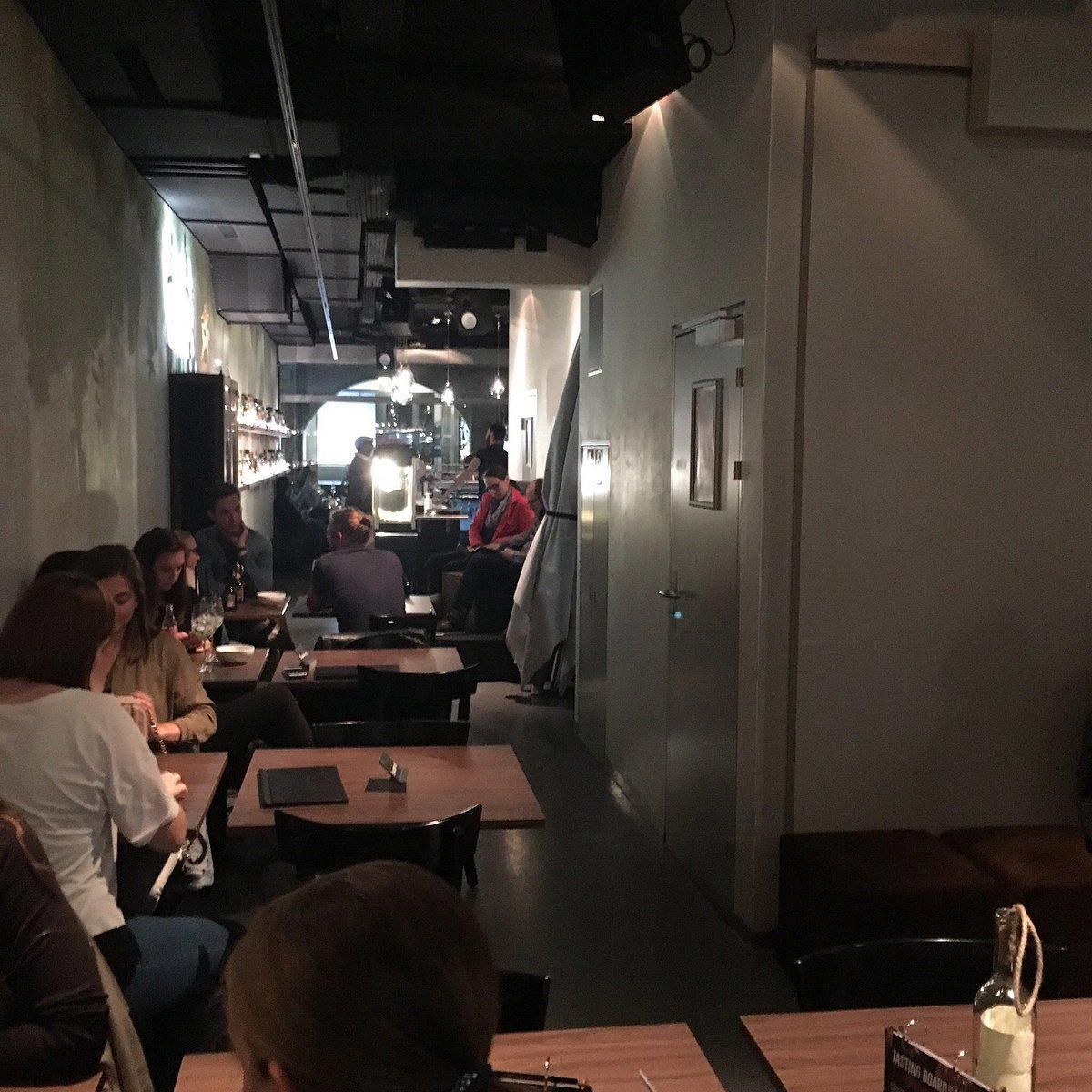
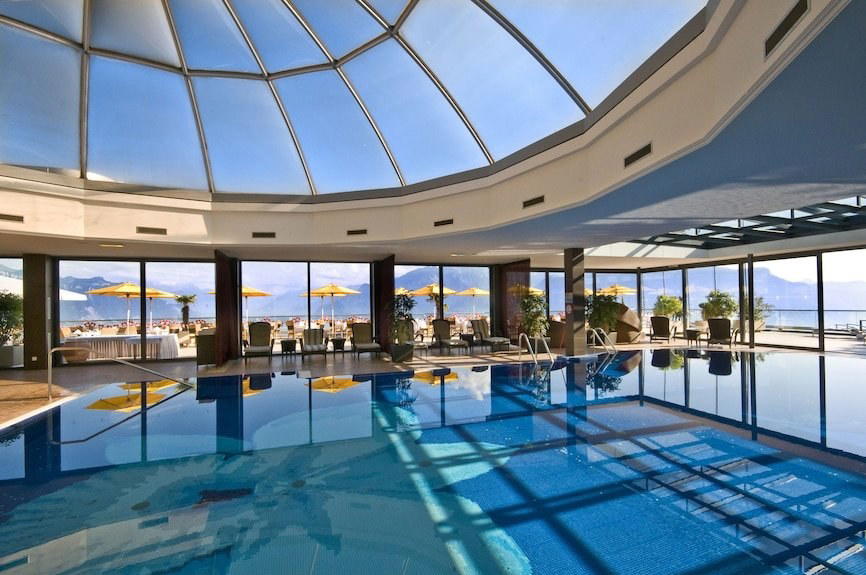
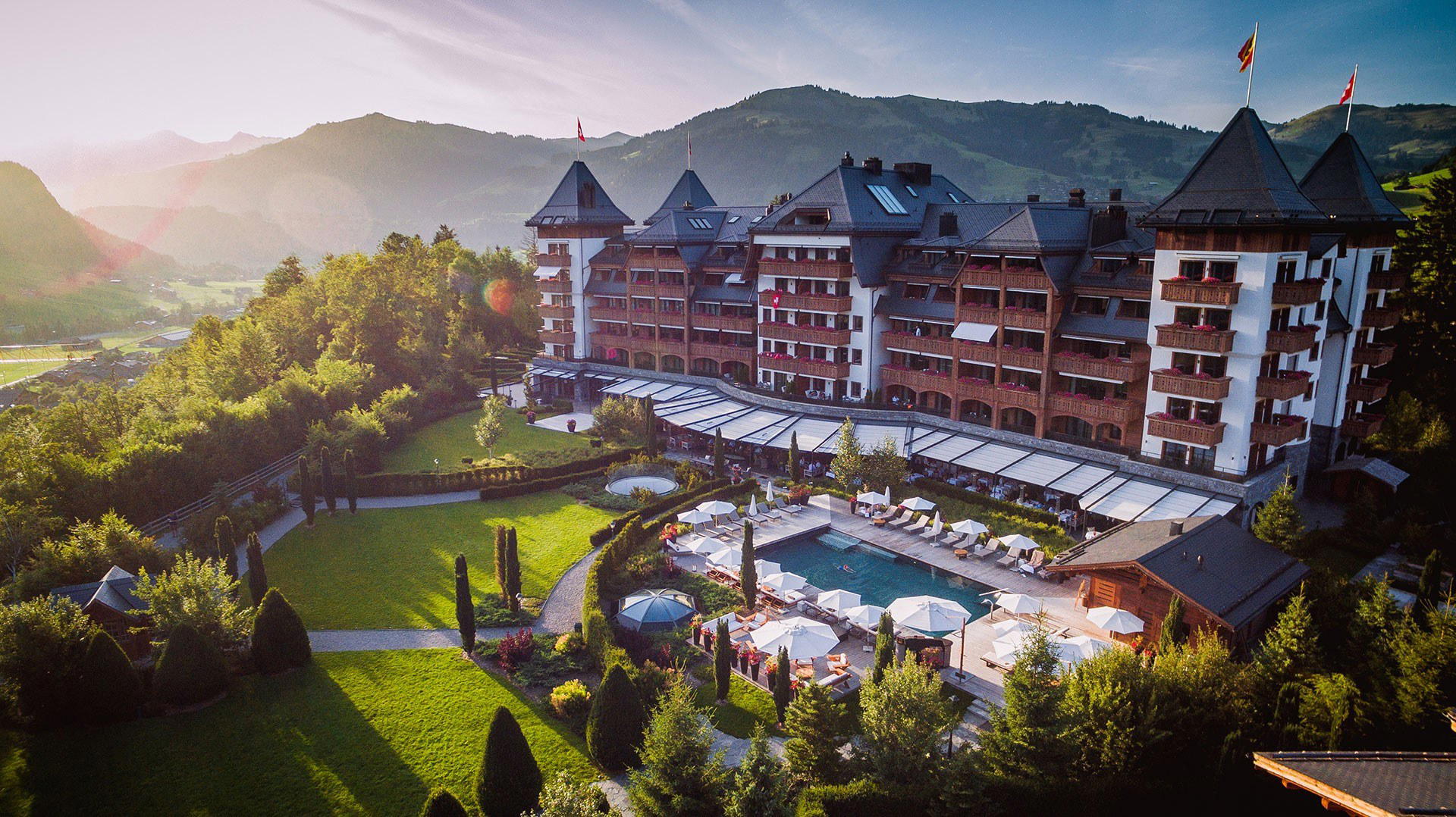
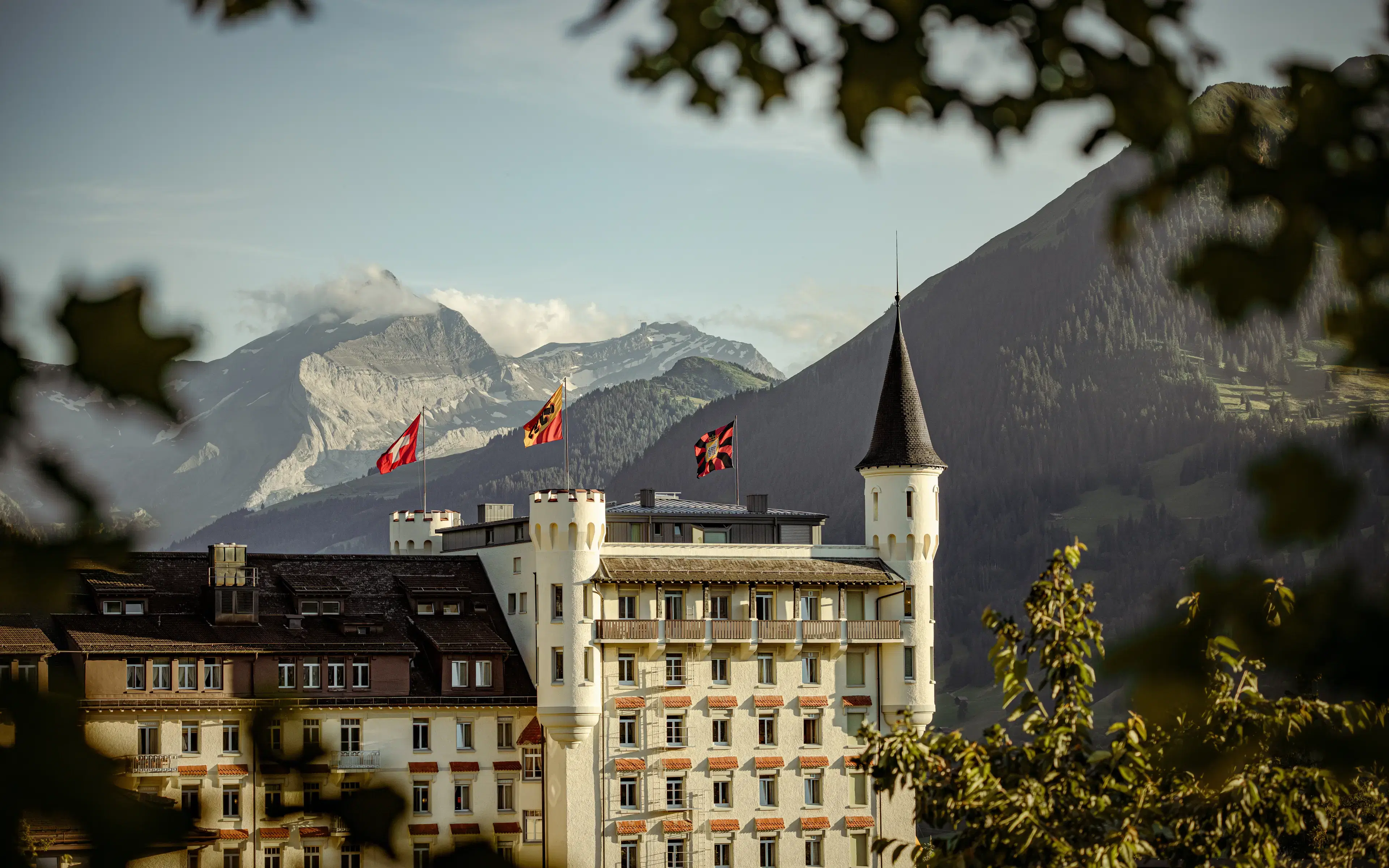
Cozy and warm interior with a convivial family atmosphere and shaded terrace offering views of the castle and mountains.