Du Cheval Blanc

In the Fribourg market town of Bulle, Du Cheval Blanc holds two consecutive Michelin Plate recognitions (2024 and 2025) for traditional cuisine at a mid-range price point. It sits on Rue de Gruyères, a street name that signals exactly what the surrounding agricultural region produces..
Pearl is the En Primeur Club membership app — saves, bookings, and concierge access live there. Same editors, same standards.
- Address
- Rue de Gruyères 16, 1630 Bulle, Switzerland
- Phone
- +41 26 918 64 44
- Website
- restaurantduchevalblanc.ch
- Directions
- Get directions
 Saves & bookings on Pearl
Where the Gruyère Region Comes to the Table
Rue de Gruyères runs through central Bulle like an address that has already told you what to expect. The town sits at the foot of the Pre-Alps in the canton of Fribourg, a region whose agricultural identity is so precisely defined that its most famous product, Gruyère AOP, carries protected designation of origin status under Swiss and European law. Restaurants that operate here with any seriousness are not sourcing abstractly: the dairy farms, the mountain pastures, and the curing traditions of this valley are the competitive context, the local expectation, and, in many cases, the kitchen's primary raw material. Du Cheval Blanc, positioned on that street, is operating inside that tradition rather than decorating with it.
Approaching from the old town, Bulle reads as a working Swiss market town rather than a tourist destination dressed for consumption. That distinction matters for what it signals about a venue like Du Cheval Blanc. The Michelin Plate designation functions here as a marker of consistent cooking rather than ambition dressed in ceremony. It confirms that the kitchen is doing its job well, year after year, at a price point accessible to the town itself, not just to visitors arriving by rental car from Geneva.
Traditional Cuisine in a Region Defined by Ingredient Integrity
The classification of traditional cuisine carries different weight depending on where you are. In the Gruyère district of Fribourg, it points toward a specific canon: fondue and raclette using local dairy, cured meats from the region's pork traditions, freshwater fish from nearby lakes, and preparations that have not changed significantly because there has been no pressure to change them. The ingredients, when sourced from within the valley, speak for themselves without technique having to intervene heavily.
This sourcing context is what separates a traditional restaurant in this part of Switzerland from the same classification applied elsewhere. Gruyère AOP cheese, for example, requires a minimum of five months of aging and is produced only in designated communes across the district. A kitchen on Rue de Gruyères that uses it authentically is working with a product whose quality floor is set by appellation rules, not chef discretion. The same logic extends to other regional products, where geographic specificity and production standards create an ingredient quality that a traditional menu can depend on without requiring a starred kitchen's technical apparatus.
For readers comparing dining tiers across Switzerland, the gap between Du Cheval Blanc's position and the country's upper bracket is considerable. Venues like Schloss Schauenstein in Fürstenau and Memories in Bad Ragaz operate at three Michelin stars and €€€€ price points, representing a different proposition entirely. Closer to Bulle, focus ATELIER in Vitznau and IGNIV Zürich by Andreas Caminada carry two Michelin stars at the upper price tier. The restaurant occupies a different function: it is the kind of restaurant that makes sense in a town like Bulle precisely because it does not require a special occasion to justify the bill.
Consistency as a Critical Standard
It represents a sustained record of satisfaction from a local and regional audience that would not hesitate to withdraw approval if standards slipped. In smaller Swiss towns, where dining options are fewer and residents return to the same tables repeatedly, that rating is harder to maintain than the equivalent figure in a high-traffic city venue where turnover dilutes patterns. Two consecutive Michelin Plate recognitions reinforce this reading: the inspectorate has returned, eaten again, and confirmed the same verdict.
For travellers moving through the Gruyère region, whether to visit the namesake village and its castle, to walk the Pre-Alpine trails, or to connect between Lausanne and the Bernese Oberland, Bulle is a natural stop. The restaurant at the €€ price point makes a meal here an easy decision that does not require trade-offs elsewhere in the budget. The address on Rue de Gruyères is central enough to reach on foot from the train station, which connects to Fribourg in under thirty minutes and to Lausanne in under an hour.
For broader comparison across traditional cuisine formats in other markets, the editorial framing applied here also holds at venues like Auberge Grand'Maison in Mûr-de-Bretagne and Auga in Gijón, where regional ingredient identity similarly anchors a traditional menu in geographic specificity rather than generic classical cooking.
Planning Your Visit
The restaurant sits at Rue de Gruyères 16 in central Bulle, within walking distance of the main train station. The €€ pricing places it in the accessible mid-range for Swiss dining, where a full meal with wine should land well below what a starred kitchen in any Swiss city would charge for a tasting menu. Given the consistent review volume and Michelin recognition, reservations are advisable, particularly on weekends when the regional visitor flow from the Gruyère tourist circuit increases.
For those routing through other Swiss cities, the reference points extend further: Hotel de Ville Crissier in Crissier, Cheval Blanc by Peter Knogl in Basel, Colonnade in Lucerne, Da Vittorio in St. Moritz, Einstein Gourmet in Sankt Gallen, 7132 Silver in Vals, and L'Atelier Robuchon in Geneva all represent different positions across the Swiss dining spectrum for context when calibrating expectations.
Side-by-Side Snapshot
Comparable venues nearby, for context on price, style, and recognition.
| Venue | Cuisine | Price | Awards | Notes |
|---|---|---|---|---|
| Du Cheval BlancThis venue — the venue you are viewing | French Gastronomic Fine Dining | $$$ | Michelin Plate | Not listed |
| Café Paradiso | Modern European with Swiss influences | $$ | Not listed | historic center |
| Com'ça | Modern Swiss Seasonal | $$$ | Not listed | Bulle |
| Auberge de la Couronne | Modern Swiss Bistro with Local Seasonal Cuisine | $$$ | Michelin Plate | Bas-Intyamon |
| Les Ateliers | French Brasserie & Gastronomic | $$$ | Michelin Plate | near railway station |
| La Cantine des Commerçants | French Neo-Bistro with Basque Influences | $$$ | Michelin Plate | Les Delices |
Recognition history
Dated appearances from independent guides and award organizations, with the underlying list record or original source where available.
Michelin Plate
Michelin
Michelin Plate
Michelin
Continue exploring
More in Bulle
Restaurants in Bulle
Browse all →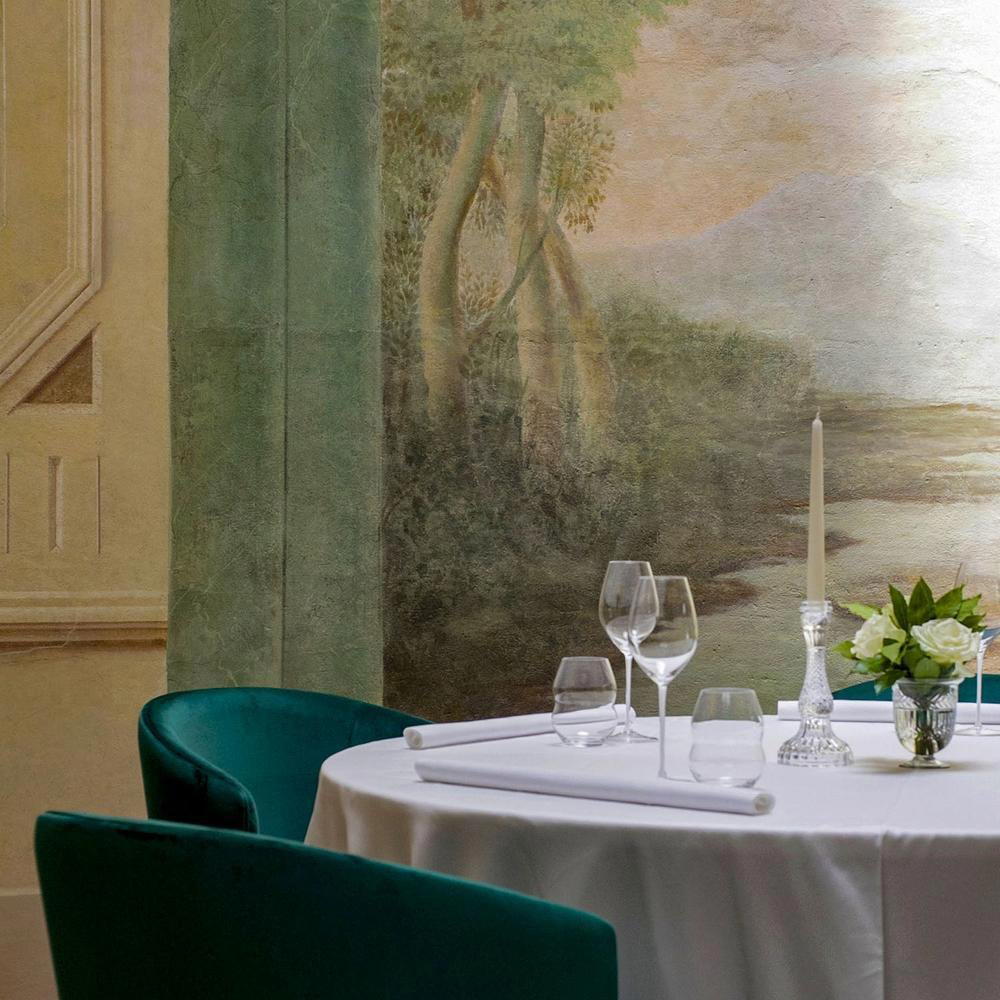
At a Glance
- Elegant
- Romantic
- Classic
- Intimate
- Date Night
- Special Occasion
- Celebration
- Business Dinner
- Terrace
- Private Dining
- Extensive Wine List
- Sommelier Led
- Local Sourcing
Current opening hours
- Monday
- Closed
- Tuesday
- Closed
- Wednesday
- 11:30 AM–3 PM, 6:30 PM–12 AM
- Thursday
- 11:30 AM–3 PM, 6:30 PM–12 AM
- Friday
- 11:30 AM–3 PM, 6:30 PM–12 AM
- Saturday
- 11:30 AM–3 PM, 6:30 PM–12 AM
- Sunday
- 11:30 AM–4 PM
Hours can change for holidays and private events. Last verified .
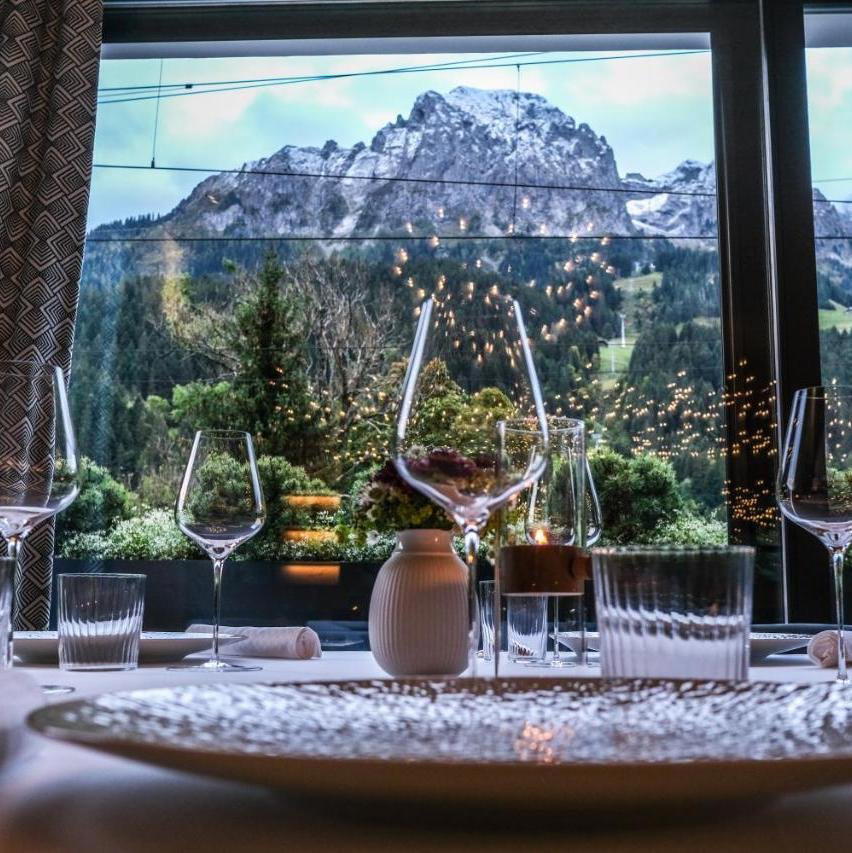
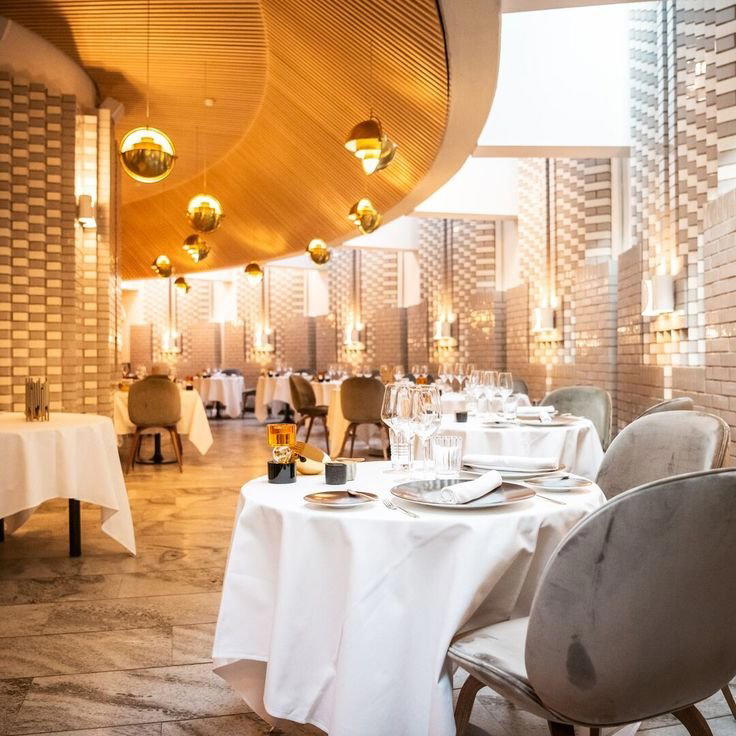
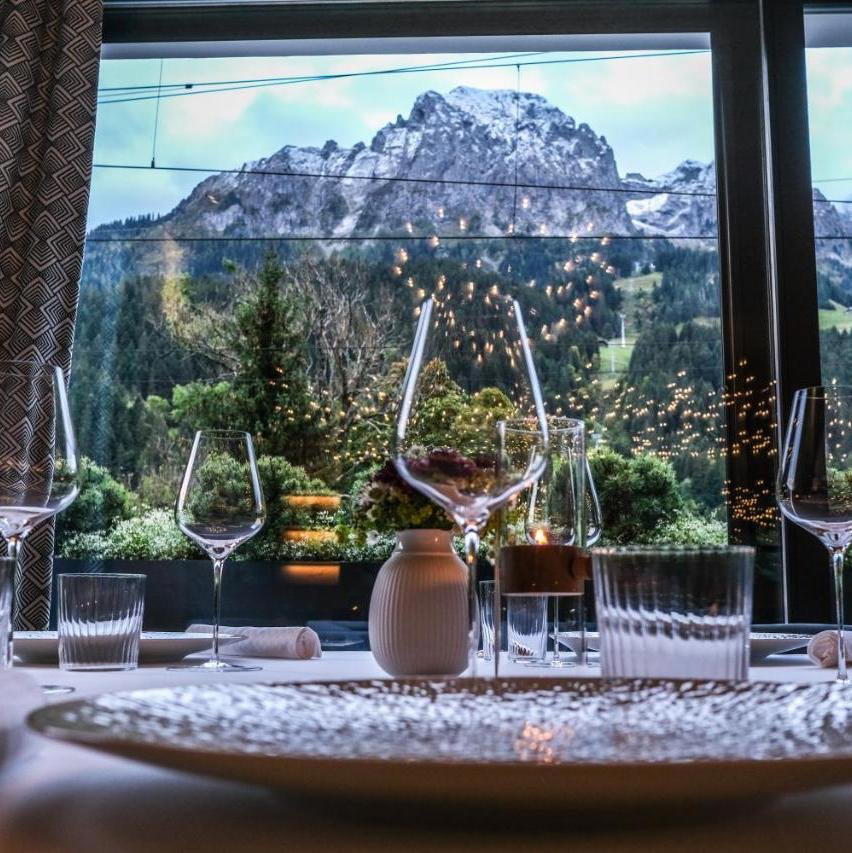
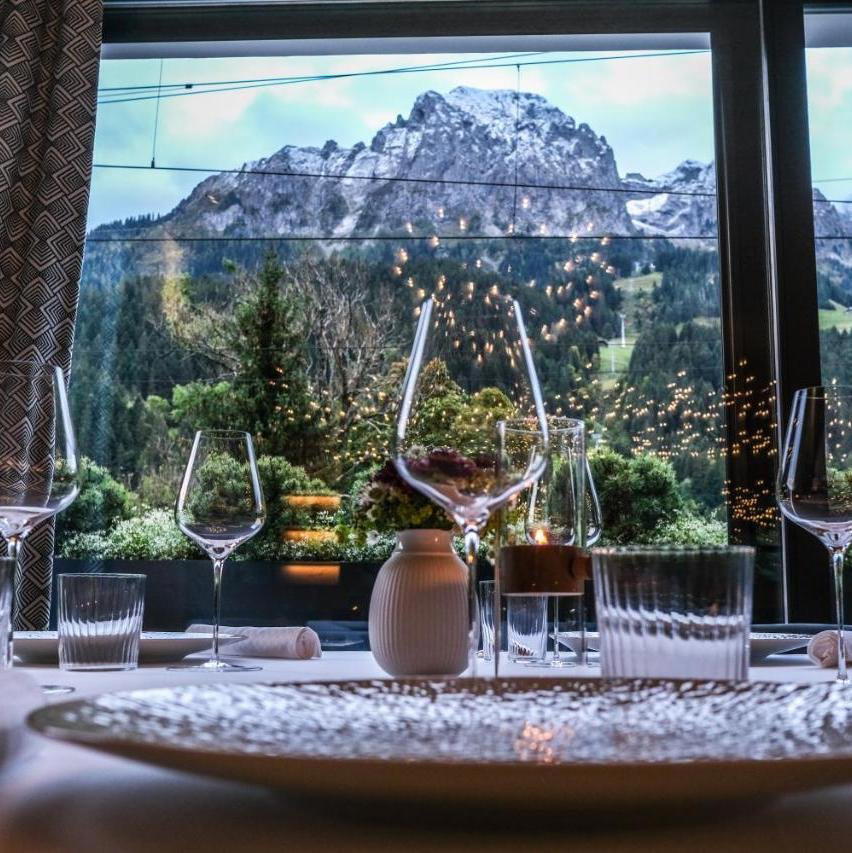
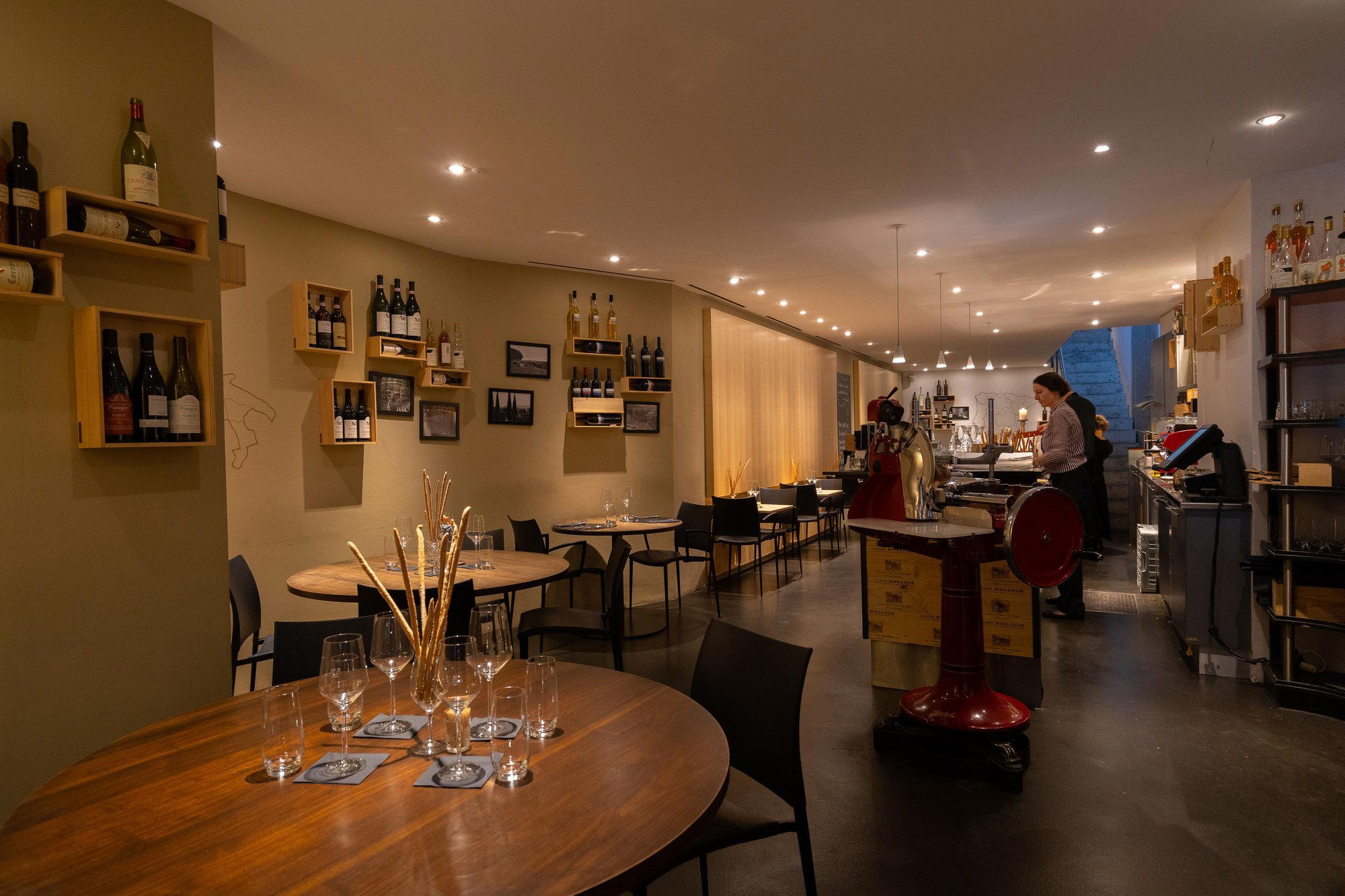
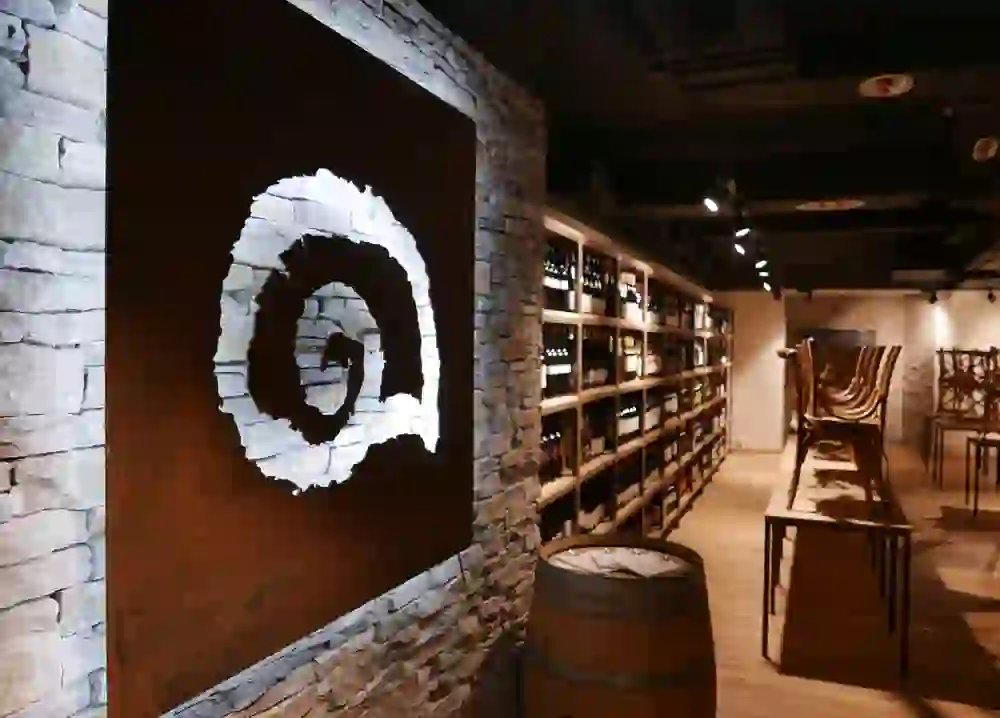
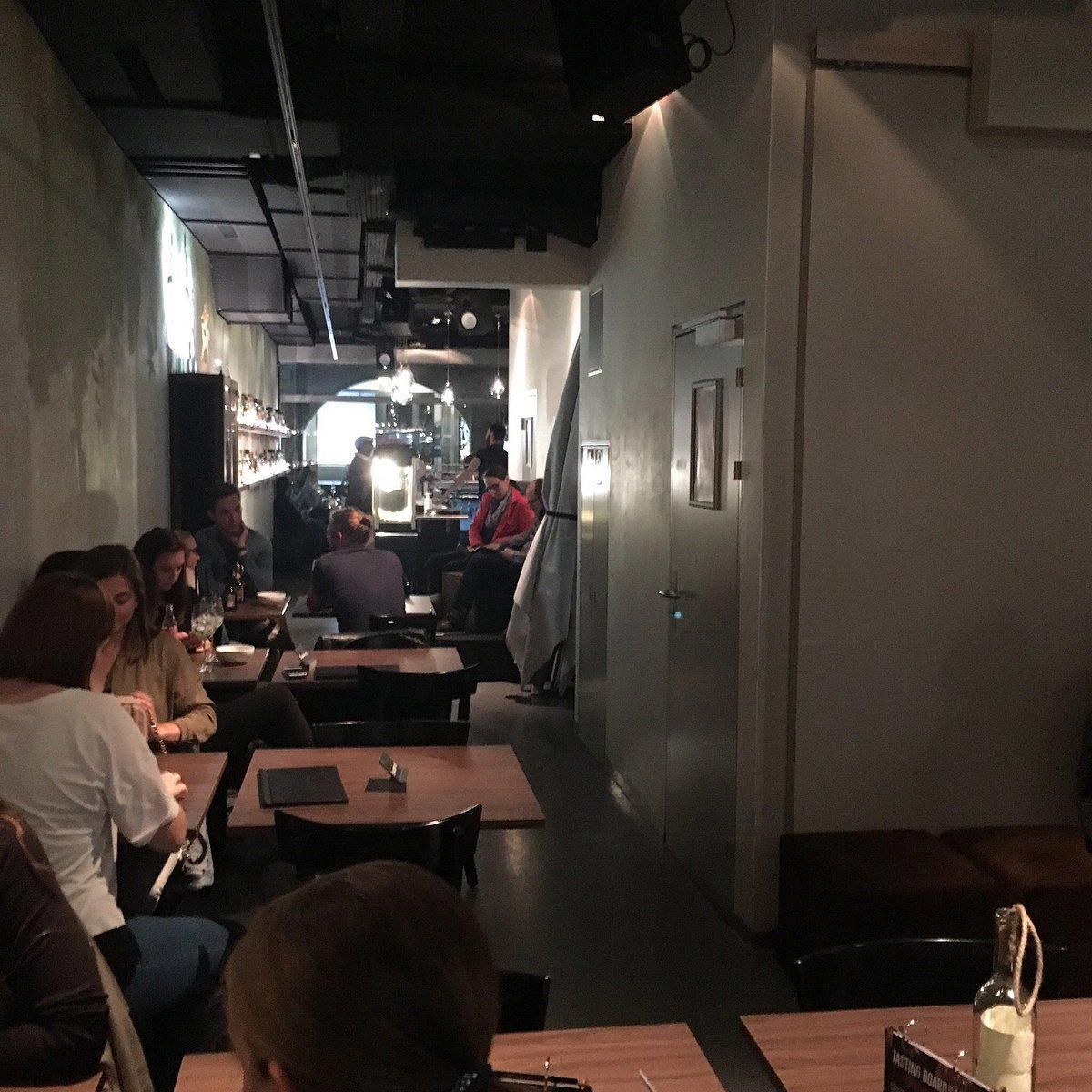
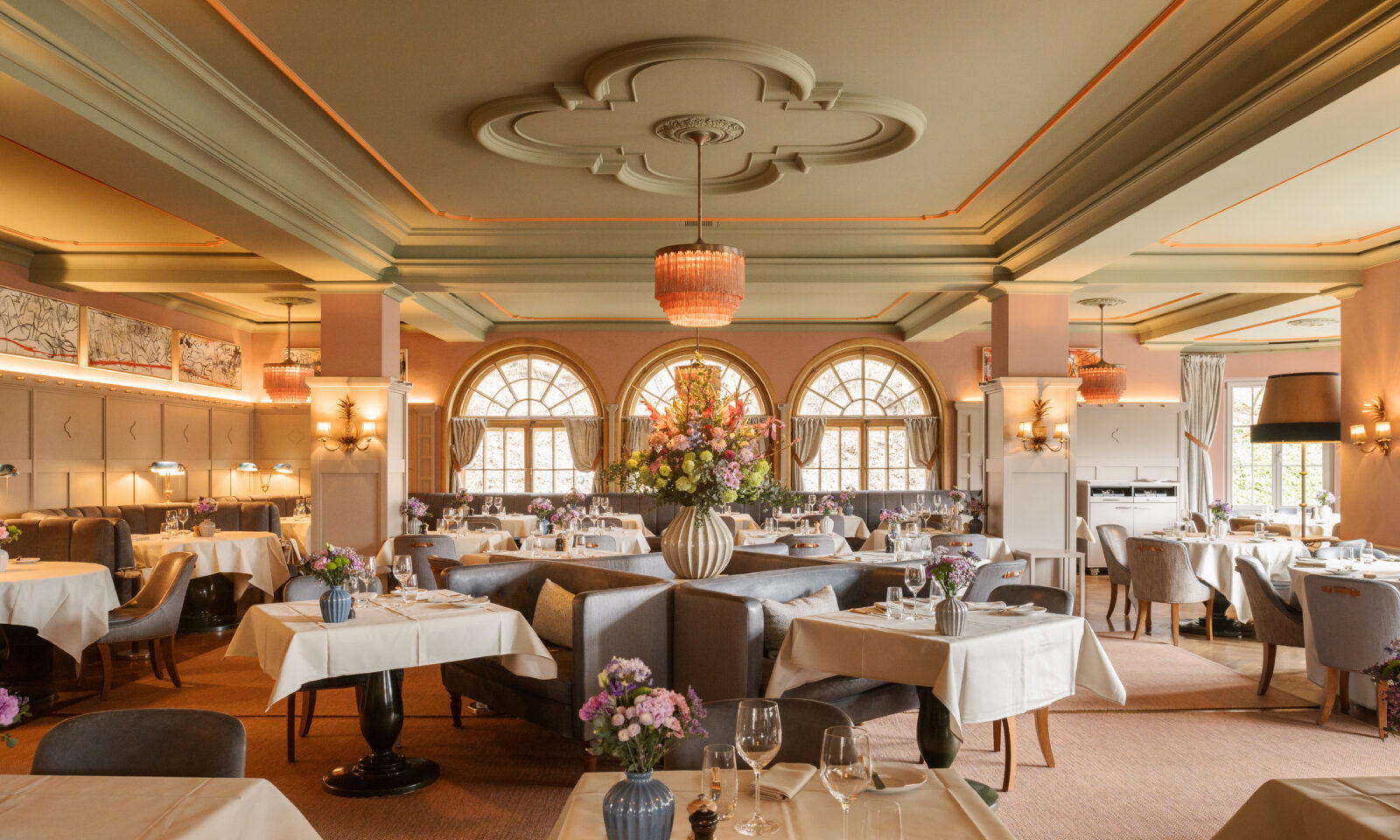
Warm, passionate, and simple atmosphere with elegant presentation; guests describe it as a low-profile address with polished service and refined presentation of dishes.