Cafe Monico
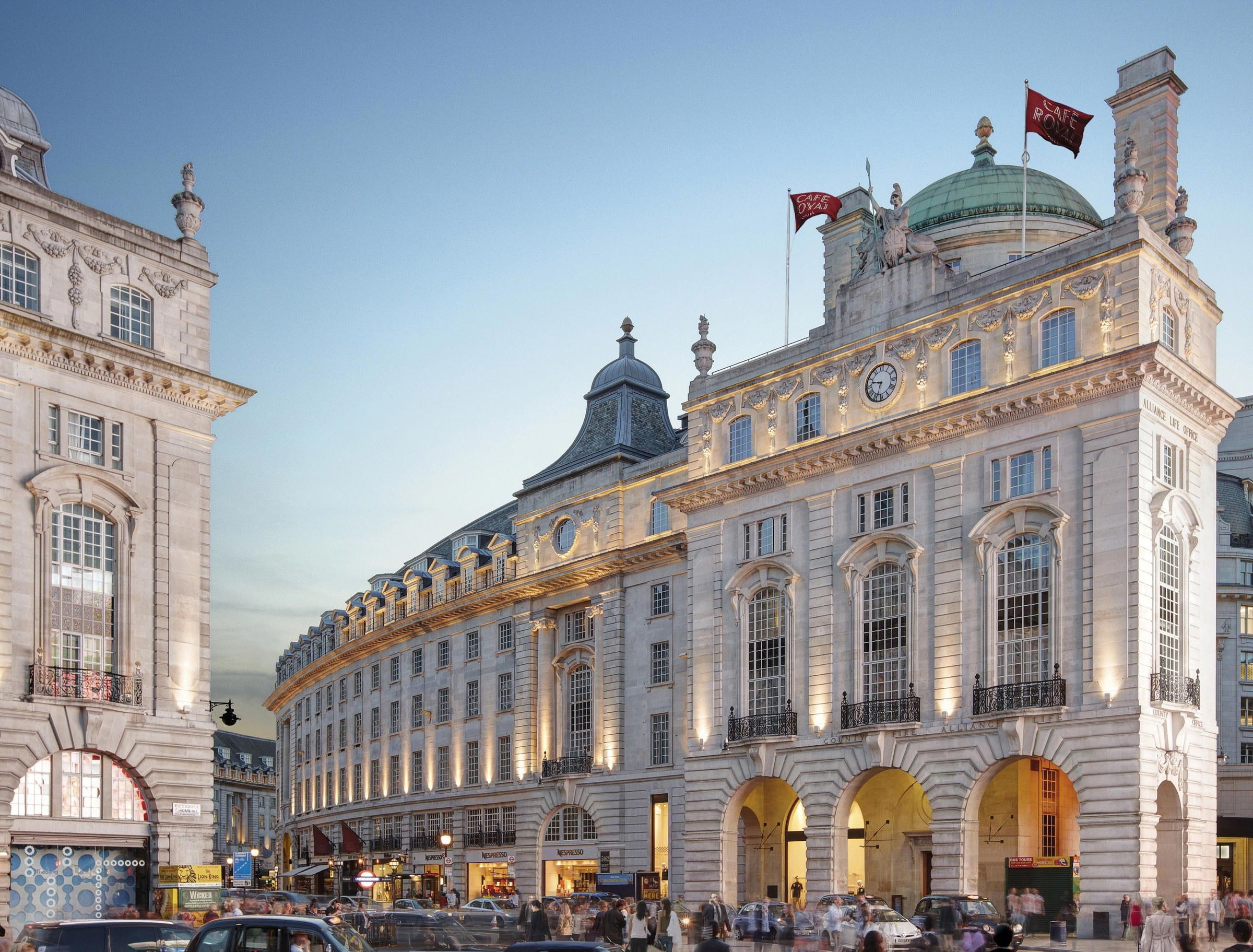
Cafe Monico occupies a storied address on Shaftesbury Avenue at the edge of Soho, where the theatre district meets one of London's most historically layered dining corridors. The original Monico name dates to the nineteenth century, connecting this site to a long tradition of European café culture in the West End. For context on how this address fits within London's broader restaurant scene, see our full London restaurants guide.
- Address
- 39-45 Shaftesbury Ave, London W1D 6LA, United Kingdom
- Phone
- +44 20 3727 6161
- Website
- cafemonico.com
- Directions
- Get directions
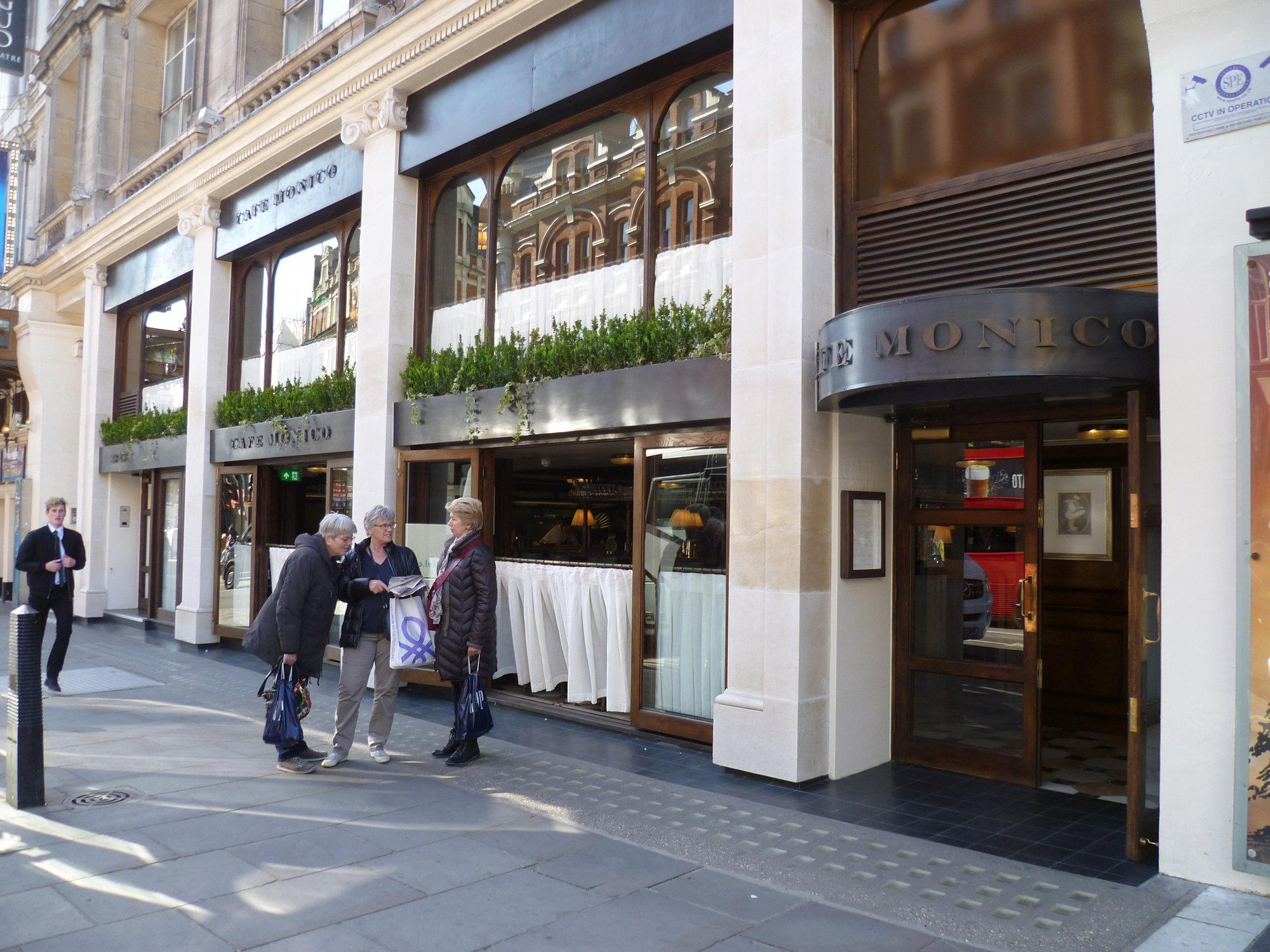
Shaftesbury Avenue and the Weight of a Soho Address
Soho's dining corridor has always operated on two registers simultaneously: the transient trade of theatre-goers and tourists moving through, and the quieter regularity of people who treat the neighbourhood as a local. Shaftesbury Avenue, where Cafe Monico holds its address at 39 to 45, sits precisely on the fault line between those two audiences. This stretch, running from Cambridge Circus toward Piccadilly Circus, is among the more heavily trafficked in central London, which means that venues here must answer a harder question than their counterparts in Marylebone or Clerkenwell: how do you build something worth returning to when the foot traffic guarantees a full room regardless?
The Monico name carries genuine historical weight in this context. The original Café Monico, a grand European-style brasserie that operated on Shaftesbury Avenue and Regent Street from 1877 until the mid-twentieth century, was one of the defining social institutions of Victorian and Edwardian London. Its clientele included political figures, writers, and the theatre community that surrounded the West End. That lineage places the current address in a different category from a new opening with invented heritage; the name connects it to a specific tradition of European café dining that predates the modern restaurant format by decades.
The European Brasserie Tradition and What It Demands
The brasserie format that the Monico name invokes has a specific set of expectations built into it over more than a century. Unlike the tasting-menu counter or the chef-table format that now dominates London's top tier, represented by venues like CORE by Clare Smyth, Sketch, The Lecture Room and Library, and Restaurant Gordon Ramsay, the brasserie is a democratic format in the leading sense. It accommodates a solo diner at the bar and a table of eight with equal facility. It runs lunch and dinner without a break in service. It keeps a menu broad enough that regulars can return weekly without exhausting the options.
What this format demands, above all, is consistency of supply. A tasting-menu kitchen can source its four or five key ingredients with precision and rebuild the menu around what arrives from the farm or the market. A brasserie kitchen sourcing for a full, wide menu operates under a different kind of pressure: the sourcing decisions get made at scale, and the quality of those decisions shows up across every table in the room, not just the showcase dishes. In London's current dining climate, where ingredient provenance has become a genuine point of differentiation at every price level, the sourcing discipline of a high-volume brasserie is where the real editorial story sits. For comparison, the ingredient-led focus that distinguishes venues like The Ledbury and Dinner by Heston Blumenthal operates at a different scale, with smaller covers and tighter menus that allow for closer sourcing control.
Soho's Ingredient Story and Where It Connects
Soho sits within reach of several of London's serious food supply networks. Smithfield meat market operates less than two miles northeast; Borough Market, which has developed into a genuine wholesale and artisan supply hub alongside its retail identity, is across the river. For a brasserie with European leanings, these connections matter: the quality of the côte de boeuf, the sourcing of the charcuterie, and the provenance of the oysters on the raw bar are the decisions that separate a serious address from a tourist-trap operation wearing heritage branding.
Across the UK, the broader conversation about sourcing has shifted significantly over the past decade. Venues operating well outside London, L'Enclume in Cartmel, Moor Hall in Aughton, and Ynyshir Hall in Machynlleth, have helped establish a national expectation that provenance is named and traceable, not implied. That expectation now reaches into the West End, where diners increasingly ask where the fish came from and whether the beef is bred for table quality or commodity. Even venues in the gastropub tradition, such as Hand and Flowers in Marlow, have demonstrated that ingredient sourcing is not the exclusive preserve of fine dining tasting menus.
The West End Brasserie as a Category
Understanding where Cafe Monico sits in London's restaurant ecology requires placing it against the category it actually competes in, not against the Michelin-starred tasting rooms that dominate critical coverage. The West End brasserie, a format that includes everything from established Parisian imports to independently owned British operations with European menus, occupies a specific and crowded space. Pricing in this tier tends to cluster in the mid-to-upper range, where a two-course lunch is accessible and a full dinner with wine moves into spending that demands quality justification.
Internationally, the format has clear reference points. Le Bernardin in New York City operates at the formal end of the European-influenced seafood tradition; Lazy Bear in San Francisco represents the contemporary American take on communal dining formats. Closer to home, Gidleigh Park in Chagford, hide and fox in Saltwood, and Midsummer House in Cambridge demonstrate how seriously the broader British dining scene takes kitchen discipline outside the London spotlight. Restaurant Andrew Fairlie in Auchterarder and Opheem in Birmingham further illustrate that serious culinary investment is no longer a London-centric story. The Waterside Inn in Bray remains the clearest British example of what sustained European brasserie-adjacent dining looks like when executed over decades.
Planning a Visit
The Shaftesbury Avenue address places Cafe Monico within a few minutes' walk of Piccadilly Circus Underground station, making it direct to reach from most parts of central London. The theatre district location means the pre-show window between six and seven-thirty is one compressed period of the evening; arriving for a later dinner, after eight, typically allows more time at the table. For first-time visitors, the West End's weekend lunch trade is a different experience from the weekday theatre crowd, quieter rooms, more unhurried service, and a more deliberate engagement with the menu.
Peers Worth Knowing
Comparable venues nearby, for context on price, style, and recognition.
| Venue | Cuisine | Price | Notes |
|---|---|---|---|
| Cafe MonicoThis venue — the venue you are viewing | French-Italian Brasserie | $$$ | Not listed |
| Le Salon Prive | Classic French Brasserie | $$$ | St. Margaret's |
| La Fromagerie Bloomsbury | French Cheese & Charcuterie Bistro | $$$ | Bloomsbury |
| High Road Brasserie | French Brasserie | $$$ | Turnham Green |
| Bistro Freddie | Modern French Bistro | $$$ | Shoreditch |
| Café François | French Brasserie | $$ | Borough |

At a Glance
- Classic
- Elegant
- Sophisticated
- Pre Theater
- Brunch
- Business Dinner
- Historic Building
- Craft Cocktails
- Street Scene
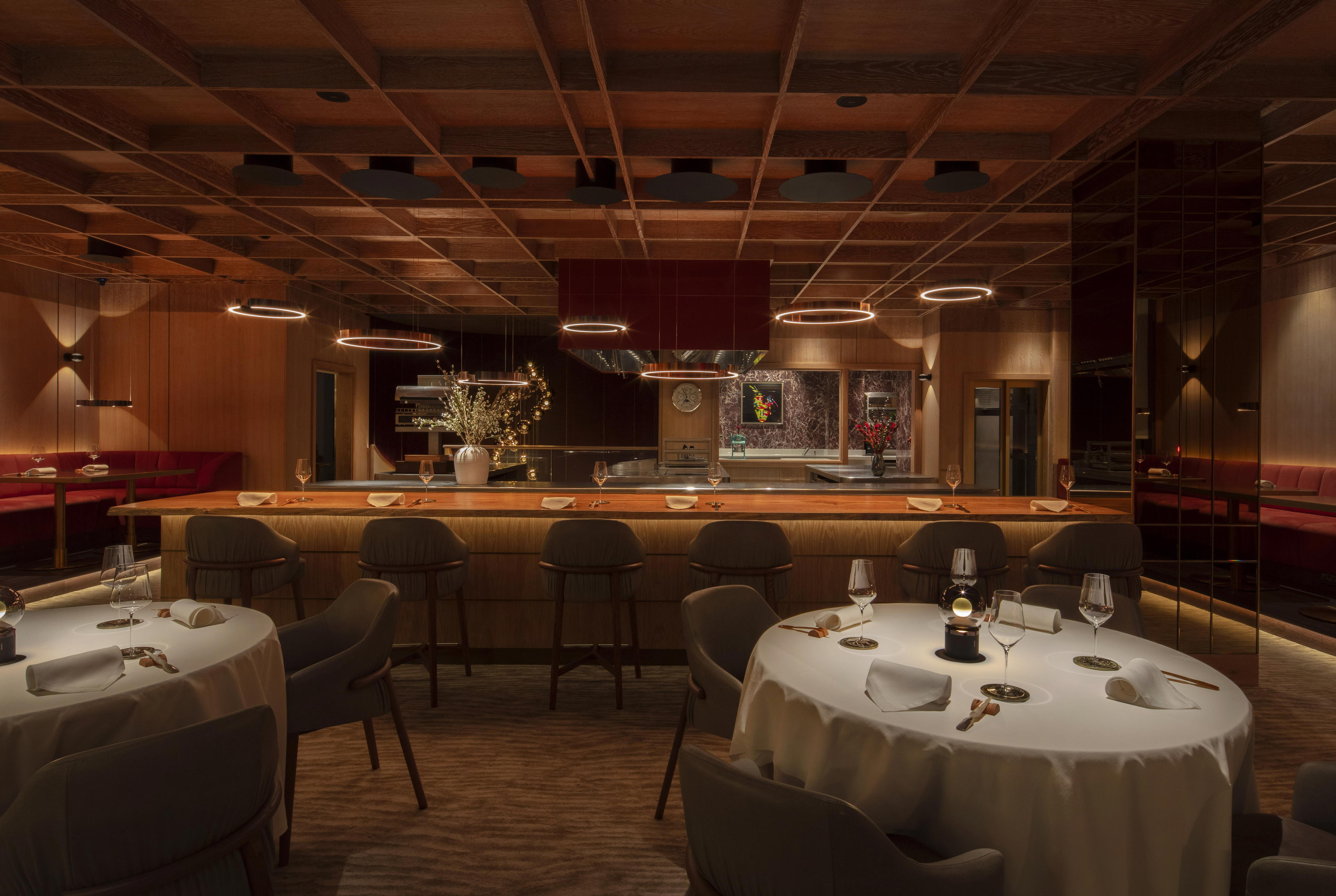
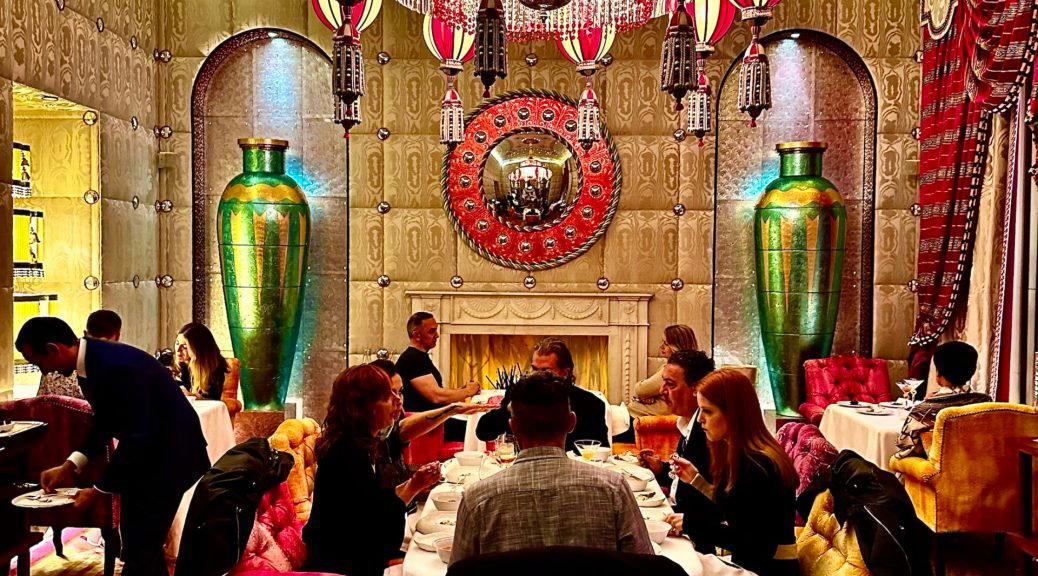
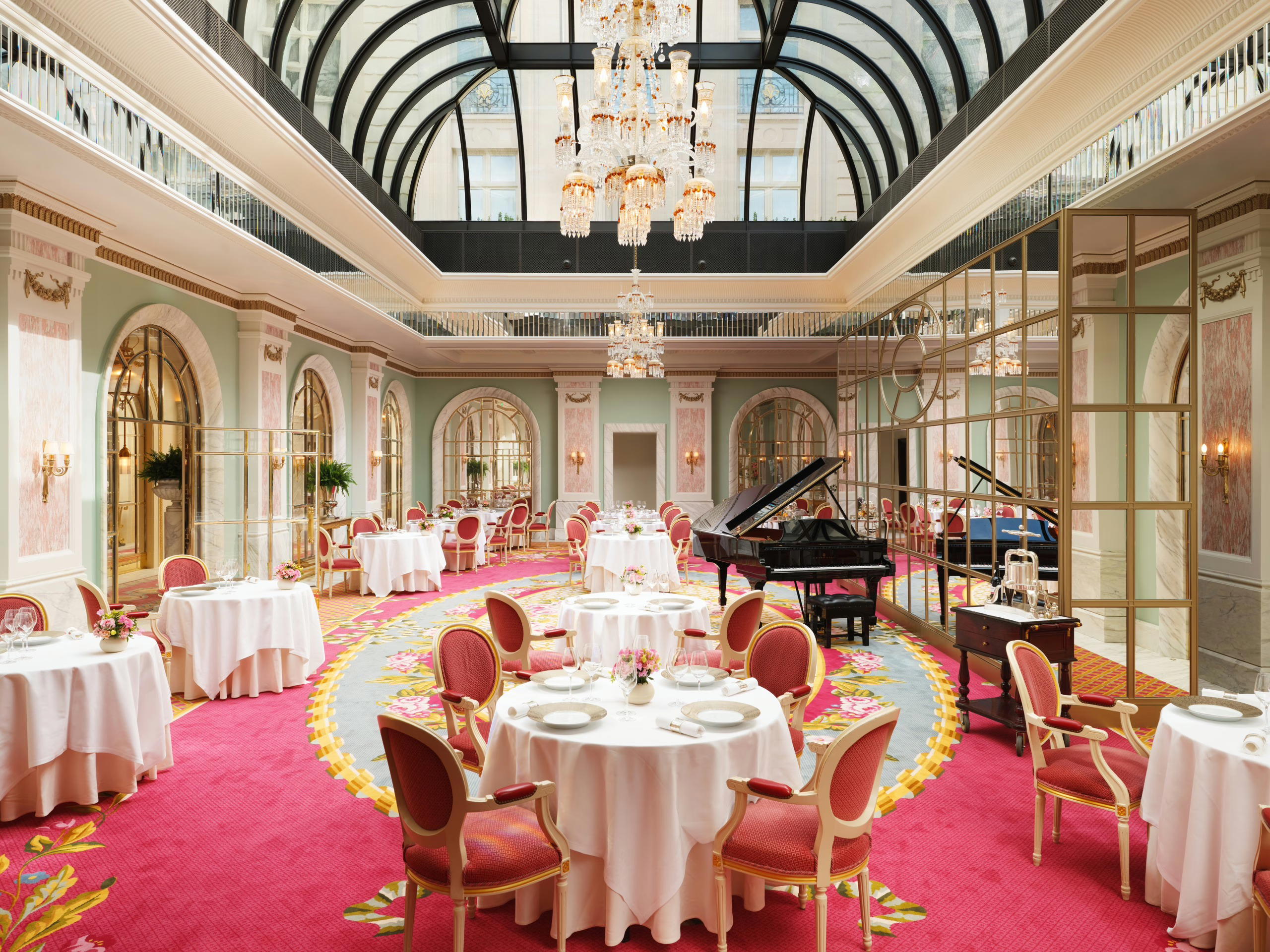
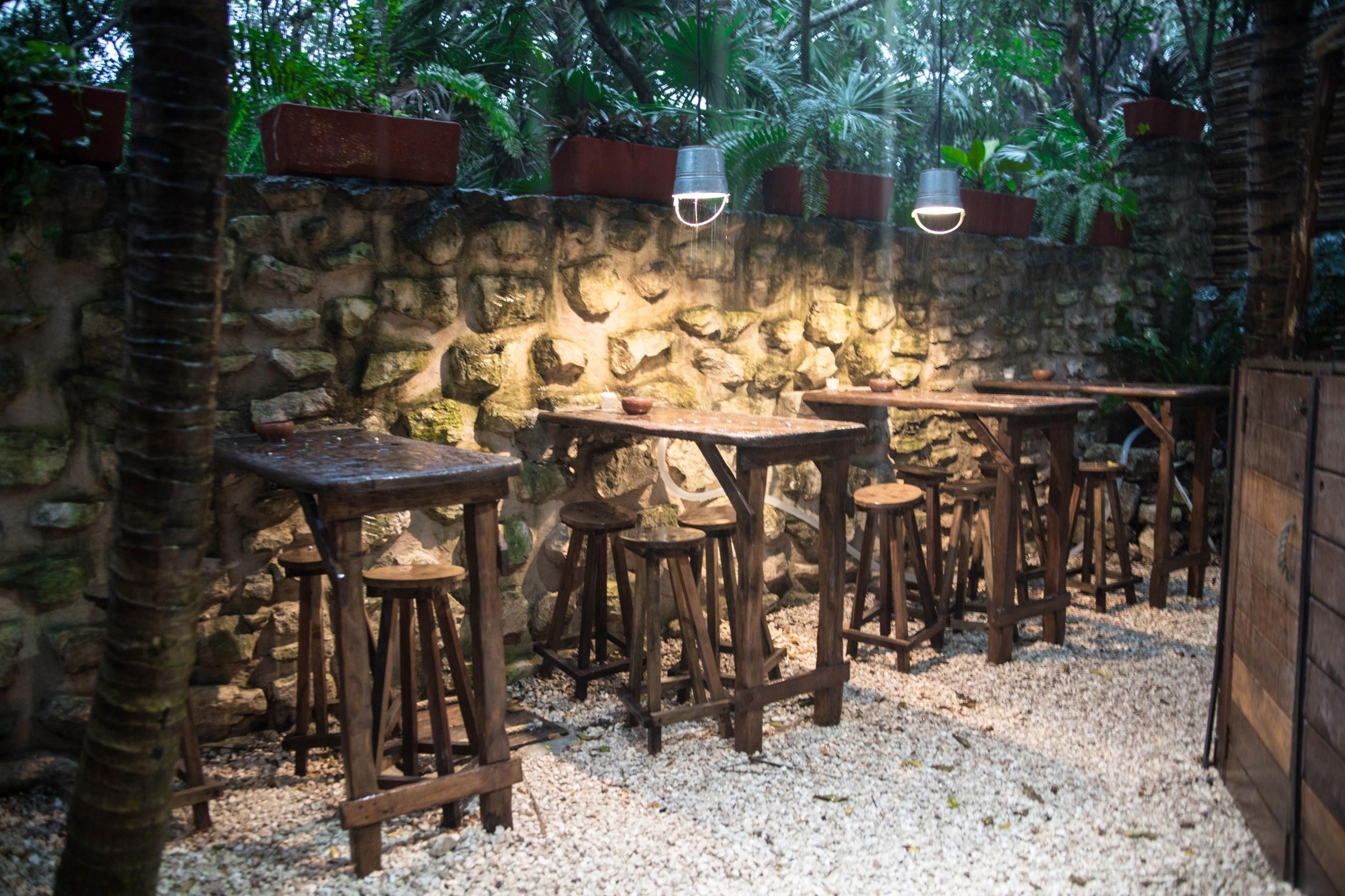
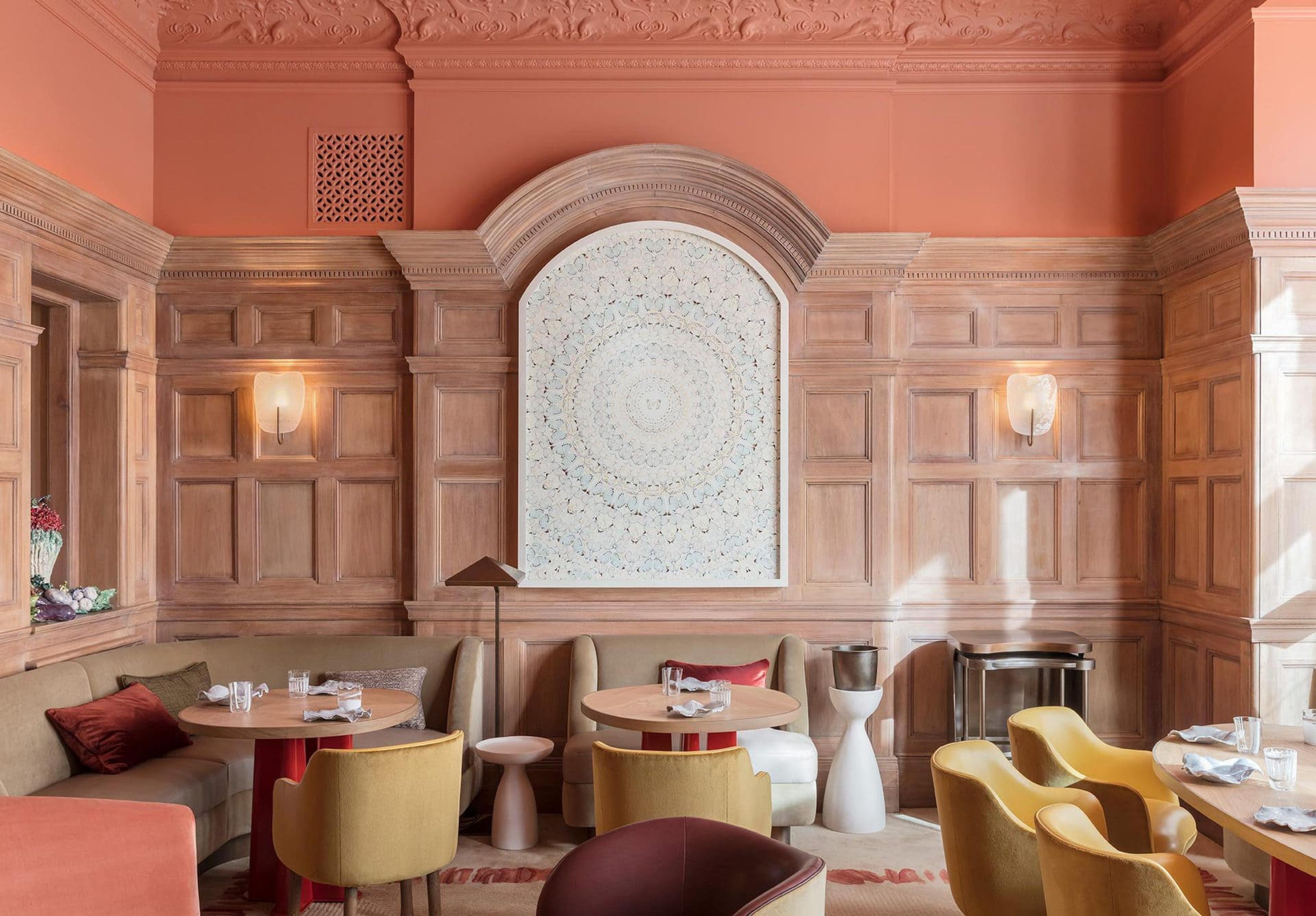
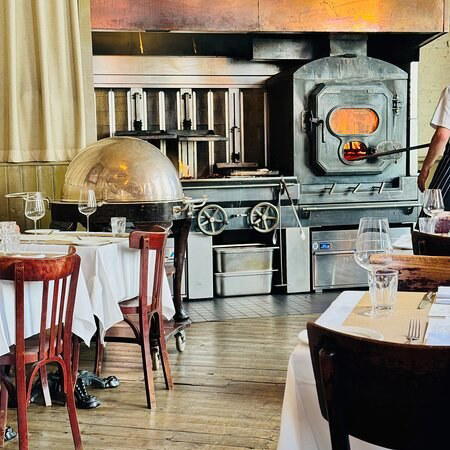
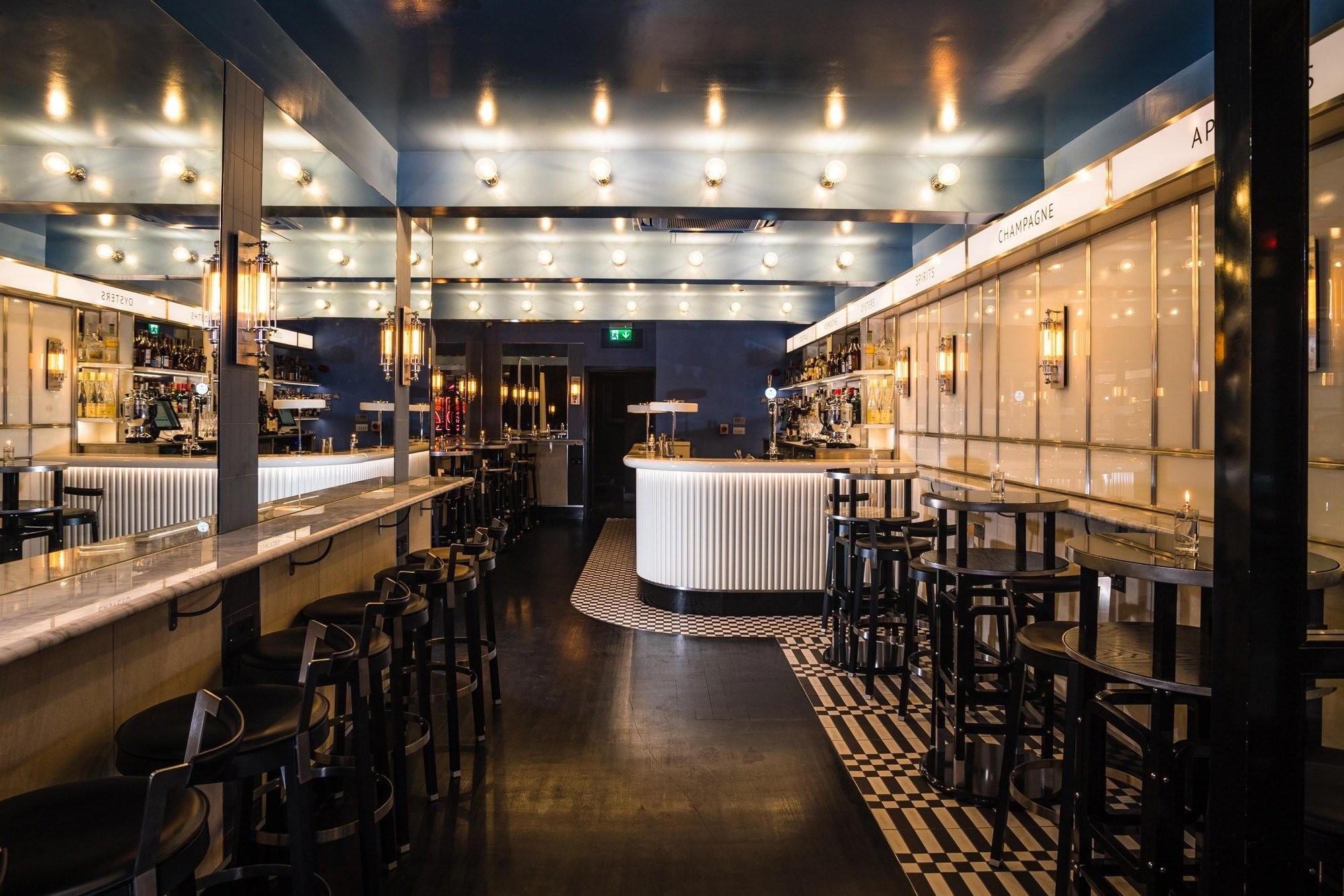
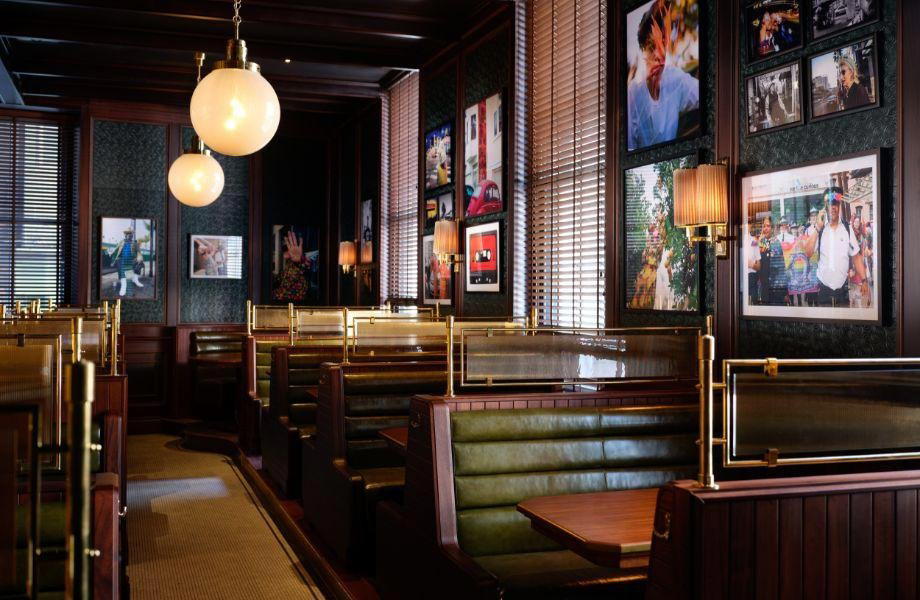
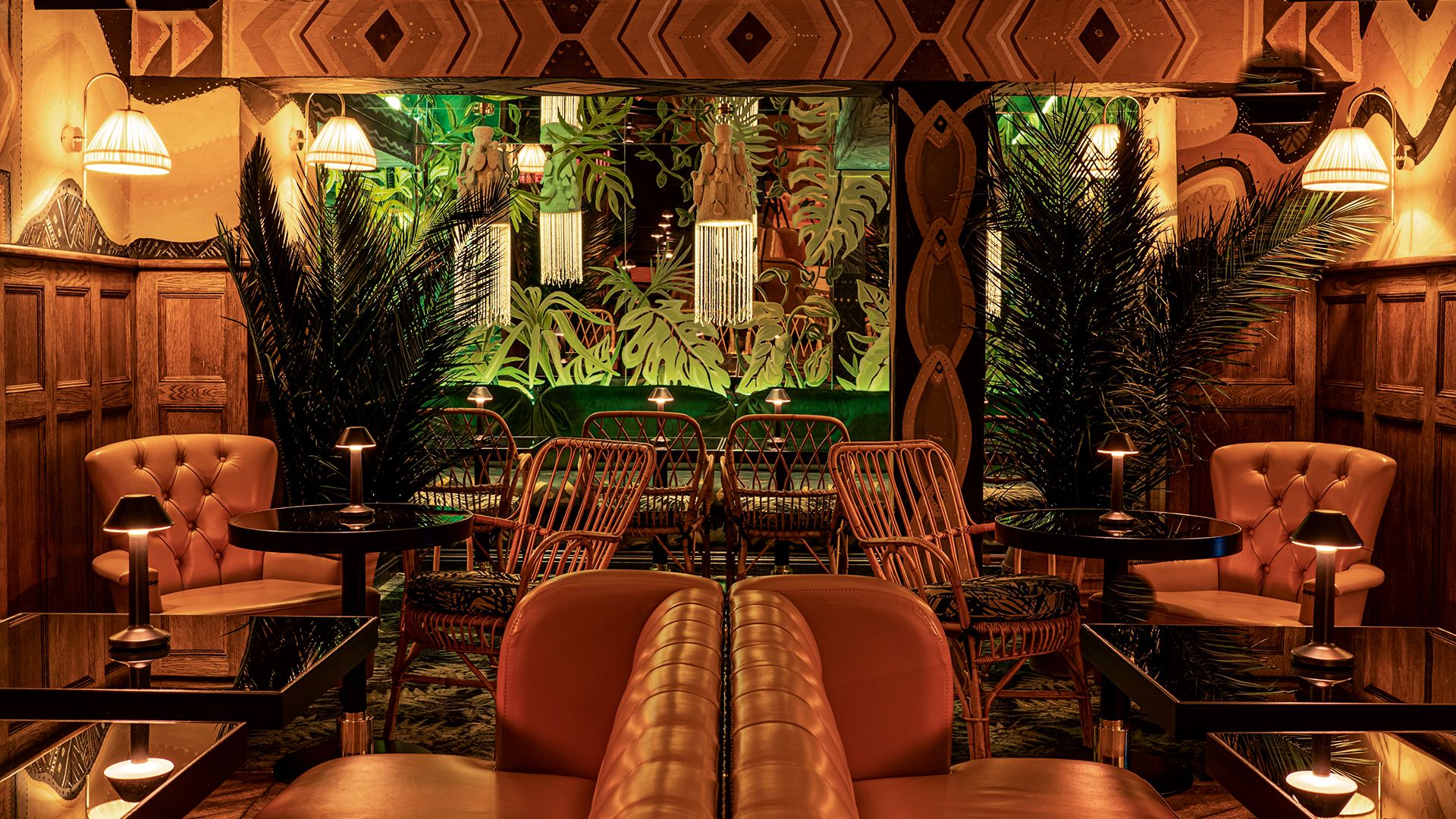
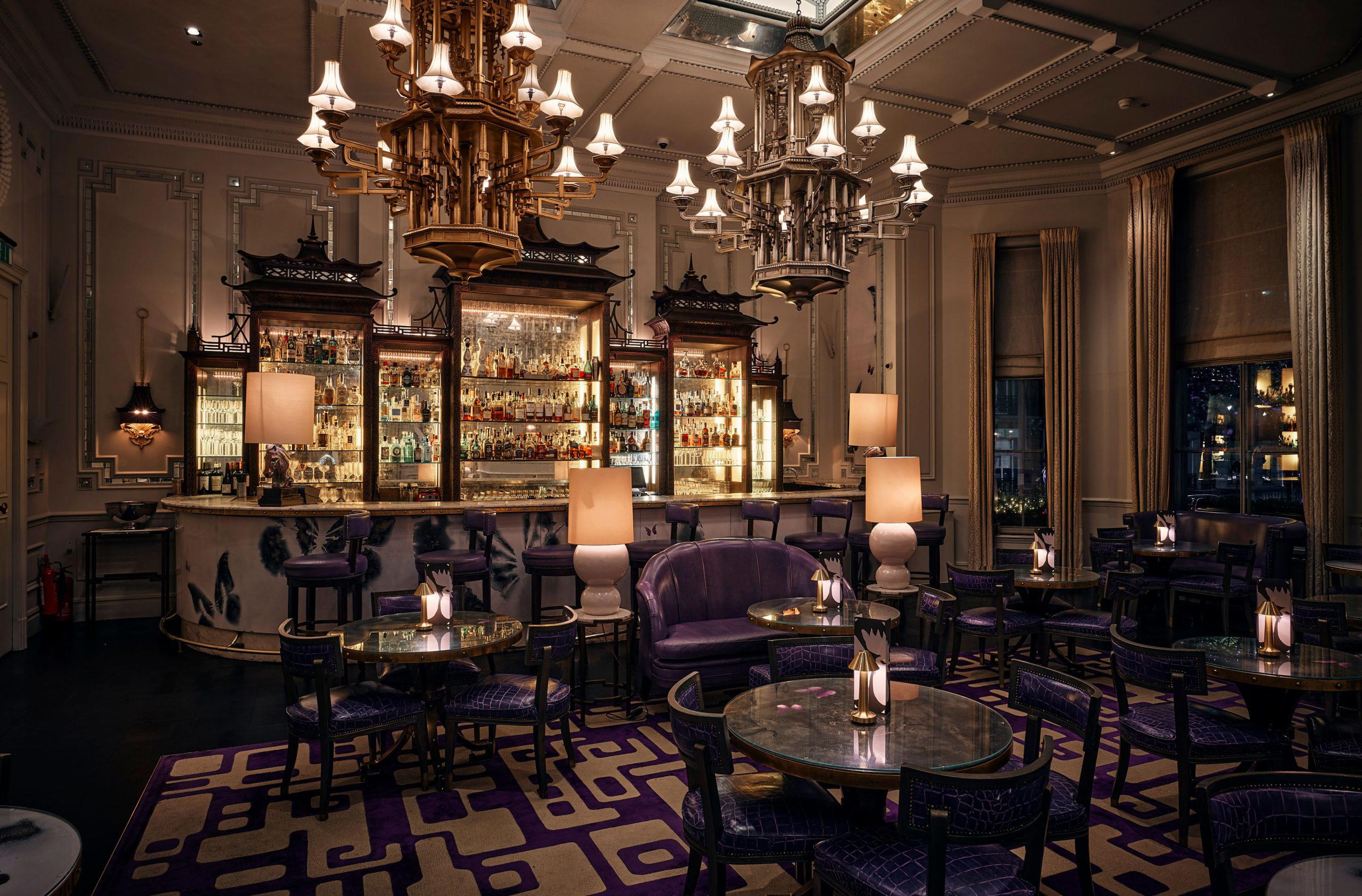
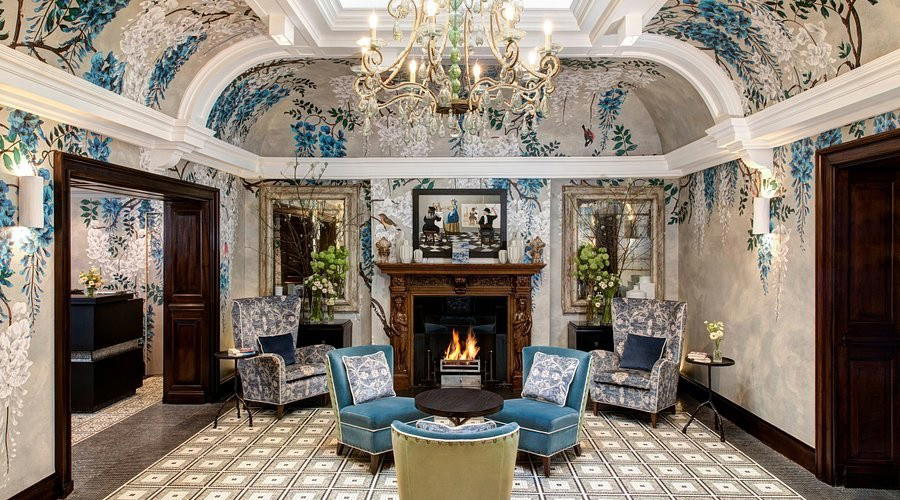
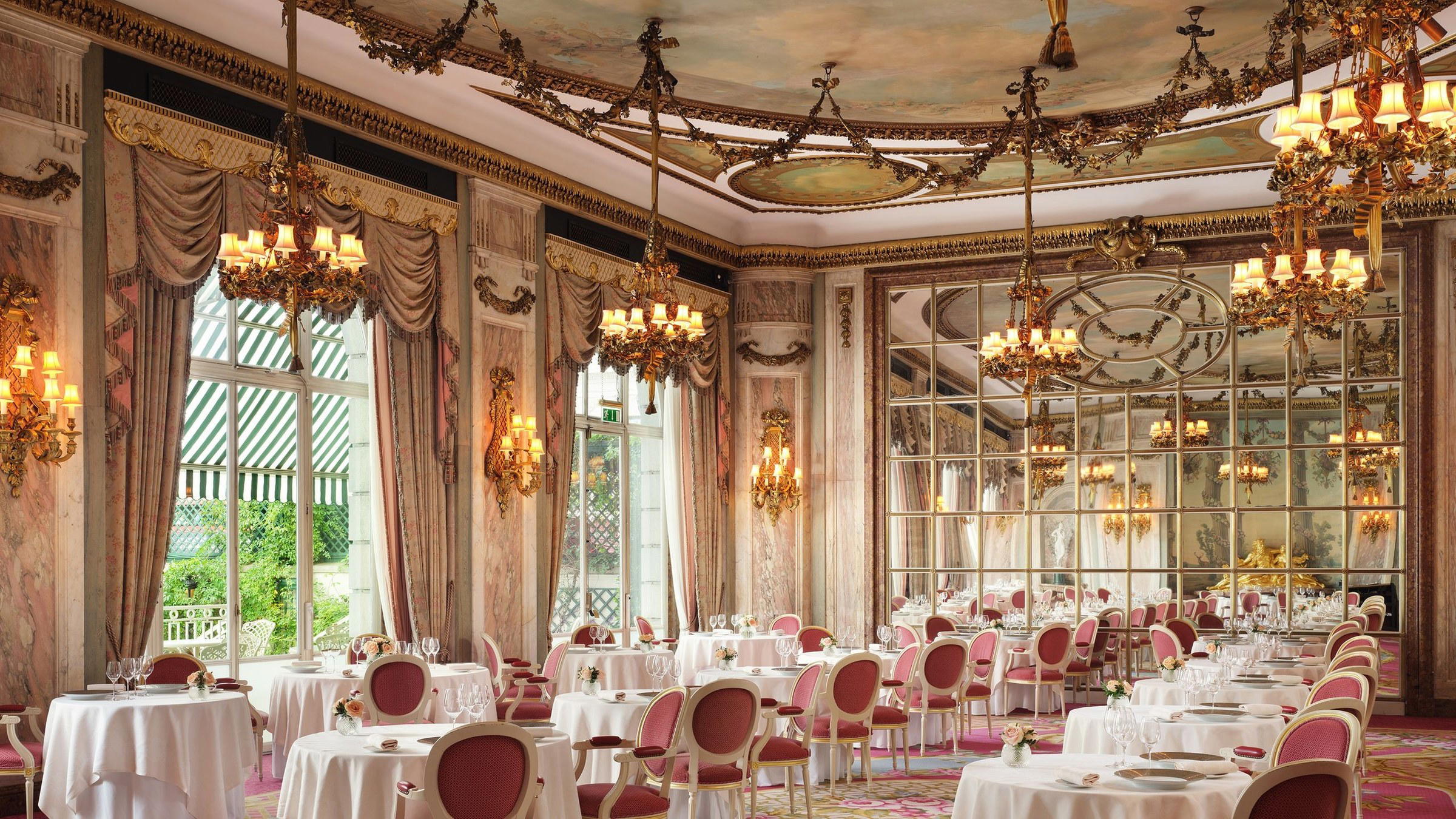
Classic European brasserie with green leather banquettes, oak-panelled walls, reclaimed timber floors, wood-panelled bar, and soft chandelier lighting from the mezzanine.