Cafe Med Eugene
Our verdict
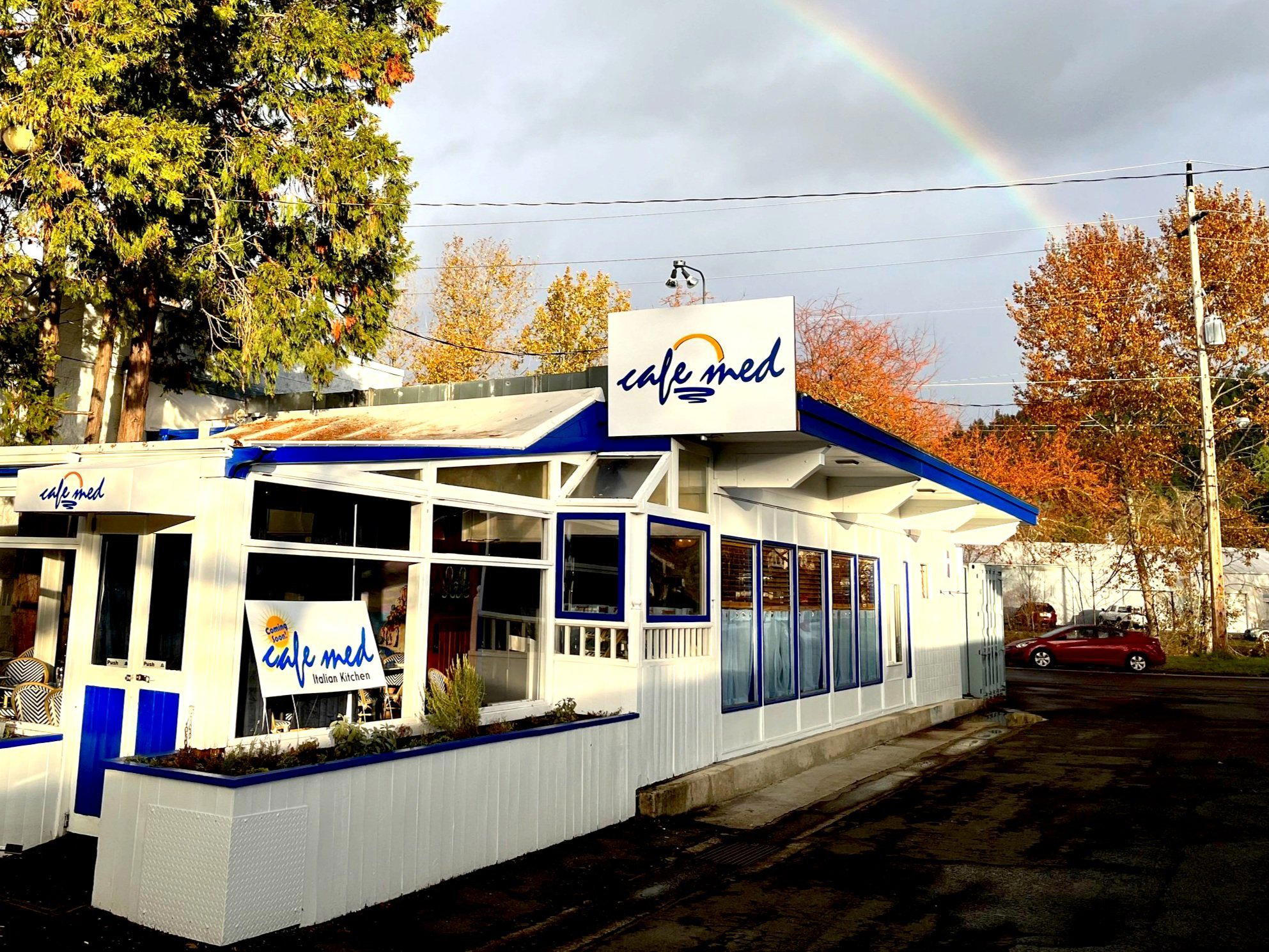
A Mediterranean-leaning neighborhood address on Hilyard Street in Eugene, Cafe Med sits in a city where independent restaurants shape the dining culture more than chain formats do. Eugene's south side has cultivated a quiet cluster of independent operators, and Cafe Med occupies a familiar spot in that pattern: a locally rooted room where the cuisine tradition carries more weight than the marketing around it.

Pearl is the En Primeur Club membership app — saves, bookings, and concierge access live there. Same editors, same standards.
- Address
- 3443 Hilyard St, Eugene, OR 97405
- Phone
- (541) 653-9507
- Hours
- Mon–Thu 5–9 PMFri–Sun 5–9:30 PM
- Website
- cafemedeugene.com
- Directions
- Get directions
- Booking
- Book on OpenTable
The menu
What to order
- Pinsa Romana
- Gorgonzola Gnocchi
- Risotto Nero
Mediterranean Dining in a Pacific Northwest College Town
Eugene's restaurant culture has long operated on a different logic than Oregon's more celebrated dining cities. Portland absorbs the national press; Willamette Valley wine country draws the destination crowd. Eugene, anchored by the University of Oregon and a long tradition of independent food culture, has developed a dining scene that runs on neighborhood loyalty and culinary specificity rather than destination marketing. Hilyard Street, running through the city's south side, reflects that character: a corridor of independent operators serving a community that has consistently chosen locally owned rooms over franchise formats. Cafe Med Eugene, at 3443 Hilyard St, occupies that kind of address.
Mediterranean cuisine arrived in American dining long before it became a wellness category. Its core grammar, built from olive oil, legumes, fresh vegetables, grilled proteins, and bread traditions that vary from the Levant to Iberia to North Africa, represents one of the more coherent and internally consistent culinary systems in the world. In a college town with a health-conscious resident base and a history of cooperative food culture, Mediterranean cooking lands well. It offers the kind of menu that travels across dietary preferences without requiring a separate vegan or vegetarian annex, because the tradition already accommodates both.
The Hilyard Street Setting
South Eugene's dining corridor is not a destination district in the way that certain Portland neighborhoods function. It serves the surrounding residential grid: students, faculty, long-term residents, and the kind of regulars who return because the room is familiar rather than because a review told them to. Cafe Med's position on Hilyard Street places it within that local rhythm. The address is accessible by bike or on foot from much of south Eugene, which matters in a city where cycling infrastructure shapes how people move between neighborhoods. For visitors arriving from outside the area, it sits within the broader south Eugene grid, south of downtown and the university campus.
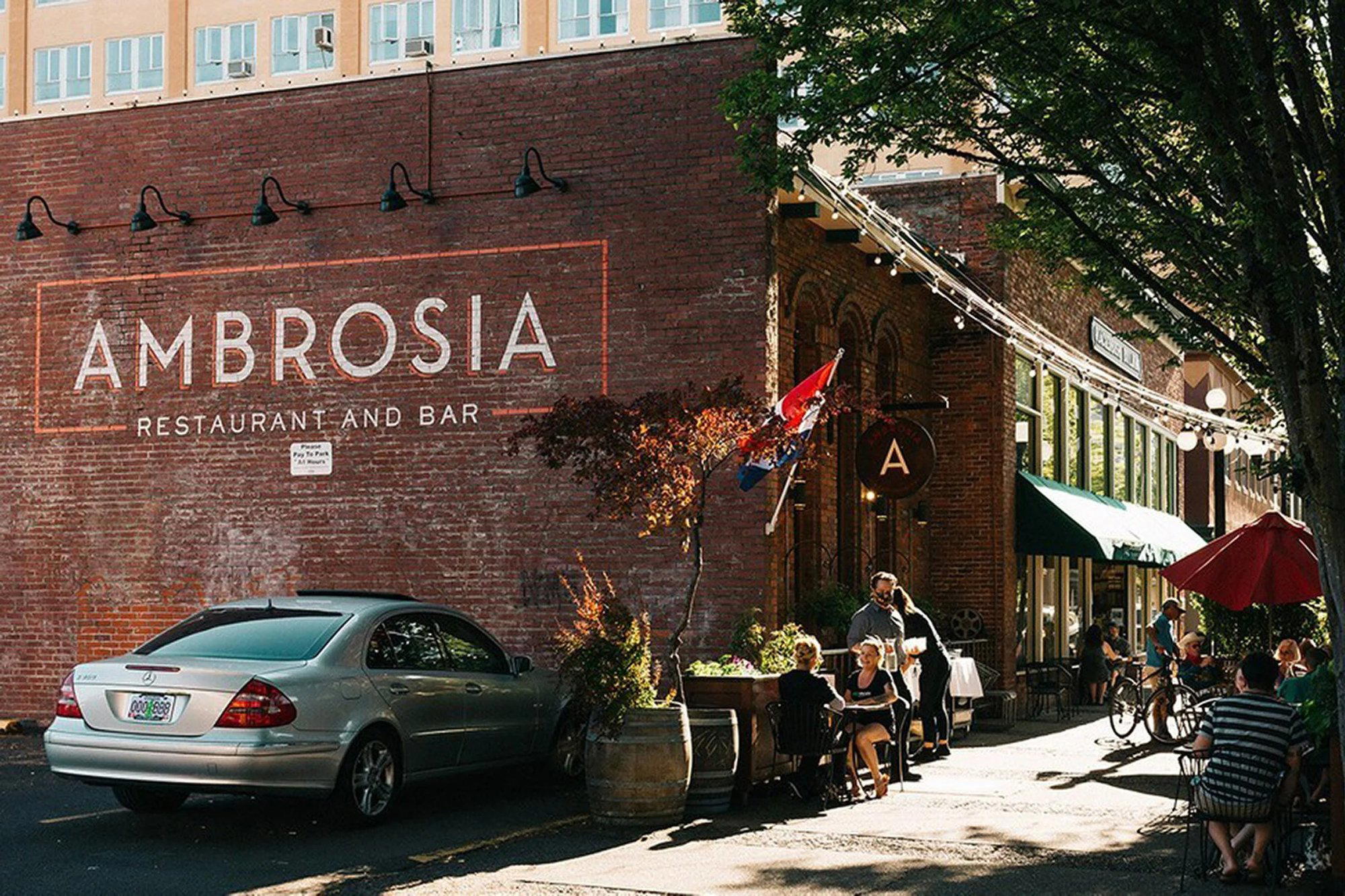
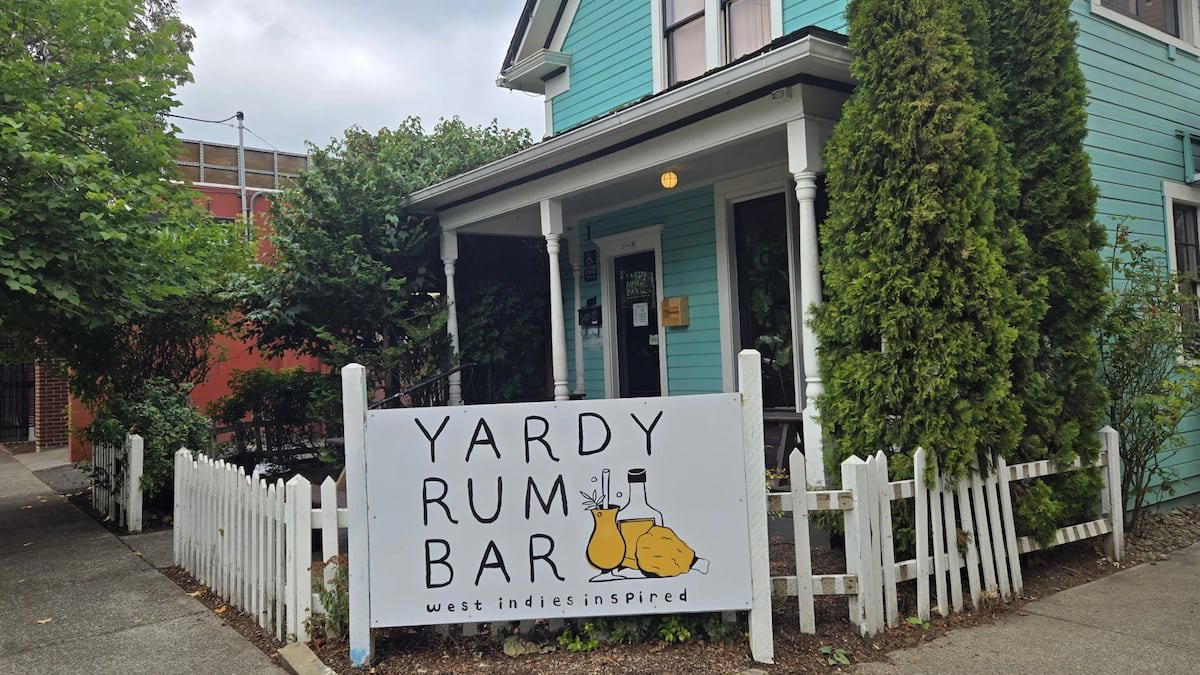
Eugene's independent restaurant community includes a range of formats and traditions that give the city more culinary range than its size might suggest. Akira represents the city's Japanese dining offer. Ambrosia Restaurant & Bar anchors the more formal end of the local dining spectrum. Lovely's Fifty-Fifty handles the pizzeria tradition with some seriousness. Yardy Rum Bar brings West Indian cooking into the mix. High Street Tonics operates in the beverage-forward corner of the scene. Together, these form a map of independent operators across different culinary traditions, and Cafe Med fits into that picture as the Mediterranean option in a city that otherwise leans toward Pacific Northwest, Japanese, and American formats. For a broader sense of where it sits in the city's dining options, the full Eugene restaurants guide provides useful orientation.
The Cultural Roots of Mediterranean Cooking
The Mediterranean basin is not a monolithic culinary tradition. Greek cuisine differs materially from Turkish, Lebanese from Moroccan, Spanish from Italian, even as shared ingredients and techniques move across all of them. What the category shares is a cooking logic shaped by a warm, dry climate: preservation through fermentation, pickling, and curing; fresh vegetables and legumes as primary rather than secondary ingredients; grilling and wood-fire techniques; bread as a structural component of the meal rather than an accessory. In the American context, Mediterranean cooking has been both simplified and, in recent decades, rediscovered with more specificity. The wellness positioning of the Mediterranean diet has driven mainstream interest, but the more interesting restaurant expression of this tradition is the one rooted in specific regional cooking rather than the generic category label.
In cities that operate at the scale of larger American markets, Mediterranean cooking has splintered into its constituent parts: Levantine restaurants with serious mezze programs, Spanish-focused rooms built around jamón and sherry, Greek tavernas that have moved beyond the tourist standbys. The culinary conversation around venues like Le Bernardin in New York City, Lazy Bear in San Francisco, or Providence in Los Angeles operates at a different altitude, where sourcing, technique, and tasting menu architecture dominate the critical frame. In a mid-sized university city like Eugene, the Mediterranean restaurant occupies a different but equally coherent role: it is the room that covers a culturally rich tradition with enough range to serve regular diners across different occasions, without demanding the kind of attention or budget that destination dining requires.
That role is not a lesser one. Some of the most durable neighborhood restaurants in American cities are those that handle a broad culinary tradition with consistency and without pretension. They are the places that feed a community across years, not seasons. Fine dining destinations like The French Laundry in Napa, Smyth in Chicago, Blue Hill at Stone Barns in Tarrytown, or Addison in San Diego occupy one end of the dining spectrum. The neighborhood Mediterranean in a university town occupies a different position on that spectrum, and the comparison is not a criticism. Both serve a function; neither substitutes for the other. Venues like Single Thread Farm in Healdsburg, Emeril's in New Orleans, The Inn at Little Washington, Atomix in New York City, and Atelier Moessmer Norbert Niederkofler in Brunico define the upper register of serious dining ambition globally. The Hilyard Street address functions in an entirely different register, and that is the register worth understanding before visiting.
Planning a Visit
Frequently asked questions
Can I bring kids to Cafe Med Eugene?
Eugene's independent restaurant culture runs toward casual, neighborhood formats rather than formal dining rooms, and Mediterranean menus tend to offer broad enough variety to accommodate younger diners. Shared plate formats common to the Mediterranean tradition let families order selectively without committing to a fixed structure. For specific kids' menu options or seating arrangements, contacting the restaurant directly before visiting is the practical step.
What kind of setting is Cafe Med Eugene?
Cafe Med Eugene sits at 3443 Hilyard St in south Eugene, a residential corridor that functions as a neighborhood dining strip rather than a destination district. The surrounding area serves the local community, which typically shapes restaurants toward approachable, room-sized formats rather than large-scale production. Expect a neighborhood room rather than a polished destination venue.
Is Cafe Med Eugene suitable for a casual weeknight dinner in south Eugene?
Located at 3443 Hilyard St, Cafe Med Eugene sits within a residential part of south Eugene that draws regulars rather than destination tourists, making it a practical option for a low-key weeknight meal. Mediterranean cooking as a format, built around shareable portions and ingredient-forward preparations, suits an informal midweek pace.
What dish is Cafe Med Eugene famous for?
Mediterranean cuisine as a category spans a wide range, from mezze spreads and flatbreads to grilled proteins and legume-based preparations, and the specific menu at this Eugene address has not been documented in detail. Checking with the restaurant directly will give the clearest picture of what the kitchen is currently running.
What's the address for Cafe Med Eugene?
Cafe Med Eugene is located at 3443 Hilyard St, Eugene, OR 97405, Eugene.
Booking and Cost Snapshot
Comparable venues nearby, for context on price, style, and recognition.
| Venue | Cuisine | Price | Awards | Notes |
|---|---|---|---|---|
| Cafe Med EugeneThis venue — the venue you are viewing | Authentic Italian | $30–50 | Not listed | Not listed |
| Akira | Japanese Omakase & Fusion | $50–100 | Not listed | downtown, Japanese Omakase & Fusion |
| Yardy Rum Bar | West Indies / Caribbean | $20–30 | James Beard Award Semi Finalist · New York Times America's Best Restaurants | Caribbean |
| Ambrosia Restaurant & Bar | Classic Italian with Pacific Northwest Influences | $30–50 | World's Best Wine Lists Awards WBWL 3-Star | Downtown, Classic Italian with Pacific Northwest Influences |
| High Street Tonics | Nonalcoholic Mixology Bar | $20–30 | Not listed | downtown, Nonalcoholic Mixology Bar |
Continue exploring
More in Eugene
Restaurants in Eugene
Browse all →
Bars in Eugene
Browse all →
Wineries in Eugene
Browse all →
Details
- Cozy
- Intimate
- Classic
- Date Night
- Casual Hangout
- Standalone
- Craft Cocktails
- A La Carte
- Vegetarian Friendly
- Gluten Free Options
- Vegan Options
Current opening hours
- Monday
- 5–9 PM
- Tuesday
- 5–9 PM
- Wednesday
- 5–9 PM
- Thursday
- 5–9 PM
- Friday
- 5–9:30 PM
- Saturday
- 5–9:30 PM
- Sunday
- 5–9:30 PM
Hours can change for holidays and private events. Last verified .
Warm and inviting Mediterranean décor in an intimate 700 sq ft space with a welcoming neighborhood atmosphere.