Yardy Rum Bar


A West Indian kitchen operating out of a sea-foam green Victorian near downtown Eugene, Yardy Rum Bar opened in February 2024 after graduating from food truck to permanent address. The menu draws on Caribbean and Afro-Latino traditions, running from split-pea pholourie to a Haitian pikliz-dressed plantain sandwich, backed by a rum-forward cocktail program built around sorrel punch and house-designed drinks.
Pearl is the En Primeur Club membership app — saves, bookings, and concierge access live there. Same editors, same standards.
- Address
- 837 Lincoln St, Eugene, OR 97401
- Phone
- (458) 240-7564
- Website
- yardyrumbar.com
- Directions
- Get directions
 Saves & bookings on Pearl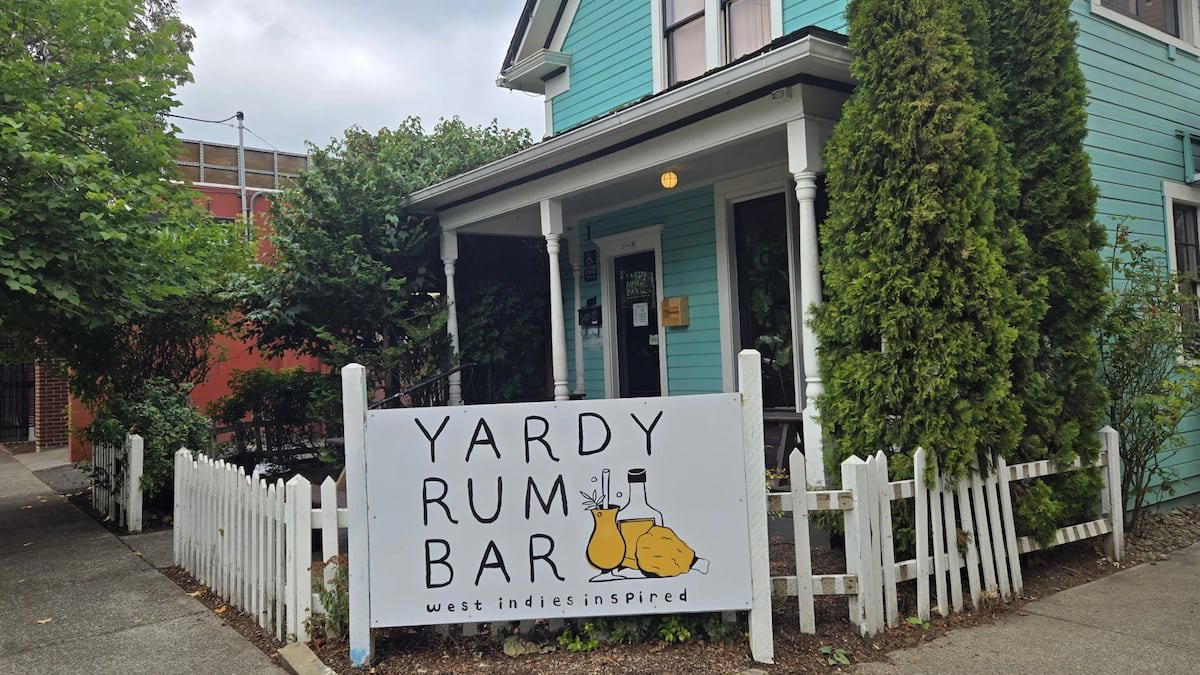
Caribbean Heat in Oregon's Willamette Valley
Oregon's dining conversation tends to orbit Pinot Noir, foraged mushrooms, and Pacific Coast seafood. West Indian cooking rarely enters that frame. Which is precisely why a sea-foam green Victorian on Lincoln Street, a short walk from downtown Eugene, registers as a genuine interruption to the local pattern. Yardy Rum Bar arrived in February 2024 as a permanent address after proving the concept on a food truck, and it brings a culinary tradition that is almost entirely absent from the Willamette Valley's restaurant map. For readers who track where Caribbean diaspora cooking has established serious footholds in the American West, Eugene is not a city that typically appears on that list. Yardy is the reason to reconsider.
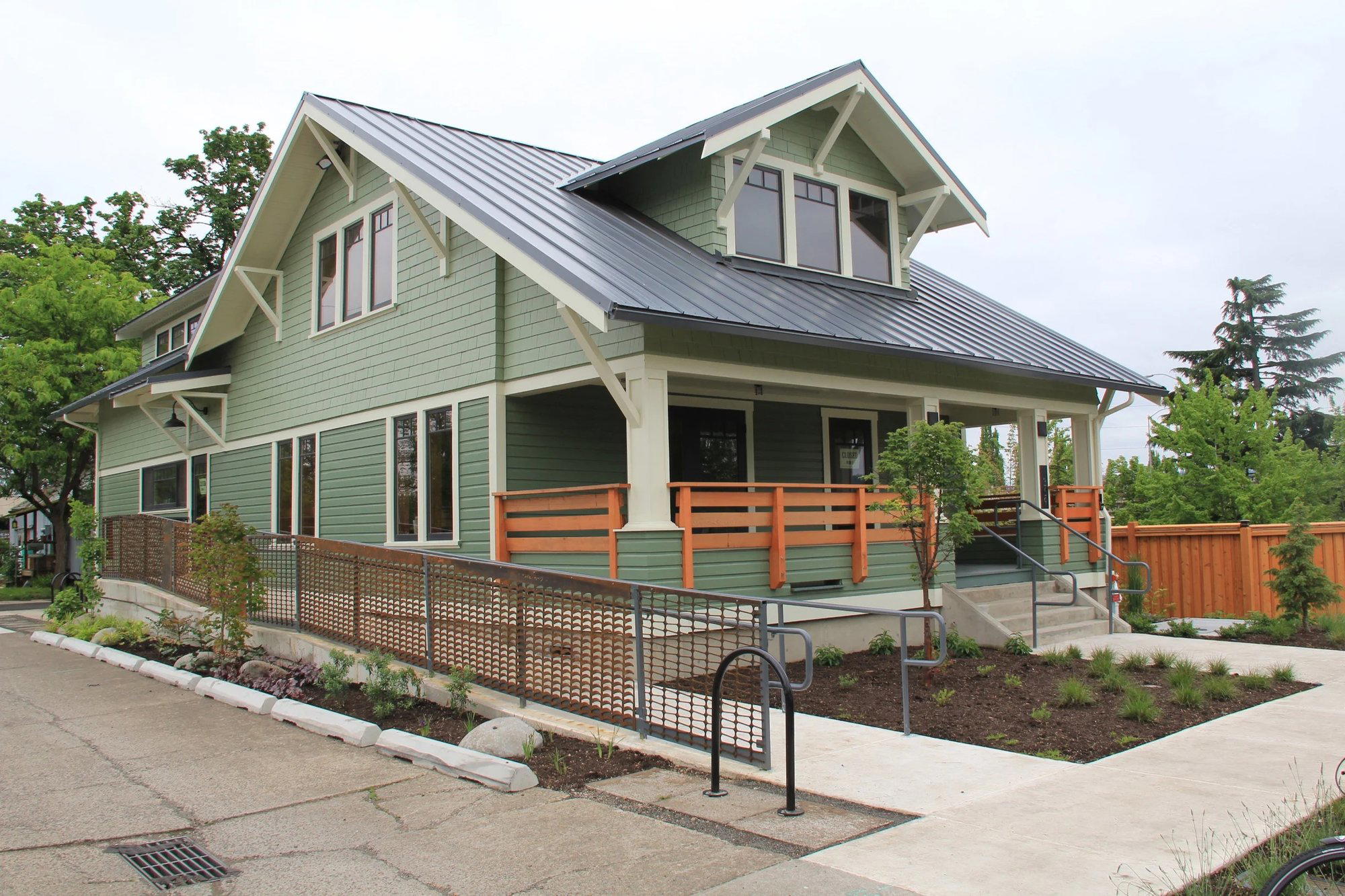
The building itself does some of the communicating before you eat anything. The cheerful Victorian exterior, painted in that particular green, signals informality and warmth without trying to approximate a tropical theme-park aesthetic. This is not a place performing Caribbeanness for a tourist audience. The food truck origins matter here: the menu was refined through genuine public appetite, not a soft opening in a cushioned dining room. That background shows in the confidence of the cooking.
The Menu: Caribbean and Afro-Latino Traditions on a Single Page
Caribbean cooking at its most interesting is a compression of histories: Indian indenture, West African diaspora, Creole exchange, Spanish colonial influence. The menu at Yardy reads exactly that way, moving between traditions without treating any of them as exotic accent. The pholourie is the right entry point. These split-pea fritters arrive sauced with mango, tamarind, and peppers, and they represent the Indo-Caribbean inheritance in Trinidadian street food. The preparation is a deep-fry application, but the flavour complexity comes from the trio of condiments working against the starchy base of the fritter. In broader Caribbean cooking terms, the pholourie is one of the clearest markers of the Indian-Caribbean culinary tradition that developed in Trinidad and Tobago following indentured labour migration in the nineteenth century. Eating one here in Eugene, that thread of history is present even if the setting is an Oregon Victorian.
The fried chicken sandwich is where the kitchen's control of heat levels becomes practical information. The build allows for individual calibration: Bajan peppa, tamarind sauce, salsa rosada, and a house pepper mix are all configurable additions, which means the sandwich adapts to the diner rather than enforcing a single spice register. Bajan peppa sauce is a Barbadian tradition with a mustard-and-scotch-bonnet base, sharper and more vinegar-forward than Louisiana-style hot sauces. Having it alongside tamarind sauce in the same build is a tension the kitchen understands well.
The Jibarito No. 2 is the menu's most structurally ambitious item and the one that demonstrates the Afro-Latino side of the kitchen's range. Griyo pork, a Haitian preparation involving citrus and Scotch bonnet marination followed by frying, sits inside two twice-fried plantains that replace bread entirely. The Haitian pikliz slaw brings fermented heat and acid to cut the richness of the pork. The jibarito format itself comes from Puerto Rican-American cooking, developed in Chicago in the 1990s as a plantain-based sandwich innovation. Combining it with Haitian griyo reflects a diaspora sensibility: drawing on multiple Caribbean and Caribbean-American traditions in a single dish rather than treating any one island's cooking as the canonical source.
The Drinks Program and the Role of Rum
Co-owner Nico Centanni designed and runs the cocktail program, which means the rum bar designation is not incidental. Sorrel punch is the recommended starting point, and it reflects a Caribbean Christmas and year-round tradition of hibiscus-based drinking that runs across Jamaica, Trinidad, Barbados, and the wider diaspora. The deep crimson of sorrel, its tartness, and the way it carries spice from clove and ginger make it an ideal frame for rum. A cocktail program built around this tradition takes a different shape than the tropical-drink-umbrella format that dominates most Caribbean-presenting bars in American college towns. Eugene already has options for craft cocktails in other styles; what Yardy offers is a specific register that reflects the cooking's cultural logic rather than generic bar programming. For the broader Eugene bar scene, see our full Eugene bars guide.
Eugene's Dining Position and How Yardy Fits
Eugene operates in a different tier than the Oregon dining cities that attract national attention. Portland carries the weight of that recognition, and wine-country addresses like the Dundee Hills attract destination diners seeking farm-to-table tasting menus. Eugene's restaurant scene is more local in orientation, with quality concentrated around the university district and downtown corridors. Within that context, a West Indian kitchen with the specificity and range that Yardy demonstrates occupies an unusual position. It is not competing with the fine-dining register of places like Single Thread Farm in Healdsburg, Lazy Bear in San Francisco, or The French Laundry in Napa. Nor is it adjacent to the multi-course precision of Alinea in Chicago, Atomix in New York City, or Le Bernardin in New York City. Yardy operates in a casual register, but the culinary knowledge embedded in the menu is not casual.
Co-owner Isaiah Martinez grew up in Crown Heights, Brooklyn, a neighbourhood with deep Caribbean community roots, before relocating to Oregon. That biography is relevant not as personal narrative but as culinary geography: Crown Heights is one of the primary centres of Caribbean food culture on the American mainland, particularly for Jamaican, Trinidadian, and Haitian cooking. The food at Yardy carries that specificity, and it explains why the menu reads as a genuine representation of the tradition rather than an approximation assembled from outside it.
For context on Eugene's broader restaurant scene, our full Eugene restaurants guide covers the range of the city's dining options. Elsewhere in Eugene, Lovely's Fifty-Fifty represents the Oregon-sourced, wood-fired approach that defines much of the city's better casual cooking. Yardy and Lovely's Fifty-Fifty share a price point and informality but almost nothing else in terms of culinary tradition, which illustrates how Eugene's dining scene accommodates genuine diversity within its casual tier.
Planning Your Visit
Yardy Rum Bar sits at 837 Lincoln St, Eugene, OR 97401, in a sea-foam green Victorian near the downtown core. The venue opened in February 2024 and is among the newer additions to Eugene's permanent restaurant addresses. For accommodation near the venue and across the city, our full Eugene hotels guide covers the main options. If you are building a wider Oregon itinerary, our Eugene wineries guide and our Eugene experiences guide cover the surrounding Willamette Valley context.
Booking and Cost Snapshot
| Venue | Cuisine | Price | Awards |
|---|---|---|---|
| Yardy Rum BarThis venue — the venue you are viewing | West Indian | When you think Oregon, the first flavor that jumps to mind is probably not Caribbean spice. But it should be. Yardy’s chef and co-owner, Isaiah Martinez, grew up in Crown Heights, Brooklyn, before heading west. Originally a food truck, Yardy found its forever home in a cheerful, sea-foam green Victorian near downtown. Start with a sorrel punch from the cocktail list, designed and administered by the co-owner Nico Centanni. Your first stop on the food menu should be the pholourie, heady split-pea fritters sauced with mango, tamarind and peppers. The formidable fried chicken sandwich can be configured to your exact tangy-and-spicy needs with Bajan peppa, tamarind sauce, salsa rosada and the house pepper mix. The Jibarito No. 2, griyo pork zinged with Scotch bonnets and Haitian pikliz slaw nestled between two twice-fried plantains, is the final sandwich boss. Opened: February 2024 | This venue |
| Le Bernardin | French, Seafood | $$$$ | Michelin 3 Star |
| Atomix | Modern Korean, Korean | $$$$ | Michelin 2 Star |
| Lazy Bear | Progressive American, Contemporary | $$$$ | Michelin 2 Star |
| Alinea | Progressive American, Creative | $$$$ | Michelin 3 Star |
| Masa | Sushi, Japanese | $$$$ | Michelin 3 Star |
Recognition history
Dated appearances from independent guides and award organizations, with the underlying list record or original source where available.
James Beard Award Semi Finalist
James Beard Award
New York Times America's Best Restaurants
New York Times
Continue exploring
More in Eugene
Restaurants in Eugene
Browse all →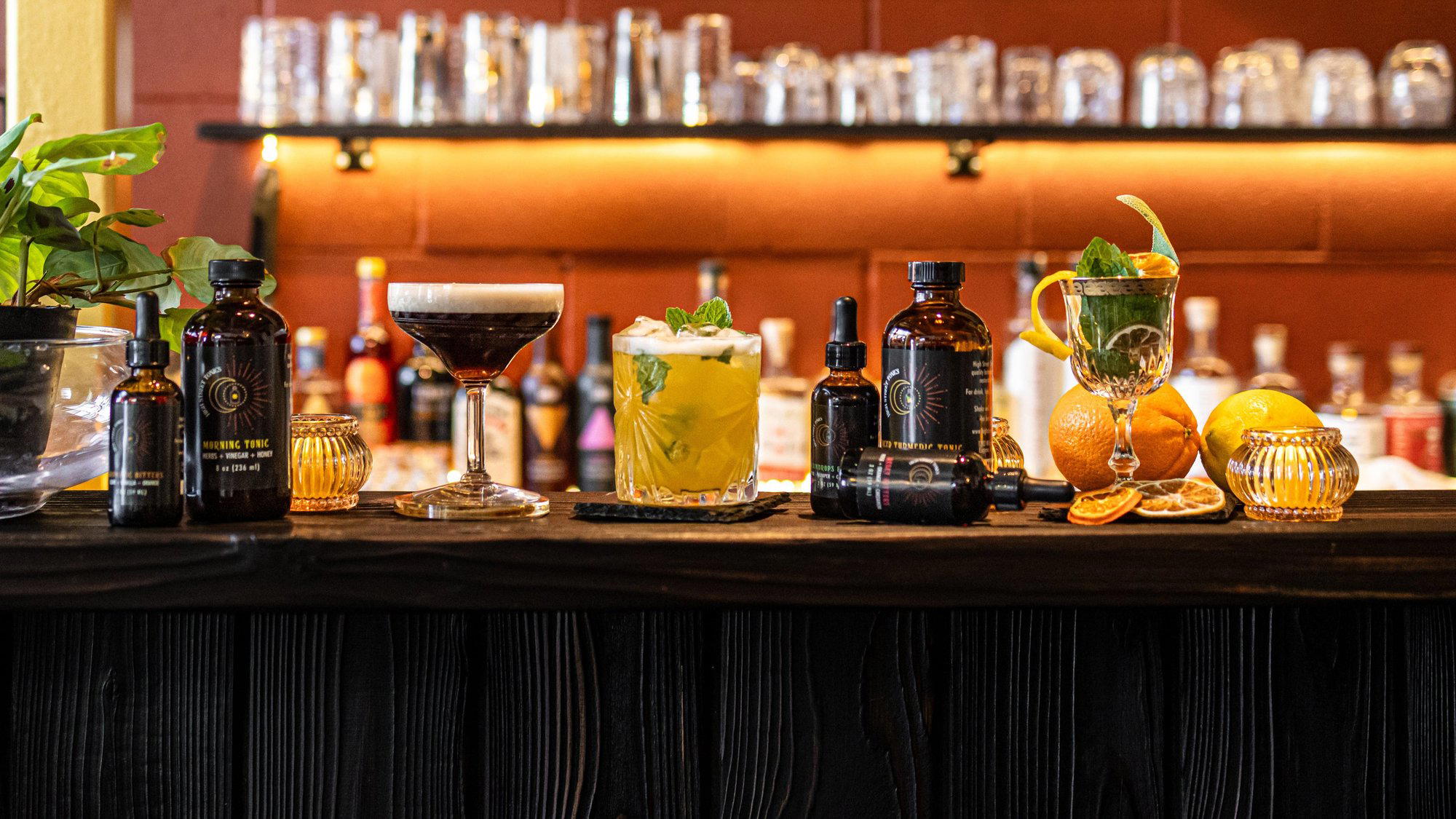
Bars in Eugene
Browse all →
Wineries in Eugene
Browse all →
At a Glance
- Lively
- Trendy
- Cozy
- Casual Hangout
- After Work
- Group Dining
- Standalone
- Craft Cocktails
- Local Sourcing
Current opening hours
- Monday
- Closed
- Tuesday
- Closed
- Wednesday
- 5–9 PM
- Thursday
- 5–9 PM
- Friday
- 5–9 PM
- Saturday
- 5–9 PM
- Sunday
- 5–9 PM
Hours can change for holidays and private events. Last verified .
Casual, energetic, and rum-bar social, with a neighborhood feel.
Know Before You Go
- Getting there
- 837 Lincoln St, Eugene, OR 97401