Metro Cinemas
Metro Cinemas at 888 Willamette St occupies a central position in Eugene's entertainment corridor, offering a film-going experience rooted in the city's independent cultural character. For Eugene residents and visitors moving between the downtown dining and bar scene, it serves as a natural anchor point alongside the neighbourhood's restaurants and cocktail bars.
Pearl is the En Primeur Club membership app — saves, bookings, and concierge access live there. Same editors, same standards.
- Address
- 888 Willamette St, Eugene, OR 97401
- Phone
- +1 541 686 2458
- Website
- metro-cinemas.com
- Directions
- Get directions
 Saves & bookings on Pearl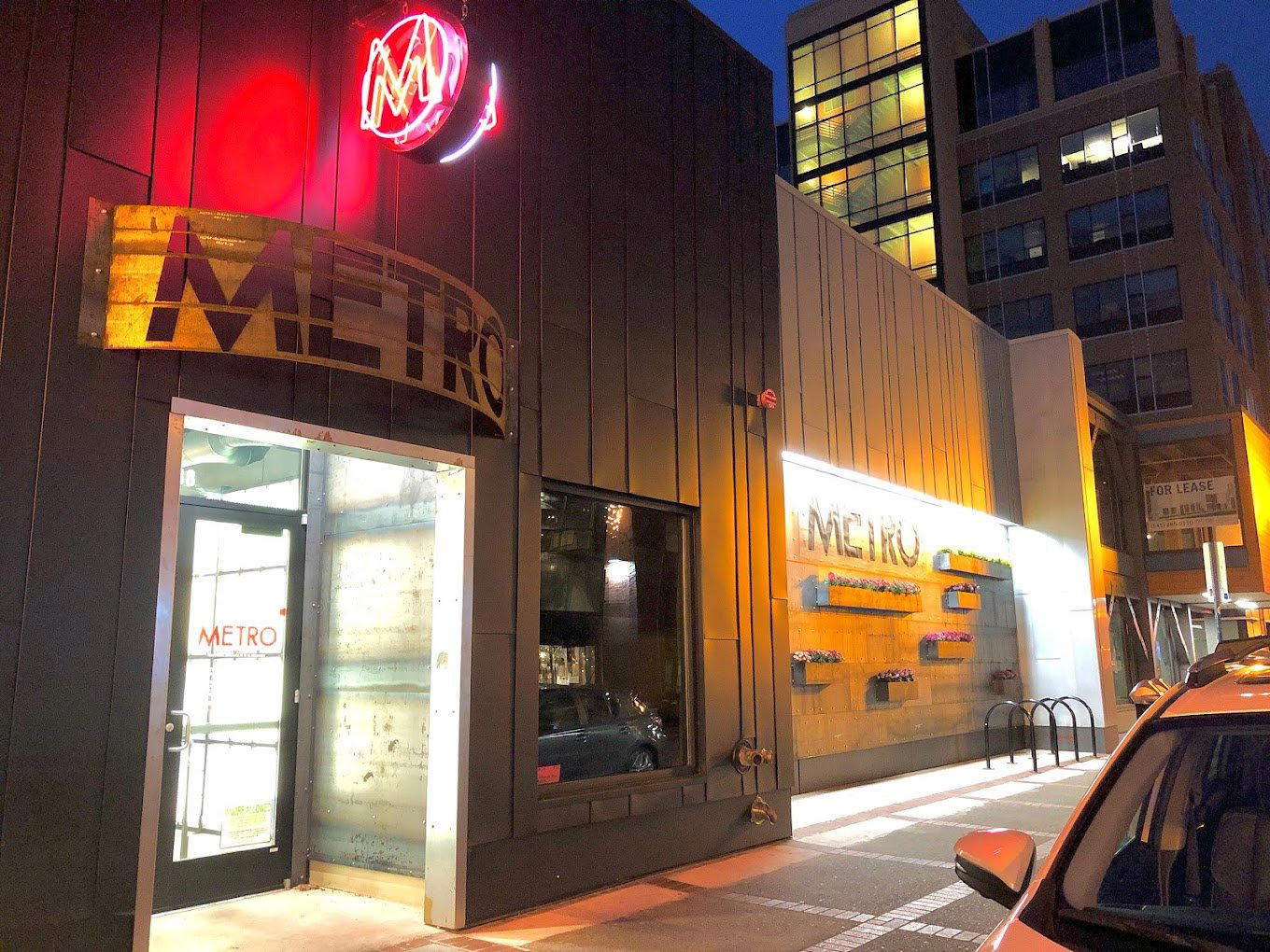
Film and the Eugene Evening: Where Metro Cinemas Sits in the City's Cultural Circuit
Eugene's downtown core along Willamette Street has long functioned as the city's cultural spine, where independent businesses, restaurants, and entertainment venues share space in a way that larger Oregon cities rarely sustain. The strip resists the consolidation that has reshaped so many American downtowns, and Metro Cinemas at 888 Willamette St sits within that fabric as a film destination that pulls from the same independent-minded audience that fills the neighbourhood's bars and dining rooms on any given evening.
The sensory experience of arriving at a cinema in a walkable urban block differs fundamentally from the suburban multiplex model that dominates American film exhibition. On Willamette Street, the approach is on foot or by bicycle for most local regulars, the surrounding streetscape already alive with the sound of conversations spilling from open doorways and the low light of bar fronts. Metro Cinemas occupies that urban context rather than standing apart from it, which shapes the entire rhythm of an evening spent there.
Eugene's Independent Entertainment Scene: Context and Character
Independent cinema in mid-size American cities has contracted sharply since the early 2000s, with many single-screen and small-format venues absorbed by chains or shuttered entirely. Eugene has held onto a more varied entertainment culture than comparably sized Pacific Northwest cities, partly because of its university population and partly because of a civic identity that has historically supported arts institutions at the community level. Metro Cinemas fits that pattern, positioned in a city where independent venues across food, drink, and culture have maintained a presence that larger chains have not fully displaced.
The Eugene dining and bar scene around Willamette Street and its adjacent blocks reinforces this character. Venues like Ambrosia Restaurant & Bar and Cafe Med Eugene anchor a pre- or post-film circuit that is genuinely walkable, which is a structural advantage that most American cinema venues do not have. The ability to move between a dinner reservation, a film, and a late drink without a car changes how an evening is planned and experienced, and it is that urban integration that gives venues like Metro Cinemas a role beyond simple film exhibition.
The Atmosphere of Film-Going in a University City
University cities carry a particular film-going culture. The audience for independent and art-house programming in a city like Eugene skews toward the educated, the culturally engaged, and the habitual rather than the occasional. This creates a cinema atmosphere that differs from the event-oriented crowd at multiplexes: less anticipation for blockbuster spectacle, more comfort with silence, subtitles, and slower narratives. The physical experience of watching a film in that kind of room, surrounded by an audience that has sought the film out rather than defaulted to it, is perceptibly different from the mainstream multiplex experience.
That audience character also means the pre-film lobby and the post-film street tend toward conversation rather than the dispersal that follows a large-format screening. Eugene evenings on Willamette Street have that quality, and Metro Cinemas draws from and contributes to it.
Placing Metro Cinemas in a Broader Bar and Culture Circuit
For visitors planning an evening in Eugene, Metro Cinemas works well understood as one node in a longer circuit rather than a standalone destination. Bar Purlieu and Akira are among the nearby options for pre- or post-screening drinks, and the concentration of options along Willamette and its cross streets means an evening can be structured loosely without logistical friction.
This walkable circuit model has analogues in other American cities where independent culture and cocktail programs have developed in tandem. In New York, Superbueno and the broader Lower East Side bar scene operate on a similar principle of density and walkability. In Chicago, Kumiko anchors an evening in a neighbourhood where the surrounding blocks provide natural extension. In San Francisco, ABV functions as part of a Mission District circuit. Eugene's version of this is smaller in scale but no less coherent in logic.
Further afield, venues like Jewel of the South in New Orleans, Julep in Houston, Bar Leather Apron in Honolulu, and The Parlour in Frankfurt on the Main all demonstrate how independent cultural venues and quality bar programs reinforce each other in cities where urban density supports the combination. Eugene operates in a smaller register but on the same principle.
Planning an Evening Around Metro Cinemas
Metro Cinemas is located at 888 Willamette St, Eugene, OR 97401, which places it centrally within walking distance of the downtown dining and bar cluster. Because specific hours, programming schedules, and ticket pricing were not available at time of publication, direct verification with the venue before planning is advisable, particularly for art-house or limited-run screenings that may have constrained availability. The walkability of the surrounding area means that building in time before or after a screening for a meal or a drink requires no additional transport planning for anyone staying or dining downtown.
For a more complete picture of the Eugene scene, the full Eugene restaurants guide covers the wider dining and drinking options across the city's neighbourhoods.
Continue exploring
More in Eugene
Bars in Eugene
Browse all →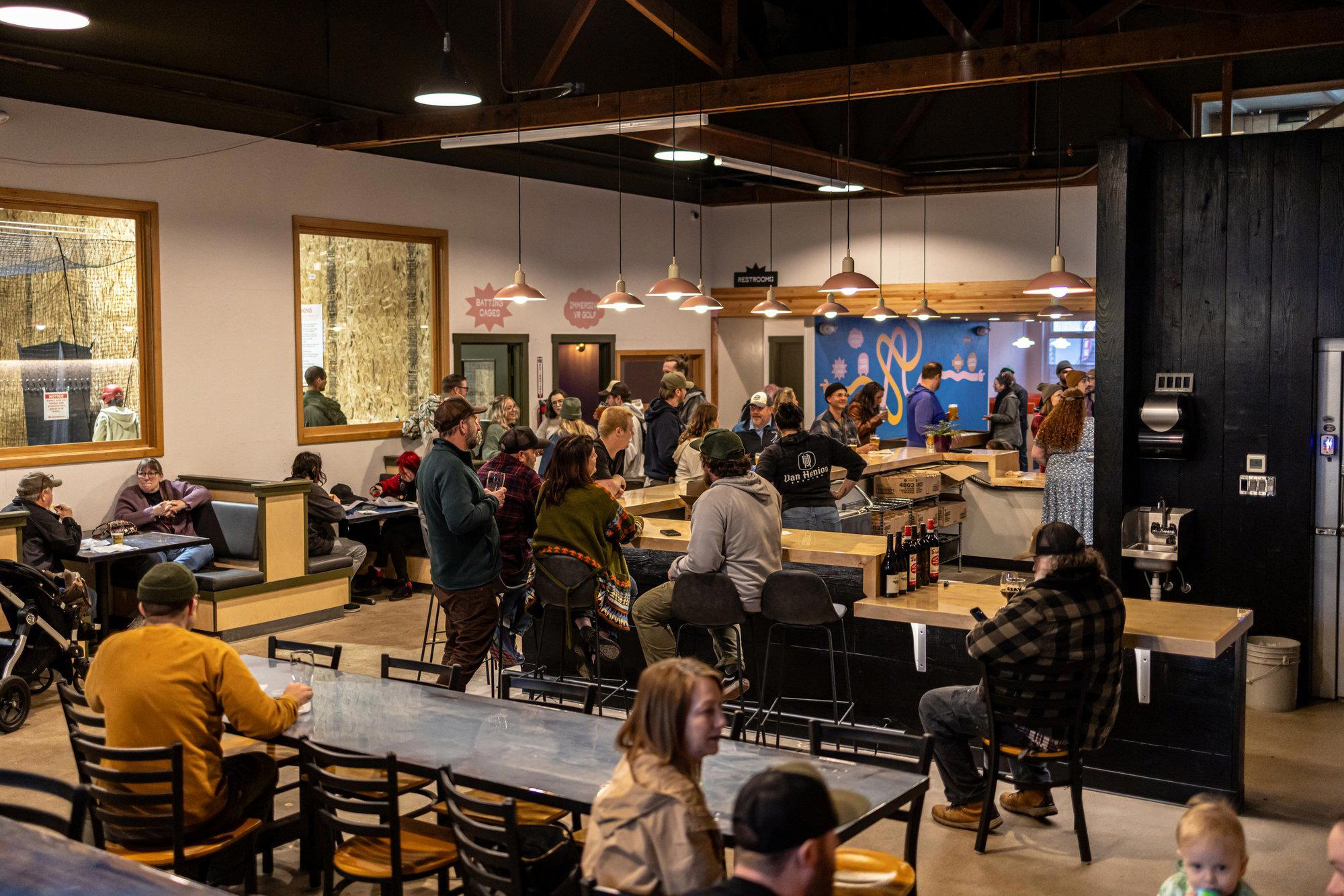
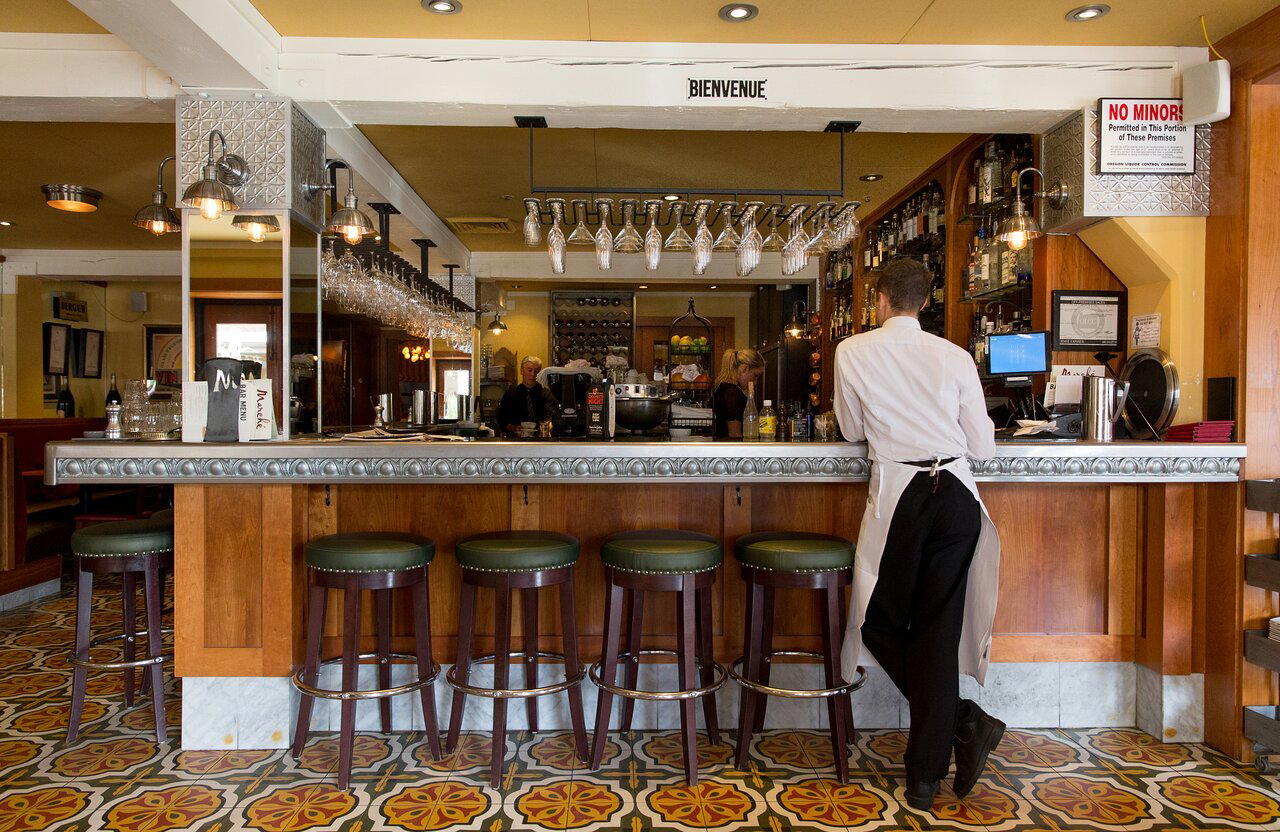
Restaurants in Eugene
Browse all →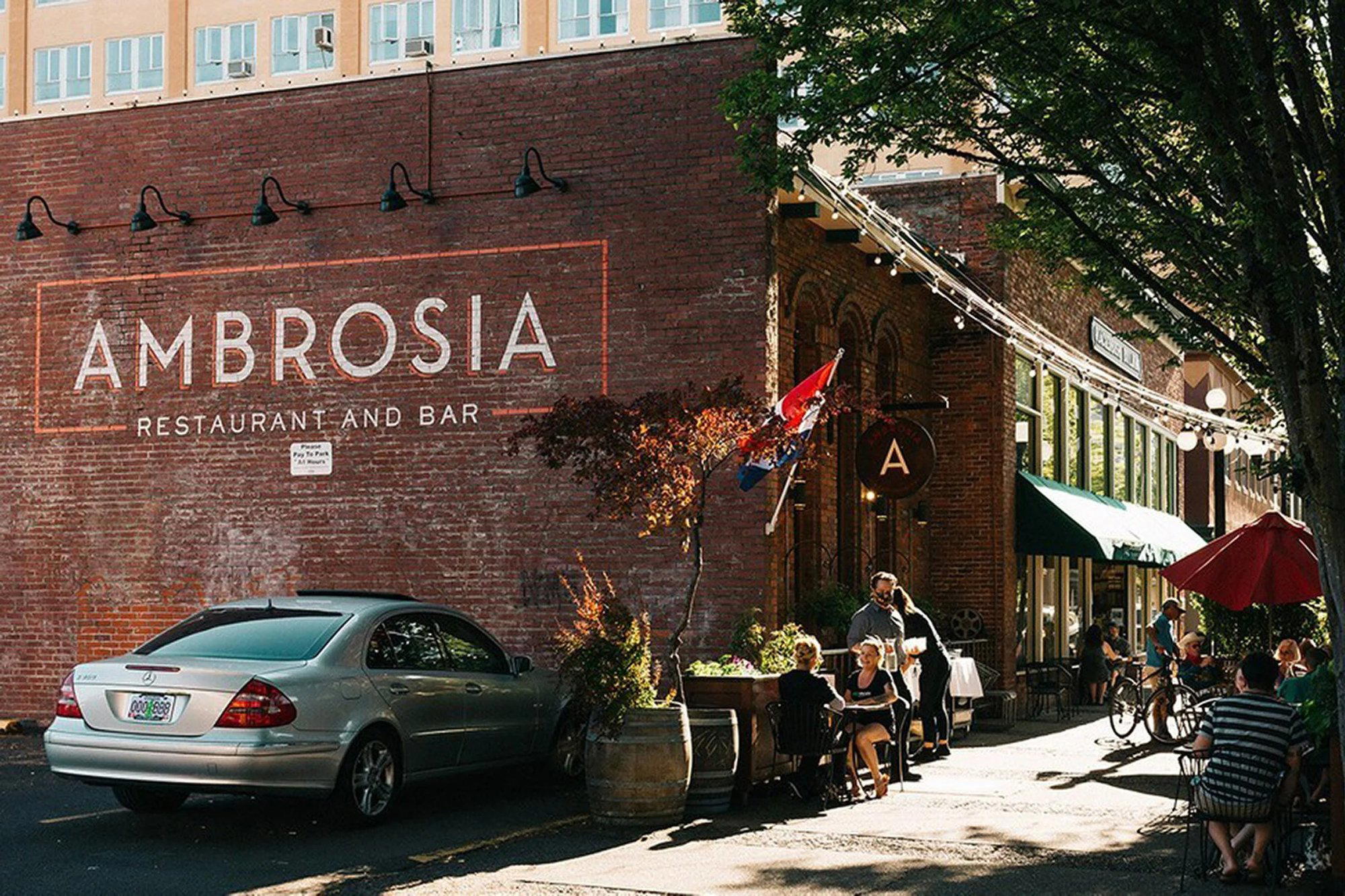
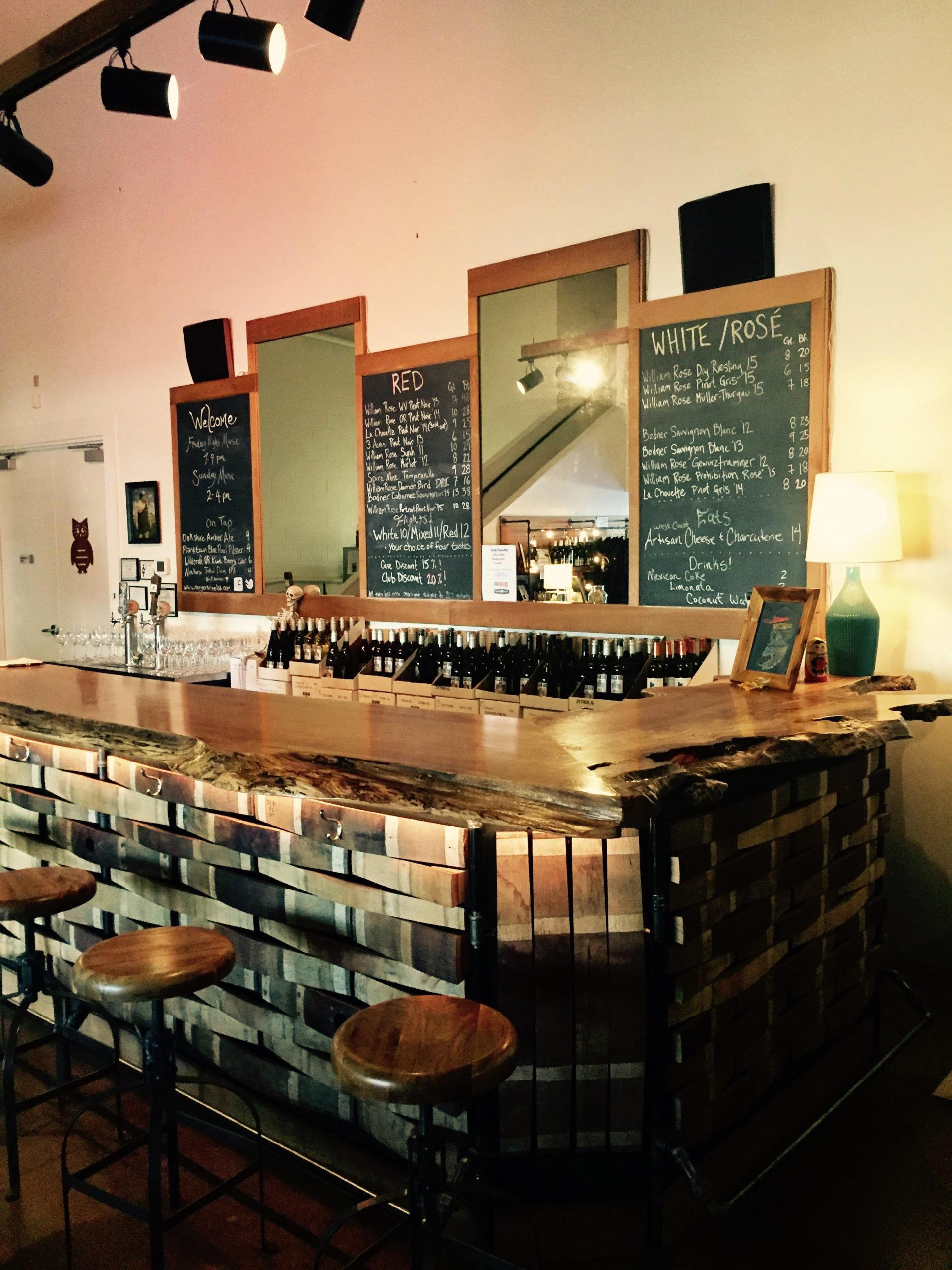
Wineries in Eugene
Browse all →
At a Glance
- Modern
- Cozy
- Trendy
- Date Night
- Casual Hangout
- Standalone
- Seated Bar
- Lounge Seating
- Craft Beer
Ultra-modern yet nostalgic atmosphere with comfortable stadium seating and a casual concession area.
Know Before You Go
- Getting there
- 888 Willamette St, Eugene, OR 97401