Akira
Our verdict
Akira sits on Mill Street in Eugene, Oregon, representing the city's appetite for ingredient-led dining in a region defined by agricultural abundance. The Willamette Valley's proximity shapes what ends up on the plate, placing Akira in a category of Pacific Northwest restaurants where sourcing decisions carry as much weight as kitchen technique. For Eugene's dining scene, that combination of local provenance and focused cooking carries real significance.

Pearl is the En Primeur Club membership app — saves, bookings, and concierge access live there. Same editors, same standards.
- Address
- 359 Mill St, Eugene, OR 97401
- Phone
- (458) 205-8288
- Hours
- Mon 5–9 PMTue–Wed ClosedThu–Sun 5–9 PM
- Website
- akiraeugene.com
- Directions
- Get directions
- Booking
- Book on the venue's website
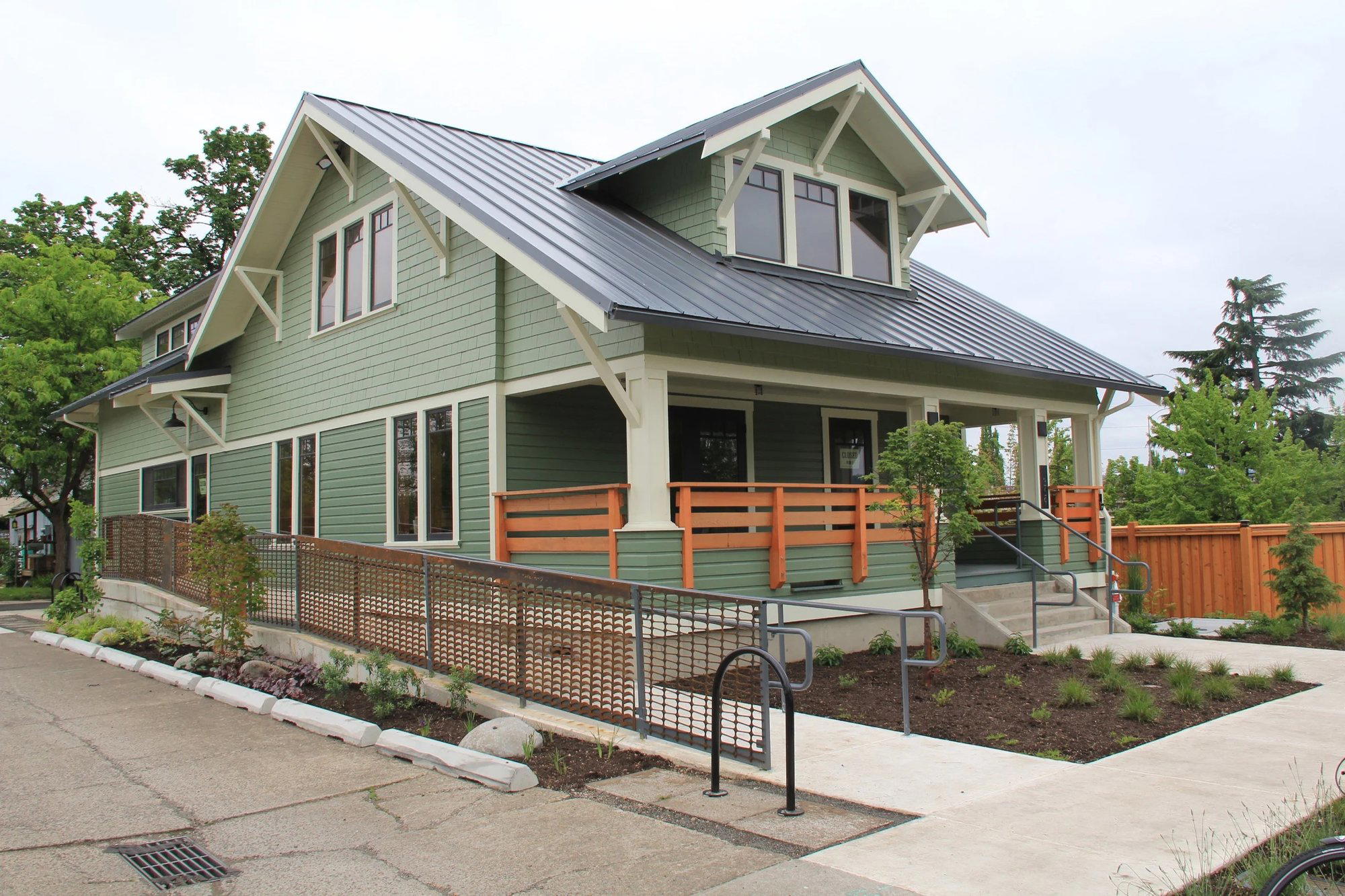
The menu
What to order
- Chirashi_bowl
- Blackened_shrimp_steam_bun
- Sashimi
Mill Street, Eugene, and the Logic of Pacific Northwest Sourcing
Eugene occupies a particular position in the Pacific Northwest dining conversation: close enough to Portland to feel its influence, but operating at a scale and pace that rewards restaurants with genuine local roots over those chasing trend cycles. Mill Street, where Akira sits at number 359, runs through a part of the city that has quietly accumulated a working dining culture, distinct from the university-adjacent bustle closer to campus. The physical approach along this corridor is grounded and unfussy, which sets an appropriate register for what Pacific Northwest ingredient-led dining tends to be at its most honest.
The Willamette Valley context matters here more than any single dish. Oregon's valley floor produces some of the most compelling agricultural variety on the West Coast: hazelnuts, Marionberries, Dungeness crab from the coast less than two hours west, and a dairy and livestock tradition that gives kitchens genuine options at every price point. Restaurants that anchor themselves to this supply chain, whether explicitly farm-to-table in their messaging or simply attentive in their buying, operate differently from those that source through broad national distributors. The discipline of working with regional seasons rather than around them shapes menus in ways that no amount of kitchen ambition can substitute.
This is the culinary tradition Akira enters when it opens its doors in Eugene. The city has never been a volume market for high-end dining, which creates a different kind of pressure: restaurants that survive here do so because local regulars return, not because a flood of tourists absorbs mediocre meals. That dynamic tends to sharpen kitchens over time. For sourcing-led restaurants specifically, it builds genuine relationships with growers and producers, the kind that allow a kitchen to plan around what's actually available rather than what a menu printed six months ago promised.
How Eugene's Dining Scene Frames This Kind of Restaurant
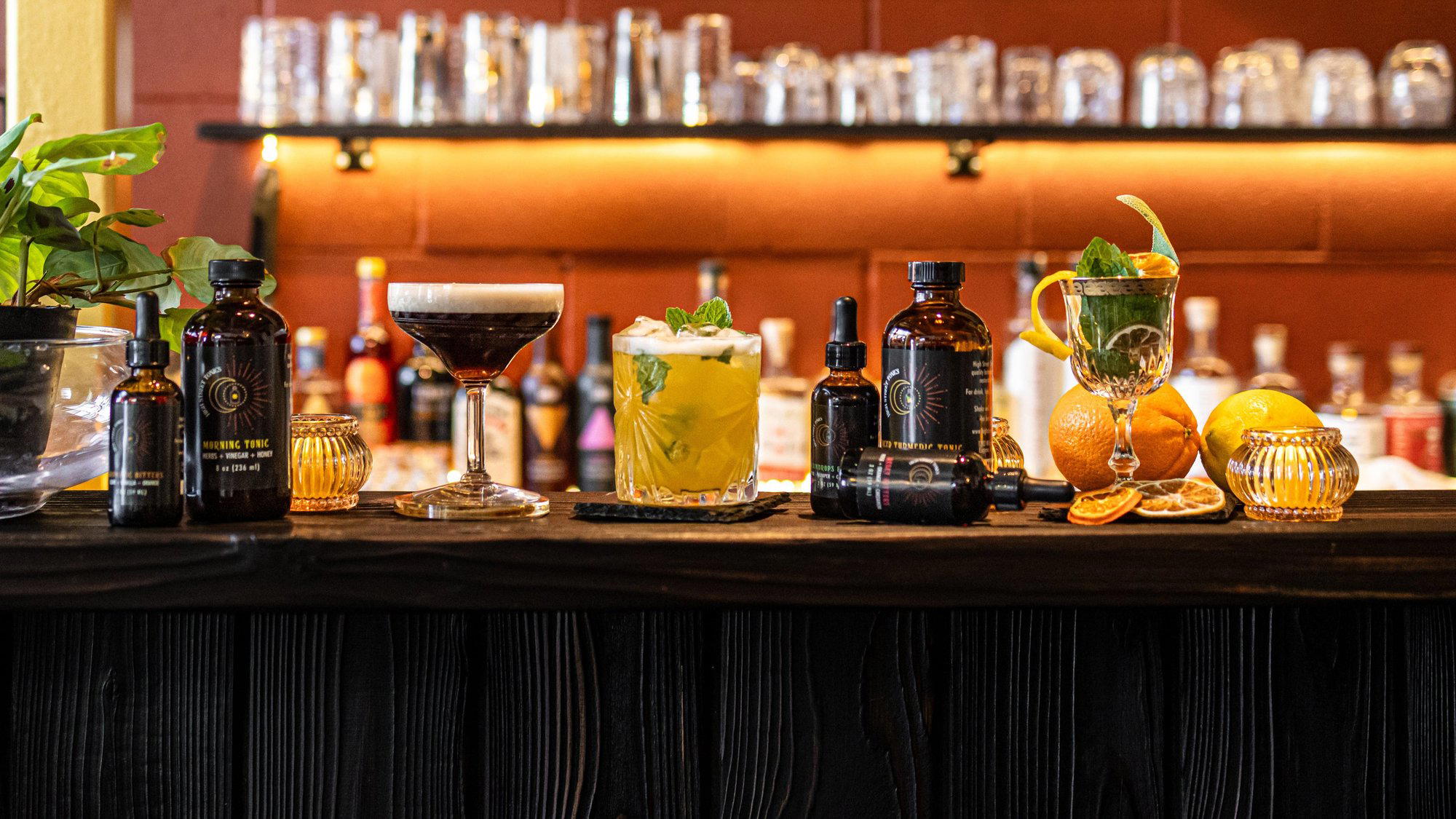
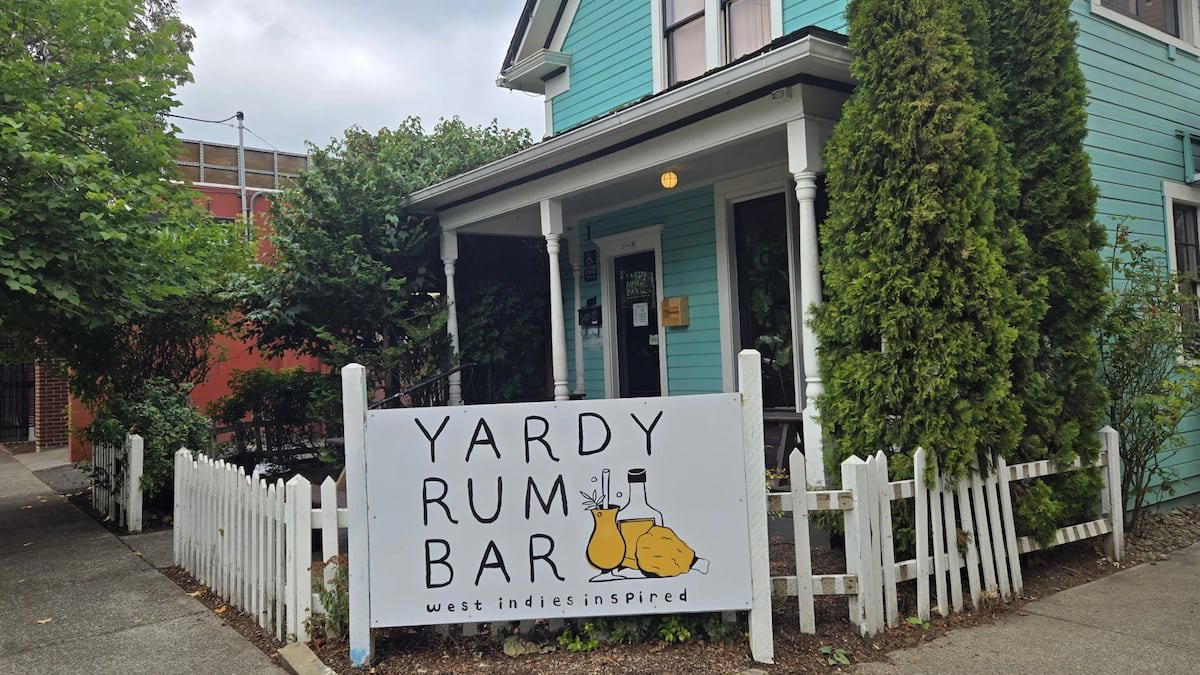
The broader Eugene dining picture includes a range of independently operated restaurants that reflect the city's preference for specificity over formula. Ambrosia Restaurant & Bar has maintained a long presence in the city's more formal dining register. Cafe Med Eugene anchors a different, more Mediterranean-inflected approach. Elsewhere, Lovely's Fifty-Fifty (Pizzeria) demonstrates what focused, single-format cooking can achieve when the ingredient sourcing is taken seriously even in an ostensibly casual context. Yardy Rum Bar (West Indian) brings a distinctly different culinary tradition to the mix, while High Street Tonics occupies the beverage-forward end of the spectrum. Together, these places sketch a dining scene that is more varied than Eugene's size would suggest. The full picture is covered in our full Eugene restaurants guide.
What this means for a restaurant like Akira is that Eugene's diners are not unsophisticated. They have reference points, they know what a well-sourced plate looks like against one that is merely described that way, and they are loyal to places that deliver consistently on a focused promise.
Ingredient Sourcing and What It Signals at This Level
Sourcing-led restaurants occupy a particular tier in the Pacific Northwest dining hierarchy that national critics sometimes underestimate precisely because it sits outside the major metropolitan markets. Operations like Single Thread Farm in Healdsburg or Blue Hill at Stone Barns in Tarrytown have made the farm-to-table argument at a Michelin-recognized scale. Smyth in Chicago applies similar logic in an urban context with equal seriousness. What these places share is not primarily a philosophy statement but a set of operational choices: shorter supplier lists, seasonal menu flexibility, and a willingness to let what's available shape what gets cooked rather than the reverse.
Eugene's proximity to Willamette Valley farms, Oregon Coast seafood, and the high desert produce of eastern Oregon gives any attentive kitchen here genuine material to work with. Restaurants in cities like Eugene that take sourcing seriously are often doing so with a tighter margin than their better-known counterparts in Portland or San Francisco, which makes the commitment more legible: it's not driven by marketing. Compare the sourcing ambitions at play in a place like Providence in Los Angeles, which has built a Michelin two-star reputation around California and Pacific seafood sourcing, or Addison in San Diego with its Southern California agricultural focus. The principle scales, but the proof is always in the specificity of the buying decisions rather than the language used to describe them.
Internationally, the logic of place-based sourcing has produced some of the most discussed restaurants of the past decade. Atelier Moessmer Norbert Niederkofler in Brunico has built a three-Michelin-star program around strict Alpine ingredient sourcing with no imports outside the region. That level of restriction is an editorial statement as much as a culinary one, but it demonstrates where the sourcing conversation has traveled at its most serious end.
Planning a Visit to Akira
Akira is located at 359 Mill St in Eugene, Oregon 97401. For current hours, availability, and booking options, checking directly with the restaurant is the most reliable approach, as independently operated restaurants in this tier often adjust their schedules seasonally. Eugene's dining scene is compact enough that most central venues are within easy reach of each other, which makes combining a meal here with stops at other Mill Street-adjacent spots practical without much planning overhead. The city is served by Eugene Airport (EUG) with direct connections from several West Coast hubs, and the downtown core is walkable once you arrive.
For restaurants operating in this sourcing-led register, visiting during the Willamette Valley's peak growing months, roughly late spring through early autumn, gives the menu its widest range. That seasonal window tends to be when the agricultural supply chain the valley is known for delivers at full depth.
Frequently asked questions
Where exactly is Akira?
Akira is located at 359 Mill St, Eugene, OR 97401, Eugene.
How does Akira's Eugene location compare to dining options in Portland for Oregon visitors planning a trip?
Eugene sits roughly 110 miles south of Portland along I-5, making it a distinct destination rather than a side trip from the city. Restaurants on Mill Street, including Akira at 359 Mill St, operate within Eugene's own dining economy, which skews toward independently run rooms with Pacific Northwest sourcing rather than the chef-driven spectacle Portland has become known for. Visitors who prioritize ingredient provenance and a less crowded room often find Eugene's pace suits them.
What's the must-try dish at Akira?
Pacific Northwest restaurants at this positioning typically rotate offerings around seasonal availability, which means the answer shifts depending on when you visit. Checking in with the kitchen before arrival tends to yield better guidance than any static list.
Do they take walk-ins at Akira?
Walk-in policy at Akira has not been publicly documented, and given Eugene's independent restaurant culture, seating arrangements vary considerably by operation. Reaching out to Akira at their Mill Street address in Eugene ahead of your visit is the practical approach. Independently operated restaurants in this part of Oregon often hold limited walk-in capacity alongside reservations, particularly on weekends.
What has Akira built its reputation on?
Akira operates on Mill Street in Eugene, a city where independent restaurants tend to earn standing through sourcing specificity and consistency rather than awards cycles or chef celebrity. Eugene sits close enough to Portland's dining influence to absorb technique, while running at its own pace and price point. That combination, local sourcing credibility plus a lower-profile market, is where restaurants like Akira typically develop a durable local following.
Quick Comparison
| Venue | Cuisine | Price | Awards | Notes |
|---|---|---|---|---|
| AkiraThis venue — the venue you are viewing | Japanese Omakase & Fusion | $50–100 | Not listed | Not listed |
| Lovely's Fifty-Fifty | Farm-to-Table Wood-Fired Pizza | $20–30 | James Beard Award Semi Finalist · Chef's Table Featured on Chef's Table | Pizzeria |
| Yardy Rum Bar | West Indies / Caribbean | $20–30 | James Beard Award Semi Finalist · New York Times America's Best Restaurants | West Indian |
| Ambrosia Restaurant & Bar | Classic Italian with Pacific Northwest Influences | $30–50 | World's Best Wine Lists Awards WBWL 3-Star | Not listed |
| Cafe Med Eugene | Authentic Italian | $30–50 | Not listed | Not listed |
| High Street Tonics | Nonalcoholic Mixology Bar | $20–30 | Not listed | Not listed |
Continue exploring
More in Eugene
Restaurants in Eugene
Browse all →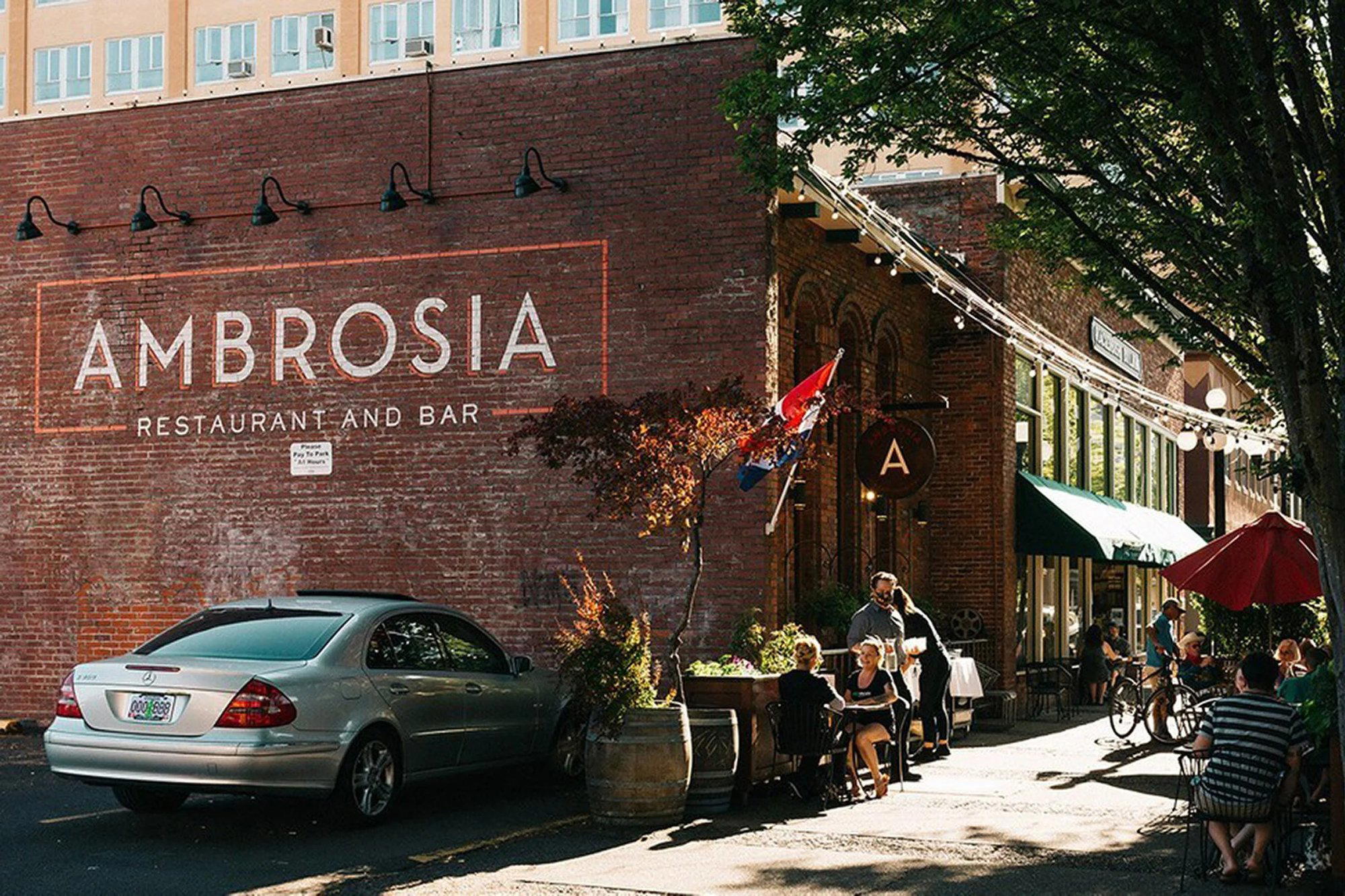
Bars in Eugene
Browse all →
Wineries in Eugene
Browse all →
Details
- Cozy
- Intimate
- Modern
- Date Night
- Special Occasion
- Chefs Counter
- Sake Program
- Craft Cocktails
- Local Sourcing
- Tasting Menu
- A La Carte
- Small Plates
- Sake
- Cocktails
- Vegetarian Friendly
- Pescatarian Friendly
Current opening hours
- Monday
- 5–9 PM
- Tuesday
- Closed
- Wednesday
- Closed
- Thursday
- 5–9 PM
- Friday
- 5–9 PM
- Saturday
- 5–9 PM
- Sunday
- 5–9 PM
Hours can change for holidays and private events. Last verified .
Cozy and inviting with warm wood decor in a Japanese comic book-themed attic lounge, offering a relaxed yet refined atmosphere.