Google: 4.5 · 354 reviews
Café Lilli
On Norton High Street in Stockton-on-Tees, Café Lilli occupies a stretch of the North East dining scene that rewards those willing to look beyond the obvious city-centre draws. The café format places it in a tier where neighbourhood character and sourcing decisions carry more weight than formal credentials. For visitors mapping the region's independent food culture, it sits alongside a broader movement of community-rooted dining in Teesside.
 Discover on Pearl
Pearl is the En Primeur Club membership app — saves, bookings, and concierge access live there. Same editors, same standards.
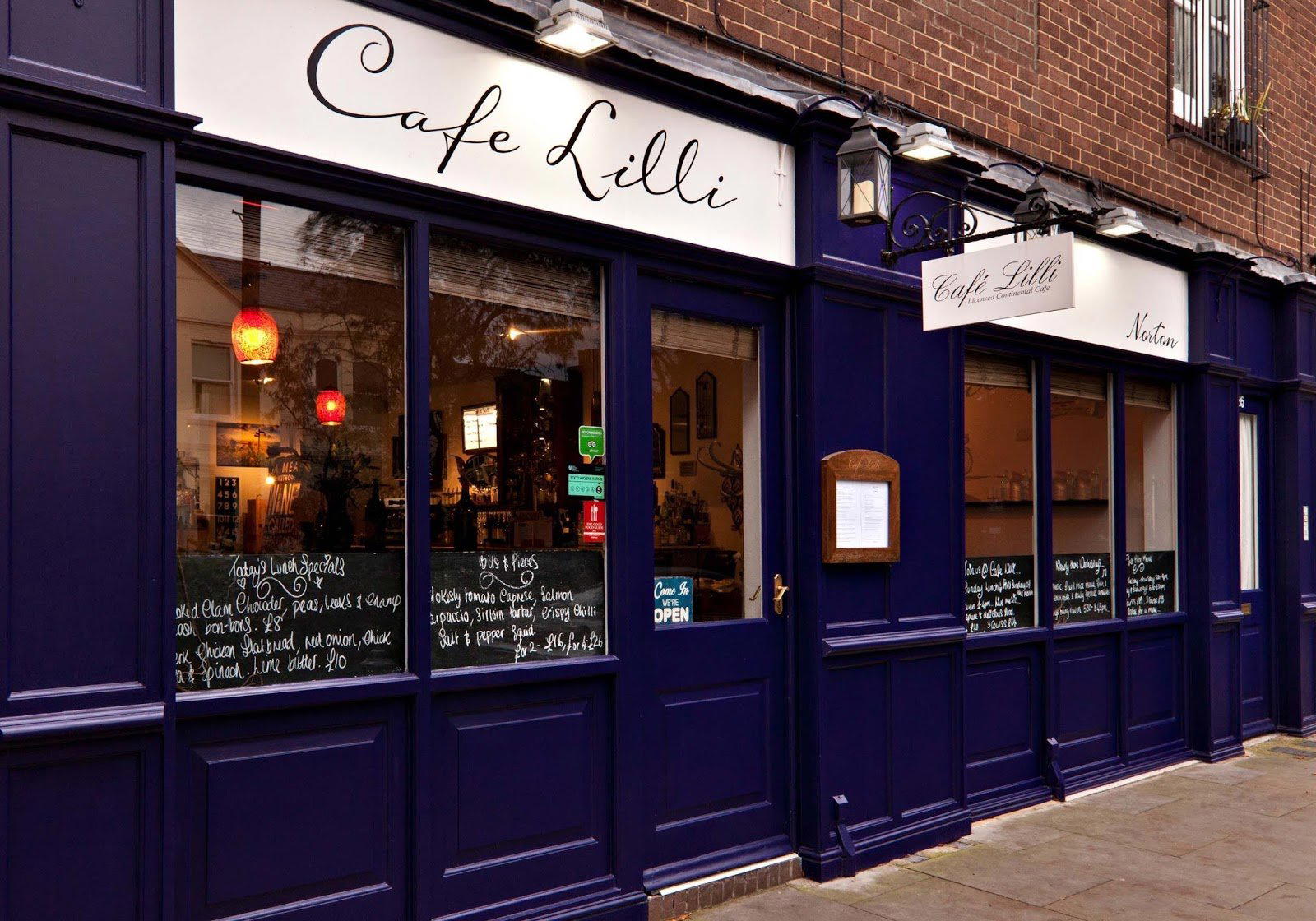
Norton High Street and the Case for Neighbourhood Dining
There is a particular kind of dining room that defines itself not by awards or column inches but by its relationship to a specific street, a specific postcode, and the people who walk past it every day. Norton High Street, a few miles north of Stockton-on-Tees town centre, is that kind of address. The village high street format, with its mix of independent traders and residential density, tends to produce restaurants and cafés that prioritise return visits over destination dining. Café Lilli at number 83 belongs to that tradition. The surrounding area is the story: Norton is one of Teesside's more settled residential villages, and the dining options along its high street reflect a community that eats out regularly rather than occasionally.
Across the United Kingdom, the neighbourhood café-restaurant has quietly become one of the more interesting categories to watch. Away from the Michelin-starred tier represented by venues like L'Enclume in Cartmel or Moor Hall in Aughton, and well outside the metropolitan fine-dining circuits anchored by places such as CORE by Clare Smyth in London, the independently operated neighbourhood venue is where most British people actually eat well on a weekly basis. The sourcing decisions made in these kitchens, and the relationships built with local suppliers, often go undocumented but shape the eating habits of entire communities.
Ingredient Sourcing and the North East Food Economy
The North East of England has a food-producing geography that is frequently underestimated. County Durham's farmland, the North Yorkshire moors, and the coastal fishing communities stretching from Hartlepool to Whitby represent a supply chain that, at its leading, gives regional kitchens access to produce that larger urban venues have to pay a premium to import. Beef from the Durham Dales, game from moorland estates, and seasonal vegetables from market gardens across Teesside form a foundation that neighbourhood restaurants in this corridor have drawn on for decades.
For a café operating on Norton High Street, proximity to this supply network is a practical advantage. The logistics of working with local producers, the shortened cold chain, and the ability to adjust menus in response to what is actually available are all easier to manage at neighbourhood scale than in a high-volume city-centre operation. This is the structural argument for the kind of venue Café Lilli represents: smaller, locally embedded, responsive to what the surrounding region produces. Sourcing at this level is rarely published in press releases, but it is often visible in the specificity of what appears on a seasonal menu.
The broader North East dining scene has benefited from growing recognition of this regional produce network. While attention naturally gravitates toward Michelin-listed destinations or venues with national profiles, the region's food culture is in many respects sustained by the independent operators who have built quiet, durable relationships with farmers, fishmongers, and bakers within driving distance of their kitchens. Venues in this category across the United Kingdom, from Artichoke in Amersham to hide and fox in Saltwood, demonstrate that regional sourcing integrity is not the exclusive territory of formal fine dining.
Placing Café Lilli in the Teesside Context
Stockton-on-Tees as a dining destination is in a period of quiet development. The town centre has seen investment in its food and drink offer, and the surrounding villages, Norton included, have maintained an independent restaurant culture that predates the recent wave of regeneration interest. Within that context, a café on Norton High Street occupies a specific role: accessible price positioning, regular-customer orientation, and a format that supports the kind of midweek and weekend trade that sustains a neighbourhood rather than serving purely as a destination for out-of-town visitors.
The comparison set for Café Lilli is not the awarded restaurants further up the British dining hierarchy. It is the cluster of independent cafés and bistros that serve residential communities across the North East, venues where the quality of a Tuesday lunch matters as much as a Saturday evening service. That is a different kind of excellence from the precision tasting menus at Restaurant Sat Bains in Nottingham or the heritage-led cooking at Le Manoir aux Quat' Saisons in Great Milton, but it is not a lesser category. The ability to sustain a loyal local following across years of service is its own credential.
For visitors to the wider Teesside area, Norton High Street is accessible from Stockton town centre in under ten minutes by road, and the high street itself is oriented around foot traffic from the surrounding residential streets. The café format suggests walk-in trade is part of the operating model, though the specific booking arrangements are worth confirming directly before a weekend visit. Our full Stockton-on-Tees restaurants guide covers the broader dining options across the town and its surrounding villages.
What the Format Signals
Across the United Kingdom, the café-restaurant operating on a village or neighbourhood high street tends to run a more flexible format than a formal dining room. Lunch service is typically the anchor, with evening sittings at smaller independent venues in this category often running on a shorter week. This rhythm is calibrated to the community rather than the tourism calendar, which means the experience can feel more consistent and less pressurised than a destination restaurant managing peak-weekend demand.
From a sourcing perspective, the café scale also allows for more direct producer relationships. A kitchen running fifty or sixty covers a service has more flexibility to take a full allocation from a single farm, or to feature a local cheese or cured product that a larger operation could not commit to. This is where neighbourhood dining in the North East, at its leading, outperforms the assumptions often made about regional food outside London or the major northern cities. The reference points for this kind of quiet regional integrity sit across the British Isles, from Gidleigh Park in Chagford to Ynyshir Hall in Machynlleth, though the scale and price positioning are entirely different.
For readers building a picture of where British café-restaurant culture is genuinely interesting outside the awarded tier, Teesside and its surrounding villages deserve more attention than they typically receive. Café Lilli on Norton High Street is part of that story.
Planning Your Visit
Café Lilli is located at 83 Norton High Street, Norton, Stockton-on-Tees, TS20 1AE. Norton village is accessible by road from Stockton town centre and has on-street parking along the high street. Given the neighbourhood café format, visiting during quieter midweek periods may offer a more relaxed experience than peak weekend service. Contact details and current hours are leading confirmed directly with the venue before travelling, as operating schedules at independent cafés of this type can vary seasonally.
Comparison Snapshot
These are the closest comparables we have in our database for quick context.
| Venue | Cuisine | Price | Awards | Notes |
|---|---|---|---|---|
| Café Lilli | This venue | |||
| CORE by Clare Smyth | Modern British | ££££ | Michelin 3 Star | Modern British, ££££ |
| Restaurant Gordon Ramsay | Contemporary European, French | ££££ | Michelin 3 Star | Contemporary European, French, ££££ |
| Sketch, The Lecture Room and Library | Modern French | ££££ | Michelin 3 Star | Modern French, ££££ |
| The Ledbury | Modern European, Modern Cuisine | ££££ | Michelin 3 Star | Modern European, Modern Cuisine, ££££ |
| Dinner by Heston Blumenthal | Modern British, Traditional British | ££££ | Michelin 2 Star | Modern British, Traditional British, ££££ |
Continue exploring
More in Stockton On Tees
Restaurants in Stockton On Tees
Browse all →
Bars in Stockton On Tees
Browse all →
At a Glance
- Intimate
- Cozy
- Classic
- Lively
- Date Night
- Casual Hangout
- Group Dining
- Special Occasion
- Live Music
- Private Dining
- Standalone
- Local Sourcing
- Farm To Table
Intimate bistro atmosphere with lovely ambience; charming and welcoming with warm, attentive service in a historic village setting.