Foundation
Foundation occupies a corner of Milwaukee's Riverwest neighbourhood at 2718 N Bremen St, operating within a city bar scene that has grown steadily more technically serious over the past decade. The address places it among a cluster of independently owned venues that define the area's character, drawing a crowd that comes for the drink program as much as the atmosphere.
Pearl is the En Primeur Club membership app — saves, bookings, and concierge access live there. Same editors, same standards.
- Address
- 2718 N Bremen St, Milwaukee, WI 53212
- Phone
- +1 414 374 2587
- Website
- foundationbar.com
- Directions
- Get directions
 Saves & bookings on Pearl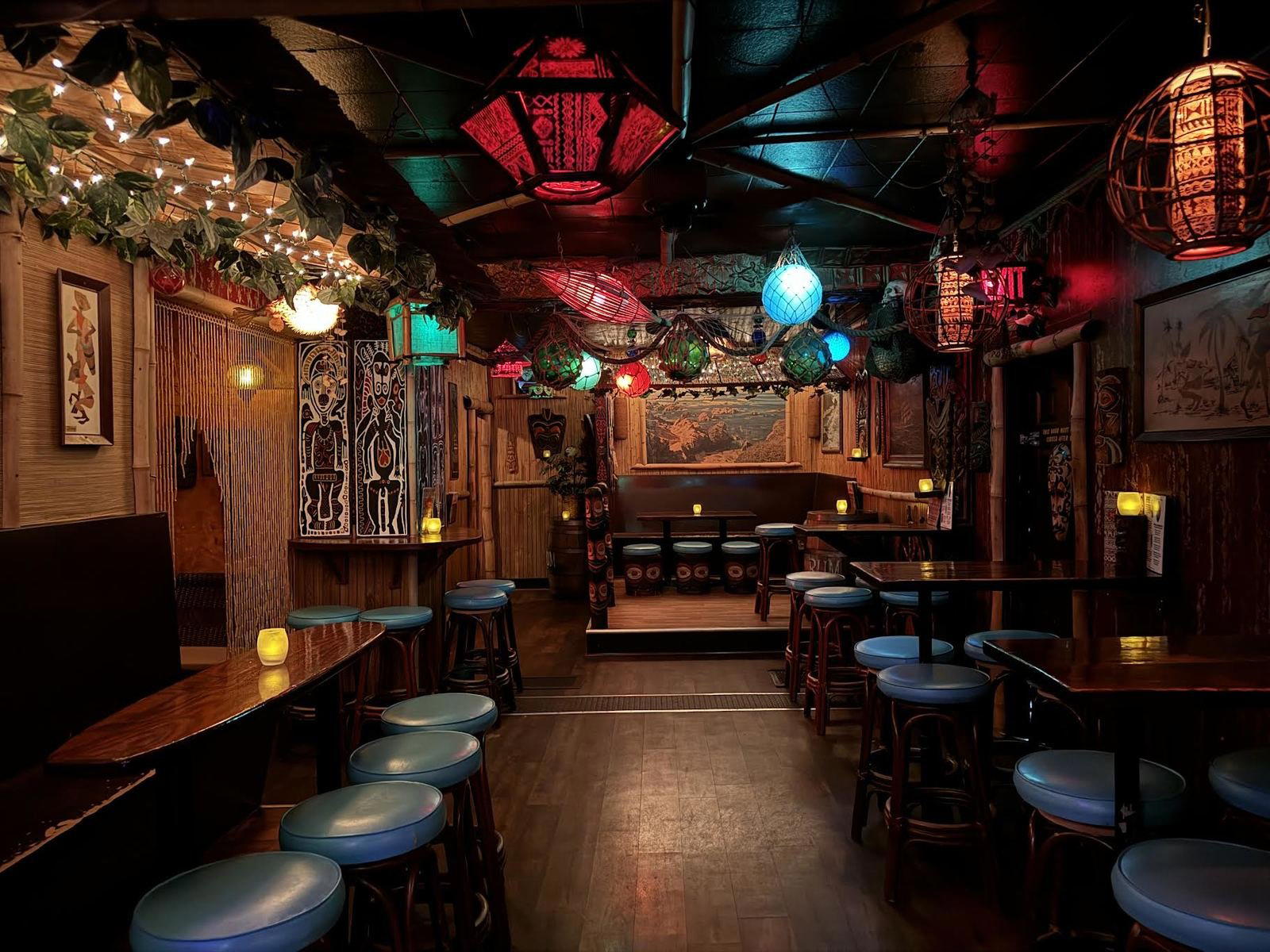
Riverwest and the Bar That Grew With It
Milwaukee's Riverwest neighbourhood has spent the better part of fifteen years converting from a loose collection of dive bars and corner taverns into something with genuine programmatic ambition. The shift didn't happen overnight, and it didn't happen uniformly. A handful of addresses on or near Bremen Street became anchors for a different kind of drinking culture, one where the format, what goes in the glass, how it's presented, who's making it, started to matter as much as the price of a pint. Foundation is a bar at 2718 N Bremen St in Milwaukee.
To understand where Foundation sits now, it helps to understand what Riverwest bars looked like before the current generation of drink-focused independents arrived. The neighbourhood's bar identity was built on accessibility and regularity: places where you went often, where everyone knew your order, where the point was company rather than craft. That model still exists in Milwaukee, it's part of what makes the city's bar culture durable, but it now coexists with venues that have absorbed the influence of a broader national shift toward technical cocktail programs, local sourcing, and deliberate room design. Foundation operates within this second register.
The Address on Bremen Street
The 2718 N Bremen St address places Foundation in a stretch of Riverwest that has become one of Milwaukee's more interesting corridors for independently owned hospitality. The neighbourhood draws a mix of longtime residents, artists, and a younger professional contingent that has moved in over the past decade as the area's reputation for creative, independently owned businesses has solidified. This is not a destination district in the way that Milwaukee's Third Ward or East Side are destinations for visitors, Riverwest is a neighbourhood first, and its bars function as neighbourhood bars first, which shapes what a place like Foundation can and should be.
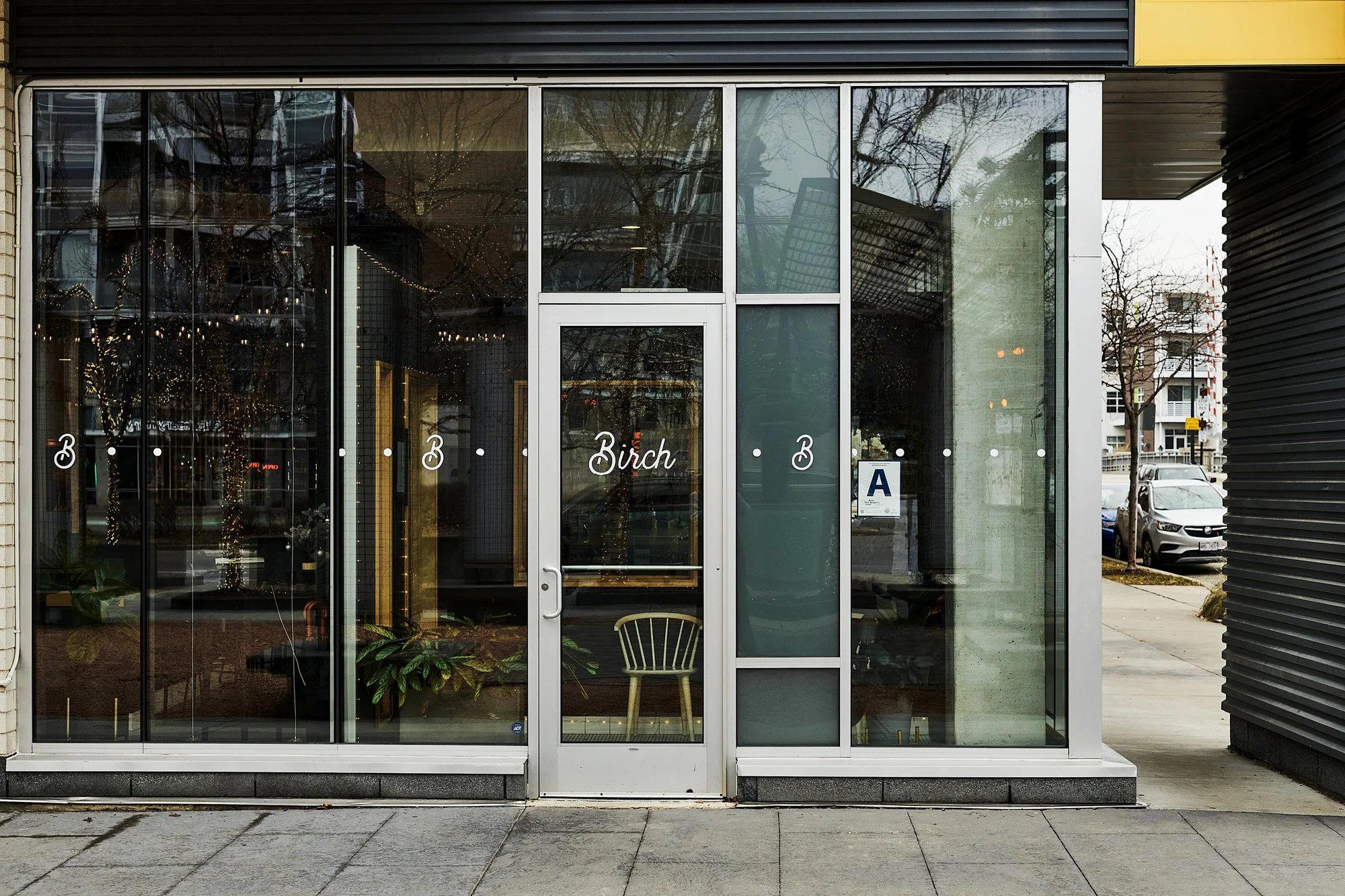
That neighbourhood-first character is worth taking seriously as a frame. Bars that succeed in Riverwest tend to do so by serving their immediate community well over time, not by chasing a moment or a trend cycle. The venues that have built lasting reputations here, including Birch and, further afield in Milwaukee's bar geography, the long-running At Random, have done so through consistency and a clear sense of who they are. Foundation's longevity on the same block is itself a form of credential in a neighbourhood that moves on quickly from venues that don't earn their place.
Milwaukee's Evolving Drink Culture
Context matters here because Milwaukee's bar scene is often underestimated by visitors arriving from cities with louder reputations for cocktail culture. The city's German brewing heritage dominated its hospitality identity for generations, and that legacy still shapes what local drinkers expect from a night out. But the past decade has seen a genuine diversification. Venues like Boone & Crockett have pushed the city's cocktail program into more technically serious territory, and the food-and-drink integration model pioneered by places like Braise Restaurant & Culinary School has expanded what Milwaukee hospitality can mean.
Within the broader Midwest, Milwaukee now occupies a position between Chicago's deeply competitive, nationally recognised cocktail market and smaller regional cities where craft drink culture is still in earlier stages. That middle position gives Milwaukee bars room to develop their own identity rather than simply replicating what's happening in Chicago. The comparison is instructive: Kumiko in Chicago operates at the apex of a market with intense peer pressure from dozens of serious programs. A Milwaukee address like Foundation's faces a different competitive dynamic, with more room to define its own terms.
Nationally, the period from roughly 2015 to the present has seen cocktail bars across American cities move through several distinct phases: the speakeasy-theatrics era, the hyper-technical clarification and fermentation wave, and now a consolidation toward bars that prioritise quality and hospitality over spectacle. That arc is visible in how bars across different cities have repositioned themselves. ABV in San Francisco, Jewel of the South in New Orleans, Julep in Houston, and Bar Leather Apron in Honolulu each reflect their city's particular version of this maturation. Superbueno in New York City and The Parlour in Frankfurt on the Main show the same pattern playing out across different contexts. Foundation's position in Riverwest places it inside the Milwaukee chapter of that same story.
What the Evolution Looks Like Here
The editorial angle that matters most for Foundation is not a founding story or a single defining pivot, but an accumulation of decisions over time that have kept the address relevant as the neighbourhood and the city's bar culture have both changed around it. That kind of institutional staying power in a neighbourhood bar context is harder to achieve than a well-publicised opening. Riverwest doesn't sustain venues through tourism or destination traffic alone, the community has to keep choosing to come back.
For visitors approaching Foundation for the first time, the practical frame is useful. The Bremen Street address is accessible from central Milwaukee by car or rideshare, and the neighbourhood's walkable block structure means it sits within easy reach of other Riverwest venues. For anyone building a Milwaukee bar evening that moves through more than one address, the area rewards a loose itinerary. Milwaukee's broader bar map, covered in depth in our full Milwaukee restaurants guide, provides the wider context for planning that kind of evening.
Planning Your Visit
Foundation is walk-in friendly and has a casual dress code, with hours that run Mon: 4 PM to 12 AM; Tue: 4 PM to 12 AM; Wed: 4 PM to 12 AM; Thu: 4 PM to 12 AM; Fri: 4 PM to 2 AM; Sat: 4 PM to 2 AM; Sun: 4 PM to 12 AM.
Credentials Lens
Comparable venues nearby, for context on price, style, and recognition.
| Venue | Cuisine | Price | Notes |
|---|---|---|---|
| FoundationThis venue — the venue you are viewing | tiki_bar | $$ | Not listed |
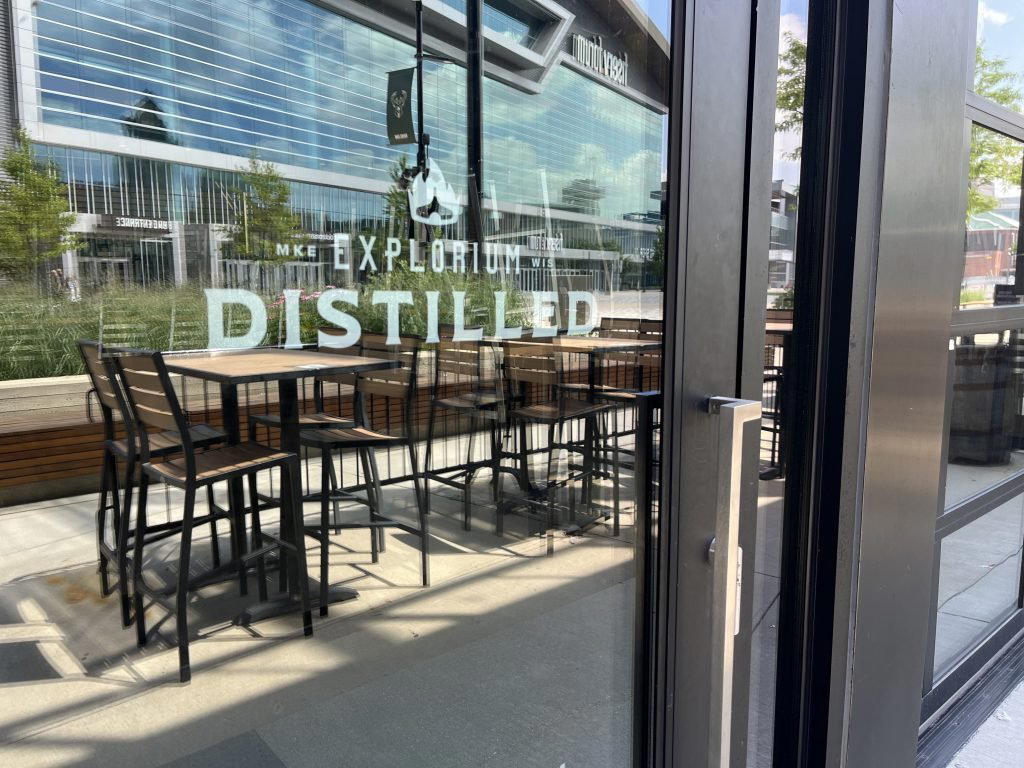
| Explorium Distilled | Bar | $$ | Kilbourn Town |
| The Wicked Hop | pub | $$ | Historic Third Ward |
| Uncle Wolfie's Breakfast Tavern | pub | $$ | Brewer'S Hill |
| The Estate | cocktail_bar | $$ | Murray Hill |
| Strange Town | wine_bar | $$ | Lower East Side |
Continue exploring
More in Milwaukee
Bars in Milwaukee
Browse all →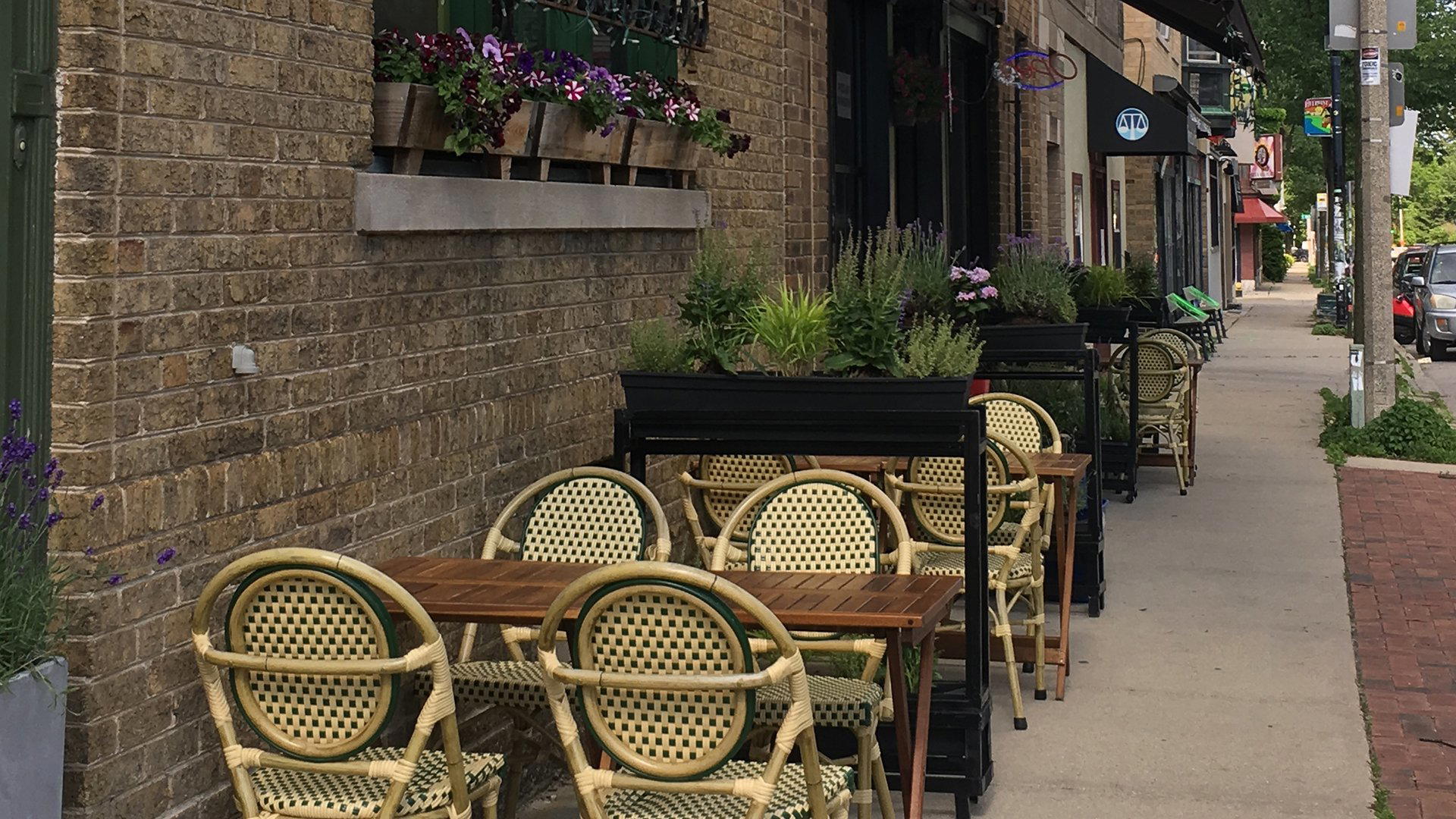
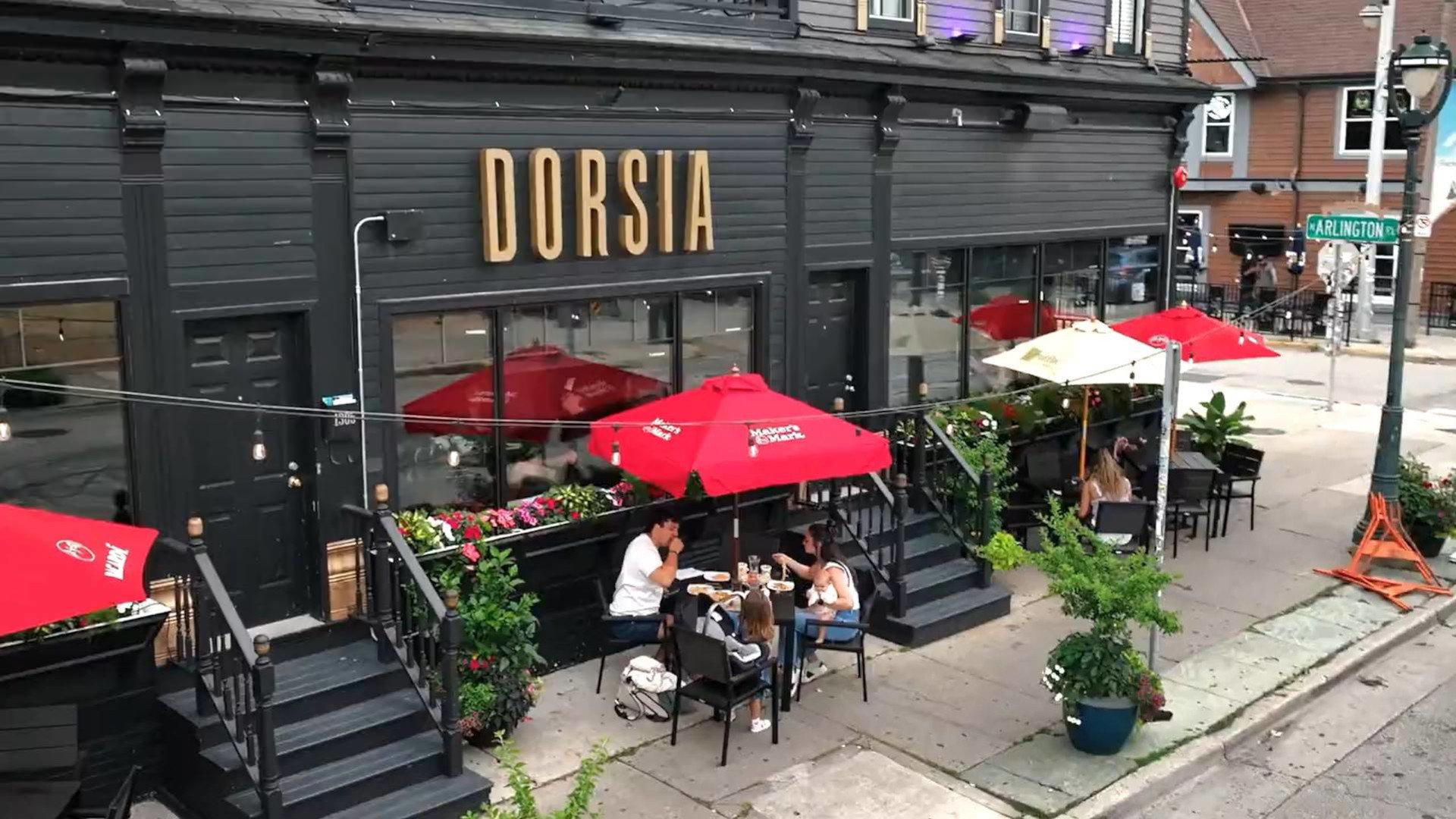
Restaurants in Milwaukee
Browse all →
At a Glance
- Cozy
- Trendy
- Lively
- Date Night
- Casual Hangout
- Speakeasy
- Lounge Seating
- Outdoor Terrace
- Craft Cocktails
- Rum
Current opening hours
- Monday
- 4 PM–12 AM
- Tuesday
- 4 PM–12 AM
- Wednesday
- 4 PM–12 AM
- Thursday
- 4 PM–12 AM
- Friday
- 4 PM–2 AM
- Saturday
- 4 PM–2 AM
- Sunday
- 4 PM–12 AM
Hours can change for holidays and private events. Last verified .