On Sauzon's working harbour in Belle-Île-en-Mer, Café de la Cale occupies one of Brittany's most straightforwardly honest waterfront positions, close enough to the quay that the sourcing logic is visible through the window. The kitchen operates in a tradition where the Atlantic sets the menu, not the other way around. A reference point for the island's casual-but-serious dining register.
Pearl is the En Primeur Club membership app — saves, bookings, and concierge access live there. Same editors, same standards.
- Address
- Quai Guerveur, 56360 Sauzon, France
- Phone
- +33297316574
- Website
- restaurant-lacale.com
- Directions
- Get directions
 Saves & bookings on Pearl
Where the Harbour Does the Ordering
Sauzon is the smaller, quieter harbour on Belle-Île-en-Mer, the island off the Morbihan coast that draws summer visitors partly for its relative inaccessibility and partly because that inaccessibility has kept its fishing culture intact. The village wraps around a tidal port lined with painted houses and working boats, and the restaurants here operate on a different logic than those on the mainland. The supply chain is short by necessity: what the boats bring in is what the kitchen uses. Café de la Cale sits on Quai Guerveur, Sauzon, at the harbour-front address that makes this supply chain visible rather than notional. You can watch the conditions that determine what ends up on your plate.
This is worth understanding before you arrive, because it reframes expectations. Kitchens in this position, harbour-front, island-dependent, seasonally constrained, do not operate like destination restaurants that engineer consistency across twelve months. They operate like the fishing ports they inhabit: responsive to what's available, reliable in technique, and unapologetic about the limits of the season. For the wider context on how Sauzon's dining scene fits together, our full Sauzon restaurants guide maps the range from crêperies to modern cuisine.
The Ingredient Argument Belle-Île Makes Automatically
Brittany's coastline produces some of France's most commercially significant seafood: lobster from the island's rocky western shores, langoustines from the bay, oysters from the Morbihan further inland, and a rotating cast of fin fish that shifts with season and weather. Belle-Île sits at the intersection of these supply routes, and restaurants on Quai Guerveur receive product that has travelled a matter of kilometres rather than hundreds. This proximity is not a marketing claim in the way mainland restaurants use it, it is a structural fact of island logistics.
The comparison that clarifies this: consider what France's most formally celebrated kitchens do with sourcing as a deliberate, documented programme. Mirazur in Menton built its identity partly on a kitchen garden and coastal proximity; Bras in Laguiole has spent decades articulating the relationship between Aubrac terrain and plate. These are formal, awarded expressions of ingredient provenance. What a harbour café in Sauzon offers is the same argument without the apparatus, no tasting menu architecture, no sommelier narration. The fish is local because there is no alternative. That directness is the point.
Further up the formal scale in France, kitchens like Flocons de Sel in Megève, Auberge de l'Ill in Illhaeusern, and Les Prés d'Eugénie in Eugénie-les-Bains have institutionalised regional sourcing as part of a multi-decade identity. Troisgros in Ouches and Georges Blanc in Vonnas anchor themselves to specific French territories with equal deliberateness. The Breton harbour café operates at the opposite end of the ceremony spectrum, but the underlying logic, cook what the geography gives you, is the same.
Sauzon's Casual-Serious Register
The dining category that Café de la Cale represents is one that France does consistently well and other countries struggle to replicate: the informal waterfront address that takes its product seriously without performing seriousness. This is not the same as a tourist seafood restaurant, which tends to default to a fixed formula regardless of what the boats brought in that morning. It is also not the same as a bistrot that happens to be near water. The distinction lies in the degree to which the kitchen's decisions follow the supply rather than the menu.
In Sauzon specifically, this register sits between the crêperie end of the market, represented locally by Crêperie Les Embruns, which anchors the island's Breton identity in buckwheat and cider, and the more structured modern approach at Hôtel du Phare, where modern cuisine at the €€€ price point operates with greater menu discipline. Café de la Cale occupies the middle ground: more seafood-driven and market-responsive than a crêperie, less formally constructed than a hotel dining room. La Maison des Poulains rounds out the local reference set for visitors trying to calibrate where each address sits.
The Atlantic Frame
To understand what a kitchen in this position is doing, it helps to understand what the Atlantic delivers to Belle-Île across the calendar. Summer brings the highest volume of visitors and the broadest range of fresh fish; late spring and early autumn tend to be especially interesting from a sourcing standpoint, when the tourist pressure is lower and the water temperature still suits a wide range of species. Winter closes much of the island's tourist-facing hospitality entirely, which is a useful signal: this is a seasonal address operating in a seasonal ecosystem, not a year-round institution.
The parallel in French coastal cooking at the other end of the ambition scale is instructive. Le Bernardin in New York built its reputation on the argument that fish cookery deserves the same formal attention as meat, that the Atlantic's output, handled with precision, could anchor a restaurant at the summit of a highly competitive city. Alléno Paris au Pavillon Ledoyen and Auberge du Vieux Puits in Fontjoncouse make comparable arguments within the French starred system. At Quai Guerveur, no such formal argument is being constructed. The fish is simply fresh, the location is simply honest, and the expectation management is built into the setting.
Getting There and Planning Your Visit
Reaching Sauzon requires a ferry crossing from Quiberon on the mainland, which takes approximately 45 minutes and runs on a schedule that varies significantly between high season (July and August) and the shoulder months. The crossing itself is a useful calibration tool: the effort involved in reaching Belle-Île is precisely why its fishing culture has remained less diluted than comparable Breton ports with road access. Café de la Cale's harbour address on Quai Guerveur is walkable from the ferry landing in Sauzon, making it a logical first or last stop on any island visit. Specific hours, reservation policies, and seasonal opening periods are best confirmed directly, as island cafés of this type often operate with flexibility that fixed online listings do not capture accurately.
Comparable addresses at the upper end of French ambition, Paul Bocuse's Auberge in Collonges-au-Mont-d'Or, La Table du Castellet, or Le 1947 à Cheval Blanc in Courchevel, require weeks of advance planning and considerable logistical commitment. Lazy Bear in San Francisco operates a ticketed format that requires booking well ahead. The restaurant operates in a different register entirely: the planning investment is the ferry crossing, not the reservation system. That accessibility is part of what it offers.
Quick Comparison
Comparable venues nearby, for context on price, style, and recognition.
| Venue | Cuisine | Price | Awards | Notes |
|---|---|---|---|---|
| Café de la CaleThis venue — the venue you are viewing | French Seafood Bistro | $$ | Not listed | Not listed |
| Crêperie Les Embruns | Traditional Breton Crêperie | $$ | Not listed | Sauzon |
| Hôtel du Phare | Modern French Seafood | $$$ | Michelin Plate | Sauzon |
| La Maison des Poulains | Seasonal French Locavore | $$$ | Not listed | Sauzon |
| Le Petit Refuge | Modern French Bistro with Plant-Based Israeli Touches | $$ | Not listed | vieille ville |
| Crêperie Dan Ewen | Breton Crêperie | $$ | Not listed | Saint Patern |
At a Glance
- Scenic
- Cozy
- Rustic
- Classic
- Casual Hangout
- Family
- Special Occasion
- Terrace
- Waterfront
- Local Sourcing
- Waterfront
Current opening hours
- Monday
- 10 AM–9:30 PM
- Tuesday
- 10 AM–9:30 PM
- Wednesday
- Closed
- Thursday
- 10 AM–9:30 PM
- Friday
- 10 AM–9:30 PM
- Saturday
- 10 AM–9:30 PM
- Sunday
- 10 AM–9:30 PM
Hours can change for holidays and private events. Last verified .
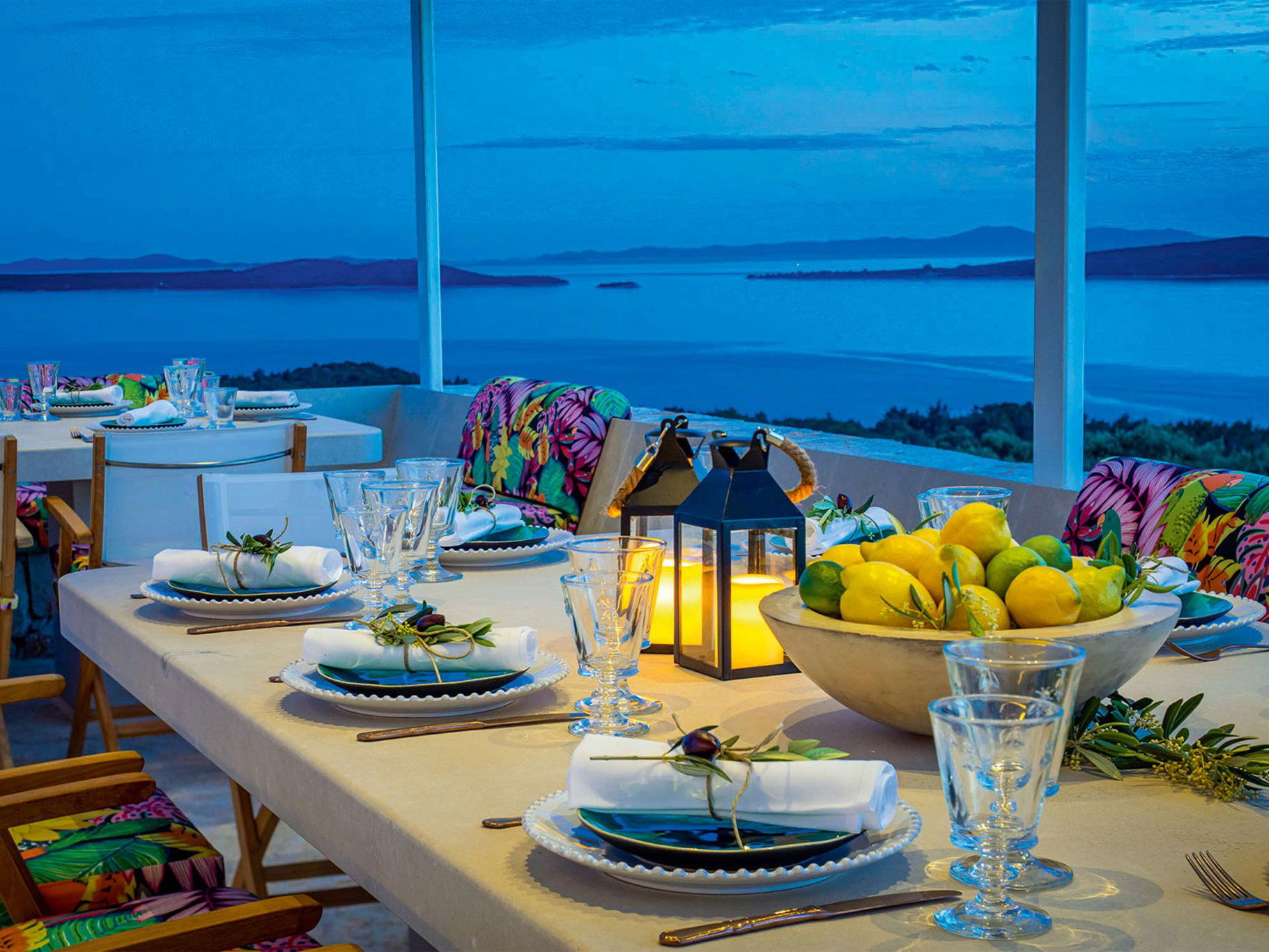
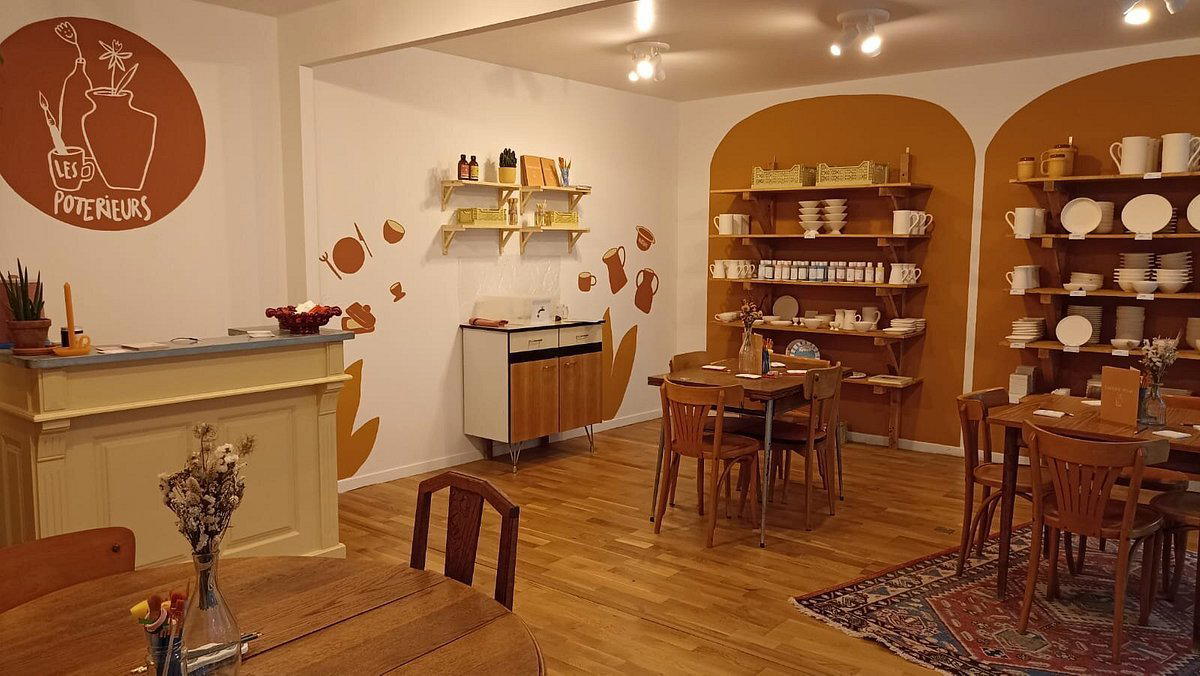
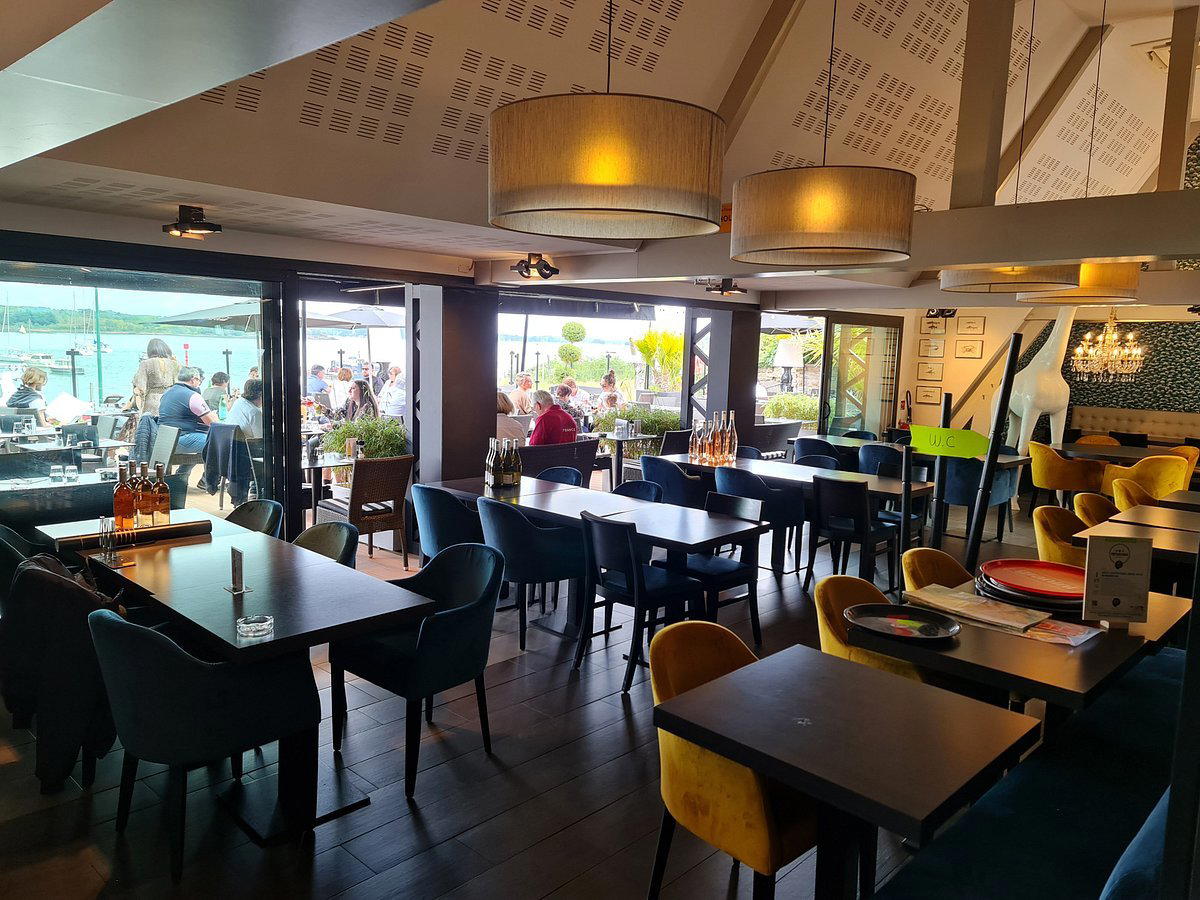
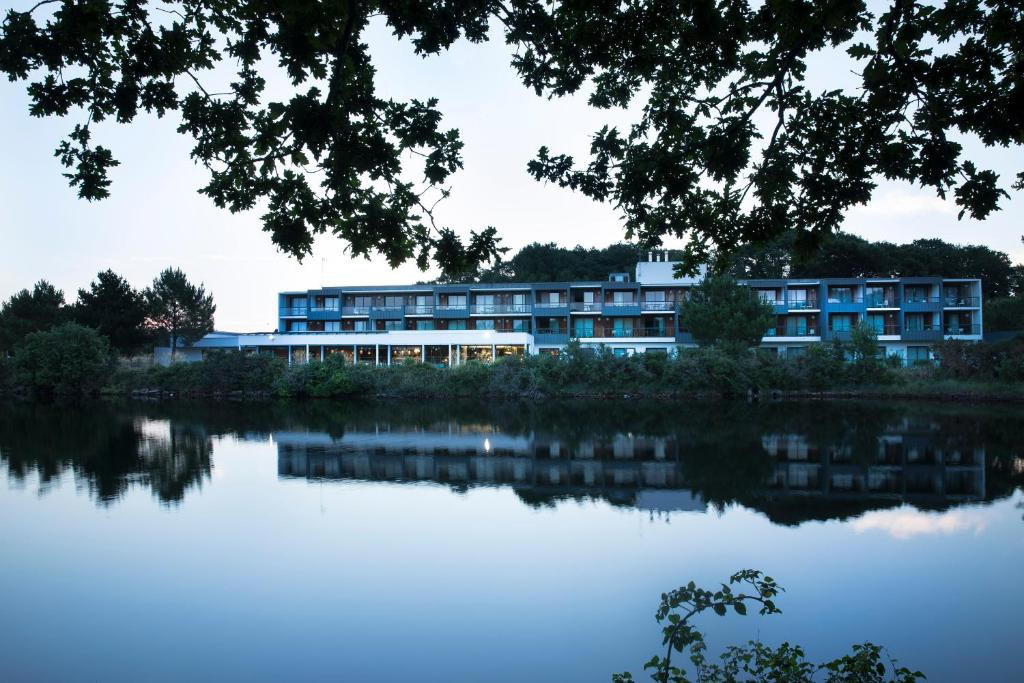
Bright and spacious bistro-style interior warmly decorated with local art, paired with an pleasant terrace offering views of the quaint fishing harbor.