Café Cruz
Café Cruz occupies a well-worn stretch of 41st Avenue in Soquel, California, where Santa Cruz County's agricultural belt meets its coastal casual dining tradition. The kitchen leans on the county's notable produce network, positioning it within a regional dining mode that prizes proximity to source over formal technique. For the Central Coast, it represents the kind of neighbourhood anchor that reflects where ingredients come from as much as how they are prepared.
Pearl is the En Primeur Club membership app — saves, bookings, and concierge access live there. Same editors, same standards.
- Address
- 2621 41st Ave, Soquel, CA 95073
- Phone
- +18314763801
- Website
- cafecruz.com
- Directions
- Get directions
 Saves & bookings on Pearl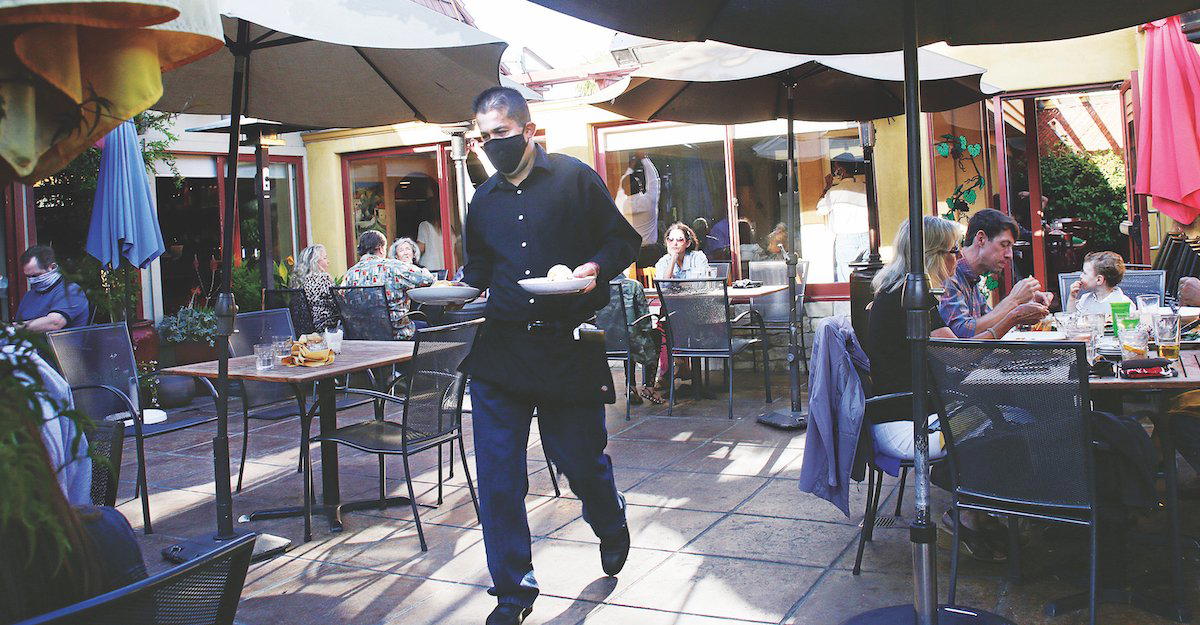
Where the Santa Cruz Agricultural Belt Meets the Table
Soquel sits in a corridor between the Pacific coast and the Santa Cruz Mountains that happens to be one of California's most productive small-farm zones. Strawberry fields, apple orchards, and boutique vegetable operations push up close to the highway, and the county's farmers' market network gives local restaurants a sourcing infrastructure that larger cities often lack despite their reputations. On this axis, 2621 41st Avenue is an address that matters less for its postcode than for what the surrounding land makes possible.
Café Cruz occupies this position with the kind of settled confidence that comes from being part of a neighbourhood rather than above it. The building sits along a commercial strip that serves the working community of Soquel rather than a tourist circuit, and that distinction shapes the register of everything from the room's energy to the expectations diners bring through the door. This is a local restaurant that has earned its place by being consistently useful to the people who live nearby.
The Central Coast Sourcing Argument
California's farm-to-table rhetoric has been so thoroughly absorbed into marketing language that it has lost most of its descriptive power. But in Santa Cruz County, the claim has a structural basis that the rhetoric elsewhere often lacks. The county's small farm density, direct-sale culture through roadside stands and community-supported agriculture programmes, and proximity to Monterey Bay seafood operations and the Salinas Valley vegetable corridor make local sourcing a logistical reality rather than a branding exercise.
This is the context in which restaurants like Café Cruz operate. Where a kitchen in a major metropolitan centre must work hard and pay a premium to access the kind of produce available within a short drive of Soquel, a well-connected local operation here can build a menu around what is in season and genuinely close by. The result, when executed with discipline, is food that tastes specific to a place and a moment in the calendar rather than generic to a cuisine type. Places like Single Thread Farm in Healdsburg and Blue Hill at Stone Barns in Tarrytown have built nationally recognised programs around exactly this kind of hyper-regional sourcing discipline; the Central Coast tradition operates on a less formal scale but draws from a supply base that is equally serious.
The distinction between a restaurant that sources locally because it is fashionable and one that sources locally because it is surrounded by good ingredients is usually visible on the plate. The former tends toward declarative plating with ingredients that perform their provenance. The latter tends toward cooking that is simply fresher and more seasonal without announcing the fact. Café Cruz fits within a dining culture that tends toward the second mode, which is characteristic of the Santa Cruz region's better neighbourhood operations.
Soquel in the California Dining Context
California's premium dining conversation concentrates in San Francisco, Los Angeles, and Napa-Sonoma, with outposts in cities like San Diego, where Addison holds a Michelin three-star position, and Los Angeles, where Providence anchors the fine-dining tier. In the Bay Area, Lazy Bear in San Francisco operates a ticketed progressive American format at the upper end of the market. These are venues whose competitive sets are defined by awards infrastructure, media coverage, and destination-dining economics.
Soquel operates in a different register. The town does not have a Michelin-inspected dining scene, and its restaurants compete within a local frame defined by community trust, value for the price point, and quality relative to what the surrounding region produces. This is not a lesser category; it is a different one. Particularly durable dining institutions in California operate at this neighbourhood level, where longevity and local relevance are the meaningful metrics rather than accolades. For context on how regional sourcing translates upward into the fine-dining tier, Smyth in Chicago and Oyster Oyster in Washington, D.C. demonstrate how ingredient-first philosophy scales into nationally recognised kitchens. Bacchanalia in Atlanta offers another model of how a commitment to sourcing can anchor a restaurant's identity over decades.
For visitors to the Central Coast, Soquel's dining scene offers a counterpoint to the more-produced restaurant experiences of the Monterey Peninsula or the winery-district dining of the Santa Cruz Mountains. The 41st Avenue corridor, where the restaurant sits, serves a residential and light-commercial population and functions accordingly: the pace is unhurried, the clientele local, and the priorities domestic rather than performative.
Planning a Visit
The restaurant is located at 2621 41st Ave in Soquel, California 95073, within easy reach of Santa Cruz's core and accessible from Highway 1.
Comparable Spots, Quickly
Comparable venues nearby, for context on price, style, and recognition.
| Venue | Cuisine | Price | Notes |
|---|---|---|---|
| Café CruzThis venue — the venue you are viewing | Polished California Seafood and Rotisserie | $$$ | Not listed |
| Haven | Modern California Fine Dining | $$$ | Jack London Square |
| Range | Modern California-Inspired American | $$$ | Mission |
| The Brazen Head | Classic American Pub | $$$ | Marina |
| Lira | Seasonal New American | $$$ | Downtown Campbell |
| Farmshop | Californian Farm-to-Table | $$$ | Marin Country Mart |
Continue exploring
More in Soquel
Restaurants in Soquel
Browse all →
Bars in Soquel
Browse all →
Hotels in Soquel
Browse all →


At a Glance
- Rustic
- Cozy
- Lively
- Date Night
- Casual Hangout
- Special Occasion
- Open Kitchen
- Craft Cocktails
- Local Sourcing
- Sustainable Seafood
Current opening hours
- Monday
- 11:30 AM–9 PM
- Tuesday
- 11:30 AM–9 PM
- Wednesday
- 11:30 AM–9 PM
- Thursday
- 11:30 AM–9 PM
- Friday
- 11:30 AM–9:30 PM
- Saturday
- 11:30 AM–9:30 PM
- Sunday
- 5–9 PM
Hours can change for holidays and private events. Last verified .
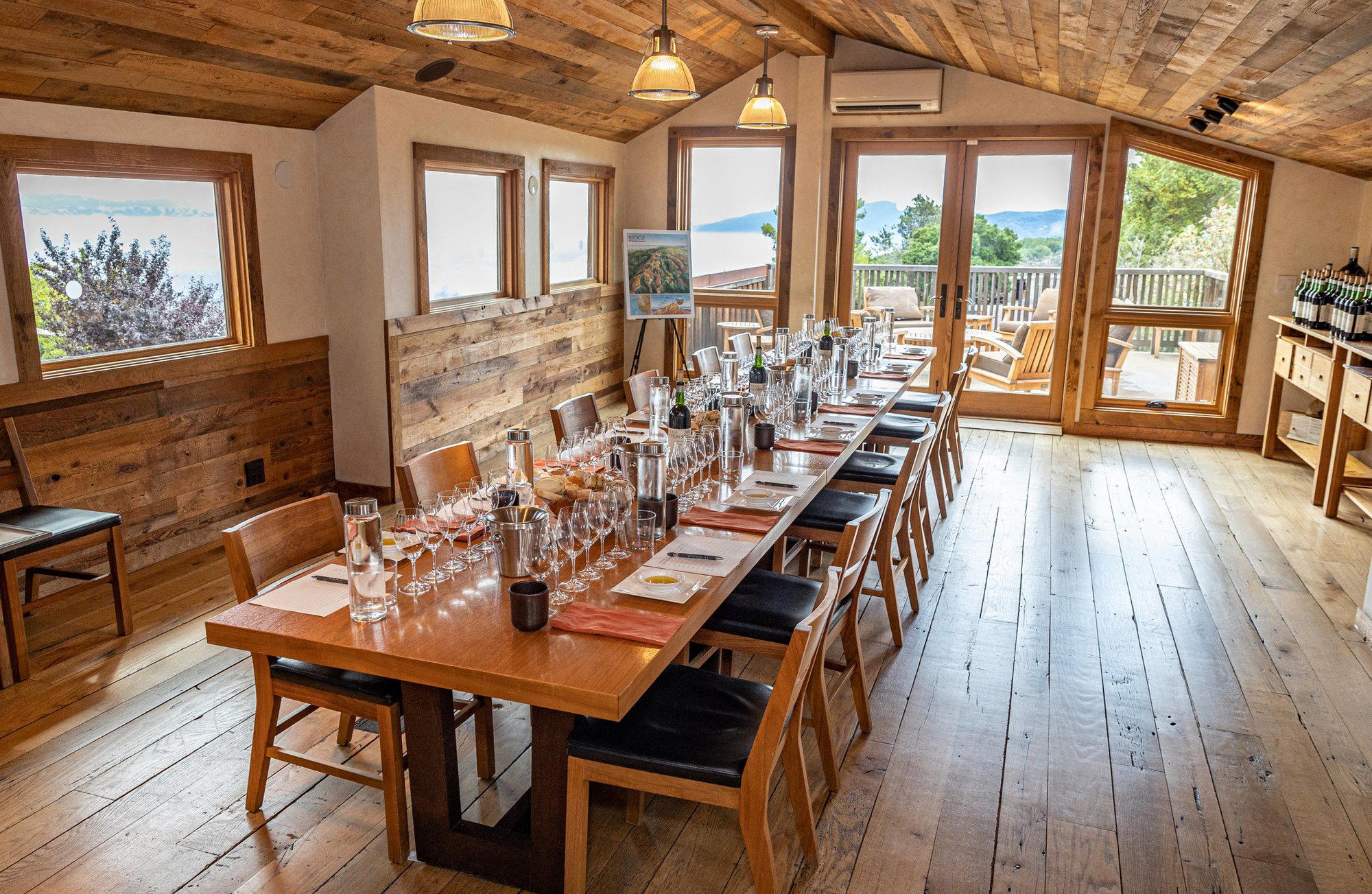
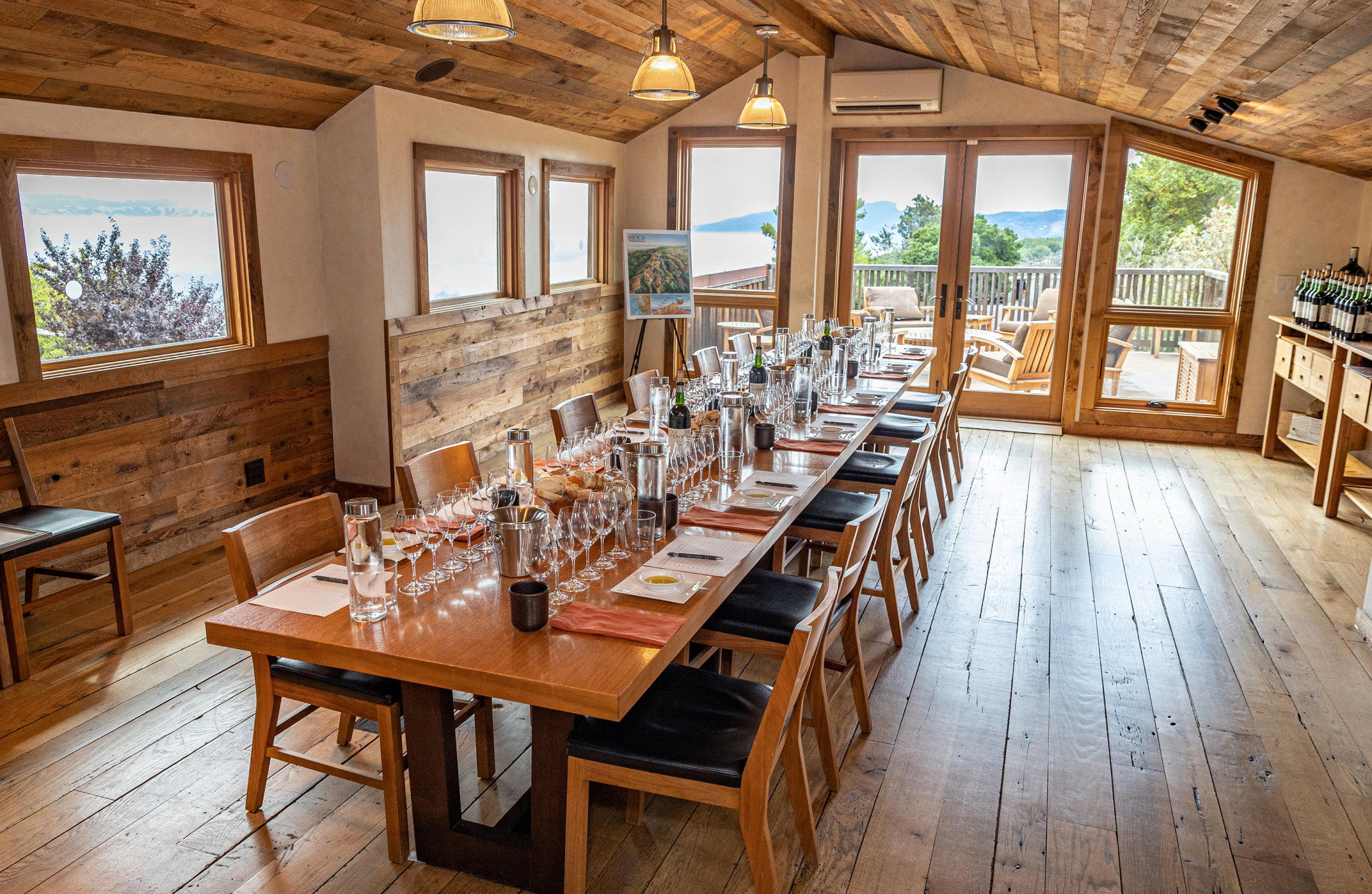
Dynamic setting with rustic autumnal colors, plenty of nooks and crannies, centered around an open kitchen.