Café Bar Cayena
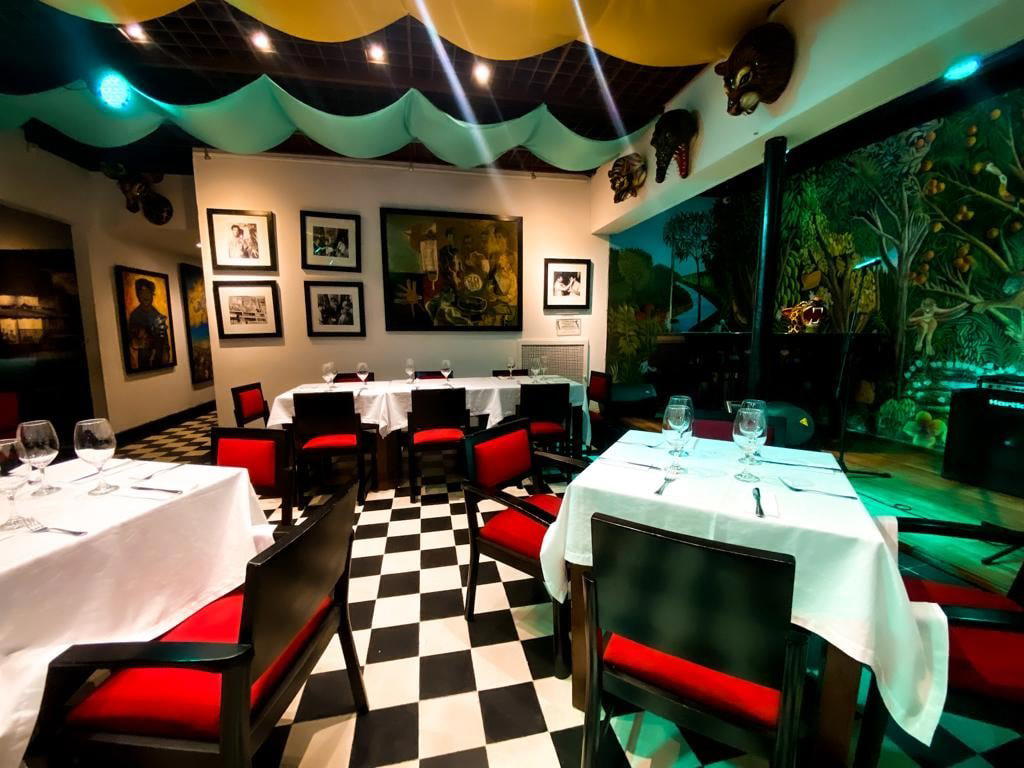
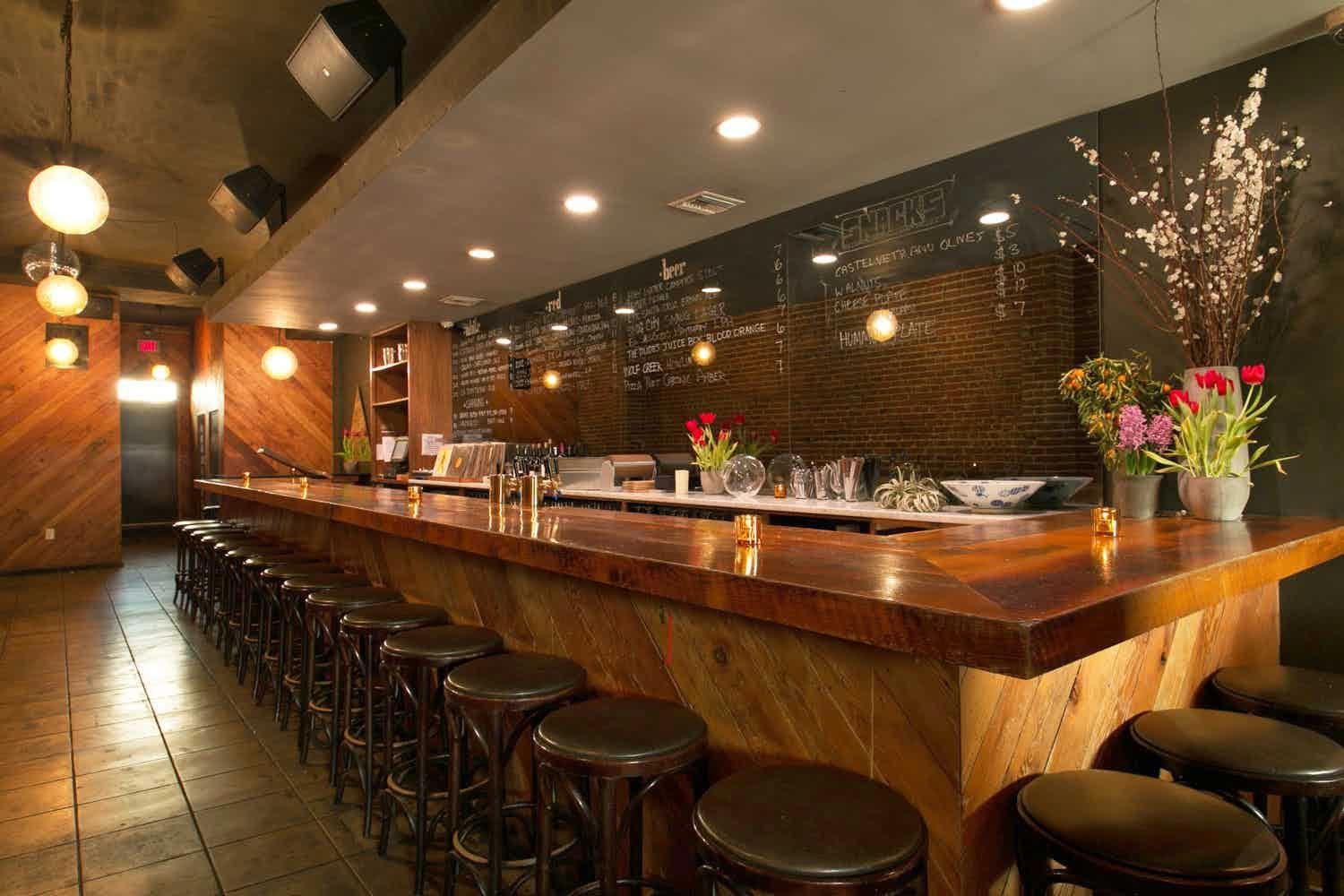
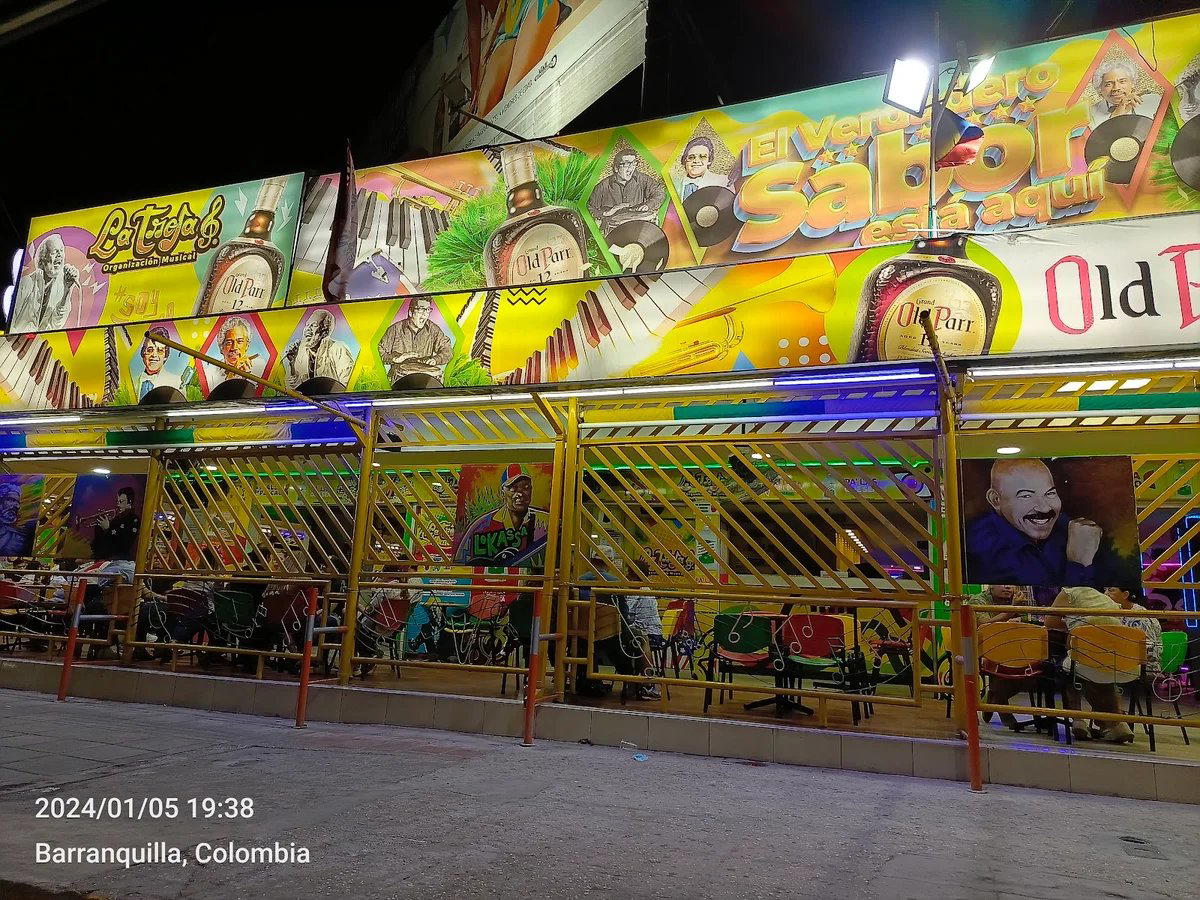
Café Bar Cayena belongs to Barranquilla’s casual café-bar register, a format shaped by heat, late-afternoon social habits, and the city’s preference for unfussy rooms over ceremony. With no chef-led tasting-menu machinery or award circuit framing, its relevance sits in how it fits the local rhythm: coffee, drinks, conversation, and Caribbean ingredients treated as everyday currency rather than performance.
Pearl is the En Primeur Club membership app — saves, bookings, and concierge access live there. Same editors, same standards.
- Address
- Cra. 56 #70, Nte. Centro Historico, Barranquilla, Atlántico, Colombia
- Directions
- Get directions
 Saves & bookings on Pearl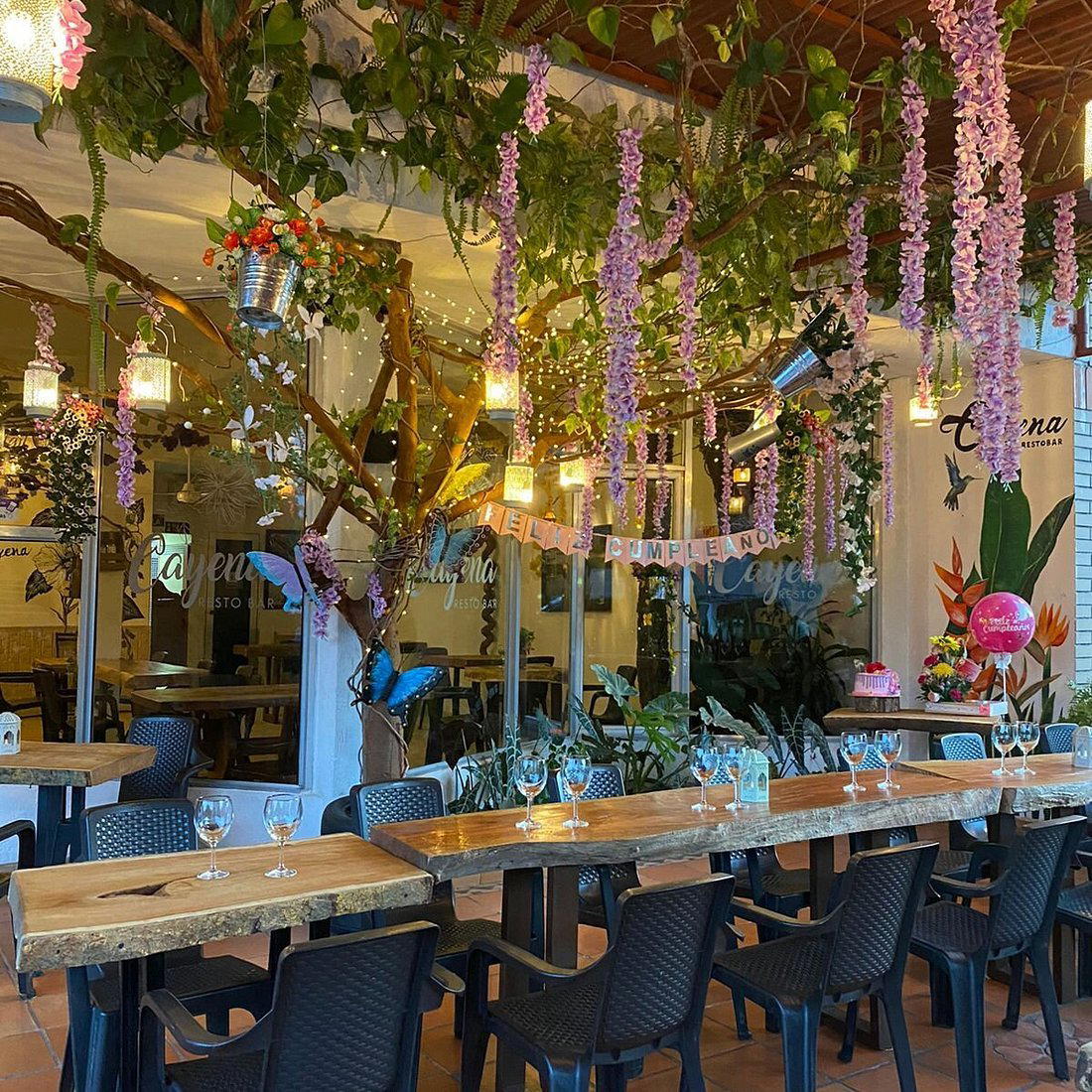
Approaching a café-bar in Barranquilla is less about ceremony than tempo: the shift from glare to shade, the clatter of conversation, the pull of a room built for lingering rather than procession. Café Bar Cayena fits that register. The point is not a chef’s counter or a formal dining room; it is the Colombian Caribbean’s more social grammar of eating and drinking, where coffee, cold drinks, casual plates, and conversation often share the same table.
Barranquilla’s dining culture is shaped by port-city appetite. Caribbean produce, coastal seasoning, Lebanese-Colombian habits, and inland Colombian staples all sit close together here, often without the rigid category lines that define restaurant scenes in larger capitals. That matters for reading a place like Café Bar Cayena: the café-bar format is not a compromise between restaurant and bar, but a practical local answer to climate, schedule, and appetite. The room can work across parts of the day because the city itself eats and drinks in overlapping patterns.
A café-bar lens on Barranquilla's ingredient culture
Ingredient sourcing in the Colombian Caribbean tends to announce itself through freshness and proximity rather than manifesto language. Fruit, coffee, herbs, coastal seafood, plantain, yuca, maize, and tropical dairy traditions form the region’s everyday pantry, though Café Bar Cayena does not publish a detailed cuisine category, chef credit, or named signature plates. That absence pushes the editorial reading away from menu mythology and toward format: this is the kind of venue where the value lies in how local ingredients can move between refreshment, snack, and meal without the stiffness of a formal service arc.
That distinction separates Barranquilla from Bogotá’s more concept-heavy dining rooms and Cartagena’s heritage-hotel circuit. A comparison with Abasto Quinta Camacho in Bogotá shows how market cooking in the capital often becomes a declared culinary position; in Barranquilla, the same concern with produce can feel more embedded in daily life. Cartagena venues such as 1621 The Restaurant in Cartagena and Alyzia Rooftop & Dining in Cartagena de Indias operate in a city where setting and visitor demand often frame the meal. Barranquilla’s café-bars have a plainer social utility, which is part of their appeal.
Where it sits among the city's casual dining choices
The city’s range is broader than visitors often assume. Donde Mama speaks to home-style comfort, La Pizzería del Prado to the imported casual format that Barranquilla has made its own, Manuel to a more composed restaurant mode, Restaurante Cuzco to the city’s appetite for regional Latin American cooking, and Restaurante La Cabaña to the enduring pull of established local dining rooms. The restaurant belongs to the lighter end of that spectrum, where the decision is less about a full evening plan and more about an adaptable stop within the day.
That category has become more relevant as Colombian cities move away from single-use venues. Medellín addresses the all-day social brief differently at places such as 37 Park in Medellín, while Chía’s high-volume dining culture is represented by Andrés Carne de Res in Chia. Even outside Colombia, compact specialist formats such as Jōdo Saké Bar in Los Angeles and Onigiri Time in Pasadena show the same global shift toward venues defined by use-case as much as cuisine. The restaurant’s usefulness in Barranquilla sits in that practical middle ground.
How to use it in a Barranquilla itinerary
For travellers, the smarter move is to treat the restaurant as part of a neighbourhood-led Barranquilla day rather than as a destination dinner planned weeks ahead. The city rewards this approach. Heat shapes timing, afternoons stretch, and casual rooms often carry more local information than polished dining rooms built for visitors. Since published details on reservations, hours, pricing, and chef authorship are not central to the public identity here, expectations should be set around flexibility rather than ceremony.
Use it as a gauge of Barranquilla’s everyday hospitality, then widen the itinerary by category. The restaurant map is covered in Our full Barranquilla restaurants guide, while the city’s accommodation, drinking, wine, and activity planning sit in Our full Barranquilla hotels guide, Our full Barranquilla bars guide, Our full Barranquilla wineries guide, and Our full Barranquilla experiences guide. For a wider Colombian comparison, Adictta pizza Manizales in Manizales adds another view of how casual formats shift by region.
Side-by-Side Snapshot
Comparable venues by cuisine and price in the same metro.
| Venue | Cuisine |
|---|---|
| Café Bar Cayena | This venue |
Continue exploring