
Butterfly Room puts Hong Kong’s hotel tea culture into a polished Tsim Sha Tsui setting, with afternoon tea treated as a social ritual rather than a quick refreshment. Its 2026 Opinionated About Dining Casual in Asia Highly Recommended listing gives the salon a credible place in the city’s wider dining conversation, especially for travellers reading Hong Kong through hotel hospitality, patisserie, and harbour-side ritual.
Pearl is the En Primeur Club membership app — saves, bookings, and concierge access live there. Same editors, same standards.
- Address
- Rosewood Hong Kong, 18 Salisbury Road, Hong Kong, Hong Kong, China
- Phone
- +852 3891 8732
- Website
- rosewoodhotels.com
 Saves & bookings on Pearl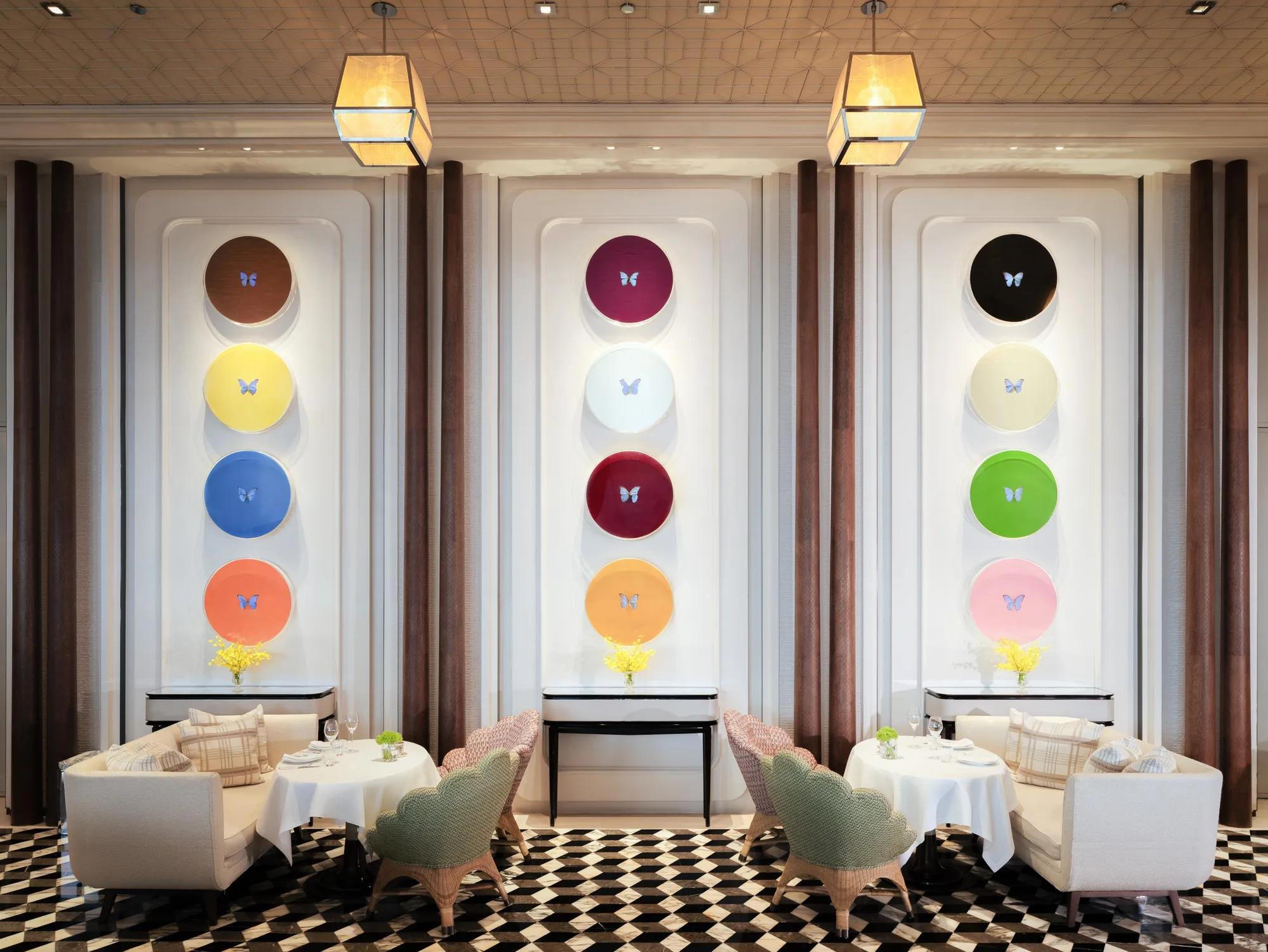
Approaching a grand hotel tea salon in Hong Kong changes the day’s tempo. Outside, the city runs on lifts, ferries, office towers, and tightly timed meals; inside, afternoon tea asks for a slower grammar: tiered service, measured pacing, and a room built for lingering rather than turnover. Butterfly Room belongs to that tradition, where the point is not only what arrives on the stand, but how Hong Kong has absorbed British tea ritual, Cantonese hotel culture, and luxury patisserie into a format that still feels socially legible in 2026.
That context matters because Hong Kong does not treat tea as one category. There is everyday milk tea in cha chaan tengs, ceremonial Chinese tea in specialist rooms, and hotel afternoon tea for meetings, family gatherings, celebrations, and travellers seeking a controlled pause between harbour, shopping, and dinner. The hotel salon sits at the formal end of that range: less novelty than calibration, with service rhythm, pastry discipline, room comfort, and the ability to make two hours feel intentional.
Hotel tea in Hong Kong is a social format, not a snack break
Hong Kong’s hotel afternoon tea culture carries colonial inheritance, but its current form is local in practice. Adapted to dense urban life, it works as a mid-afternoon appointment, soft-power business setting, family treat, and a way for visitors to experience hotel dining without committing to a long tasting menu. The tea salon occupies a useful middle tier between casual cafés and destination restaurants.
Butterfly Room’s listing as Highly Recommended in Opinionated About Dining’s 2026 Casual in Asia selection is a useful signal because tea salons are often under-read by restaurant rankings. They do not fit neatly into the chef-counter, tasting-menu, or wine-led categories that dominate premium dining discussion. Recognition in a casual Asia list places the room among venues judged on experience, consistency, and category fit rather than formality alone.
The editorial point is not that a hotel tea salon should behave like a fine-dining room. It should not. The format succeeds when the room can hold conversation, pacing, and pastry detail without turning the afternoon into theatre. Hong Kong has many meals built around speed and intensity; the salon offers a different kind of control.
Why the format suits Tsim Sha Tsui's hotel dining culture
Tsim Sha Tsui has long been one of Hong Kong’s hotel dining engines. The district absorbs visitors, office traffic, shoppers, museum-goers, and harbour-side walkers, giving hotel venues a broader audience than in-house guests alone. Tea works especially well here because the slot is flexible: it can sit between lunch and dinner, follow a cultural stop, or replace a late lunch without the weight of a full restaurant booking.
Within that setting, Butterfly Room reads as part of a larger Hong Kong pattern: premium hotels using pastry, tea, and room design as daytime signatures. The strongest versions are not built on excess, but proportion. Too much ceremony makes the experience stiff; too little and the salon collapses into a lobby café. The appeal lies in the middle ground, where attentive service and composed sweets support conversation rather than interrupt it.
For travellers mapping the city through restaurants, this corrects the idea that Hong Kong dining begins only at dinner. The afternoon slot is culturally productive. It shows how the city uses hotels not simply for accommodation, but as public living rooms, meeting spaces, and controlled escapes from weather, crowds, and compressed schedules.
How to read Butterfly Room in the wider Hong Kong itinerary
The room makes most sense as part of a day built around Kowloon and the harbour rather than as a standalone pilgrimage. Its value is contextual: it gives structure to an afternoon and leaves space for a sharper dinner elsewhere. In a city where over-scheduling can flatten the experience, a tea salon lets the day breathe without surrendering standards.
Readers building a broader Hong Kong dining map can use the city’s range to avoid repeating the same register meal after meal. EP Club’s restaurant coverage spans neighbourhood addresses and higher-formality rooms, including 15-27 Cannon St, 208 Hollywood Rd, 22 Ships (Spanish-Tapas), 7 Paintings, and 8 1/2 Otto e Mezzo Bombana (Hong Kong) (Italian). For a wider city scan, see Our full Hong Kong restaurants guide, alongside Our full Hong Kong hotels guide, Our full Hong Kong bars guide, Our full Hong Kong wineries guide, and Our full Hong Kong experiences guide.
District-level reading also helps. Central and Western dining carries a different social code from Kowloon hotel tea; Yau Tsim Mong compresses old snack culture, mall dining, and hotel addresses into a tighter field; Tsuen Wan, Islands, Aberdeen, and Kwun Tong each show other versions of how Hong Kong eats across class, commute, and occasion. Related EP Club entries include 8½ Otto e Mezzo BOMBANA in Central And Western, Block 18 Doggie's Noodle in Yau Tsim Mong, Chin Sik in Tsuen Wan, Enchanted Garden Restaurant in Islands, Former Jumbo Floating Restaurant in Aberdeen, and Habib's Indian & Middle Eastern Food in Kwun Tong.
Tea salons also travel as a hospitality idea, so the category rewards comparison by format rather than cuisine alone. Readers interested in how grand hotels stage afternoon service beyond Hong Kong may find Grand Salon at the Baccarat hotel, Tea Salon in Manhattan useful as a separate reference point. For a different beverage-led room, Jōdo Saké Bar in Los Angeles shows how ritual, pacing, and drink culture can define an evening rather than an afternoon.
The critical case for the restaurant is strongest when judged by category. It is not competing with Hong Kong’s chef-driven dinner rooms or street-level noodle counters. It belongs to the city’s hotel tea tradition, where precision is measured through tempo, setting, and how a room protects conversation. In a dining city obsessed with momentum, that restraint has its own authority.
- Afternoon tea set
- Cakes and pastries served tableside
- Vanilla mille‑feuille
- Salmon gravlax
- Kurobuta pork chop
- Seared seabass
Reputation & Price
Comparable venues nearby, for context on price, style, and recognition.
| Venue | Cuisine | Price | Notes |
|---|---|---|---|
| Butterfly RoomThis venue — the venue you are viewing | Tea Salon | $$$$ | Not listed |
| Butterfly Patisserie HK | Not listed | $$$$ | Tsim Sha Tsui, Modern luxury patisserie & dessert boutique |
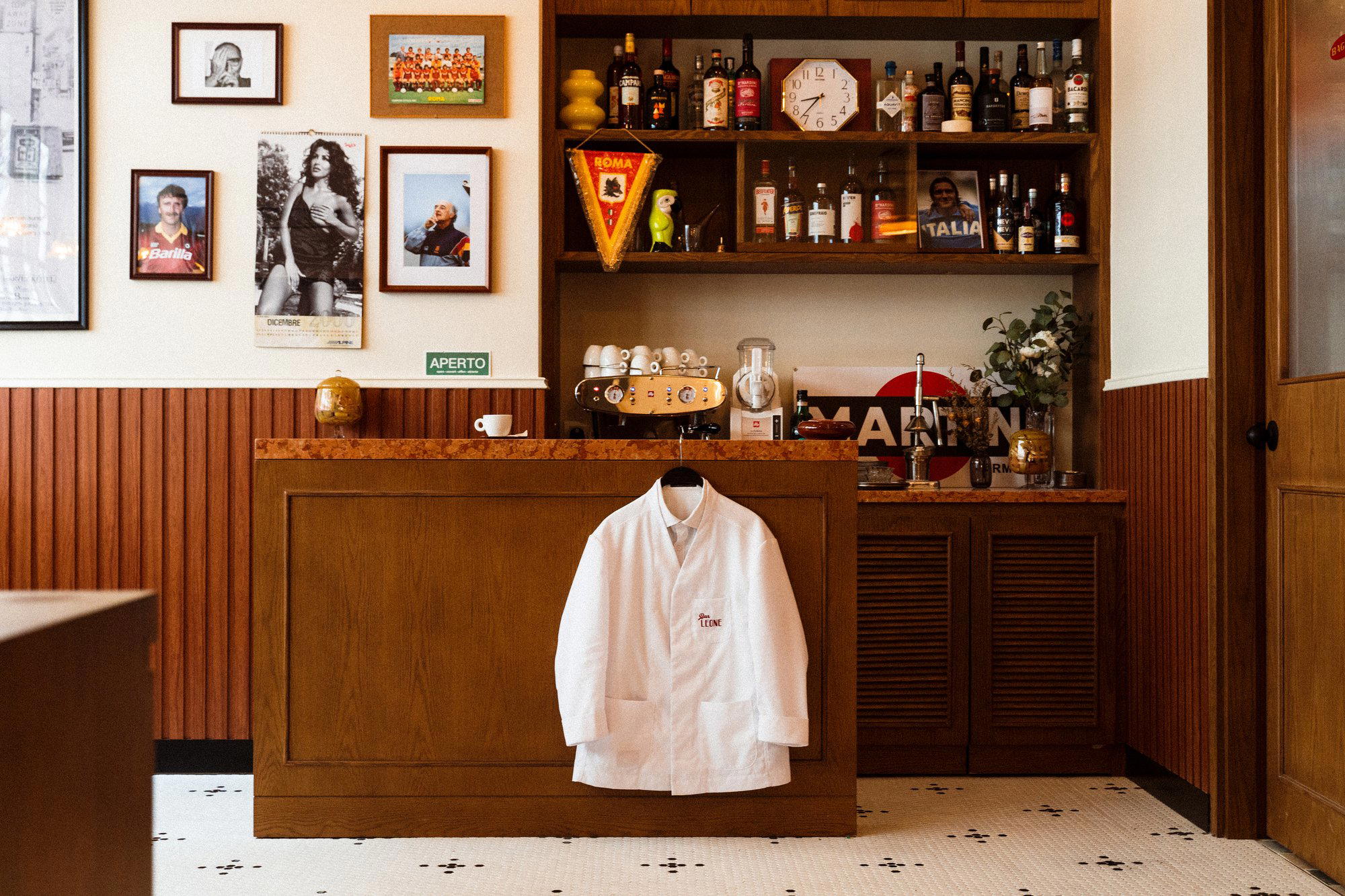
| Bar Leone | Central, Italian-inspired cocktail bar | $$$ | Not listed |
| Casa Lisboa | Central, Authentic Portuguese | $$$ | Not listed |
| Amelia Hong Kong | Not listed | $$$$ | Yau Tsim Mong South, Modern European with Italian influences |
| Locanda dell' Angelo | Wan Chai, Modern Sicilian Fine Dining | $$$$ | Not listed |
Recognition history
Dated appearances from independent guides and award organizations, with the underlying list record or original source where available.
Opinionated About Dining Casual in Asia Highly Recommended
Opinionated About Dining
Continue exploring
More in Hong Kong
More from Chef Various
Browse all →
Restaurants in Hong Kong
Browse all →
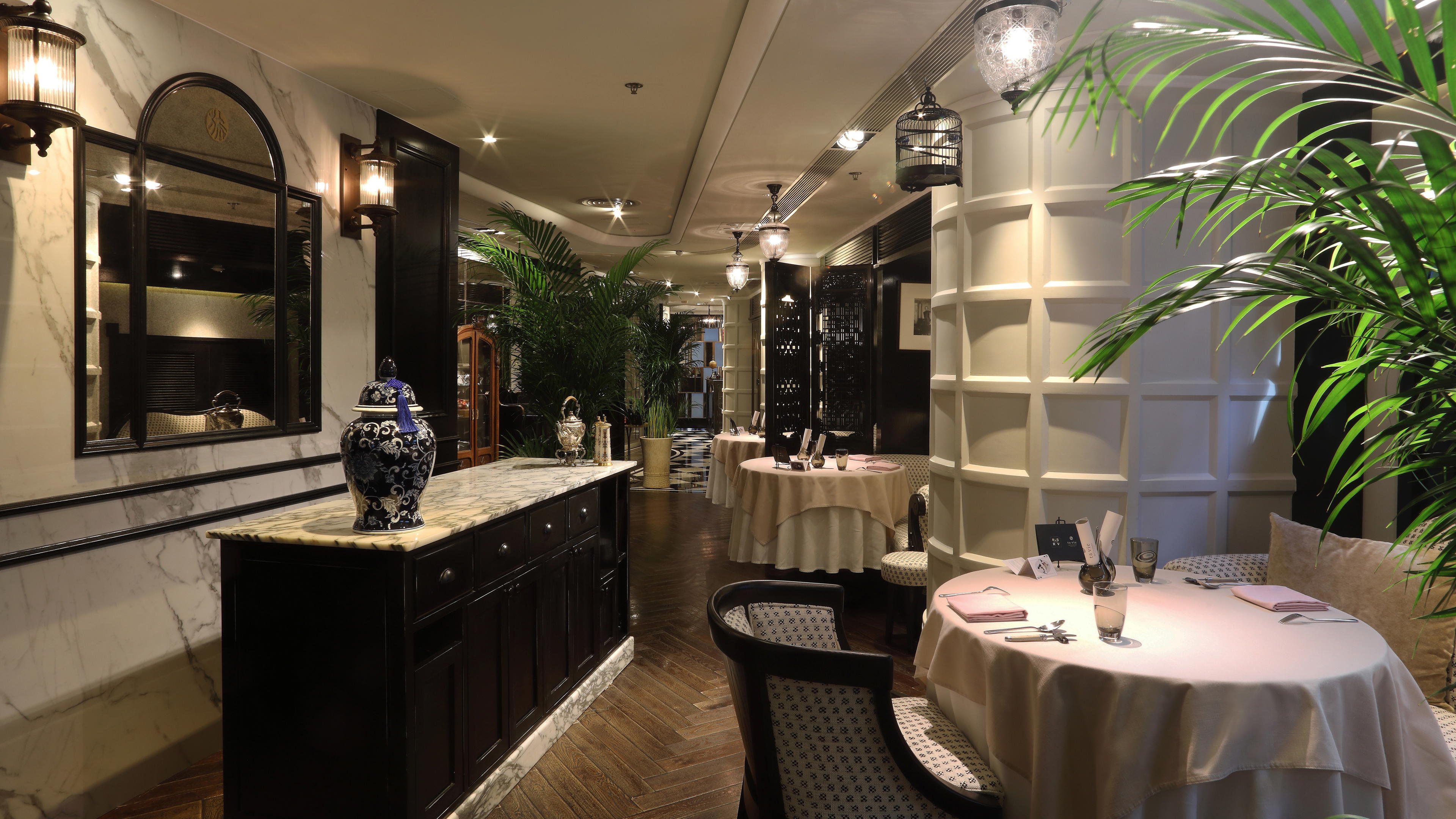
Bars in Hong Kong
Browse all →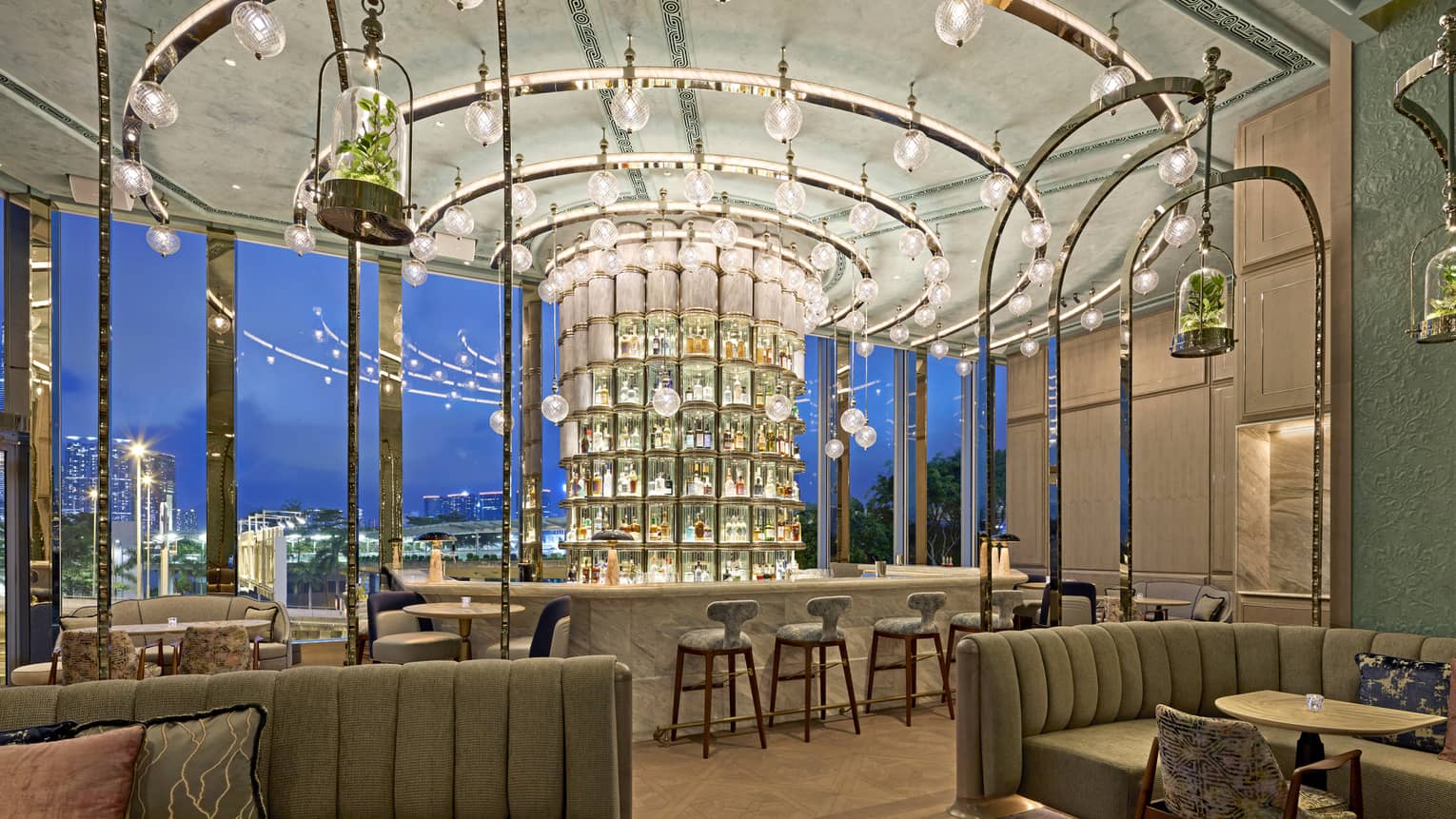
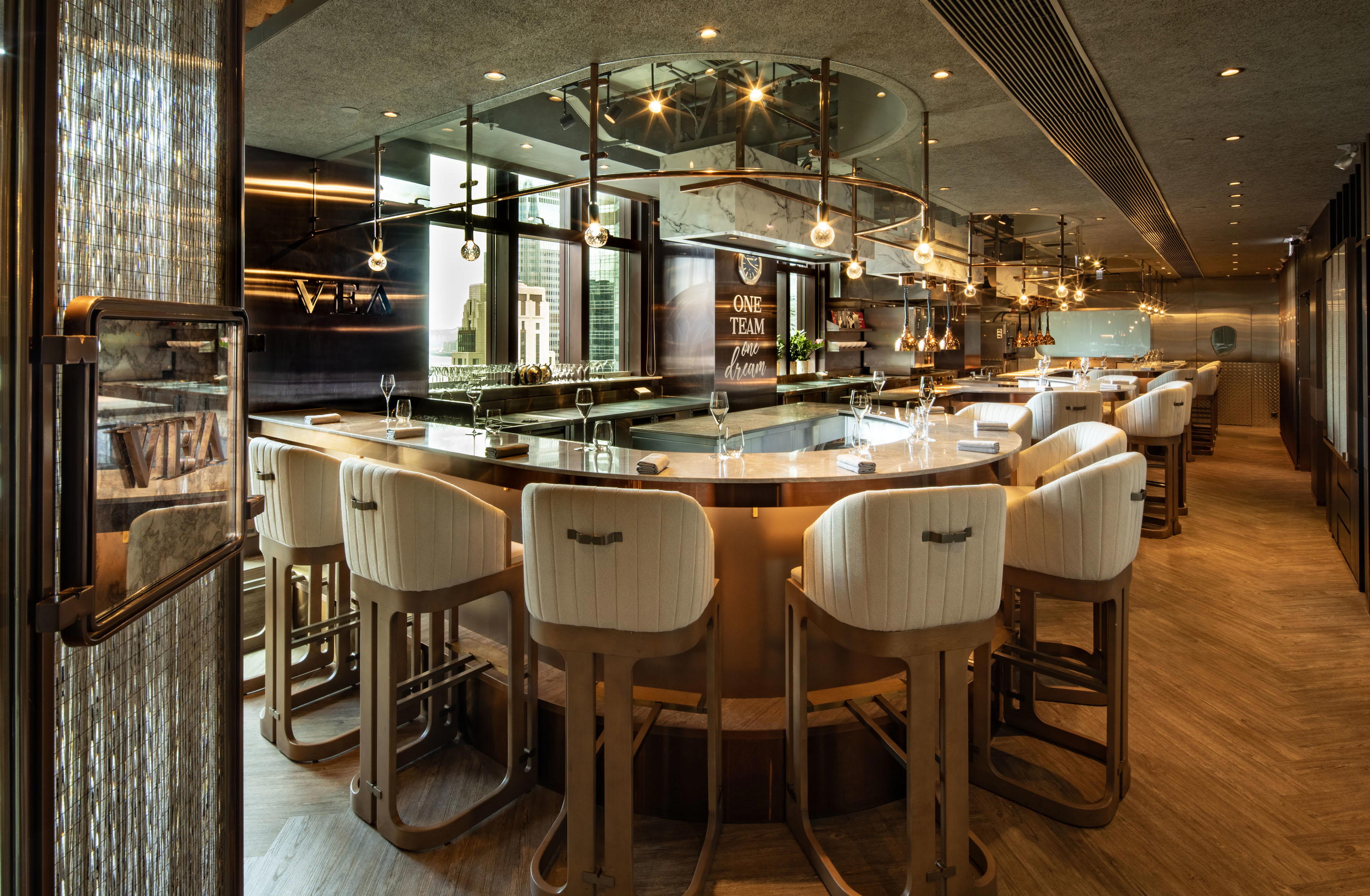
At a Glance
- Elegant
- Sophisticated
- Ornate
- Modern
- Scenic
- Well Known
- Special Occasion
- Celebration
- Date Night
- Private Event
- After Work
- Solo
- Design Destination
- Hotel Restaurant
- Panoramic View
- Private Dining
- Waterfront
- Waterfront
- Skyline
- Mountain
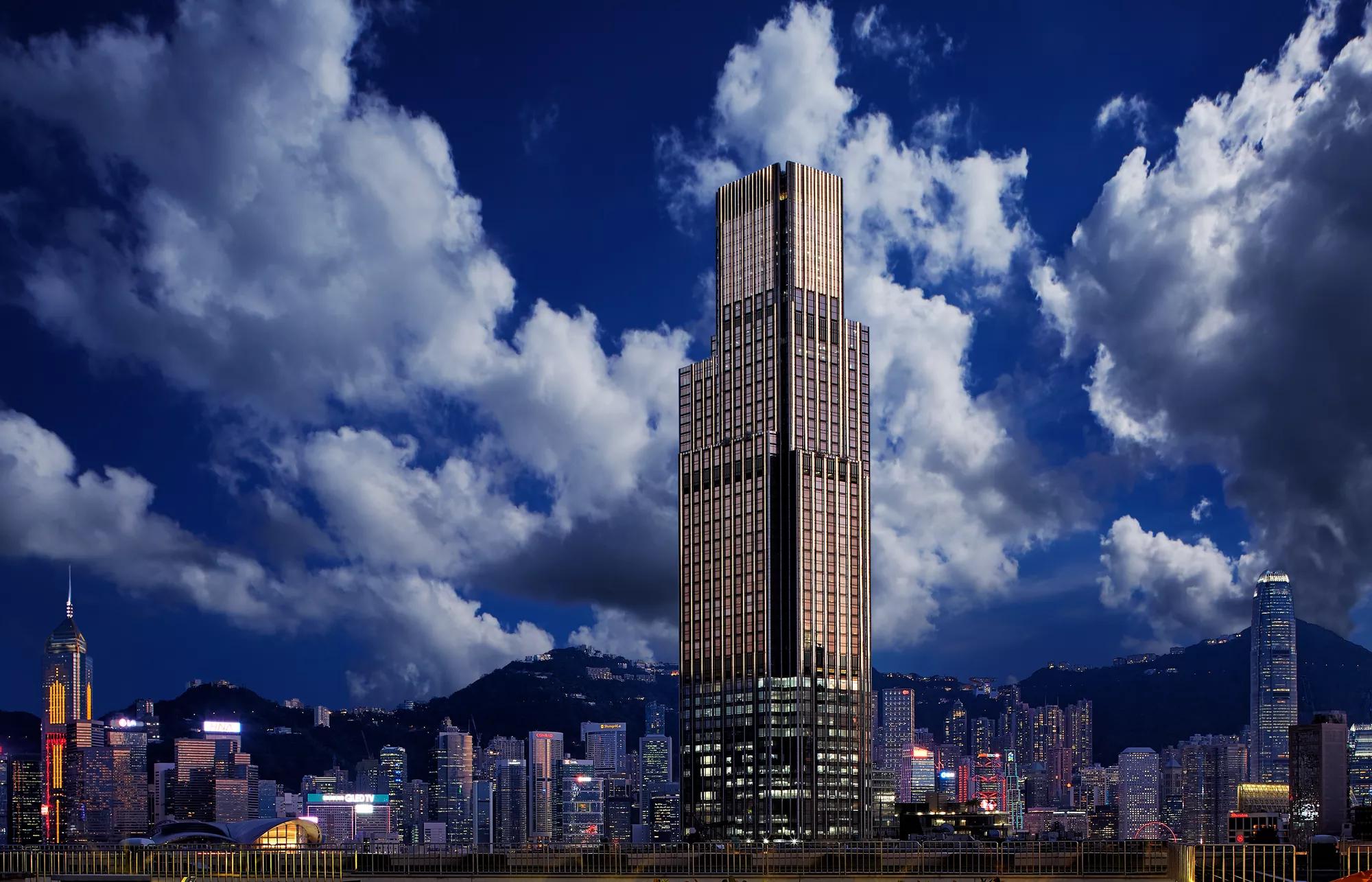
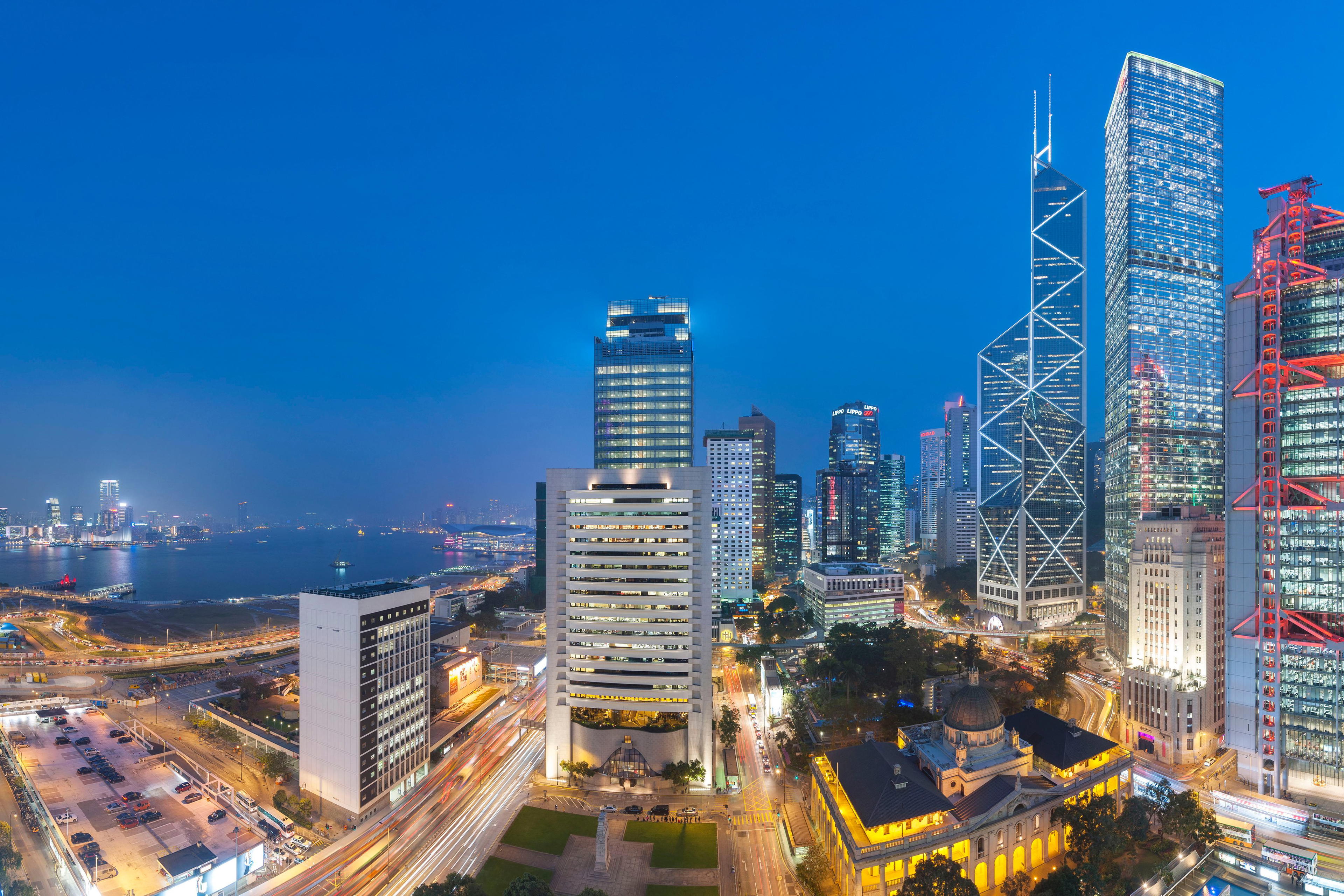
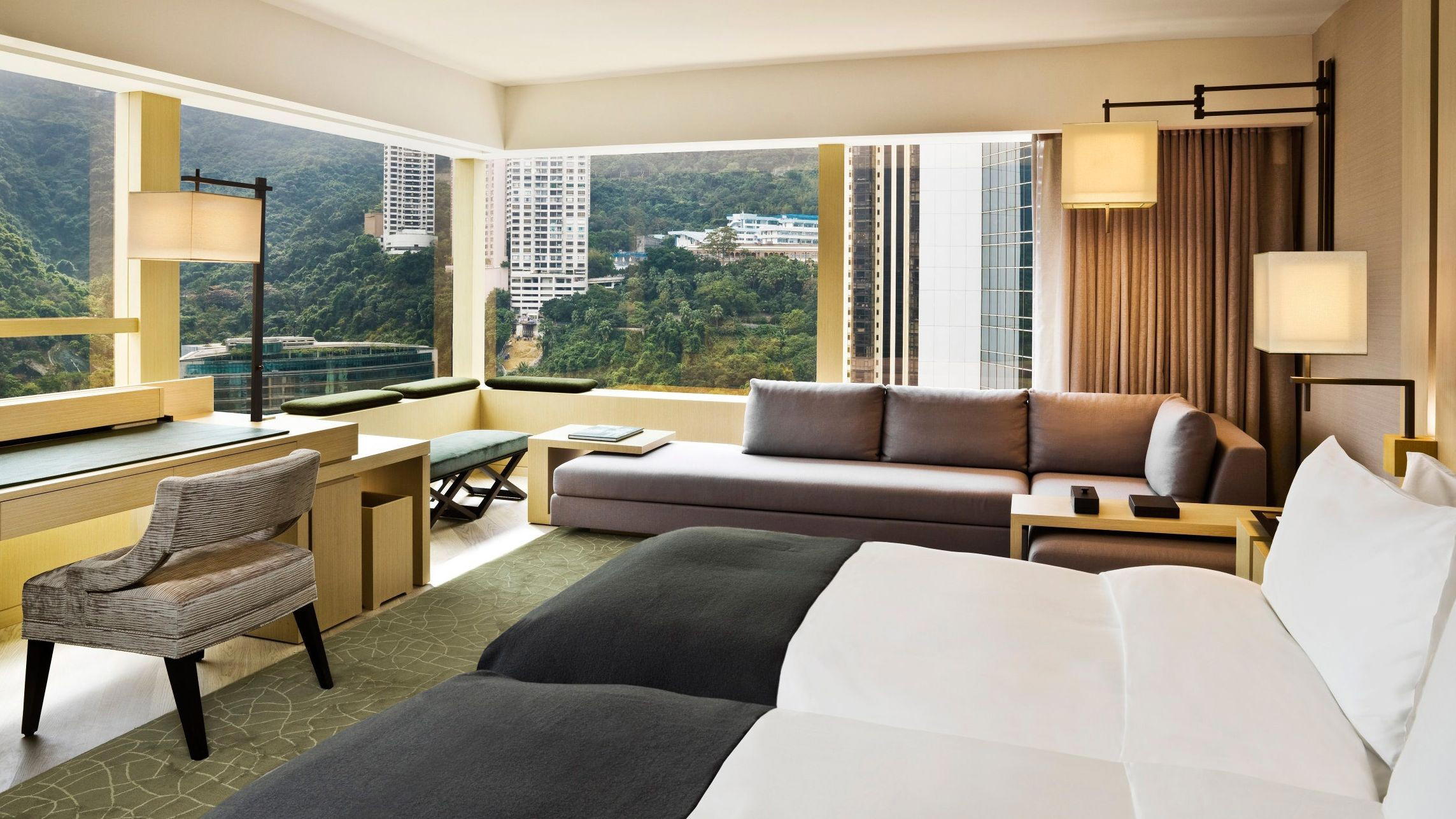
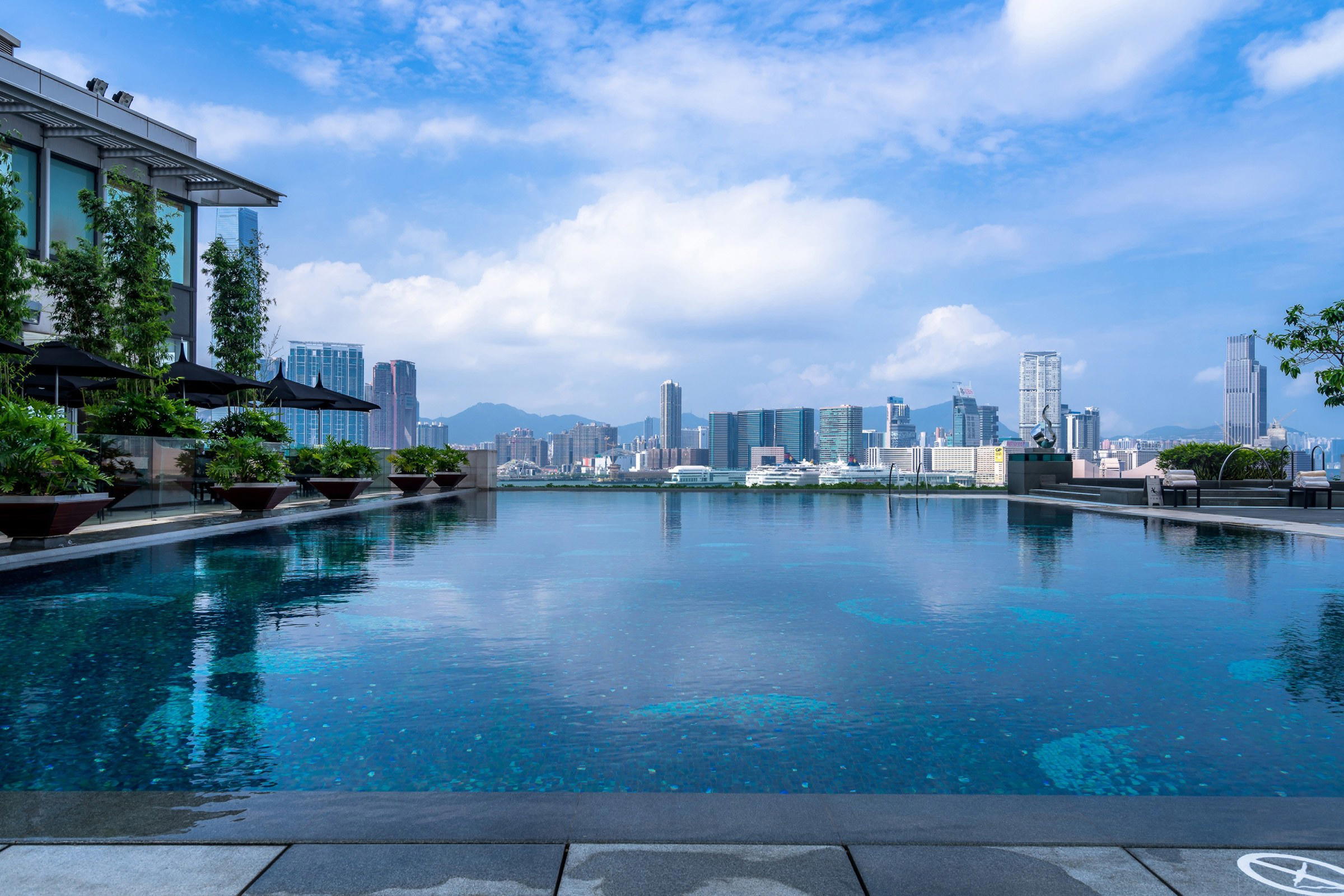
A glamorous hotel tea lounge with high ceilings, large windows over Victoria Harbour, polished service and a quietly luxurious, art-gallery feel highlighted by Damien Hirst butterfly artworks.