Butcher's Cut Steakhouse
On Fifth Avenue in the heart of the Gaslamp Quarter, Butcher's Cut Steakhouse occupies one of San Diego's most trafficked dining corridors, where the city's appetite for premium beef meets a neighbourhood built around after-dark energy. The address positions it squarely within the Gaslamp's higher-spend tier, competing against a downtown dining scene that has grown considerably more serious over the past decade.
- Address
- 644 Fifth Ave, San Diego, CA 92101
- Phone
- +16192358144
- Website
- butcherscutsteakhouse.com
- Directions
- Get directions
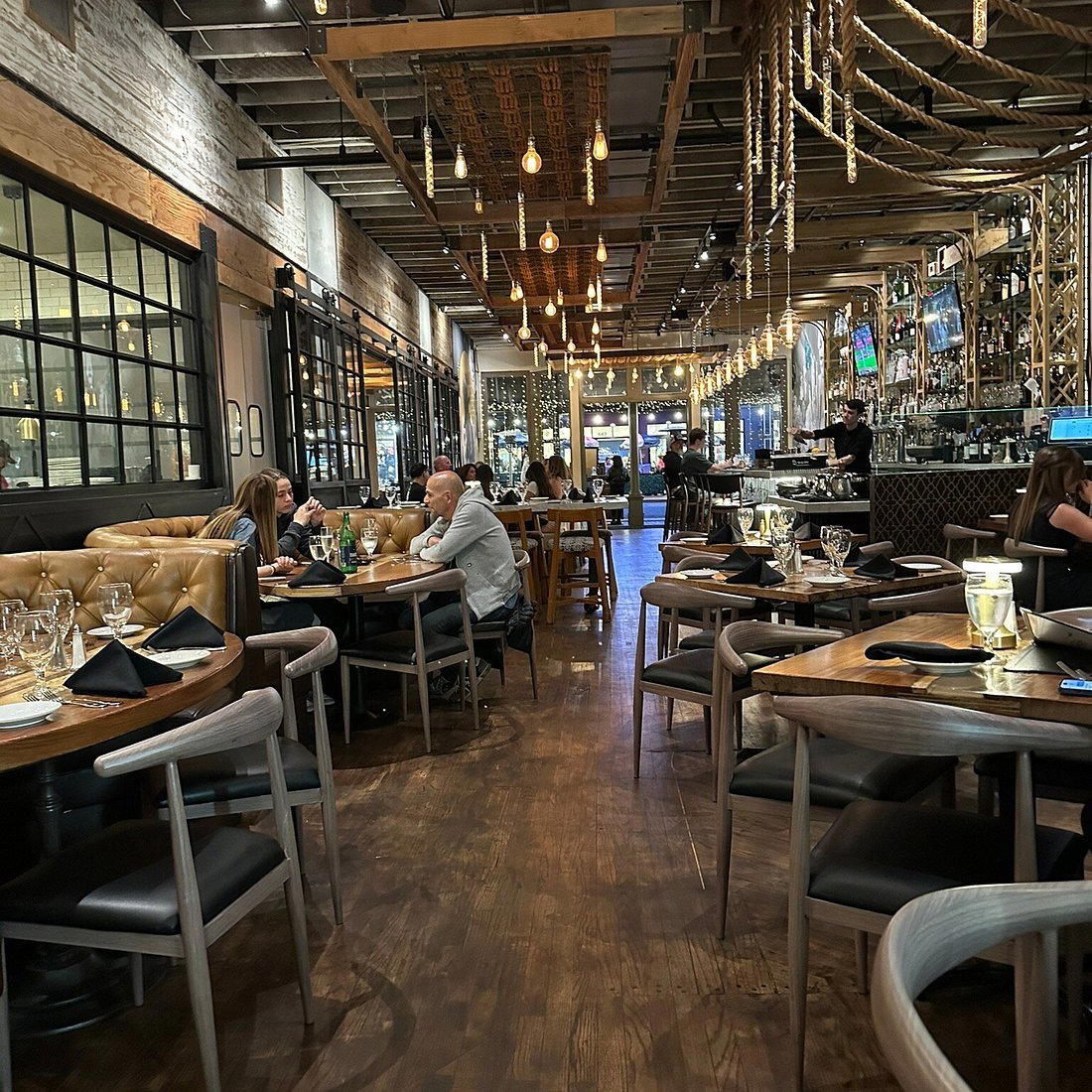
Fifth Avenue and the Gaslamp's Steakhouse Geography
San Diego's Gaslamp Quarter runs on a particular logic: high foot traffic, late hours, and a dining public that skews toward celebratory occasions rather than quiet Tuesday dinners. Fifth Avenue is its spine, and the blocks around 644 carry some of the neighbourhood's densest concentration of full-service restaurants. Butcher's Cut Steakhouse occupies that address with a format, the American steakhouse, that has historically done well in this corridor, where group reservations, expense accounts, and pre-concert dinners drive the evening rhythm.
The broader downtown steakhouse category in American cities has split over the past decade between two poles. On one end, large-footprint chain steakhouses lean on consistency and brand recognition. On the other, independent operators have pushed into higher-specificity territory: sourcing transparency, dry-age programs, and wine lists built around American Cabernet and Burgundy rather than the predictable house pour. Where Butcher's Cut sits along that spectrum shapes what kind of meal a visitor should expect, and how it competes with the wider San Diego dining field that now includes destination-level options like Addison and Soichi.
The Gaslamp as a Dining Address
For most of San Diego's modern restaurant history, serious dining migrated away from the Gaslamp toward neighbourhoods like Bankers Hill, Little Italy, and North Park, where lower rents allowed smaller operators to take culinary risks. The Gaslamp retained its footfall but ceded some of its critical reputation. What it kept was volume, and the kind of diner who books weeks out for a birthday dinner rather than months out for a tasting menu.
That context matters for a steakhouse specifically. The format thrives on occasion dining: the format is legible to a broad audience, the price point is justified by the ritual of the meal, and the Gaslamp's pedestrian traffic provides a constant stream of walk-in candidates when reservation books have gaps. Other Fifth Avenue addresses like 777 G St and nearby spots including 1450 El Prado reflect a downtown dining corridor that has matured without fully leaving its entertainment-district roots behind.
This is not the neighbourhood where San Diego's most experimental dining happens, that remains distributed across other zip codes. But for a steakhouse, the Gaslamp address is more asset than liability. Proximity to Petco Park, the convention centre corridor, and the hotels clustered between Broadway and Harbor Drive means the dining public is already moving through the area in numbers that independent neighbourhood restaurants would envy.
The American Steakhouse in 2024
The premium steakhouse remains among the more durable formats in American dining, in part because its core value proposition, a large, carefully sourced piece of beef, cooked to a precise temperature, with sides designed for sharing, is resistant to trend cycles. Formats that thrived in the 1990s still work today because the occasion around them has not changed: groups, milestones, business entertaining.
What has changed is the sourcing conversation. Diners at the upper end of the market now expect to know the provenance of their beef, whether it is USDA Prime, wagyu-crossed, dry-aged in-house, or sourced from a named ranch. That shift places steakhouses in a different kind of competition with each other, one based on supply chain decisions as much as kitchen execution. Across the country, independently operated steakhouses have used sourcing specificity to differentiate from larger chains, positioning themselves closer to the farm-to-table movement than to the convention-hotel dining room. Comparable conversations are happening at restaurants far from San Diego: Blue Hill at Stone Barns in Tarrytown has made provenance its entire editorial argument, while Single Thread Farm in Healdsburg builds its menu around an agricultural calendar that starts at the farm itself.
The steakhouse as a category does not go that far, nor should it. But the degree to which an operator engages with sourcing questions now signals where it competes in the broader market. For the Gaslamp address and the dining public that moves through it, an independently operated steakhouse with clear sourcing commitments occupies a defensible middle position: serious enough for a celebratory dinner, accessible enough to avoid the anxious formality of San Diego's higher-end tasting menus.
Placing Butcher's Cut in San Diego's Wider Scene
San Diego's restaurant scene has matured faster in the past five years than in the preceding twenty. Addison holds the city's only three-Michelin-star rating, placing San Diego in a category alongside cities like New York, where Le Bernardin and Atomix define the upper bracket, and San Francisco, where Lazy Bear has built its own distinct critical reputation. Below that peak tier, San Diego has developed a dense mid-level of serious independent restaurants. Soichi represents the high-end Japanese counter format. The city's Californian-Mediterranean category has grown with operators like Callie. American cooking with premium sourcing sits across multiple neighbourhoods.
Against that field, a Gaslamp steakhouse competes on a different axis than it would have a decade ago. The comparison set now includes not just other downtown steakhouses but also the broader category of premium occasion dining, which in San Diego now has enough range to give diners real choice. The steakhouse format's advantage is clarity of purpose: when a diner wants beef, prepared with precision, in a room designed for celebration, the format delivers that without the ambiguity of a tasting menu or the informality of a neighbourhood bistro.
For the occasion diner flying into San Diego for a conference and looking for a reliable dinner near the Gaslamp hotels, or the local marking a birthday with a group that spans ages and dietary preferences, the steakhouse format remains one legible high-spend option in the neighbourhood. That legibility is not a concession; it is what makes the format commercially durable across decades when other dining categories cycle through and out of fashion. Venues like 94th Aero Squadron demonstrate that San Diego has a long tradition of destination dining built around atmosphere and occasion as much as cuisine. Nationally, the steakhouse's durability is confirmed by the longevity of celebrated independents like Emeril's in New Orleans and premium dining rooms at institutions like The Inn at Little Washington.
City Peers
Comparable venues nearby, for context on price, style, and recognition.
| Venue | Cuisine | Price | Notes |
|---|---|---|---|
| Butcher's Cut SteakhouseThis venue — the venue you are viewing | Contemporary Steakhouse | $$$$ | Not listed |
| Lou & Mickey's | Classic Steakhouse | $$$ | Downtown |
| Moe's | Classic Steakhouse | $$$ | Mission Beach |
| Greystone | Prime Steakhouse & Seafood | $$$$ | Downtown |
| Puerto La Boca | Argentinian & Italian Fusion Steakhouse | $$$ | Downtown |
| WineSellar and Brasserie | Contemporary French Brasserie | $$$$ | Mira Mesa |
Continue exploring
More in San Diego
Restaurants in San Diego
Browse all →
Bars in San Diego
Browse all →
At a Glance
- Rustic
- Elegant
- Intimate
- Classic
- Date Night
- Special Occasion
- Business Dinner
- Private Dining
- Open Kitchen
- Extensive Wine List
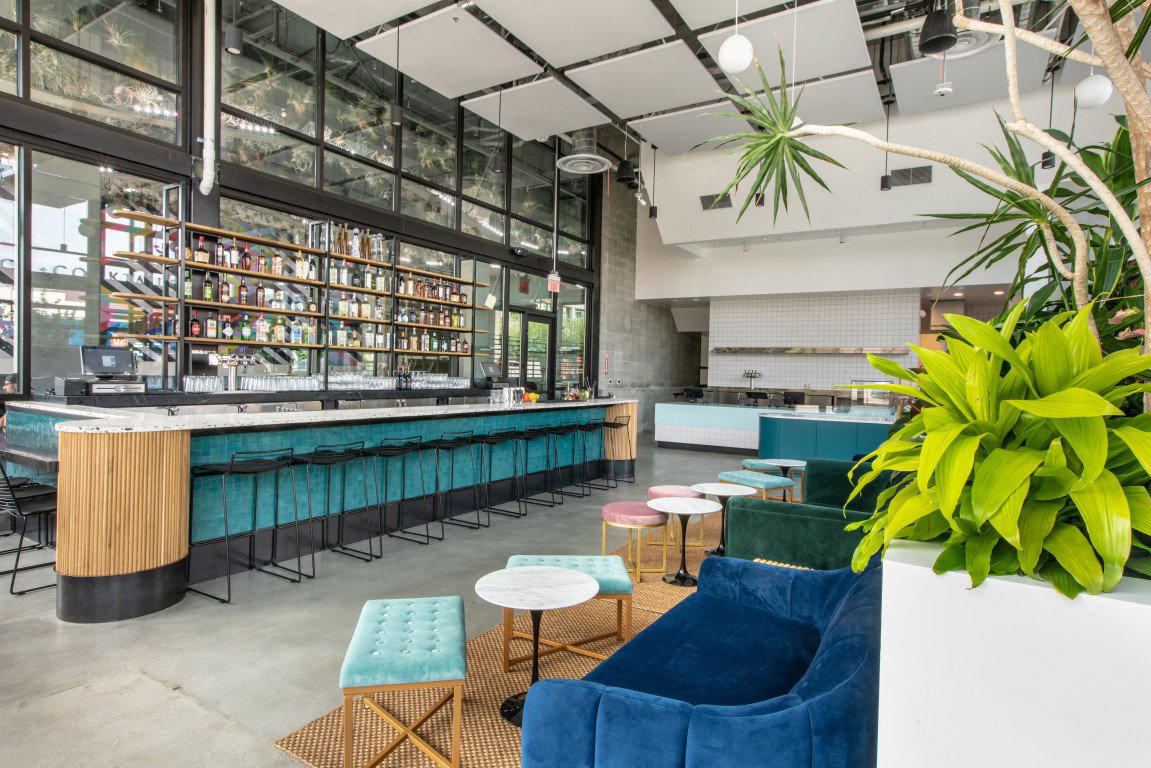
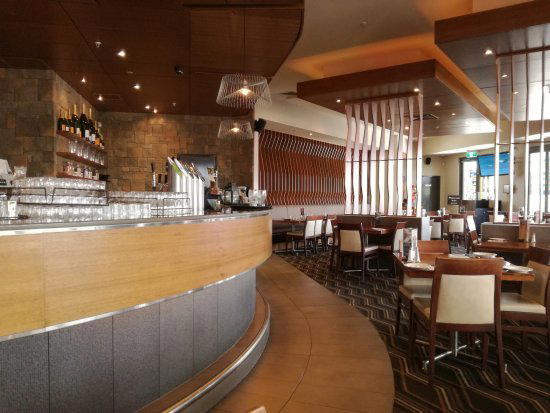
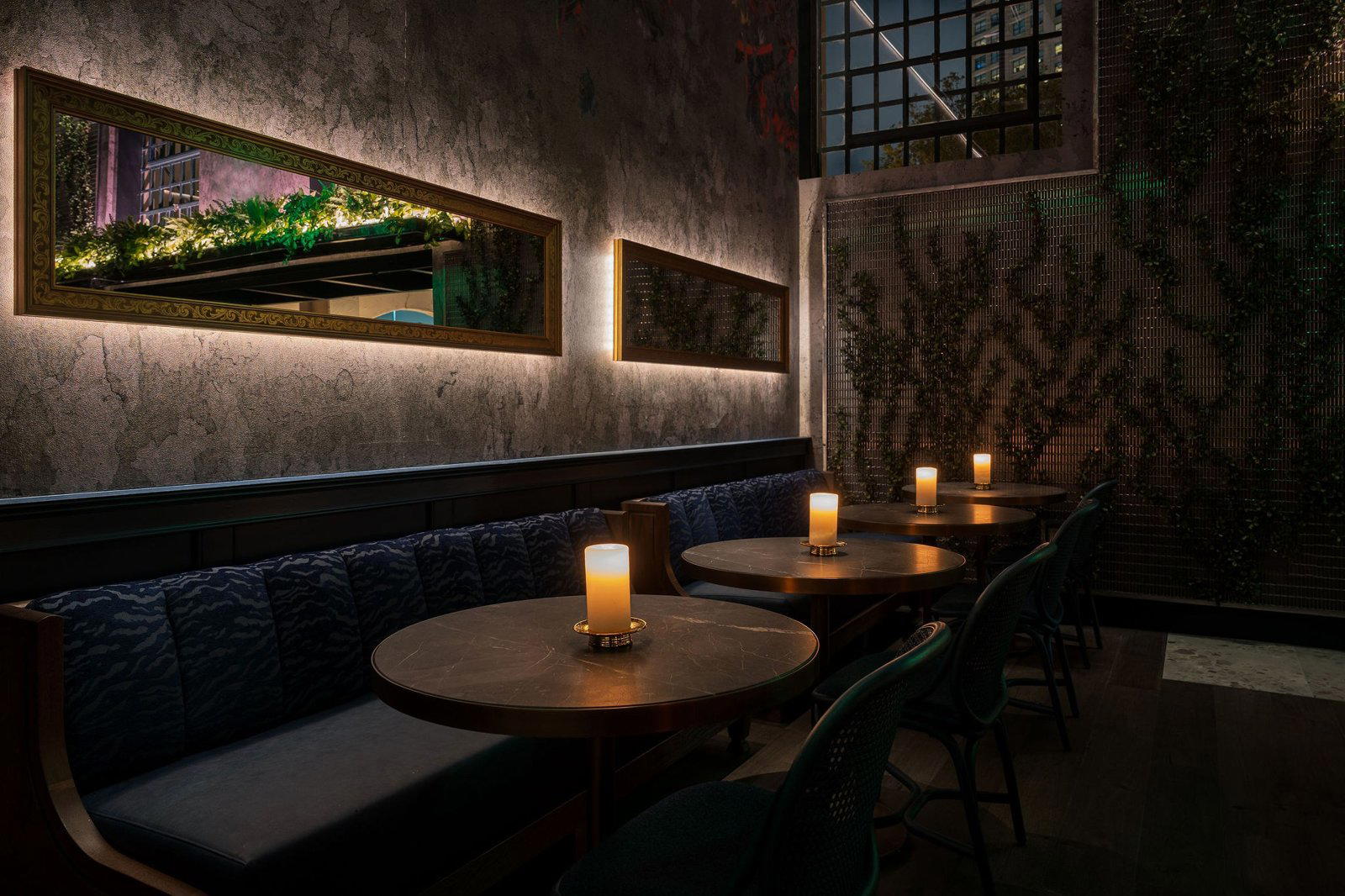
Rustic and vintage vibe with rich dark wood paneling, leather booths, and gleaming brass, creating a sexy, warm, and intimate atmosphere