Our verdict
Set within the former limestone quarry landscape of Bungenäs on northern Gotland's sibling island Fårö, Kalklada & Matsal operates at the intersection of raw industrial heritage and hyper-local Swedish cooking. The setting alone places it outside the usual coordinates of Swedish fine dining, and the kitchen's sourcing logic reflects the island's geography with unusual fidelity. For anyone making the journey to Fårösund, this is where the trip earns its rationale.

Pearl is the En Primeur Club membership app, where members save venues, book tables and use the concierge.
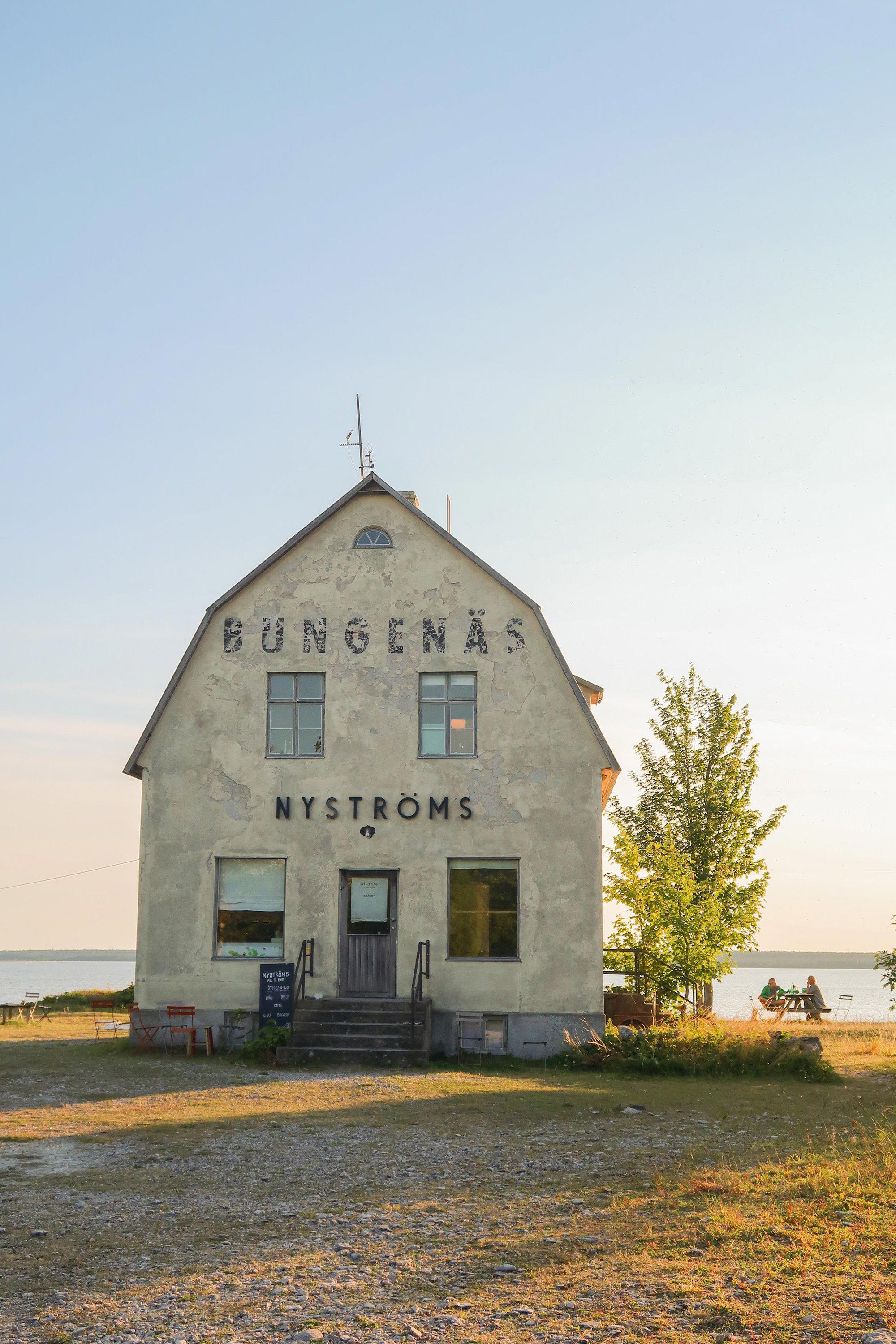
Where the Quarry Meets the Table
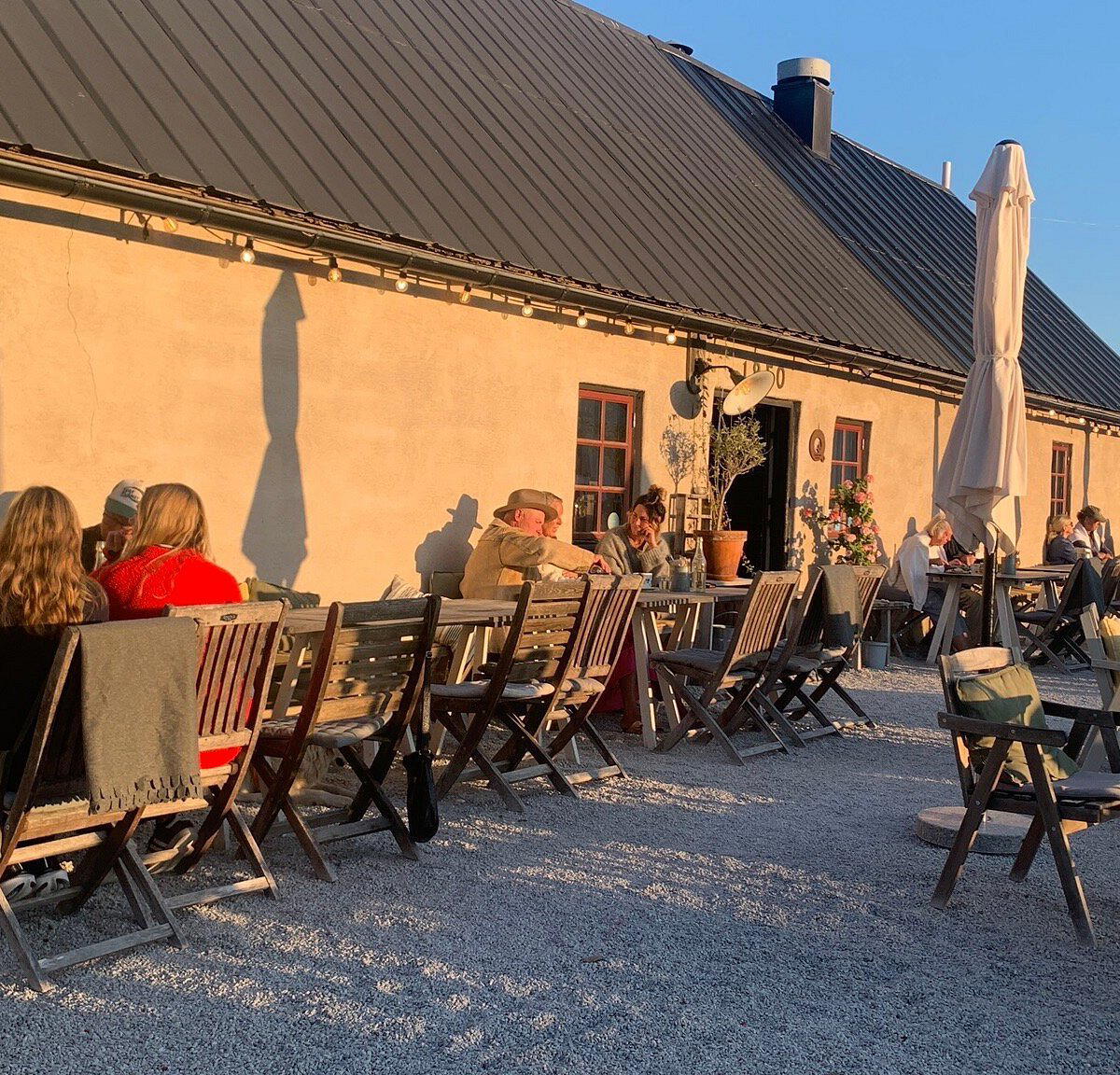
Fårö sits at the northern tip of Gotland, separated from the larger island by a narrow strait and accessible only by a short ferry crossing that most visitors never bother to take. That geographical friction is, in part, what makes Bungenäs Kalklada & Matsal possible. The restaurant occupies structures within the old Bungenäs limestone quarry, a site that operated for decades before its industrial life ended and the land entered a new chapter as a protected and culturally resonant place. Limestone walls, industrial bones, and the flat, wind-scraped topography of northern Fårö form the physical frame. The dining room sits inside a former kalklada, a lime barn, which means the architecture does none of the work a conventional restaurant fit-out would attempt. The materials are already there. The job of the room is to not interfere.
This is not a formula being applied from Stockholm or Copenhagen. The kind of destination dining that defines places like Fäviken in Kall, remote, ingredient-obsessed, seasonally uncompromising, has a clear lineage in Sweden, and Bungenäs sits within that tradition. The logic is simple: if you are making a diner travel this far, what arrives on the plate must justify the distance. That pressure tends to concentrate kitchens on what the land and water around them can actually deliver, rather than what can be imported to approximate an elsewhere.
Sourcing as Geography
The ingredient story at Bungenäs is, first and foremost, a Fårö story. The island's ecology is shaped by its limestone substrate, which drains quickly, concentrates minerals, and produces lamb, herbs, and foraged materials with a character specific to this patch of Baltic coast. Gotland lamb has long been recognised across Swedish cooking as carrying a distinct grassiness tied to the island's vegetation, and Fårö's northern edge intensifies that profile. What grows here does not grow the same way twenty kilometres south.
Sweden's coastal fine dining has increasingly oriented itself around hyper-local sourcing as a statement of intent rather than mere marketing. VYN in Simrishamn, operating at the €€€€ tier on the Österlen coast, frames its menu entirely through the surrounding coastline and farmland. ÄNG in Tvååker draws from the range of Halland with similar discipline. Bungenäs applies the same logic to a more extreme geography, an island within an island, where the supply chain is genuinely constrained by the ferry schedule and the growing season of the Baltic's northern reaches. That constraint is not a hardship to be worked around; it is the editorial line of the menu.
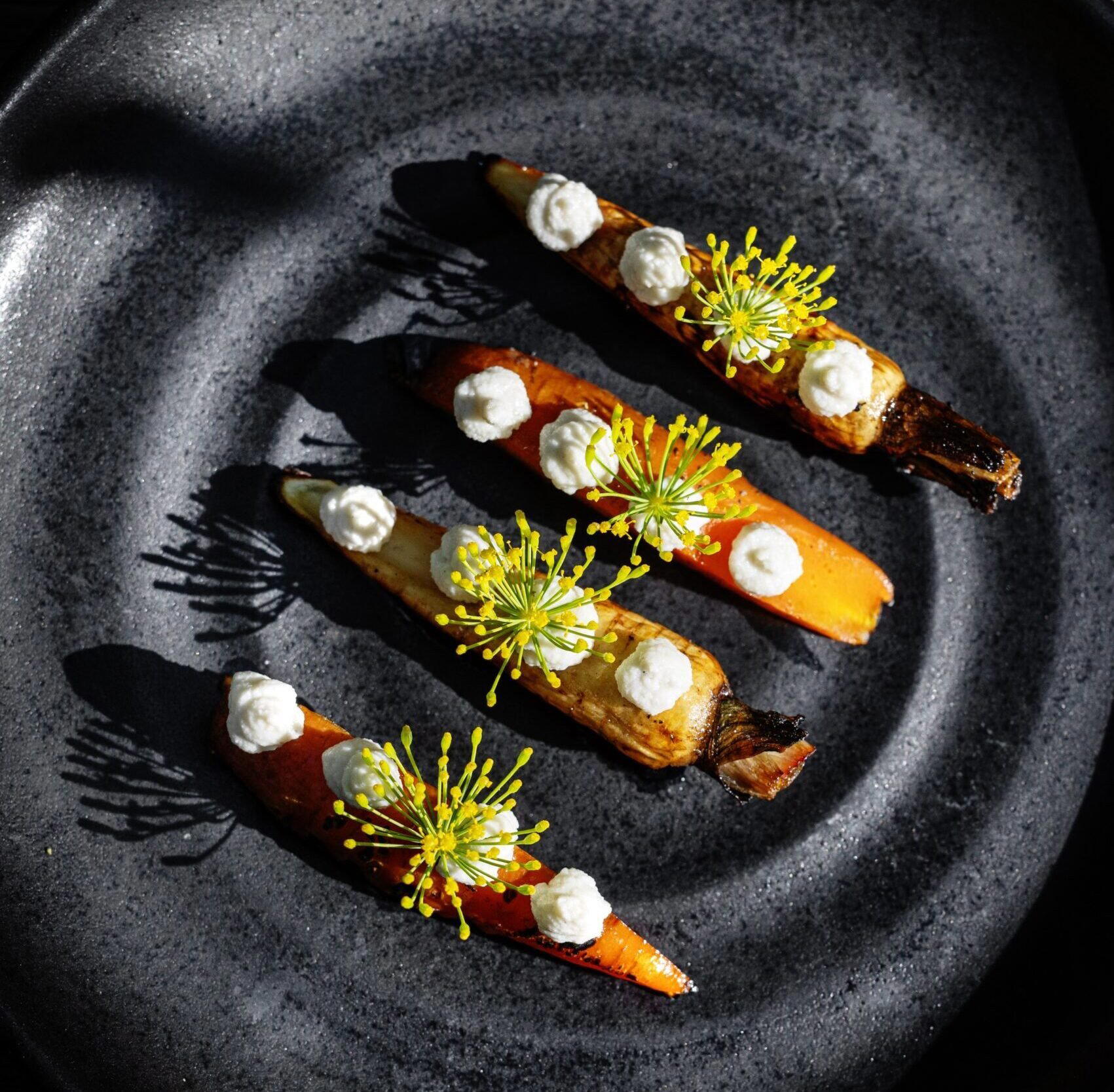
Fish from the surrounding waters, lamb from the island's interior, dairy from Gotland's established agricultural tradition, foraged coastal plants in the short Scandinavian summer: these are not selling points layered onto a pre-existing menu. They are the menu's structural conditions.
The Swedish Destination Dining Context
To understand where Bungenäs sits in the broader picture, it helps to map the spectrum of Swedish fine dining. At the upper end of the Stockholm scene, Frantzén operates at three Michelin stars with a kitchen that synthesises Nordic, Japanese, and French technique at the highest technical level. Vollmers in Malmö and PM & Vänner in Växjö represent the provincial fine dining tier, each working within a specific Swedish region at the €€€€ price point. Signum in Mölnlycke and Hoze in Gothenburg anchor the western corridor.
Bungenäs does not compete with any of these in the conventional sense. Its competitive logic is geographical rather than trophied. The diners who make it to Fårö are not choosing between Bungenäs and a Stockholm omakase counter. They have already committed to the island, and the restaurant operates as the place where that commitment is honoured at the table. That is a different kind of authority, one built on specificity of place rather than accumulated award signals. It is the same logic that made Fäviken a reference point before its closure, and the same argument made by a handful of American destination spots like Lazy Bear in San Francisco, where format and conviction substitute for metropolitan density.
Getting There and Planning the Visit
Fårösund is the point of crossing from Gotland to Fårö. Gotland itself is reached by ferry from Nynäshamn or Oskarshamn on the Swedish mainland, a crossing of roughly three hours, or by a short flight from Stockholm Arlanda. From Visby, Gotland's capital, the drive north to Fårösund takes around 45 minutes. The Fårö ferry from Fårösund runs regularly during summer months but operates on reduced schedules outside the high season, which runs roughly from midsummer through August. The Bungenäs site is in the northern part of Fårö, requiring onward transport from the ferry landing. Visitors without a car should plan this carefully. The practical implication is that Bungenäs functions almost exclusively as a warm-season destination, with the surrounding landscape at its most navigable and the local ingredient supply at its peak between June and September. Planning around that window is not optional, it is the premise of the visit.
For those building a broader Swedish coastal itinerary, the island-hopping logic extends naturally. Archipelago of Gothenburg in Styrso represents a comparable format on the west coast archipelago. Bistro Jarlen in Halmstad and Claesgatan 8 in Malmo fit a mainland southern Sweden circuit. Our full Farosund restaurants guide covers the wider area in more detail.
Frequently asked questions
Is Bungenäs Kalklada & Matsal okay with children?
The setting in Fårösund on Fårö island is rural and oriented toward a deliberate, place-specific dining experience, which tends to suit adults and older children more naturally than young families. Parents with younger children should check the venue's official channels before booking to confirm arrangements.
Is Bungenäs Kalklada & Matsal formal or casual?
The venue name references a kalklada, a limestone barn typical of Gotland's agricultural heritage, which signals an aesthetic rooted in rustic materiality rather than formal dining room convention. Expect an atmosphere closer to Nordic countryside informality than urban fine dining rigour. Neat, relaxed dress is consistent with what the setting suggests.
How do you get to Bungenäs Kalklada & Matsal on Fårö, and do you need a reservation?
The restaurant sits at Västra vägen, 624 64 Fårösund, at the Bungenäs site on Fårö island, which is reached by a short public ferry from Fårösund on Gotland's northern tip. Gotland itself requires a mainland ferry crossing from Nynäshamn or Oskarshamn, making the full journey a committed travel day from Stockholm. Given the logistical effort involved and the restaurant's remote profile within Swedish destination dining, booking well ahead of any visit is advisable.
What do regulars order at Bungenäs Kalklada & Matsal?
On an island of this scale and remoteness, the kitchen's sourcing geography is the menu's central logic, so regulars tend to orient around whatever reflects the current season and local catch rather than fixed signatures.
What part of town is Bungenäs Kalklada & Matsal in?
Bungenäs Kalklada & Matsal is located at Västra vägen, 624 64 Fårösund, Sweden, Farosund.
In Context: Similar Options
Comparable venues nearby, for context on price, style, and recognition.
| Venue | Cuisine | Awards | Notes |
|---|---|---|---|
| Bungenäs Kalklada & MatsalThis venue (the venue you are viewing) | Swedish with International and European influences | Not listed | Not listed |
| Broms - Restaurang & Bar | Modern Swedish Bistro | Not listed | Östermalm |
| Stadshuskällaren | Classic Swedish Fine Dining | Star Wine List · White Guide Sweden Restaurants - Very Fine Level | Riddarholmen |
| Stufvenäs Gästgifveri | Swedish Seasonal Cuisine | Star Wine List · Wine Spectator Best of Award of Excellence | Söderåkra |
| Restaurang Bolaget | French Bistro with Local Gotlandic Influences | Star Wine List | Stortorget |
Continue exploring
More in Farosund
Details
- Scenic
- Rustic
- Special Occasion
- Historic Building
- A La Carte
- Vegetarian Friendly
Fantastisk miljö in a former kalkbrott (limestone quarry), providing a scenic and distinctive dining atmosphere.