Bull Valley Roadhouse
Our verdict
Port Costa's Bull Valley Roadhouse occupies a weathered building on Canyon Lake Drive in one of the Bay Area's most quietly consequential small towns, a former grain-shipping port where the Carquinez Strait meets the delta. The kitchen draws on the surrounding agricultural region, placing it alongside a strain of Northern California cooking where proximity to the source is the organizing principle, not the decoration.

Pearl is the En Primeur Club membership app — saves, bookings, and concierge access live there. Same editors, same standards.
The menu
What to order
- Buttermilk fried chicken
- Pork stew
- Lamb ribs
A Port Costa Address in a Region That Takes Sourcing Seriously
Port Costa sits on the southern bank of the Carquinez Strait, about thirty miles northeast of San Francisco, in a stretch of Contra Costa County that most Bay Area residents pass through on the way to somewhere else. That is, broadly speaking, the point. The town peaked as a grain-shipping hub in the late nineteenth century, declined gracefully, and has spent the decades since accumulating a particular character: old saloons, a population measured in hundreds, and a physical setting hemmed in by hills and water that keeps the pace genuinely slow. It is the kind of place where a serious kitchen can operate without the pressure of a competitive restaurant row, and where the surrounding land and water supply a larder that urban kitchens spend considerable effort trying to replicate.
Bull Valley Roadhouse, at 14 Canyon Lake Drive, occupies a building that carries the visual weight of the town itself. The approach along the Carquinez Strait corridor and into Port Costa's single commercial strip is already doing editorial work before you arrive: you understand, without being told, that this is not a destination constructed for Instagram. The structure reads as belonging to the site rather than imposed on it, which in coastal Northern California is increasingly a deliberate design choice, but here feels structural to the place's history.
The Sourcing Logic of the Carquinez Region
Northern California's farm-to-table argument has been made so frequently over the past two decades that it risks becoming background noise. What separates a kitchen that genuinely organizes itself around regional supply from one that uses the language as marketing is operational specificity: what comes from where, how it reaches the kitchen, and whether the menu structure reflects seasonal availability rather than merely seasonal vocabulary.
The geography around Port Costa is instructive. The Sacramento-San Joaquin Delta to the northeast produces some of California's most varied agricultural output, from stone fruit and asparagus to crawfish and sturgeon. The Carquinez Strait itself has historically yielded striped bass and shad. Sonoma and Napa counties are within an hour's reach, as are the ranching areas of the inner Coast Range. A kitchen in Port Costa, if it chooses to use its location rather than ignore it, has access to a supply network that restaurants in San Francisco and Oakland spend significant budget and logistics effort approximating.
This is the regional context in which ingredient-driven American cooking at this price point and in this setting operates. Counterparts further along the farm-to-table spectrum, such as Single Thread Farm in Healdsburg or Blue Hill at Stone Barns in Tarrytown, make the sourcing architecture explicit in their format, running integrated farm operations that place supply chain control at the center of the dining proposition. Bull Valley Roadhouse operates in a different register, roadhouse-scaled and without the white-tablecloth signaling of those properties, but within a tradition that takes seriously the question of what the surrounding land actually produces.
How Bull Valley Compares Within the Northern California Scene
Northern California's dining geography has a clear upper tier anchored by formal tasting-menu operations. The French Laundry in Napa and Lazy Bear in San Francisco occupy the bracket where sourcing narrative and technical precision are co-equal selling points, and where the price reflects both. Below that tier, a wider and less codified category of kitchens operates with regional sourcing as a genuine commitment rather than a tasting-menu flourish. This is where a place like Bull Valley Roadhouse finds its peer group: restaurants that price accessibly, operate in non-urban settings, and whose identity is tied to a specific geographic moment rather than to a chef's personal platform.
The roadhouse format, specifically, carries its own sourcing logic. American roadhouse cooking at its most honest has always been place-specific: whatever the surrounding land and water produced, you cooked. The premium version of that tradition in contemporary California means applying technical care and supply chain thinking to what is essentially a democratic format. That is a different ambition from the one pursued at Addison in San Diego or Providence in Los Angeles, where formality and precision are central to the proposition, and it is not in competition with those formats. The question Bull Valley poses is whether the roadhouse idiom can hold serious cooking without straining the format, a question being asked in different registers at places like The Wolf's Tailor in Denver and Oyster Oyster in Washington, D.C., both of which press ingredient sourcing into formats that resist fine-dining convention.
The Wider Context: Ingredient-First Kitchens Across the Country
The sourcing-forward approach that defines this category of American cooking has been articulated at various points of the price and formality spectrum. Smyth in Chicago runs a tasting menu that draws on its own farm. Bacchanalia in Atlanta built its reputation on regional sourcing before the term became standard. Frasca Food and Wine in Boulder uses a regional framework tied to a specific Italian culinary tradition. What connects these operations, despite differences in format and price, is that the supply chain question comes before the menu question: you identify what the region produces with integrity, then you build around it.
At the other end of the formality axis, Le Bernardin in New York City, Atomix in New York City, and Atelier Moessmer Norbert Niederkofler in Brunico demonstrate that sourcing philosophy can operate at the highest price point and still function as the organizing principle. Port Costa is not Brunico or midtown Manhattan, but the underlying argument is the same: what you source determines what you can cook, and where you are determines what you can source. Bull Valley's location is, in that sense, an asset rather than a compromise.
Planning a Visit to Port Costa
Port Costa is accessible by car from the East Bay via the Carquinez Bridge corridor, and the drive along the strait adds to the sense of arrival. The town itself offers limited lodging, so most visitors come from the wider Bay Area on a day or evening trip. Given the venue's profile as a destination rather than a neighborhood option, checking current hours and booking availability directly before planning a visit is advisable; the town's low-traffic character means operating schedules can vary. For broader context on what Port Costa and the surrounding Contra Costa and Solano County area offer, see our full Port Costa restaurants guide.
Those building a wider Northern California itinerary around serious eating might also consider Emeril's in New Orleans and ITAMAE in Miami as reference points for how regional ingredient identity anchors a kitchen's identity across very different geographic and culinary contexts. And for those for whom the sourcing conversation is the primary interest, The Inn at Little Washington in Washington remains one of the more complete American examples of how place-specific supply can sustain a kitchen over decades.
Frequently asked questions
Would Bull Valley Roadhouse be comfortable with kids?
Port Costa itself is a small, unhurried riverside town, and Bull Valley Roadhouse sits on Canyon Lake Drive in that same low-key register. The roadhouse format generally skews toward adults seeking a destination meal, but the relaxed setting is far from a formal dining room. Families with older children who can sit through a proper dinner would likely find it manageable; it is not set up as a children's dining destination.
What's the overall feel of Bull Valley Roadhouse?
Bull Valley Roadhouse carries the atmosphere of a genuine roadhouse: unfussy, rooted in place, and more interested in what is on the plate than in performance. Port Costa is a small Contra Costa County town on the Carquinez Strait with a distinct character of its own, and the restaurant fits that setting rather than working against it. The experience is closer to a serious neighborhood local with a strong sourcing ethos than to a polished urban dining room.
Is Bull Valley Roadhouse worth the drive from San Francisco or the East Bay?
Port Costa sits roughly thirty miles northeast of San Francisco via the Carquinez Bridge corridor, making it a credible destination for a half-day or evening out rather than a casual detour. Bull Valley Roadhouse at 14 Canyon Lake Drive is the kind of address that Northern California diners treat as a reason to make the trip, not an afterthought to one. The drive along the strait is part of the proposition, and the town's quiet scale means the restaurant absorbs most of the area's dining attention.
What do people recommend at Bull Valley Roadhouse?
What the Northern California sourcing context does indicate is that kitchens in this part of Contra Costa County draw on Capay Valley, Delta, and Bay Area producers, meaning the menu is likely to shift with season and availability. Visiting with an open approach to whatever the kitchen is running tends to serve guests better than arriving with a fixed dish in mind.
Where do I go for Bull Valley Roadhouse?
Bull Valley Roadhouse is located at 14 Canyon Lake Dr, Port Costa, CA 94569, Port Costa.
How hard is it to get a table at Bull Valley Roadhouse?
Port Costa draws a loyal East Bay and San Francisco crowd precisely because there are very few dining options in town, which concentrates demand at the handful of spots that exist. Bull Valley Roadhouse, as one of the area's known addresses, can fill up on weekends without much notice. Booking ahead, particularly for Friday and Saturday evenings, is the practical approach; walk-in availability on quieter weeknights is more likely.
Side-by-Side Snapshot
Comparable venues nearby, for context on price, style, and recognition.
| Venue | Cuisine | Price | Awards | Notes |
|---|---|---|---|---|
| Bull Valley RoadhouseThis venue — the venue you are viewing | Farm-Fresh American Comfort | $50–100 | Not listed | Not listed |
| Range | Modern California-Inspired American | Not listed | Not listed | Mission |
| Bar Betsy | Seasonal all-day cafe and wine bar | $30–50 | Not listed | Altadena |
| Brix | Farm-to-Table California with French and Italian Influences | Not listed | Not listed | Oakville |
| Charlie’s | New American | $30–50 | Wine Spectator Best of Award of Excellence · Wine Enthusiast Best Wine Restaurants | Historic Shopping District |
| Brasswood Bar + Kitchen | Farm-to-Table American | Not listed | Not listed | St. Helena |
Continue exploring
More in Port Costa
Restaurants in Port Costa
All restaurants in Port Costa →
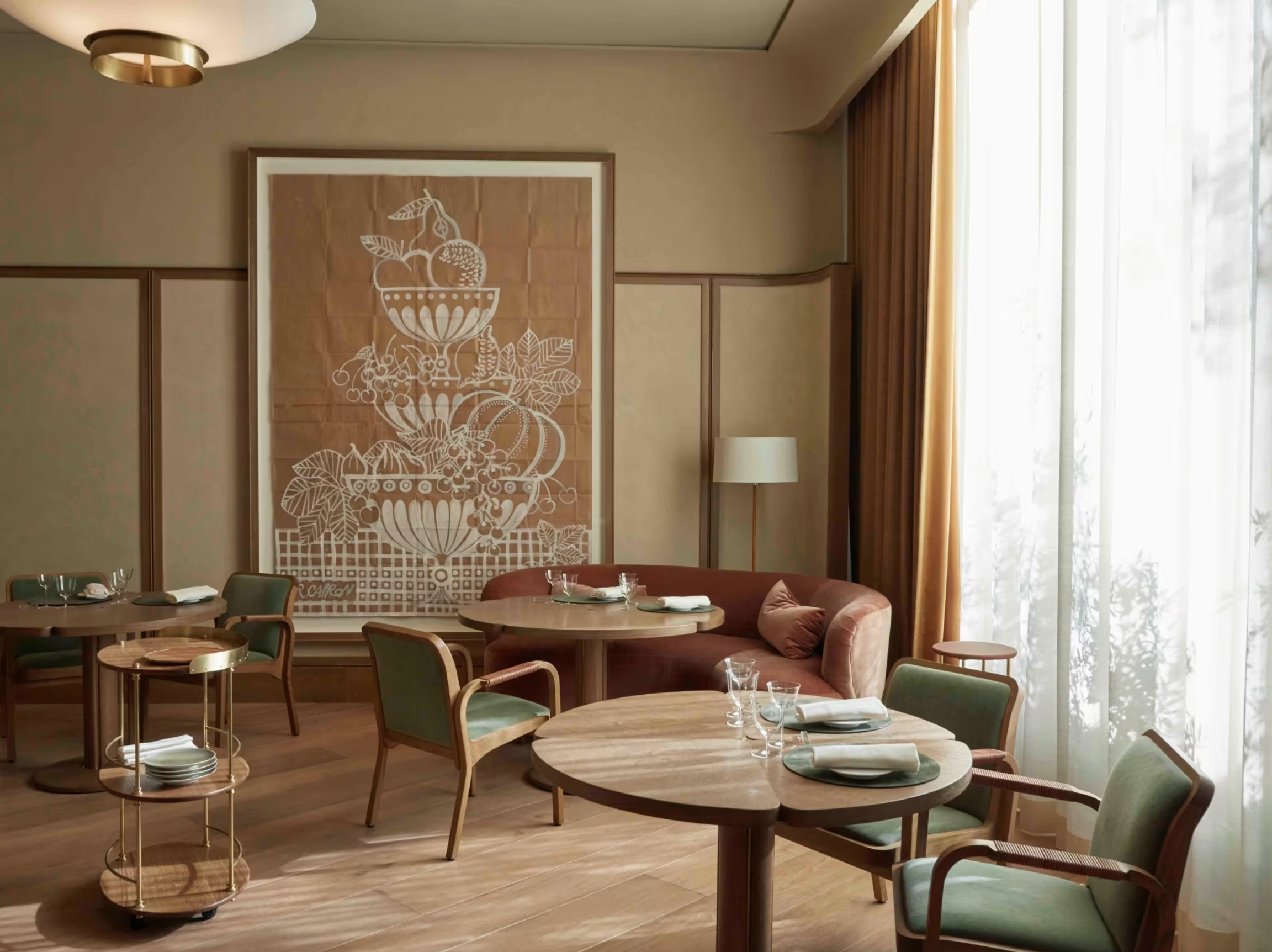
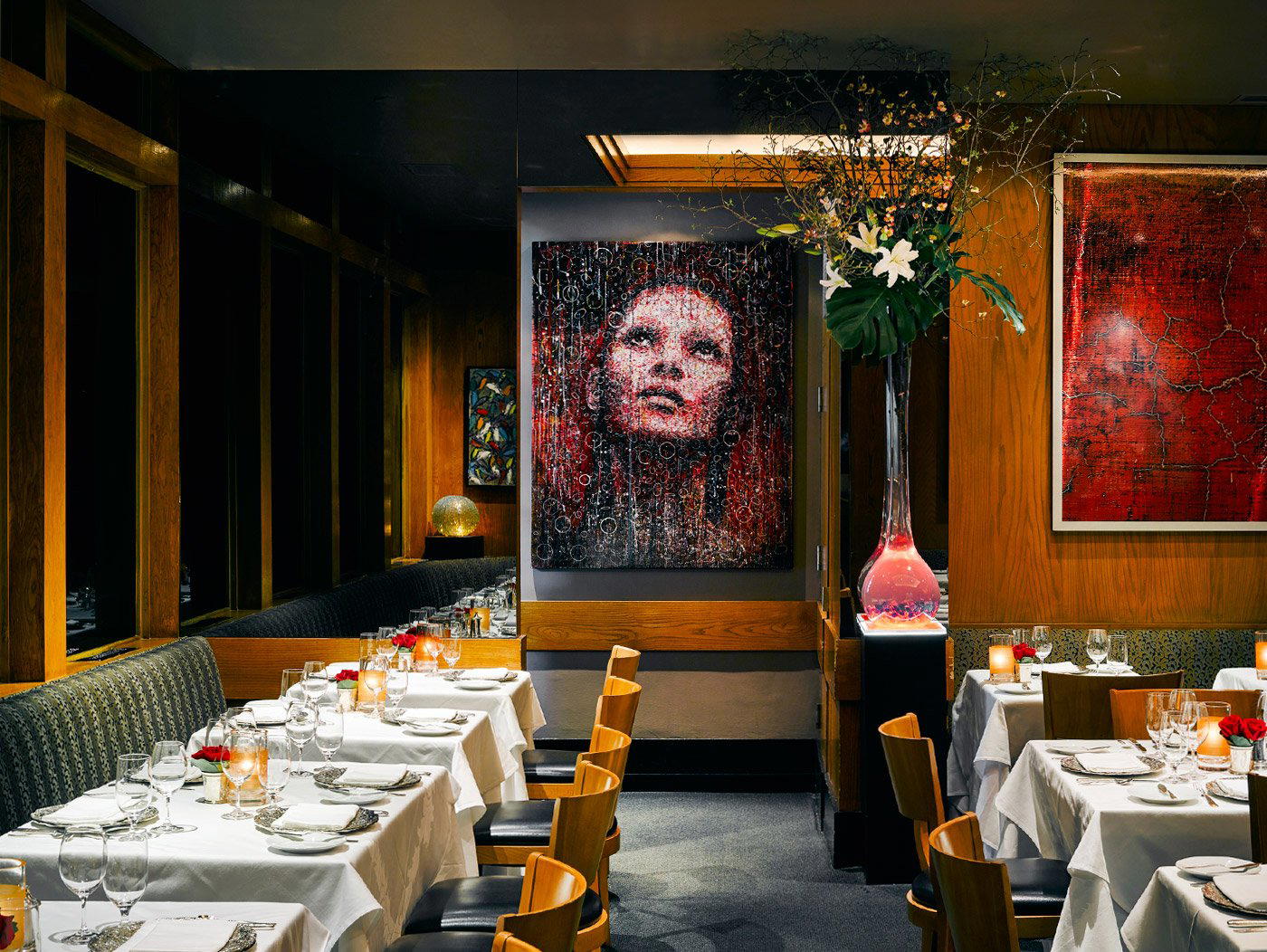
Bars in Port Costa
Browse all →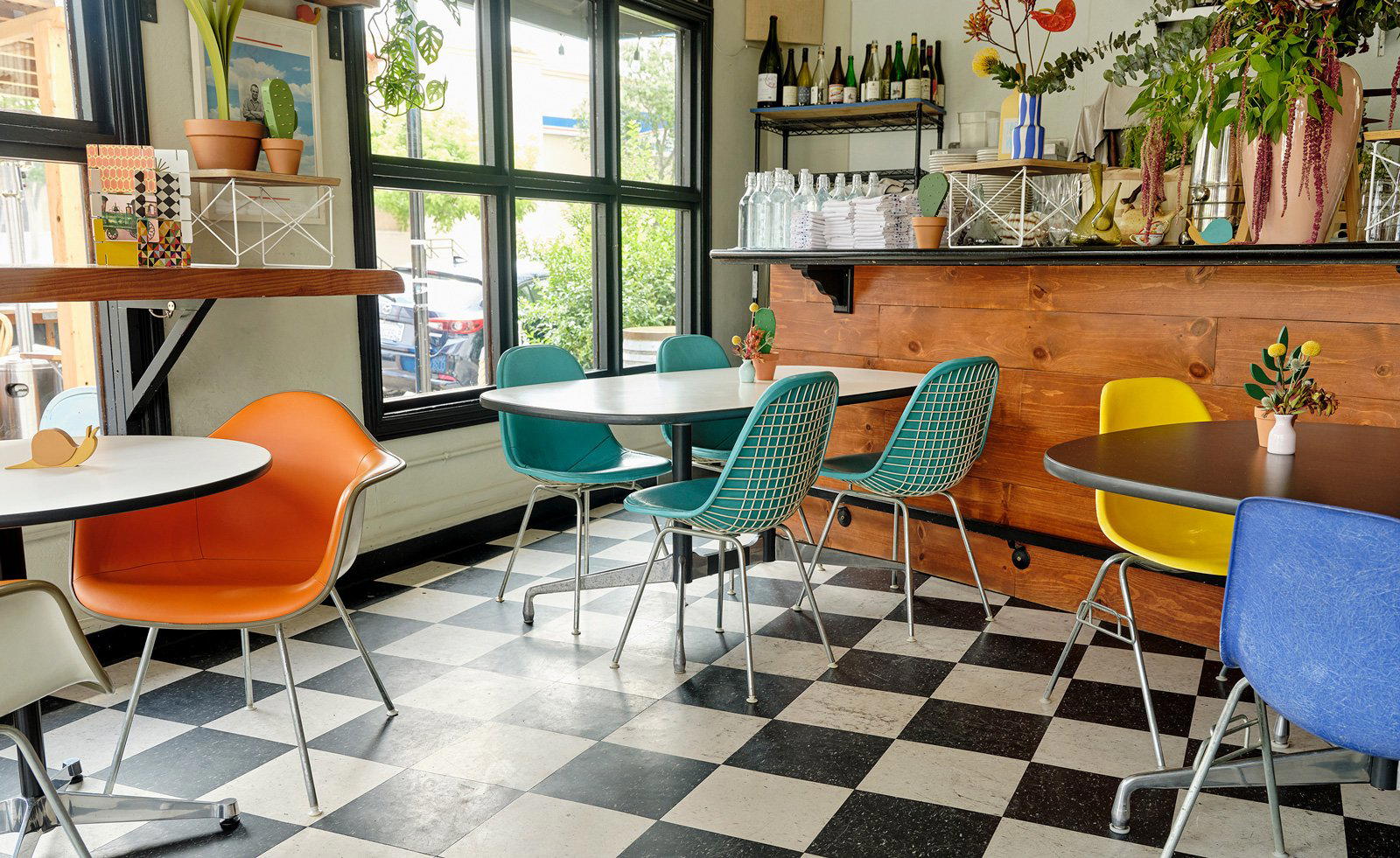
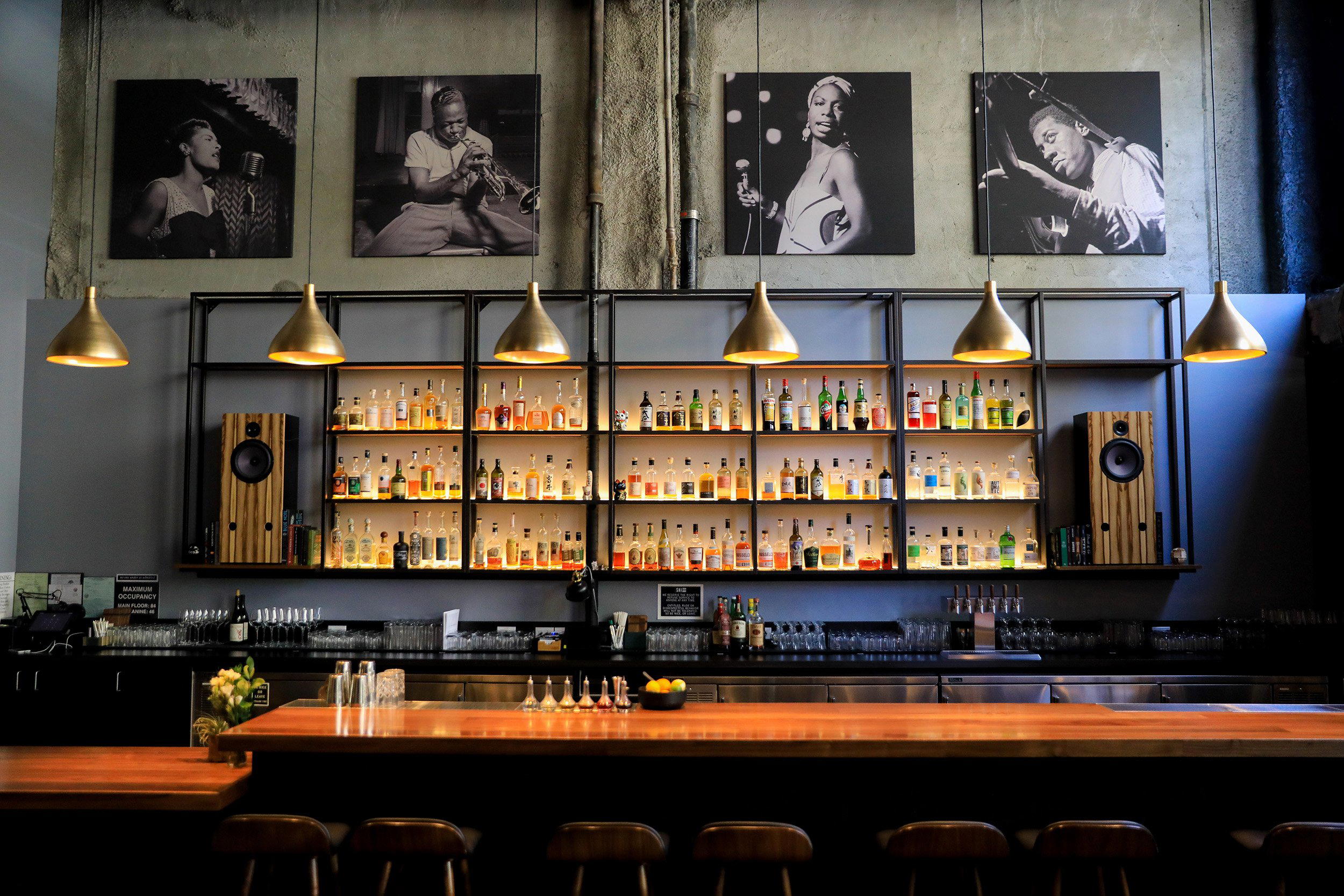
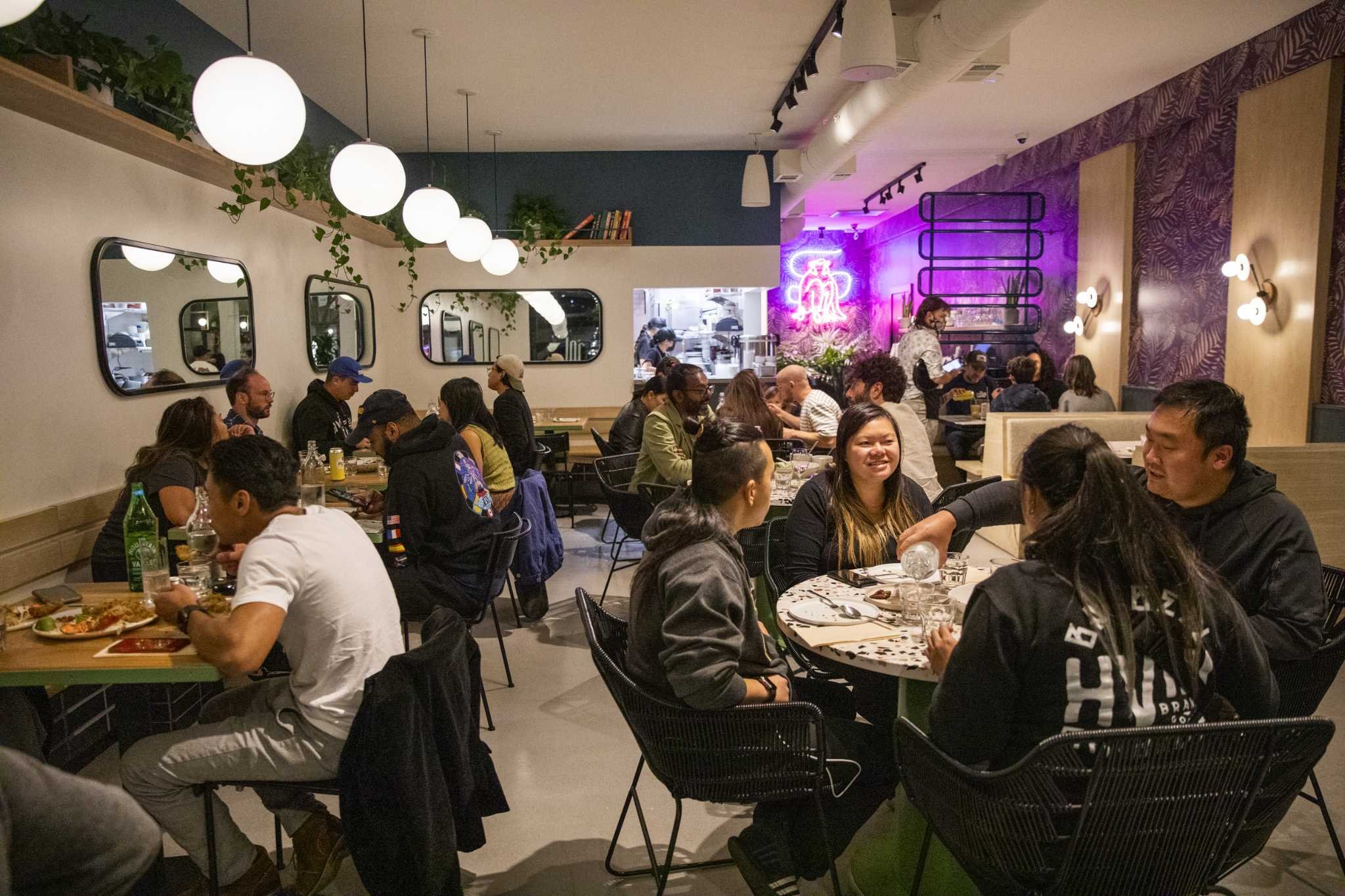
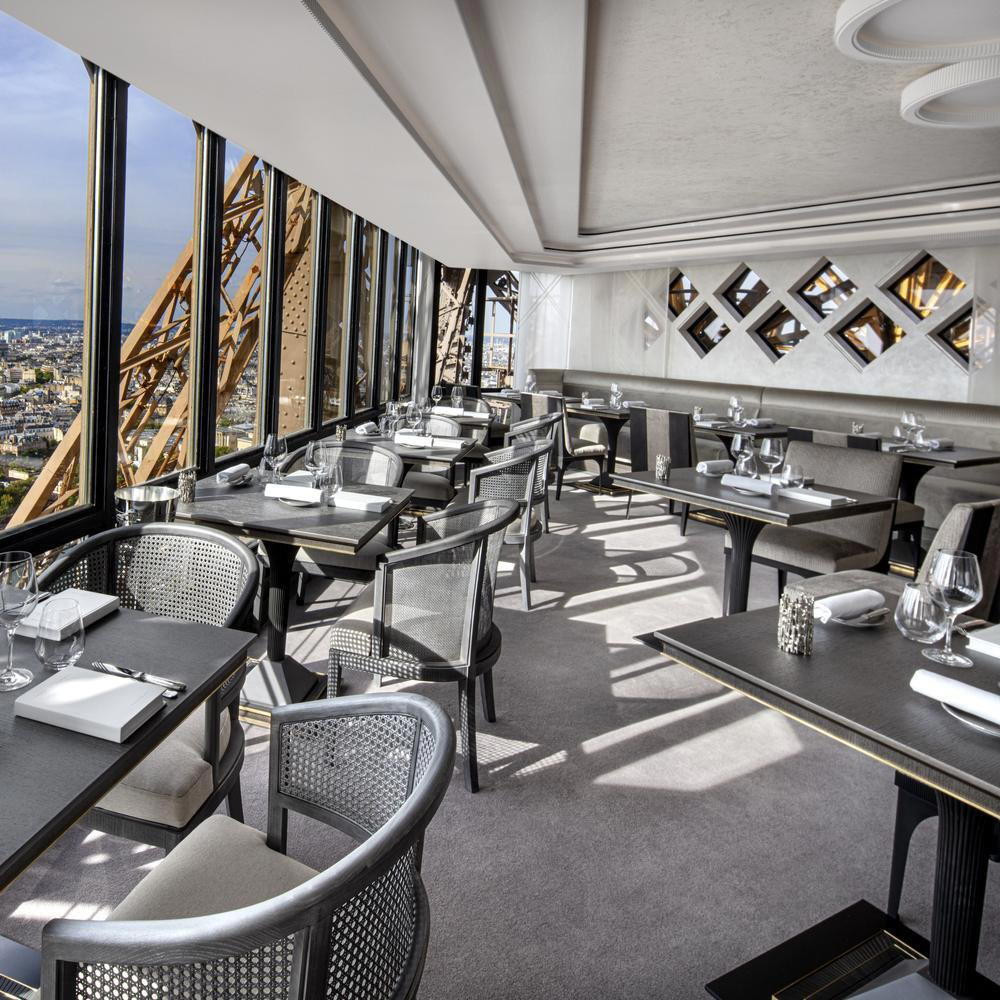
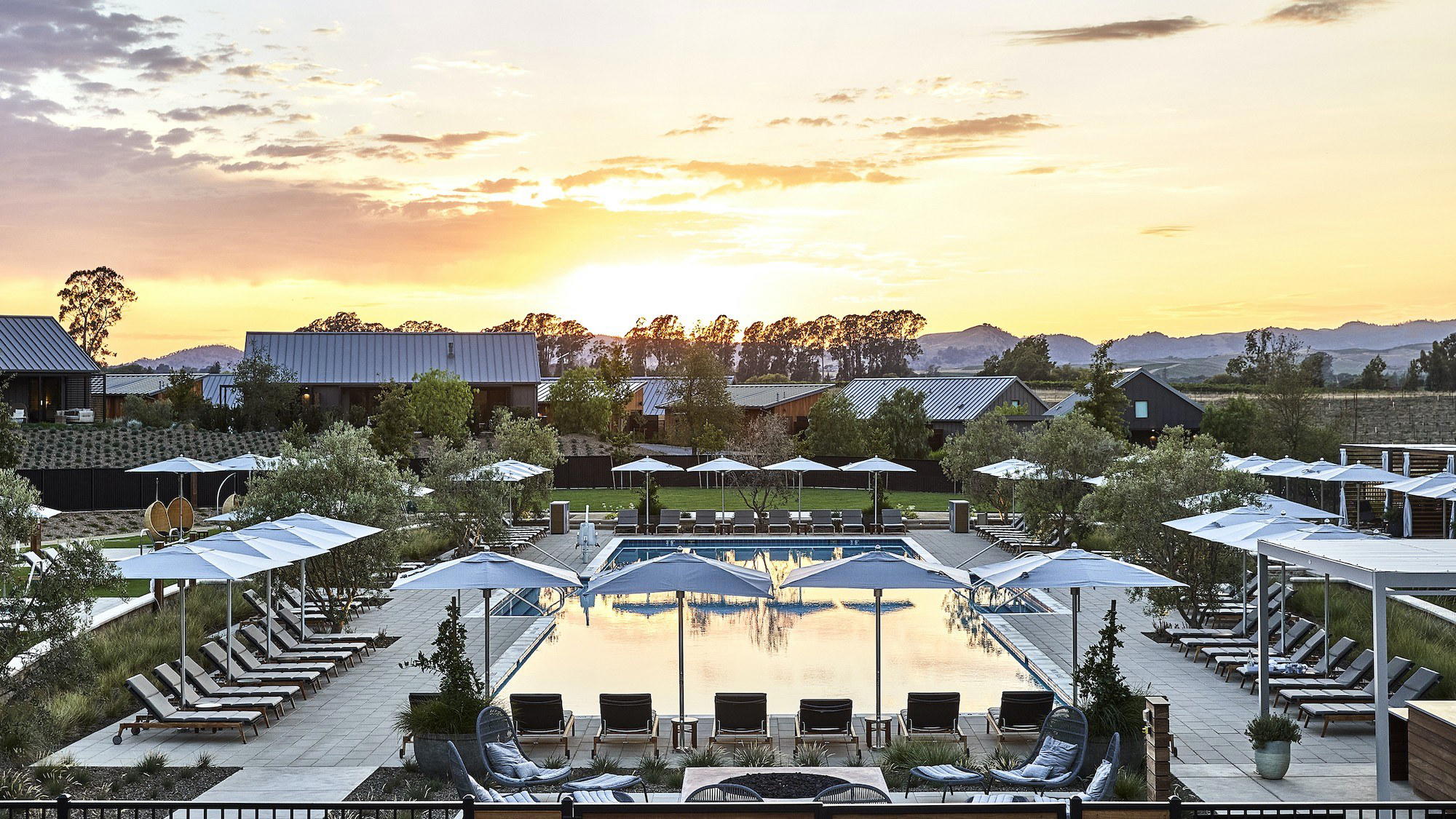

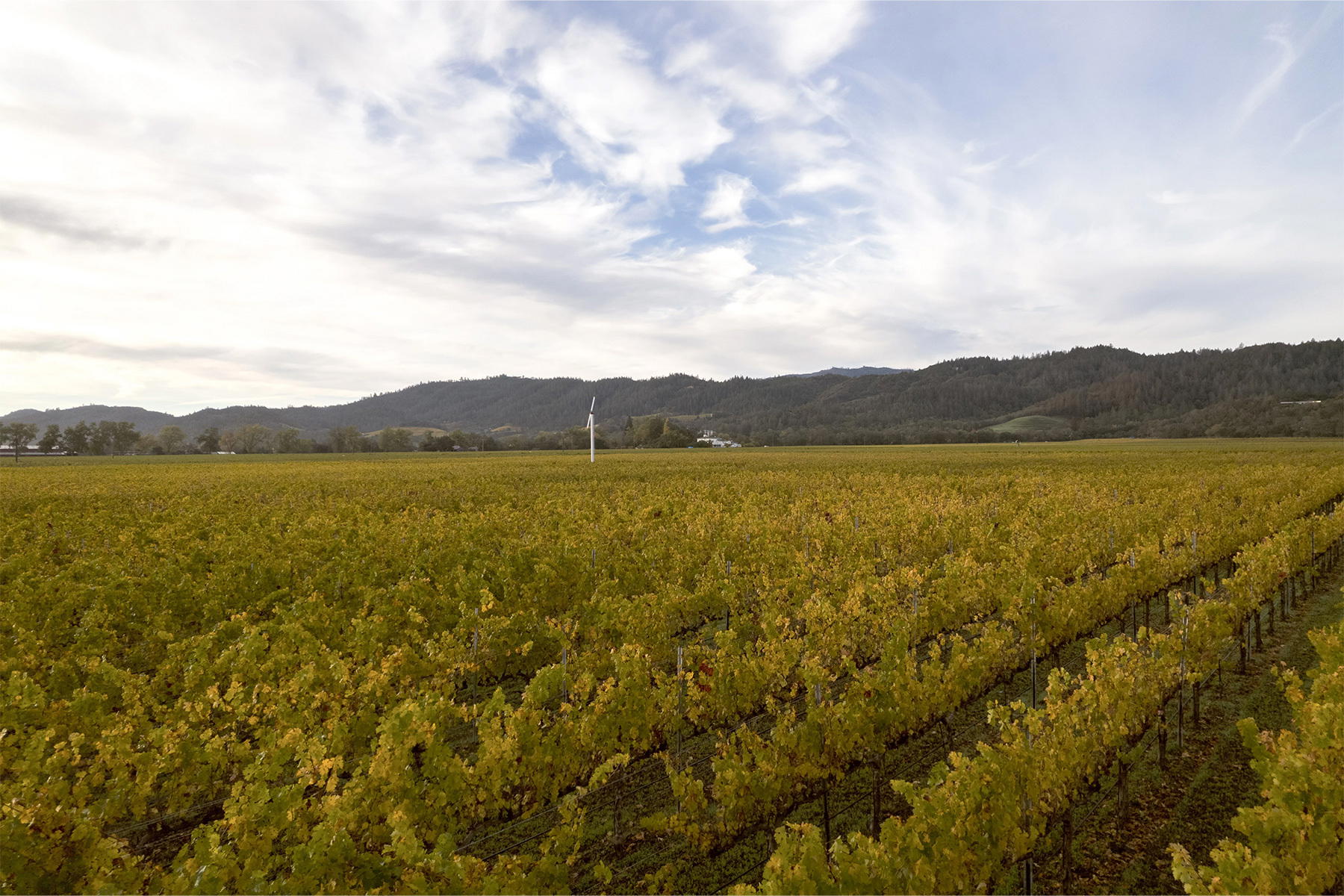
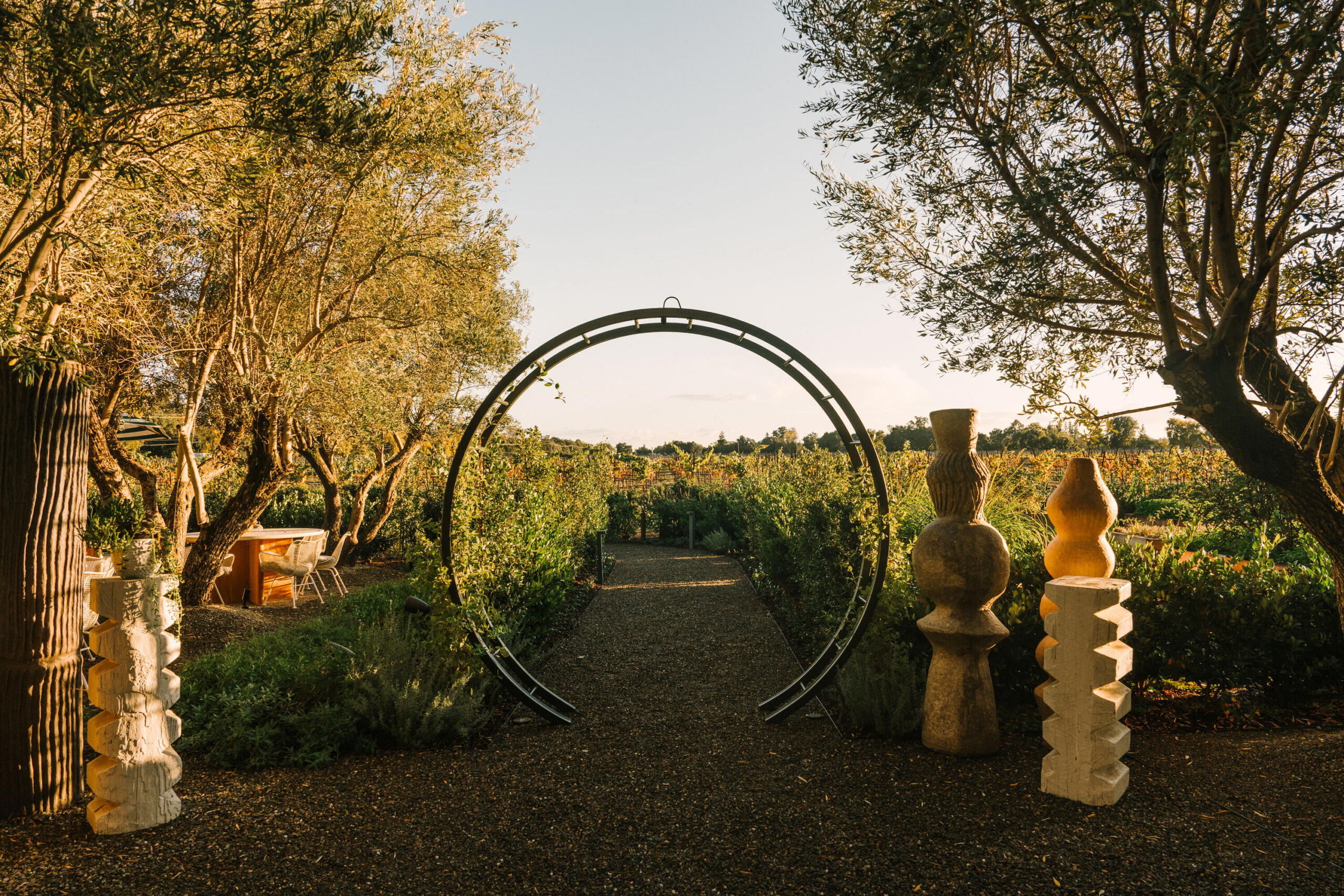
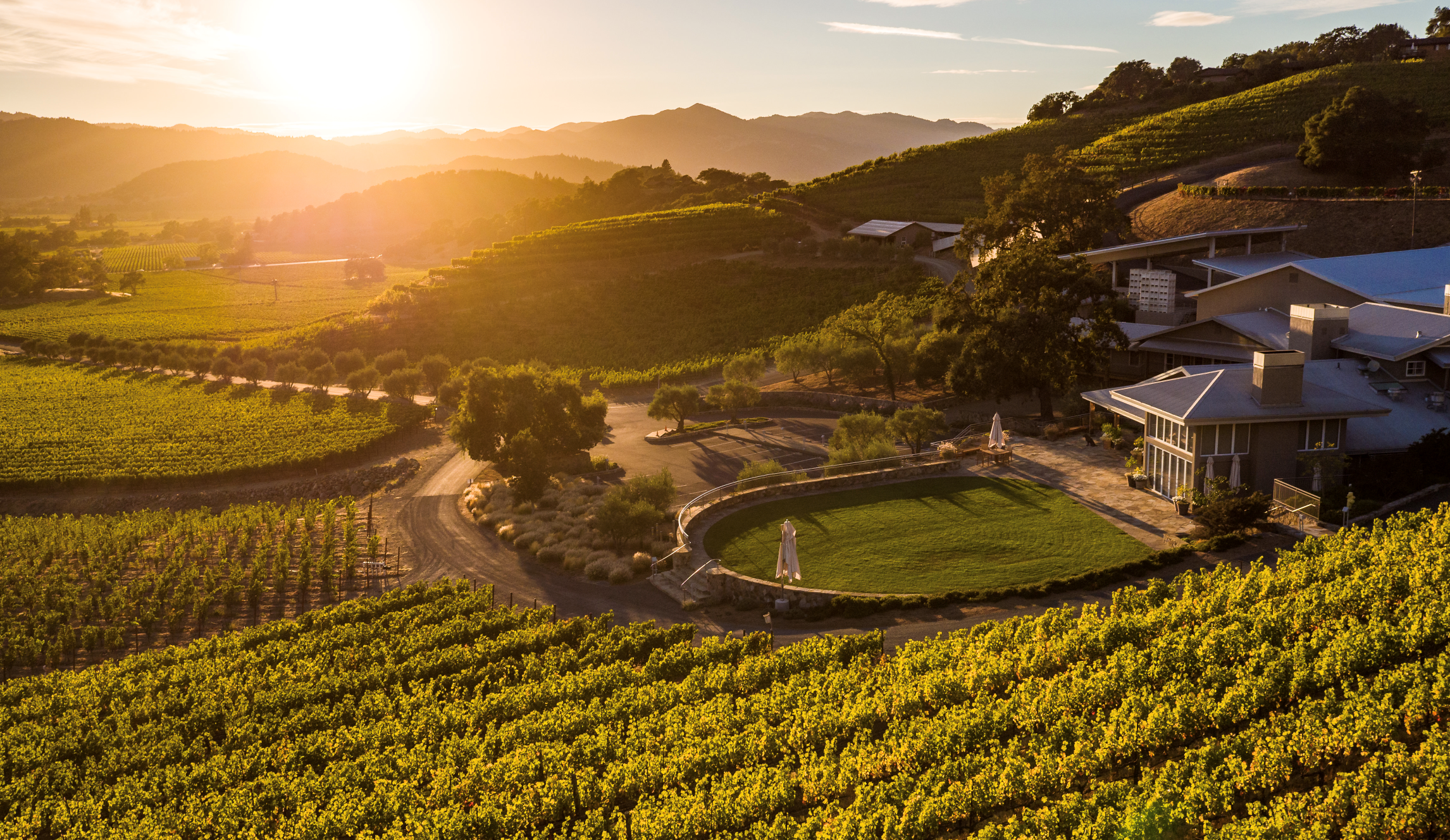
Bull Valley Roadhouse
The wine
- Wine program
- Curated wine list
- Craft cocktails
Details
- Rustic
- Cozy
- Historic
- Intimate
- Group Dining
- Special Occasion
- Celebration
- Historic Building
- Private Dining
- Craft Cocktails
- Farm To Table
- Local Sourcing
- Family Style
- A La Carte
- Craft Cocktails
- Vegetarian Friendly
- Vegan Options
- Gluten Free Options
Current opening hours
- Monday
- 5–9 PM
- Tuesday
- 5–9 PM
- Wednesday
- 5–9 PM
- Thursday
- 5–9 PM
- Friday
- 5–9 PM
- Saturday
- 12–9 PM
- Sunday
- 11 AM–8 PM
Hours can change for holidays and private events. Last verified .
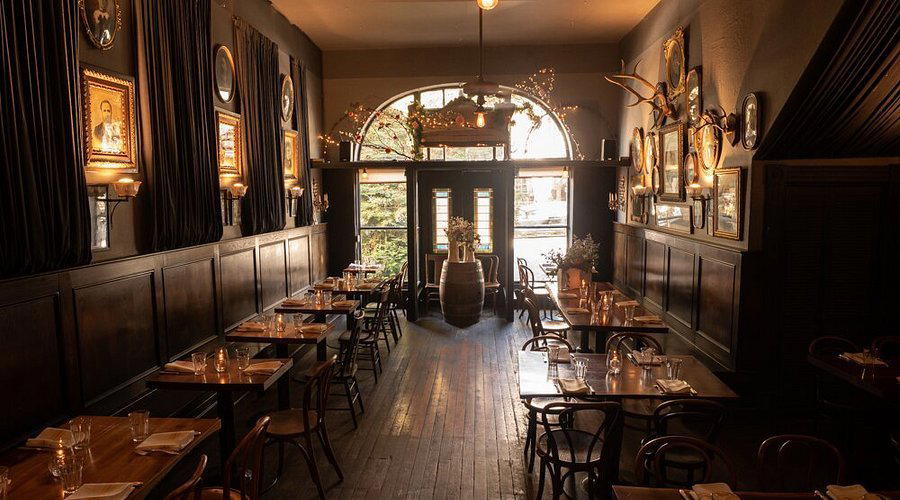
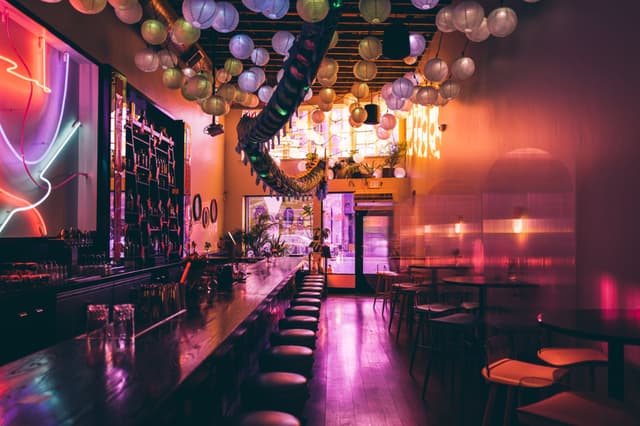
Charming restored Victorian-era interior with historic decor, cozy bar, warm lighting, and retro-modern homey atmosphere.