Bukhari sits in Punakha, where restaurant culture is shaped less by tasting-menu theatre than by valley agriculture, rice, chillies, dairy, and the rhythms of visitors moving between dzongs, river valleys, and lodge dining rooms. The useful way to read it is through sourcing and setting: a Punakha meal carries more meaning when it reflects the produce and altitude around it rather than chasing imported luxury cues.
Pearl is the En Primeur Club membership app — saves, bookings, and concierge access live there. Same editors, same standards.
- Address
- Botokha Kabesa Punakha, Punakha (main restaurant area)
- Directions
- Get directions
 Saves & bookings on Pearl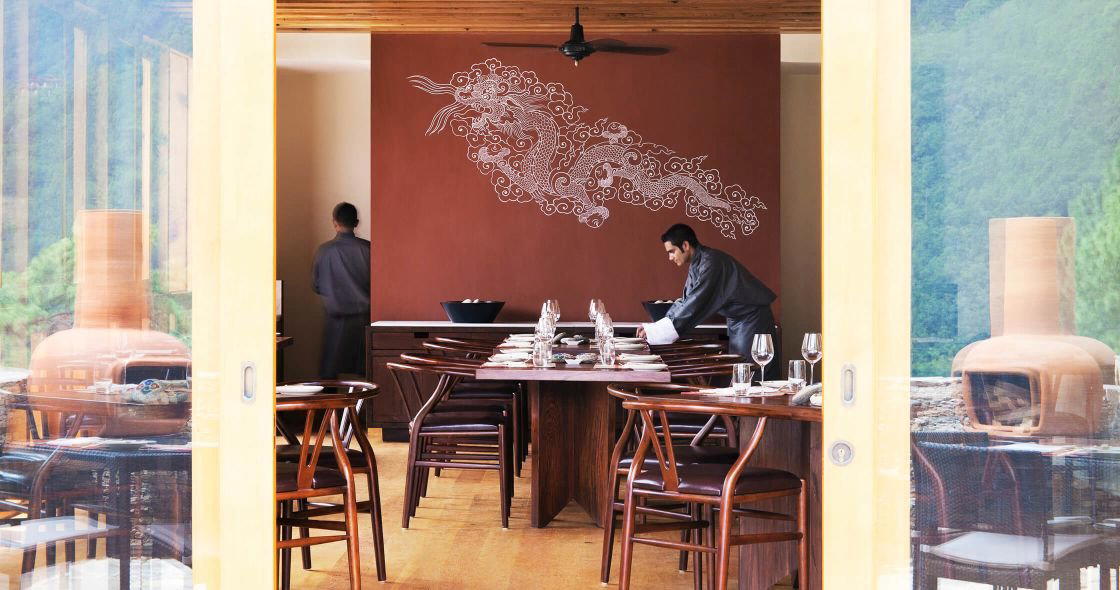
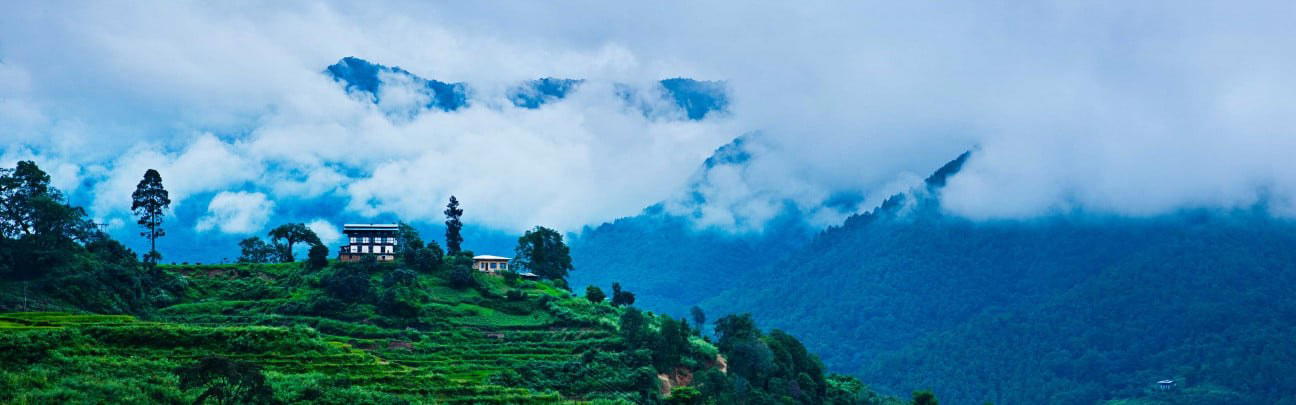
Approaching a restaurant in Punakha is not the same exercise as arriving for dinner in a capital-city dining district. The valley sets the terms first: terraced fields, a slower road tempo, the presence of the rivers, and a food culture in which heat, dairy, grains, and seasonal vegetables carry more authority than polished room theatre. Bukhari belongs to that context. Its relevance is not in a public awards trail or chef mythology, but in how a meal in Punakha can register the agricultural logic of western Bhutan.
Punakha dining is strongest when the valley remains visible on the plate
The mistake many travellers make in Bhutan is to judge restaurants by the signals used in larger Asian dining capitals: imported ingredients, long menus, trophy techniques, and branded chef narratives. Punakha rewards a different reading. The valley’s food identity is tied to cultivated land, river-fed agriculture, dairy, rice, chillies, and the way hospitality adapts to both local households and high-end itineraries. In that setting, Bukhari is better understood as part of Punakha’s small restaurant field rather than as a destination built around spectacle.
Ingredient sourcing matters here because Bhutanese cooking has a narrow emotional register when stripped from place. Chillies are not garnish; cheese and butter are structural; rice is not a neutral base. A serious Punakha table needs to make those foundations feel local rather than decorative. The broader comparison is useful: Folk Heritage Museum Restaurant in Kawang frames food through heritage presentation, while Woodshed in Gangtey sits in a colder highland context where lodge dining and landscape-driven menus carry a different weight. Punakha’s appeal is warmer, more agricultural, and often more immediate.
That distinction also separates Punakha from quick-service or single-format eating elsewhere in the region. A momo counter such as Wangchen Momo Corner in ཐིམ་ཕུུུུ answers a different need: speed, familiarity, and repetition. Bukhari belongs to the slower category, where the useful question is whether the meal helps a visitor understand the valley’s pantry, not whether it mimics urban dining trends.
The room should be read against Bhutan's lodge-and-valley restaurant culture
Punakha does not have the density of a restaurant city. Dining is often folded into broader travel patterns: mornings at religious sites, afternoons along river roads, evenings shaped by lodge schedules and early darkness. That gives restaurants a particular role. They are less about late-night energy and more about anchoring a day in place. Bukhari’s position in the main restaurant area of Punakha places it within that practical circuit, useful for travellers who want a meal that belongs to the valley rather than a detour built around imported glamour.
The absence of a visible international awards profile is not a weakness in this category. Bhutan’s restaurant scene operates outside the heavily ranked ecosystems that define Tokyo sushi counters, Copenhagen tasting rooms, or New York cocktail bars. The better trust signal is contextual: Punakha itself has a concentrated hospitality identity, with visitors arriving for culture, landscape, and the dzong rather than for a competitive restaurant crawl. In that environment, a restaurant’s credibility comes from fit, restraint, and how clearly it reflects local produce and eating habits.
For readers mapping a broader stay, Bukhari makes more sense alongside city-level planning than as an isolated pin. Start with Our full Punakha restaurants guide, then match meals to lodging through Our full Punakha hotels guide. Punakha’s drinking culture is quieter than in larger Asian cities, but Our full Punakha bars guide is useful for planning the evening rhythm, while Our full Punakha experiences guide helps connect food decisions to the valley’s cultural pacing. Our full Punakha wineries guide is better read as a category check than as a promise of a wine-region itinerary.
How to place Bukhari within a wider eating itinerary
Travel dining now splits into two habits: chasing recognizable formats everywhere, or letting a place dictate the meal. Punakha is stronger under the second approach. A restaurant here does not need the technical grammar of Jōdo Saké Bar in Los Angeles, the compact specialization of Onigiri Time in Pasadena, or the single-dish focus implied by -Grilled beef Sukiyaki- KAMAKURA TANUKIAN 鎌倉 たぬき庵 in Kamakura. Those venues belong to cities where format is often the headline. Punakha asks for attention to agriculture, altitude, and the way a quieter meal can carry cultural information.
That does not mean every traveller needs to eat only Bhutanese food for the duration of a trip. It means the strongest meals in Punakha should clarify where they are. In global dining cities, a table is defined by a narrow category: ¡Salud! in Los Angeles, ¡Toma! in Liège, ¿CóMO? Taperia in Vancouver, and ¿Por Qué No? in Portland all signal cuisine or bar identity quickly. Punakha’s restaurant language is subtler. Bukhari’s editorial value lies in whether it keeps the meal connected to the valley rather than turning dinner into a placeless hotel exercise.
For travellers building a wider EP Club shortlist, contrast sharpens the point. A Tokyo seafood-and-grill listing such as. 鮪と炭火焼き うお炭 秋葉原店 in Tokyo, a French neighborhood address like.... Et la Fourmi in Nantes, and a compact Japanese café such as.cafe in Osaka all operate in markets where choice is abundant and specialization is legible. Punakha offers fewer signals, so judgment shifts to context: what the food says about the valley, how naturally the room fits the day, and whether the table helps make Bhutan feel specific rather than generic.
In Context: Similar Options
Comparable venues by cuisine and price in the same metro.
| Venue | Cuisine |
|---|---|
| Bukhari | This venue |
Recognition history
Dated appearances from independent guides and award organizations, with the underlying list record or original source where available.
World Culinary Awards Bhutan's Best Restaurant 2025 #1
World Culinary Awards
Continue exploring
More in Punakha
Restaurants in Punakha
Browse all →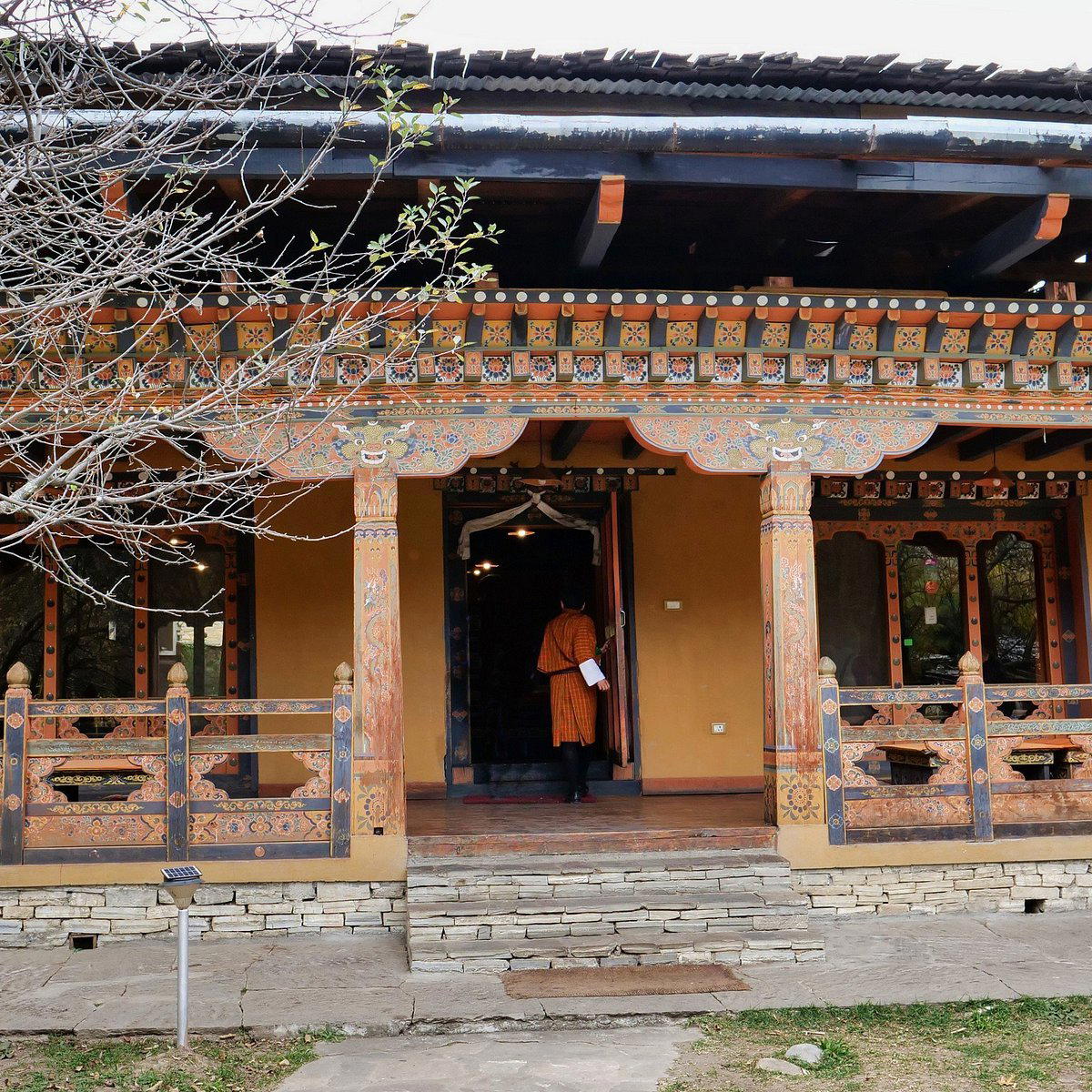
At a Glance
- Scenic
- Intimate
- Elegant
- Cozy
- Rustic
- Romantic
- Special Occasion
- Date Night
- Celebration
- Business Dinner
- Group Dining
- Family
- Waterfront
- Panoramic View
- Design Destination
- Hotel Restaurant
- Craft Cocktails
- Extensive Wine List
- Zero Proof
- Farm To Table
- Organic
- Local Sourcing
- Waterfront
- Mountain
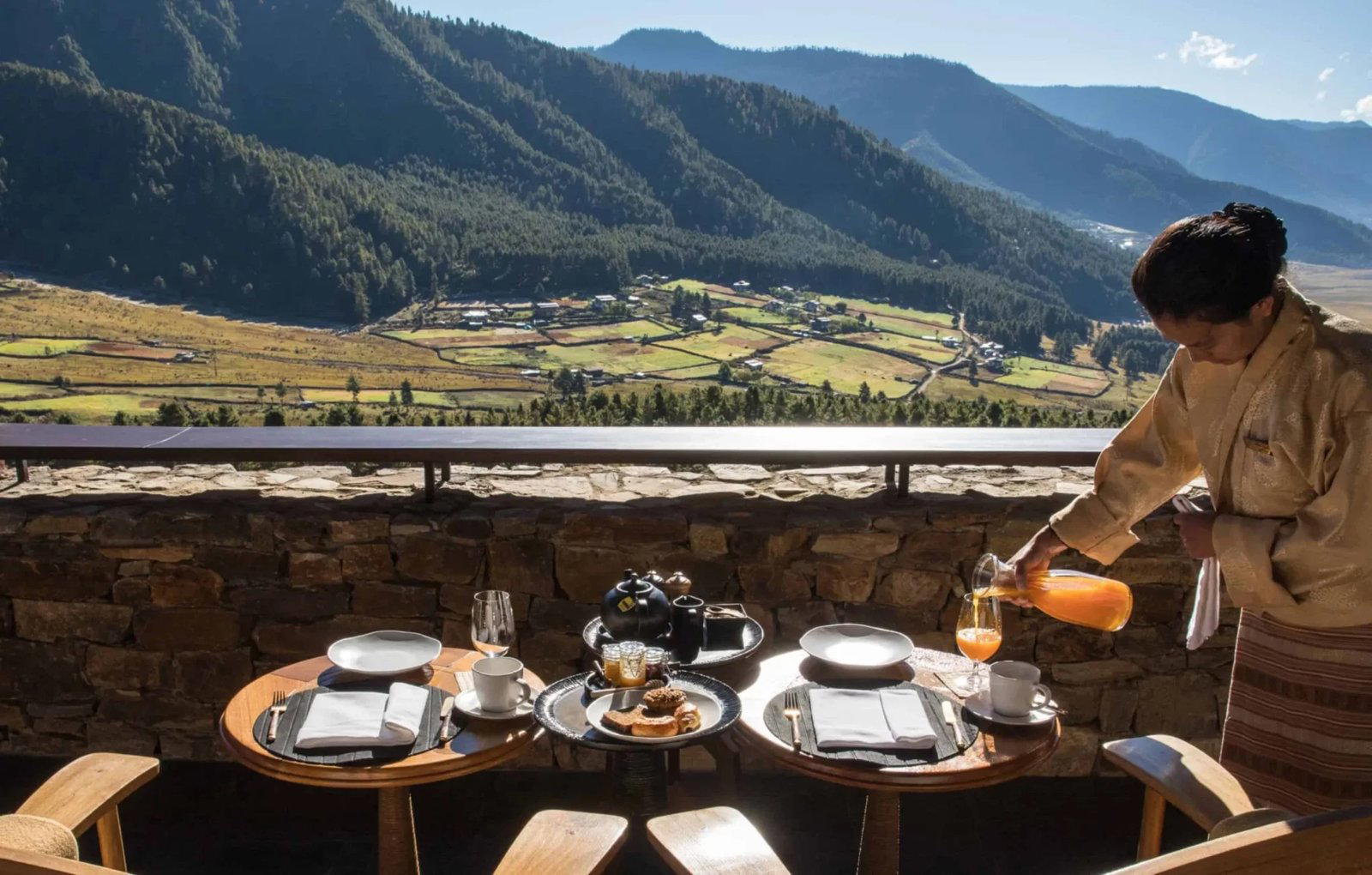
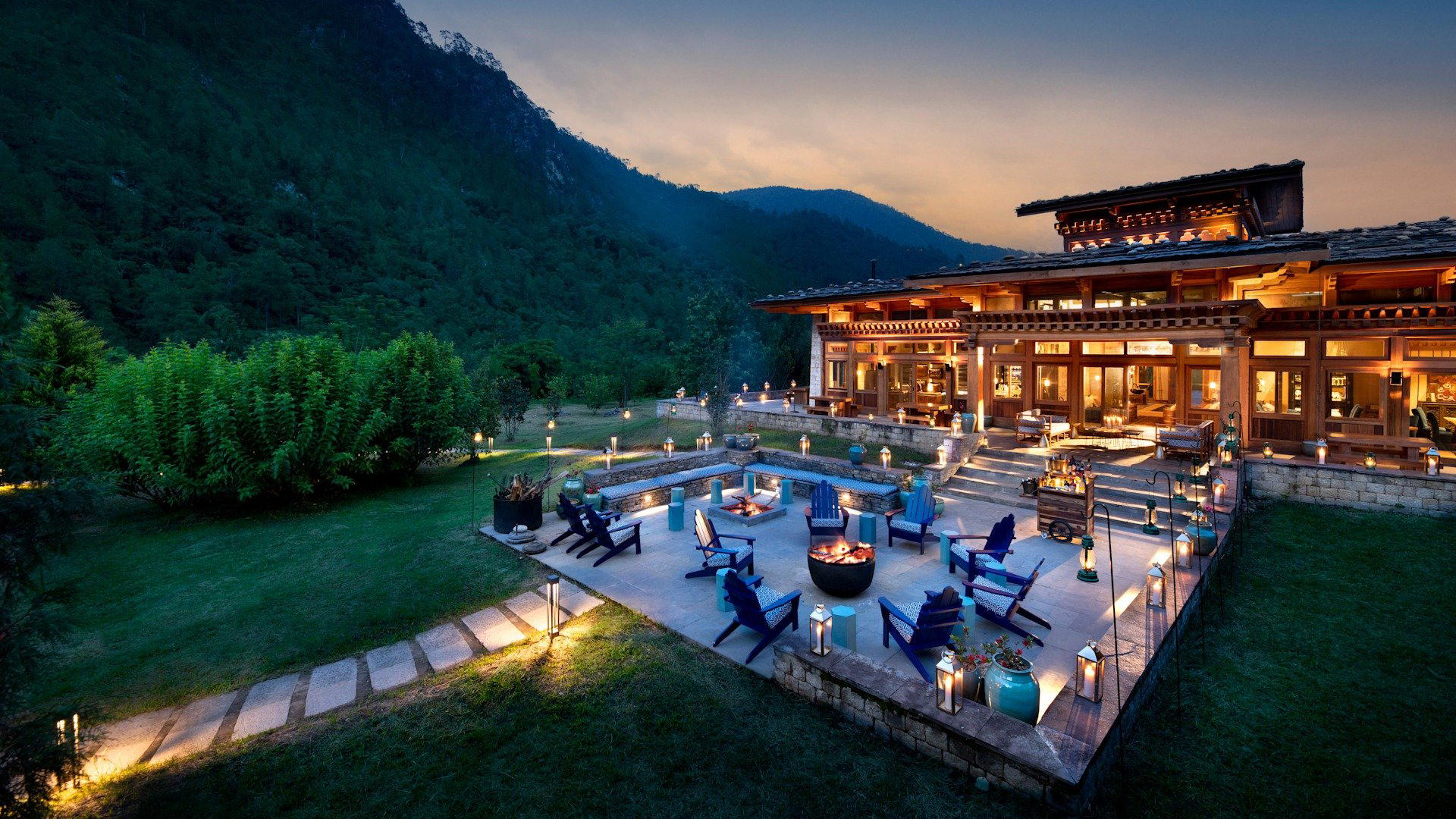
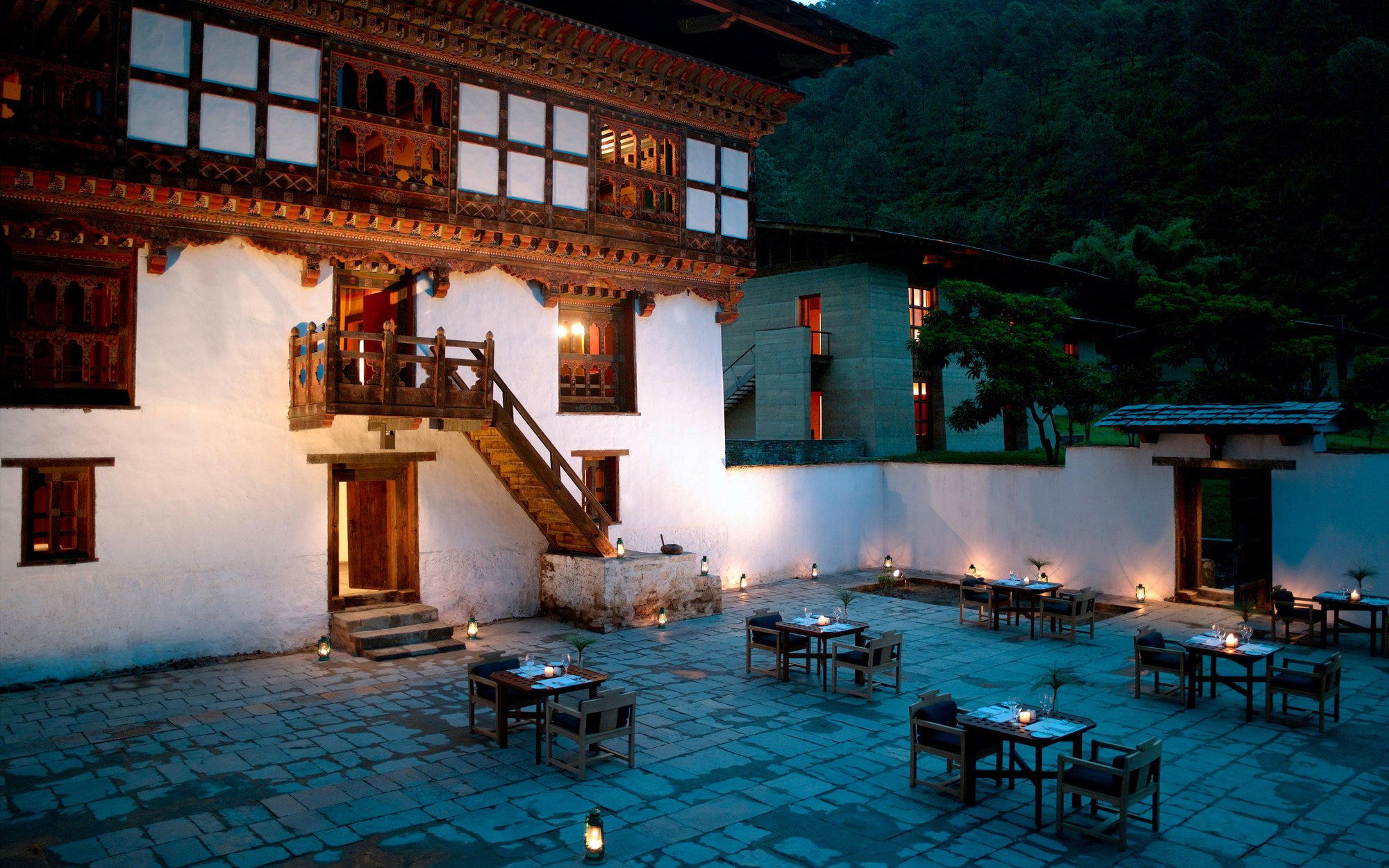
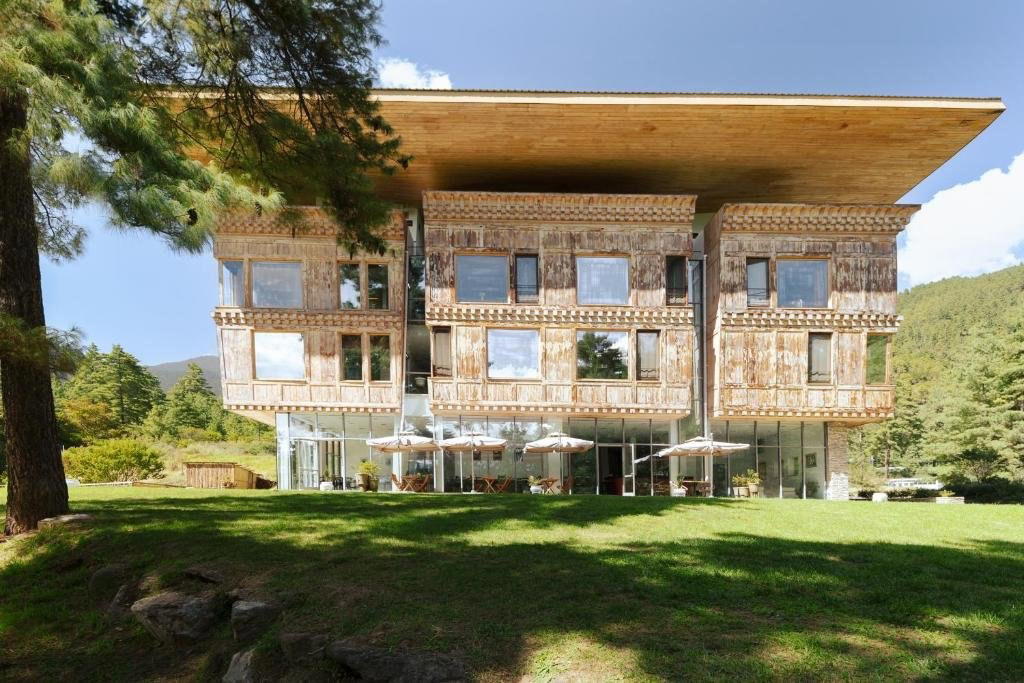
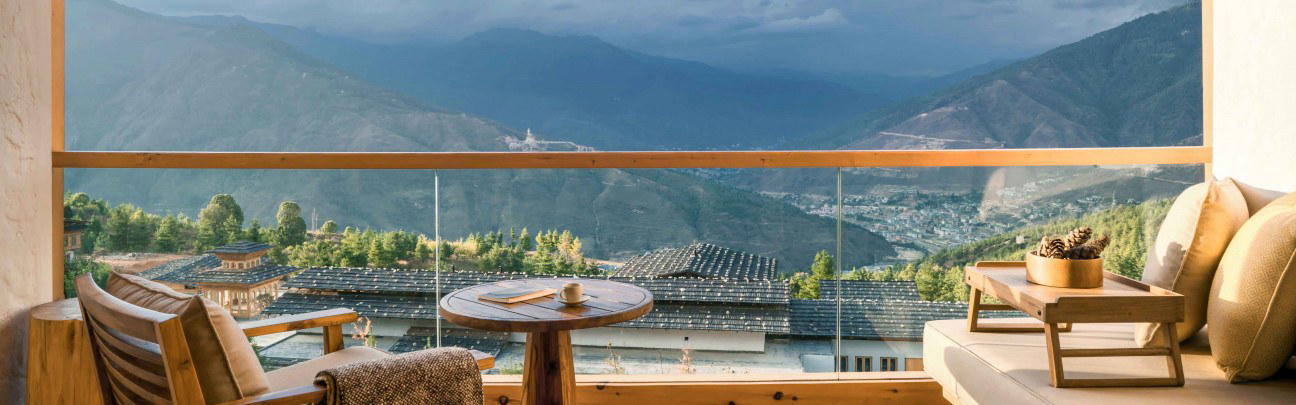
Refined yet cozy lodge-style dining room built in wood and stone, centred around the warmth of a traditional bukhari fireplace, with soft lighting and serene valley and river views that create a tranquil, romantic atmosphere.