Buena Nota Café
Buena Nota Café belongs to Guanacaste’s small-coast café culture, where beach-road addresses, produce-led cooking and casual daytime rhythms matter more than formal dining signals. With no public awards or price bracket attached, it reads as a low-key Punta Cacique stop to place alongside nearby restaurant, hotel, bar and experience planning rather than as a destination built on ceremony.
Pearl is the En Primeur Club membership app — saves, bookings, and concierge access live there. Same editors, same standards.
- Address
- km 3 Ruta Nacional 159, Playa Penca, Punta Cacique
- Directions
- Get directions
 Saves & bookings on Pearl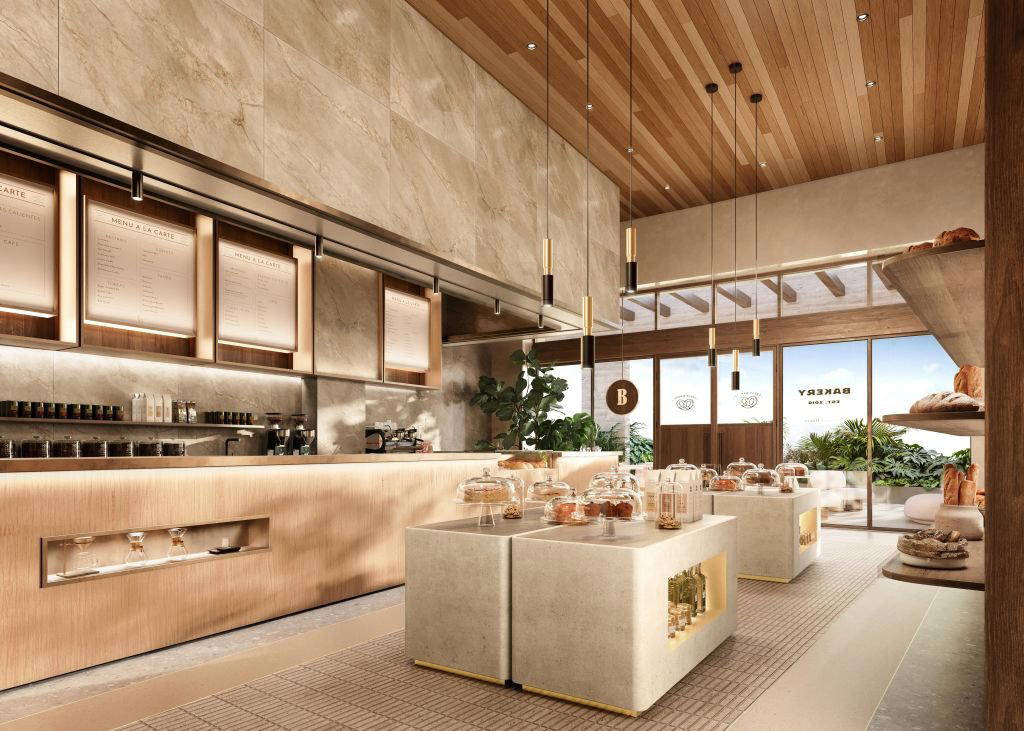
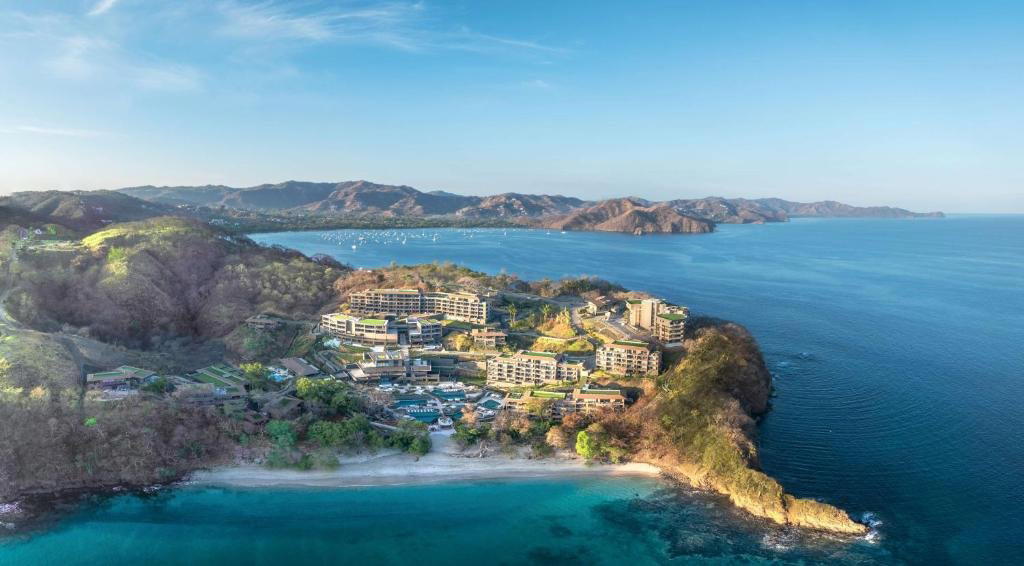
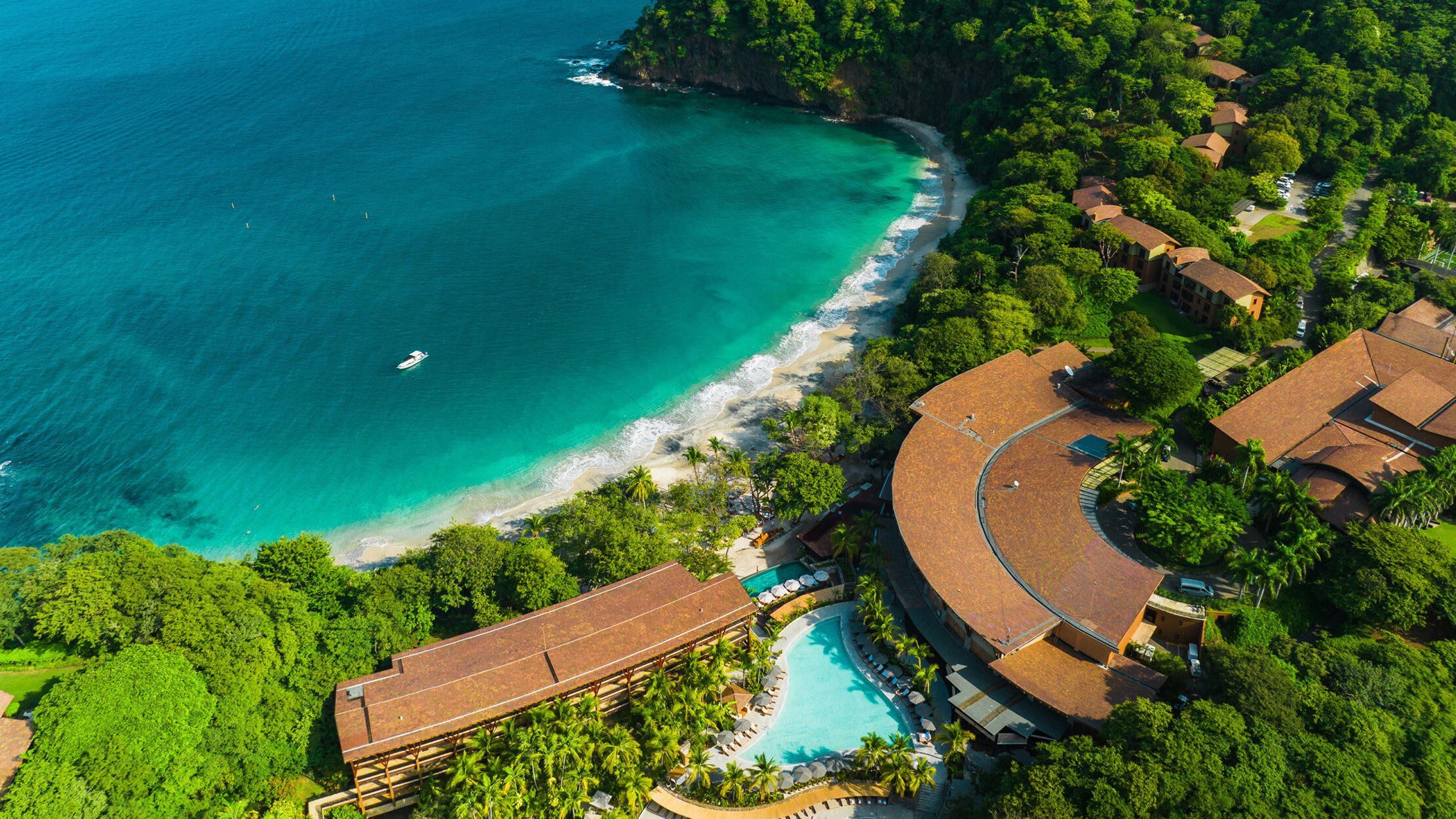
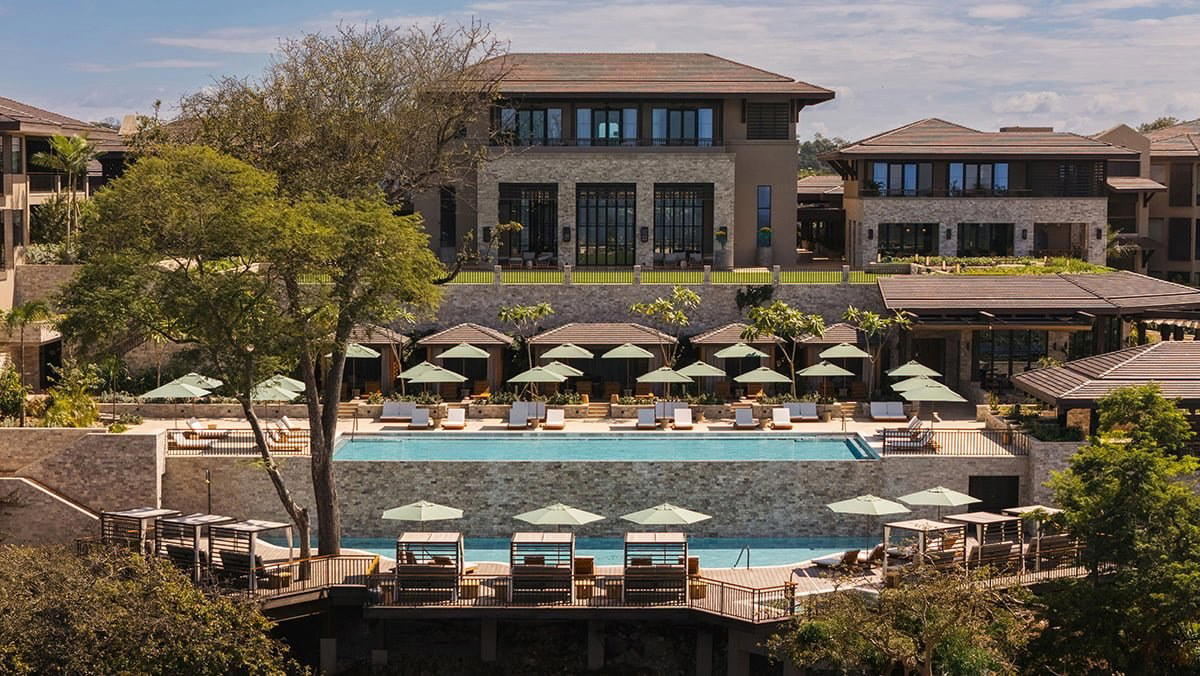
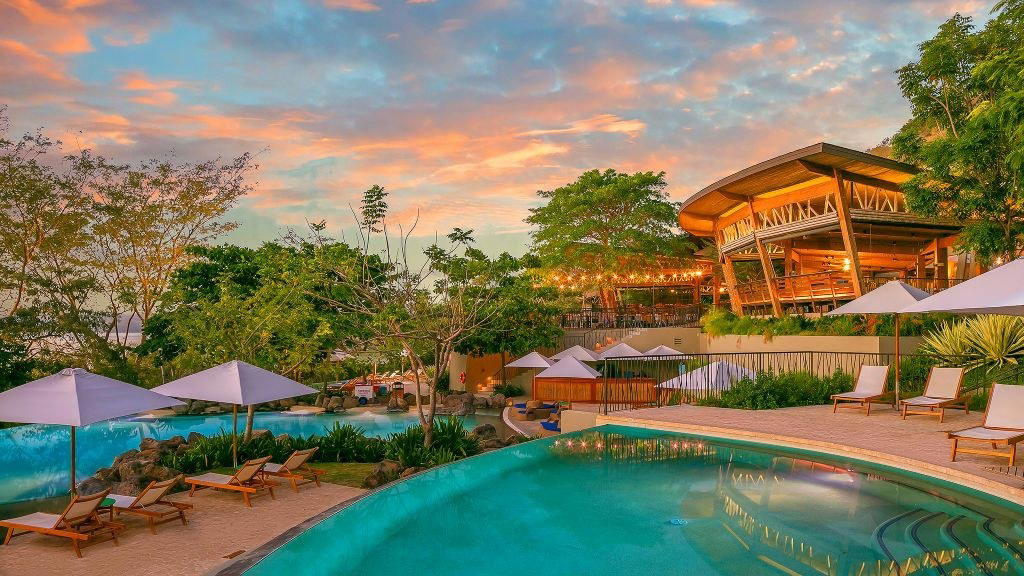
The road toward Playa Penca and Punta Cacique sets a different pace from the larger resort corridors of Guanacaste. Dry-forest hills, Pacific light and short coastal drives shape how dining works here: meals often sit between beach time, hotel transfers and sunset plans rather than formal multi-course appointments. Buena Nota Café fits that coastal pattern, where the setting does much of the framing and ingredient sourcing becomes the useful lens for judging the experience.
Guanacaste café cooking is strongest when it stays close to the coast
In this part of Costa Rica, the convincing café format is not about importing a metropolitan template. It is about using what the region gives easily: tropical fruit, local vegetables, coffee culture, dairy from inland farms and seafood moving through nearby coastal communities. The stronger addresses in Guanacaste tend to understand that visitors are often eating across a full day of heat, salt air and road time. Heavy ceremony rarely helps; clean sourcing and a clear sense of place do.
That context matters because Buena Nota Café has no public award profile, no listed chef figure and no published price tier attached to it. Those absences shift the editorial reading away from destination fine dining and toward a more grounded question: does the café make sense within a beach-adjacent itinerary where freshness, ease and regional rhythm carry the meal? In Guanacaste, that can be a more useful test than formal recognition.
For travelers comparing the area, the restaurant map around Guanacaste is fragmented rather than centralized. Bahia, Brisa, Café Rincón, Chao Pescao and Copo y Cono show how varied the local circuit can be: some addresses work as beach-day pauses, others as evening anchors, others as simple food stops between towns. Buena Nota Café sits in that same decision set, better read by location and timing than by trophy language.
Ingredient sourcing is the useful measure, not formality
Guanacaste rewards kitchens that keep the supply chain short. The province’s dining identity is built from cattle country, fishing towns, fruit stands, coffee habits and a tourism economy that has learned to serve both local routines and international expectations. A café near Playa Penca has an advantage when it treats those inputs plainly. The reader should look for the markers that matter in this category: fruit that tastes seasonal, coffee handled with care, seafood or produce presented without unnecessary complication, and plates calibrated for the climate.
The absence of a listed cuisine type is not automatically a weakness. Along Costa Rica’s Pacific coast, many cafés operate across breakfast, lunch, snacks and casual plates rather than a single formal culinary category. That flexibility can be useful for families, hotel guests and travelers moving between beaches. It also means expectations should be set correctly. This is not the bracket where tasting-menu structure, sommelier choreography or chef-led narrative should be the default. The stronger reading is practical: a coastal café should be judged on freshness, pacing and whether its food feels connected to the region around it.
For broader planning, use the area rather than a single meal as the frame. Our full Guanacaste restaurants guide gives the dining spread, while Our full Guanacaste hotels guide, Our full Guanacaste bars guide, Our full Guanacaste wineries guide and Our full Guanacaste experiences guide help place meals around where visitors are actually sleeping, drinking and spending the day. That matters in a province where short distances on a map can feel longer once beach roads, heat and seasonal traffic enter the equation.
How Buena Nota Café fits a Costa Rica dining itinerary
The restaurant is better used as part of a Guanacaste route than compared directly with Costa Rica’s more formal urban or resort restaurants. San José dining, represented here by Alma de Amón in San José, carries a different civic tempo. Nosara has its own wellness-and-surf inflection, with Almar in Nosara sitting in that orbit. Inland resort dining around volcano country follows another logic again, from Amor Loco in Arenal Volcano National Park and AmorLoco in La Fortuna to Ave Restaurant in La Fortuna de San Carlos. Coastal cafés in Guanacaste occupy a lighter lane.
That lighter lane is not lesser; it simply has different criteria. The right comparison is not a destination dining room with a public chef biography, but the network of places that make a beach stay work hour by hour. In that sense, the restaurant belongs to the practical fabric of Punta Cacique: close enough to the coast to be shaped by beach rhythms, casual enough to suit flexible days, and dependent on ingredient clarity rather than grand claims.
Travelers building a wider Costa Rica or Pacific-facing itinerary can widen the lens with Anfiteatro Bar and Restaurant in Garabito, then contrast the Central American thread with category-specific city dining such as Jōdo Saké Bar in Los Angeles or Onigiri Time in Pasadena. The comparison is useful because it shows what the restaurant is not trying to be: not a chef-counter destination, not an awards-led dining room, not a concept built for international ceremony. Its value is local scale, coastal usefulness and the ingredient-first expectations that define good café eating in Guanacaste.
At-a-Glance Comparison
Comparable venues by cuisine and price in the same metro.
| Venue | Cuisine |
|---|---|
| Buena Nota Café | This venue |
Continue exploring
More in Guanacaste
Restaurants in Guanacaste
Browse all →
Bars in Guanacaste
Browse all →

At a Glance
- Cozy
- Modern
- Casual Hangout
- Solo
- Family
- Standalone
- Craft Cocktails
- Local Sourcing
- Garden
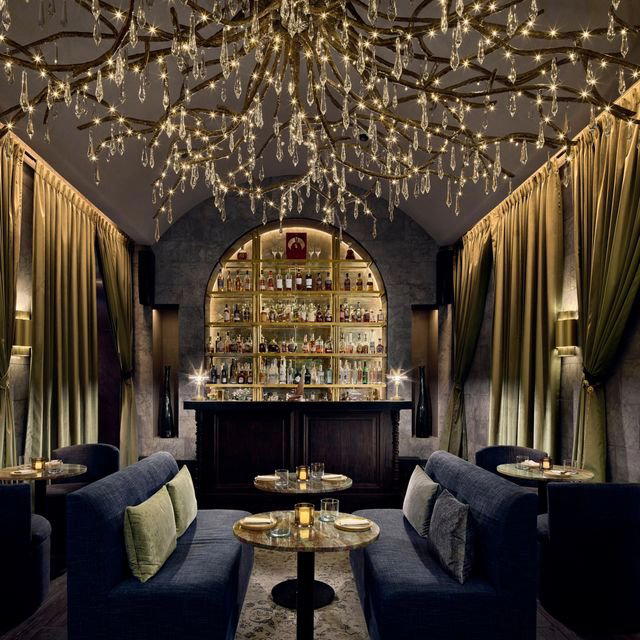
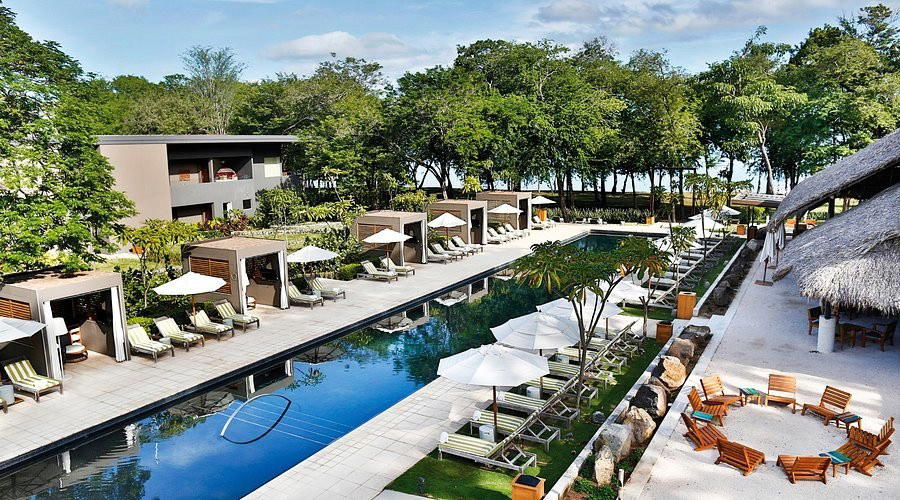
A polished, relaxed café atmosphere with a resort feel and a focus on coffee rituals and fresh baked goods.