Bahia
Our verdict
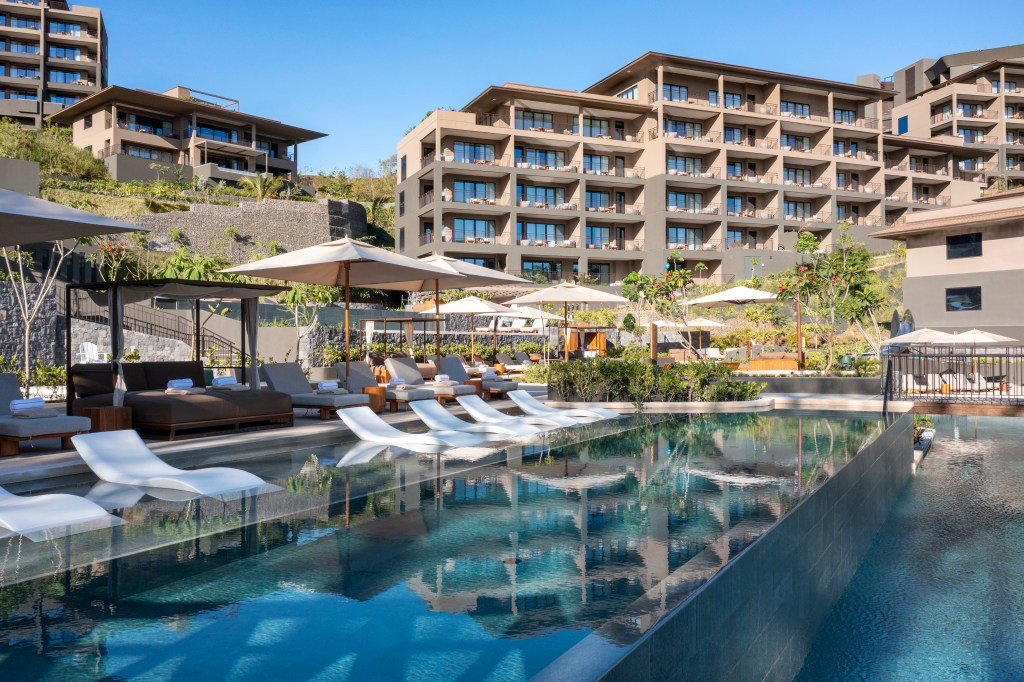
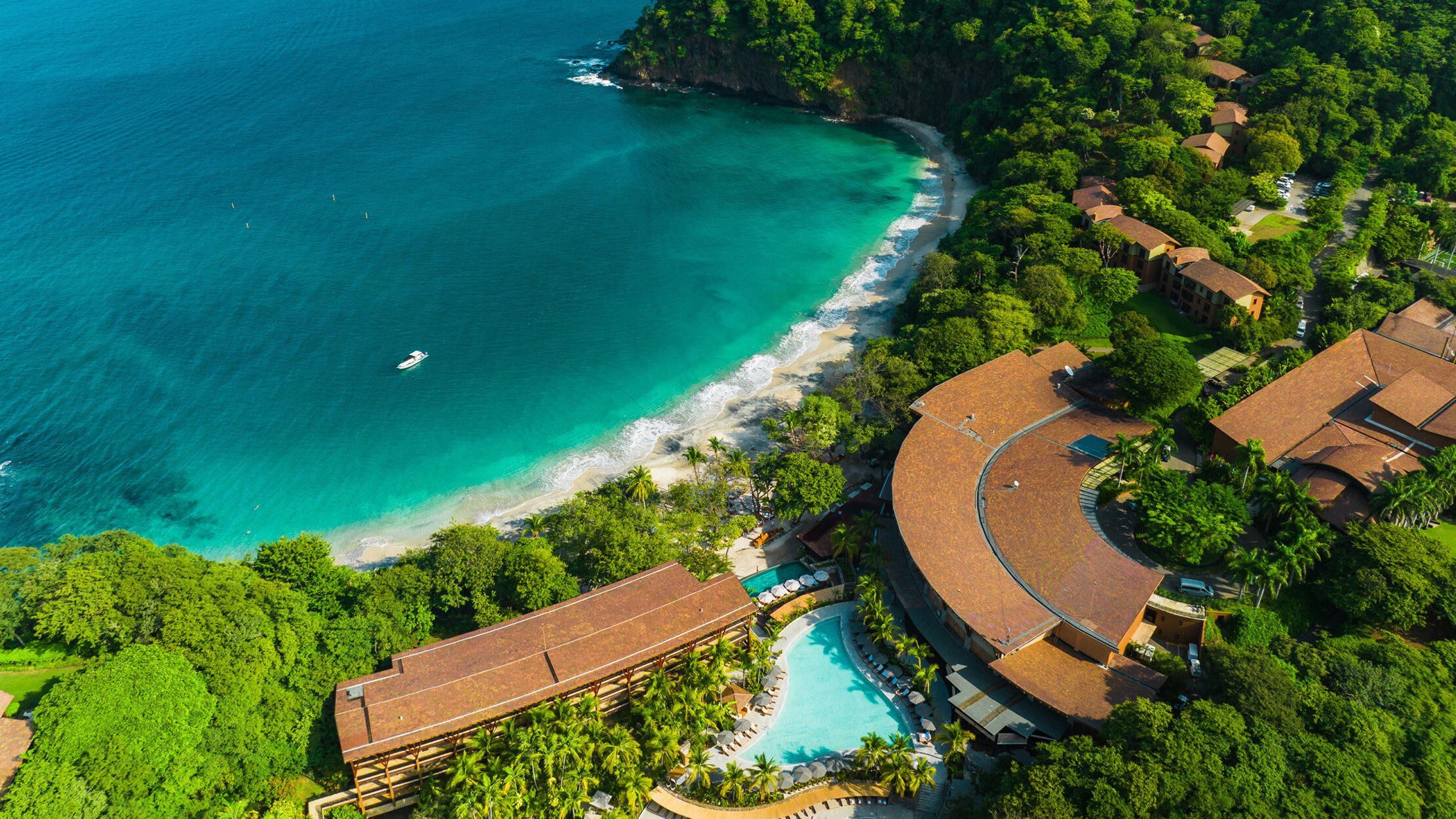
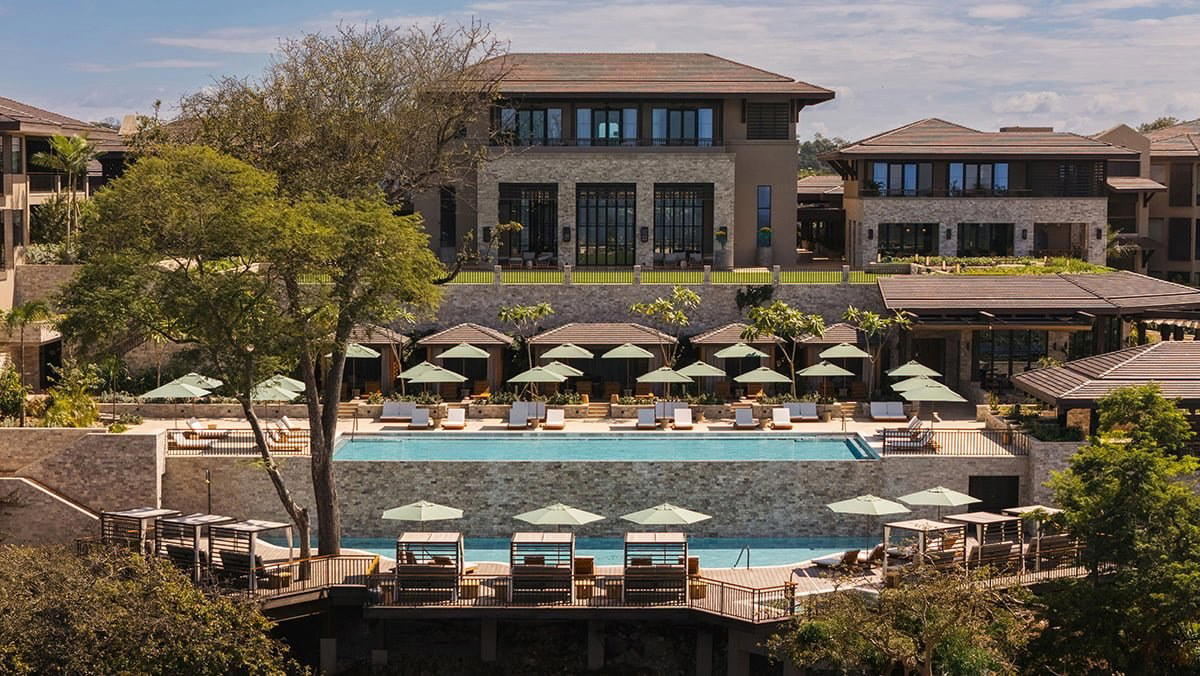
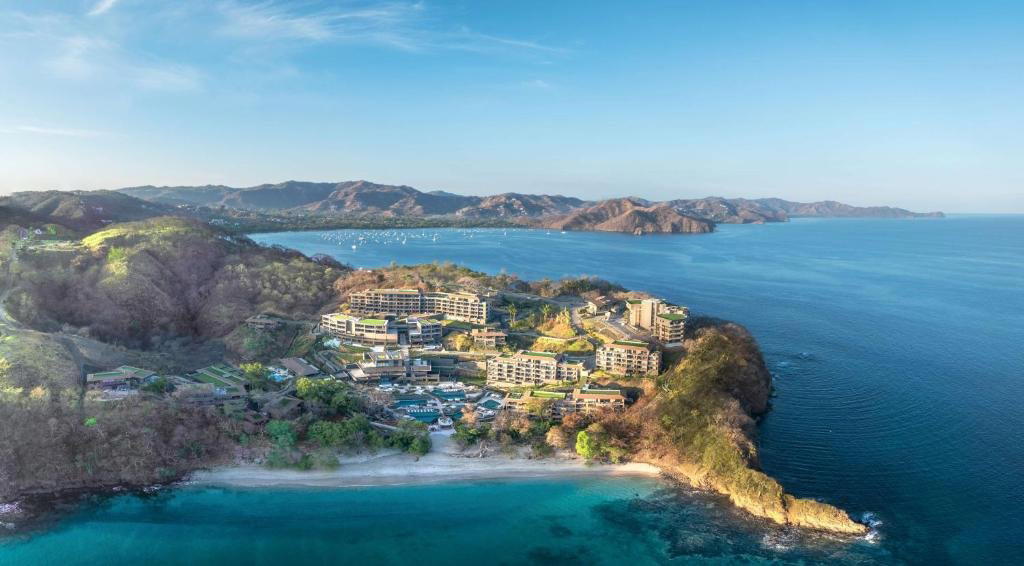
Bahia belongs to the resort-dining side of Guanacaste, where pool-level rooms, Pacific produce, and hotel logistics shape the meal as much as the plate. Its Peninsula Papagayo setting makes it more relevant as part of the region’s polished coastal circuit than as a standalone destination restaurant.

Pearl is the En Primeur Club membership app — saves, bookings, and concierge access live there. Same editors, same standards.
The menu
What to order
- Grilled prawns from the wood‑fired grill
- Octopus carpaccio
- Café chorreado with local coffee
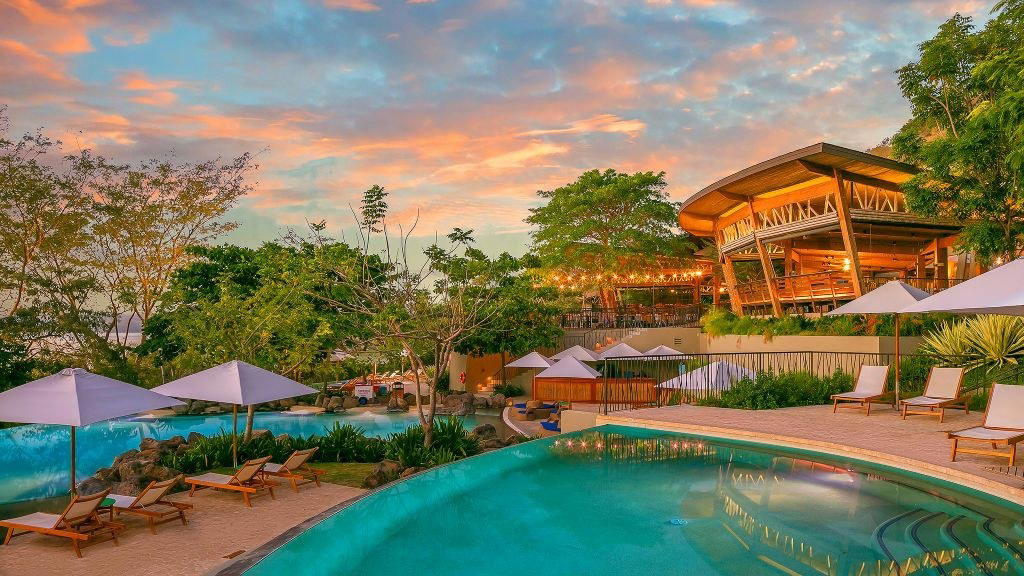
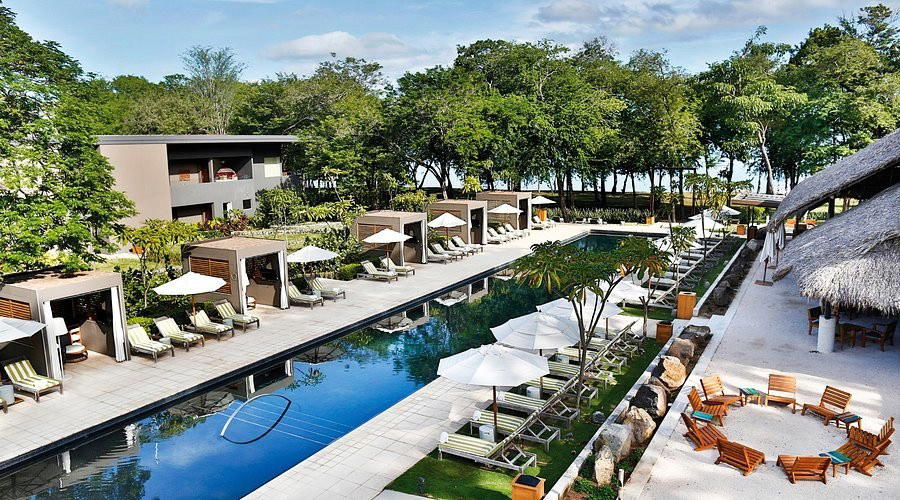
At resort level in Guanacaste, dining starts with the hospitality geometry: water, shade, service routes, and the slow tempo of a guest day built around the coast. That setting matters in Guanacaste. The province’s higher-end restaurants often work less like urban dining rooms and more like extensions of hotel life, where lunch, sunset drinks, and dinner have to answer to heat, salt air, and travelers moving between beach, pool, and room.
Bahia sits inside that pattern. The useful way to read it is not through chef mythology or awards as the central signal here, but through placement: a resort restaurant in Guanacaste, where sourcing, simplicity, and timing carry more weight than theatrical technique. Guanacaste’s strongest tables tend to make sense when they stay close to the region’s materials: seafood, tropical fruit, rice, beans, plantains, citrus, corn, herbs, and the broader regional pantry. A restaurant in this setting has to translate those ingredients for an international hotel audience without sanding away the coastal logic that gives the food its reason to exist.
Resort dining in Guanacaste is judged by restraint, not spectacle
Guanacaste occupies a specific lane in Costa Rican travel. It is polished, planned, and oriented toward guests who expect hotel infrastructure to absorb friction. That changes the restaurant brief. The room does not need to compete with a city counter or a chef-driven tasting menu; it needs to make sense across a resort day, from lighter daytime eating to a slower evening meal. In that format, excess reads poorly. The stronger move is clarity: seafood that tastes of the Pacific, sauces that do not bury heat and acidity, and produce treated as climate rather than garnish.
That is where ingredient sourcing becomes the editorial test. Guanacaste is not short on agricultural identity, but resort kitchens can flatten place when they default to global luxury shorthand. The better coastal kitchens in the province use local reference points without turning them into costume. Corn, beans, rice, seafood, cacao, coffee, and tropical fruit are not decorative cues; they are part of the region’s grammar. Bahia’s relevance rests on how convincingly it operates within that grammar while serving a transient audience.
The local comparison set reinforces the point. Pesce, Virador Beach Club, Nemare, Brisa, and Mirador all sit within the same broader Guanacaste conversation about resort-adjacent dining, beach clubs, and hotel restaurants. The differences are not only culinary; they are about when the meal happens, how formal the room feels, and whether the kitchen leans toward coastal ease or polished hotel dining. Readers mapping the province can use Brisa as one reference point, then widen the lens through Our full Guanacaste restaurants guide, Our full Guanacaste hotels guide, Our full Guanacaste bars guide, Our full Guanacaste wineries guide, and Our full Guanacaste experiences guide.
What the setting says about the plate
In Guanacaste, the climate edits the appetite. Heavy formality can feel out of step with the coast, especially in resort settings, where guests are often eating between water, sun, and an early start the next morning. The restaurants that fit the region tend to favor brightness, salt, smoke, fruit acidity, and clean proteins over long, elaborate progressions. That does not mean casual by default. It means the luxury signal is often operational: pacing, sourcing discipline, and the confidence to keep the food readable.
Bahia should be understood in that category. Its resort position gives it a different function from a destination dining room in a capital city or a wellness-driven table elsewhere on the coast. Compare the broader national spread and the contrast becomes clear: urban restaurants belong to a capital context, while surf-and-wellness dining sits closer to a different coastal axis. Inland resort dining has another rhythm again. The Guanacaste resort table is its own decision: less about urban discovery, more about whether the kitchen can make place legible inside a high-comfort setting.
That distinction also helps separate Bahia from smaller café and casual formats in the region. Everyday counters, quick-stop cafés, and narrower casual formats point toward a different kind of eating. A resort restaurant has a broader assignment. It has to serve different appetites across the day and still keep a sense of region. That is a harder task than it looks.
How to place it in a Costa Rica itinerary
For travelers building a Guanacaste stay, Bahia makes the strongest sense as part of a Guanacaste base rather than a cross-province detour. The editorial value is convenience with context: a restaurant embedded in the resort circuit, close to the rhythms that define this part of the coast. It is a fit for guests who want the meal to remain tied to the property and the water, not for diners seeking a chef-counter narrative or a city-style tasting format.
For a wider Costa Rica dining map, use it alongside contrasting stops rather than direct substitutes. Other Pacific-facing restaurants show different coastal models, while international comparisons underline how format changes expectations: bar, casual specialist, resort dining room. Bahia’s lane is not specialization for its own sake. It is the coastal hotel table, judged by how well it lets Guanacaste’s ingredients, climate, and pace do the work.
Frequently asked questions
Where exactly is Bahia?
Guanacaste.
Do I need a reservation for Bahia?
Bahia is in Guanacaste, so meal timing is tied closely to resort traffic. For hotel dining in that setting, advance planning is sensible, especially during busy stays in Guanacaste.
What's Bahia best at?
Bahia works as a resort dining room rather than a standalone destination, and its setting places it in Guanacaste. The main asset is how naturally it fits into a beach-and-hotel itinerary.
Can Bahia adjust for dietary needs?
As a hotel restaurant in Guanacaste, Bahia is the sort of dining room where dietary requests may be handled through the service team. The practical move is to flag needs in advance.
At-a-Glance Comparison
Nearby venues at a similar price tier for orientation.
| Venue | Cuisine | Price |
|---|---|---|
| BahiaThis venue — the venue you are viewing | Modern Latin coastal seafood at a luxury beach resort | $50–100 |
| Pesce | Classic Italian with Local Seafood | $50–100 |
| Virador Beach Club | Eastern Mediterranean Seafood | Not listed |
| Nemare | Latin Steakhouse | Not listed |
| Brisa | International cuisine with Mexican and Baja coastal flair | $50–100 |
| Mirador | International | Not listed |
Continue exploring
More in Guanacaste
Restaurants in Guanacaste
All restaurants in Guanacaste →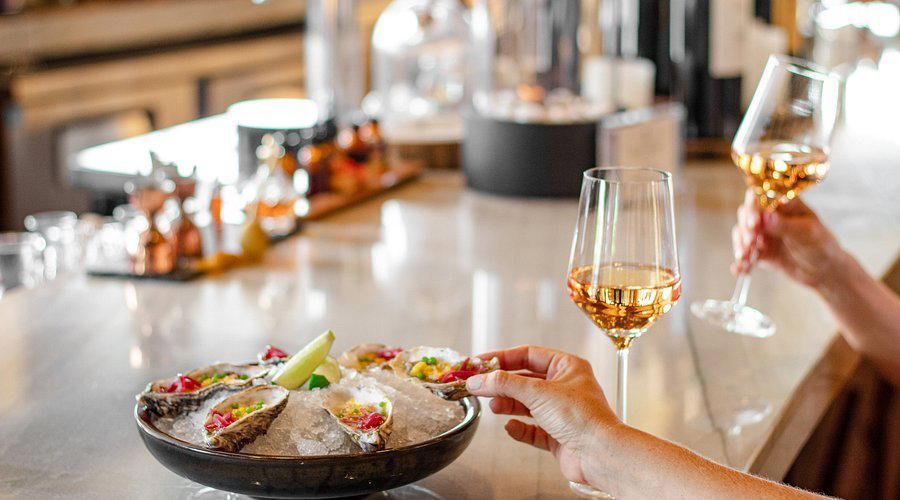
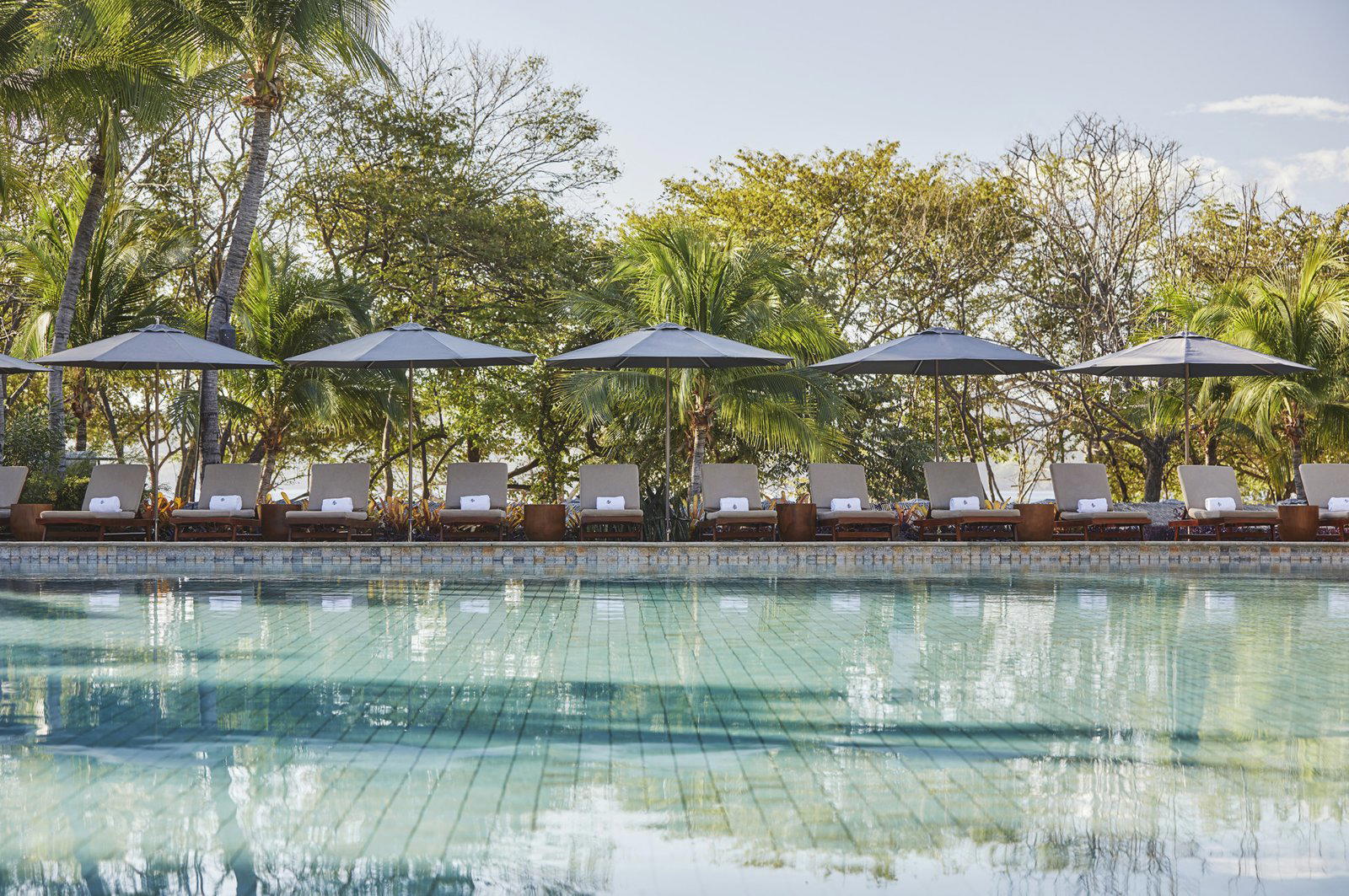
Bars in Guanacaste
All bars in Guanacaste →
Bahia
The wine
- Wine program
- Curated wine list
- Extensive wine list
- Craft cocktails
Details
- Elegant
- Scenic
- Romantic
- Sophisticated
- Modern
- Date Night
- Special Occasion
- Family
- Group Dining
- Celebration
- Waterfront
- Open Kitchen
- Hotel Restaurant
- Terrace
- Panoramic View
- Craft Cocktails
- Extensive Wine List
- Local Sourcing
- Sustainable Seafood
- Waterfront
- A La Carte
- Wine
- Craft Cocktails
- Coffee
- Pescatarian Friendly
- Vegetarian Friendly
- Gluten Free Options
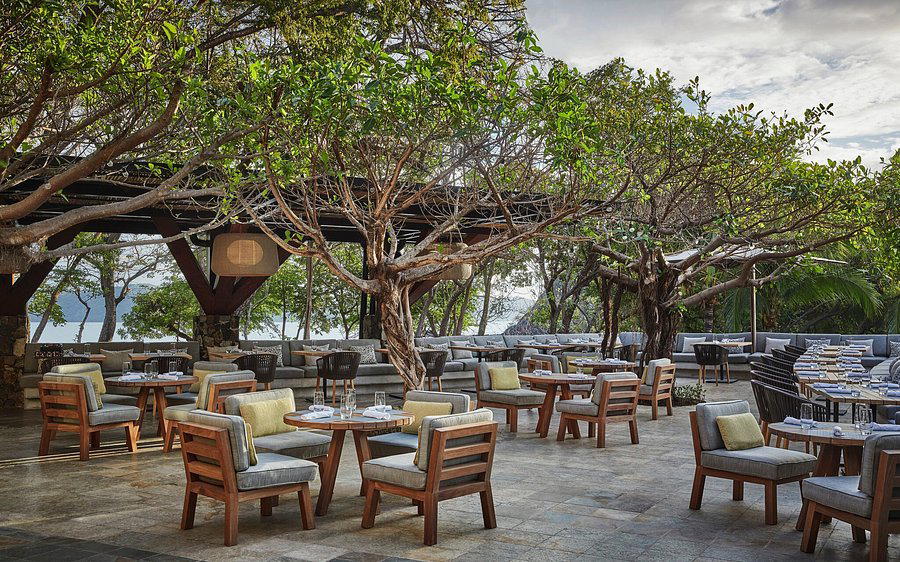
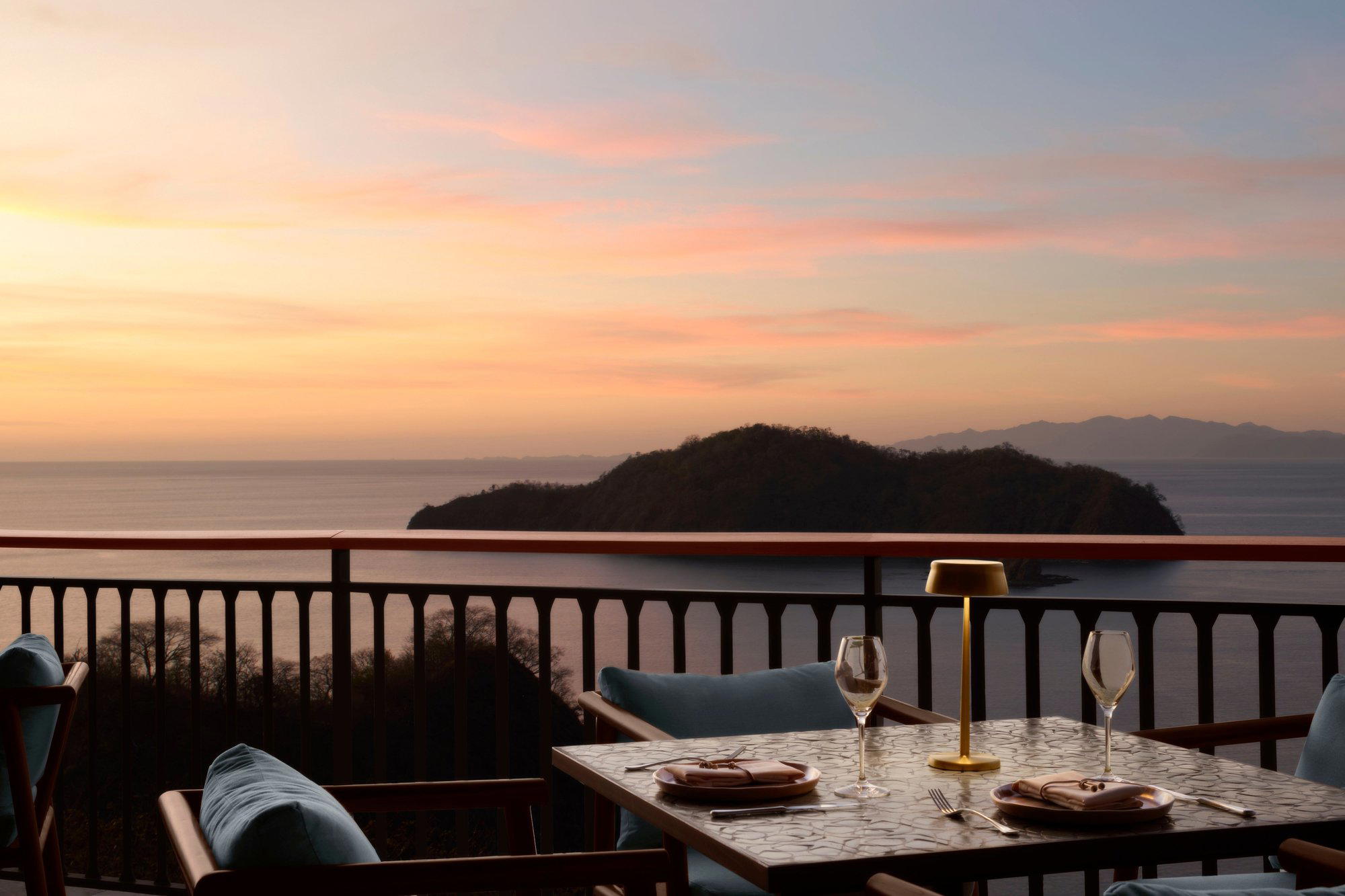
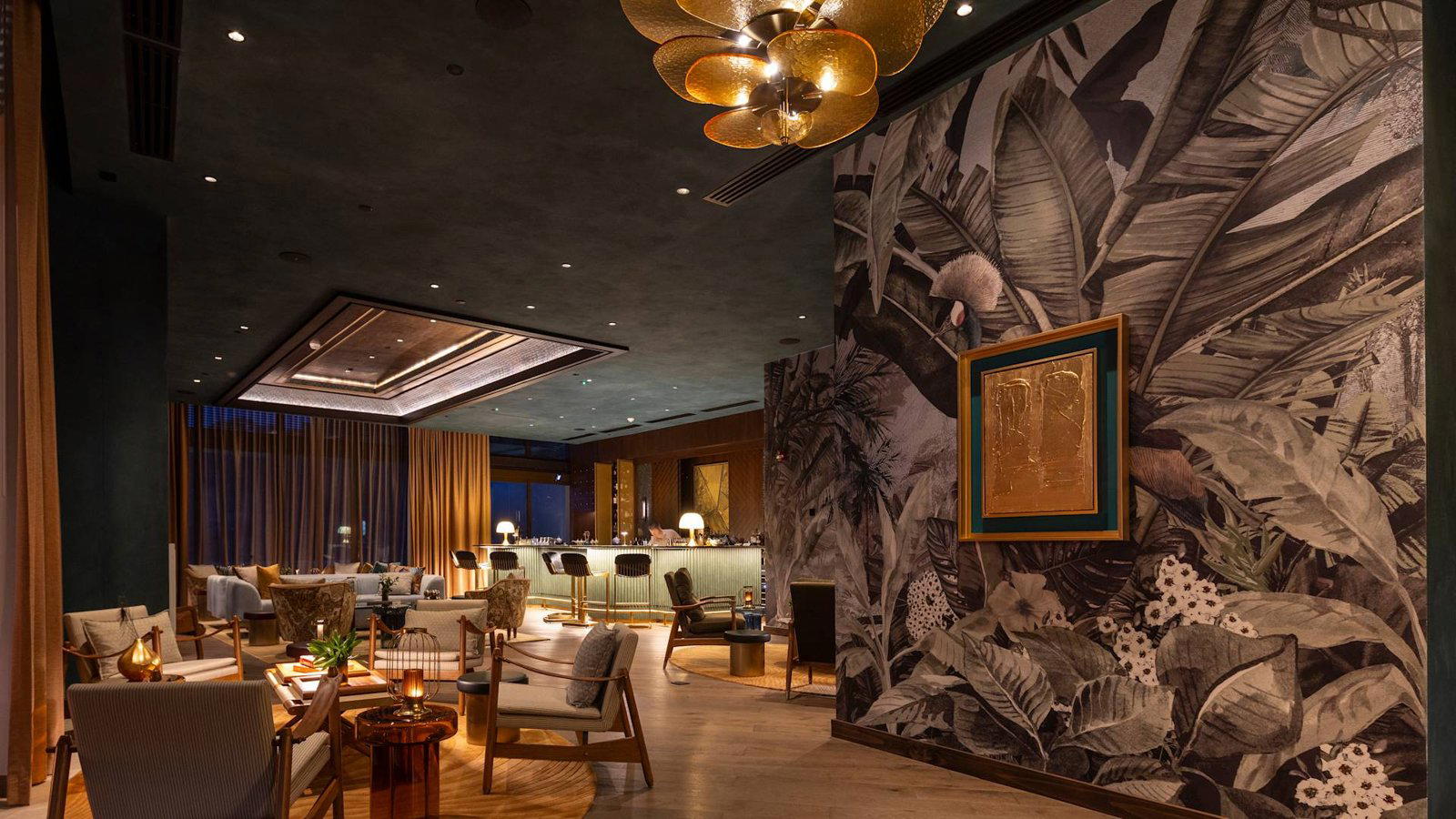
Open‑air, resort‑style dining room centered on a glowing wood‑fired grill, with polished yet relaxed service, soft lighting, and views over the water that create an upscale but comfortable beach‑resort atmosphere suitable for both couples and families.