Our verdict
Brillance belongs in the quieter side of Nagoya dining, where the city’s appetite for polished hotel restaurants, private rooms, and occasion-led meals sits alongside its earthier miso-katsu and kishimen identity. With few public details on cuisine, pricing, awards, or chef, the useful lens is cultural: treat it as a Nagoya address to assess by format, setting, and confirmed booking information rather than reputation shorthand.

Pearl is the En Primeur Club membership app — saves, bookings, and concierge access live there. Same editors, same standards.
The menu
What to order
- Gâteau au Comte
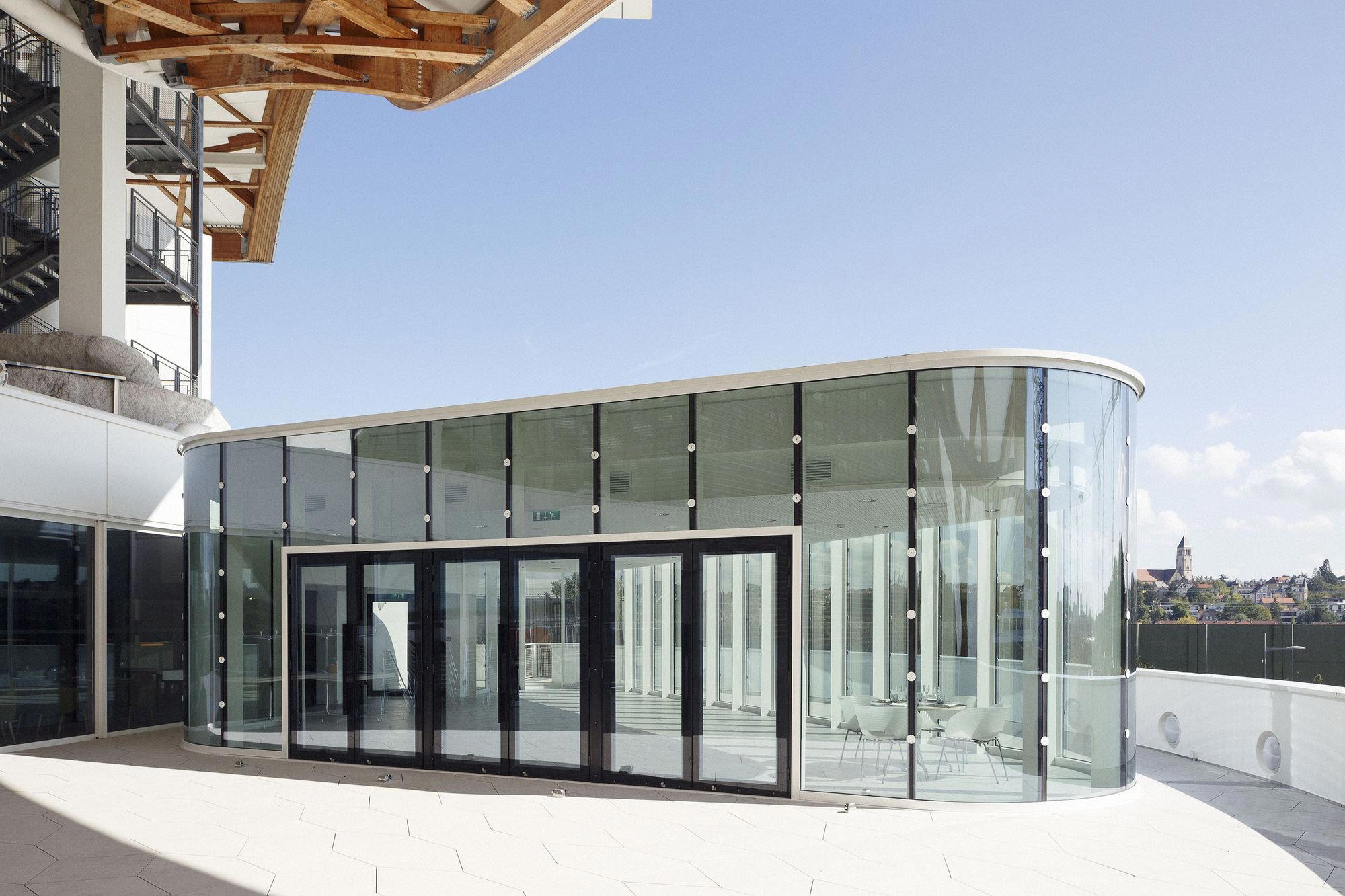
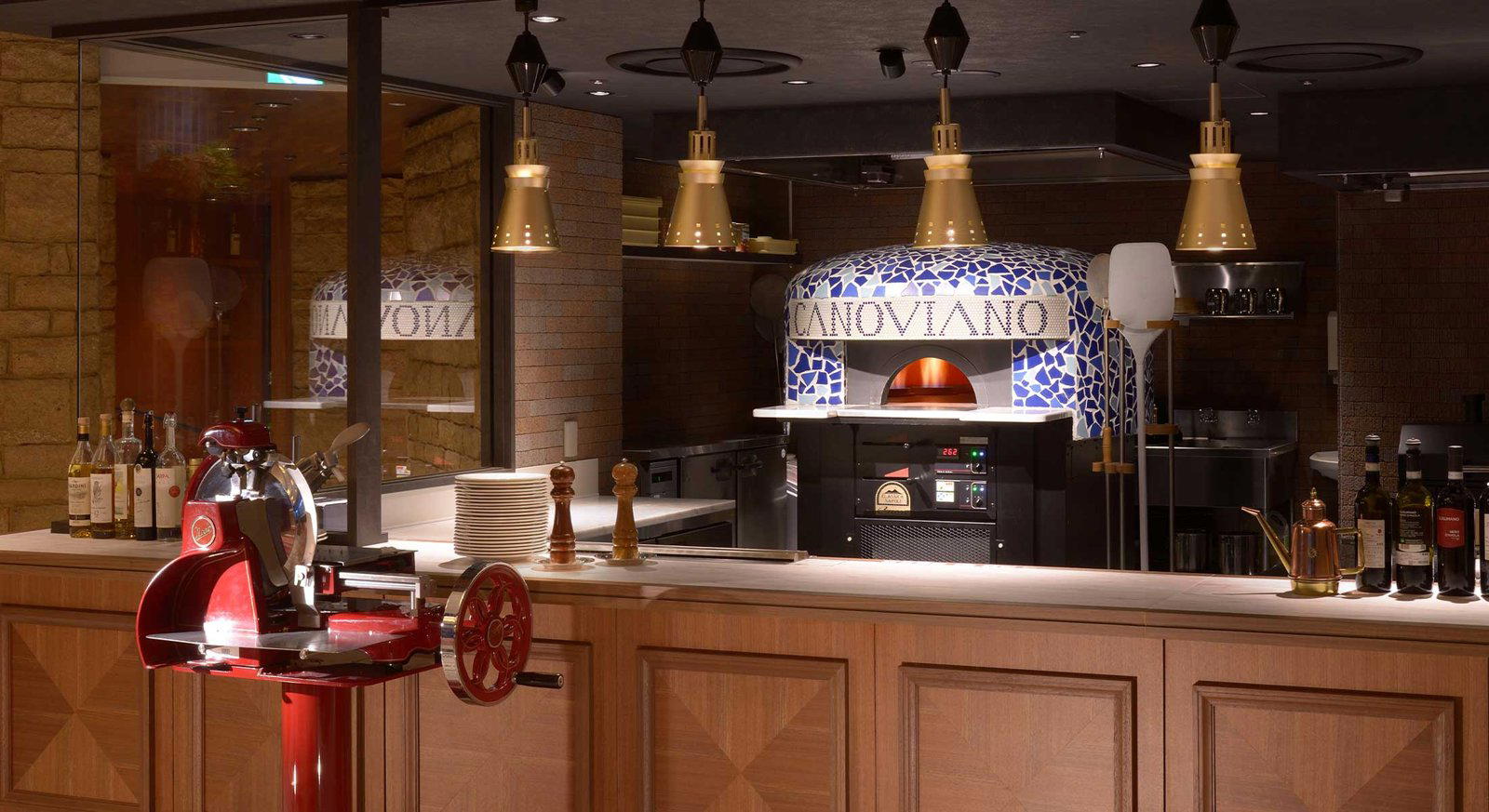
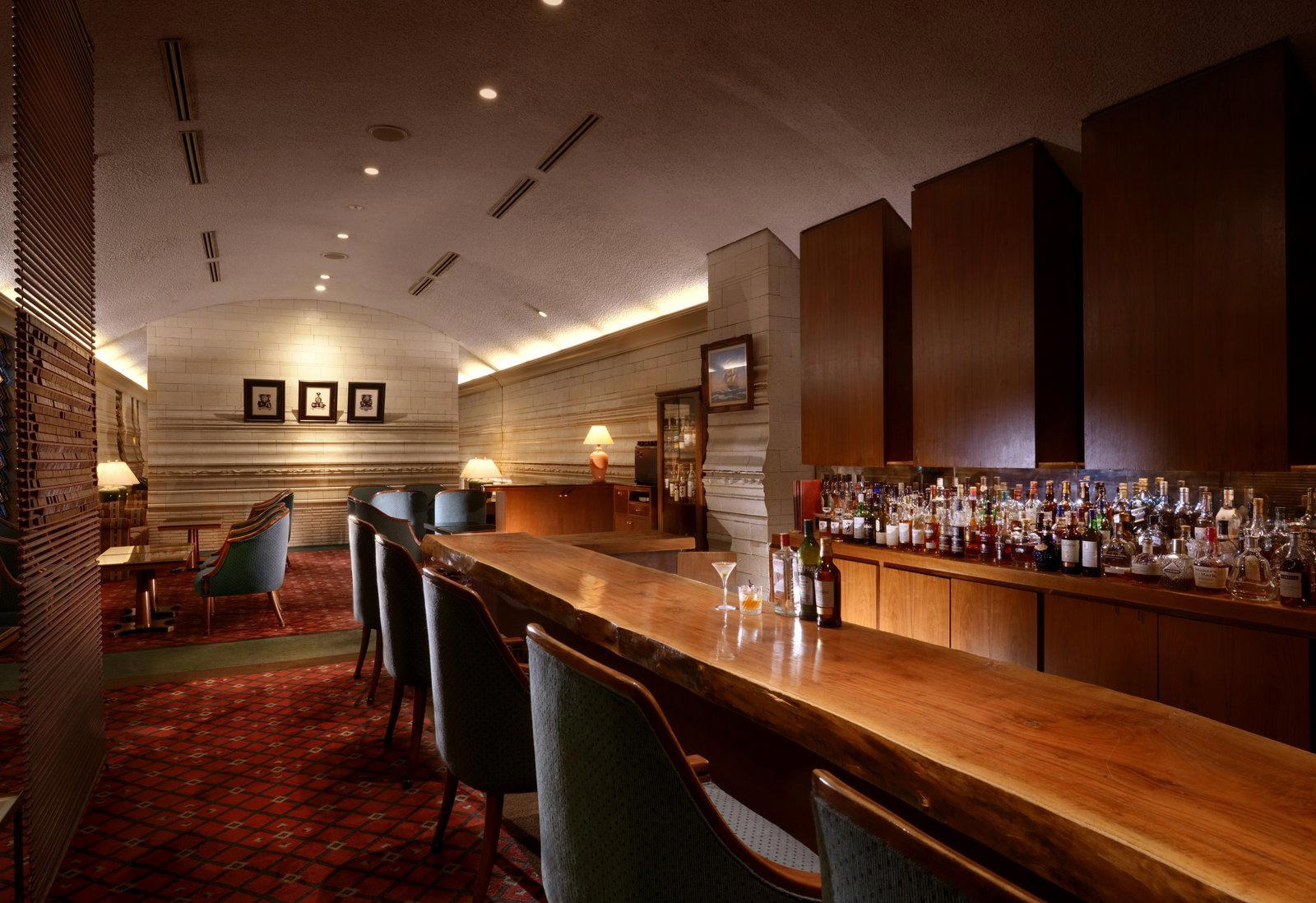
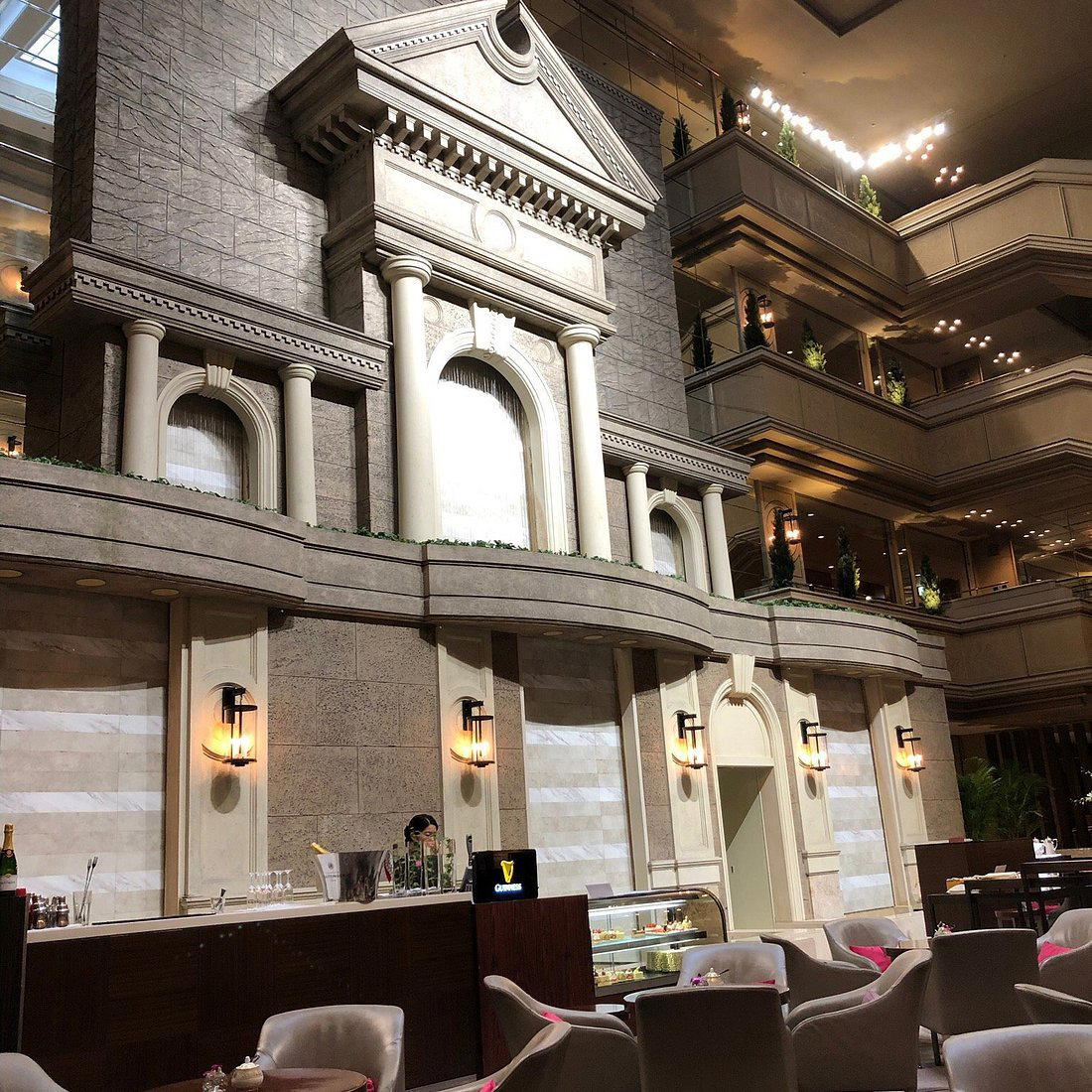
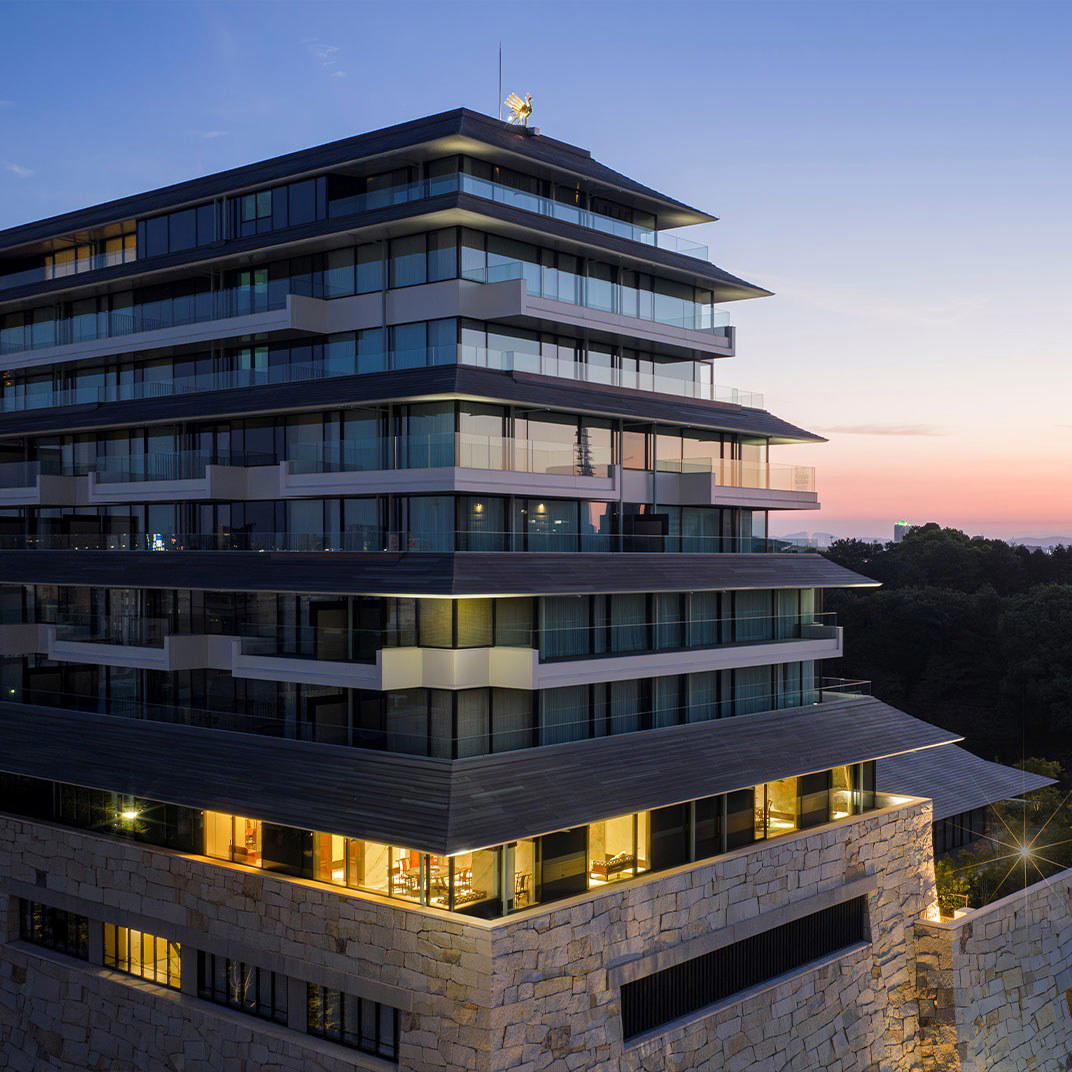
Approaching a composed dining room in Nagoya changes the rhythm of a meal before a menu appears. The street-level noise drops away, the city becomes a view rather than a crush, and the restaurant has to earn attention through pacing, room discipline, and the confidence of its service format. In a city better known abroad for miso-rich comfort food, unagi traditions, kishimen noodles, and business hospitality, this kind of address sits in a different lane: not the market-counter Nagoya of quick lunches, but the occasion-led Nagoya where location, privacy, and polish matter.
That distinction matters because Nagoya’s dining culture is often misunderstood from outside Japan. Tokyo gets the global fine-dining conversation; Kyoto gets the seasonal-language mythos; Osaka gets appetite and performance. Nagoya is more pragmatic. Its serious restaurants often speak to corporate entertaining, family occasions, and local regulars rather than international spectacle. Brillance fits into that reading of the city more naturally than into a trophy-chasing restaurant map. The confirmed facts are spare, but the Nagoya setting points toward a meal planned with intent, not a casual drift-in stop between stations.
Nagoya dining is built on regional confidence, not imported ceremony
The cultural roots of eating in Nagoya are stronger than the city’s international restaurant profile suggests. Hatcho miso gives local cooking a darker, saltier register than much of central Japan; hitsumabushi turns eel into a ritual of sequence; tebasaki, ankake spaghetti, and morning-service cafés show how the city absorbs outside influences and makes them stubbornly local. Against that background, a polished dining room has to do more than borrow metropolitan fine-dining codes. It has to make sense in a city where value, comfort, and regular use carry weight.
This is where the comparison set becomes useful. Japanese Restaurant JO, Owari Iwai Inaba, Teppanyaki SHORYU by Ukai-tei, and Chinese Restaurant RYUJO NAGOYA CASTLE all indicate how Nagoya’s higher-end dining conversation spreads across different restaurant formats rather than clustering around one dominant tasting-menu culture. Brillance should be read within that broader pattern: a city restaurant competing for planned dinners and occasion meals in a market where diners often choose by room, privacy, general dining style, and trusted setting before they chase chef mythology.
For readers mapping the city more broadly, Our full Nagoya restaurants guide gives the wider dining frame, while Our full Nagoya hotels guide, Our full Nagoya bars guide, Our full Nagoya wineries guide, and Our full Nagoya experiences guide help separate a dinner plan from a full itinerary. Nagoya rewards that kind of planning: the city is easier to enjoy when meals are grouped by purpose rather than treated as isolated reservations.
Read the room before reading reputation
With only limited public recognition detail confirmed here, Brillance should not be sold on stars, rankings, or chef-name gravity. That is not a weakness if the reader uses the right criteria. In Nagoya, where many serious meals are chosen for business dinners, family milestones, and controlled hospitality, a composed restaurant can be judged by how clearly it defines its format, how comfortably it handles pacing, and whether the experience suits the occasion at hand. The limited visible award context simply means the decision should be practical rather than trophy-driven.
That also makes comparisons outside Nagoya less useful unless they are framed by category. A sake-focused room abroad answers a different question from a restaurant in Aichi; a casual counter or quick-service address sits in a different register again. Within Japan, the spread from other regional dining rooms, casual cafés, contemporary bar-restaurants, specialist counters, and comfort-food addresses shows how dining decisions often begin with format. Brillance needs the same treatment. Start with what kind of evening is required, then check whether the room and format match it.
For additional restaurant browsing within the EP Club archive, compact entries and brief city listings underline the same point: names alone tell little without format, location, and dining purpose. Brillance is better approached through that editorial filter than through generic fine-dining language.
Who should put it on a Nagoya shortlist
Brillance makes sense for travelers who want a composed Nagoya dinner without building the evening around national awards discourse. It is less suitable for readers who require a published chef narrative, a named signature dish, or a clearly signposted tasting-menu structure before committing. The stronger use case is an occasion meal in Nagoya where the room and setting carry as much weight as the cuisine category.
The practical position is simple: confirm the current cuisine, price, hours, and booking procedure before planning the night around it. Nagoya is efficient, but it is not a city where every worthwhile restaurant communicates in the same international-facing way. When details are not clearly published, the safer editorial stance is to treat Brillance as a planned reservation rather than a spontaneous stop. In a city whose dining culture prizes reliability over noise, that is often the correct way to approach the room.
Frequently asked questions
Is Brillance child-friendly?
Brillance is in Nagoya, which points to a composed dinner setting rather than an easy family drop-in. For children, that kind of restaurant usually calls for advance planning and a calmer pace.
Is Brillance formal or casual?
Brillance has a composed feel rather than the mood of a casual walk-up spot. It reads as a place for a proper dinner, not an all-day, drop-in room.
Where is Brillance in Nagoya?
Brillance is located in Nagoya.
Do they take walk-ins at Brillance?
If current booking details are not clearly published for Brillance, the practical move is to treat it as a reservation-led address in Nagoya. The setting reads more like a planned dinner than a spontaneous seating.
What's the signature at Brillance?
Those details are not published. That makes it a restaurant to approach for the room and the address rather than a single headline dish. Check the venue's official channels for the latest details.
Price Lens
Nearby venues at a similar price tier for orientation.
| Venue | Cuisine | Price |
|---|---|---|
| BrillanceThis venue — the venue you are viewing | French Omakase | $200–300 |
| Japanese Restaurant JO | Seasonal Kyoto Kappo Cuisine | $150–200 |
| Owari Iwai Inaba | Innovative Japanese Kappo | Not listed |
| Teppanyaki SHORYU by Ukai-tei | Luxury Japanese Teppanyaki | $200–300 |
| Chinese Restaurant RYUJO NAGOYA CASTLE | Modern Cantonese with live seafood and dim sum | Not listed |
Continue exploring
More in Nagoya
Restaurants in Nagoya
All restaurants in Nagoya →
Bars in Nagoya
Browse all →
Details
- Elegant
- Sophisticated
- Intimate
- Modern
- Date Night
- Business Dinner
- Celebration
- Special Occasion
- Hotel Restaurant
- Design Destination
- Standalone
- Sommelier Led
- Local Sourcing
- Omakase
- Prix Fixe
- Set Menu
- Wine
- Allergy Accommodating
An elegant, adults-oriented dining room for a sophisticated course experience, centered on a refined French omakase format.