Brian Maule at Chardon d'Or
Brian Maule at Chardon d'Or has held its place on West Regent Street for long enough to become part of Glasgow's fine-dining conversation rather than a newcomer trying to enter it. The room carries the quiet confidence of a kitchen that has earned its reputation through French classical technique applied to Scottish produce, positioning itself alongside Glasgow's other serious destination restaurants.
- Address
- 176 W Regent St, Glasgow G2 4RL, United Kingdom
- Phone
- +44 141 248 3801
- Website
- brianmaule.com
 Saves & bookings on Pearl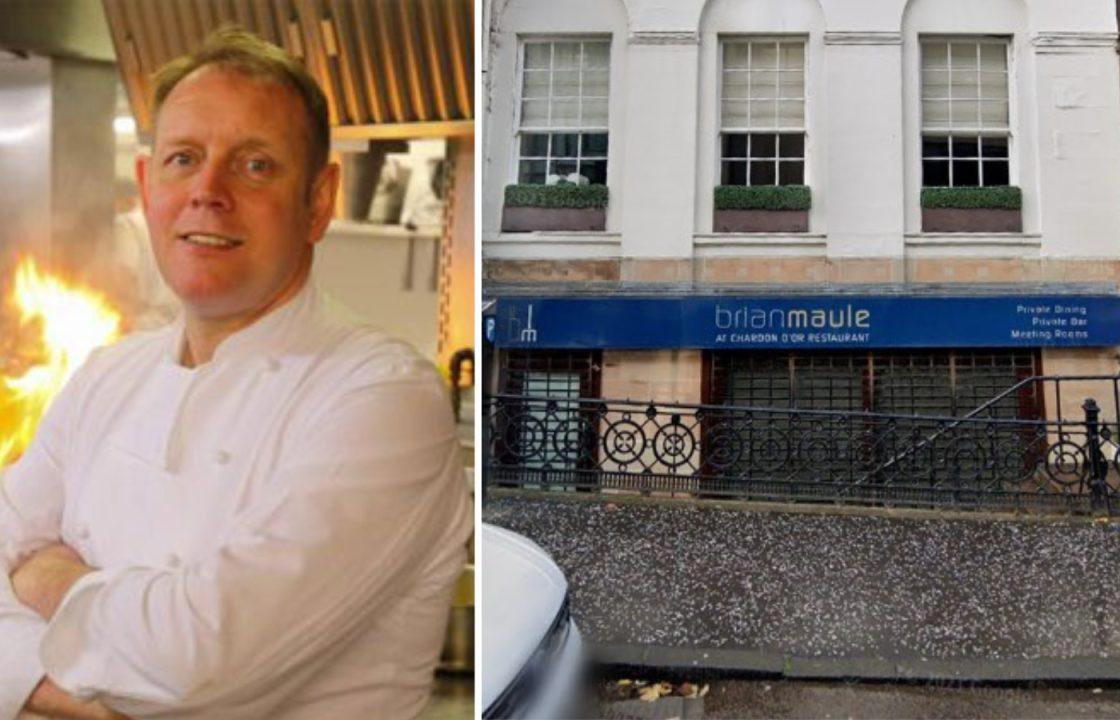
West Regent Street and the Room That Comes Before the Food
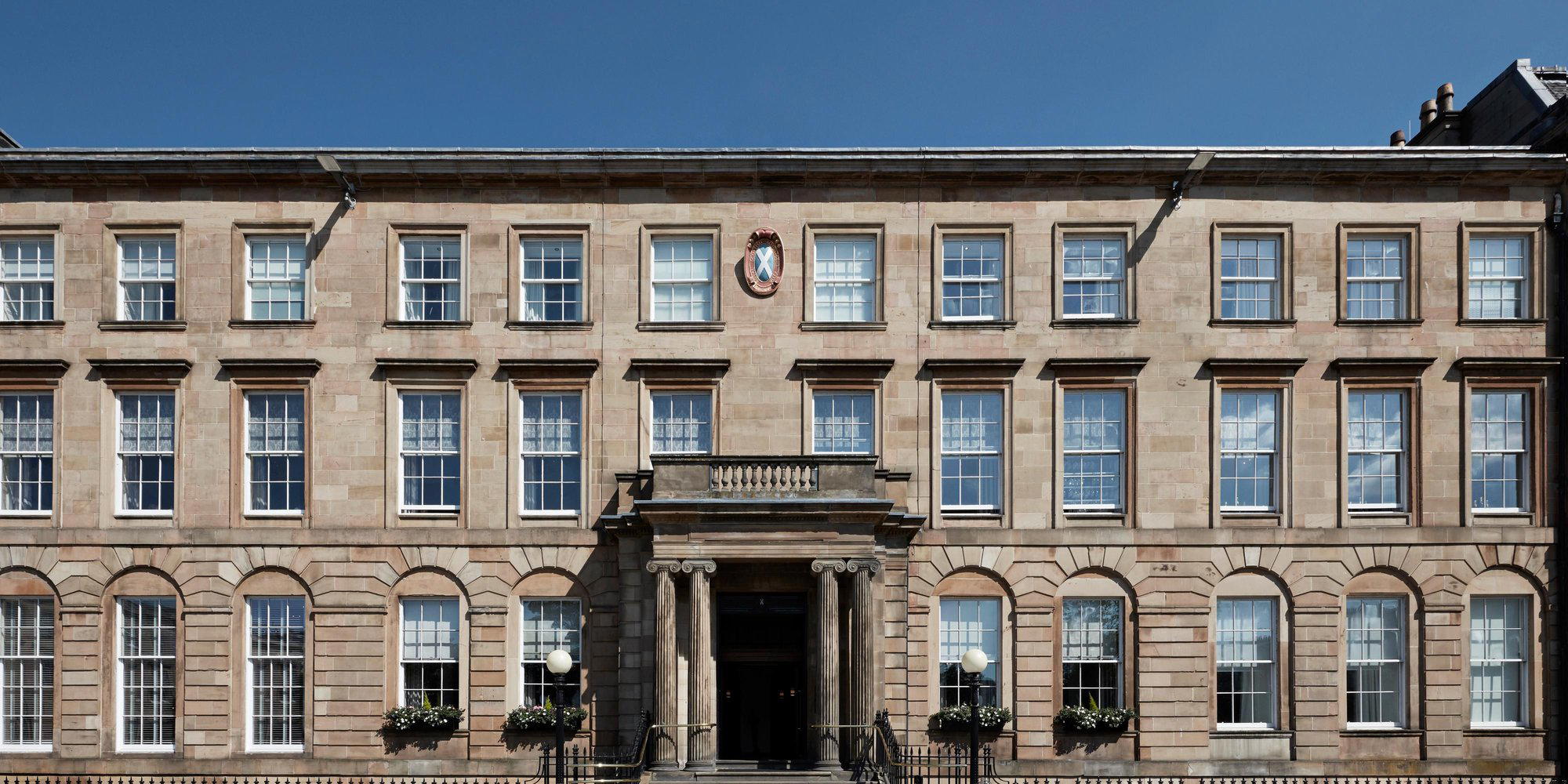
Glasgow's fine-dining corridor on and around West Regent Street has always operated differently from the city's more casual dining clusters. The architecture here runs to sandstone townhouses and converted commercial buildings, and the restaurants that survive in this part of the city centre tend to draw on that formality rather than fight against it. Brian Maule at Chardon d'Or, at 176 West Regent Street, sits inside that pattern. The restaurant is permanently closed. The building carries a particular weight, the kind of address where the approach itself signals intent before a menu ever arrives. It is permanently closed. This is not a room that trades on novelty; it trades on the idea that classical French cooking, applied seriously to the produce Scotland generates, is a defensible position worth holding.
That positioning matters in Glasgow right now. The city's fine-dining tier has expanded and sharpened in recent years. Cail Bruich and Unalome by Graeme Cheevers represent the contemporary end of Scottish fine dining, both working with strong local sourcing credentials and a modernist approach to technique. Chardon d'Or occupies a different lane: the classical French tradition, with Scotland as the larder rather than the framework. The distinction is meaningful if you are choosing between them.
The Sourcing Argument for Scottish Produce in a French Kitchen
The editorial case for French classical technique applied to Scottish ingredients is not sentimental. Scotland produces particularly sought-after primary ingredients in European cooking: Highland venison, shellfish from the west coast, lamb from the islands, and game birds that are regulated and seasonal in ways that most other European supply chains are not. The argument is that French brigade structure and sauce-making tradition, stocks, reductions, classical butchery discipline, are among the more technically demanding frameworks for handling these ingredients, and that the combination produces something substantively different from either French cooking in France or modern Scottish cooking in Glasgow.
This is the logic that connects Chardon d'Or to a broader UK tradition. Houses like Waterside Inn in Bray have held that classical French lineage for decades, as has Gidleigh Park in Chagford. Further north, the case for rigorous sourcing combined with deep technique has been made differently but no less seriously at L'Enclume in Cartmel and Moor Hall in Aughton. What these places share is a conviction that provenance and technique are not competing values, that knowing where a langoustine was caught does not require abandoning the classical bisque that contextualises it.
Chardon d'Or sits in this broader current. The Glasgow version of the argument is geographically convenient: the sourcing distances for west-coast shellfish, Perthshire game, and Scotch beef are shorter here than they are for any kitchen operating the same classical French framework in London or the south of England. That logistical advantage, where it is used well, shows in the quality of raw materials reaching the plate.
Glasgow's Fine-Dining comparable set in Context
The comparison field in Glasgow at the serious end of the market is not enormous, which means each restaurant in that tier is making a relatively distinct argument. Chardon d'Or's classical French positioning places it in a different competitive conversation from Brett or the more casual registers of Big Counter and Afrikana. Those restaurants are doing something genuinely different and should be evaluated on their own terms. Chardon d'Or asks a different question of its guests: whether the classical tradition, executed with Scottish materials, justifies the formality and the price point that comes with it.
For the reader making that decision, the useful comparison is not with the casual mid-market but with the other serious rooms. Midsummer House in Cambridge, Opheem in Birmingham, and hide and fox in Saltwood each represent regional British fine dining making a specific technical argument. Chardon d'Or's argument is the French classical one, and in Glasgow, it has had time to make it consistently. That consistency is its primary credential.
Internationally, the classical French framework for premium seafood has been made most forcefully at places like Le Bernardin in New York City, where rigour and sourcing discipline have defined a tier for decades. The ambition is comparable, even if the scale and the awards profile sit differently. For a genuinely different take on how technique and provenance interact, one that veers further from tradition, Lazy Bear in San Francisco and Ynyshir Hall in Machynlleth or CORE by Clare Smyth in London show where the modernist fork in the road leads. Hand and Flowers in Marlow offers a useful data point in the other direction: classical British pub cooking refined through technique, holding its own peer-set conversation about what rigour in a non-formal room can produce.
Planning a Visit
West Regent Street is walkable from Glasgow Central Station in under ten minutes, which makes Chardon d'Or accessible for visitors arriving by rail, the default and usually the fastest option from Edinburgh, which runs frequent services across the day. The restaurant's address in the city centre means parking is not the obvious approach, though it is possible in nearby multi-storeys. For visitors coming from outside Glasgow, the West End hotels provide a short taxi distance; the city centre hotels on Blythswood Square and around St Vincent Street place guests within easy walking range. Booking in advance is the practical recommendation for a room at this level in any city, but confirmation of current availability and service format should go through direct contact with the restaurant. The formality of the room and the price tier it occupies suggest this is an occasion-dining choice rather than a spontaneous one, and planning accordingly makes the experience more direct.
For a broader orientation to Glasgow's dining scene across price points and styles, the EP Club Glasgow restaurants guide maps the full range of the city's current offer.
Quick Comparison
Comparable venues nearby, for context on price, style, and recognition.
| Venue | Cuisine | Price | Awards | Notes |
|---|---|---|---|---|
| Brian Maule at Chardon d'Or | French Fine Dining with Scottish Influences | $$$$ | , | Anderston/City/Yorkhill |
| The Western Club | Modern Scottish Fine Dining | $$$$ | , | Anderston/City/Yorkhill |
| Gloriosa | Pan-Mediterranean Seasonal Small Plates | $$$ | Anderston/City/Yorkhill | |
| The Buttery | Traditional Scottish Fine Dining | $$$ | , | Anderston/City/Yorkhill |
| Eighty Eight | Modern Scottish Small Plates | $$$ | Partick East/Kelvindale | |
| Ubiquitous Chip | Modern Scottish Gastropub | $$$ | Hillhead |
Continue exploring
More in Glasgow
Restaurants in Glasgow
Browse all →
Bars in Glasgow
Browse all →
Hotels in Glasgow
Browse all →


At a Glance
- Elegant
- Sophisticated
- Intimate
- Classic
- Date Night
- Special Occasion
- Business Dinner
- Private Dining
- Local Sourcing
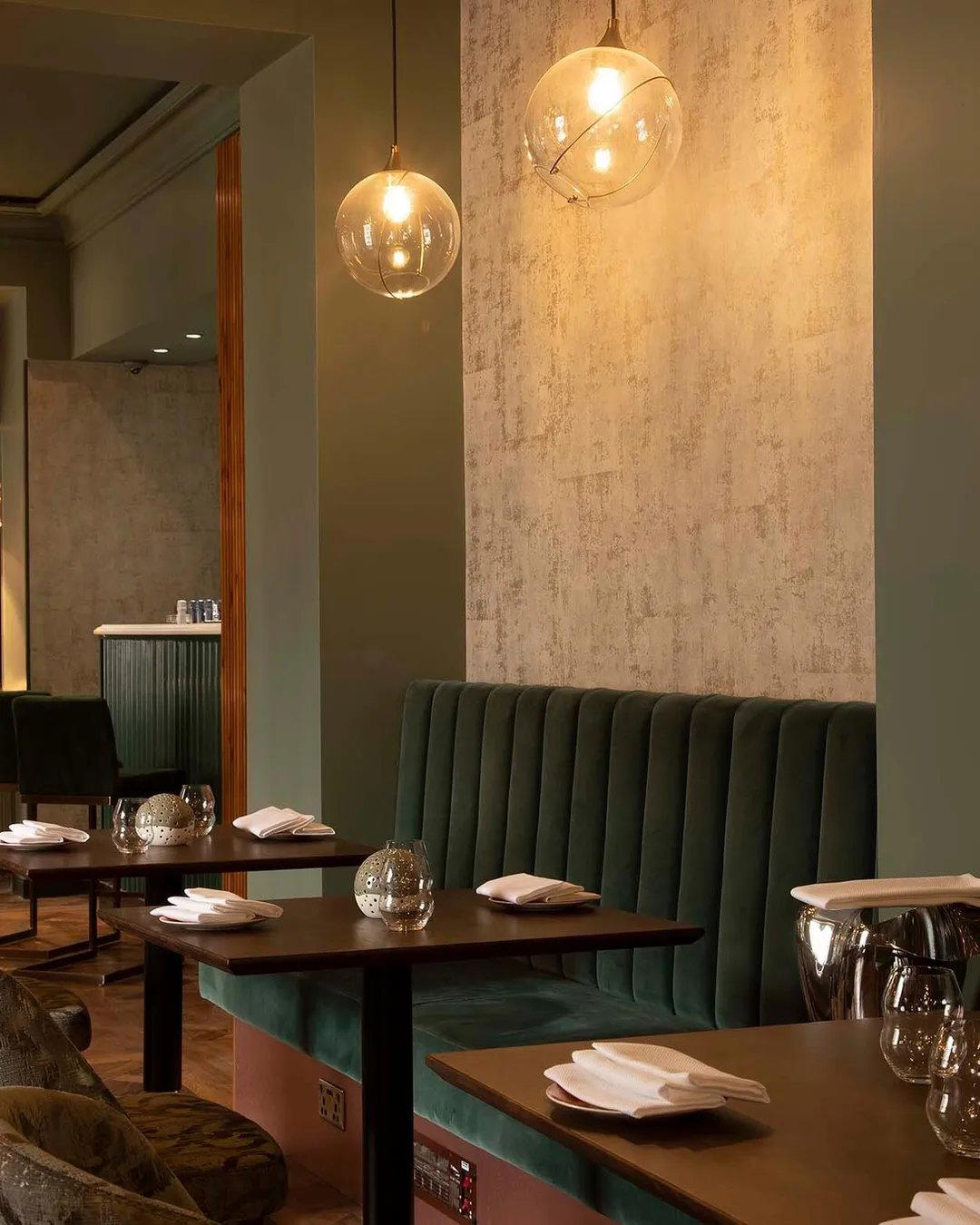
Classy dining room delivering style with substance, featuring elegant and sophisticated atmosphere.