BreadHive Bakery & Cafe
BreadHive Bakery & Cafe on Connecticut Street sits within Buffalo's West Side, a neighbourhood where cooperative food businesses have quietly shaped the local eating culture. The bakery operates on a worker-owned model, placing it in a distinct tier of community-rooted food producers that prioritise craft and accessibility over expansion. It draws a steady local crowd for fresh-baked bread, cafe staples, and a low-key atmosphere that reflects the neighbourhood's character.
 Discover on Pearl
Pearl is the En Primeur Club membership app — saves, bookings, and concierge access live there. Same editors, same standards.
- Address
- 402 Connecticut St, Buffalo, NY 14213
- Phone
- +1 716 980 5623
- Website
- breadhive.com
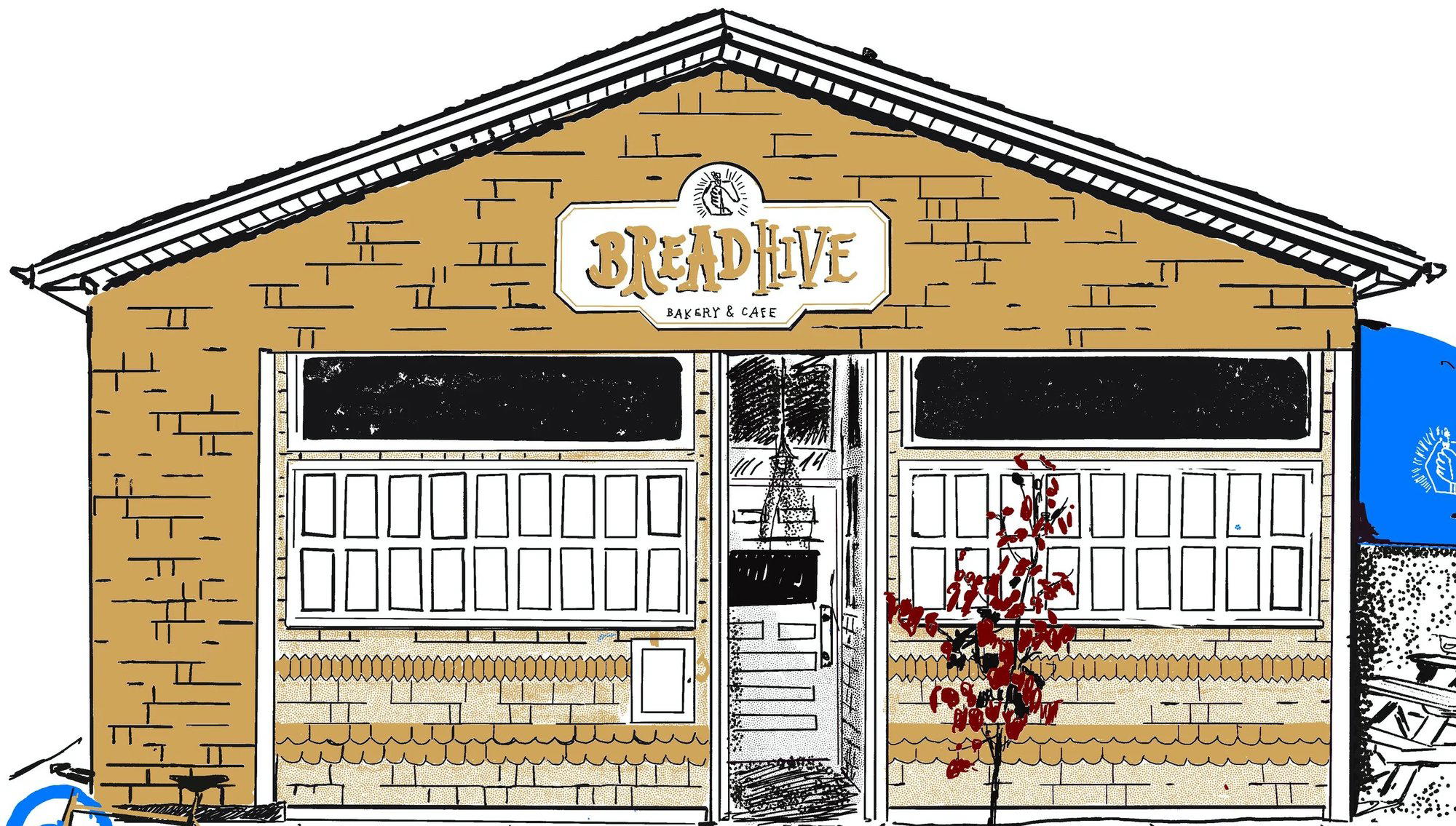
Where Buffalo's West Side Eats Its Bread
Connecticut Street on Buffalo's West Side is the kind of block where the food businesses tend to have a founding rationale beyond revenue. Community gardens, cooperative grocers, and neighbourhood cafes cluster here in a way that sets the strip apart from the more chef-driven dining that defines Buffalo's Elmwood Village or the waterfront. BreadHive Bakery and Cafe at 402 Connecticut St sits squarely in that tradition: a worker-owned cooperative operating in a city that has built a small but coherent ecosystem of democratically run food enterprises. Walking toward it on a weekday morning, you notice the rhythm before you reach the door, regulars looping back with bags, a short line that moves quickly, and the particular sound of a neighbourhood bakery at work.
The Menu as a Statement of Priorities
The structure of a bakery-cafe menu tells you immediately what the operation values. At cooperatives like BreadHive, the architecture tends toward breadth without pretension: whole-grain loaves alongside accessible cafe drinks, sandwiches that make use of the house bread rather than treating it as an afterthought, and a pastry case that reflects seasonal availability rather than trend-chasing. This is the opposite of the maximalist menu strategy used by high-volume urban cafes, where long lists signal scale rather than depth.
What a menu built around house-baked bread communicates is a particular kind of vertical integration: the foundational product is made on site, and everything else on the menu is designed to show it off. In bakery culture, this approach, common in established European-style bread programs, separates operations serious about fermentation and grain from those treating bread as a commodity input. The West Side's food-cooperative tradition gives BreadHive's menu a further layer of intention: sourcing decisions and labour structures are built into the model, not added as marketing language. For the full context of how BreadHive fits into Buffalo's broader dining scene, see our full Buffalo restaurants guide.
Cooperatives and the Buffalo Food Scene
Buffalo has accumulated a quietly coherent group of neighbourhood-anchored dining spots over the past decade. Betty's on Virginia Street established a template for West Side neighbourhood dining that balanced accessibility with a committed kitchen. Amy's Place operates in a similar register of community-grounded hospitality. Further downtown, Anchor Bar anchors the bar-food end of the spectrum, while Billy Club and 42N at The Flats represent the waterfront's more recent restaurant development. BreadHive occupies a different tier from all of them, it is not a restaurant in the conventional sense, but a food producer with a cafe attached, and that distinction matters for understanding what you are actually walking into.
The cooperative ownership model is not common at this scale in American bakeries. Worker-owned food businesses face structural pressures that conventional owner-operated spots do not: decisions are collective, margins are shared, and growth is usually constrained by the labour model itself. That constraint is also a form of quality control. The menu stays tight because the operation has to stay tight.
Grain, Fermentation, and the American Bread Revival
American bread culture has undergone a sustained reorientation over the past fifteen years, driven partly by the rise of long-fermentation sourdough, partly by renewed interest in heritage and whole-grain flours, and partly by the influence of operations like Tartine in San Francisco, which demonstrated that serious bread could carry a cafe. In that broader context, community-scale bakeries in mid-sized American cities occupy an interesting position: they are close enough to their supply chains to source regionally, small enough to maintain fermentation schedules that larger operations cannot, and embedded enough in their neighbourhoods to sustain a loyal customer base without relying on destination dining traffic.
This is a different comparable set from the restaurants that tend to attract national critical attention. Venues like Le Bernardin in New York City, The French Laundry in Napa, or Blue Hill at Stone Barns in Tarrytown operate in a register defined by tasting menus, national press, and Michelin recognition. So do ambitious mid-format spots like Smyth in Chicago, Lazy Bear in San Francisco, Atomix in New York City, Providence in Los Angeles, Addison in San Diego, Single Thread Farm in Healdsburg, Emeril's in New Orleans, The Inn at Little Washington, and Atelier Moessmer Norbert Niederkofler in Brunico. BreadHive does not compete in that space and does not try to. Its value is local, daily, and structural, the kind of place a city's food culture depends on even when the critics are looking elsewhere.
Planning a Visit
BreadHive is a neighbourhood bakery operating on community cooperative principles, which means hours and availability follow the rhythms of a working production kitchen rather than a hospitality-optimised schedule. For current hours and what is available on a given day, arriving early is the practical approach: bread and pastry supplies at operations of this type are typically set by what comes out of the oven each morning, and popular items sell out before midday. The Connecticut Street address puts it on the western edge of Buffalo's residential grid, accessible by car or on foot from the West Side neighbourhood. No advance booking is required or expected, this is a walk-in bakery-cafe in the fullest sense.
Accolades, Compared
Comparable venues nearby, for context on price, style, and recognition.
| Venue | Cuisine | Price | Awards | Notes |
|---|---|---|---|---|
| BreadHive Bakery & CafeThis venue — the venue you are viewing | Artisan Bakery Cafe | $$ | , | |
| The Black Sheep Restaurant & Bar | Farm-to-Table American Gastropub | $$$ | , | West Side |
| Anchor Bar | Classic American Buffalo Wings | $$ | Fruit Belt | |
| Toutant | Southern American Comfort | $$ | , | Central |
| Betty's | Eclectic American with International Influences | $$ | , | Allentown |
| The Left Bank | American Bistro | $$$ | , | Elmwood Bryant |
Continue exploring
More in Buffalo
Restaurants in Buffalo
Browse all →
Bars in Buffalo
Browse all →
Hotels in Buffalo
Browse all →

At a Glance
- Cozy
- Rustic
- Brunch
- Casual Hangout
- Local Sourcing
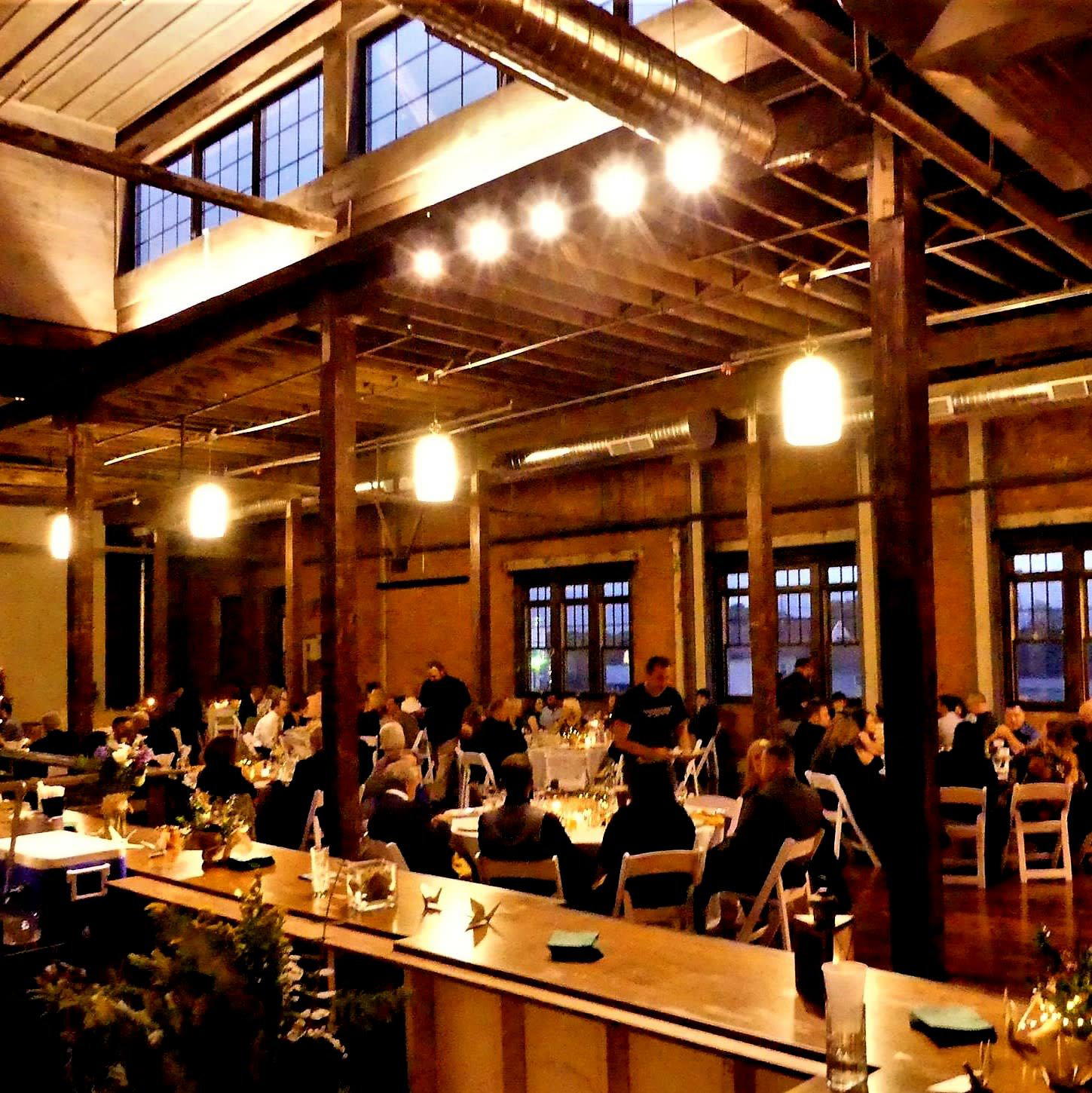
Cozy atmosphere with limited indoor seating and friendly staff.