
At Brava in Yalikavak, Peruvian chef Diego Muñoz draws on Mediterranean and Turkish ingredients while applying techniques and textures from across South America and beyond. The kitchen produces grilled meats, quinoa preparations with saffron and dried fruits, and tempura-inflected vegetable dishes that sit at an intersection rarely found on the Bodrum peninsula. A considered address for travellers seeking something outside the region's default grilled-fish format.
Pearl is the En Primeur Club membership app — saves, bookings, and concierge access live there. Same editors, same standards.
- Address
- Dirmil Mahallesi, Balyek Caddesi, No.5A, 48400 Yalikavak -Bodrum/Muğla, Turkey
- Website
- editionhotels.com
- Directions
- Get directions
 Saves & bookings on Pearl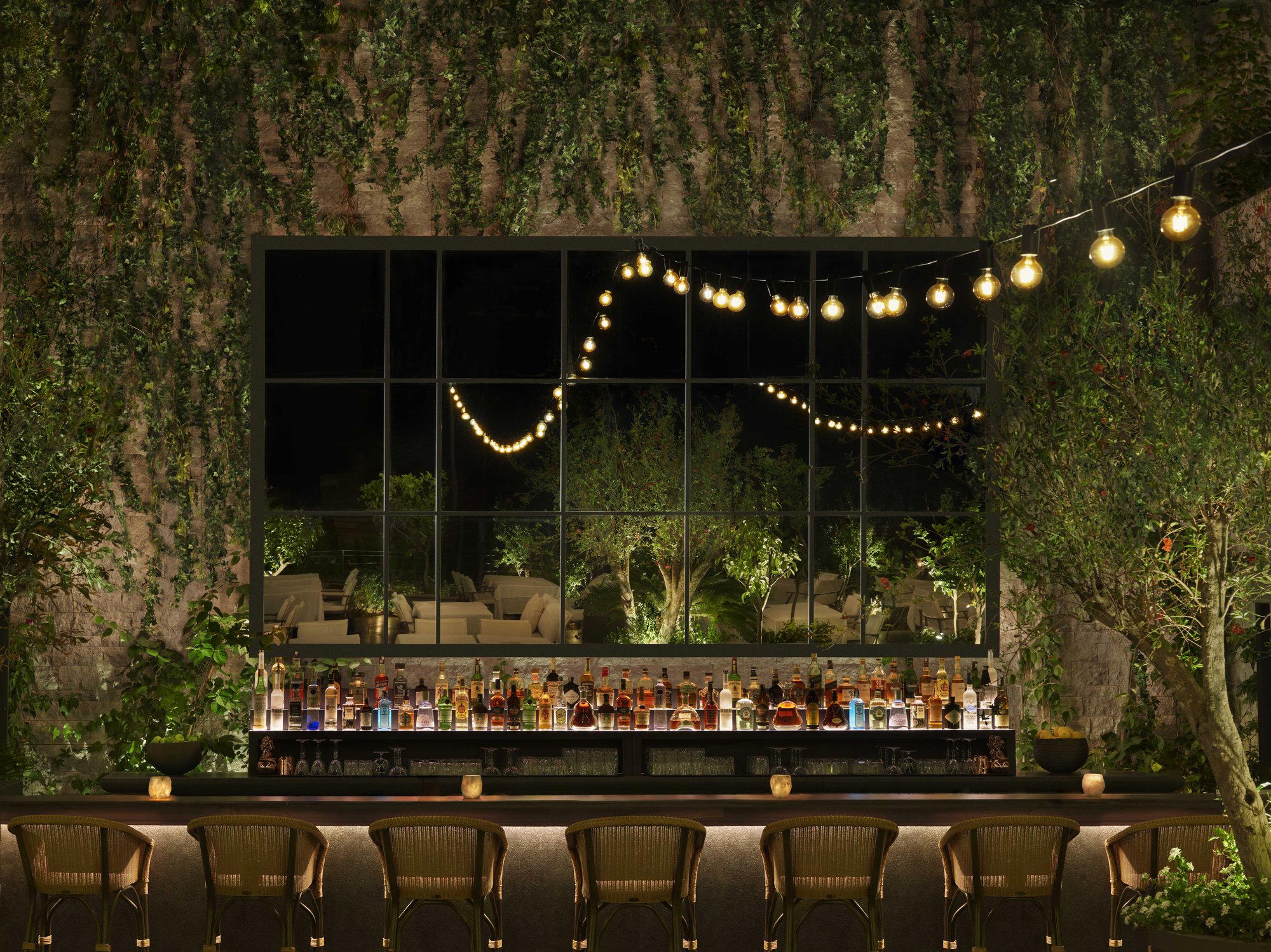
Where Yalikavak Meets the Andes
The marina town of Yalikavak sits at the northwestern tip of the Bodrum peninsula, and its dining scene has evolved faster than almost anywhere else on the Turkish Aegean coast. A decade ago the waterfront was dominated by fish restaurants serving the same line of mezze and grilled bream. Today a smaller cohort of kitchens operates with a more deliberate sourcing philosophy, using the peninsula's agricultural depth as a starting point rather than a default. Brava belongs to that cohort, and its location on Balyek Caddesi places it within walking distance of the marina without being consumed by it.
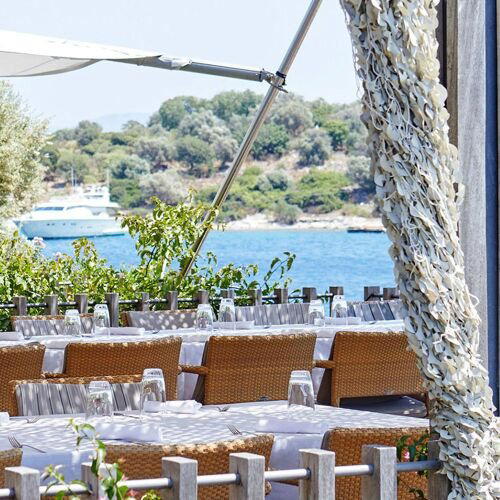
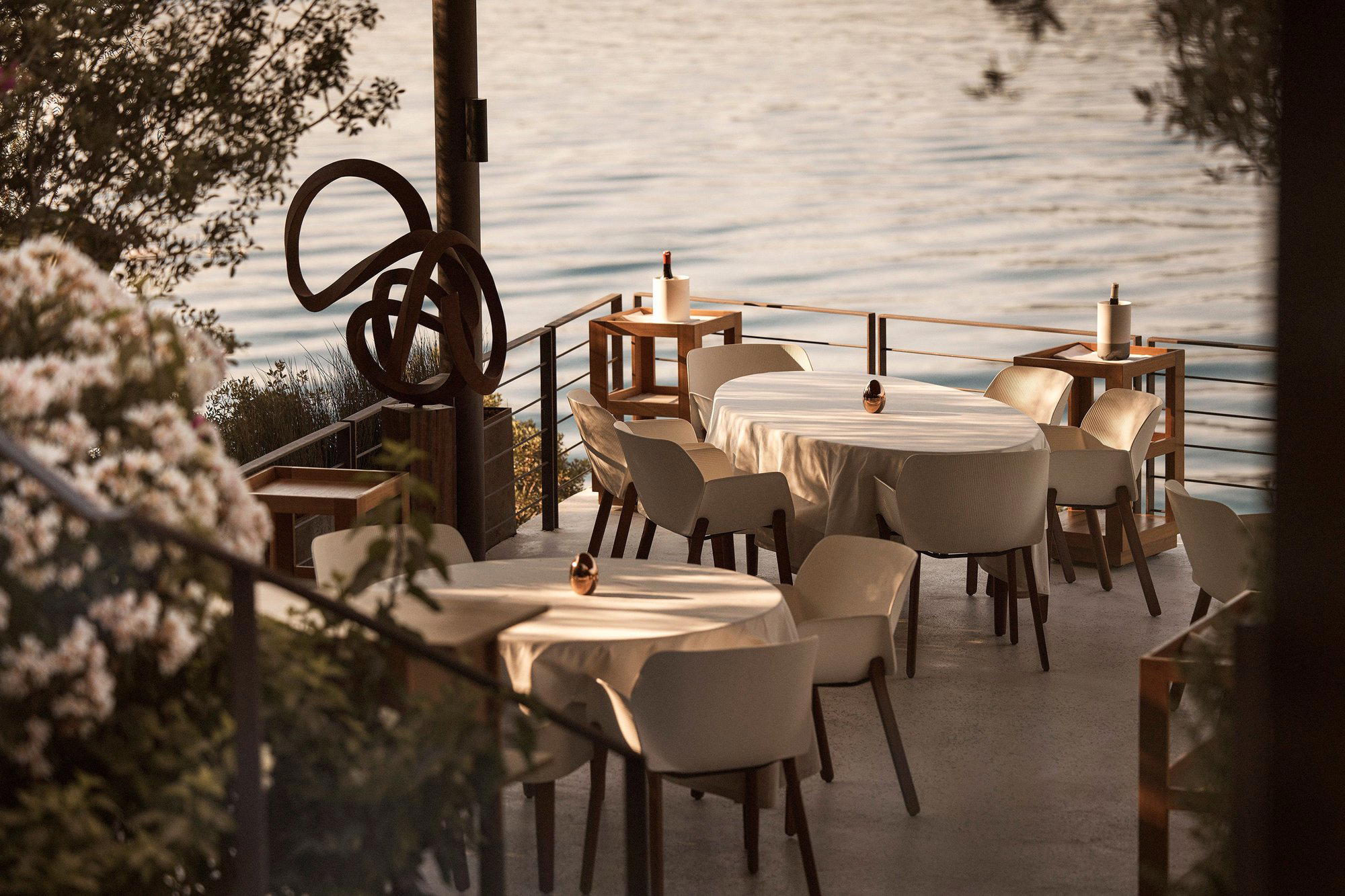
The address in Dirmil Mahallesi positions Brava slightly away from the highest-traffic strip, which matters for understanding its register. This part of Yalikavak draws a more locally embedded crowd alongside international visitors who have moved beyond the peninsula's headline spots. The physical setting rewards that shift in attention: the Muğla coast at this latitude offers long, warm evenings that make outdoor dining something closer to a given than a gamble, and a kitchen producing the kind of food Brava offers reads differently under those conditions than it would in a colder, more enclosed room.
The Sourcing Logic Behind the Menu
What makes Brava worth placing in editorial context is the ingredient conversation it opens. The Bodrum peninsula sits in one of Turkey's most productive agricultural belts. The Muğla region supplies olive oil with a recognised geographical profile, citrus from the valleys behind the coast, and a tradition of dried fruit and nut use that predates the modern restaurant trade by centuries. When a kitchen with Peruvian training and global technique credentials enters that supply chain, the results are less about fusion as a concept and more about what happens when a different culinary logic encounters a serious local larder.
The menu as documented reflects exactly that encounter. Grilled chicken with lemon, garlic, and sweet potatoes is a preparation that could read as direct comfort food anywhere in the Mediterranean, but in this context the lemon and garlic carry the weight of a regional tradition, while the sweet potato introduces a lineage that runs through Andean agriculture. White and red quinoa with saffron, dried fruits, and nuts is a more explicit statement: saffron connects to the Ottoman pantry and its westward dispersions, quinoa to pre-Columbian staples, and dried fruits and nuts to the Aegean's own preservation traditions. These are not arbitrary combinations.
Stewed celery with olive and orange oil speaks to the peninsula's oil culture with a directness that few imported menus bother with. The Aegean's olive oil tradition is among Turkey's most documented, and using it as a primary flavour vehicle in a vegetable dish rather than a background lubricant is a choice with editorial significance. The tempura of candied pumpkin with crispy quinoa and chimichurri peppers completes a roster of vegetable preparations that reads as seriously as the protein dishes, which in a regional context where vegetable cookery is often an afterthought, is worth noting.
For comparison, Maçakızı (Modern Cuisine) operates at the peninsula's highest price tier with a modern Turkish register, while Kitchen By Osman Sezener (Modern Cuisine) offers modern cuisine at a more accessible price point. Barbarossa (Mediterranean Cuisine) stays closer to straight Mediterranean cooking, and Bağarası (Turkish) grounds itself in Turkish tradition specifically. Brava's hybrid register occupies a different position from all of them, one without a direct local peer.
Chef Credentials and Their Continental Context
Chef Diego Muñoz is identified in the public record primarily through his work in Peru and his parallel project, Cantina Peruviana in Lisbon. Peruvian cuisine's global standing is well established: it operates from one of the world's most biodiverse ingredient pools, and its technical vocabulary integrates Japanese, Chinese, Spanish, and indigenous traditions in proportions that vary by chef and region. A Peruvian-trained kitchen working in Yalikavak is not an arbitrary export. It brings a framework for thinking about ingredient combination and technique transfer that has international credibility, applied here to a very specific local supply chain.
The crossover model has precedents in other coastal Mediterranean cities. Turk Fatih Tutak in Istanbul demonstrates how international training and Turkish ingredient specificity can coexist at the highest recognition level. Closer geographically, Narımor in Izmir and 7 Mehmet in Antalya both show how Aegean and Mediterranean ingredient traditions support distinctive cooking identities. The broader Turkish southwest, from Ahãma in Göcek to Agora Pansiyon in Milas and Aravan Evi in Ürgüp, suggests a country where regional ingredient identity is being taken more seriously across the restaurant tier.
How to Approach a Visit
Brava sits on Balyek Caddesi in the Dirmil Mahallesi neighbourhood of Yalikavak, which puts it in a part of the peninsula where a car or taxi is useful if you are arriving from Bodrum town itself. Yalikavak is roughly 18 kilometres from central Bodrum by road, and the marina area is well served by dolmuş from Bodrum's central otogar during the main season. The venue has no published phone number or booking website in the current record, which makes it worth treating as a walk-in option or confirming availability through your hotel concierge before making the trip specifically for dinner.
The Bodrum peninsula's high season runs from late June through August, when Yalikavak in particular attracts a dense international crowd around the marina. A kitchen with this sourcing complexity and a menu that takes vegetable dishes seriously is likely to read better outside peak pressure, in the shoulder weeks of June or September when the produce season is still active and the room operates at a pace that allows the food to come through clearly.
For a broader read on the peninsula's options across all categories, the [EP Club Bodrum restaurants guide]() covers the full range, with Arka Ristorante Pizzeria for those wanting Italian, and the [bars guide](), [hotels guide](), [wineries guide](), and experiences guide for planning the rest of a stay on the peninsula.
How Brava Bodrum compares with similar nearby venues.
| Venue | Cuisine | Price | Awards |
|---|---|---|---|
| Brava | Not listed | Not listed | We're Smart World 2025, 3 Radishes |
| Sait | Seafood | ₺₺ | Not listed |
| Zuma Bodrum | Japanese Contemporary | ₺₺₺ | Not listed |
Recognition history
Dated appearances from independent guides and award organizations, with the underlying list record or original source where available.
We're Smart World 3 Radishes
We're Smart World

At a Glance
- Elegant
- Sophisticated
- Lively
- Scenic
- Date Night
- Special Occasion
- Celebration
- Waterfront
- Terrace
- Open Kitchen
- Live Music
- Craft Cocktails
- Waterfront
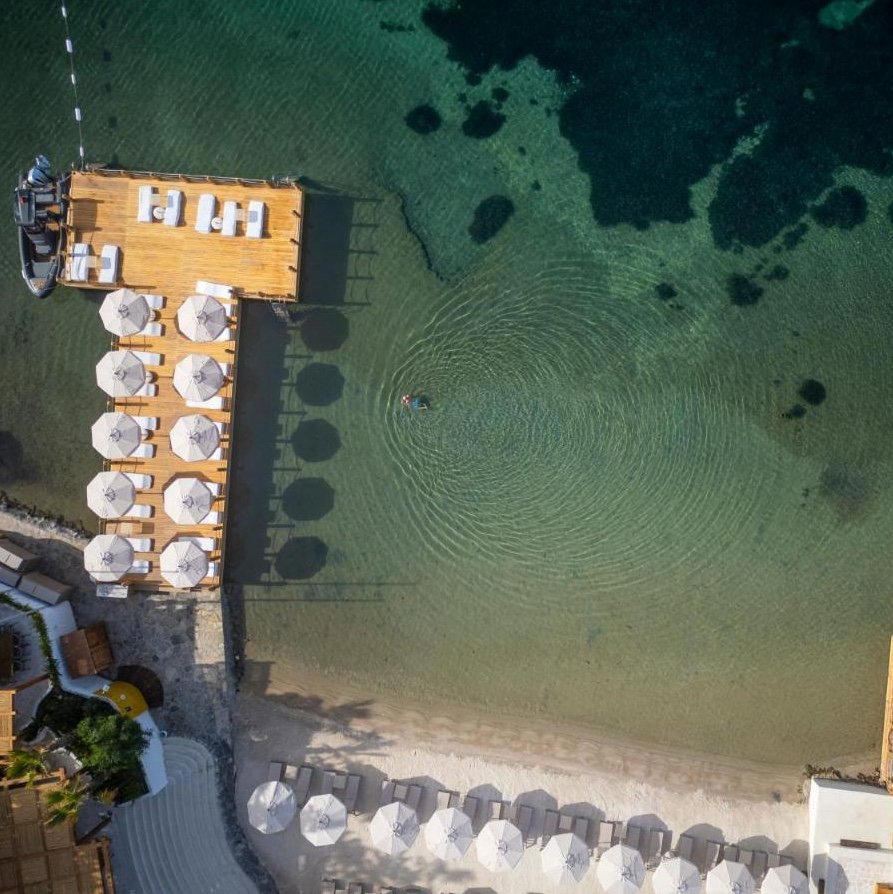
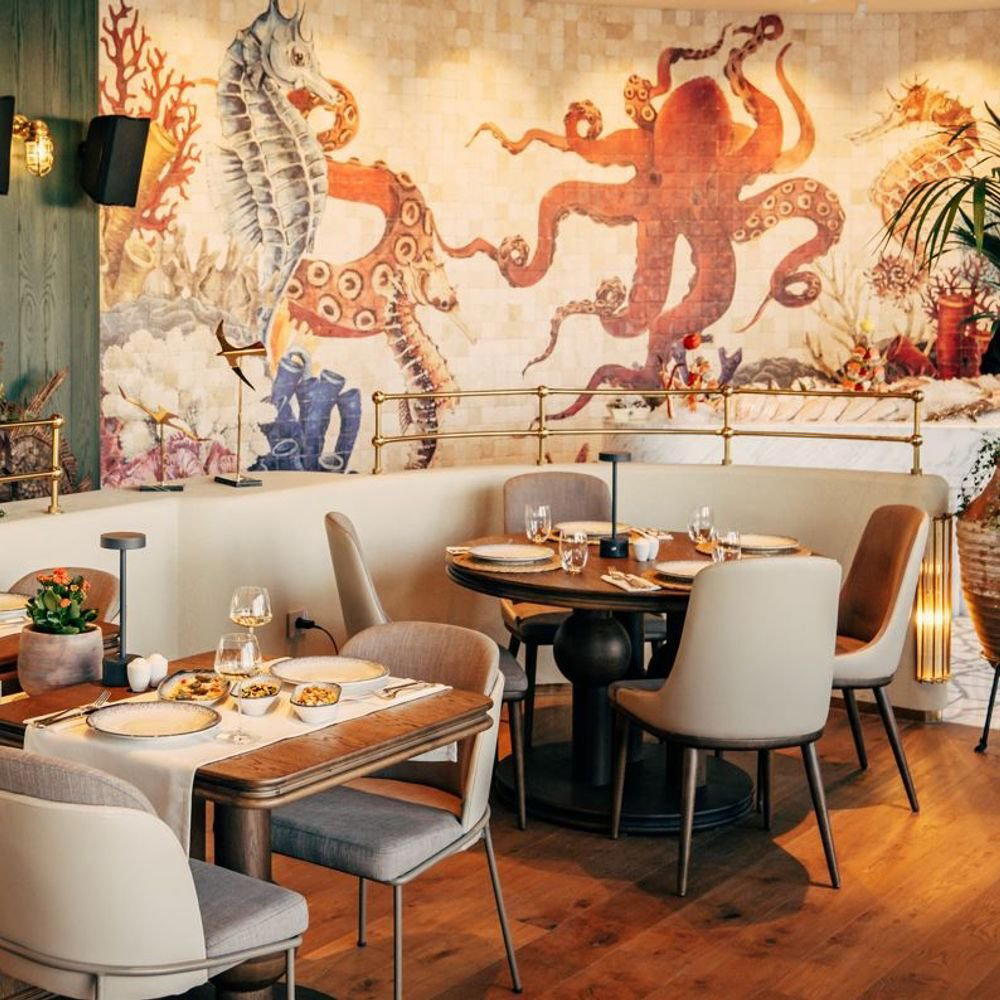
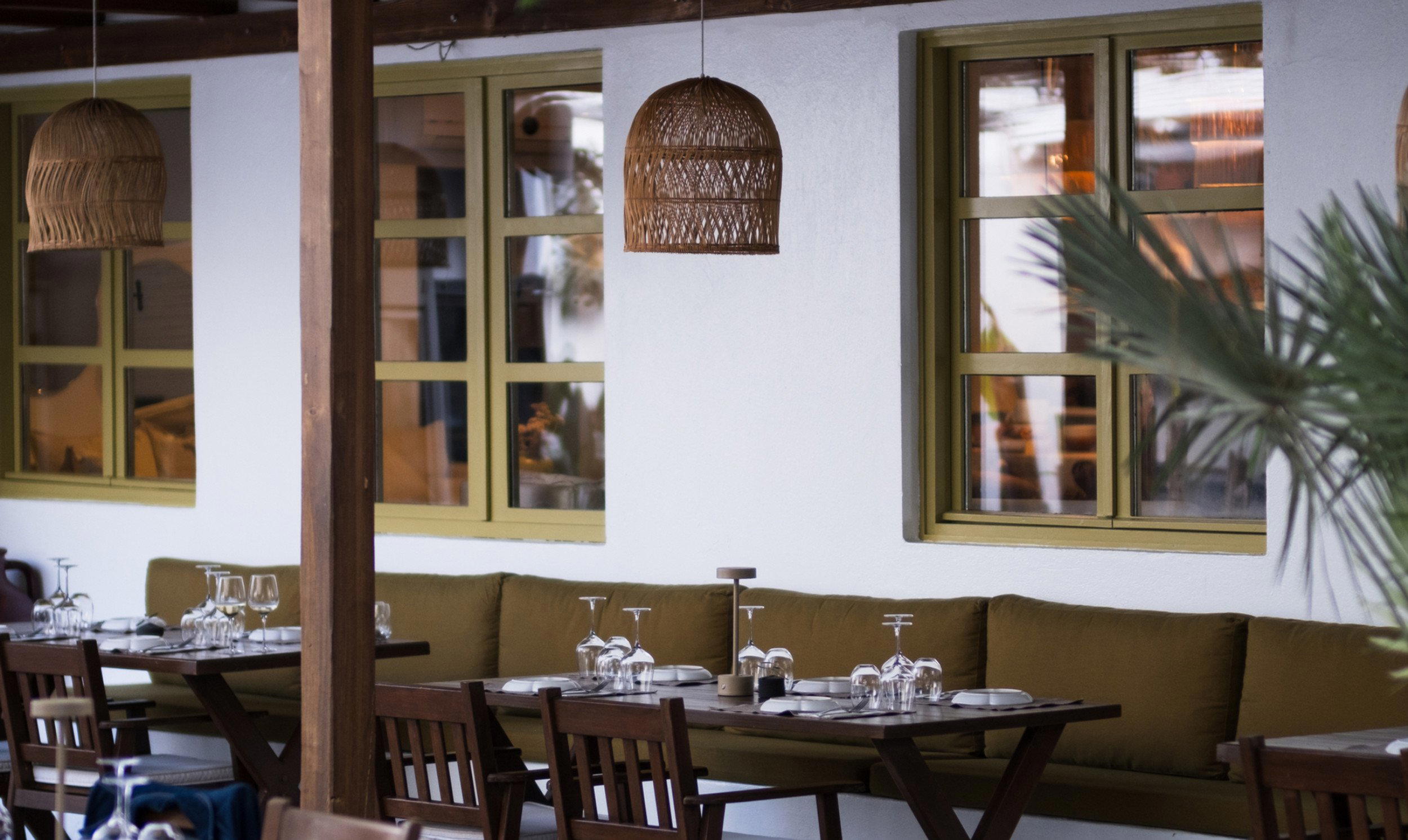
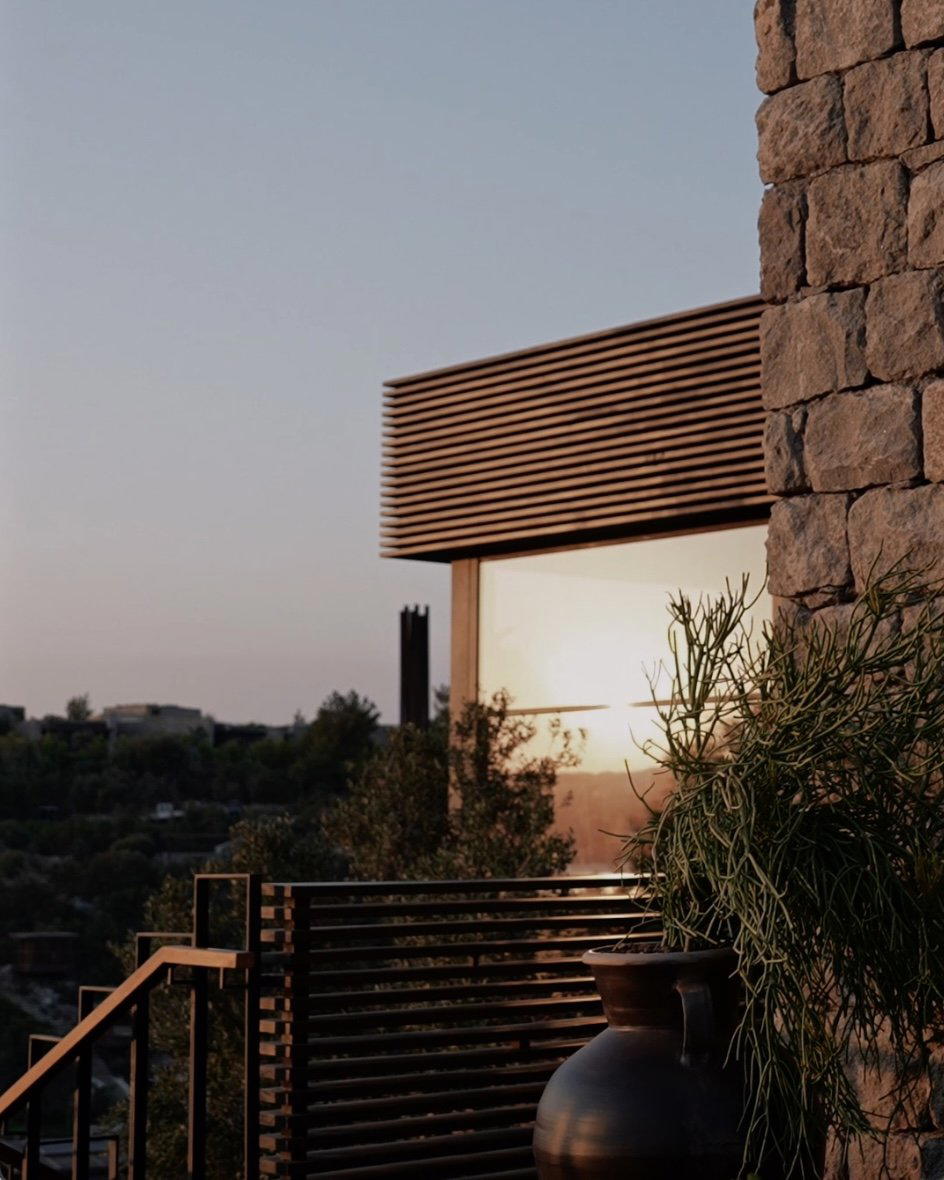
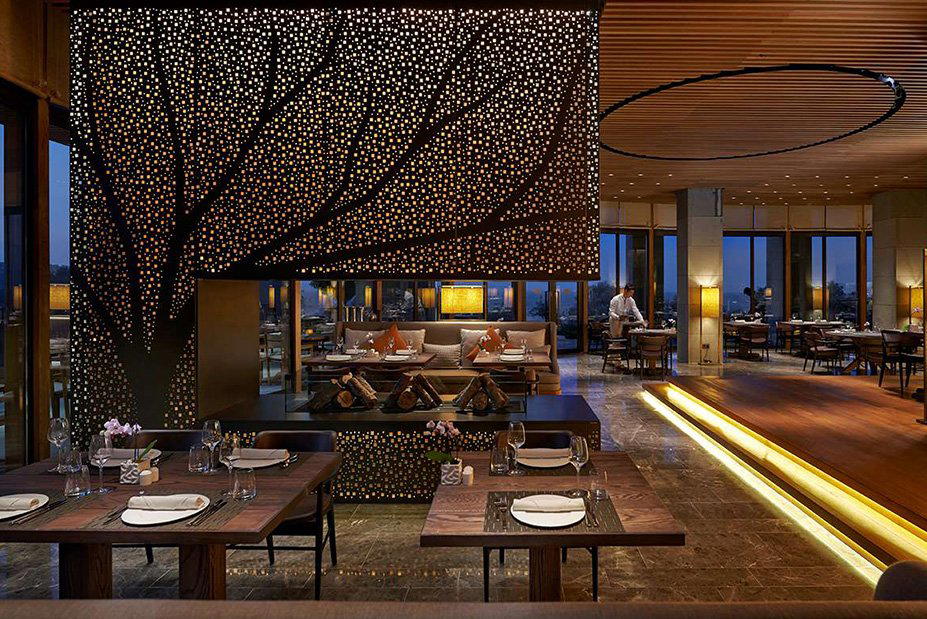
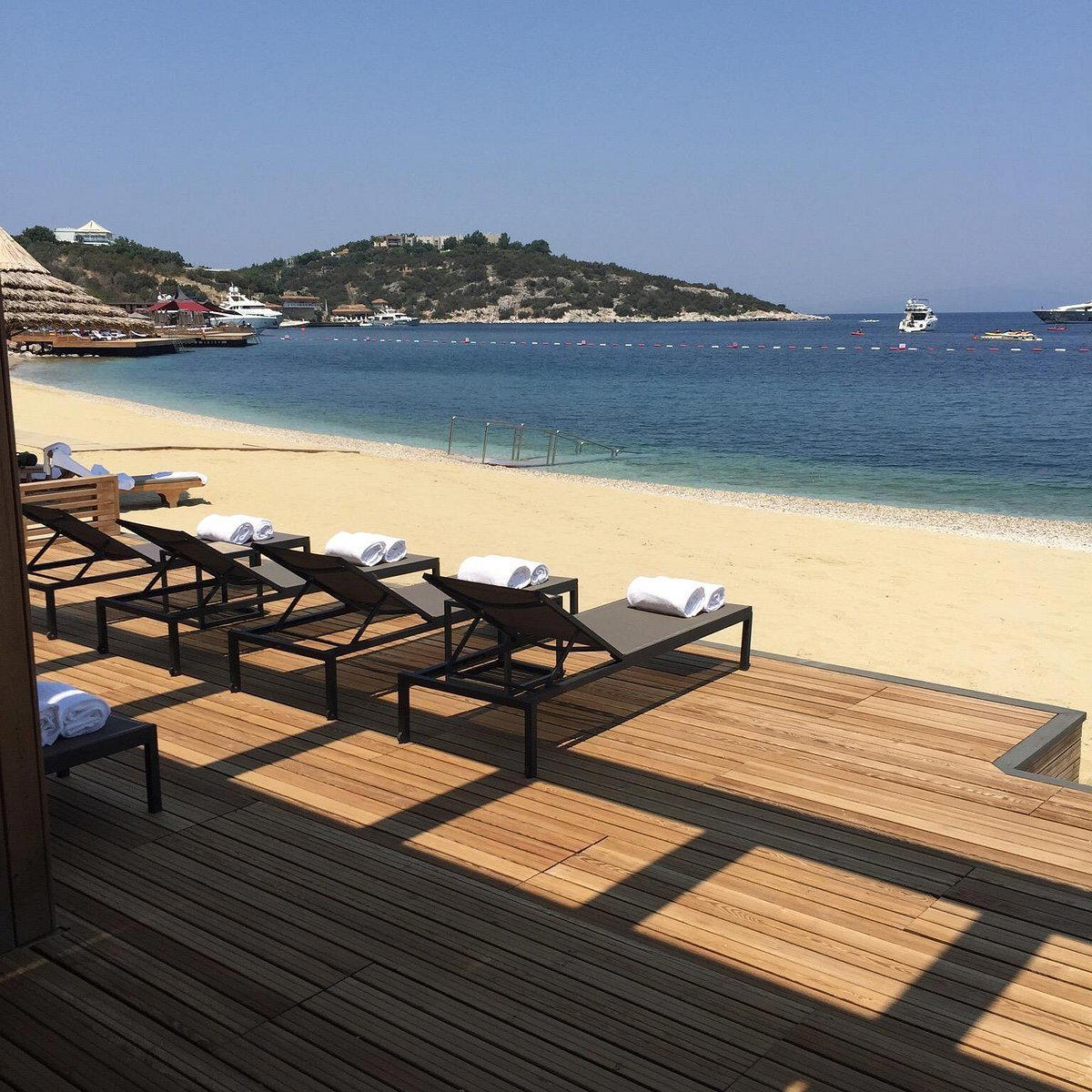
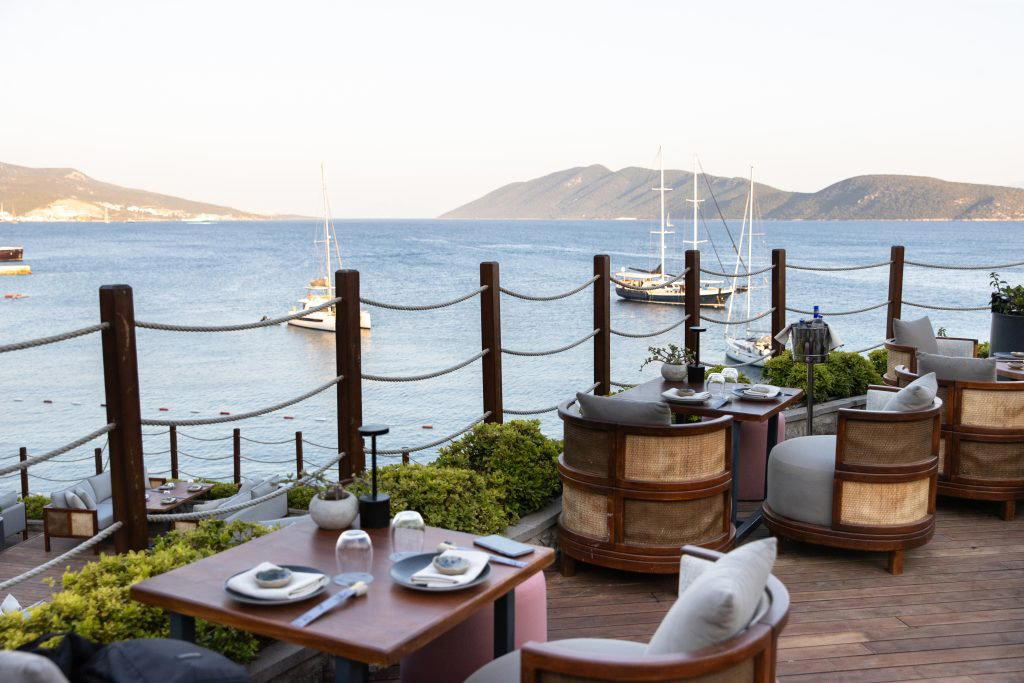
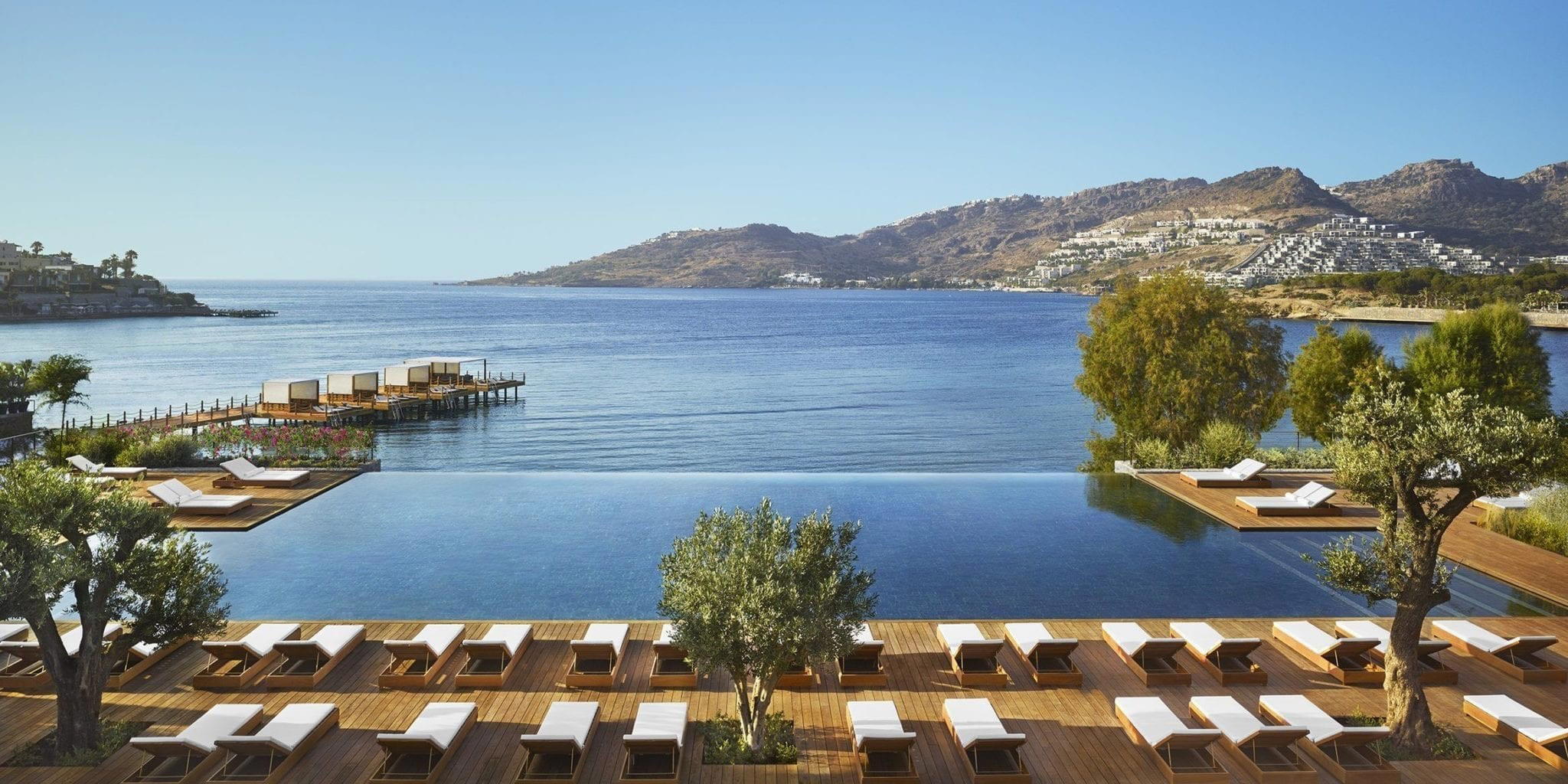
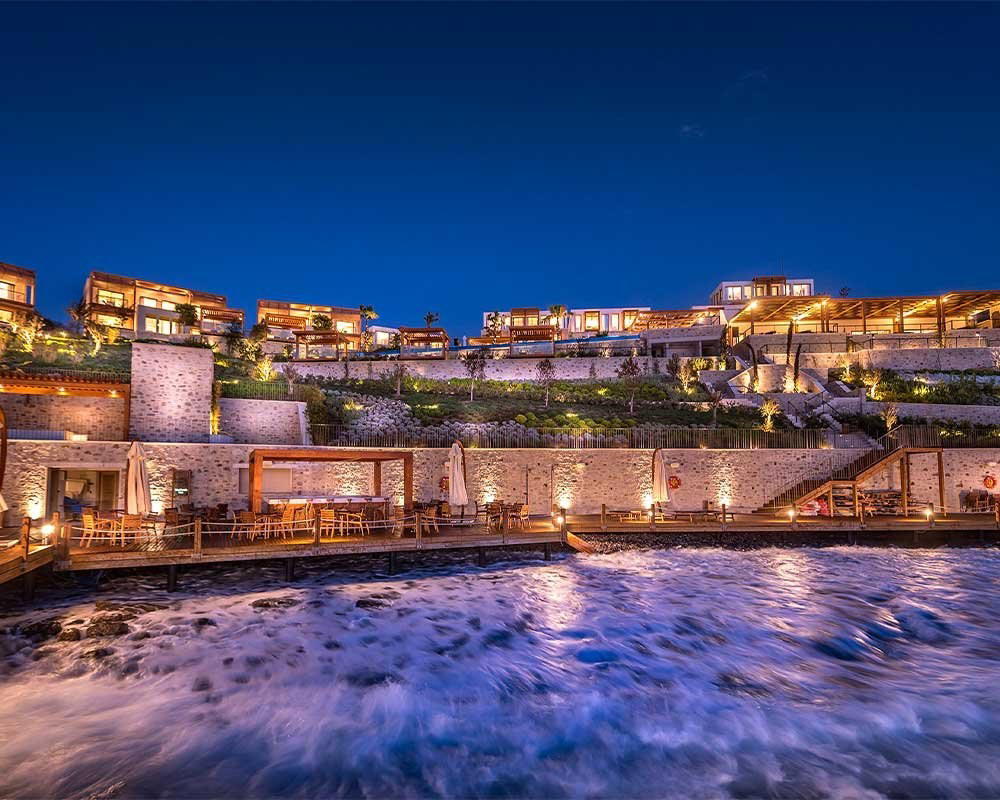
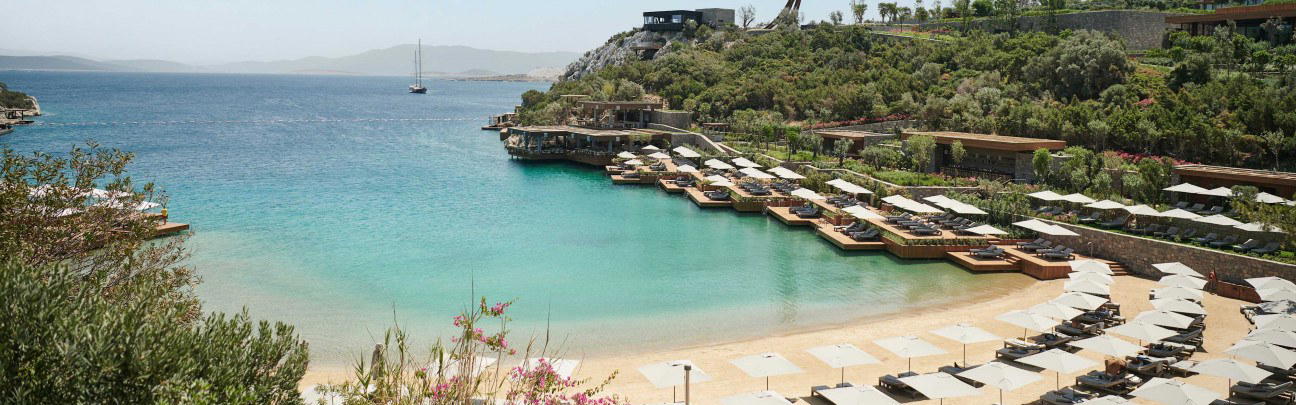
Lively and elegant atmosphere with far-reaching sea views, live music, and warm lighting creating a memorable fine dining experience.
Know Before You Go
- Getting there
- Dirmil Mahallesi, Balyek Caddesi, No.5A, 48400 Yalikavak -Bodrum/Muğla, Turkey