Brauhaus Schmitz
Our verdict
On South Street, Brauhaus Schmitz anchors Philadelphia's German dining tradition with a format that shifts noticeably between its daytime and evening service. Among a South Philly strip better known for New American and pan-Asian kitchens, it holds a distinct position as the neighborhood's primary German beer hall reference point, drawing both weekday lunch crowds and weekend late-night regulars.

Pearl is the En Primeur Club membership app — saves, bookings, and concierge access live there. Same editors, same standards.
- Address
- 718 South St, Philadelphia, PA 19147
- Phone
- (267) 909-8814
- Hours
- Mon–Thu 4 PM–12 AMFri–Sun 12 PM–12 AM
- Website
- brauhausschmitz.com
- Directions
- Get directions
- Booking
- Book on OpenTable
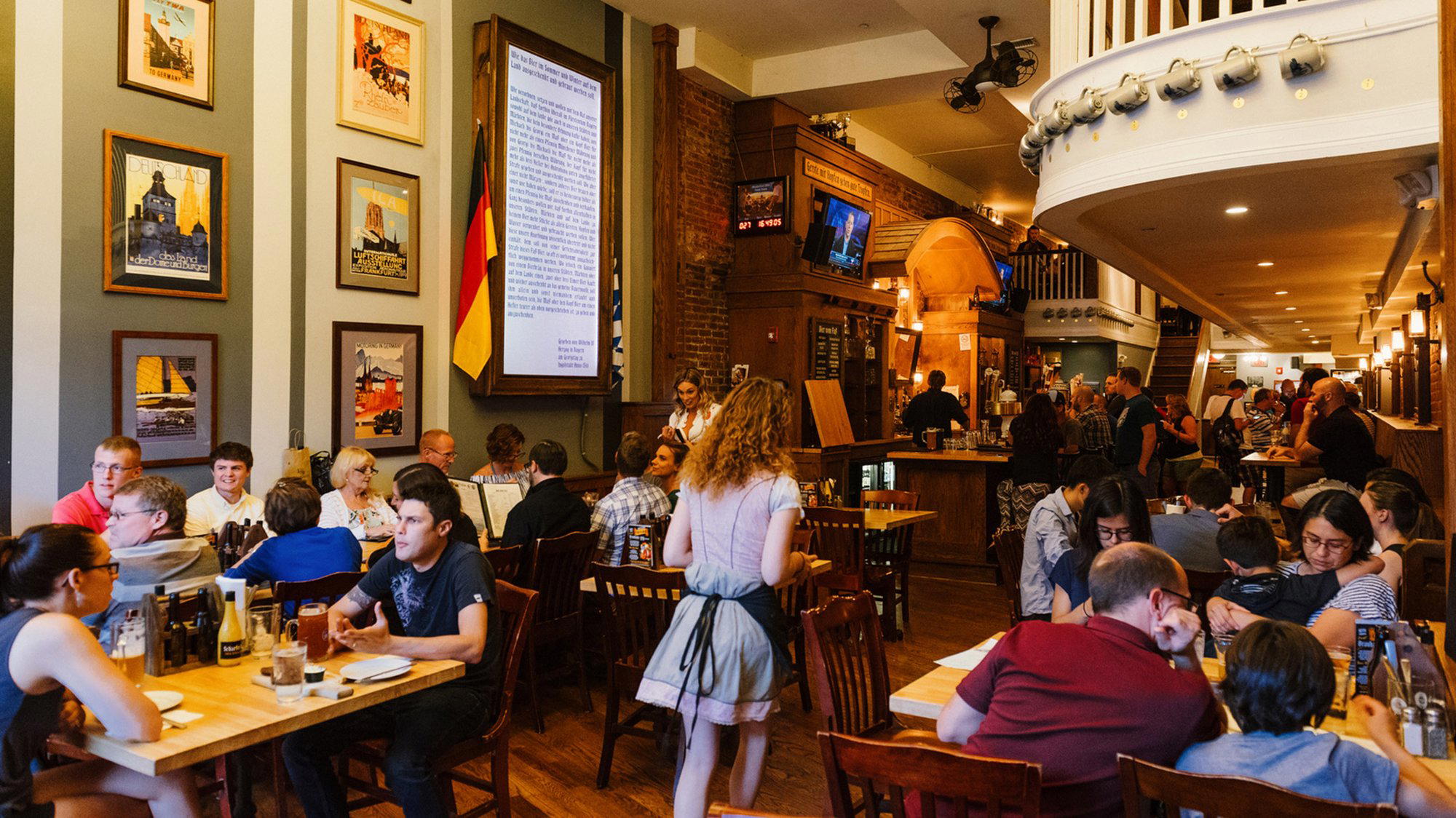
The menu
What to order
- Schweinshaxe
- Schnitzel
- Wurstplatte
- Bratwurst
South Street's German Anchor in a Block of Shifting Identities
South Street in Philadelphia has always operated at a slight remove from the city's more curated dining corridors. It is louder, more eclectic, and less interested in coherence than, say, Rittenhouse or Old City. That makes the presence of a full German beer hall at 718 South St a more deliberate act than it might first appear. Most streets with this much foot traffic and this many competing cuisines tend to push operators toward broadly accessible formats. Brauhaus Schmitz went the other direction, committing to a regional European tradition that requires genuine infrastructure: draft programs anchored to German imports, a kitchen built around bratwurst and schnitzel rather than share plates and smash burgers, and a room that reads as a hall rather than a restaurant.
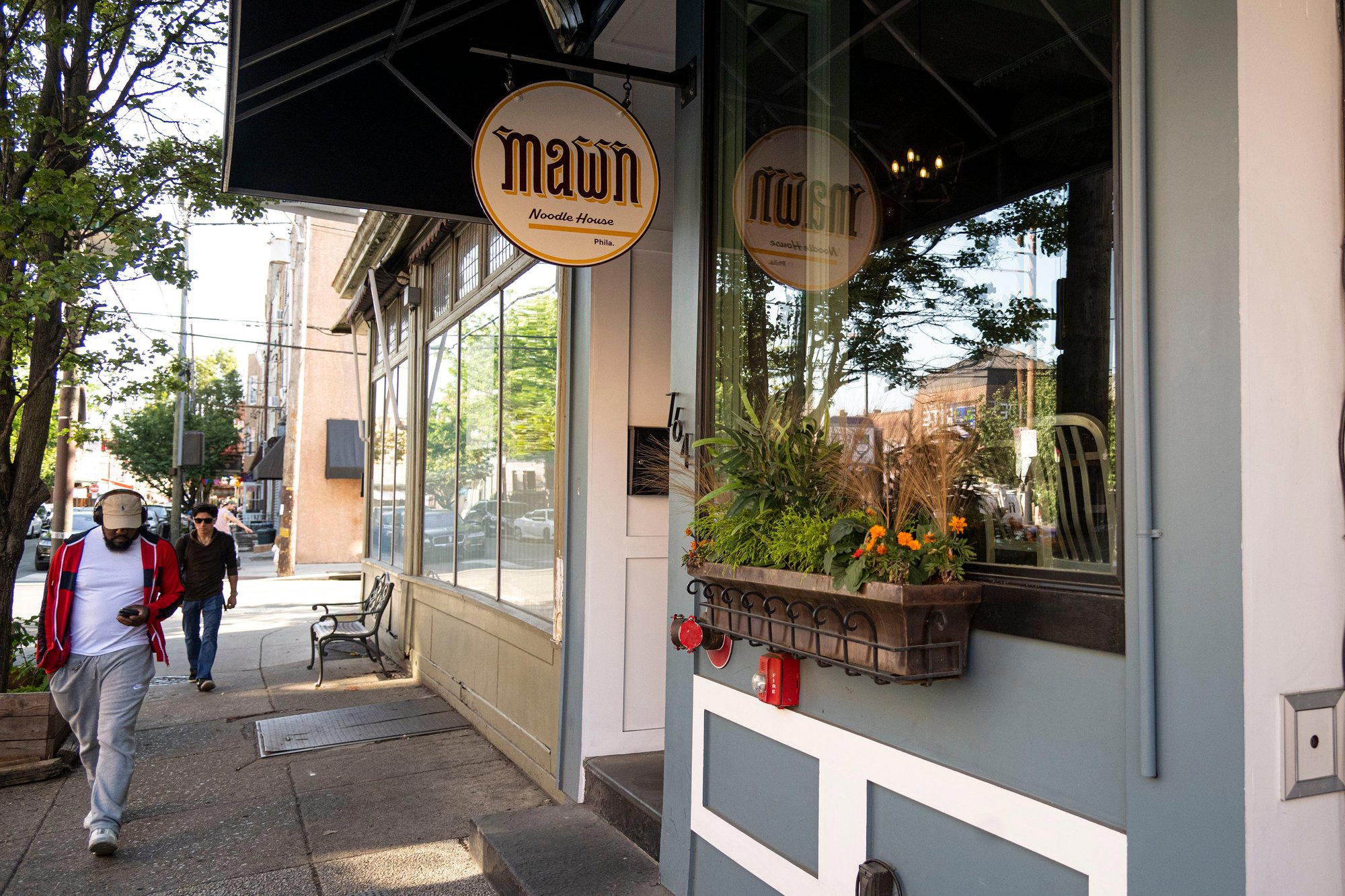
Compared to South Philly's surrounding dining options, the positioning is notably specific. South Philly Barbacoa occupies a similarly committed lane with its Mexican cooking, while Mawn and My Loup each represent tighter, more edited formats. Brauhaus Schmitz sits at the other end of that spectrum in terms of scale and noise level, operating closer to the communal beer hall model than the modern neighborhood restaurant.
How the Room Works
The beer hall format carries architectural logic that most American casual dining concepts have abandoned. Long tables, high ceilings, hard surfaces, and ambient noise that builds toward a kind of collective energy rather than conversation-suppressing chaos. German beer halls historically functioned as civic infrastructure as much as hospitality venues, places where strangers shared benches and the drink order arrived before the food did. Brauhaus Schmitz imports that logic to a South Philadelphia block, and the room reflects it: this is a space designed for volume in both the acoustic and the pour-size sense.
What that means practically is that the venue reads differently depending on when you arrive. The physical environment does not change, but its character does.
The Lunch vs. Dinner Divide
In a beer hall format, the gap between daytime and evening service is often wider than in conventional restaurant formats. At lunch, the room tends to operate at a calmer register. The same communal tables that fill with groups of eight on a Friday night accommodate solo diners and two-tops during the week without friction. German daytime food traditions lean toward the practical: hearty, portioned for working hours, centered on meats and bread rather than composed plates. That midday visit offers a different kind of access to the kitchen's output, less crowded, more direct, and often better value when alcohol spend per head drops out of the equation.
Evening service pulls toward the social end of the spectrum. The draft program becomes the organizing principle of the room, and the food shifts in role from the main event to the structure around which drinking happens. That is not a criticism of the kitchen; it is simply how beer hall economics and culture function. The food still matters, but it is calibrated to hold up alongside rounds of lager and wheat beer rather than to anchor a two-hour tasting arc. For visitors whose primary interest is the beer program, evening makes obvious sense. For those focused on the food, lunch offers a quieter frame.
This divide is worth considering alongside Philadelphia's broader dining rhythm. The city's more edited New American rooms, places like Fork and Friday Saturday Sunday, tend to be dinner-focused with limited lunch programming. A German beer hall that functions genuinely well at midday fills a gap in the city's daytime dining options that the tighter, more celebrated rooms do not address.
Philadelphia's German Heritage and Where Brauhaus Fits
German immigration shaped Philadelphia's food culture more than the city's current dining conversation tends to acknowledge. The Pennsylvania Dutch influence radiates outward from Lancaster into the city's older neighborhoods, and South Philly's 19th-century rowhouse fabric housed significant German and Eastern European communities before later waves of Italian and Latin American settlement. A beer hall on South Street is not an import of a foreign novelty; it sits in a longer local tradition, even if that tradition has become less visible over time.
That context matters when placing Brauhaus Schmitz against its competitive set. This is not the same kind of exercise as comparing fine dining destinations like Le Bernardin in New York City, The French Laundry in Napa, or Smyth in Chicago. The beer hall operates in a different register entirely: communal, high-volume, tradition-driven. Its peers are not tasting menu rooms or farm-to-table destinations like Blue Hill at Stone Barns or Single Thread Farm in Healdsburg. Brauhaus Schmitz belongs to a category of destination-by-format: you go because you want the beer hall experience specifically, not because you are working through a list of the city's most ambitious kitchens.
That is a narrower pitch than restaurants like Providence in Los Angeles, Addison in San Diego, or Atomix in New York City, but it is also a more specific one. When the format is the draw, the competition thins considerably. Philadelphia has no shortage of options across global cuisines, but a genuine German beer hall with a serious draft program occupies a distinct position in the city's dining map. See our full Philadelphia restaurants guide for how it sits against the city's broader range.
Know Before You Go
Address: 718 South St, Philadelphia, PA 19147
Format: German beer hall; communal seating with full table service
Leading timing: Weekday lunch for a quieter experience and food-forward visit; Thursday through Saturday evenings for the full hall atmosphere and draft program
Planning note: South Street parking is limited on weekends; public transit or rideshare is the more reliable approach for evening visits
For reference: Compare with Emeril's in New Orleans or Lazy Bear in San Francisco for other format-defining American dining institutions; Brauhaus operates in a different register but with similar commitment to a specific tradition
Nearby alternatives: My Loup for a quieter, French-influenced room; Mawn for a contrasting Southeast Asian format in the same general area
Frequently asked questions
What is the must-try dish at Brauhaus Schmitz?
What is the ideal way to book Brauhaus Schmitz?
What is the defining dish or idea at Brauhaus Schmitz?
Does Brauhaus Schmitz accommodate dietary restrictions or allergies?
Is Brauhaus Schmitz a good option for large groups visiting Philadelphia?
A Minimal comparable set
Comparable venues nearby, for context on price, style, and recognition.
| Venue | Cuisine | Price | Notes |
|---|---|---|---|
| Brauhaus SchmitzThis venue — the venue you are viewing | Authentic German Bierhall | $20–30 | Not listed |
| Rangoon | Burmese | Not listed | Chinatown, Burmese |
| Sang Kee Peking Duck House | Cantonese Peking Duck House | $20–30 | Callowhill, Cantonese Peking Duck House |
| Trattoria Carina | Authentic Italian Trattoria | $30–50 | Rittenhouse Square, Authentic Italian Trattoria |
| El Mictlan Restaurant | Authentic West Coast Mexican | $30–50 | West Passyunk, Authentic West Coast Mexican |
| Stir | Modern American with Seasonal Local Ingredients | $20–30 | Parkway Museums District, Modern American with Seasonal Local Ingredients |
Continue exploring
More in Philadelphia
Restaurants in Philadelphia
Browse all →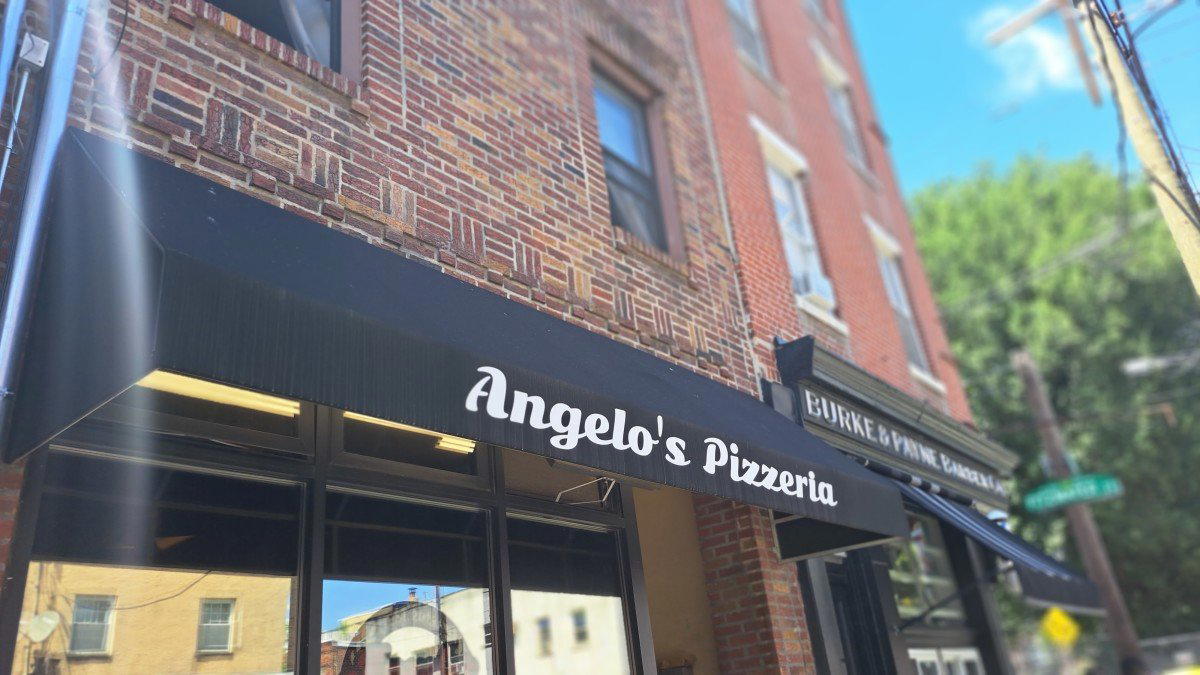
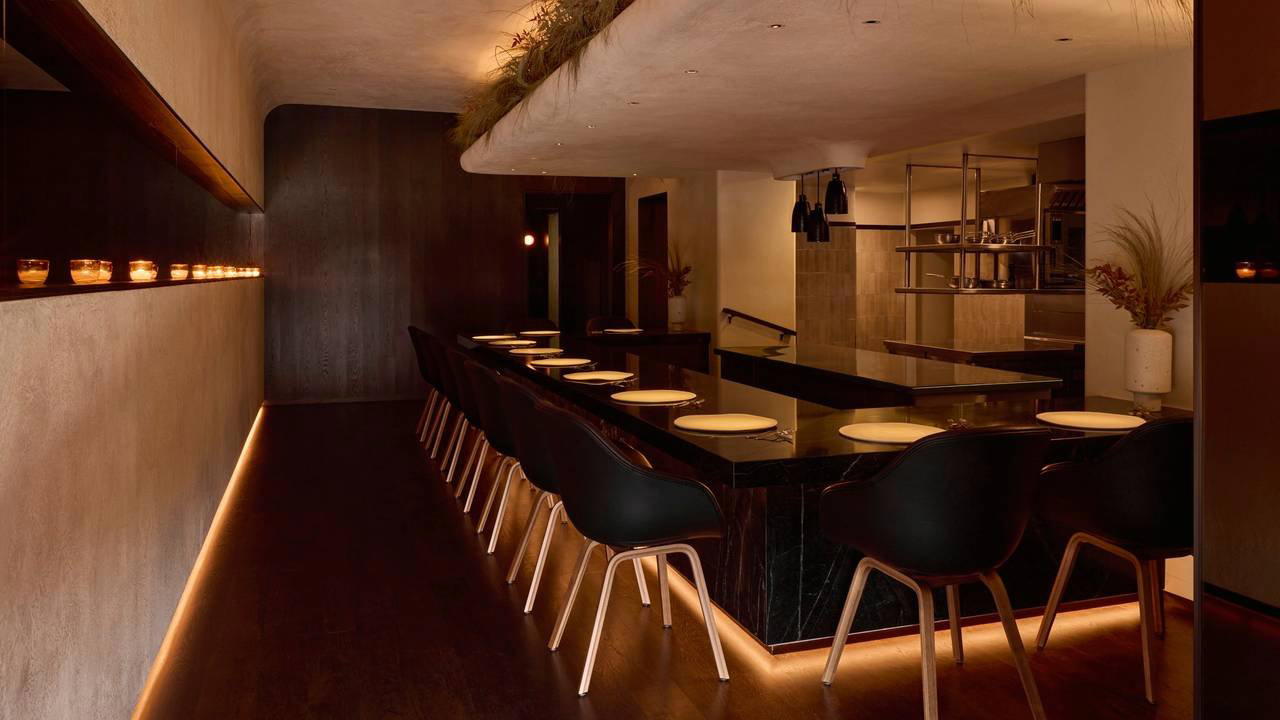
Bars in Philadelphia
Browse all →
Details
- Lively
- Rustic
- Energetic
- Cozy
- Group Dining
- Casual Hangout
- Celebration
- Late Night
- Private Dining
- Beer Program
- A La Carte
- Beer Program
- Gluten Free Options
Current opening hours
- Monday
- 4 PM–12 AM
- Tuesday
- 4 PM–12 AM
- Wednesday
- 4 PM–12 AM
- Thursday
- 4 PM–12 AM
- Friday
- 12 PM–12 AM
- Saturday
- 12 PM–12 AM
- Sunday
- 12 PM–12 AM
Hours can change for holidays and private events. Last verified .
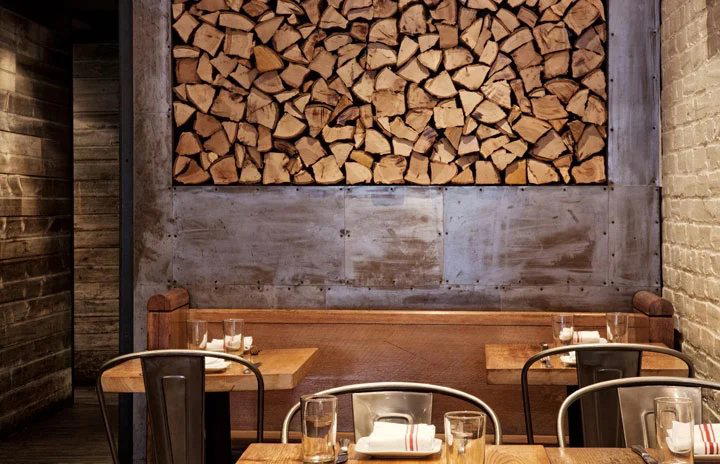
Warm traditional German bierhall with communal tables, lively chatter, clinking steins, and rustic decor evoking Munich.