Trattoria Carina
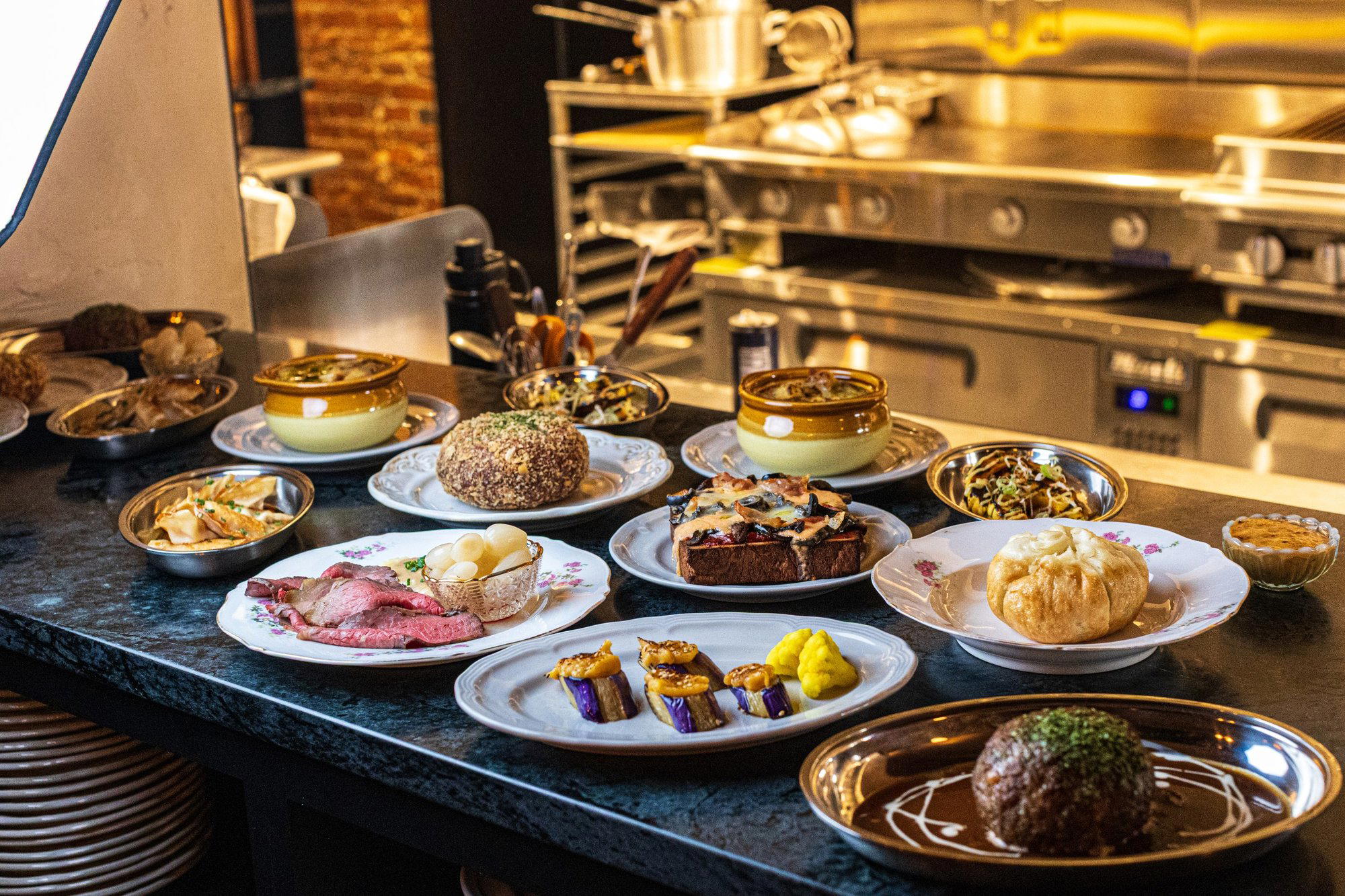
Trattoria Carina serves Authentic Italian Trattoria cooking for brunch and dinner, with BYOB, leisurely pacing, and an open kitchen at 2201 Spruce St.
Pearl is the En Primeur Club membership app — saves, bookings, and concierge access live there. Same editors, same standards.
- Address
- 2201 Spruce St, Philadelphia, PA 19103
- Phone
- +12157325818
- Website
- trattoriacarina.com
- Directions
- Get directions
 Saves & bookings on Pearl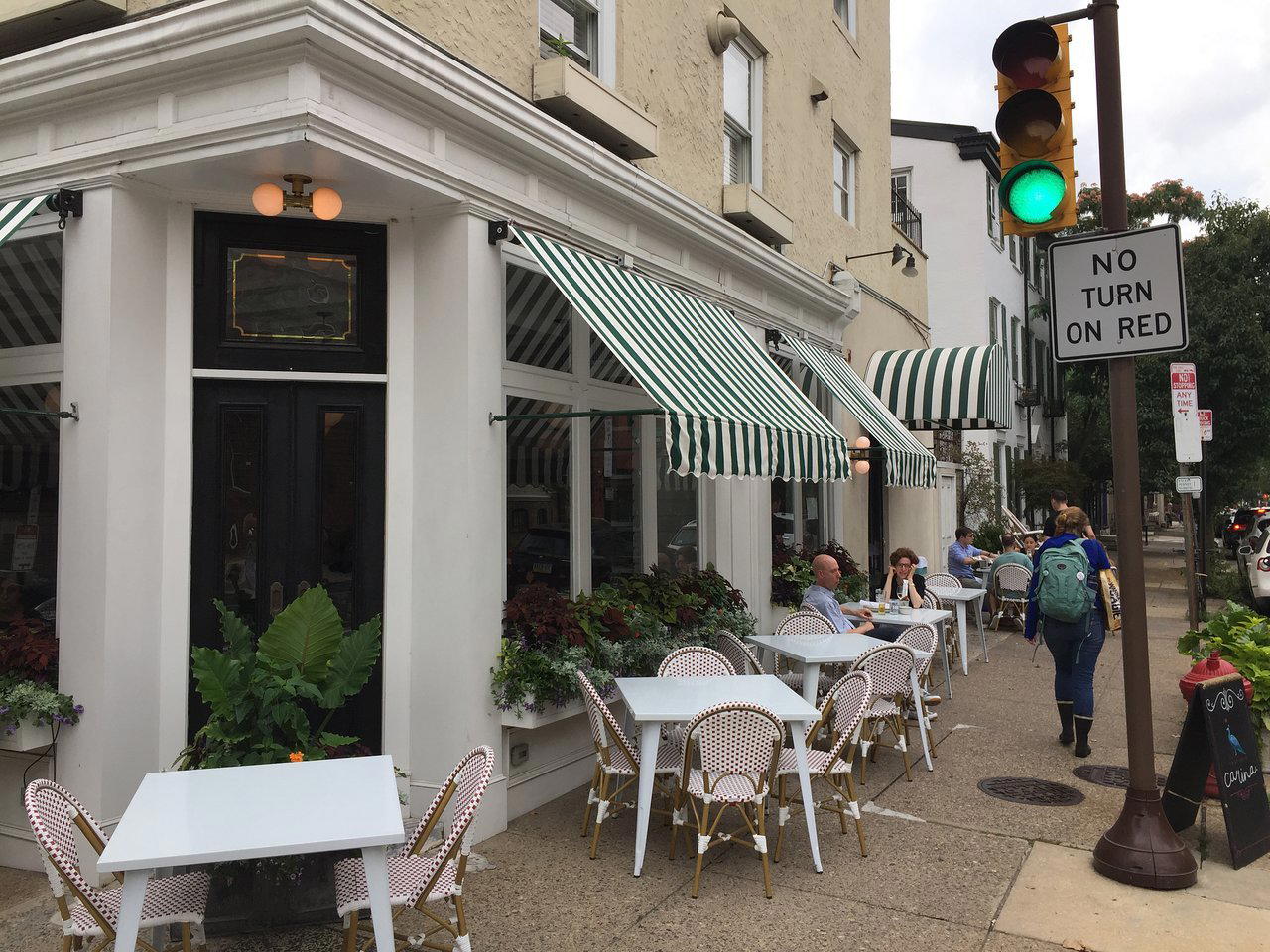
Spruce Street Italian, Placed in Context
Trattoria Carina is an Authentic Italian Trattoria in Philadelphia, priced around $35 per person. At 2201 Spruce St, Trattoria Carina occupies a stretch of Philadelphia's Rittenhouse-adjacent corridor where the street shifts from residential brownstone to low-key neighborhood dining. The physical address places it within walking distance of the dense restaurant activity around Rittenhouse Square, but without the premium rents of the square's immediate perimeter. In Philadelphia's Italian dining category, that positioning matters: the trattoria format historically thrives in exactly these transitional blocks, where the customer base skews local and return visits sustain the kitchen more than destination traffic.
Italian restaurants in Philadelphia occupy a wider range today than they did fifteen years ago. The old South Philly red-sauce institutions remain reference points, but a second tier of neighborhood trattorias has grown across Center City and the surrounding blocks, drawing on the trattoria model as it functions in northern and central Italy: shorter menus, daily-driven specials, and a cooking register that prioritizes technique over spectacle. Trattoria Carina's name and address position it in that second tier. How far it fulfills the format's promise is the operative question for anyone considering a reservation.
What the Menu Architecture Signals
The trattoria format is defined as much by what it excludes as by what it includes. Where a ristorante builds around formality, multi-course ceremony, and high-margin wine programs, a trattoria traditionally operates on compression: fewer dishes, higher rotation, and a kitchen that earns trust through consistency rather than novelty. Menu length is an editorial statement. A short menu says the kitchen has made decisions; a long menu often indicates the opposite.
In Philadelphia's competitive Italian category, the trattoria model sits between the full-service Italian-American dining rooms, which remain price-accessible and crowd-oriented, and the newer Italian-influenced tasting-format restaurants that borrow from contemporary American fine dining. Venues like Barbuzzo have occupied a casual-Italian register with Mediterranean inflection, while South Philly Barbacoa demonstrates how a single cuisine focus and compressed menu can generate significant recognition within a distinct culinary tradition. The trattoria, properly executed, is a discipline of reduction: the menu tells you what the kitchen does well, and the kitchen does only that.
For the restaurant, the address on Spruce St and the name's register both point toward a neighborhood Italian model rather than a destination-dining proposition. Readers arriving with tasting-menu expectations are likely reading the room incorrectly. The format signals a different compact with the diner.
Philadelphia's Italian Dining Field
Italian cuisine in Philadelphia maintains a strong baseline across price points, from the long-established South Philly institutions to more recent neighborhood openings. The city's Italian-American heritage gives the category genuine depth, and diners here have calibrated expectations around pasta quality, red sauce tradition, and the handling of antipasti that distinguish a practiced kitchen from a competent one.
Among Center City's Italian options, the mid-range trattoria segment competes directly with the wider neighborhood dining field, which in Philadelphia includes ambitious New American kitchens like Fork and Friday Saturday Sunday, both of which have set a high standard for ingredient sourcing and seasonal menu rotation in the city's upper-casual register. Against that backdrop, an Italian trattoria competes partly on cuisine identity and partly on the value proposition its format implies: more direct cooking, less conceptual distance between kitchen and plate.
Philadelphia's broader dining scene has also expanded its non-European references significantly. Kalaya brought serious southern Thai cooking to a city that previously underrepresented Southeast Asian cuisine at that level of ambition, while Mawn has added Cambodian and pan-Asian depth to the conversation. My Loup operates at the French-inspired end of the spectrum. This breadth means Italian cooking in Philadelphia is no longer a default choice by category proximity; it competes on merit against a diverse and increasingly credentialed field.
What Trattoria Format Visitors Should Expect
The trattoria model, across its Italian origins and American adaptations, typically operates with an informal room, a menu that changes more frequently than a fixed ristorante format, and pricing that reflects the lower overhead of a simpler service style. That compact is what draws repeat neighborhood diners: the expectation that they can return weekly without confronting a new theatrical concept, and that the kitchen's competence is expressed through consistency rather than reinvention.
For out-of-town visitors placing the restaurant on an itinerary alongside larger Philadelphia destinations, the relevant comparison is format rather than prestige tier. The venue is not positioned in the same competitive set as tasting-menu destinations like those found in other major American cities: Le Bernardin in New York City, Alinea in Chicago, or The French Laundry in Napa operate at a register and price point that the trattoria format explicitly declines to compete on. Similarly, farm-to-table commitments that define places like Blue Hill at Stone Barns in Tarrytown or Single Thread Farm in Healdsburg represent a different set of priorities than the Italian trattoria tradition. The trattoria's value is in what it is, not in what it declines to be.
Planning a Visit
The restaurant is located at 2201 Spruce St, Philadelphia, PA 19103, in the Rittenhouse-adjacent corridor of Center City. Hours run Mon to Fri from 4:30 to 10 PM, with Saturday and Sunday service from 11 AM to 2:30 PM and 4:30 to 10 PM. Reservations are recommended.
| Venue | Cuisine | Format | Booking Notes |
|---|---|---|---|
| The restaurant | Italian (Trattoria) | Neighborhood dining | |
| Fork | New American | Full-service | Reservations recommended |
| Friday Saturday Sunday | New American | Full-service, tasting format | Books ahead |
| My Loup | French-Inspired | Intimate, reservation-focused | Reserve in advance |
| Kalaya | Southern Thai | Full-service | Reservations recommended |
A Minimal comparable set
Comparable venues nearby, for context on price, style, and recognition.
| Venue | Cuisine | Price | Notes |
|---|---|---|---|
| Trattoria CarinaThis venue — the venue you are viewing | Not listed | $$ | Not listed |
| Santucci's North Broad | Not listed | $$ | Avenue of the Arts, Original Square Pizza |
| Paffuto | Not listed | $$ | Italian Market, Modern Italian Street Food |
| Bucatini Caffè | Not listed | $$ | East Passyunk Crossing, Modern Italian Pasta |
| Tuscany Ristorante | Bell's Corner, Authentic Tuscan Italian | $$ | Not listed |
| Porcini | Not listed | $$ | Rittenhouse Square, Modern Italian Trattoria |
Continue exploring
More in Philadelphia
Restaurants in Philadelphia
Browse all →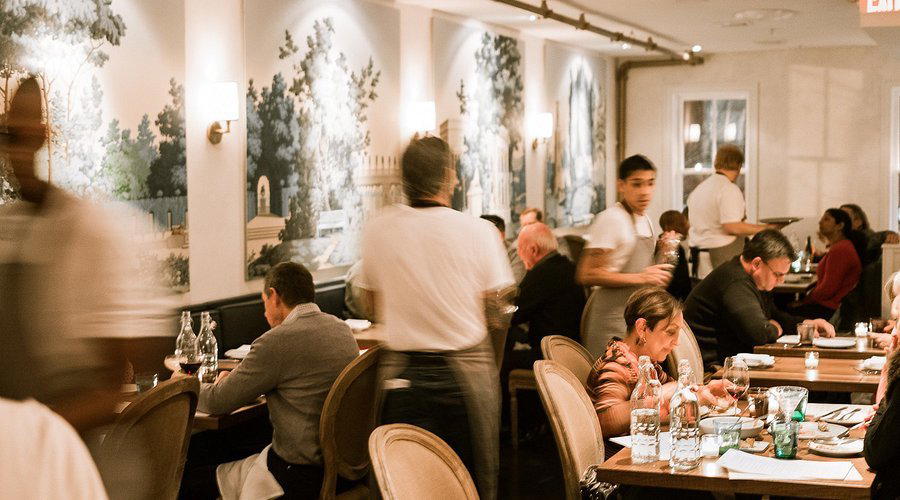
Bars in Philadelphia
Browse all →
At a Glance
- Cozy
- Rustic
- Intimate
- Date Night
- Brunch
- Family
- Open Kitchen
- Byob
Current opening hours
- Monday
- 4:30–10 PM
- Tuesday
- 4:30–10 PM
- Wednesday
- 4:30–10 PM
- Thursday
- 4:30–10 PM
- Friday
- 4:30–10 PM
- Saturday
- 11 AM–2:30 PM, 4:30–10 PM
- Sunday
- 11 AM–2:30 PM, 4:30–10 PM
Hours can change for holidays and private events. Last verified .
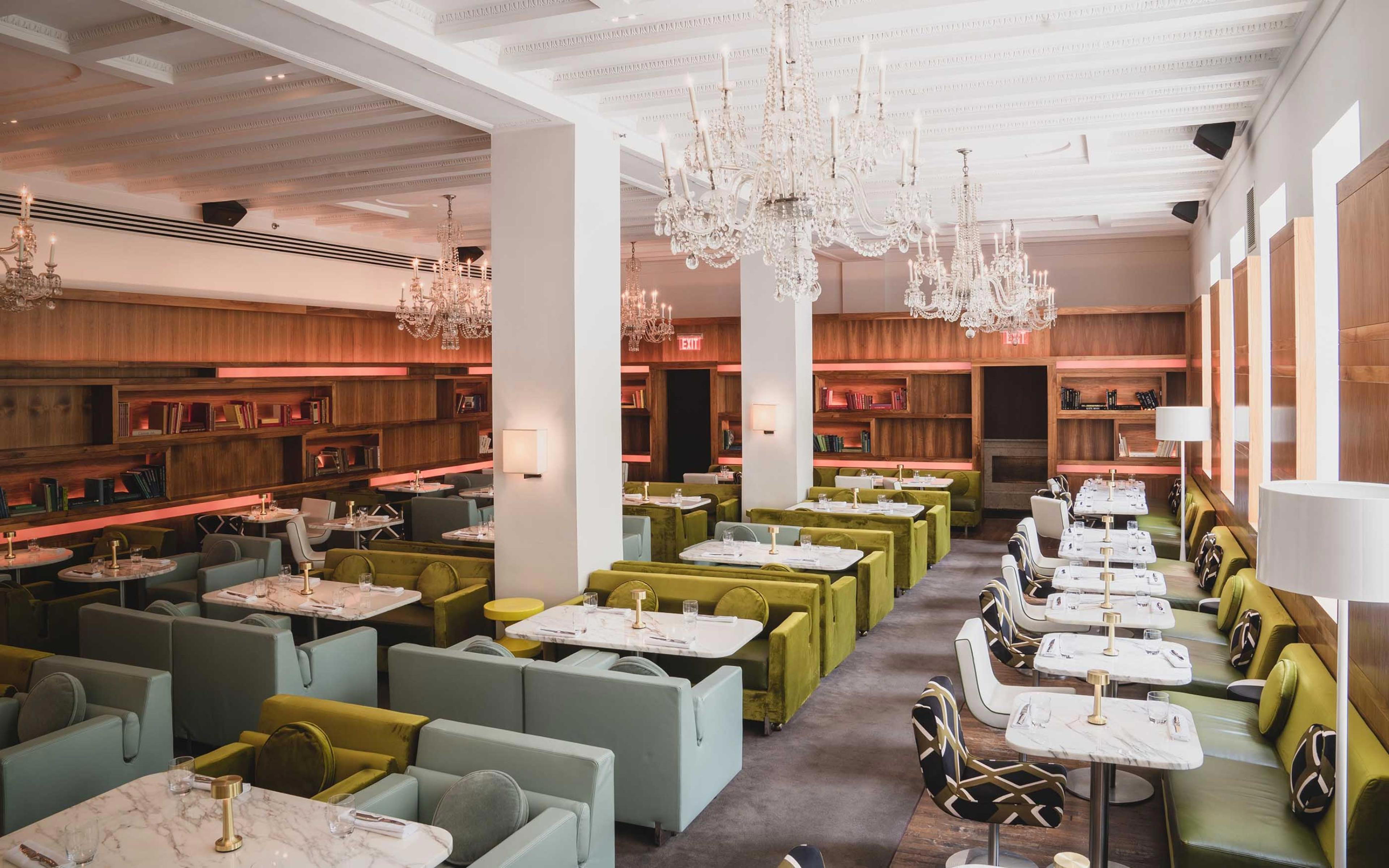
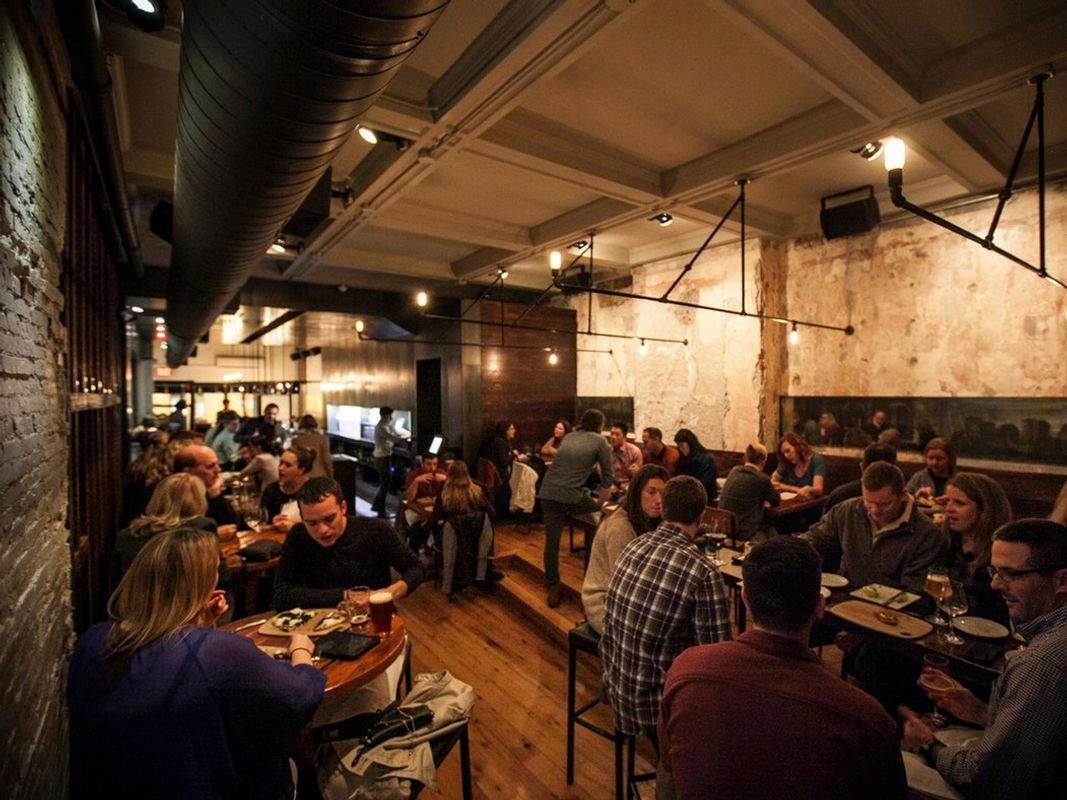
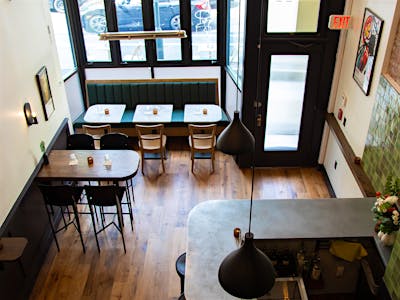
Warm, cozy, and welcoming with a laidback neighborhood feel.