Brasserie Stadthaus

Michelin Plate
Our verdict
Brasserie Stadthaus occupies a mid-priced position in Düsseldorf's dining scene, serving Classic French cooking on Mühlenstraße in the city's historic Altstadt quarter. Consecutive Michelin Plate recognitions in 2024 and 2025 confirm the kitchen's consistency within its category. It sits a clear price tier below the city's Michelin-starred rooms while drawing on the same French culinary tradition.

Pearl is the En Primeur Club membership app, where members save venues, book tables and use the concierge.
The menu
What to order
- Steak Frites
- Steak Tartare
- Escargots
A French Brasserie in the Altstadt Quarter
Düsseldorf's Altstadt, the dense, low-rise neighbourhood running between the Rhine waterfront and Heinrich-Heine-Allee, carries a reputation built largely on its beer halls and late-night crowds. Mühlenstraße, where Brasserie Stadthaus occupies numbers 31 to 32, sits close enough to the riverbank that the area retains a more composed character than the streets further inland. The address places the restaurant squarely in the historic core, where 18th-century civic architecture and modern restaurant fit-outs have coexisted for decades. In European city-centre dining, that kind of address tends to sort venues into two camps: those playing to tourist throughput and those holding a local clientele through culinary discipline. The Michelin Plate recognition, awarded in both 2024 and 2025, signals that Brasserie Stadthaus operates in the latter category.
Classic French Cooking at a Mid-Market Price Point
The Classic French category occupies a specific position in European restaurant culture. It predates the tasting-menu era and has, in many cities, been squeezed between casual bistro formats and high-end gastronomy. Düsseldorf's upper dining tier is anchored by rooms like Im Schiffchen, 1876 Daniel Dal-Ben, Jae, and LA VIE by thomas bühner, all operating at the €€€€ tier with Michelin star recognition. Brasserie Stadthaus prices at €€ and earns a Michelin Plate rather than a star, which is a materially different proposition: it is a venue where the cooking meets a recognised standard of quality without demanding the outlay of a tasting-menu experience. For the Classic French category specifically, that price positioning is significant. The tradition of the French brasserie was always tied to accessibility, good technique applied to familiar dishes, eaten without ceremony. A €€ price range in central Düsseldorf is consistent with that origin.
Across Germany, Classic French cooking retains a presence at the upper end of the market: Vendôme in Bergisch Gladbach and the kitchens of Schwarzwaldstube in Baiersbronn represent the tradition at its most formal. Internationally, the category finds its purest expression at venues like Waterside Inn in Bray and Cheval Blanc by Peter Knogl in Basel. Brasserie Stadthaus operates several price tiers below those rooms, which is the point: the brasserie format has always been the democratic counterpart to haute cuisine, and the kitchen's consistent Plate recognition suggests it takes that responsibility seriously.
What the Consecutive Michelin Plate Recognition Implies
The Michelin Plate designation, reconfirmed across consecutive editions, communicates something specific. It is not a star, it does not claim the level of refinement or ambition that, say, Aqua in Wolfsburg or JAN in Munich carry. What it does confirm is that inspectors found the cooking competent, consistent, and worth including in the guide across two consecutive cycles. In a city where the starred tier is well represented and where venues like Agata's also hold recognition, a Plate award at the €€ level represents a meaningful signal of kitchen reliability. It means the food is prepared with care rather than simply produced at volume. For diners who find the full tasting-menu format an unnecessary commitment for a midweek meal, that kind of baseline assurance matters.
That score, drawn from a sample large enough to filter out outlier noise, consistently points to a positive guest experience. It does not tell you which dishes carry the kitchen's confidence most clearly, but it does confirm that the room performs reliably across a broad range of visits and expectations, something a genuine local following tends to produce over time.
The Brasserie Format in a German Context
German cities absorbed the French brasserie format most visibly during the 20th century, and Düsseldorf's proximity to France, both geographically and culturally, given the city's long relationship with French corporate and diplomatic communities, made it a natural fit. A brasserie at this address would have been legible to Düsseldorf diners for generations. What distinguishes the format from a standard German Gasthaus is the kitchen's explicit alignment with French culinary grammar: sauces built on reduction, classical knife work, a menu structure that follows the entrée-plat-dessert logic rather than the broader-format sharing plates that have become common in the city's newer openings. That distinction is worth naming because it affects how you should approach the meal. This is not a venue for grazing; it is a venue for eating in sequence.
Compared to the fusion direction of Jae or the dessert-forward format of CODA Dessert Dining in Berlin, Brasserie Stadthaus represents a conservative but disciplined corner of Düsseldorf's dining output. The city's newer Michelin-recognised rooms tend toward creative or fusion formats; the brasserie sits as the counterweight, a place where technical reliability and recognisable dishes take precedence over novelty. That is not a criticism. In most European cities, the venues that last in the Michelin universe across multiple consecutive years at the Plate level do so because they find a reliable format and execute it without drift.
Planning a Visit
Brasserie Stadthaus is located at Mühlenstraße 31-32, 40213 Düsseldorf, in the Altstadt district close to the Rhine embankment. The address is walkable from the central station in under 20 minutes and accessible from multiple tram stops along the riverfront corridor. At the €€ price tier, the restaurant sits comfortably within the range of a two-course weekday lunch or a three-course dinner without the financial commitment of the city's starred rooms. Booking ahead is advisable, particularly on weekends when the Altstadt draws high footfall and comparable options at this quality level fill quickly. For a full picture of Düsseldorf's dining options across price points and cuisines, the EP Club Düsseldorf restaurants guide maps the full range. Visitors planning a broader trip to the city can also consult the Düsseldorf hotels guide, the bars guide, the wineries guide, and the experiences guide for complete city planning. For comparison across the broader German fine-dining scene, ES:SENZ in Grassau represents the Alpine end of Germany's contemporary dining spectrum.
Frequently asked questions
Is Brasserie Stadthaus Michelin-listed?
Brasserie Stadthaus has received recognition including: Michelin Plate (2025); Michelin Plate (2024).
What do regulars order at Brasserie Stadthaus?
That category, steak frites, sole meunière, onion soup, roast chicken, tends to anchor brasserie menus across Europe, and the mid-market price band (€€) suggests portions built around value rather than restraint. Classic French regulars generally return for the dishes that change least, not most.
Where the Accolades Land
A quick peer reference to anchor this venue in its category.
| Venue | Cuisine | Price | Awards | Notes |
|---|---|---|---|---|
| Brasserie StadthausThis venue (the venue you are viewing) | Classic French Brasserie | $50–100 | Michelin Plate | Not listed |
| Im Schiffchen | Classic French Haute Cuisine | $200–300 | 1 Michelin Star | Contemporary European, Classic Cuisine |
| 1876 Daniel Dal-Ben | Modern Creative Fine Dining | $200–300 | 1 Michelin Star | Creative |
| Jae | Modern Korean-European Fusion | $100–150 | 1 Michelin Star | Fusion |
| Le Flair | Modern French Fine Dining | $100–150 | Michelin Plate | Mediterranean Cuisine |
| Nagaya | Japanese-European Fusion Fine Dining | $150–200 | 1 Michelin Star · La Liste Top Restaurants | Japanese |
Recognition history
Dated appearances from independent guides and award organizations, with the underlying list record or original source where available.
Michelin Plate
Michelin
Full recognition history (3 entries)
Michelin Plate
Michelin
Michelin Plate
Michelin
Continue exploring
More in Düsseldorf
Restaurants in Düsseldorf
All restaurants in Düsseldorf →
Bars in Düsseldorf
All bars in Düsseldorf →
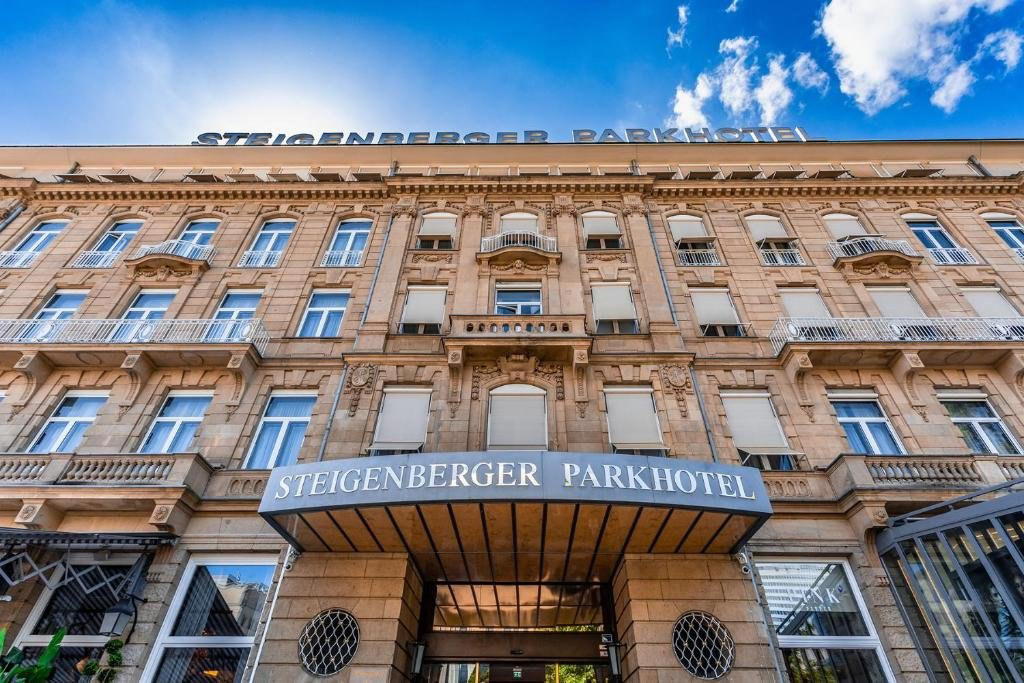
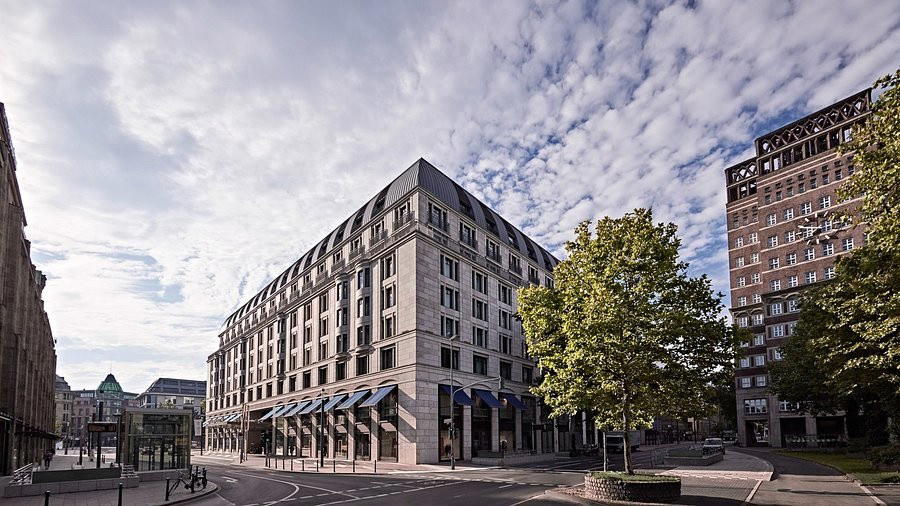
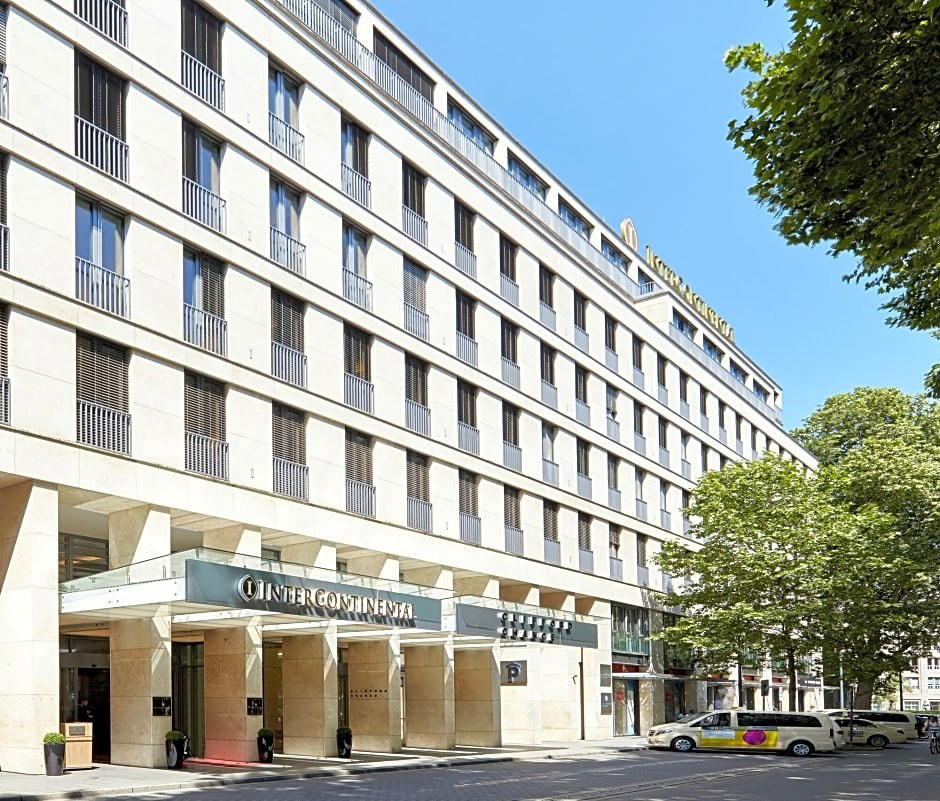
Hotels in Düsseldorf
All hotels in Düsseldorf →
Wineries in Düsseldorf
Browse all →
Brasserie Stadthaus
The wine
- Wine program
- Deep wine list
- Extensive wine list
Details
- Elegant
- Classic
- Sophisticated
- Date Night
- Business Dinner
- Special Occasion
- Historic Building
- Terrace
- Hotel Restaurant
- Extensive Wine List
- A La Carte
- Vegetarian Friendly
- Vegan Options
Current opening hours
- Monday
- Closed
- Tuesday
- 12–2:30 PM, 6–10 PM
- Wednesday
- 12–2:30 PM, 6–10 PM
- Thursday
- 12–2:30 PM, 6–10 PM
- Friday
- 12–2:30 PM, 6–10 PM
- Saturday
- 12–2:30 PM, 6–10 PM
- Sunday
- Closed
Hours can change for holidays and private events. Hours as of .
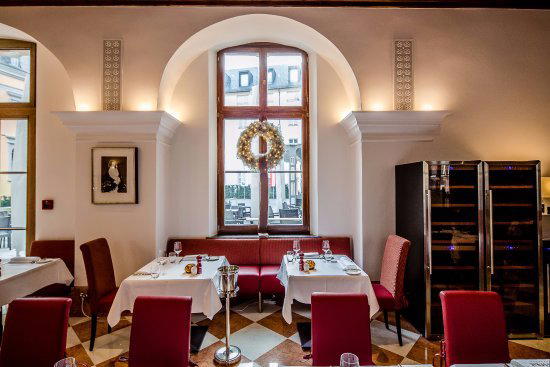
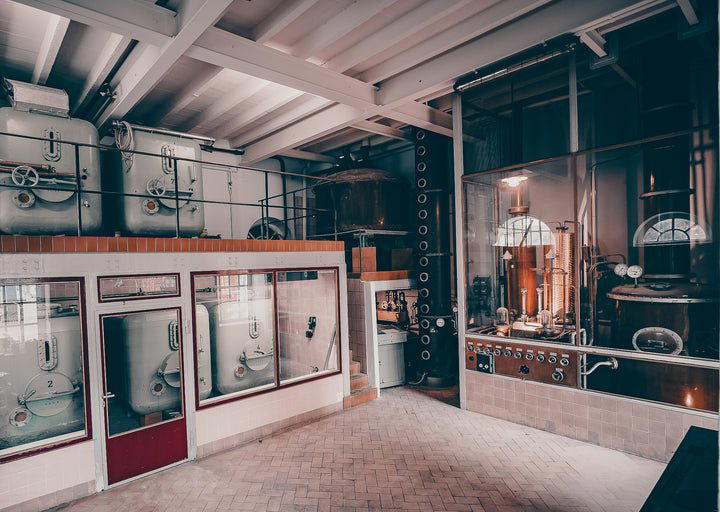
Elegant atmosphere under a high coffered wooden ceiling with white tablecloths, evoking classic Parisian brasserie style.