
Brasserie Maison sits on Rörläggarvägen in Bromma, the residential district west of central Stockholm, where it has earned a White Star recognition from Star Wine List for the depth and care of its wine program. The format is brasserie rather than fine dining, placing it in a different register from the city's tasting-menu circuit. For visitors to western Stockholm, it is a considered address for food and wine.
Pearl is the En Primeur Club membership app — saves, bookings, and concierge access live there. Same editors, same standards.
- Address
- Rörläggarvägen 27-29, 168 33 Bromma, Sweden
- Phone
- +46 8 26 99 10
- Website
- brasseriemaison.se
- Directions
- Get directions
 Saves & bookings on Pearl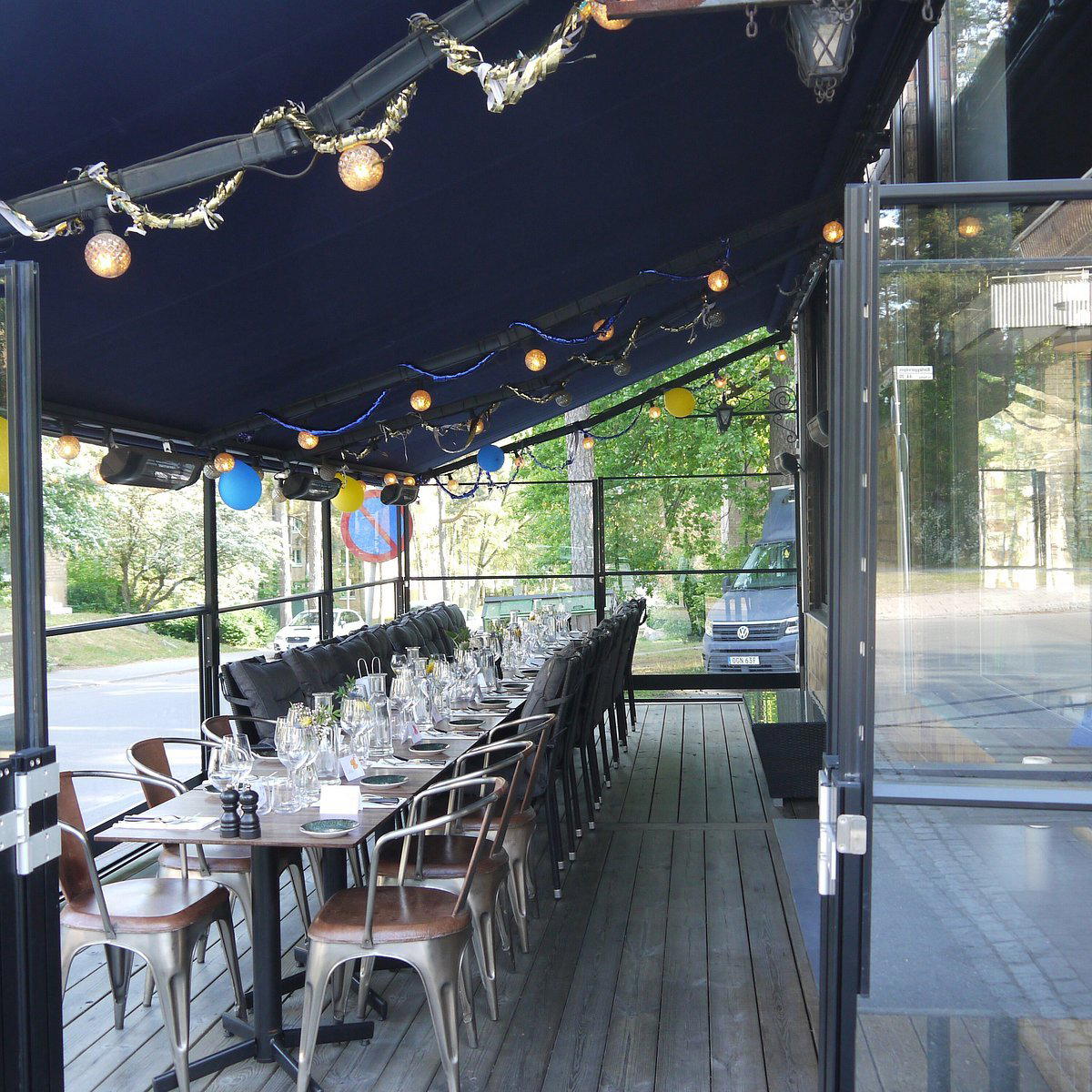
Bromma's Dining Position Inside Stockholm's Wider Restaurant Scene
Stockholm's restaurant geography divides fairly cleanly between the concentrated fine-dining corridor of Östermalm and Gamla Stan, where Frantzén in Stockholm anchors the highest tier, and the residential districts that ring the city, where neighbourhood restaurants do the quieter, more consistent work of feeding local residents at a sustainable pace. Bromma belongs firmly to the second category. It is not a destination dining district in the way Södermalm or Norrmalm have become for international visitors, but that is precisely what gives its better addresses a certain credibility. Restaurants here earn their audience through repetition and reliability, not through the gravitational pull of a tourist economy.
Brasserie Maison, on Rörläggarvägen in Bromma's inner residential fabric, fits that pattern. The brasserie format itself carries a specific set of expectations: a menu broader than a tasting-format restaurant, a room designed for lingering rather than ceremony, and a wine program that takes its role seriously enough to be noticed. The Star Wine List White Star recognition, published in December 2021, places the wine offering in a verified tier of quality and range, which is meaningful context for a neighbourhood address in Bromma.
The Brasserie Tradition and What It Means in a Nordic Setting
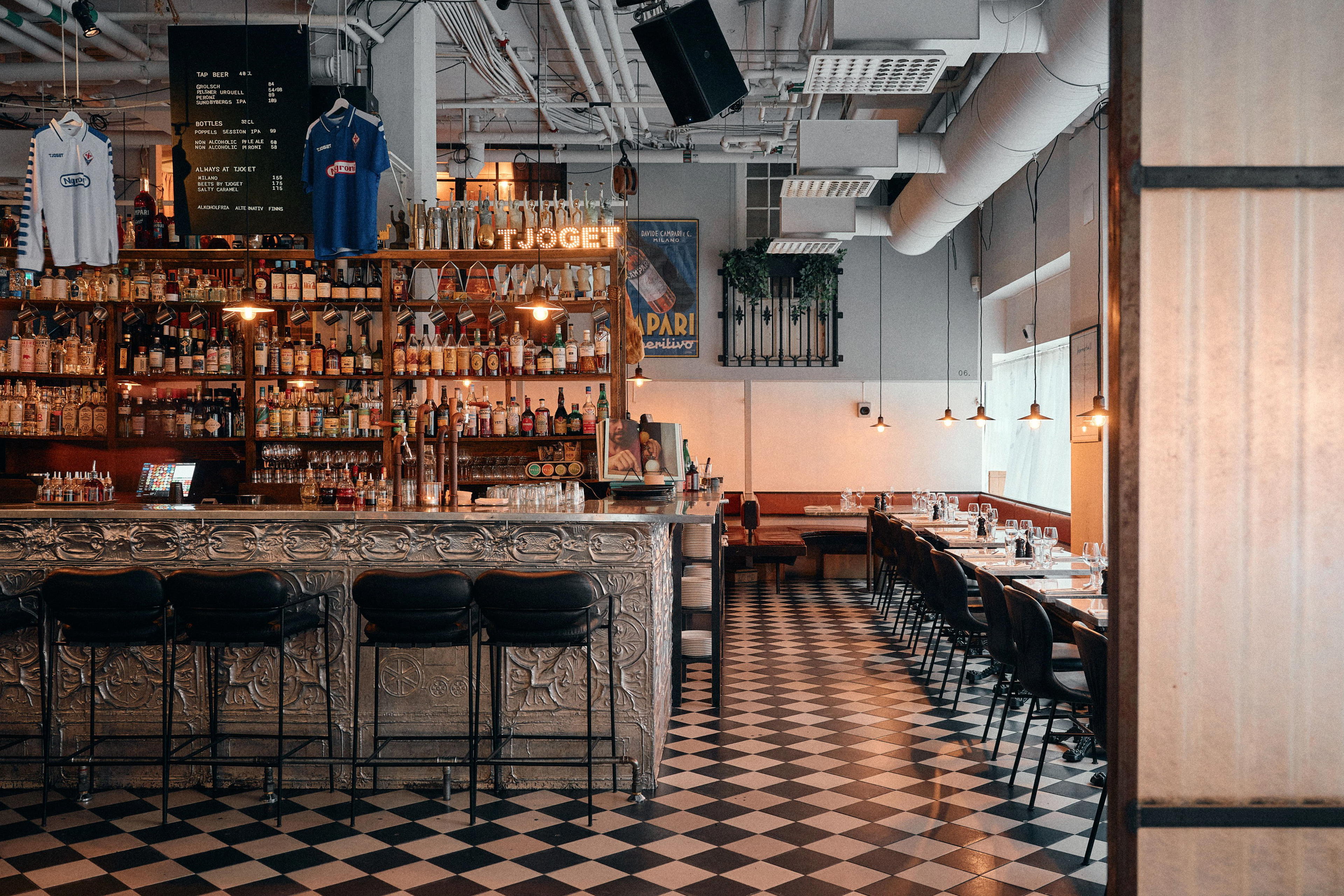
The brasserie as a format has a particular tension in Scandinavian cities. The French original implies high-turnover zinc bars, bistro chairs, and a menu built around classical sauces and cuts. Transplanted to Stockholm, that model meets a culinary culture that has spent the past two decades moving in the opposite direction: towards Nordic ingredient logic, seasonal foraging frameworks, and the kind of sourcing transparency that restaurants like Vollmers in Malmö or VYN in Simrishamn have made central to their identities.
The brasseries that work in this environment tend to be the ones that resolve that tension rather than ignore it. The sourcing question matters: where the produce comes from, whether the kitchen is engaged with Swedish seasonal rhythms, and how the wine program is assembled relative to the food. Star Wine List recognition signals that the latter dimension is being handled with seriousness. The White Star designation reflects a review process that assesses list depth, variety, and value coherence. For a neighbourhood restaurant in Bromma, that credential places the wine program in company with far more prominent city-centre addresses.
Across Sweden's wider restaurant scene, the addresses that have built lasting reputations at the regional level, ÄNG in Tvååker, Knystaforsen in Rydöbruk, PM & Vänner in Växjö, have done so partly by treating ingredient provenance as a structural part of the restaurant's proposition rather than a marketing footnote. At the neighbourhood level, that same discipline distinguishes the restaurants worth returning to from those that coast on format convenience.
What the White Star Recognition Implies About the Wine Program
Star Wine List operates across multiple European markets and uses a tiered recognition system to distinguish wine programs by depth and curation quality. The White Star tier sits within that system as a marker of genuine engagement with the list: not merely adequate, but assembled with a point of view. In practical terms, this matters most to guests who treat the wine selection as integral to the meal rather than incidental to it.
For a brasserie in Bromma, this credential also signals something about the overall positioning of the restaurant. Wine programs of this calibre are not maintained cheaply or passively; they require relationships with importers, regular list updates, and staff with the knowledge to sell and explain the selection. That investment implies a kitchen and front-of-house operation that takes the full dining experience seriously, which is relevant intelligence when choosing between neighbourhood options in western Stockholm.
Comparable Swedish addresses recognized within the same wine-conscious tier of the dining scene include 28+ in Gothenburg and Hotell Borgholm in Borgholm. Brasserie Maison's recognition places it in that orientation, regardless of scale.
Getting There and Planning Your Visit
Bromma is accessible from central Stockholm by the tunnelbana green line to Brommaplan, from which the Rörläggarvägen address is reachable on foot or by local bus. The district sits roughly fifteen minutes from T-Centralen by metro under normal conditions, making it a viable dinner destination from most central Stockholm hotels without requiring a taxi. Visitors staying in Bromma itself, or passing through the western suburbs, will find the logistics simpler still.
Brasserie Maison in the Context of Swedish Dining More Broadly
Sweden's most scrutinised restaurant addresses sit at the tasting-menu level, Signum in Mölnlycke, Fyr in Halmstad, JH Matbar in Ystad, where the format invites course-by-course sourcing narrative and extended engagement with the kitchen's point of view. The brasserie format operates differently: it asks less of the guest in terms of commitment and offers more flexibility in how a meal is composed. That flexibility has its own value, particularly for guests who want a serious wine list and attentive cooking without the structure of a set menu.
The addresses that make this format work at a high level globally, from the Paris brasseries that remain genuine institutions to places like Le Bernardin in New York City or Emeril's in New Orleans, which operate in their own regional register, share a common trait: the kitchen and the cellar are treated as equal parts of the guest's experience, not one serving the other. The White Star recognition at the restaurant suggests that balance is understood here, in a neighbourhood that doesn't otherwise generate much critical noise.
Comparison Snapshot
Comparable venues nearby, for context on price, style, and recognition.
| Venue | Cuisine | Price | Notes |
|---|---|---|---|
| Brasserie MaisonThis venue — the venue you are viewing | French Brasserie | $$ | Not listed |
| Bistro Arsenalen | French Bistro with Mediterranean Influences | $$ | Norrmalm |
| Boulebar Rålambshov | Rustic French Bistro with Pétanque | $$ | Marieberg |
| Mister French | Classic French Brasserie | $$$ | Skeppsholmen |
| Nabo | French-Swedish Brasserie | $$ | Norrmalm |
| Tripletta | Modern Italian Pasta | $$ | Södermalm |
Recognition history
Dated appearances from independent guides and award organizations, with the underlying list record or original source where available.
Star Wine List
Star Wine List
Continue exploring
More in Stockholm
Restaurants in Stockholm
Browse all →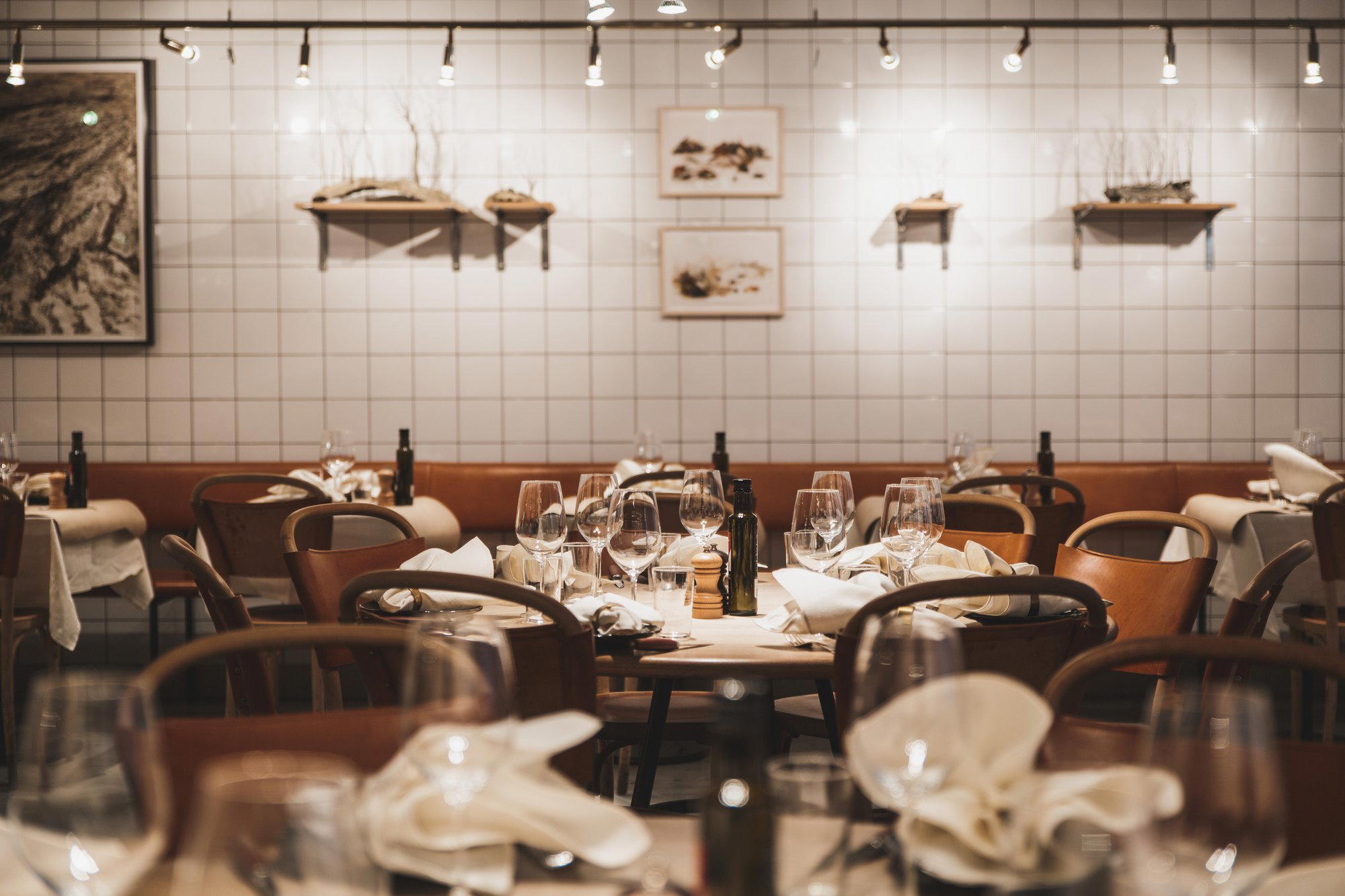
Bars in Stockholm
Browse all →
At a Glance
- Cozy
- Intimate
- Classic
- Date Night
- Family
- Group Dining
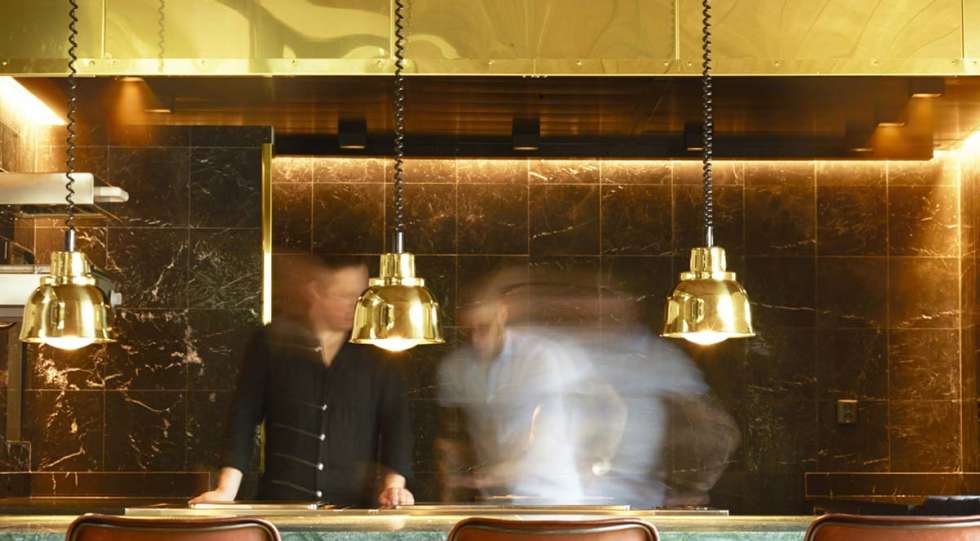
- Open Kitchen
Current opening hours
- Monday
- Closed
- Tuesday
- 5–11 PM
- Wednesday
- 5–11 PM
- Thursday
- 5–11 PM
- Friday
- 5–11 PM
- Saturday
- 5–11 PM
- Sunday
- Closed
Hours can change for holidays and private events. Last verified .
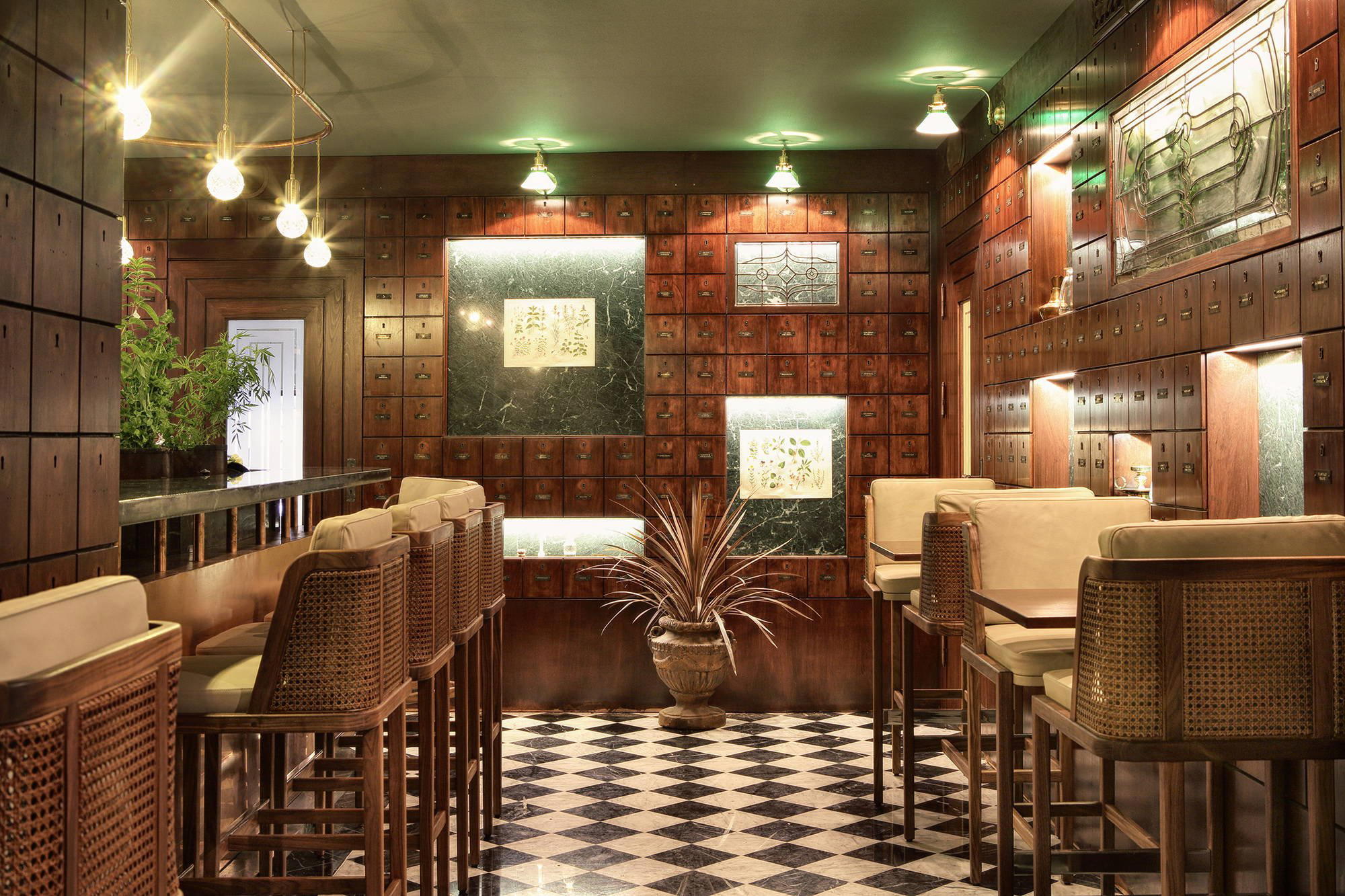
Cozy and familjär atmosphere with warm, welcoming lighting that creates an intimate and charming dining experience.