Our verdict
Brasserie l'Est occupies Place Jules Ferry in Lyon's 6th arrondissement, the city that shaped the modern French brasserie tradition more than any other. The room trades in the architectural confidence of a grand European dining hall, while the cellar draws from the Rhône and Burgundy producers who define the region's vinous identity. For visitors mapping Lyon's mid-to-upper dining range, this is where civic atmosphere and regional wine depth meet.

Pearl is the En Primeur Club membership app, where members save venues, book tables and use the concierge.

The menu
What to order
- Bresse poultry on the spit
- Sole grilled
- Red tuna tataki
- Indonesian fried rice
- Roasted veal chop with sweet butter
- Cantonese rice
- Beef tartare
- Marinated salmon with dill
Lyon and the Brasserie Form
The French brasserie is not a generic category. In Lyon, the form carries specific obligations: a room that functions at volume without losing composure, a menu anchored to the Lyonnais canon, and a wine list that takes the surrounding appellations seriously. Brasseries in this city operate in the long shadow of the bouchon tradition, the tightly formatted neighbourhood restaurants that codified quenelles, andouillette, and tablier de sapeur as civic property, and the best of them extend rather than imitate that tradition by offering scale and cellar depth the bouchon format rarely can.
Brasserie l'Est sits at 14 Place Jules Ferry in the 6th arrondissement, a square that anchors one of Lyon's more composed residential and commercial quarters. The address places it at a remove from the tourist density of Vieux-Lyon and the prestige restaurant corridor around the 1st and 2nd arrondissements, where properties like La Mère Brazier operate in the upper Michelin tier. That distance is not a liability. The 6th has its own dining logic: a local clientele, a preference for rooms that operate on civic rather than ceremonial terms, and a tolerance for restaurants that prioritise consistency over occasion-dining theatrics.
The Architecture of the Room
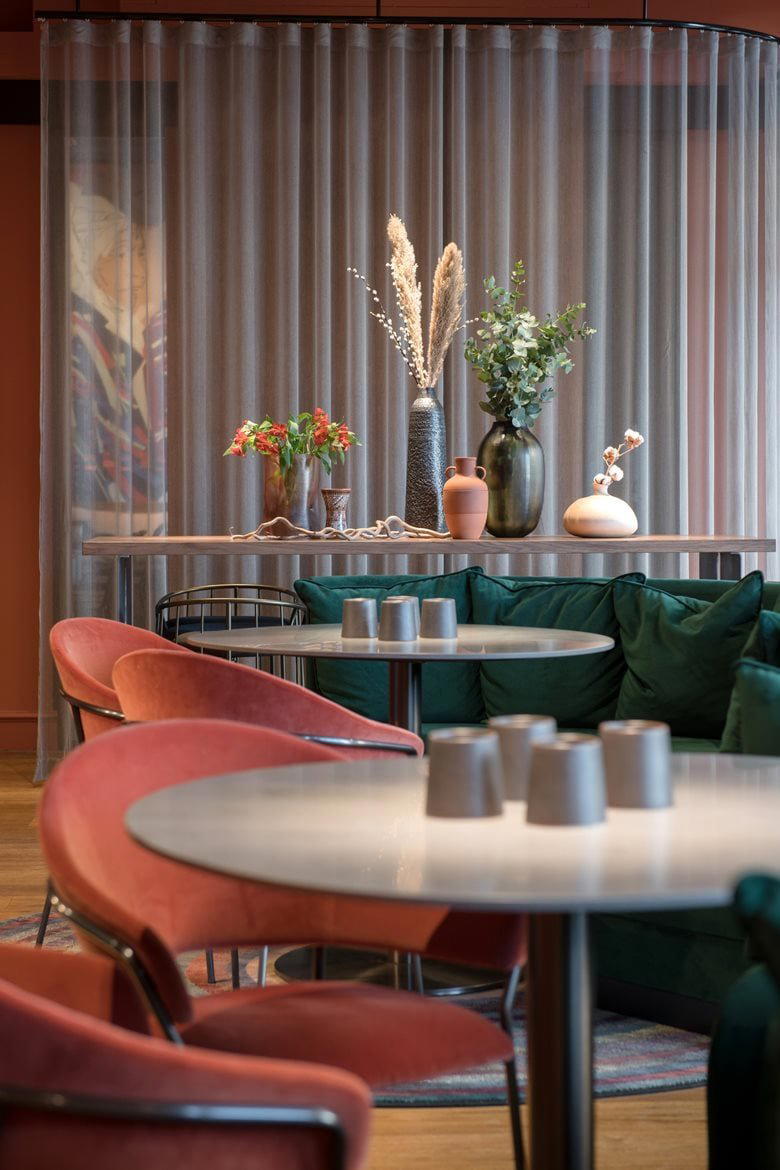
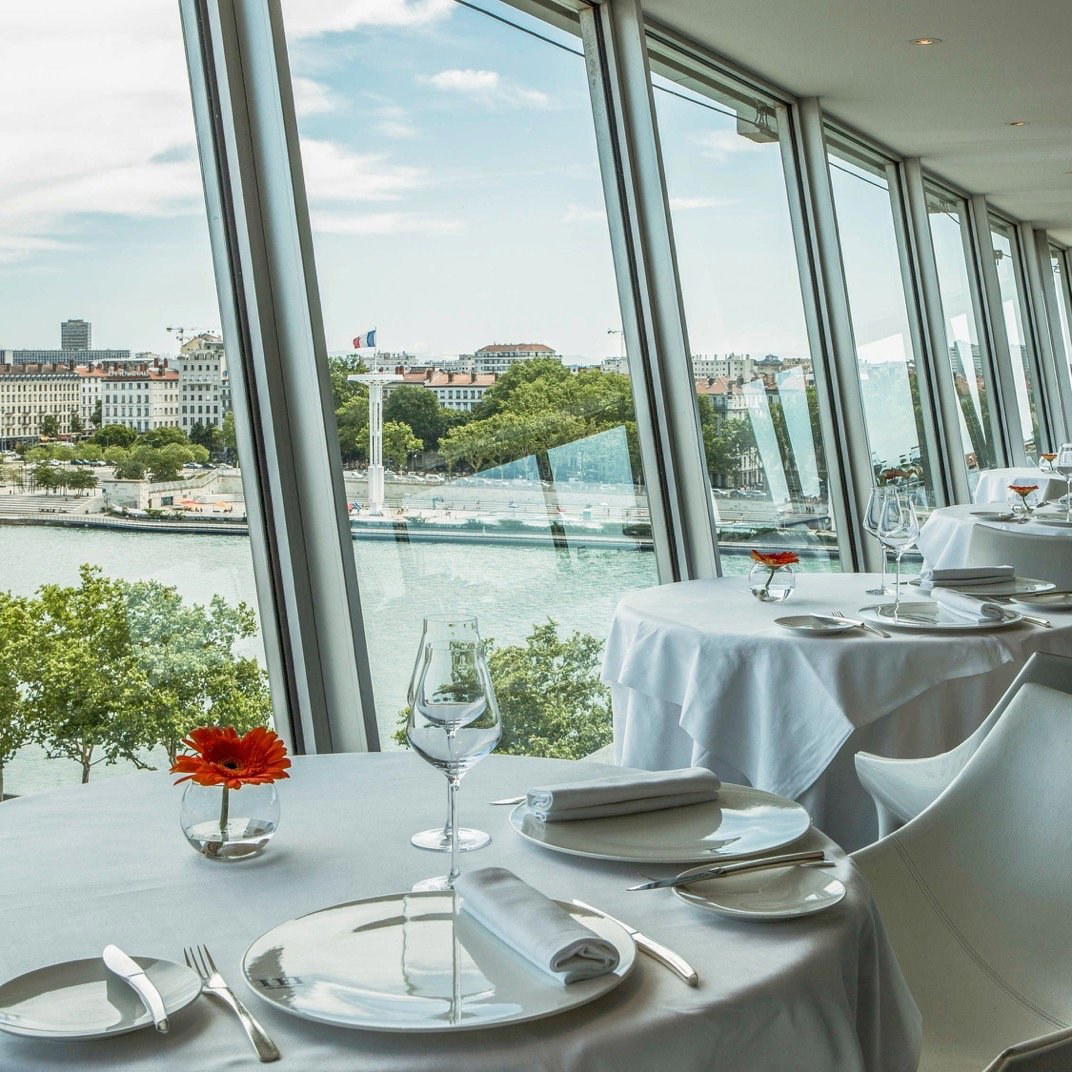
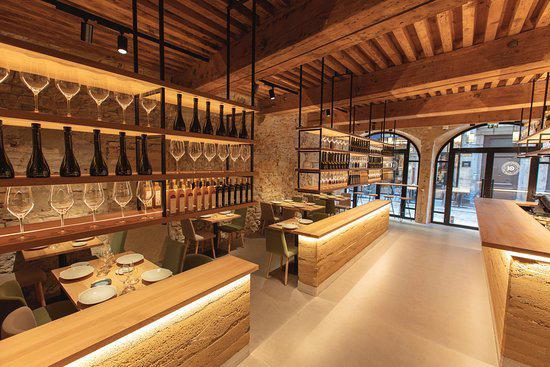
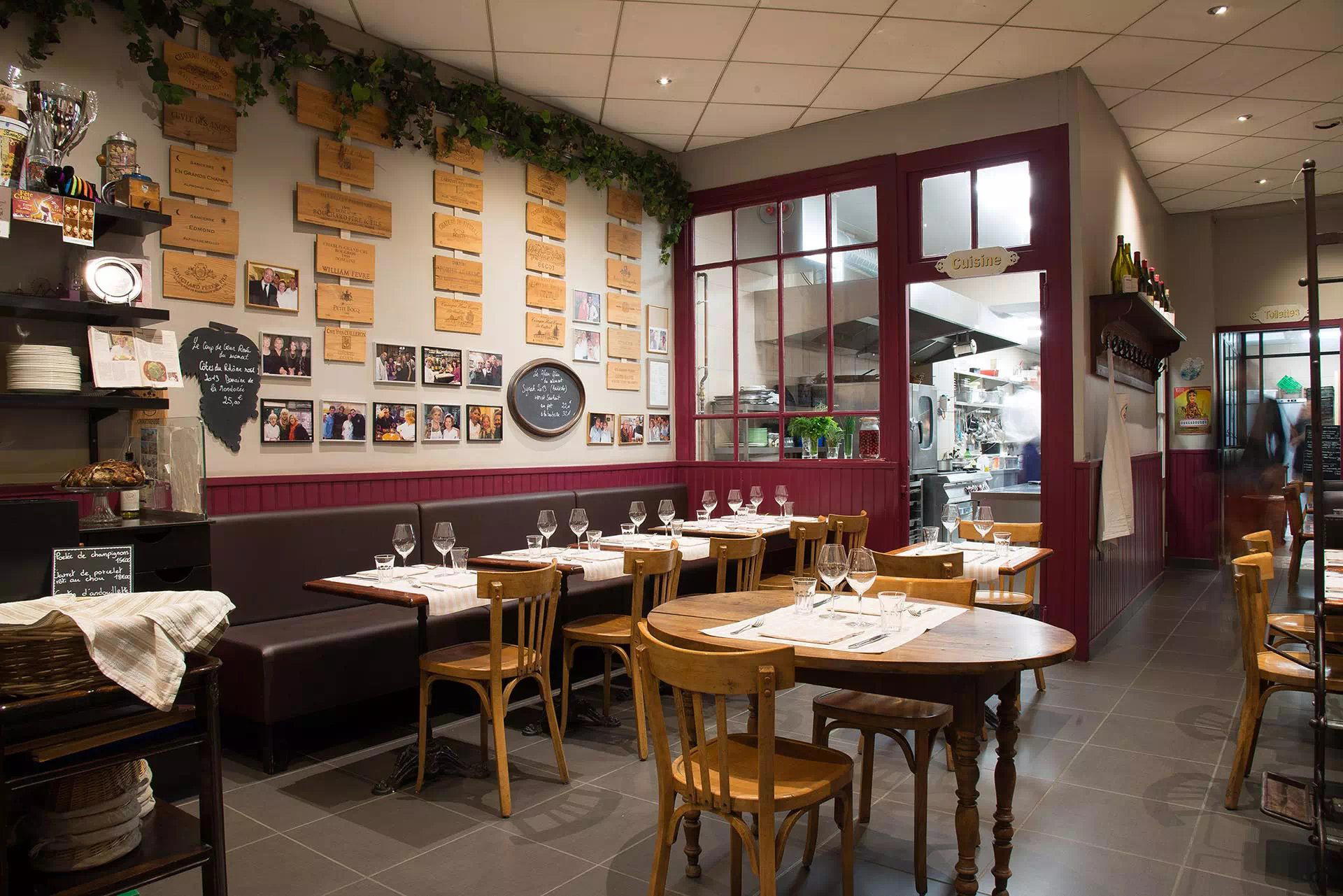
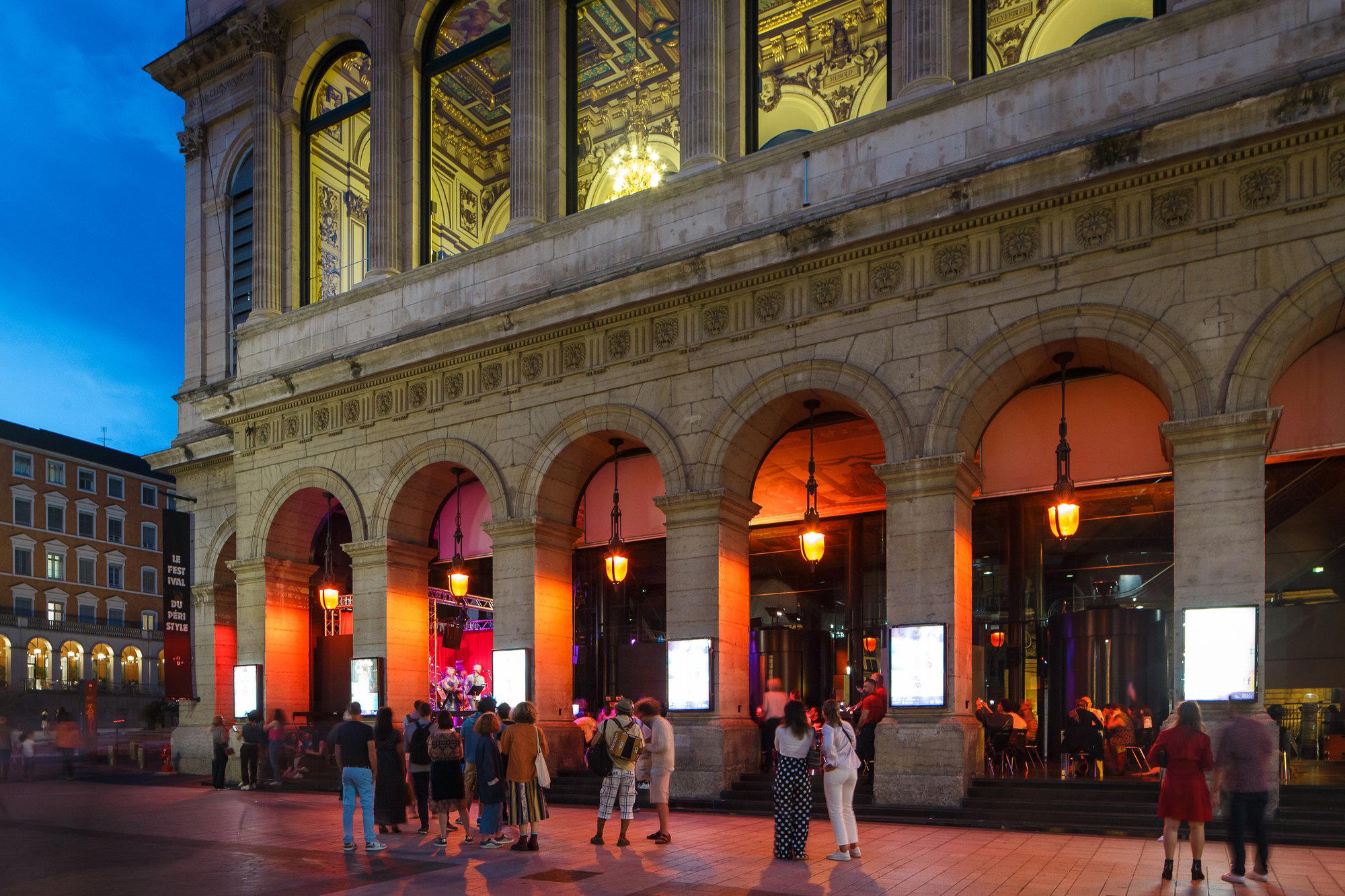
Grand European brasserie rooms share a grammar: high ceilings that absorb noise without eliminating it, banquette seating arranged for observation as much as comfort, surfaces that develop a patina of service rather than the sterile finish of a recently opened restaurant. The approach to Place Jules Ferry from the east gives the building's facade time to register, a structure that reads as institutional in the leading sense, proportioned for the public life of the square rather than scaled to the street. Inside, the room operates at a volume that signals occupancy without tipping into chaos. This is the register Lyon's established brasseries have refined over decades: animated but not frantic, social but not performative.
That atmosphere is the product of a room type that Lyon has exported more successfully than almost any other French city. The brasserie format influenced dining rooms from Paris to New York, the long zinc bars, the paper tablecloths, the rotating plat du jour that rewards regulars. At venues like Le Bernardin in New York City or Atomix in New York City, the French formal dining inheritance is visible even in its most transformed iterations. The source material, in its civic brasserie form, remains most legible in Lyon.
Wine as the Editorial Thread
The editorial case for Brasserie l'Est rests substantially on geography. Lyon is positioned at a confluence that no other French city can replicate: Burgundy to the north, the northern Rhône immediately to the south, Beaujolais to the west, and the Savoie appellations within reach to the east. A brasserie operating in the 6th arrondissement that does not reflect this positioning in its cellar is failing the most basic obligation of the address.
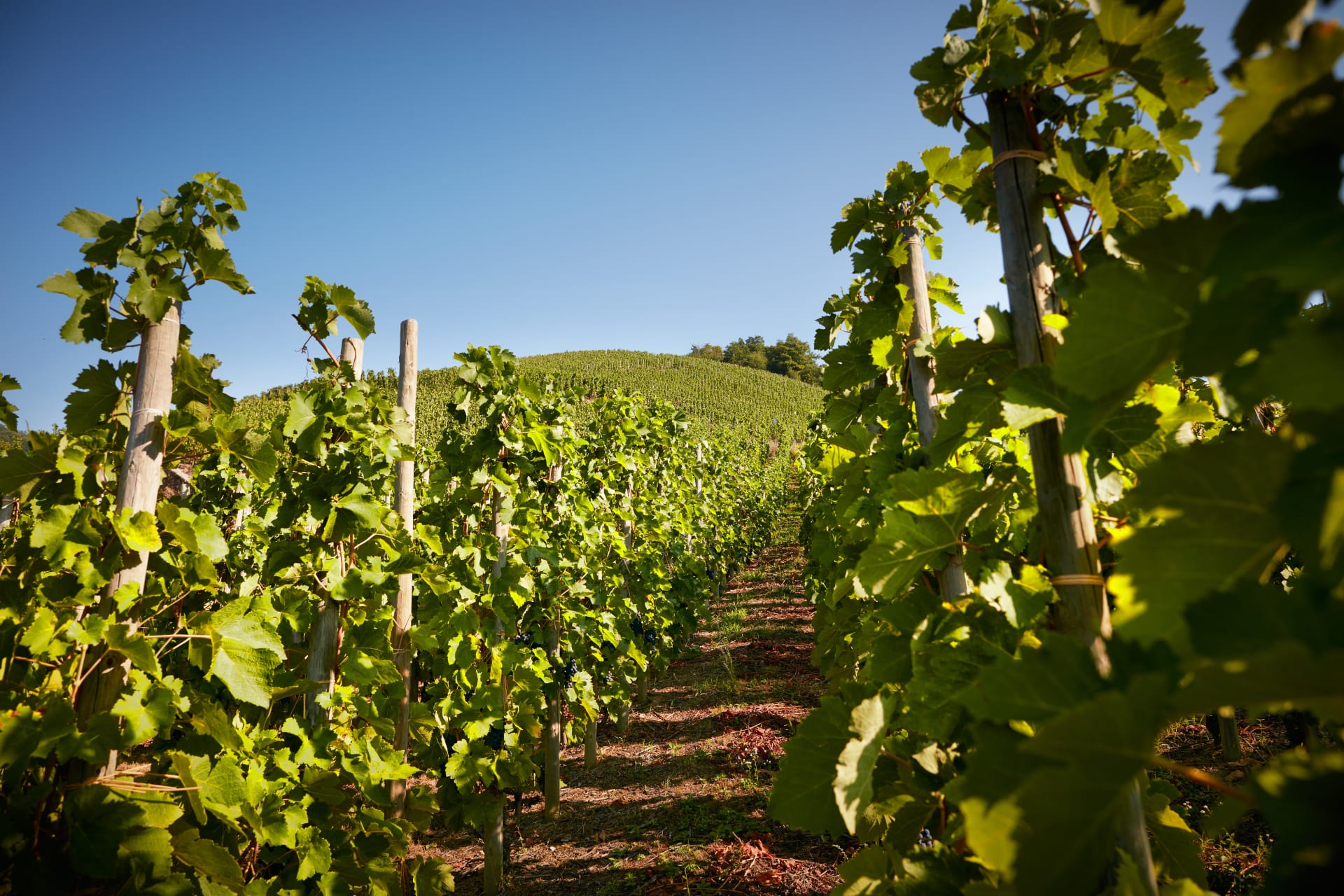
The Rhône's northern appellations, Côte-Rôtie, Hermitage, Crozes-Hermitage, produce Syrah at a density and complexity that has no close parallel in the southern hemisphere despite decades of effort. Hermitage blanc, made from Marsanne and Roussanne, is among the most age-worthy white wines produced anywhere in France, a fact that remains underappreciated outside specialist circles. Burgundy's influence adds Pinot Noir and Chardonnay at every quality tier, from village-level Mâcon to premier and grand cru Côte d'Or. Beaujolais, often dismissed by the unfamiliar through its association with Nouveau, contains ten crus, Moulin-à-Vent, Morgon, Fleurie among them, whose leading producers are making wines of genuine structural complexity. A Lyon brasserie cellar has the material to present all of this without reaching beyond the immediate region.
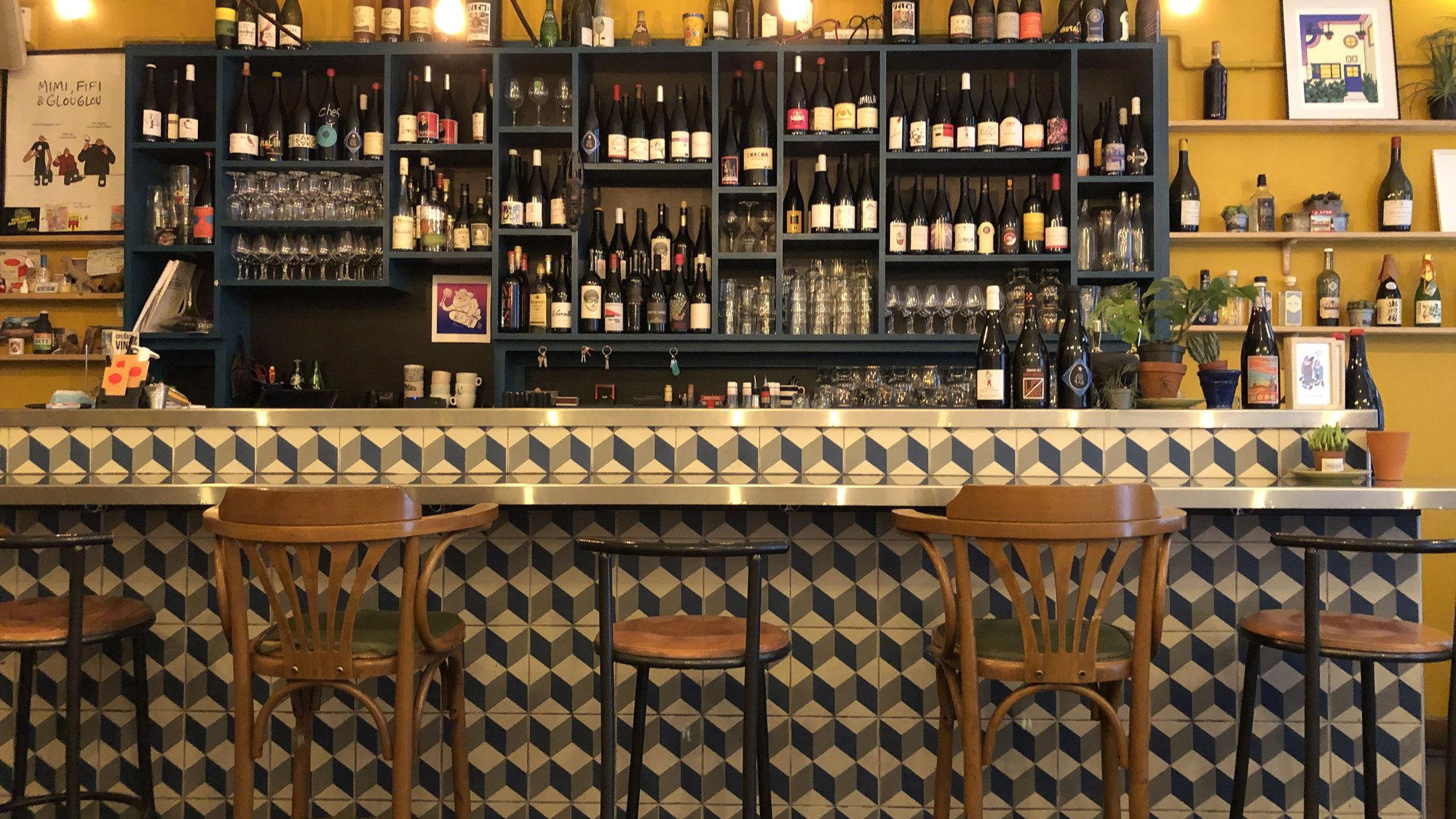
This is the context against which brasserie wine lists in Lyon should be assessed. The question is not whether the list is long, but whether it articulates the regional hierarchy: which Rhône producers are represented, whether the Beaujolais crus appear as distinct appellations or are collapsed into a generic category, and whether the white Burgundy and Rhône blanc selections extend past the obvious entry points. For visitors oriented toward wine, this regional depth is the primary reason to choose a Lyon brasserie over its Paris equivalent. The capital's cellars are broader, but Lyon's are more coherent, a function of proximity and obligation.
For comparative context on how French restaurant cellars operate at the highest level, properties like Troisgros - Le Bois sans Feuilles in Ouches, Auberge de l'Ill in Illhaeusern, and Bras in Laguiole set a benchmark for regional cellar curation in the French provincial tradition. Paul Bocuse - L'Auberge du Pont de Collonges in Collonges-au-Mont-d'Or remains the canonical reference for what Lyon's culinary identity means at formal register, and its cellar has long reflected the same regional logic described above.
Where Brasserie l'Est Sits in Lyon's Dining Range
Lyon's restaurant market has stratified clearly. At the upper end, the creative French addresses, Le Neuvième Art and Takao Takano, operate on tasting-menu formats at the €€€€ tier, positioning against each other and against a national field that includes Mirazur in Menton, Flocons de Sel in Megève, and Alléno Paris au Pavillon Ledoyen. Below that, properties like Burgundy by Matthieu at €€€ offer modern cuisine at accessible price points. Au 14 Février operates in the creative register at €€€€, with a format closer to the Japanese-influenced precision end of the Lyon spectrum.
Brasserie l'Est operates in a different register from all of these, the civic brasserie format that values room character, consistent execution, and an accessible entry point alongside a cellar that rewards the interested drinker. This is not a lesser category. It is the format in which Lyon's dining identity is most widely experienced, and the one against which the city's reputation for bourgeois cooking was built. For visitors working through the full range of what Lyon offers, the brasserie tier is not a compromise before the serious meals; it is part of the argument. Our full Lyon restaurants guide maps the complete spectrum.
For broader regional comparison, AM par Alexandre Mazzia in Marseille, Assiette Champenoise in Reims, and Au Crocodile in Strasbourg illustrate the diversity of formal French regional dining, each embedded in a specific culinary geography the way Lyon's brasseries are embedded in theirs.
Planning Your Visit
Place Jules Ferry is accessible by foot from the Part-Dieu station and by metro from the centre. The 6th arrondissement rewards the visit in both directions: the Parc de la Tête d'Or is a short walk north, and the Cours Franklin Roosevelt connects southward toward the restaurant-dense streets of the 2nd. For timing, autumn and winter align leading with the heavier Lyonnais menu register, the season when Rhône reds, particularly aged Hermitage and Côte-Rôtie, make the most sense against the kitchen's output. Spring shifts the calculation toward the Beaujolais crus and lighter Burgundy, which tend to handle the transition between the city's cooler and warmer months more gracefully than the Syrah-dominant bottles.
Frequently asked questions
How do I find Brasserie l'Est?
Brasserie l'Est is located at 14 Pl. Jules Ferry, 69006 Lyon, France, Lyon.
How does Brasserie l'Est compare to Lyon's other classic brasseries for wine selection?
Lyon's geographic position between Burgundy to the north and the northern Rhône appellations to the south gives any serious Lyon brasserie an structural advantage over equivalents in Paris or Bordeaux: direct access to two of France's most consequential wine corridors. Brasserie l'Est, located in the 6th arrondissement, operates within that context, a city where the wine list is treated as an editorial choice, not an afterthought.
What dish is Brasserie l'Est famous for?
A Lyon grand brasserie at this address and format would be expected to anchor its menu in French classicism rather than tasting-menu innovation. For current menu specifics, visiting the restaurant directly at 14 Place Jules Ferry, Lyon 6th, is the reliable approach.
Do I need a reservation for Brasserie l'Est?
A working grand brasserie in Lyon's 6th arrondissement, particularly one positioned near the Part-Dieu corridor, will fill reliably at lunch and dinner on weekdays, and more so on weekends. Brasseries of this format and city standing typically accept walk-ins at the bar or early service slots, but booking ahead removes the uncertainty.
Peers Worth Knowing
Comparable venues nearby, for context on price, style, and recognition.
| Venue | Cuisine | Price | Notes |
|---|---|---|---|
| Brasserie l'EstThis venue (the venue you are viewing) | French Brasserie | $30–50 | Not listed |
| La Cocagne | Traditional French Bistro | $30–50 | Quartier Mutualité Préfecture Moncey |
| Bistrot de la Passerelle | Traditional French Bistro & Seafood | $30–50 | Quartier Bellecour Cordeliers |
| Les Adrets | Traditional Lyonnaise French Bistro | $30–50 | Quartier Quartiers Anciens |
| Le Bouchon des Cordeliers | Traditional Lyonnais Bouchon | Not listed | Quartier Bellecour Cordeliers |
| Maison Moly | French Bistronomique | $30–50 | Quartier Bas des Pentes Presqu'île |