Brasserie Le Coq Rouge
A French-inflected brasserie on Bruksgatan in central Helsingborg, Le Coq Rouge brings classic European bistro format to a city increasingly confident in its dining identity. The address places it within easy reach of the Knutpunkten transport hub and the old town, making it a practical anchor for an evening that moves between bars and restaurants. It sits in a mid-tier that rewards those who value cooking craft over destination spectacle.
Pearl is the En Primeur Club membership app — saves, bookings, and concierge access live there. Same editors, same standards.
- Address
- Bruksgatan 19, 252 23 Helsingborg, Sweden
- Phone
- +46424499000
- Website
- lecoqrouge.se
- Directions
- Get directions
 Saves & bookings on Pearl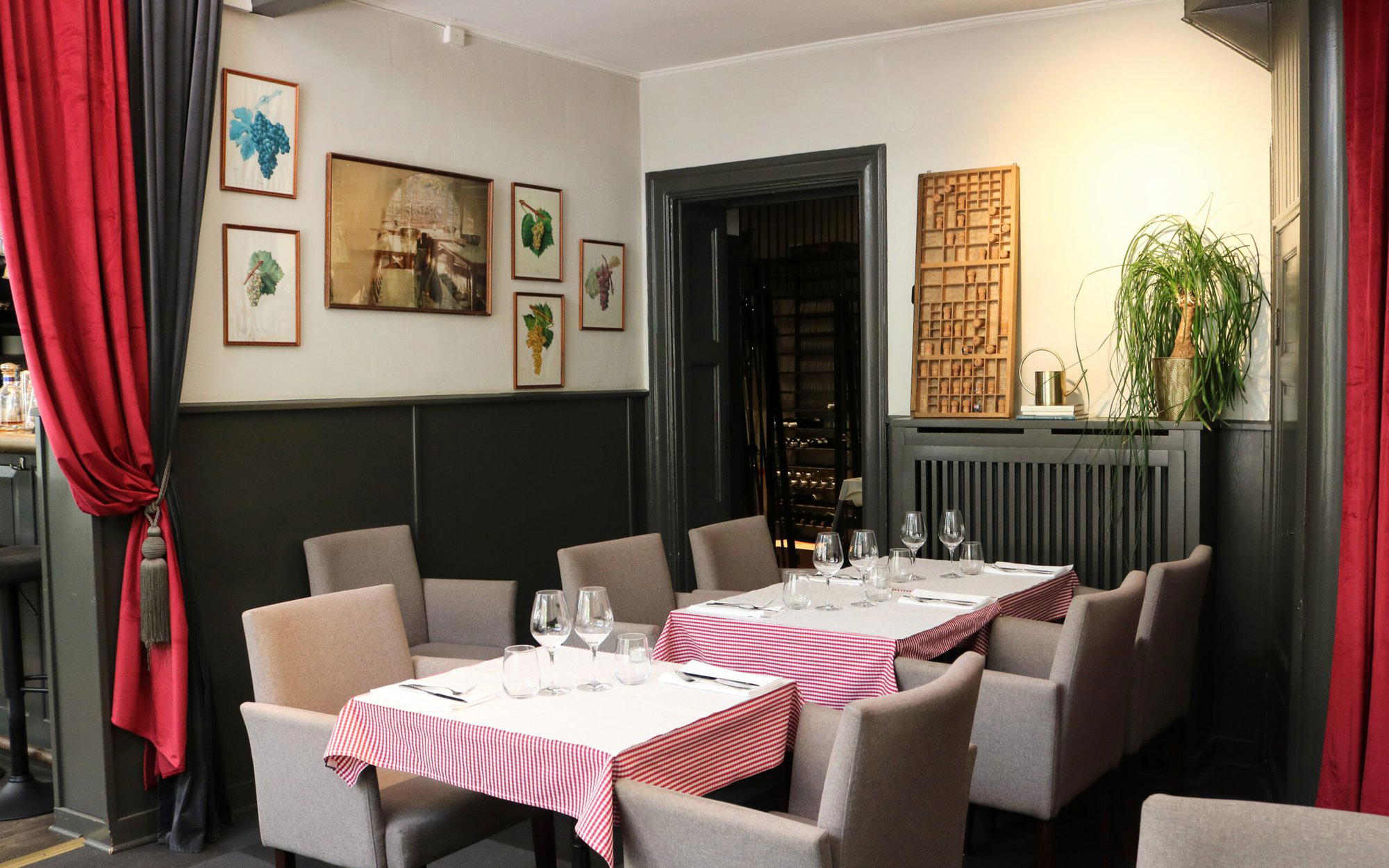
The Brasserie Format in a Swedish Port City
There is a particular logic to the brasserie in Scandinavian cities. Where the Nordic fine-dining model has chased hyper-local minimalism and tasting-menu formality, the French brasserie tradition offers something structurally different: a room designed for duration, a menu built around familiar technique applied to good produce, and a pricing tier that allows regulars to return without occasion. In Helsingborg, a city whose restaurant scene has grown noticeably in ambition over the past decade, that format has found a receptive audience. Brasserie Le Coq Rouge on Bruksgatan sits within that broader movement, occupying a position between the stripped-back Nordic canteen and the high-investment fine-dining room that has become a feature of larger Swedish cities.
Helsingborg is not Stockholm or Gothenburg, and its dining culture reflects that difference honestly. The city's proximity to Denmark via the Öresund strait, the agricultural richness of Skåne to the south, and a compact urban centre that keeps foot traffic concentrated along a handful of streets have produced a scene that favours approachable rooms with serious kitchens. The French brasserie sits logically inside that preference. Where Frantzén in Stockholm represents the pressure-cooked apex of Swedish fine dining, the mid-tier brasserie model operating in provincial Swedish cities is doing something more useful for daily dining life.
What the Address Tells You
Bruksgatan 19 puts Le Coq Rouge inside the older residential and commercial fabric of central Helsingborg, a short walk from the waterfront and the Knutpunkten terminal where trains from Malmö and Copenhagen Kastrup arrive. That geography matters for how the room functions: it draws both local regulars and arriving visitors with a practical need to eat well without extensive planning. The street-level position on a named address rather than a courtyard or passage suggests a room oriented toward passing trade and neighbourhood regulars in roughly equal measure, which is the correct positioning for a brasserie.
For context on how Helsingborg's dining options distribute across the city centre, the scene includes everything from the plant-forward approach at Bara Vara to the classic Swedish brasserie format at Brasseriet Helsingborg, the casual Korean-inflected frying at Doori Korean Fried Chicken, the wine-bar register of Madame Mustache, and neighbourhood cooking at Mommee's. Le Coq Rouge's French framing gives it a distinct identity within that spread. See the full Helsingborg restaurants guide for a broader picture of the city's dining options.
Ingredient Sourcing in the Swedish Brasserie Context
The ingredient question is where the French brasserie format gets genuinely interesting when transplanted to southern Sweden. Classic French brasserie cooking is not shy about fat, butter, and protein-forward dishes. In Sweden, and particularly in Skåne, those same classical foundations meet a regional larder that is among the most productive in Scandinavia: Österlen's market gardens, west-coast seafood, heritage pork from smaller producers, and root vegetables that sit at the centre of Swedish culinary identity from autumn through spring.
The leading brasseries operating in this format in Swedish cities are using that tension productively. Skåne's agricultural character is well documented: the region supplies a disproportionate share of Sweden's vegetables, grains, and root crops, and its coastal access adds smoked and fresh fish to that supply. A kitchen working the brasserie format in Helsingborg has immediate access to ingredients that a Parisian counterpart would regard as exceptional sourcing. Comparable Swedish addresses working this regional-produce-meets-European-technique model can be found at VYN in Simrishamn, Vollmers in Malmö, and ÄNG in Tvååker, each at a higher formality tier but drawing on the same regional logic.
Wider Swedish approach to sourcing has been shaped in part by the Michelin network's increasing attention to Scandinavia. Venues like Signum in Mölnlycke, PM & Vänner in Växjö, and Knystaforsen in Rydöbruk have each built cases for regional Swedish produce at price points well above the brasserie tier, creating a credibility context that benefits the whole category. When a mid-tier brasserie in a Swedish provincial city emphasises local sourcing, it is operating inside a broader argument that has already been made convincingly at the top of the market.
The Competitive Position
Inside Helsingborg's dining spread, the French brasserie format occupies a specific functional tier. It is neither as casual as a smörgåsbord-format café nor as commitment-heavy as a tasting-menu room. It asks for a table booking, delivers multiple courses over two hours, and prices at a level that implies serious cooking without requiring the per-head spend of an omakase or grand menu format. The southern Swedish equivalents operating at a comparable register include Sydkustens at Pillehill in Skivarp and Claesgatan 8 in Malmö, though each with a different format emphasis.
The name — Le Coq Rouge, the red cockerel — signals French intent clearly. That kind of naming choice is a positioning statement in a Swedish context: it implies a kitchen that has absorbed French method, a wine list with Gallic leanings, and a room aesthetic that borrows from the European bistro rather than the Scandinavian design tradition. Whether the execution backs that positioning is a question of individual visit, but the signal is deliberate. For comparison on how European format restaurants operating in coastal American cities handle similar positioning questions, Le Bernardin in New York City and Lazy Bear in San Francisco each illustrate different answers to the same basic question of how a European culinary tradition gets adapted for a local audience, and at what price tier that adaptation makes sense. And further north on Sweden's west coast, Hoze in Gothenburg demonstrates how European format restaurants anchor themselves within a broader Scandinavian urban dining identity.
Planning a Visit
The Bruksgatan address is walkable from central Helsingborg's main transport connections, making an arrival by train from Malmö (roughly 40 minutes) or Copenhagen via the Öresund bridge a practical option. For visitors planning a broader Skåne dining itinerary, Helsingborg works as a northern anchor before heading south through the region. Booking ahead is advisable for weekend evenings, when the city's compact centre concentrates demand across a relatively small number of reliable rooms.
Continue exploring
More in Helsingborg
Restaurants in Helsingborg
Browse all →
Bars in Helsingborg
Browse all →
Hotels in Helsingborg
Browse all →

At a Glance
- Elegant
- Cozy
- Intimate
- Sophisticated
- Date Night
- Special Occasion
- Wine Cellar
- Extensive Wine List
Current opening hours
- Monday
- 5–10:30 PM
- Tuesday
- 5–10:30 PM
- Wednesday
- 5–10:30 PM
- Thursday
- 5–10:30 PM
- Friday
- 5–10:30 PM
- Saturday
- 12–10:30 PM
- Sunday
- Closed
Hours can change for holidays and private events. Last verified .
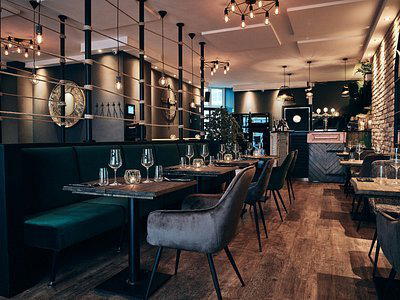
Cozy and elegant atmosphere with attentive service, white linen tables in the dining room, and a relaxed yet sophisticated feel.
Know Before You Go
- Getting there
- Bruksgatan 19, 252 23 Helsingborg, Sweden