Our verdict
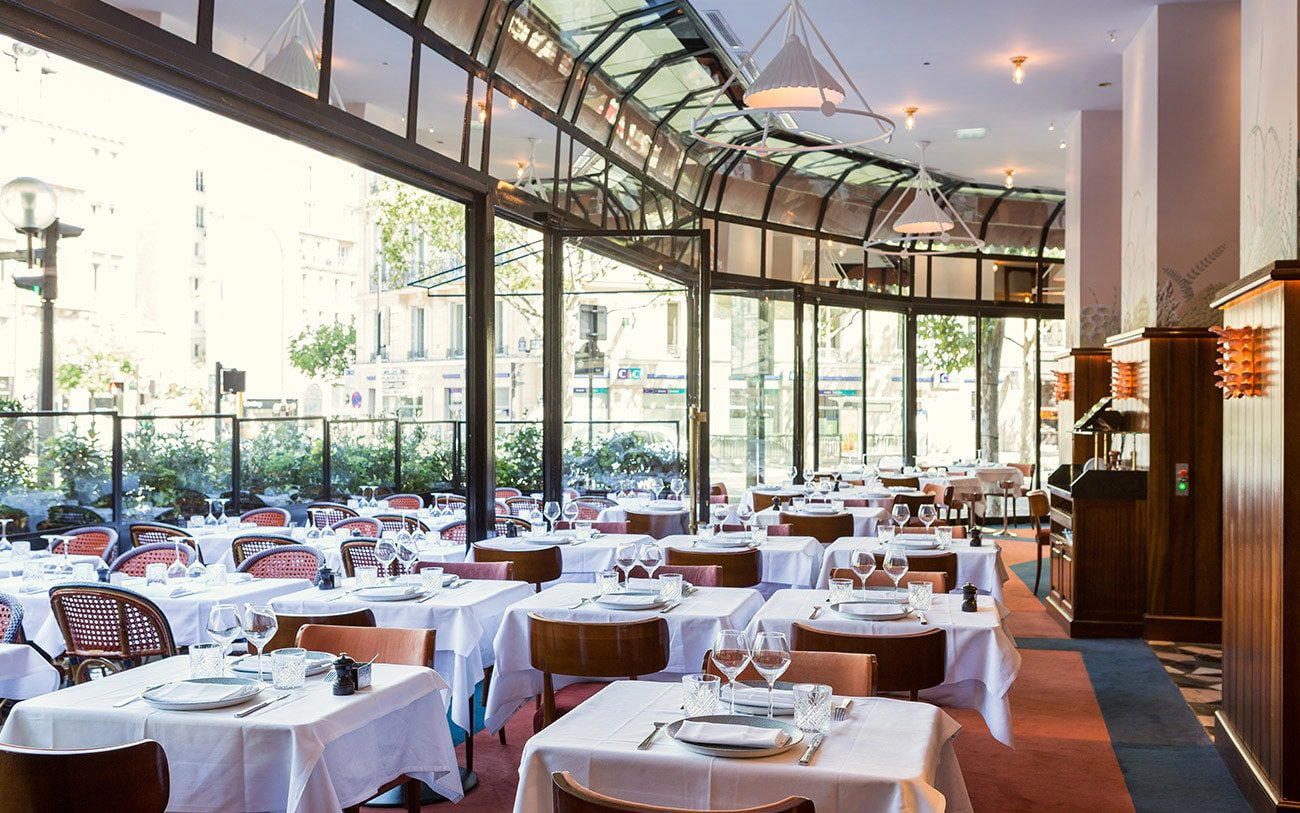
Brasserie La Lorraine occupies a prominent corner at Place des Ternes in Paris's 8th arrondissement, operating in the tradition of the grand Parisian brasserie. For visitors planning a visit, the address alone places it within walking distance of the Arc de Triomphe and a short distance from the 8th's concentration of high-end dining. Book ahead, particularly for weekend sittings.

Pearl is the En Primeur Club membership app, where members save venues, book tables and use the concierge.
The menu
What to order
- Seafood platters
- Macaroni gratiné au parmesan
Place des Ternes and the Brasserie Tradition
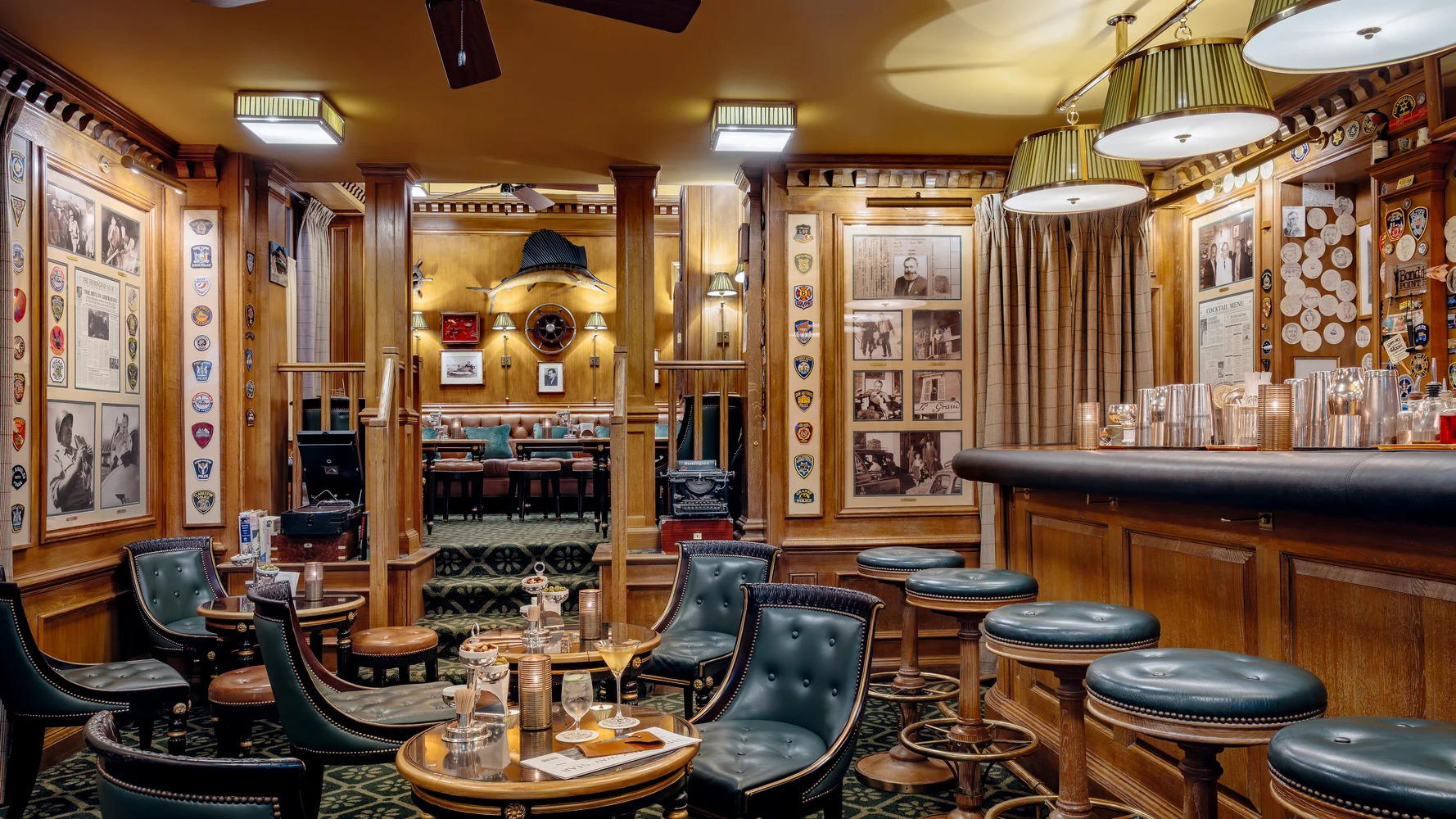
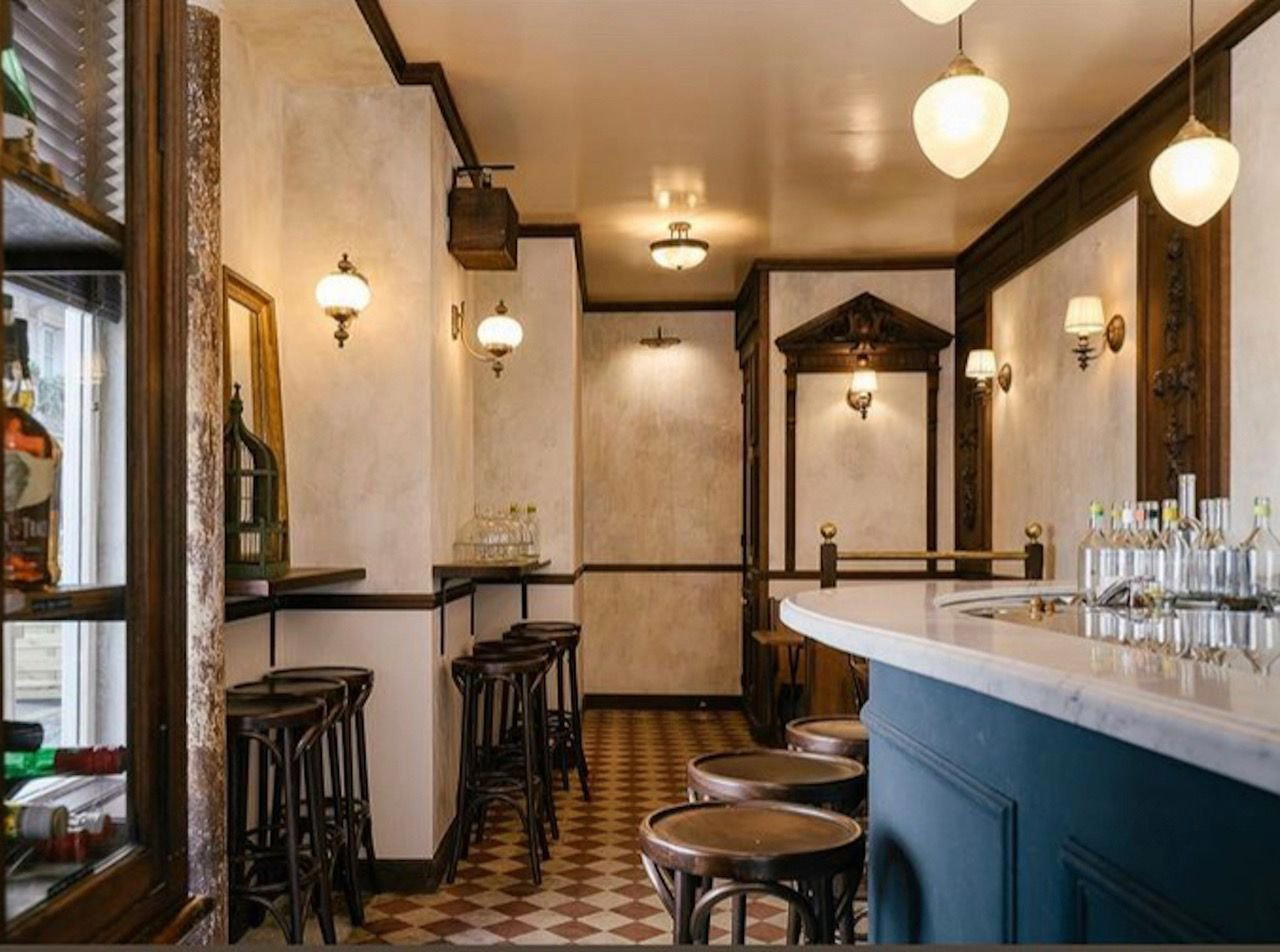
The corner of Place des Ternes in Paris's 8th arrondissement is one of those intersections where the city's dining history accumulates visibly. The grand brasserie format, with its long zinc counters, mirrored walls, and tiled floors, was not designed to be intimate. It was designed to be encountered, to absorb the movement of a city at pace. Brasserie La Lorraine sits within that tradition at 2 Place des Ternes, a building that faces one of the quieter but more residential squares in an otherwise charged neighbourhood. The 8th's dining identity is shaped by its proximity to the Champs-Élysées and the concentration of luxury hotel dining rooms and multi-starred kitchens nearby, yet the brasserie format here operates on a different register: it is about durability, not spectacle.
The Lorraine name itself carries regional signalling. Lorraine, the northeastern French region bordering Germany and Luxembourg, contributed the brasserie model to Parisian dining culture in the 19th century, when Alsatian and Lorrainois immigrants brought beer-hall culture south and adapted it to a French dining sensibility. The result was a format that married substantial cooking with a convivial, non-ceremonial atmosphere. That lineage still shapes how the grand Parisian brasserie reads today: an institution that occupies a middle register between the neighbourhood bistro and the Michelin-starred dining room, offering a more immediate and less choreographed version of French hospitality.
The 8th Arrondissement Context
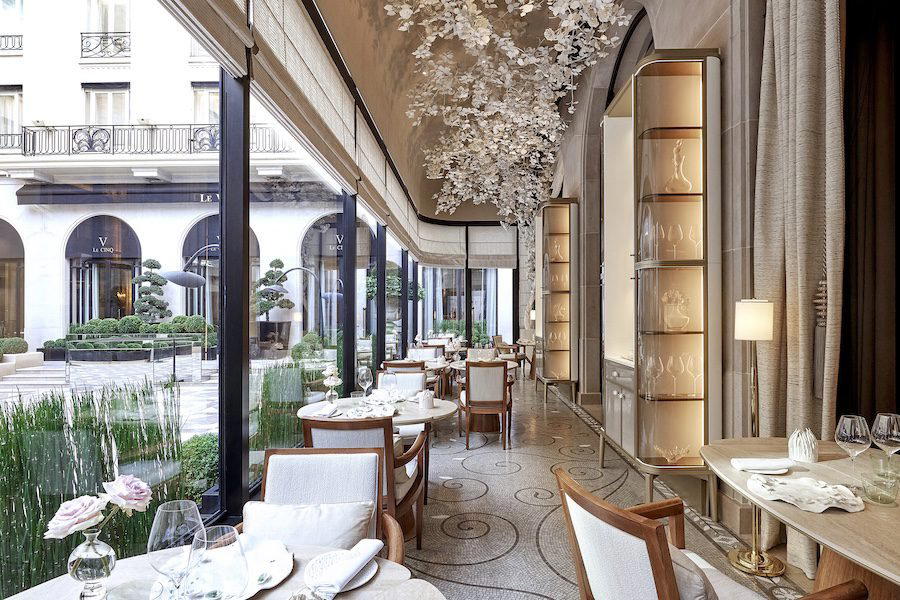
Within the 8th arrondissement, the competitive reference points are considerable. Le Cinq at the Four Seasons Hôtel George V and Alléno Paris au Pavillon Ledoyen represent the arrondissement's leading formal tier, with multi-star Michelin positioning and menus priced accordingly. Kei and L'Ambroisie anchor the classic and contemporary French ends of the fine dining spectrum. The brasserie format does not compete directly with those rooms. It occupies a different bracket, one where the decision is about occasion type rather than prestige tier. For visitors arriving at Paris CDG or Gare du Nord and heading to the 8th, La Lorraine's Place des Ternes address is accessible by metro (line 2, Ternes station), and the square itself functions as a practical orientation point for the neighbourhood.
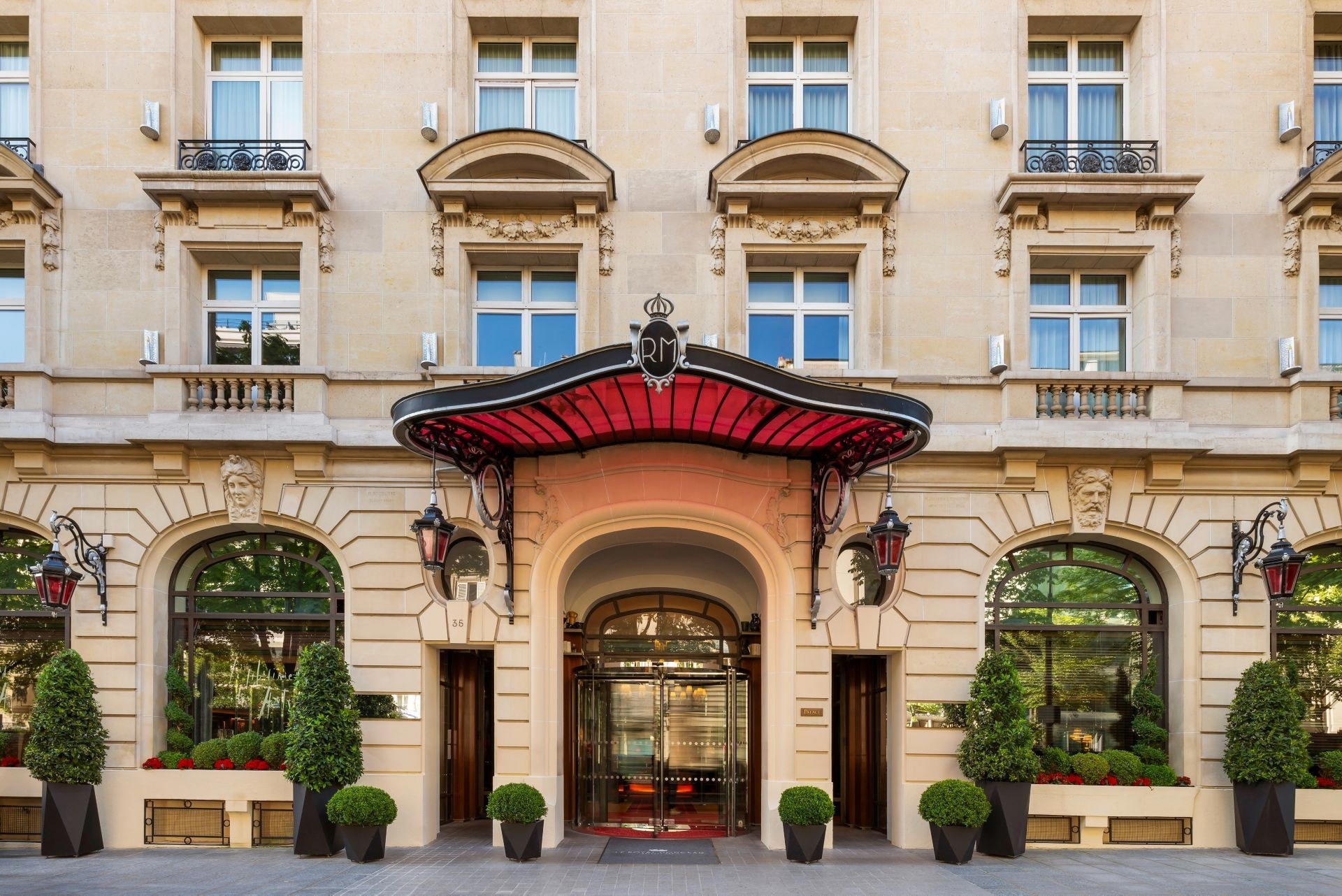
Paris's brasserie scene has contracted over the decades. Several of the city's grand houses have closed, changed ownership, or shifted format under commercial pressure. Those that persist tend to occupy corner buildings with historical footprints, visible from the street and anchored to neighbourhoods rather than tourist corridors. The Place des Ternes location positions La Lorraine in that category: a residential square with a covered flower market and a clientele that skews local rather than passing tourist trade.
What to Expect When You Arrive
The physical experience of entering a grand Parisian brasserie follows a legible grammar. Exterior terraces, if the weather permits, are occupied first. Inside, the visual density is immediate: large rooms, stacked with tables at distances that prioritise capacity over privacy, and a noise floor that reflects off hard surfaces. Service at the brasserie tier moves faster than at a formal dining room; the model depends on table turns rather than extended sittings. This is not a criticism of the format but a structural fact that shapes how you should plan the meal. Coming for lunch rather than dinner often means a lighter booking burden and a more varied cross-section of the local clientele.
Brasserie cooking at this level in Paris tends to centre on shellfish, charcuterie, and classical French preparations that have not substantially changed in decades. The plateau de fruits de mer, the steak-frites, the sole meunière: these are not nostalgic gestures but the core load-bearing dishes of a format that values consistency over novelty. What separates a well-run brasserie from a declining one is the quality of sourcing and the precision of execution on those same dishes, repeated daily across many covers.
Planning the Visit: Booking and Logistics
The editorial angle on any Paris restaurant booking in 2024 is that the planning window has extended across all tiers. For the starred rooms nearby, booking three to six weeks ahead is now standard. For a brasserie at this address, the calculus is different but still worth understanding before you go. Weekend evenings at a well-regarded brasserie on a prominent Paris square will fill earlier than a Tuesday lunch, and walk-in availability is less predictable than it was a decade ago, when Paris's dining culture was less internationally indexed.
If you are constructing a Paris dining itinerary that includes formal tasting menus at rooms like Arpège, the brasserie sitting serves a different function in the sequence: a quicker, less ceremonial meal that keeps the pace of a travel day without committing to a three-hour service. That framing shapes which sitting to book. Lunch on a market day, with the Place des Ternes flower stalls active outside, is the most atmospheric window.
For those building broader French itineraries beyond Paris, the national context of serious French dining extends to rooms like Mirazur in Menton, Troisgros in Ouches, Flocons de Sel in Megève, and the historically significant Paul Bocuse in Collonges-au-Mont-d'Or. Regional anchors like Auberge de l'Ill, Bras in Laguiole, Les Prés d'Eugénie, Georges Blanc in Vonnas, Auberge du Vieux Puits, and La Table du Castellet round out a picture of French fine dining that extends well beyond the capital. For cross-Atlantic reference, the French culinary tradition has also exported its technique to rooms like Le Bernardin in New York and influenced format experimentation at places like Lazy Bear in San Francisco. See our full Paris restaurants guide for additional context.
Practical Details
Address: 2 Place des Ternes, 75008 Paris, France. Transport: Metro line 2, Ternes station, is the closest stop. Reservations: Book ahead for weekend evenings; weekday lunches are more accessible, though walk-in availability cannot be guaranteed. Neighbourhood: The 8th arrondissement, between the Arc de Triomphe and the quieter residential pocket around Place des Ternes. Format: Grand Parisian brasserie, suited to lunch or a pre-theatre dinner rather than an extended tasting-menu occasion.
Frequently asked questions
at Brasserie La Lorraine?
The brasserie format in Paris at this address is structured around shellfish and classical French preparations. A plateau de fruits de mer or a steak-frites built on consistent sourcing and daily repetition is the structural logic of the format. Ordering to that architecture rather than looking for novelty dishes is the approach that matches what the room is designed to deliver. For context on how Parisian fine dining approaches the other end of the menu spectrum, see L'Ambroisie or Kei.
What's the ideal way to book Brasserie La Lorraine?
Paris's booking culture has tightened across all price tiers in recent years. For a brasserie at a prominent address in the 8th, booking a few days ahead for weekday lunch and one to two weeks ahead for weekend evenings is a reasonable planning frame. Walk-in tables are less reliable on Friday and Saturday evenings. Compare this to the starred rooms nearby, where Le Cinq or Alléno Paris require weeks of lead time, and the brasserie format starts to look logistically accessible in context.
What's the standout thing about Brasserie La Lorraine?
In a neighbourhood dominated by luxury hotel dining rooms and starred kitchens, the brasserie format at Place des Ternes occupies a position that the formal rooms cannot: immediate, non-ceremonial, rooted in a residential square rather than a grand hotel lobby. That physical placement on a working Parisian square, with its flower market and local rhythm, is what differentiates the experience from the nearby Arpège-tier dining. The Lorraine name also carries regional French identity that connects to a longer brasserie lineage than most of the 8th's starred rooms.
Is Brasserie La Lorraine a good choice for visitors staying near the Arc de Triomphe?
For visitors based in the 8th arrondissement, particularly around the Étoile, La Lorraine's Place des Ternes address is walkable and accessible via Metro line 2. The brasserie format works well as a first-night or mid-itinerary meal, offering a more grounded introduction to Parisian dining before moving to the more formal rooms the neighbourhood also contains. It fits a different occasion type than the starred tables nearby, and the flower-market square context gives it a neighbourhood character that hotel dining rooms in the area typically do not replicate.
Budget and Context
Comparable venues nearby, for context on price, style, and recognition.
| Venue | Cuisine | Price | Notes |
|---|---|---|---|
| Brasserie La LorraineThis venue (the venue you are viewing) | Classic French Brasserie with Seafood | $50–100 | Not listed |
| Le Petit Canard | Traditional French Duck Bistro | Not listed | 9th arrondissement, Traditional French Duck Bistro |
| Magdalena | Traditional French Brasserie | $50–100 | 8th arrondissement, Traditional French Brasserie |
| Sébastien Gaudard | Classic French Patisserie & Café | $30–50 | 9th Arrondissement, Classic French Patisserie & Café |
| Porte 12 | Mediterranean | Not listed | 10e, Modern Neo-Bistro |
| Vent d'Armor | Traditional French Seafood | $50–100 | Quartier Latin, Traditional French Seafood |
Continue exploring
More in Paris
Restaurants in Paris
All restaurants in Paris →

Bars in Paris
All bars in Paris →
Details
- Classic
- Elegant
- Well Known
- Business Dinner
- Special Occasion
- Group Dining
- Terrace
- Historic Building
- Extensive Wine List
- Local Sourcing
- Street Scene
- A La Carte
Current opening hours
- Monday
- 8 AM–11 PM
- Tuesday
- 8 AM–11:30 PM
- Wednesday
- 8 AM–11:30 PM
- Thursday
- 8 AM–11:30 PM
- Friday
- 8 AM–12 AM
- Saturday
- 8 AM–12 AM
- Sunday
- 8 AM–11 PM
Hours can change for holidays and private events. Hours as of .
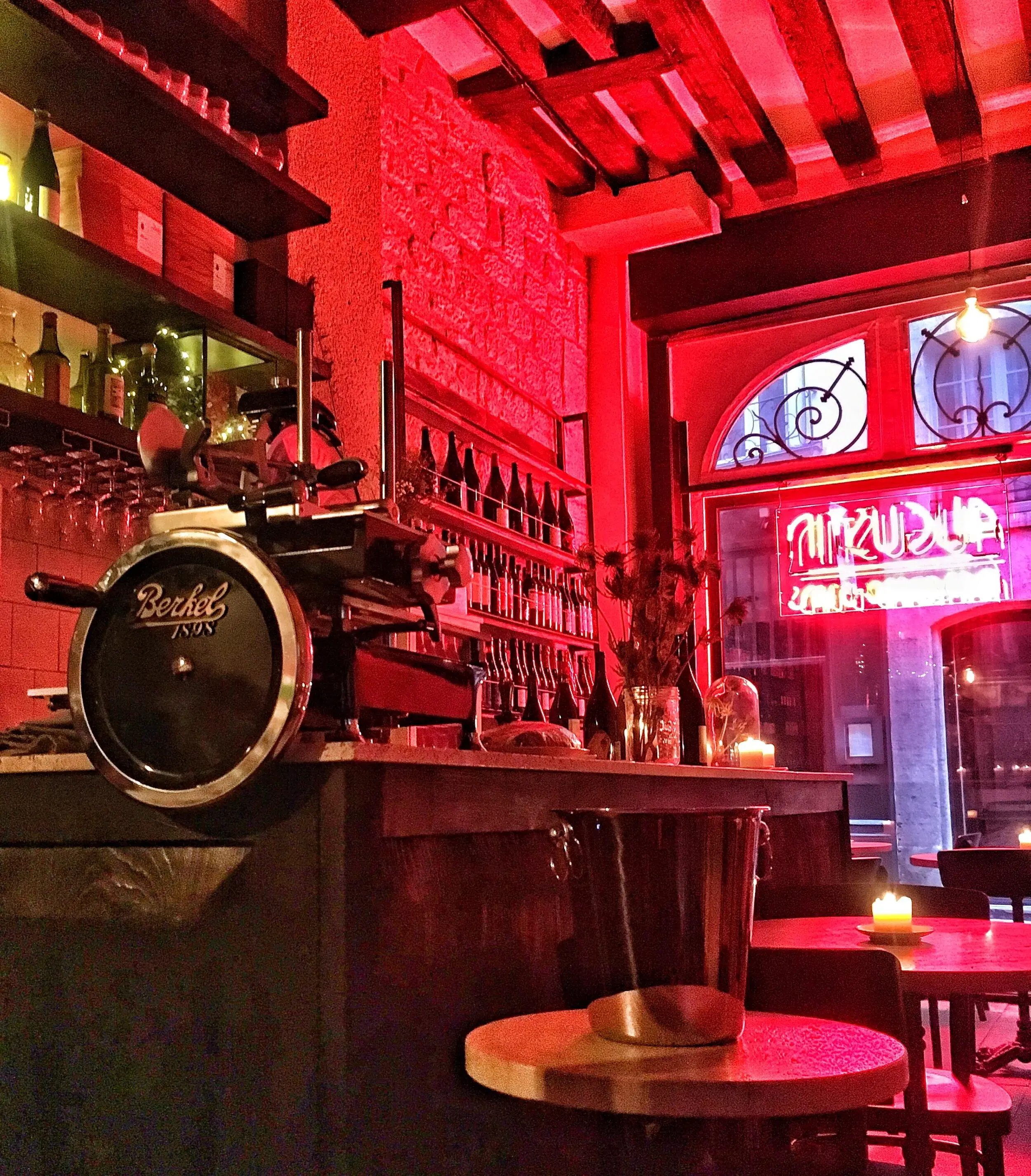
Classic Art Deco decor with old-school Parisian charm, sunny terrace, and a friendly yet elegant atmosphere.