Google: 4.3 · 1,885 reviews
.png)
A Michelin Plate-recognised brasserie on the banks of the Meuse, Brasserie du Quai holds a steady position in Namur's mid-range dining tier with a 4.3 Google rating across more than 1,800 reviews. The kitchen works within the tradition of Belgian brasserie cooking, offering the kind of unhurried, generous meal that the format has always promised. Practical pricing at the €€ level makes it one of the more accessible entries in the city's recognised restaurant set.
 Discover on Pearl
Pearl is the En Primeur Club membership app — saves, bookings, and concierge access live there. Same editors, same standards.
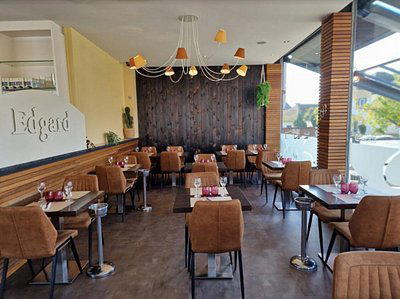
The Quayside Register
There is a particular cadence to eating beside moving water, and Namur's riverfront — where the Sambre meets the Meuse in the shadow of the Citadelle — has long supported a dining culture shaped by that rhythm. Brasserie du Quai, at Rue du Quai 9, sits inside that tradition: a riverside address where the pace of the meal is set not by a tasting menu clock but by the older, more democratic logic of the Belgian brasserie. Arrive, settle, order at leisure, eat well, stay as long as the conversation holds. That unhurried contract between kitchen and guest is the defining ritual of the format, and it remains one of the more pleasurable things about Walloon dining culture at its mid-range.
The Brasserie Ritual in a Belgian Context
Belgium's brasserie tradition occupies a distinct place in European dining. It sits between the Parisian grand café model , large rooms, white tablecloths, fixed roles , and the more informal estaminet culture of Flanders and the north. In Wallonia, the riverfront brasserie evolved as a working lunch institution that quietly absorbed weekend evening traffic, and the format has proved durable precisely because it refuses to specialise too narrowly. Menus tend toward traditional cuisine: preparations that reward technique without demanding theatrical presentation, dishes that are complete rather than conceptual.
Brasserie du Quai holds a Michelin Plate for both 2024 and 2025, a designation the guide assigns to restaurants that deliver good cooking at a consistent standard. In Namur's dining tier, that credential places the brasserie in a small group of addresses that Michelin considers worth tracking, without positioning it against the city's higher-ticket creative kitchens. At €€ pricing, it occupies a different competitive set than Attablez-vous or L'Espièglerie, both of which operate at the €€€ tier with menus that push further from classical reference points.
What the Numbers Reflect
A Google rating of 4.3 drawn from 1,832 reviews is a meaningful data point in a city of Namur's scale. It is not the headline number that a destination-tourist restaurant might accumulate from visiting diners looking for a landmark meal; it is the kind of sustained, high-volume score that reflects repeat local use and consistent delivery over time. Brasserie restaurants in secondary Belgian cities tend to build their ratings through regulars , the Wednesday lunch crowd, the Sunday family table, the after-work group , rather than through a single dramatic dining event. That pattern, if it holds here, says something about what the kitchen is doing right: it is meeting the same expectations reliably, week after week.
For context within Belgium's broader recognised dining tier, the country runs deep on Michelin recognition: addresses like Hof van Cleve, Boury, and Zilte represent its upper reaches. Brasserie du Quai is not competing in that bracket. It competes instead in the space where the Michelin Plate acts as a signal of reliable, honest cooking at an accessible price , a category that France's own traditional kitchens, such as Auberge Grand'Maison in Mûr-de-Bretagne, have long occupied with confidence.
Pacing the Meal
The brasserie dining ritual in Wallonia follows its own internal clock. There is rarely a sense of a table being managed toward a fast turnover; the expectation on both sides of the pass is that the meal proceeds in stages, with space between courses, and that ordering more wine or a final cheese is a natural extension rather than an imposition. This contrasts with the tighter, more structured pacing of tasting-menu formats at venues like La table du Royal Snail, where the kitchen sets the tempo from the outset.
At the €€ level, this kind of meal is particularly well-suited to the riverfront setting. An extended lunch beside the Meuse, working through traditional preparations with a regional wine, is a different proposition than a quick service stop , it is the format at its intended pace. The traditional cuisine designation suggests a kitchen oriented toward that meal: classical technique, recognisable reference points, preparations that hold up across a two-hour table rather than fragmenting into micro-courses that demand immediate attention.
Visitors exploring Namur's dining options more broadly will find a spread of formats along the same street and neighbouring blocks. Bistro Camélia works within a seasonal cuisine framework at the same price tier, while Le Roi de Trèfle takes classic French cooking into the €€€ bracket. The choice between them is largely a question of what kind of meal you want to have: the brasserie offers breadth and informality; the more focused kitchen offers depth and precision.
Planning Your Visit
Brasserie du Quai sits at Rue du Quai 9, 5000 Namur, directly on the quayside. The €€ pricing makes it accessible for both lunch and dinner without requiring the forward planning typical of higher-ticket Namur addresses. With more than 1,800 Google reviews and consistent Michelin Plate recognition across consecutive years, the brasserie has a documented track record that reduces booking risk for first-time visitors. Reservations are advisable for weekend evenings, when riverfront tables in any city of Namur's size fill quickly, but the format's natural informality means same-day availability is more realistic here than at the city's Michelin-starred tier. Those planning a longer stay in Namur can use the full Namur restaurants guide to map adjacent options, and the Namur hotels guide, bars guide, and experiences guide for a fuller picture of what the city offers beyond the table. There is also a Namur wineries guide for those wanting to extend the wine dimension of the visit into the surrounding Walloon countryside.
For travellers coming from the Belgian coast , from the direction of Bartholomeus in Heist or Willem Hiele in Oudenburg , or from Brussels, where Bozar Restaurant anchors a different kind of cultural dining, Namur's quayside register is a useful recalibration: less metropolitan ambition, more direct pleasure in a meal that knows its own terms. The same quality of unhurried, regionally rooted cooking can be found across northern Spain at addresses like Auga in Gijón, which suggests the format's appeal is not specific to Wallonia but is something the region has preserved with particular care.
Where It Fits
These are the closest comparables we have in our database for quick context.
| Venue | Cuisine | Price | Awards |
|---|---|---|---|
| Brasserie du QuaiThis venue — the venue you are viewing | Traditional Cuisine | €€ | Michelin Plate (2025); Michelin Plate (2024) |
| Attablez-vous | Creative French | €€€ | Michelin 1 Star |
| Bistro Camélia | Seasonal Cuisine | €€ | |
| L'Espièglerie | Modern Cuisine | €€€ | |
| Le Roi de Trèfle | Classic French | €€€ | |
| Les Potes au Feu | Modern French | €€ |
Continue exploring
More in Namur
Restaurants in Namur
Browse all →
At a Glance
- Scenic
- Classic
- Cozy
- Elegant
- Date Night
- Business Dinner
- Group Dining
- Family
- Celebration
- Waterfront
- Terrace
- Panoramic View
- Beer Program
- Local Sourcing
- Sustainable Seafood
- Waterfront
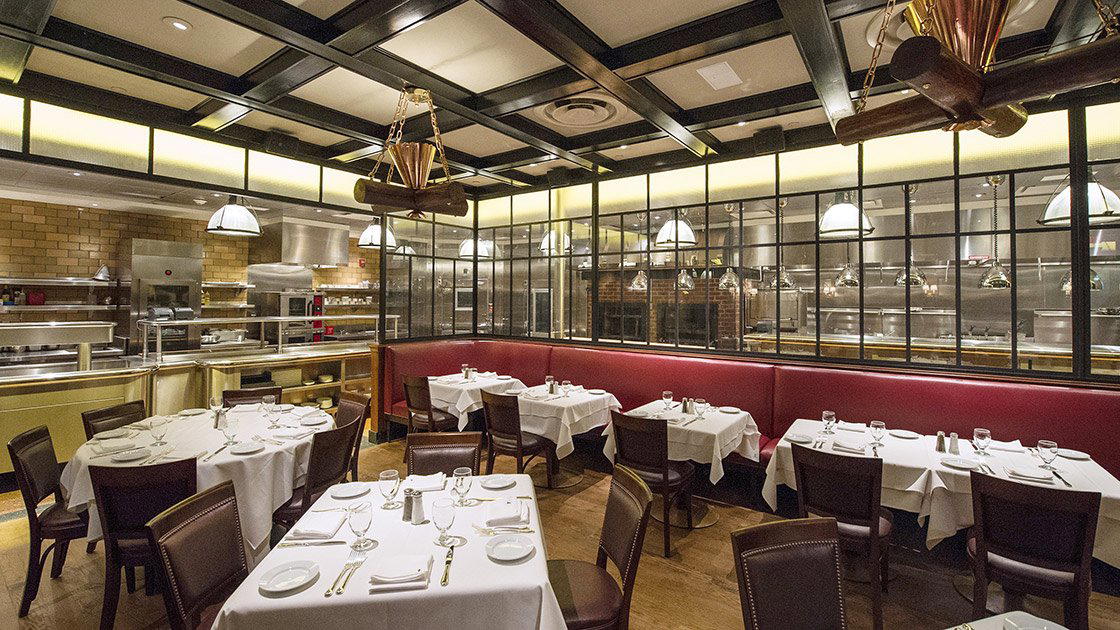
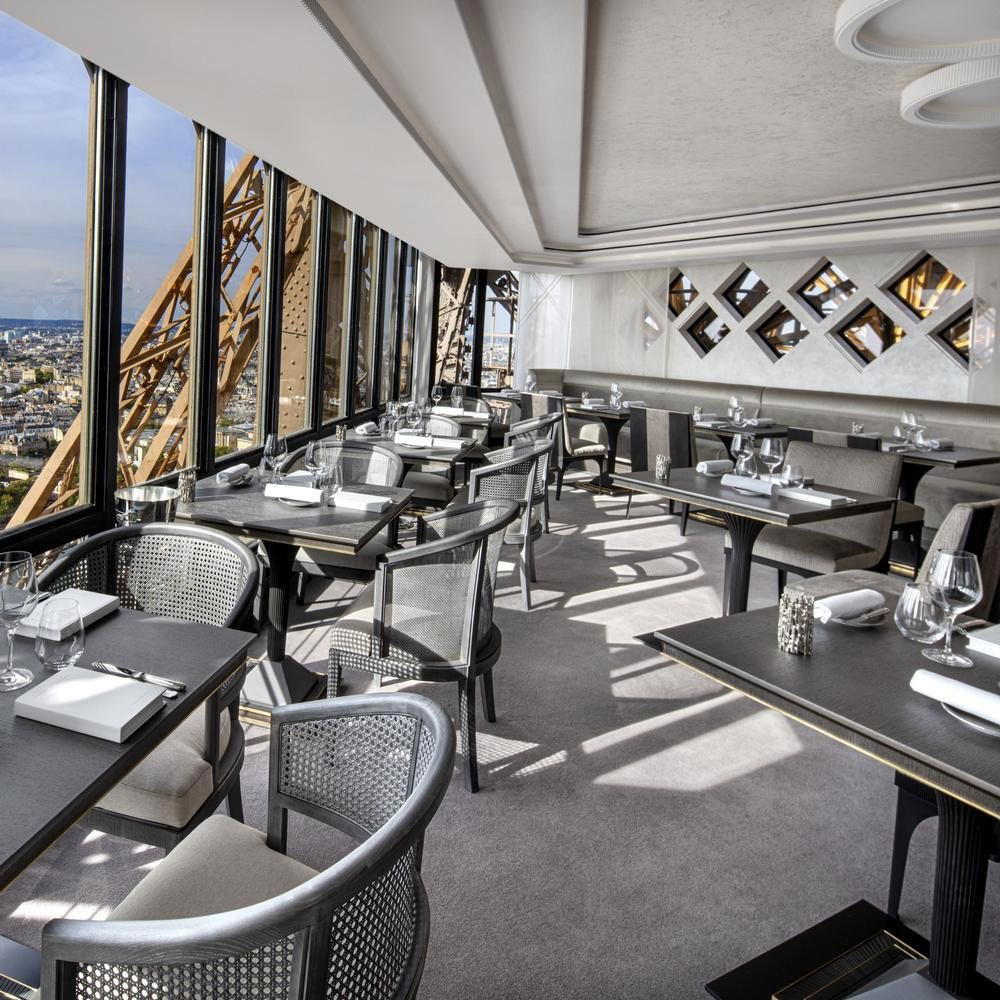
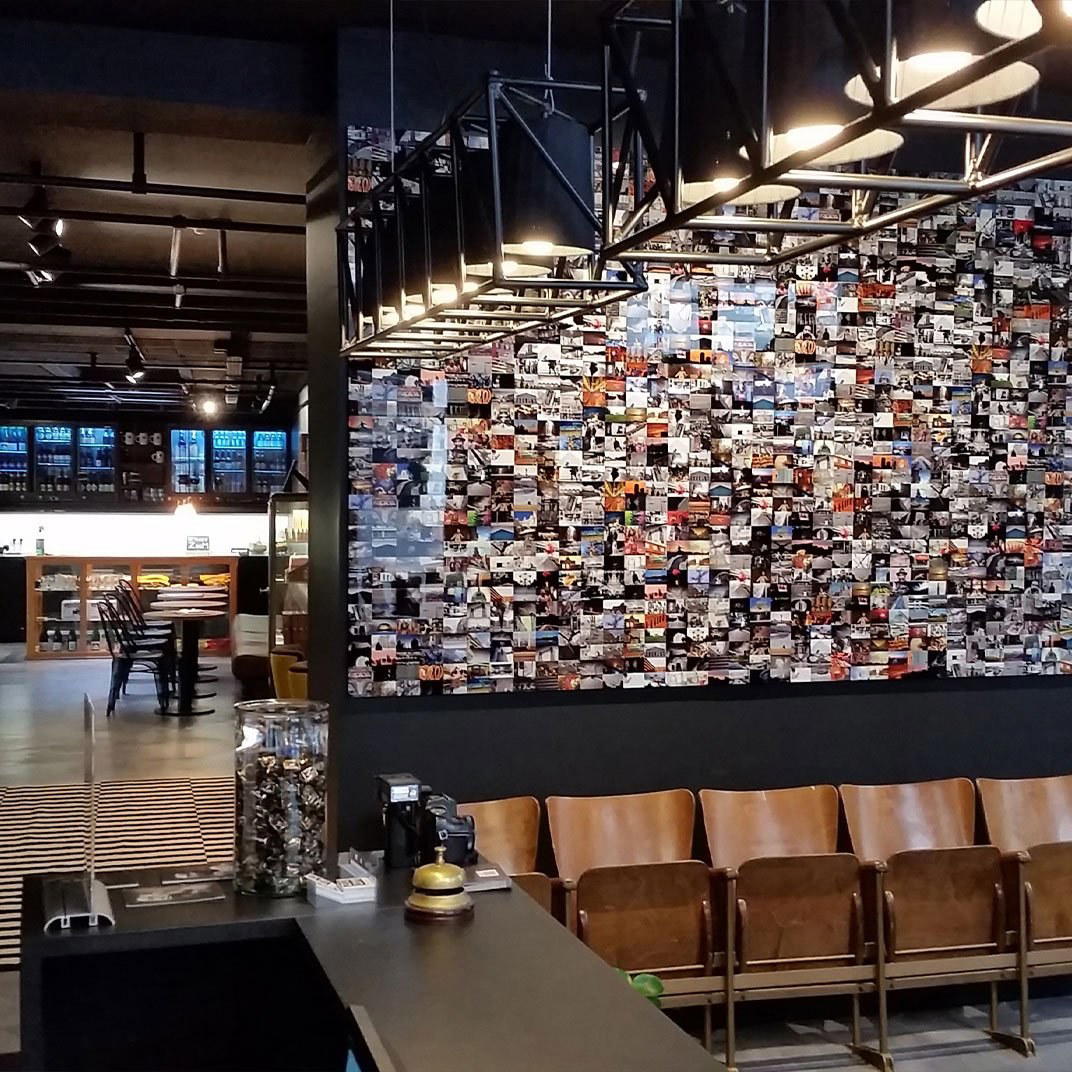
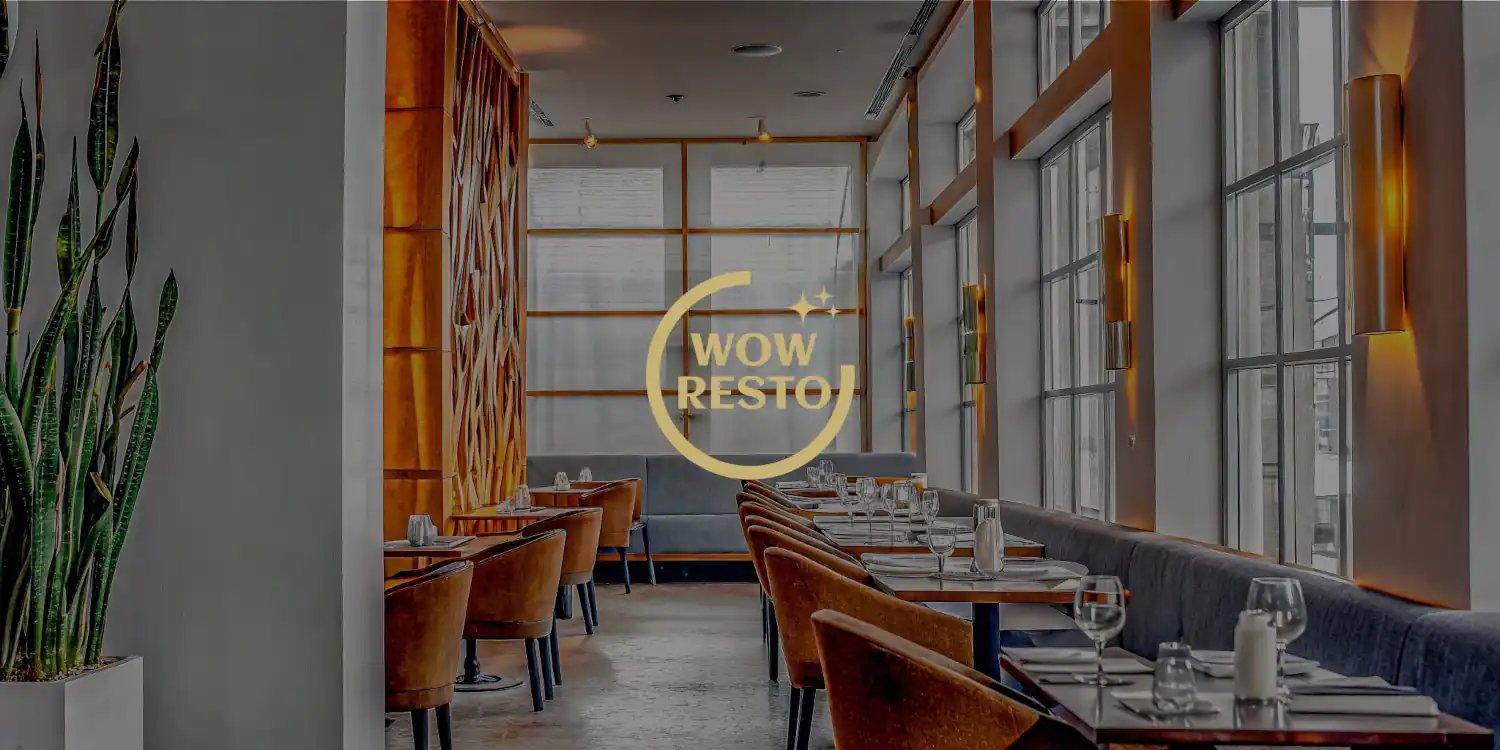
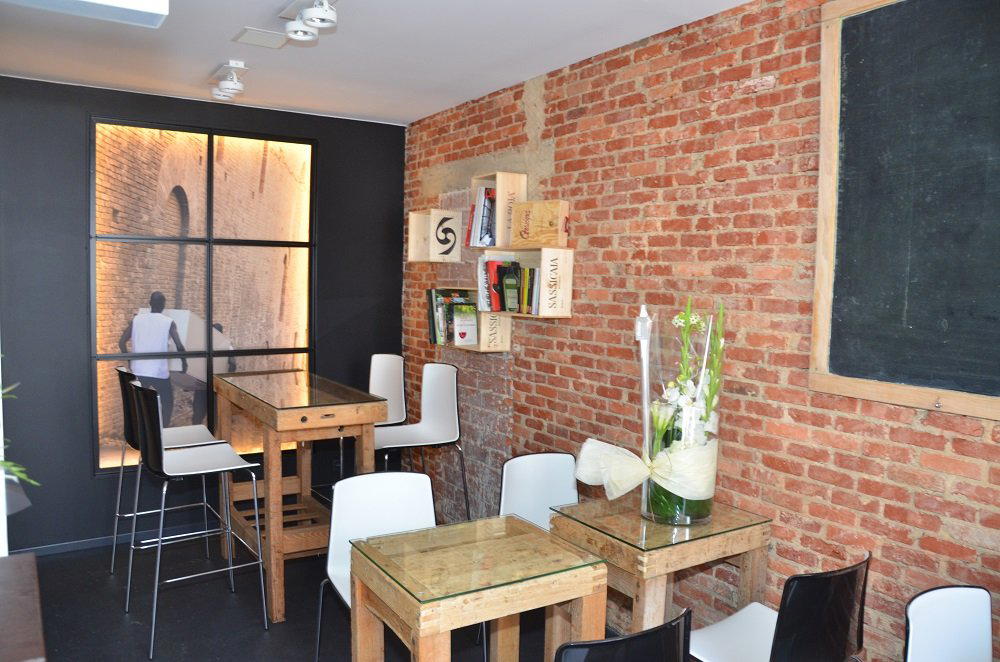
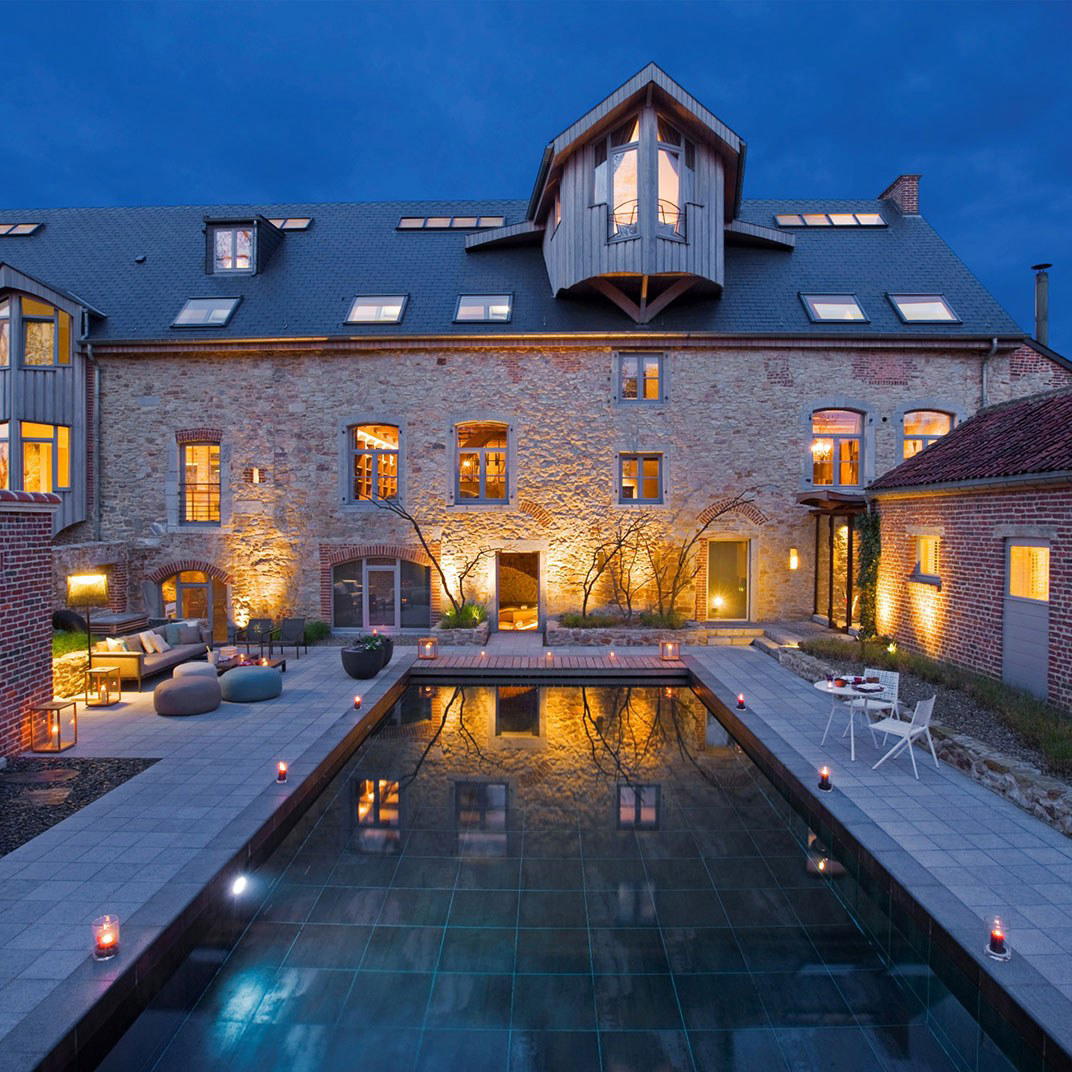
Warm and convivial atmosphere with bright natural light from expansive windows; contemporary setting with elegant tableware; can be noisy when full.