Wok, Pan-Asian Experience

A wok-centered pan-Asian kitchen operating inside Punta Cana's resort corridor, where the format's demand for fresh aromatics and high-heat technique meets the sourcing realities of Caribbean geography. A practical option for resort-zone visitors seeking a break from the area's default Caribbean seafood and international buffet offerings, with shared-plate dining suited to groups.
Pearl is the En Primeur Club membership app — saves, bookings, and concierge access live there. Same editors, same standards.
- Address
- FJF2+PR, Punta Cana 23000, Dominican Republic
- Phone
- +18297456205
- Website
- opentable.com
- Directions
- Get directions
 Saves & bookings on Pearl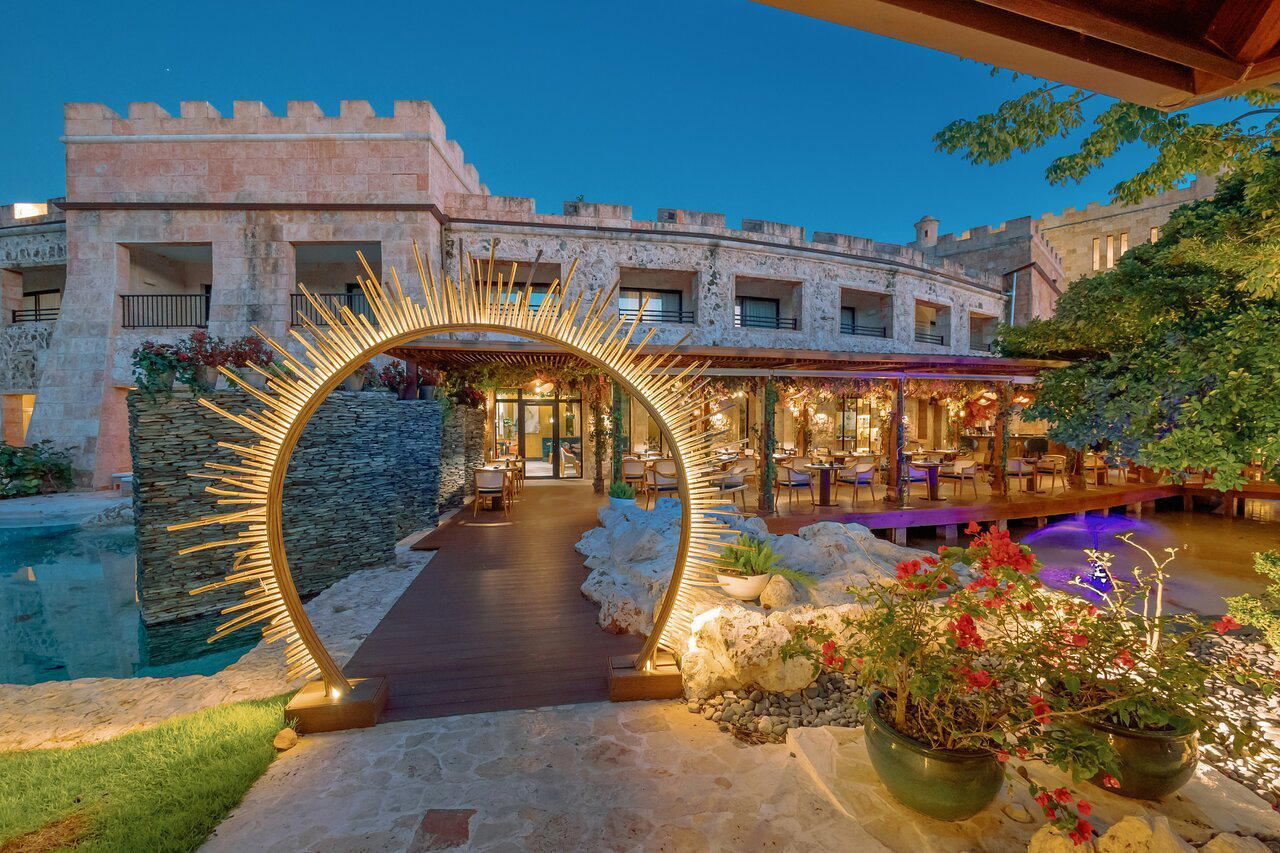
Pan-Asian Dining in the Dominican Resort Corridor
Pan-Asian restaurants occupy an interesting position inside Punta Cana's resort-heavy dining scene. The area's default mode is Caribbean seafood and international buffet, so a kitchen committed to the ingredient logic of East and Southeast Asian cooking operates from a different set of priorities entirely. Where a beachfront grill sources its authority from local catch and Atlantic geography, a pan-Asian kitchen draws from a much wider supply chain: jasmine rice, fermented soybean pastes, lemongrass, galangal, and proteins that may need to travel further to reach this corner of the Caribbean. That sourcing reality shapes everything about what ends up on the table.
Wok Pan-Asian Restaurant sits within this context. The name signals the format directly: wok cookery, with its demand for precise heat management and mise en place discipline, is the technical center of gravity. The wok as a cooking vessel rewards fresh ingredients handled at high speed, which means the quality of what enters the kitchen is visible in the result. There is nowhere to hide in that cooking style, which places ingredient sourcing at the heart of any honest assessment of a restaurant operating under this banner.
The Ingredient Question in a Resort Destination
Punta Cana's geography creates a specific challenge for pan-Asian kitchens. The Dominican Republic produces excellent tropical produce — plantains, yuca, tropical citrus, fresh coconut — but the aromatics foundational to Southeast and East Asian cooking are less locally available. Galangal, kaffir lime leaf, Thai basil, and high-quality miso are either imported or absent. How a kitchen resolves this gap tells you something meaningful about its commitment to the tradition it claims.
Resort-zone pan-Asian restaurants across the Caribbean frequently default to a simplified register: sweet-leaning sauces, minimal fermentation, and proteins adjusted to tourist expectations. The more serious operators in this category source aromatics through regional import networks based in Santo Domingo or Miami, maintain cold-chain discipline for ingredients like tofu and fresh noodles, and build their menus around what can actually be sourced with integrity rather than listing dishes that will inevitably be approximated. Visitors who have eaten through the pan-Asian kitchens of cities like Hong Kong or Singapore, where restaurants like 8 1/2 Otto e Mezzo Bombana anchor a broader high-end dining ecosystem, will bring a different calibration to what they encounter here.
For context, the gap between a technically serious pan-Asian kitchen in a metropolitan center and one operating in a Caribbean resort zone is considerable. That gap is not a criticism of Wok Pan-Asian Restaurant specifically; it is the structural reality of the category in this geography, and it is the frame through which any honest review of pan-Asian cooking in Punta Cana should be read.
What the Setting Communicates
The address places Wok Pan-Asian Restaurant within the Punta Cana resort corridor, a zone defined by all-inclusive properties, golf developments, and a steady international visitor flow. Dining in this corridor tends to be convenience-driven, with guests often eating within their resort rather than venturing out. A standalone pan-Asian concept operating in this environment is making a particular bet: that enough visitors will seek a change of register from their resort's own dining options to sustain a kitchen with a distinct culinary identity.
That positioning has implications for format and atmosphere. Pan-Asian restaurants in resort zones typically calibrate their settings toward comfort and accessibility, with open-air or semi-open designs that acknowledge the climate. The cooking itself, wok-based and built around shared dishes, tends to work well for groups, which aligns with the social structure of resort travel. The Punta Cana restaurant scene rewards venues that understand this social dynamic, and a pan-Asian format with a wide menu spread and a shareable-plates logic is well-suited to it.
For a broader look at Punta Cana's dining options across categories, EP Club's full Punta Cana restaurants guide maps the scene from beach clubs through to fine dining. Brassa Restaurant, Casa Costa, and Cielo Beach Club anchor different parts of the local dining picture, from grilled meats to coastal casual, which gives useful reference points for how Wok Pan-Asian fits into the broader ecosystem.
Thinking About the Menu
Wok-based menus in the pan-Asian tradition draw from a wide geographic range: Chinese stir-fries, Thai curries, Vietnamese preparations, Japanese-influenced dishes, and Indonesian or Malaysian flavors can all fall under the same roof. The risk of this breadth is diffusion, where a kitchen attempts too many traditions and executes none with depth. The more focused pan-Asian operators narrow the geographic scope and commit to two or three culinary traditions with genuine ingredient sourcing to match.
At the serious end of the global pan-Asian category, restaurants like Atomix in New York City demonstrate what happens when a single Asian culinary tradition receives full technical and sourcing commitment. That level of depth is a different register entirely from the resort-zone format, but it illustrates the principle: focus and sourcing integrity compound. Visitors coming from cities where pan-Asian cooking operates at that level should calibrate expectations for the Punta Cana context accordingly, while recognizing that a well-run wok kitchen in a resort corridor serves a real and legitimate function for its actual audience.
Across the Dominican Republic and Beyond
Punta Cana is one node in a broader Dominican dining scene that has grown considerably in sophistication over the past decade. The capital, Santo Domingo, carries more culinary infrastructure, including venues like Il Bacareto in Santo Domingo, which operates in a different register from the resort corridor entirely. Further along the north coast, spots like Aguají in Sosua and Casa Grande in Rio San Juan reflect the country's growing appetite for independent dining concepts outside the resort model. In the east, Playa Blanca Restaurant in Higuey and Blue Grill + Bar in Cap Cana offer further context for how the broader region is developing its dining identity.
For reference points from the top tier of global dining, Le Bernardin in New York City, Lazy Bear in San Francisco, Alinea in Chicago, Alain Ducasse at Louis XV in Monte Carlo, and Emeril's in New Orleans represent the global competitive field against which serious dining at any level is implicitly measured.
Planning Your Visit
Specific booking details, hours, and pricing for Wok Pan-Asian Restaurant are not currently confirmed in EP Club's database, so direct verification with the venue before visiting is recommended. In Punta Cana's resort zone, pan-Asian restaurants typically see their highest demand during peak tourist season, roughly December through April, when visitor volumes across the corridor are at their largest. Visiting outside those months generally means shorter waits and more attentive service, as kitchens are under less pressure. For visitors based at nearby resorts, checking whether the restaurant operates independently or within a hotel structure will clarify whether reservations are required or walk-in dining is standard practice for the format.
Comparison Snapshot
| Venue | Cuisine | Price |
|---|---|---|
| Wok Pan-Asian RestaurantThis venue — the venue you are viewing | This venue | Not listed |
| Mediterraneo Restaurant | Dominican Seafood | Dominican Seafood |
Recognition history
Dated appearances from independent guides and award organizations, with the underlying list record or original source where available.
Macarfi 7.3 Food Rating
Macarfi
Continue exploring
More in Punta Cana
Restaurants in Punta Cana
Browse all →


Bars in Punta Cana
Browse all →





At a Glance
- Elegant
- Trendy
- Sophisticated
- Special Occasion
- Date Night
- Open Kitchen
- Terrace
- Craft Cocktails
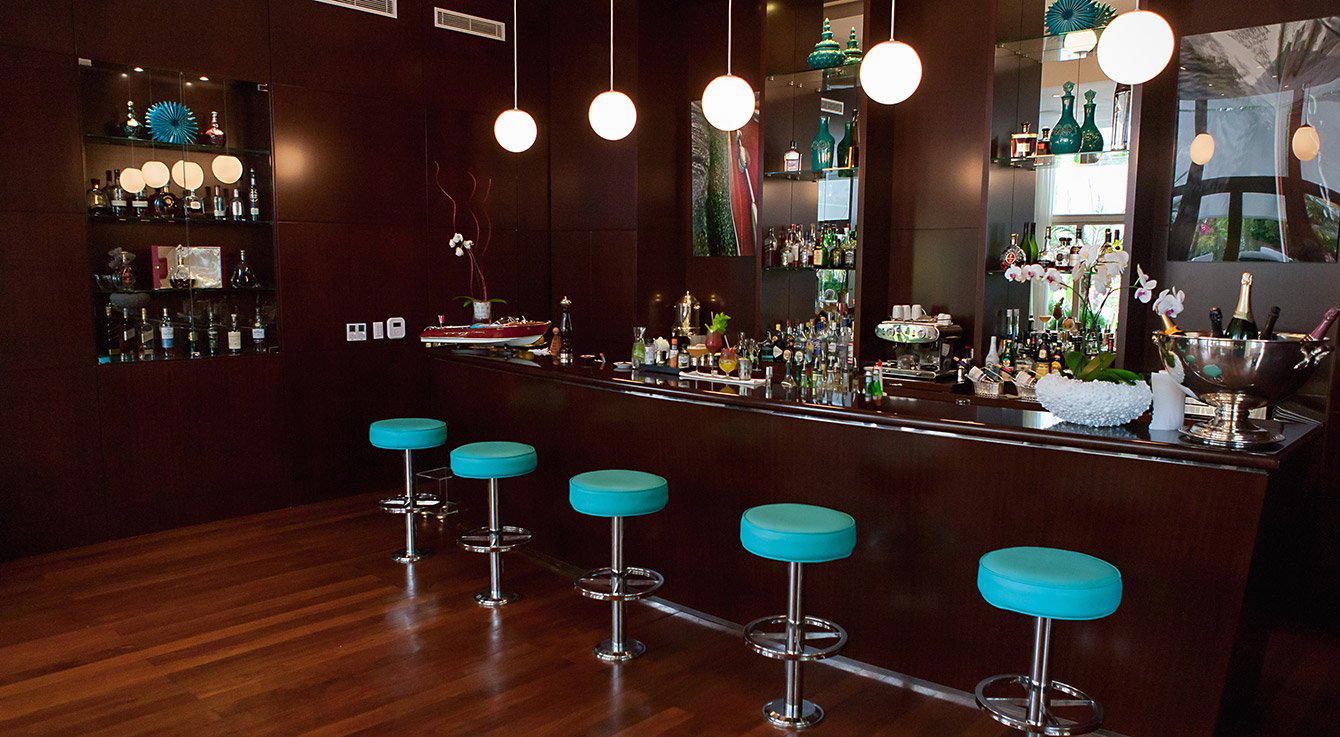
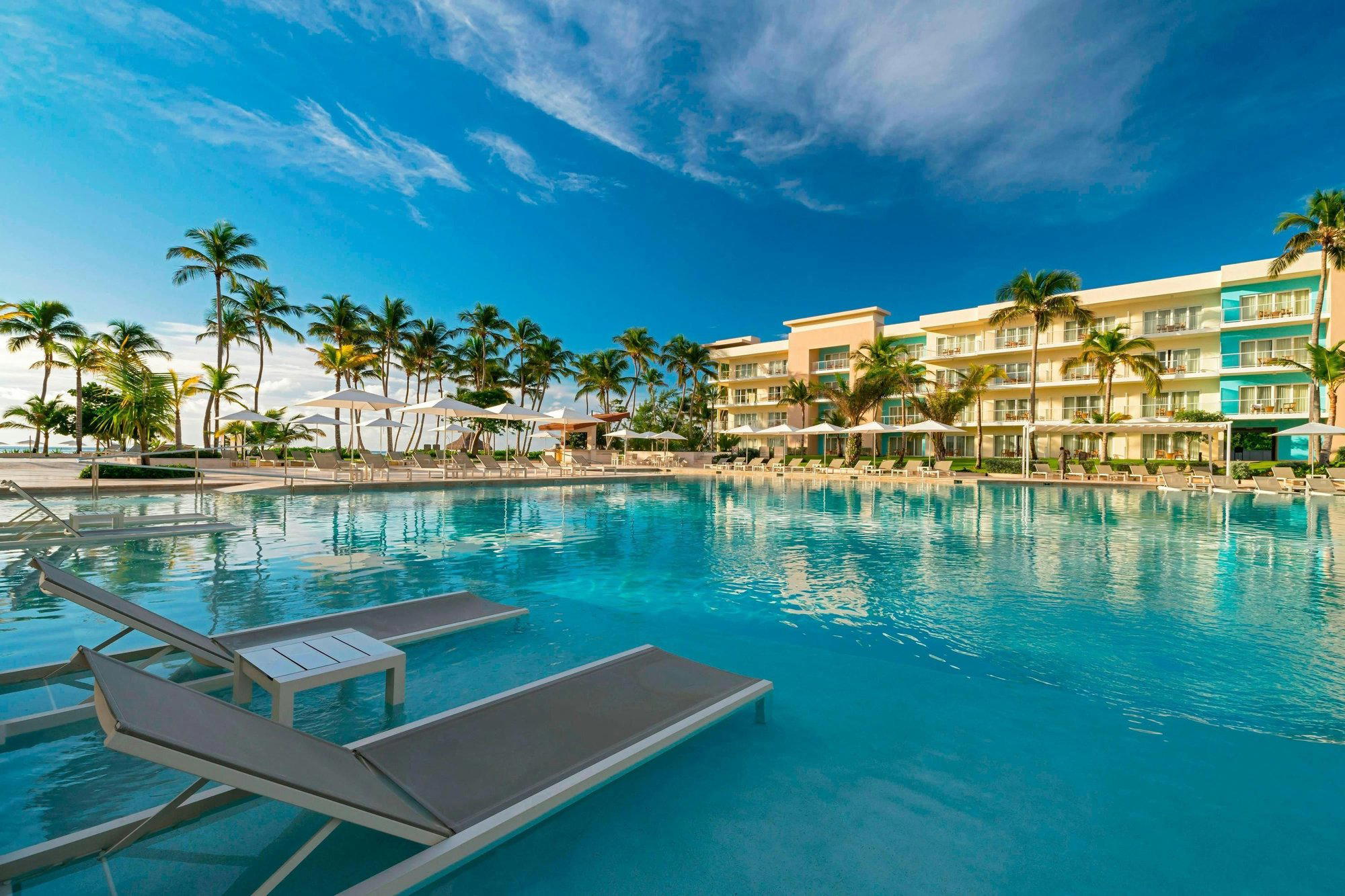
Elegant and exotic with tastefully decorated dining room, soft lantern lighting, dark wood decor, terrace overlooking pool with fountains, and urban industrial elements.
Know Before You Go
- Getting there
- FJF2+PR, Punta Cana 23000, Dominican Republic