On a narrow Old Montreal street, Bowie occupies a position in the city's wine-forward dining tier where cellar depth and seasonal cooking carry equal weight. The address on Sainte-Hélène puts it close to the Vieux-Port's more formal rooms, yet the format reads closer to the neighbourhood cave-à-manger model that has reshaped how Montrealers eat and drink together. A reservation here is a commitment to the glass as much as the plate.
Pearl is the En Primeur Club membership app — saves, bookings, and concierge access live there. Same editors, same standards.
- Address
- 457 Sainte Hélène St, Montreal, Quebec H2Y 1T9, Canada
- Phone
- +15143609290
- Website
- lebowie.com
- Directions
- Get directions
 Saves & bookings on Pearl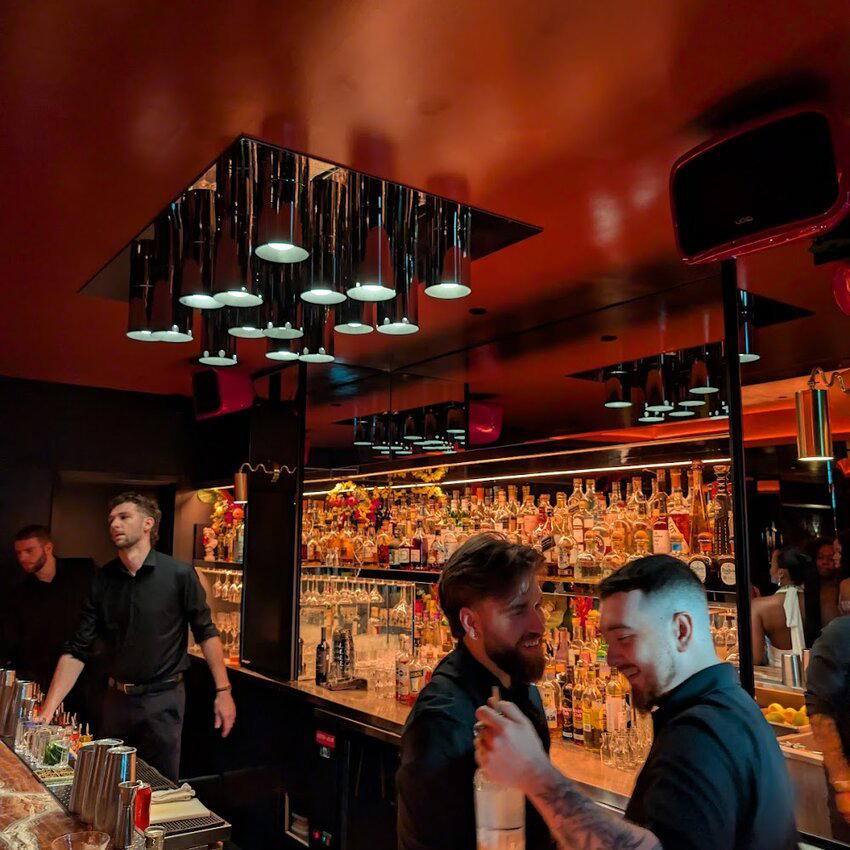
A Street That Sets the Register
Old Montreal has spent the better part of two decades sorting itself into two distinct dining registers: the grand, occasion-forward rooms that trade on the neighbourhood's stone-walled grandeur, and a smaller cohort of wine-led addresses where the cellar does as much editorial work as the kitchen. Sainte-Hélène Street, a few blocks from the Vieux-Port waterfront, sits comfortably in that second register. The buildings here are narrow and the foot traffic lighter than on the main tourist corridors, which tends to attract the kind of operator more interested in a regular clientele than in passing trade. Bowie, at number 457, reads as exactly that kind of place.
Approaching from the Saint-Laurent axis, the scale of the street already signals something: this is not a room designed to announce itself. Montreal's wine-bar dining scene, which accelerated meaningfully after 2015, has generally favoured this kind of restraint in its physical presentation. The energy is pushed inward, toward the table and the bottle, rather than outward toward pedestrian theatrics. That orientation shapes what you should expect before you even read the menu.
The Wine-Bar Model and Where Bowie Sits Within It
Montreal's current drinking-and-dining culture owes a debt to a format that arrived roughly a decade ago and never fully retreated: the cave-à-manger, a hybrid of wine shop, natural-wine bar, and small-plates kitchen. Addresses like this one changed the city's expectations around what a mid-evening meal could look like. The prix-fixe formality of rooms like Jérôme Ferrer - Europea or Sabayon remained relevant, but a parallel appetite grew for rooms where ordering a second bottle felt as natural as ordering a second course.
Bowie sits in this wine-forward tier. The editorial angle here is the list: the selection of what goes in the glass, the logic behind it, and the degree to which the kitchen has been calibrated to serve the wine rather than the other way around. That inversion is more significant than it sounds. In a room where the wine list drives the conversation, dish composition tends toward acidity, restraint, and textural contrast over richness and reduction.
Cellar Depth as Editorial Statement
Across Canada's more ambitious wine programs, the sommelier role has shifted from gatekeeper to collaborator. Rooms that once built prestige around deep Bordeaux allocations and verticals now more frequently build identity around less-obvious producers: growers from Jura, natural-leaning Burgundy négociants, orange wines from Slovenia, pét-nat from Quebec's own Eastern Townships. The curation philosophy in this mode is less about depth in a single appellation and more about range across registers, with a list that can move from a reductive, mineral Muscadet to a structured Barolo without feeling scattered.
A wine list with genuine editorial intent also has practical consequences for the diner. It rewards engagement: asking questions, following the sommelier's instinct rather than defaulting to a recognisable label. Montreal's better wine rooms have trained their guests in this direction over the past decade, and the city now has a dining public that is unusually comfortable with unfamiliar producers. For comparison, the kind of flexibility you find in committed Canadian wine programs of this generation is visible across the country, from Restaurant Pearl Morissette in Lincoln, which integrates its own estate wines into the dining experience, to AnnaLena in Vancouver, where the list is built around small-production imports and domestic standouts.
At Bowie, the address on Sainte-Hélène suggests a room operating at this level of intentionality. The neighbourhood self-selects for a clientele that arrives having already decided to commit to the evening rather than simply pass through it.
Kitchen and Cuisine: Reading the Context
Wine-forward rooms in Montreal tend to run kitchens that are small in footprint and seasonal in discipline. The menus change with supply rather than by calendar, which means a dish present on a Tuesday may not exist by Friday. This approach is more common in the cave-à-manger tier than in the formal tasting-menu circuit, and it creates a different kind of dining rhythm: less scripted, more contingent on what arrived from the market that morning.
Montreal's proximity to Quebec's agricultural interior gives kitchens in this mode access to a serious seasonal pantry. Spring fiddleheads, autumn game, late-summer heritage tomatoes from the Laurentians, smoked fish from the St. Lawrence corridor — these are the ingredients that tend to anchor small-plate menus at this price and ambition level. The comparable seasonal discipline at 3 Pierres 1 Feu illustrates how consistently Montreal's mid-tier creative rooms have committed to this local-supply logic.
Beyond Montreal, the broader Canadian fine-dining conversation has increasingly centred on terroir-driven, seasonally faithful kitchens. Tanière³ in Quebec City and Eigensinn Farm in Singhampton represent the more immersive end of that commitment; Bowie's Old Montreal setting places it closer to the urban, accessible version of the same sensibility — serious cooking without the destination-pilgrimage format. For a full picture of where Montreal's dining scene sits relative to national peers, our full Montreal restaurants guide covers the range from casual to formal.
The Room in Its Neighbourhood
Old Montreal at dinner is a neighbourhood of competing temptations: tourist-facing steakhouses, long-established French bistros drawing on decades of institutional goodwill, and a newer layer of independent rooms that have arrived over the past ten years with more focused, less populist ambitions. Bowie falls into that newer layer. The Sainte-Hélène address keeps it slightly removed from the densest concentration of restaurants on Saint-Paul and Place Jacques-Cartier, which is a practical advantage: the surrounding streets are quieter after dark, and the walk from the nearest Métro station (Square-Victoria-OACI on the Orange Line) takes roughly eight minutes.
The neighbourhood also has a secondary dining identity worth acknowledging. Old Montreal's side streets host several addresses that operate in adjacent registers without directly competing: Abu el zulof adds a different cultural reference point to the area's eating options, reflecting the broader pluralism of Montreal's restaurant scene. That diversity of registers within a compact geography is one of the neighbourhood's more useful qualities for a visiting diner building an evening's itinerary.
Know Before You Go
- Address
- 457 Sainte-Hélène St, Montreal, Quebec H2Y 1T9
- Neighbourhood
- Old Montreal (Vieux-Montréal)
- Nearest Transit
- Square-Victoria-OACI station, Orange Line (approximately 8 minutes on foot)
- Booking
- Reservation recommended; contact via the venue directly or walk-in availability may vary by night
- Price Tier
- Specific pricing not confirmed; peer-set comparison suggests mid-to-upper range for Montreal wine-forward dining
- Format
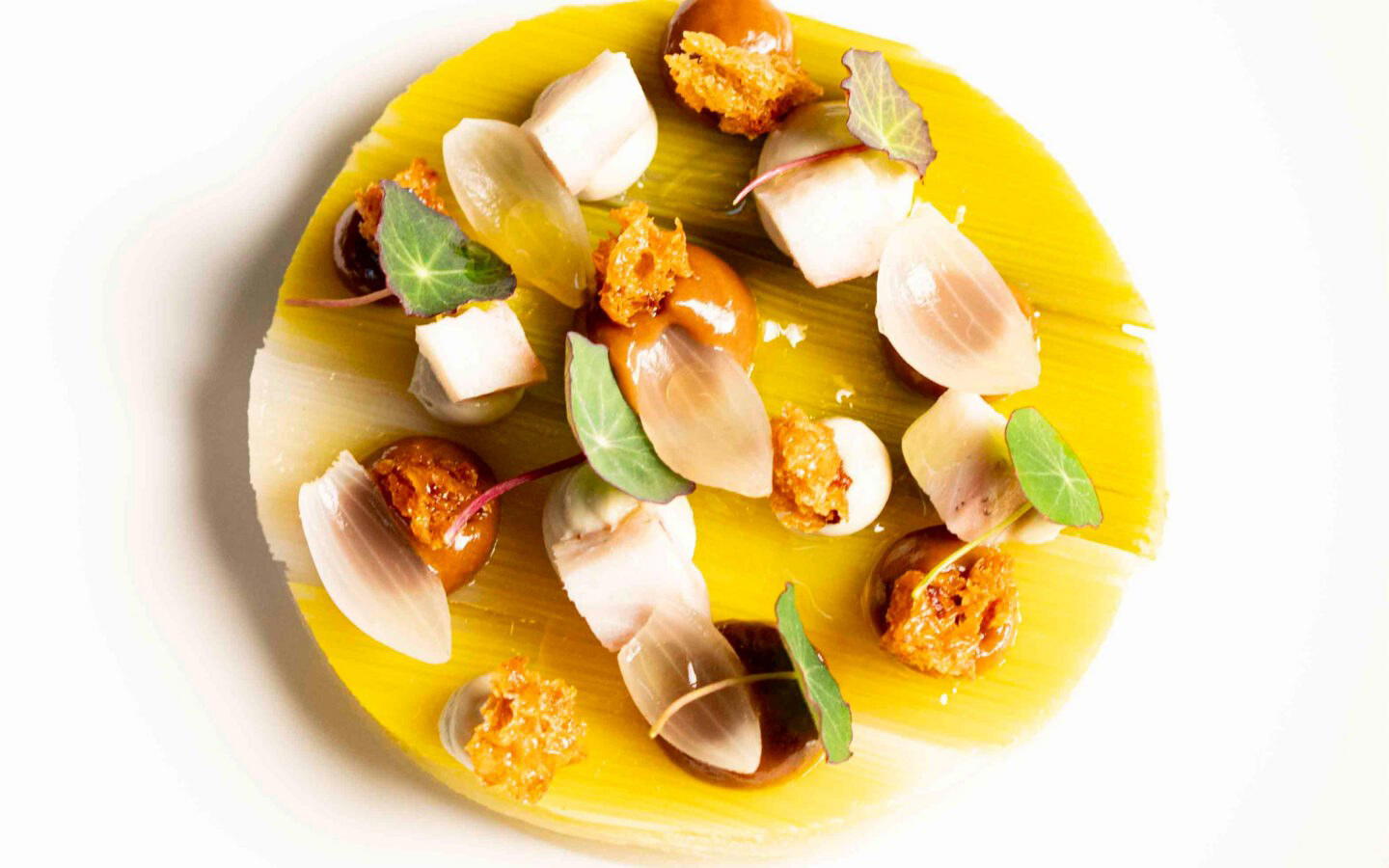
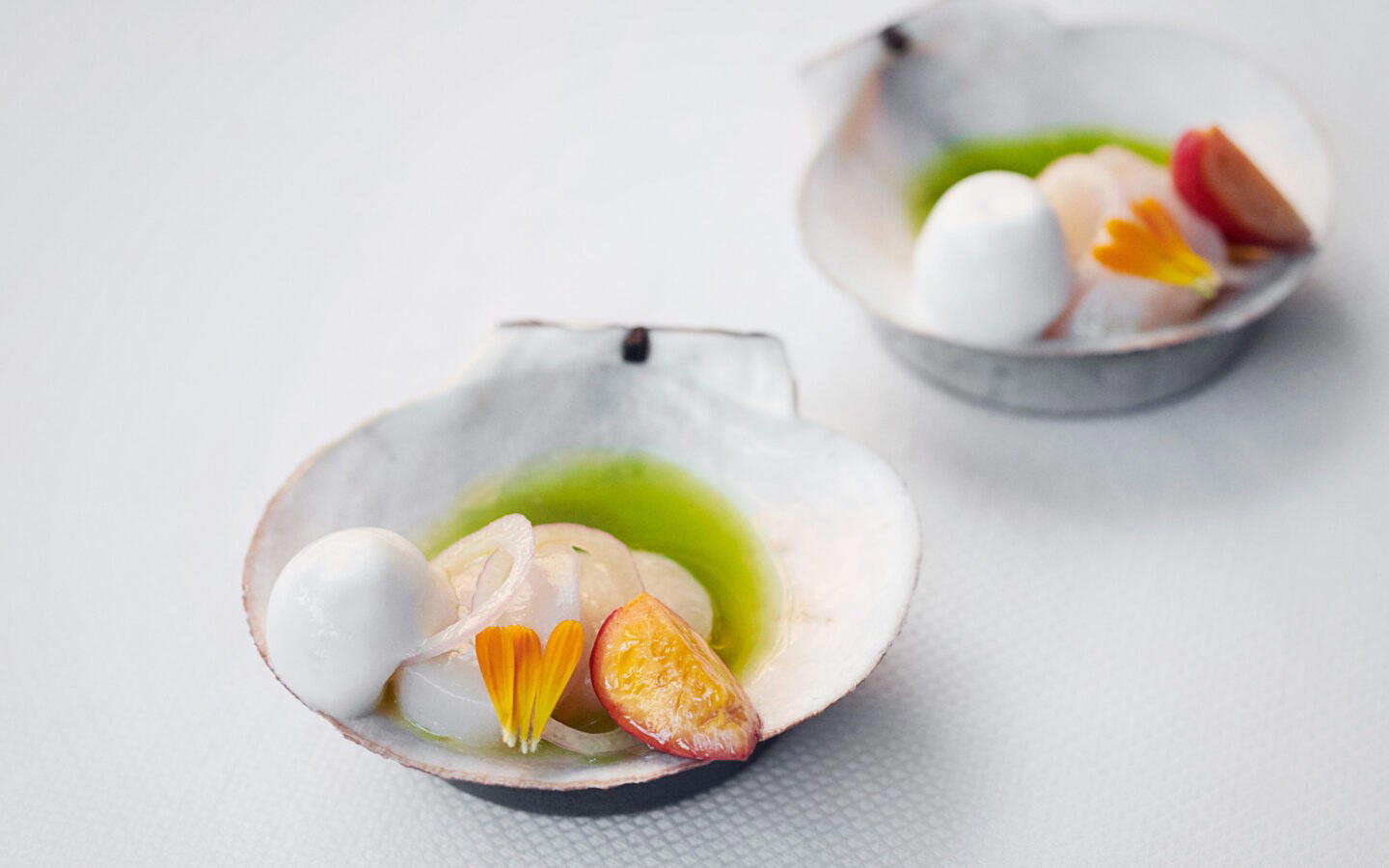
- Wine-led dining; expect a list-first orientation and a seasonal, small-plates or market-driven kitchen
- Leading Timing
- Weeknight reservations typically offer more flexibility than Friday or Saturday in Old Montreal
How Bowie Montréal compares with similar nearby venues.
| Venue | Cuisine | Price |
|---|---|---|
| Dorsia | European | $$$ |
At a Glance
- Elegant
- Intimate
- Sophisticated
- Trendy
- Ornate
- Date Night
- Special Occasion
- Late Night
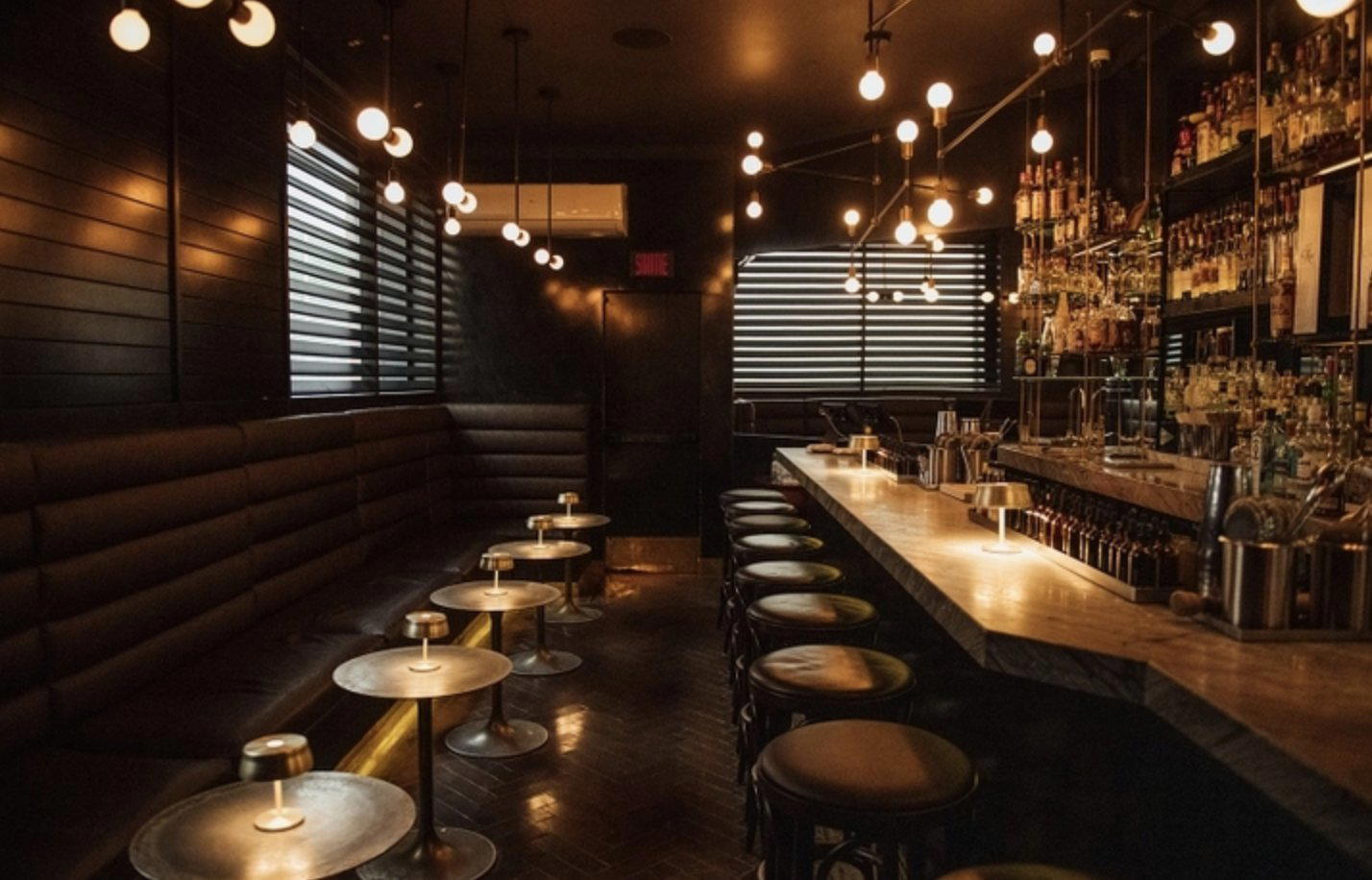
- Speakeasy
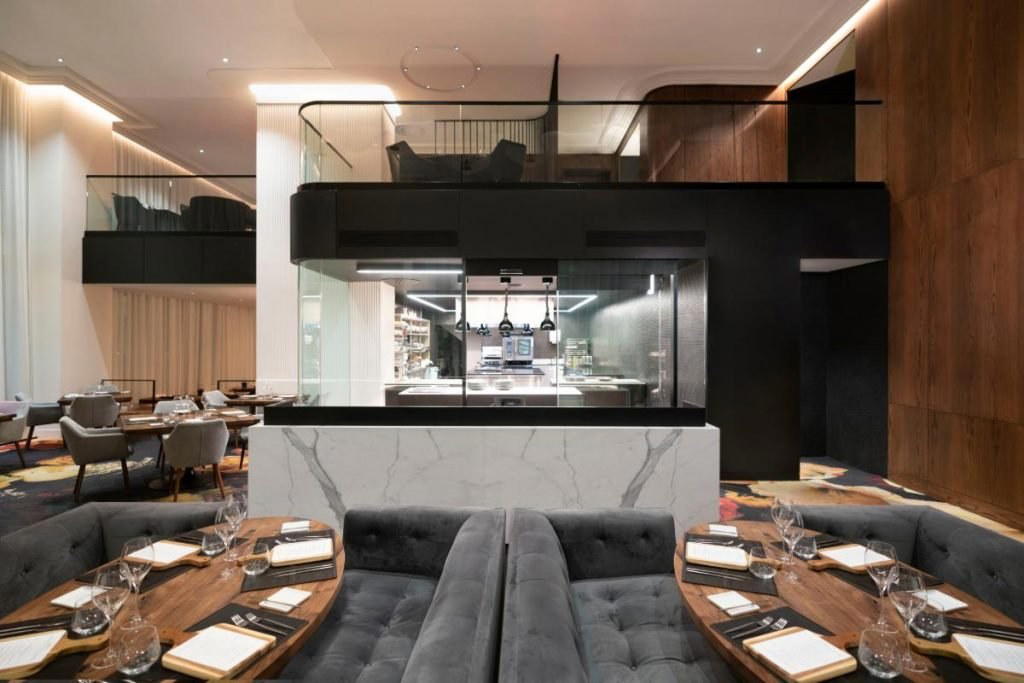
- Open Kitchen
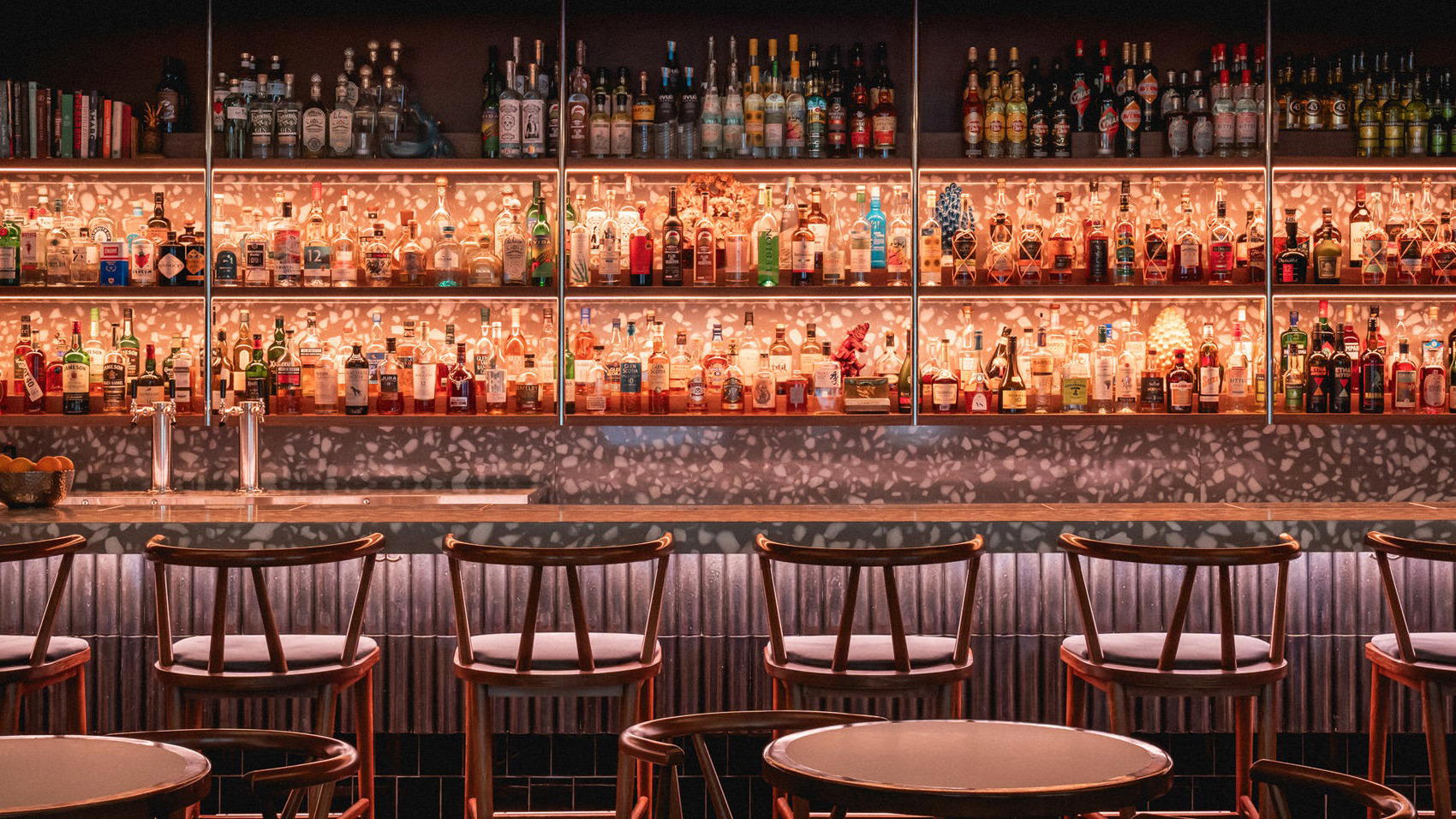
- Craft Cocktails
Current opening hours
- Monday
- Closed
- Tuesday
- Closed
- Wednesday
- 7 PM–12 AM
- Thursday
- 7 PM–12 AM
- Friday
- 7 PM–2 AM
- Saturday
- 7 PM–2 AM
- Sunday
- Closed
Hours can change for holidays and private events. Last verified .
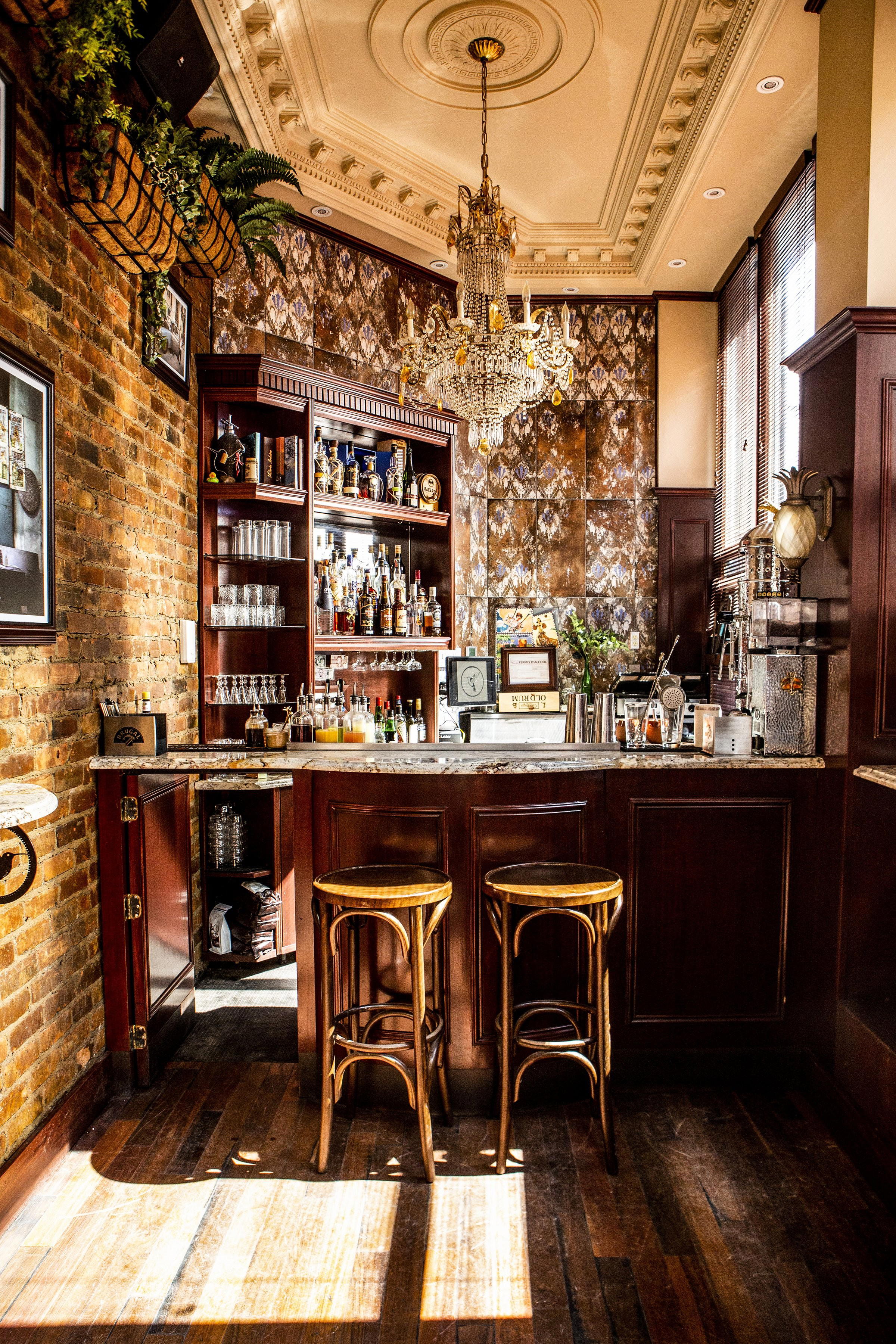
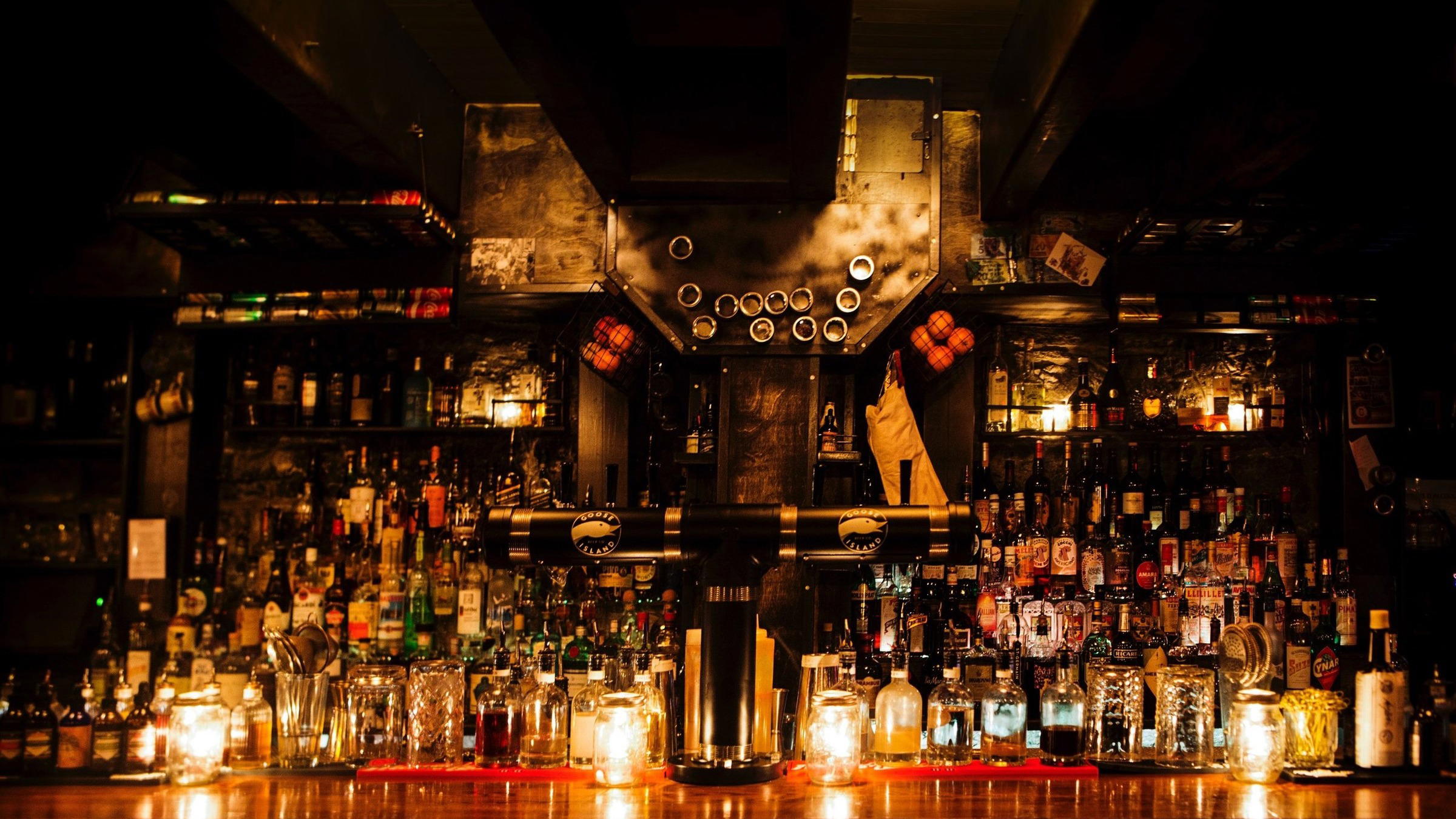
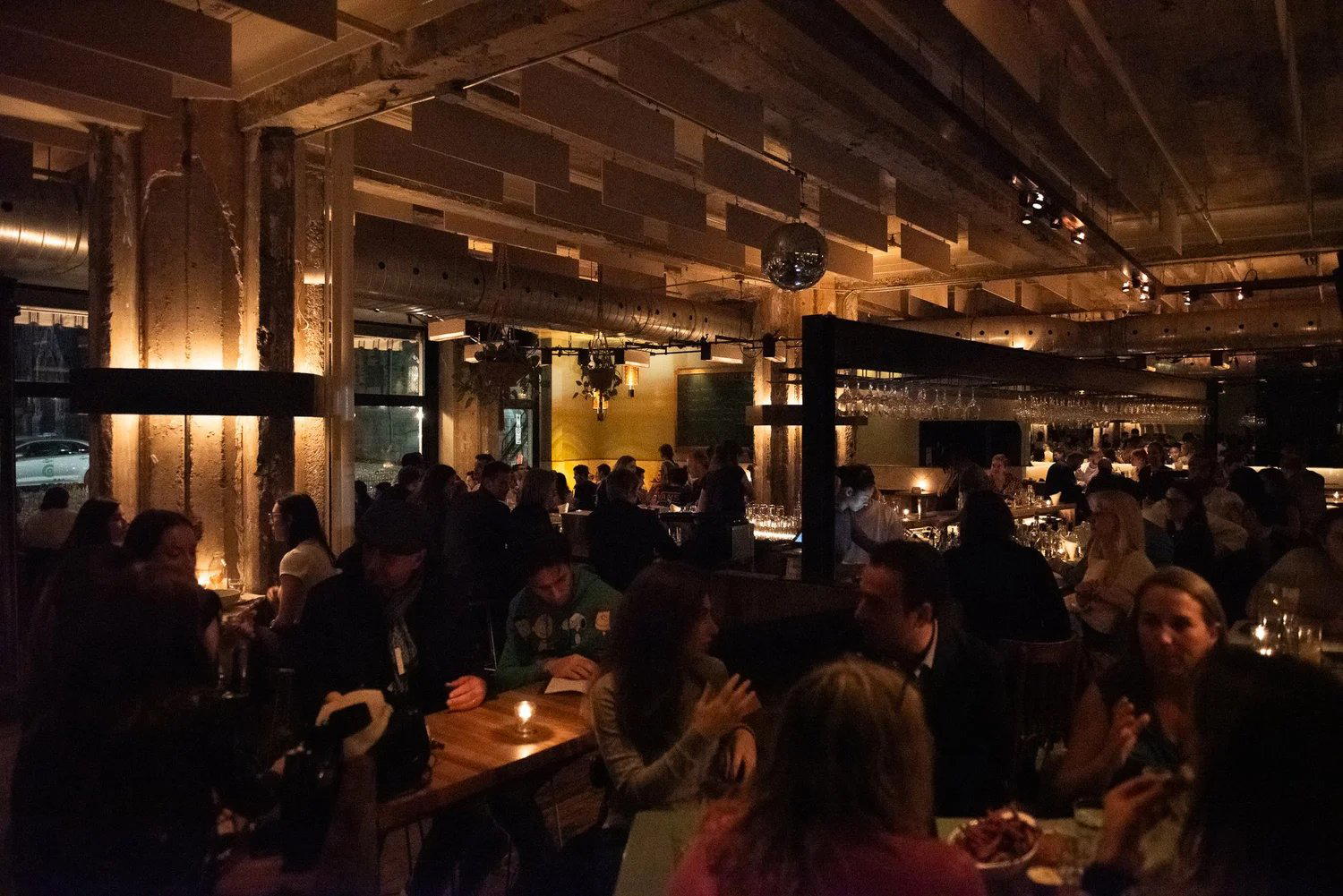
Dimly lit with ornate fabrics, saturated retro hues, bold patterns, and moody atmosphere evolving with live DJ for sophisticated nightlife.
Know Before You Go
- Getting there
- 457 Sainte Hélène St, Montreal, Quebec H2Y 1T9, Canada