Louie
Louie occupies a prominent address in London's West End theatre district at 13-15 West St, WC2H, placing it alongside some of the capital's most competitive dining. The restaurant sits in a neighbourhood where pre-theatre trade and destination dining coexist, drawing a crowd that spans Covent Garden regulars and visitors working through London's broader fine-dining circuit.
Pearl is the En Primeur Club membership app — saves, bookings, and concierge access live there. Same editors, same standards.
- Address
- 13-15 West St, London WC2H 9NE, United Kingdom
- Phone
- +44 20 8057 6500
- Website
- thehouseoflouie.com
- Directions
- Get directions
 Saves & bookings on Pearl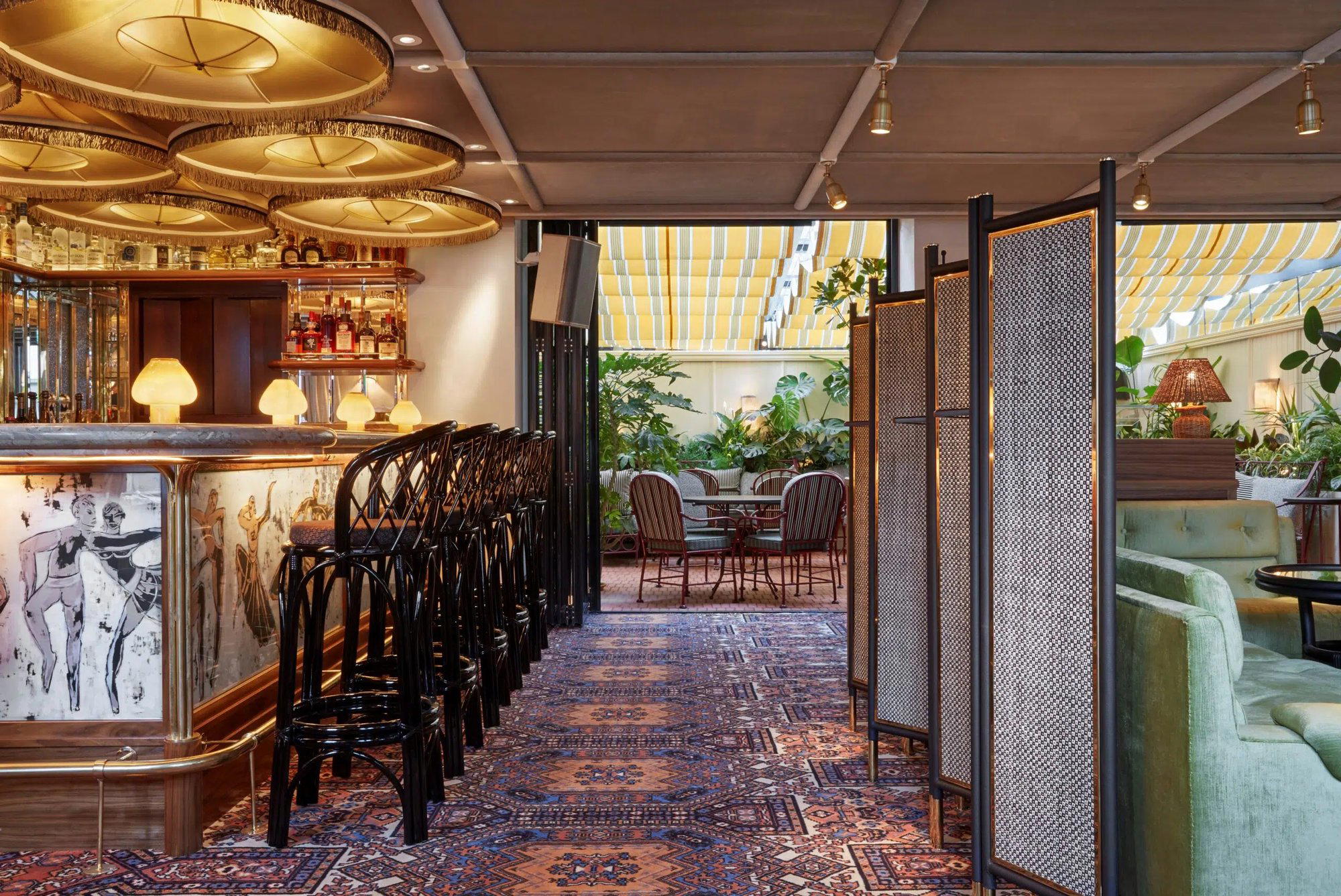
West End Dining and the Ethics of What's on the Plate
The stretch of West Street running behind Cambridge Circus is not short of dining options, but the type of restaurant that earns repeat custom in this part of London has shifted considerably over the past decade. Theatregoers who once defaulted to prix-fixe convenience now increasingly look for something with a clearer point of view, and the neighbourhoods around Covent Garden and Seven Dials have responded accordingly. Louie, at 13-15 West St, is a restaurant serving French Creole with New Orleans influences.
Across London's premium dining tier, the question of sourcing has moved from footnote to front-of-menu. Restaurants like CORE by Clare Smyth have built significant reputations partly on traceability, while the wider conversation around food systems has pushed even mid-market operators to articulate where their produce comes from and how it was grown. In that context, a West End address on West Street carries different expectations than it did when the district ran on convenience dining and pre-curtain set menus.
Sourcing as the Organising Principle
The broader London restaurant scene has reached a point where ethical sourcing is no longer a differentiator for the top tier alone. The question now is how that commitment manifests in practice: whether it shows up in the menu's seasonal rhythm, in the depth of supplier relationships, or in the kitchen's approach to whole-animal cookery and waste reduction. Properties in the ££££ bracket that have made sourcing central to their identity, from The Ledbury to the regenerative-sourcing programmes used by several Notting Hill operators, tend to signal that commitment through menu language and the specificity with which front-of-house staff can speak to provenance.
This shift mirrors what has happened in destination restaurants outside London. At L'Enclume in Cartmel, kitchen garden produce anchors the tasting menu to a degree that makes the sourcing story inseparable from the dining experience itself. Moor Hall in Aughton operates on a similar model, with estate-grown ingredients feeding directly into the kitchen's seasonal logic. The London equivalent of that model is more compressed, given that urban restaurants cannot maintain kitchen gardens at scale, but the leading operators compensate through long-standing supplier contracts and a willingness to let seasonal availability shape the menu rather than the other way around.
The West End's Competitive Frame
London's theatre-district dining has historically split between high-volume covers operations and smaller rooms that trade on precision. The post-pandemic recovery accelerated that divide. What remains on streets like West Street tends to be either well-capitalised or genuinely differentiated in terms of food quality and kitchen discipline.
The comparison set for a serious West End restaurant is demanding. Restaurant Gordon Ramsay in Chelsea and Sketch's Lecture Room and Library in Mayfair define the top end of London's contemporary European and French-influenced tier, while Dinner by Heston Blumenthal demonstrates how British culinary history can be reframed as a fine-dining proposition. Against that peer group, a West End restaurant that commits to sustainability and ethical sourcing is making a specific argument: that the quality bar can be met while holding firm on where ingredients come from and how they are handled through the kitchen.
That argument is easier to sustain in rural destination settings, as Gidleigh Park in Chagford and Le Manoir aux Quat' Saisons in Great Milton demonstrate, where estate land and local agricultural networks make short supply chains more practical. In central London, the discipline required to hold that commitment while operating at commercial scale and volume is considerably higher.
Waste Reduction as Kitchen Discipline
Among the more meaningful sustainability indicators in a restaurant kitchen is not the sourcing statement on the menu but the kitchen's relationship with waste. The whole-animal and whole-vegetable approach, which uses secondary cuts and trim as primary ingredients rather than by-products, is one of the clearest expressions of that discipline. It requires a kitchen team with the technical range to make those ingredients compelling rather than merely present. In London's fine-dining circuit, that approach has become increasingly common at the serious end of the market, in part because it aligns with the cost-consciousness that has become necessary given the capital's operating economics, and in part because diners in this price tier now recognise and respond to it.
For context, the sustainability conversation in European fine dining has international reference points. Le Bernardin in New York City has set a notable standard for responsible seafood sourcing, while Atomix, also in New York, demonstrates how a highly structured tasting menu format can integrate seasonal and ethical sourcing without subordinating the cooking to a message. These are the kinds of peer references that serious London operators are measured against, regardless of geography.
Planning a Visit
Louie is located at 13-15 West St, London WC2H 9NE, a short walk from Cambridge Circus and within easy reach of Tottenham Court Road and Leicester Square stations. The surrounding area includes active theatre venues, which means weekday evenings see high demand across the neighbourhood's dining rooms. Anyone planning a visit around a performance should book well in advance. For those without theatre commitments, later sittings on weekday evenings or weekend lunches tend to allow for a less pressured pace.
- seafood gumbo
- veal cheeks
- lobster Américaine
- truffle pasta
- sea bream ceviche
- beef tartare with honey cured yolk
Compact Comparison
Comparable venues nearby, for context on price, style, and recognition.
| Venue | Cuisine | Price | Notes |
|---|---|---|---|
| LouieThis venue — the venue you are viewing | Not listed | $$$ | Not listed |
| Boulestin | Not listed | $$$ | St. James's, Classic French Bistro |
| Mon Plaisir | St Giles, Classic French Bistro | $$$ | Not listed |
| La Compagnie, Neal’s Yard | Not listed | $$$ | St Giles, French Wine Bar with Natural Wines & Small Plates |
| Le Boudin Blanc | Mayfair, Classic French Bistro | $$$ | Not listed |
| Cafe Monico | Soho, French-Italian Brasserie | $$$ | Not listed |
Continue exploring
More in London
Restaurants in London
Browse all →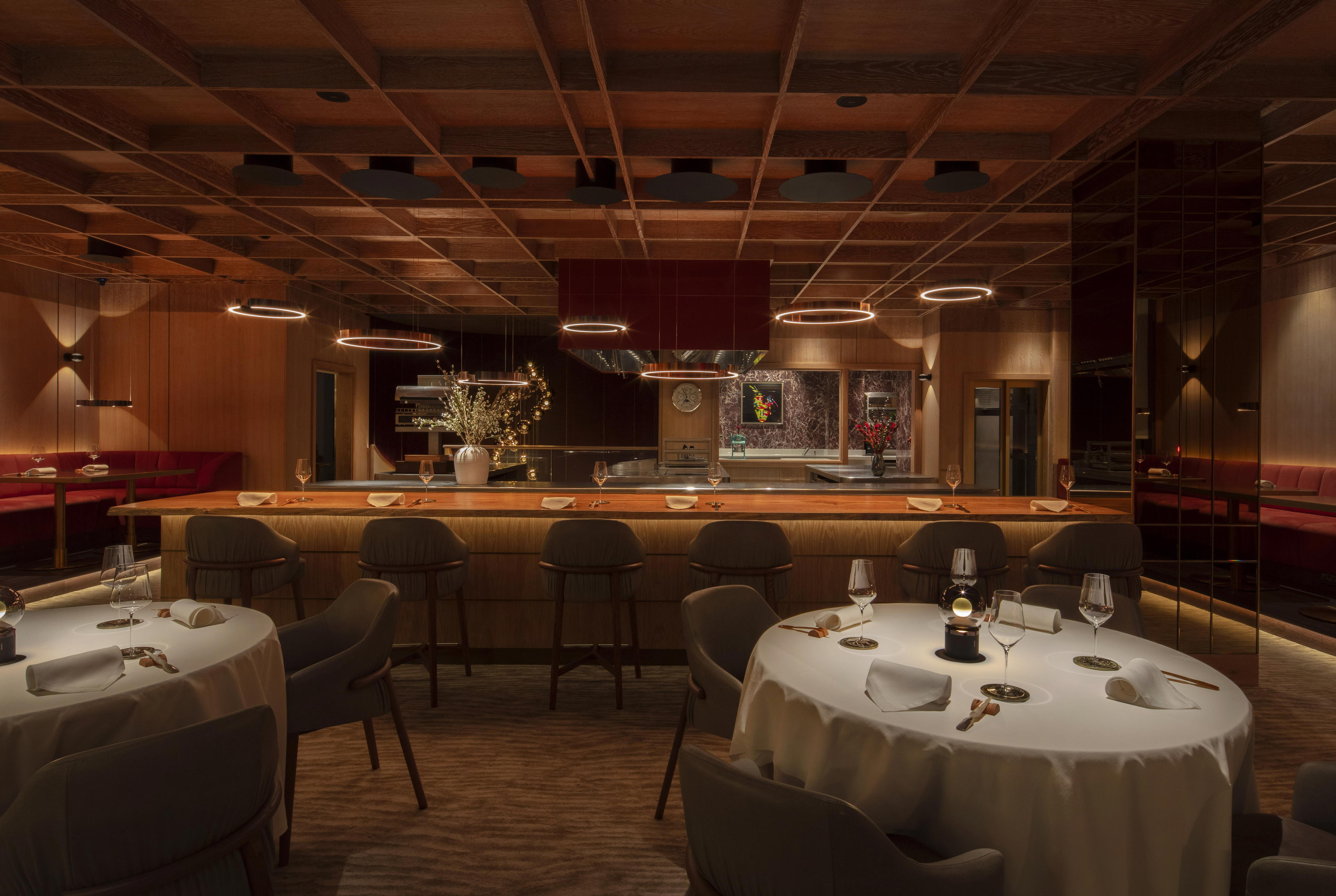
Bars in London
Browse all →
Hotels in London
Browse all →

At a Glance
- Elegant
- Lively
- Romantic
- Trendy
- Sophisticated
- Date Night
- Celebration
- Special Occasion
- Group Dining
- Live Music
- Open Kitchen
- Craft Cocktails
- Extensive Wine List
- Sommelier Led
Current opening hours
- Monday
- Closed
- Tuesday
- 12–3 PM, 5–11 PM
- Wednesday
- 12–3 PM, 5–11 PM
- Thursday
- 12–3 PM, 5 PM–2 AM
- Friday
- 12–3 PM, 5 PM–2 AM
- Saturday
- 12–3 PM, 5 PM–2 AM
- Sunday
- Closed
Hours can change for holidays and private events. Last verified .
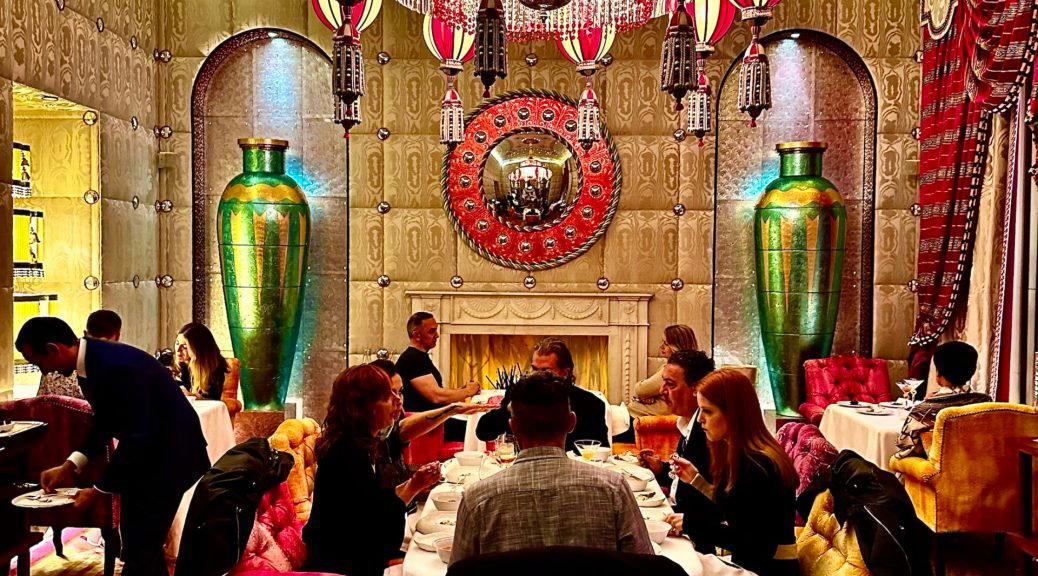
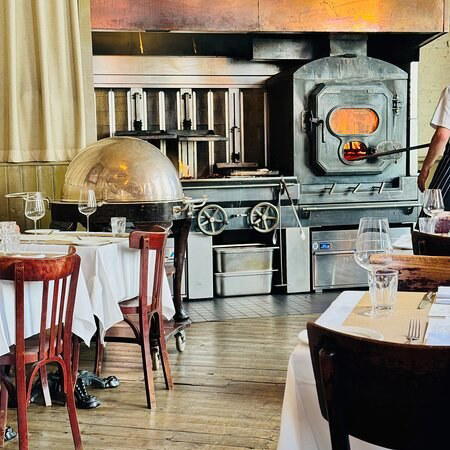
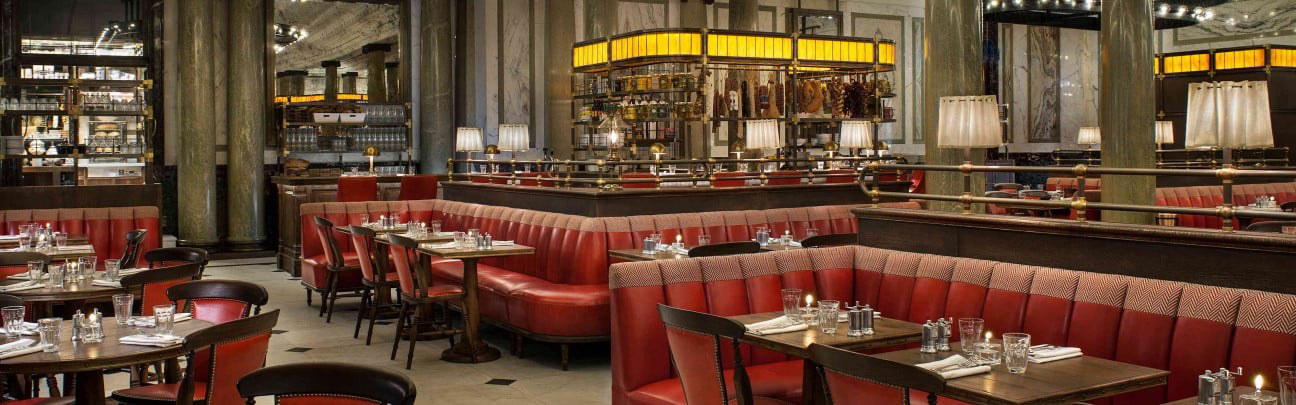
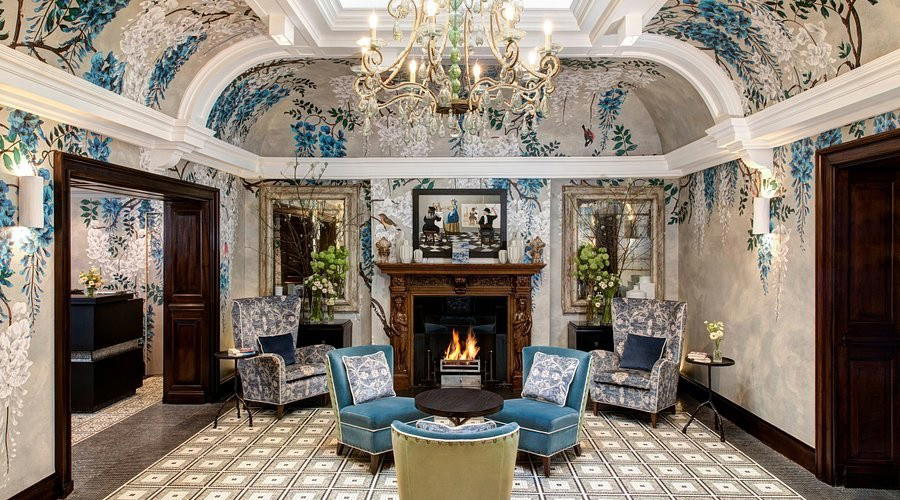
Chic and elegant interiors with stylish décor; becomes noticeably louder as the evening progresses. Sophisticated but not stuffy, with an upstairs bar and lively atmosphere enhanced by live music.