BOUILLON FLERS serves Traditional French Bistro cooking in a historic building at 60 Rue de la Gare in Flers, with local sourcing and a conversational pace for lunch or dinner.
Pearl is the En Primeur Club membership app — saves, bookings, and concierge access live there. Same editors, same standards.
- Address
- 60 Rue de la Gare, 61100 Flers, France
- Phone
- +33233653153
- Website
- bouillonflers.fr
- Directions
- Get directions
 Saves & bookings on Pearl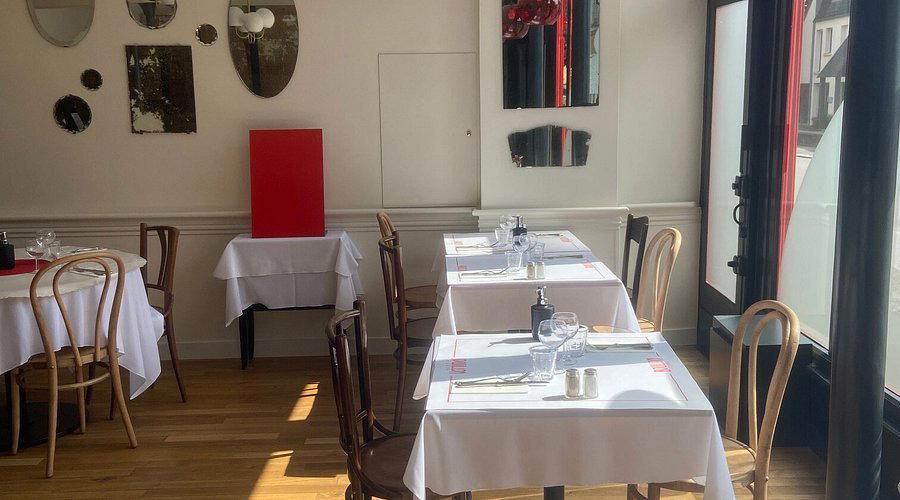
Where the Bouillon Tradition Meets Normandy's Market Table
Rue de la Gare in Flers carries the practical character of a working Norman town: a street built around transit, commerce, and the rhythms of daily life rather than tourist itineraries. It is exactly the kind of address where France's bouillon tradition has historically taken hold, places designed to feed people well without ceremony, priced for regularity rather than occasion. Bouillon Flers sits on that street and in that lineage, a format that predates the contemporary bistro revival by more than a century and has returned to relevance across French cities as diners push back against tasting-menu formality.
The bouillon as a category deserves context. The format originated in nineteenth-century Paris as a response to a simple problem: workers and tradespeople needed full, honest meals at prices that made daily return possible. The room was typically large, the service functional, the menu anchored in classical preparation, stocks built over hours, proteins cooked simply and correctly, vegetables treated as food rather than garnish. What distinguished a good bouillon from a canteen was the sourcing discipline underneath that apparent simplicity. The stock pot is only as good as what goes into it, and in a region like Normandy, the supply chain for that argument is particularly strong.
Normandy's Larder and Why It Matters Here
The Orne department, in which Flers sits, is agricultural territory in a literal sense. The bocage landscape, hedgerow-divided pasture land, has shaped both the farming culture and the kitchen culture of inland Normandy for generations. Dairy production here runs deep: the cattle breeds and grazing conditions that produce the cream and butter central to Norman cooking are a geographic fact, not a marketing claim. When a kitchen in this region works with local supply, it is drawing on ingredients that carry genuine provenance rather than aspirational labeling.
This matters to the bouillon format specifically because the cuisine makes no attempt to disguise its ingredients behind technique. A well-made pot-au-feu, a properly rendered blanquette, a bone-broth base that has been reduced with patience, these preparations expose their sourcing immediately. There is nowhere to hide behind reduction towers or gel spheres. The Norman tradition of cooking with cream, cider, and local meat finds a natural home in the bouillon kitchen, where long-cooked preparations and dairy-enriched sauces are structural rather than decorative. Flers, positioned inland from the coast, leans into that pastoral inheritance rather than competing with the seafood identity of coastal Normandy.
For comparison, consider how France's most decorated regional restaurants, from Bras in Laguiole to Auberge de l'Ill in Illhaeusern, have built multi-decade reputations on the specific agricultural identity of their regions. The bouillon operates at a different price register and without the same creative ambition, but the underlying logic, that place shapes ingredient quality, and ingredient quality shapes the plate, is shared. At the other end of the formality spectrum, destinations like Le 1947 à Cheval Blanc in Courchevel or Alléno Paris au Pavillon Ledoyen apply the same sourcing logic at a price point and complexity level that positions them in an entirely different conversation.
The Room and the Register
A bouillon room typically announces its intentions through volume and visibility: large tables, tiled or mirrored walls, the sound of occupied dining rather than curated quiet. The format is social by design, these spaces were built for the working community around them, not for isolated tasting experiences. In a town the size of Flers, that community dimension carries additional weight. The dining room functions as a local institution rather than a destination stop, which tends to mean a regularity of service and a consistency of menu that destination restaurants, by nature of their ambition, cannot always replicate.
Flers itself is a modest industrial and market town in western Normandy, with a population that supports daily commerce rather than international food tourism. The dining scene here includes more formal options such as Auberge des Vieilles Pierres, which takes a more contemporary approach to the regional ingredient palette. Bouillon Flers occupies a different position in that local range, closer to the everyday end of the spectrum, where price accessibility and format familiarity take precedence over innovation.
Planning a Visit
Bouillon Flers is located at 60 Rue de la Gare, 61100 Flers, a central address that is walkable from the town's main commercial areas and direct to reach by rail from Caen, which sits approximately 60 kilometres to the north. For visitors coming from further afield, Flers makes practical sense as a stop within a wider Norman circuit that might also take in the coast or the bocage interior. The bouillon format does not typically require advance reservation in the way that a tasting-menu restaurant would, though visiting during local market days or weekend lunch service, when Norman towns tend to fill their dining rooms, warrants earlier arrival. Reservation is recommended, and the restaurant is open Tuesday to Sunday for lunch and dinner, with Monday and Sunday closure.
For those building a broader itinerary around France's notable restaurant addresses, the contrast is instructive: institutions such as Flocons de Sel in Megève, Mirazur in Menton, Paul Bocuse in Collonges-au-Mont-d'Or, Troisgros in Ouches, Georges Blanc in Vonnas, Les Prés d'Eugénie in Eugénie-les-Bains, Maison Lameloise in Chagny, L'Oustau de Baumanière in Les Baux, Auberge du Vieux Puits in Fontjoncouse, and La Table du Castellet in Le Castellet operate at price points and booking lead times that require entirely different planning logic. Outside France, the same category gap applies between a neighbourhood institution and a destination like Le Bernardin in New York City or Lazy Bear in San Francisco. The restaurant has its own place in the local dining range.
Comparable Spots, Quickly
Comparable venues nearby, for context on price, style, and recognition.
| Venue | Cuisine | Price | Awards | Notes |
|---|---|---|---|---|
| BOUILLON FLERSThis venue — the venue you are viewing | Traditional French Bistro | $$ | Not listed | Not listed |
| Auberge des Vieilles Pierres | French Bistro Gastronomique | $$$ | Michelin Plate | Flers |
| L'Orbecquoise | Traditional French Normandy Bistro | $$ | Not listed | town centre |
| Le Relais des Renards | Traditional French Bistro | $$ | Not listed | Piacé |
| Bistrot Marcele | French Bistro Classics | $$ | Not listed | Trouville-sur-Mer |
| L'Ancrage | French Seafood Bistro | $$ | Not listed | Intra-Muros |
Continue exploring
More in Flers
Restaurants in Flers
Browse all →
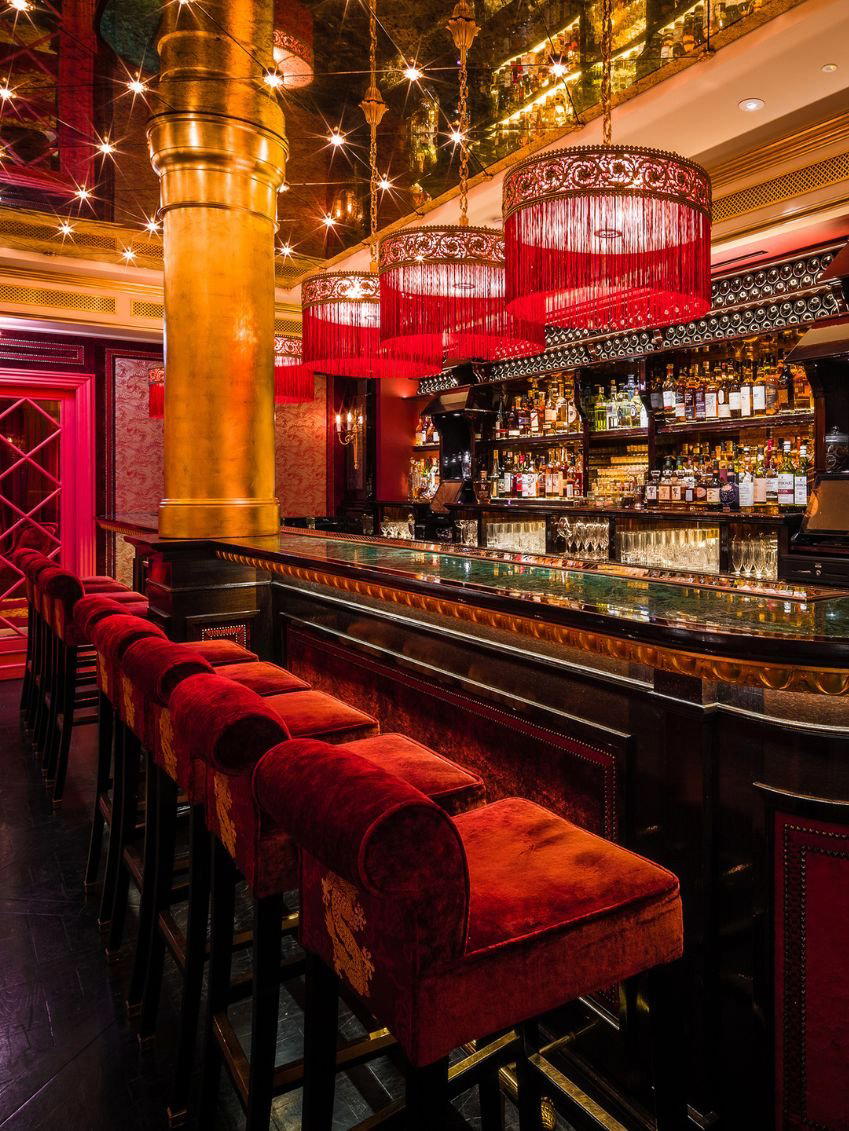
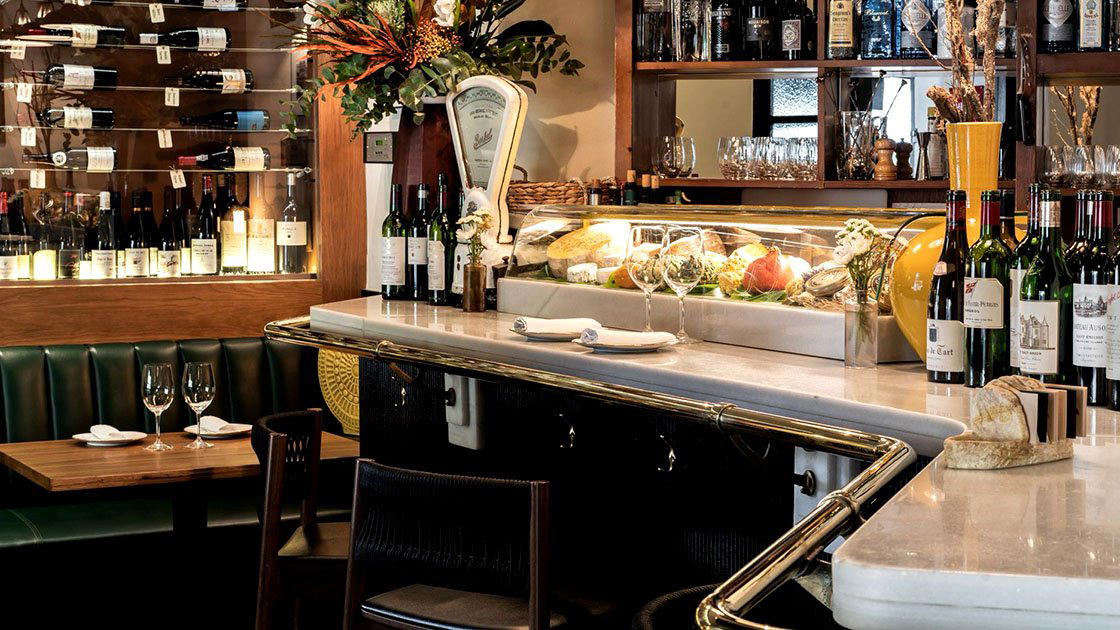
Bars in Flers
Browse all →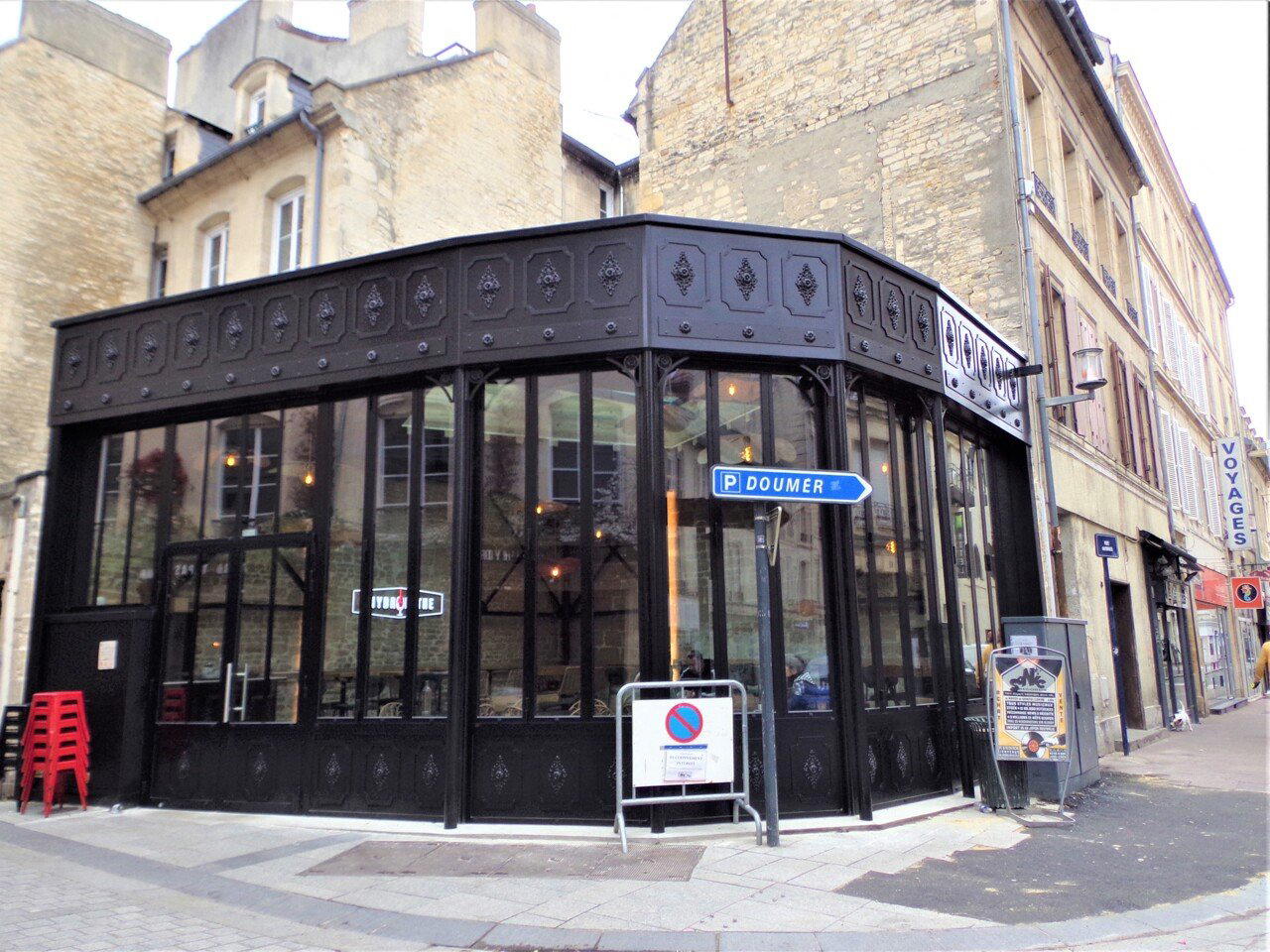
Hotels in Flers
Browse all →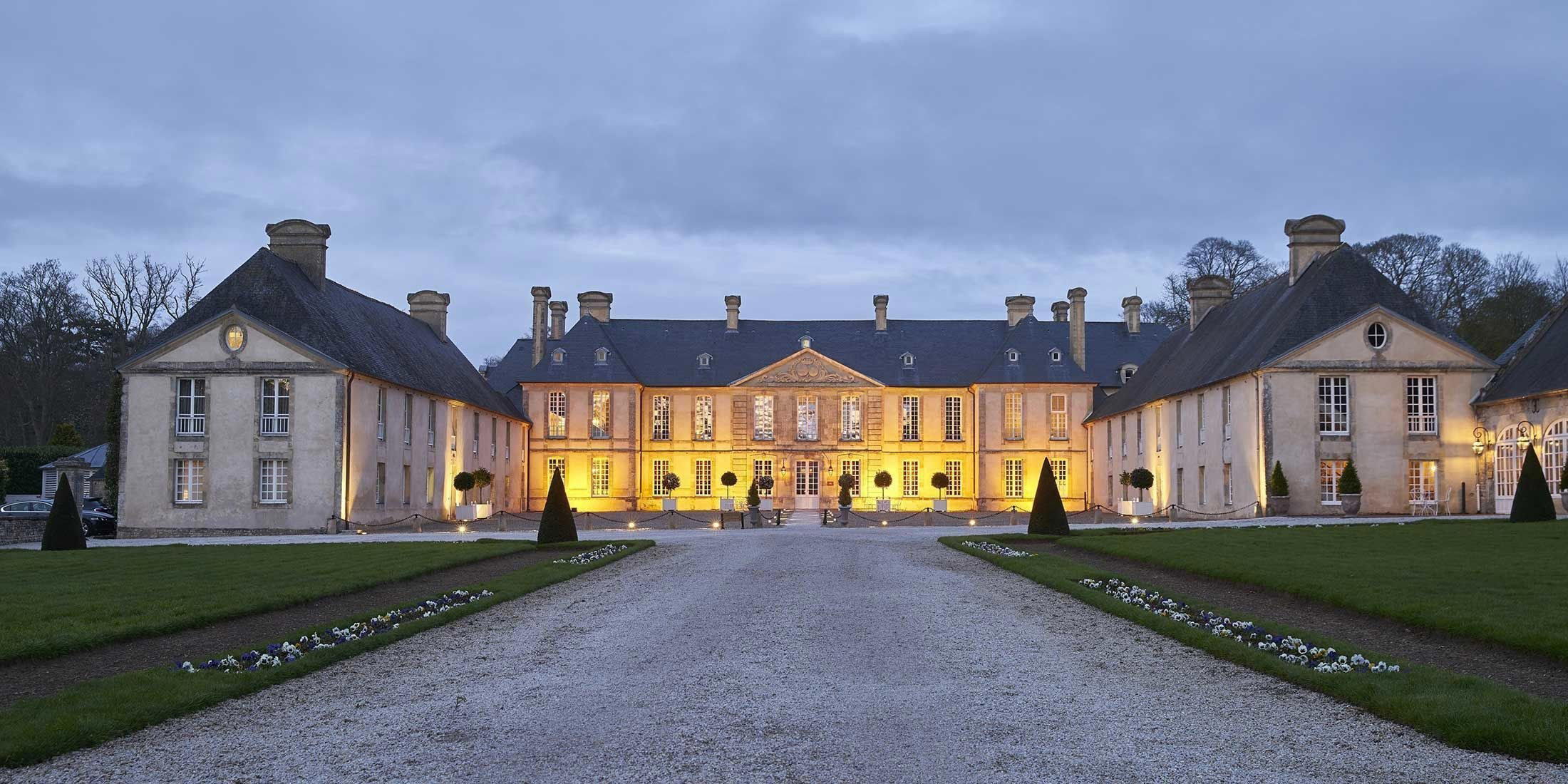
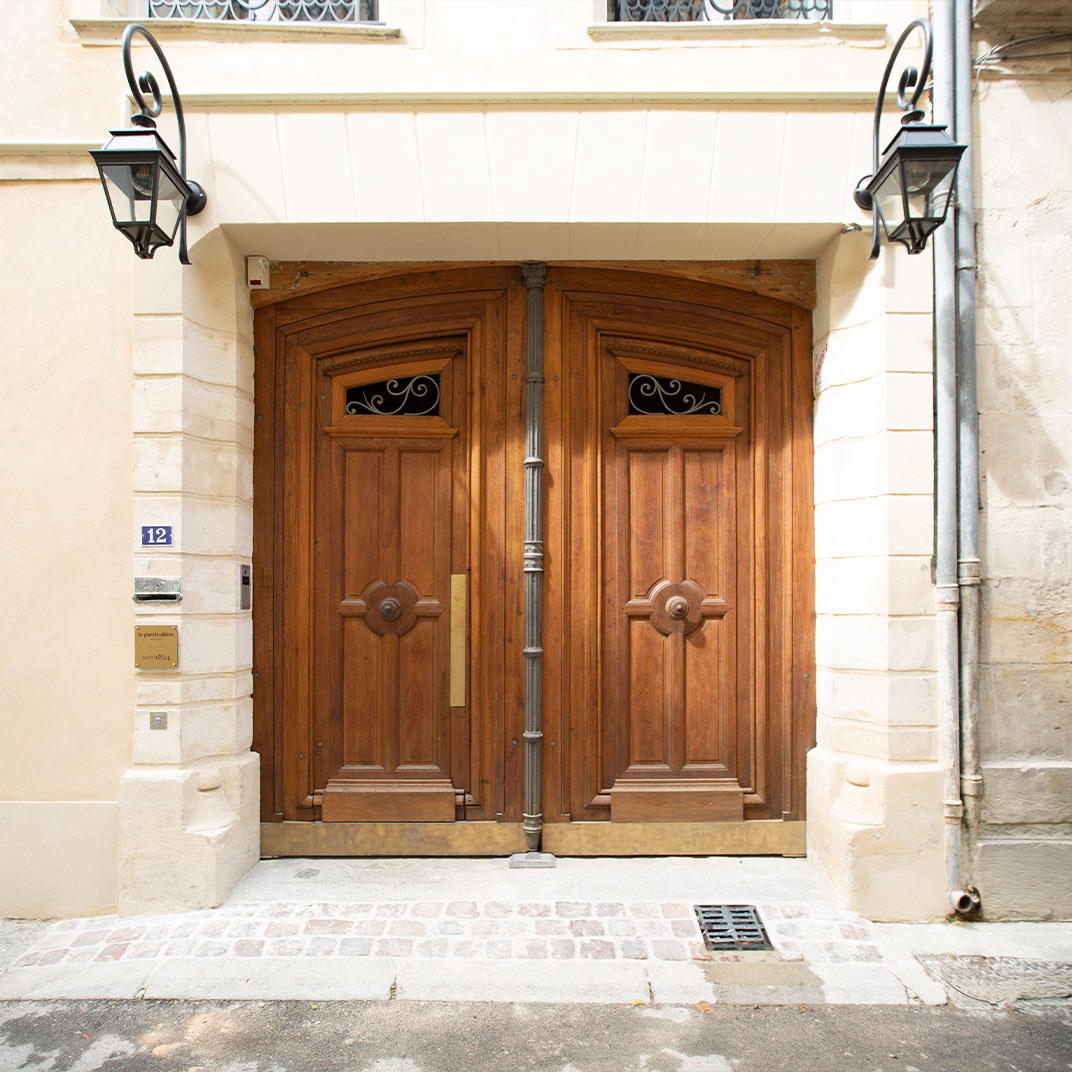
Wineries in Flers
Browse all →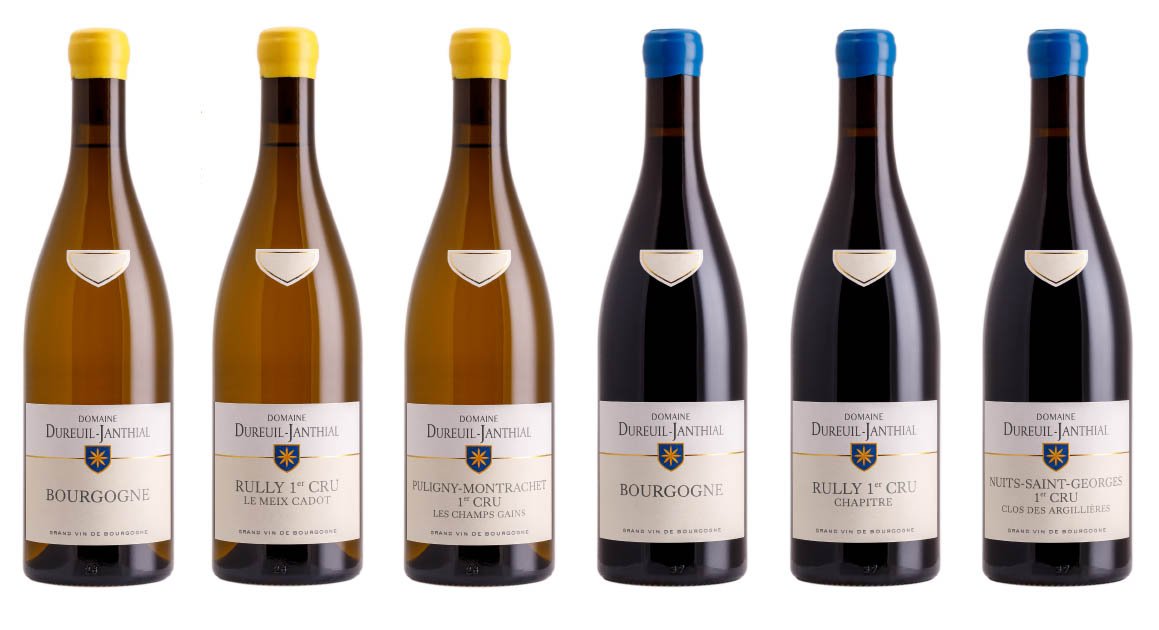
At a Glance
- Classic
- Cozy
- Family
- Casual Hangout
- Historic Building
- Local Sourcing
Current opening hours
- Monday
- Closed
- Tuesday
- 12–2 PM, 7–9 PM
- Wednesday
- 12–2 PM, 7–9 PM
- Thursday
- 12–2 PM, 7–9 PM
- Friday
- 12–2 PM, 7–9:30 PM
- Saturday
- 12–2 PM, 7–9:30 PM
- Sunday
- Closed
Hours can change for holidays and private events. Last verified .
Neat and relaxed atmosphere with a warm, friendly welcome reminiscent of Parisian dining.