
World's Best Wine Lists Awards WBWL 3-Star
Our verdict
Botanic Sanctuary Antwerp holds a three-star accreditation from the World's Best Wine Lists awards, placing it among a small tier of Belgian hospitality addresses where provenance and product quality are treated as architectural decisions rather than menu footnotes. Set in the historic Leopoldstraat neighbourhood, it operates across multiple dining and hotel functions within a single landmark property.

Pearl is the En Primeur Club membership app, where members save venues, book tables and use the concierge.
The menu
What to order
- Beetroot with caviar and seaweed oil
- Hamachi
- Polder potato with coffee
- Shells and lobster in grandmother's bowls
- Black truffle dessert
A Property Built Around Provenance
Antwerp's premium hospitality addresses have, over the past decade, split into two recognisable camps: large-format hotel dining rooms that treat food and wine as amenities, and smaller, more deliberate properties where sourcing decisions define the entire guest experience. Botanic Sanctuary Antwerp, on Leopoldstraat in the city's southern residential quarter, belongs firmly to the second category. The address functions as both hotel and dining destination, and the wine program carries a three-star accreditation from the World's Leading Wine Lists awards, a credential that places it alongside a very short list of Belgian properties where the cellar is considered a first-order concern rather than a supporting act.
That wine accreditation matters as context because it signals something about the property's orientation. Three-star recognition from a program as methodical as World's Leading Wine Lists requires not just depth of stock but demonstrable structure: producer diversity, vertical range, and a list built around education rather than sales volume. In Belgium, where serious wine collections tend to cluster around Brussels dining institutions, consider Bozar Restaurant in Brussels, a property in Antwerp achieving that tier quietly repositions the city as a wine-serious destination in its own right.
What the Botanical Setting Communicates
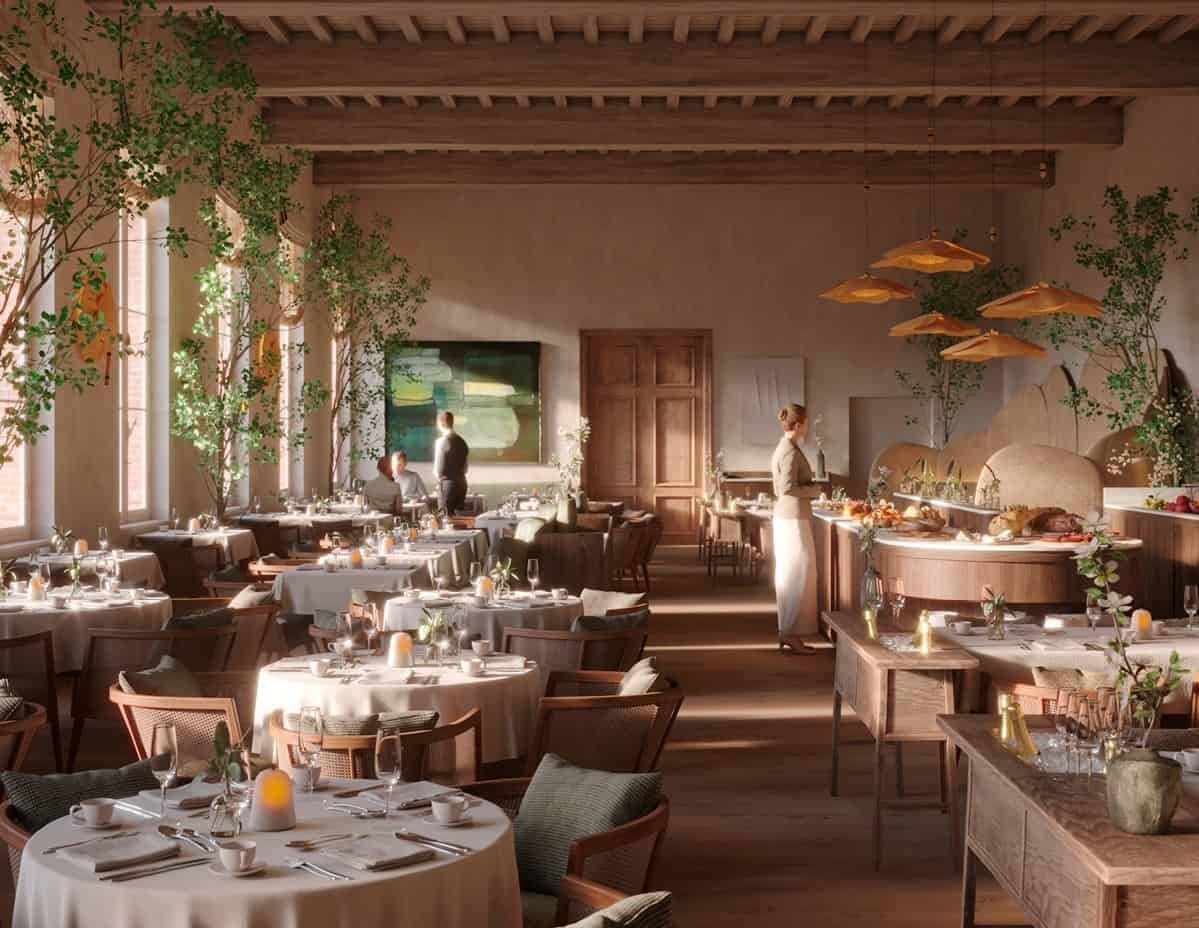
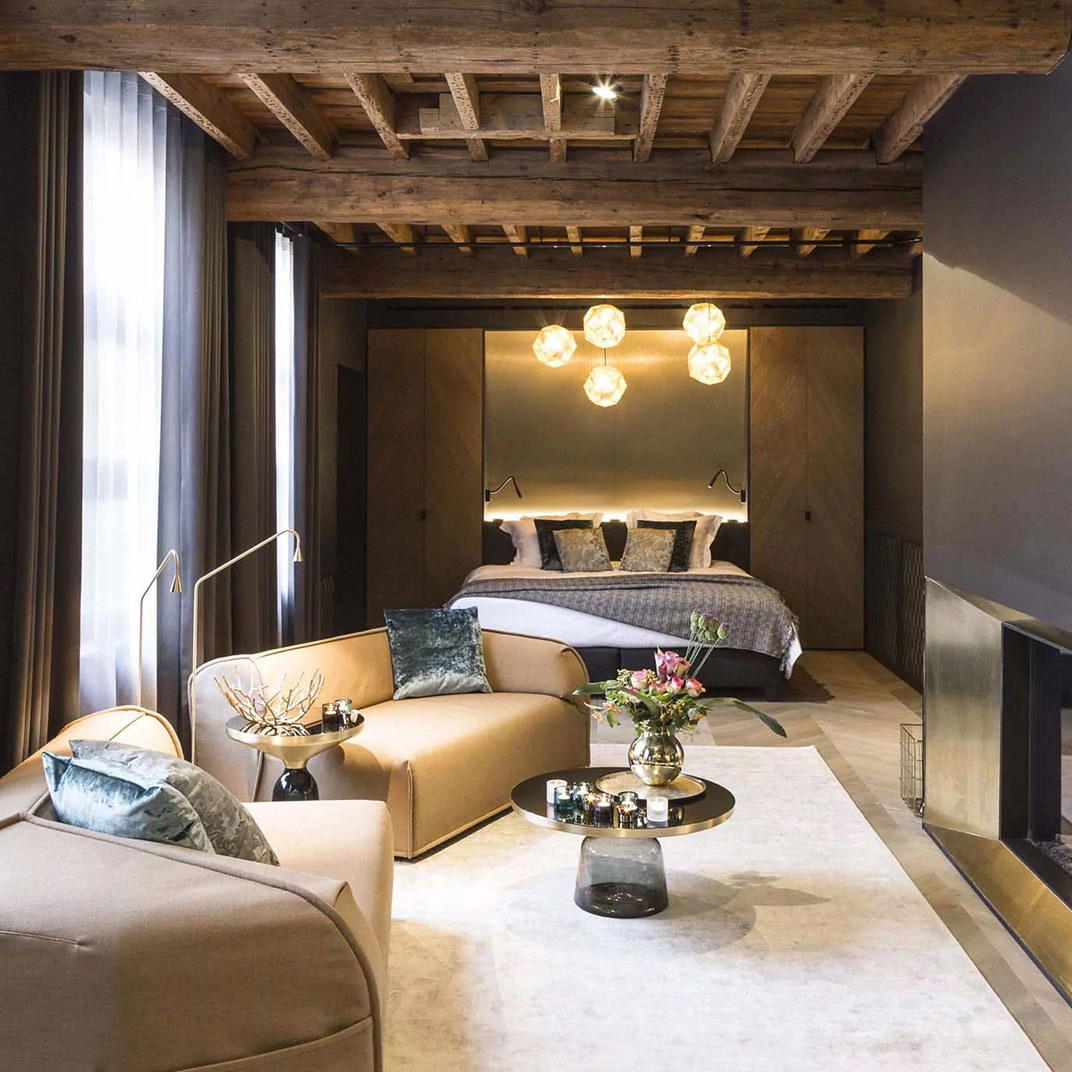
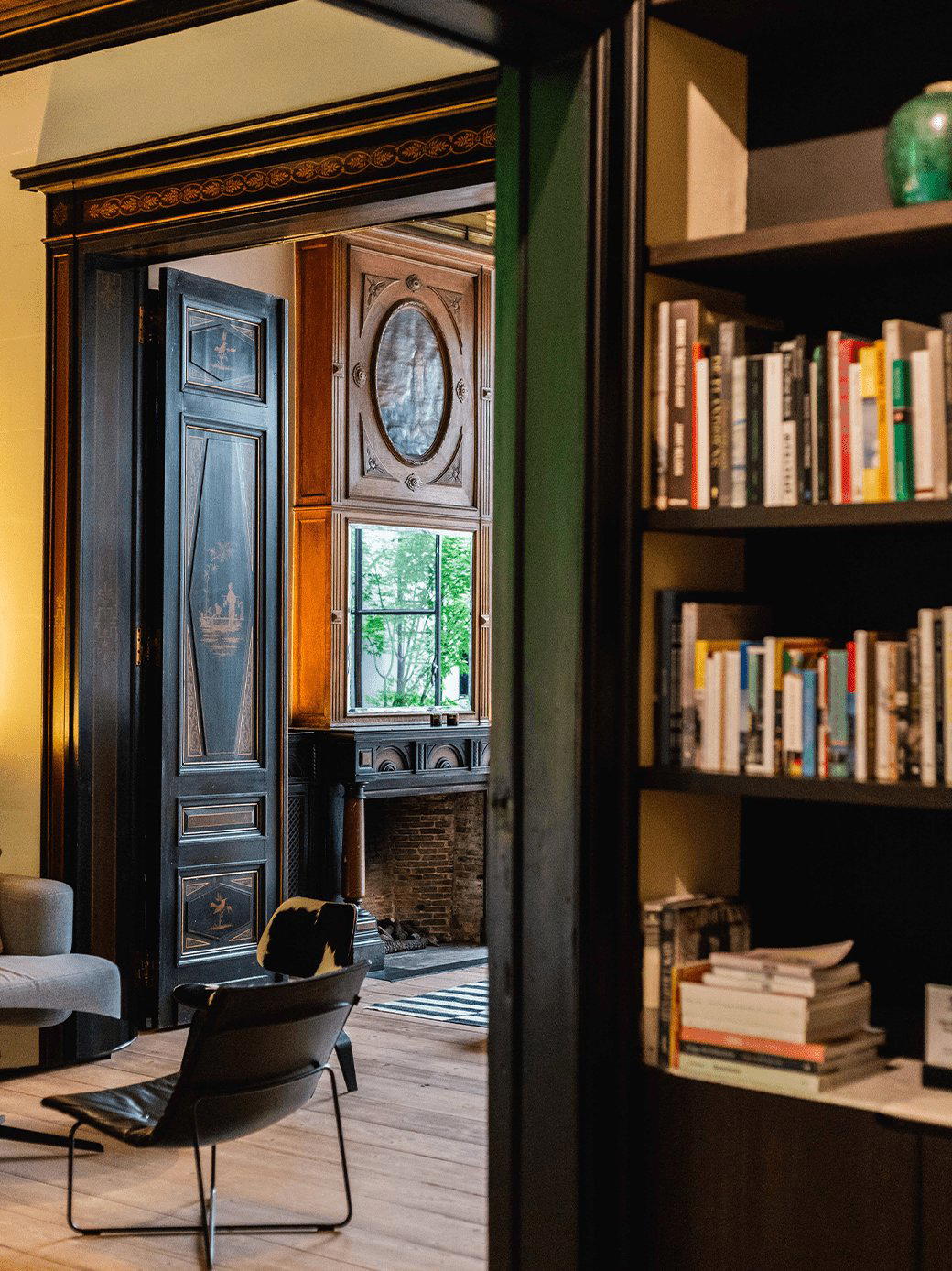
The property's name and Leopoldstraat address are not incidental. The neighbourhood sits at the edge of the city's 19th-century institutional belt, where pharmacy gardens, university buildings, and merchant town houses occupied the same blocks. Arriving via Leopoldstraat on foot, the building presents as a preserved historic structure rather than a refurbished commercial hotel, the kind of address that reads differently depending on whether you approach from the diamond quarter to the north or from the university corridor to the south.
The botanical framing carries through into how hospitality addresses of this type tend to operate: an emphasis on plant-forward sourcing, herb gardens that contribute to the kitchen rather than decoration, and a general orientation toward the seasonal calendar. Belgium's growing season is shorter than it sometimes appears on a menu, which makes supplier relationships in this category non-negotiable. The properties that hold wine list accreditations at this level typically run food programs with the same sourcing discipline; origin traceability is the baseline, not the differentiator.
Where It Sits in the Antwerp Dining Order
Antwerp's serious dining tier is more concentrated than its reputation sometimes suggests. The city has a handful of restaurants operating at the highest technical level, most of them within a short radius of the cathedral and the Meir. Zilte, in the MAS museum tower, holds three Michelin stars and positions itself through architectural drama and creative Belgian seafood. Hertog Jan at Botanic, operating within the same Botanic Sanctuary property, represents the Modern Flemish creative register at the €€€€ tier, and its presence inside the complex is the clearest signal of how the property approaches food: at the level where farms are named and seasons are not decorative concepts.
Beyond those anchors, Antwerp's mid-to-upper tier includes addresses across multiple traditions. 't Fornuis holds the European-Flemish classic cuisine position, operating at €€€€ with a format built around formal service and regional product. Bistrot du Nord runs the French traditional approach at a tier below (€€€), and DIM Dining brings a Japanese-Asian sensibility to the same price bracket as the flagship addresses. Botanic Sanctuary, as the property housing Hertog Jan, sits at the top of this competitive set, a hotel-restaurant complex where the dining program is a primary reason to stay rather than a convenience.
Ingredient Sourcing as Structural Principle
In the Belgian fine dining tradition, running through properties like Hof van Cleve in Kruishoutem and coastal addresses like Bartholomeus in Heist and Willem Hiele in Oudenburg, sourcing is not a marketing point but an operational framework. Menus are written after supplier conversations, not before. What grows in a particular week in West Flanders or the Hageland determines what appears on the plate, not the reverse. Properties that operate at the three-star wine list level are typically running food programs with the same logic: the cellar is built around growers, not brands, and the list is revised with seasonal frequency rather than on an annual print cycle.
This approach places Botanic Sanctuary in the same sourcing register as Belgium's most disciplined rural addresses, Boury in Roeselare and Castor in Beveren both operate within this framework, while doing so from an urban hotel base. That combination is rarer than it appears. Most city-centre hotel dining rooms compromise on sourcing because the volume requirements of hotel breakfast and event catering create purchasing pressures that farm-direct relationships cannot easily absorb. A property that maintains provenance discipline across that operational complexity is making a structural choice, not a stylistic one.
For reference, the discipline required here is comparable to what drives the reputations of internationally recognised addresses like Le Bernardin in New York City, where ingredient provenance is treated as the non-negotiable foundation of the kitchen's entire output, or Emeril's in New Orleans, where regional product identity has been the consistent through-line across decades of operation.
Planning a Stay or Visit
The property is located at Leopoldstraat 26, in the 2000 postal district, the central Antwerp zone that covers the area south of the Meir and north of the Zurenborg neighbourhood. On foot from Antwerp-Centraal station, the walk runs roughly fifteen minutes through the city's commercial core. The address functions as a hotel, so the most complete way to experience the Botanic Sanctuary is as an overnight stay, with dinner at Hertog Jan at Botanic integrated into the stay rather than treated as a separate booking exercise. The full Antwerp experiences guide offers broader context for visitors planning multiple days.
Frequently asked questions
How do I find Botanic Sanctuary Antwerp?
Botanic Sanctuary Antwerp is located at Leopoldstraat 26, 2000 Antwerpen, Belgium, Antwerp.
What dish is Botanic Sanctuary Antwerp famous for?
The kitchen's identity is built around ingredient provenance rather than a single signature dish, a principle shared by Belgian fine dining addresses such as Hof van Cleve and Bartholomeus. The property holds a World of Fine Wine 3-Star Accreditation, which points toward a programme where the plate and the cellar are treated with equal seriousness. Specific menu details are best confirmed directly with the property at Leopoldstraat 26.
Do I need a reservation for Botanic Sanctuary Antwerp?
At a World of Fine Wine 3-Star Accredited address in central Antwerp, advance booking is the practical default, properties operating at this tier rarely hold significant walk-in capacity. Contact the venue at Leopoldstraat 26, 2000 Antwerpen to confirm availability and lead times before your visit.
How Botanic Sanctuary Antwerp compares with similar nearby venues.
| Venue | Cuisine | Price | Awards |
|---|---|---|---|
| Hidden Garden | Internationally Inspired Modern Cuisine | Not listed | Not listed |
| Het Gebaar | Belgian | Not listed | 1 Michelin Star · La Liste Top Restaurants |
| Little BÚN | Authentic Vietnamese Street Food | $20–30 | Not listed |
| Picniq | Modern Korean Small Plates | $30–50 | Not listed |
| Hertog Jan at Botanic | Japanese-inspired modern Flemish tasting menu (Omakase style) | $300–500 | Not listed |
Recognition history
Dated appearances from independent guides and award organizations, with the underlying list record or original source where available.
World's Best Wine Lists Awards WBWL 3-Star
World's Best Wine Lists Awards
Continue exploring
More in Antwerp
Restaurants in Antwerp
All restaurants in Antwerp →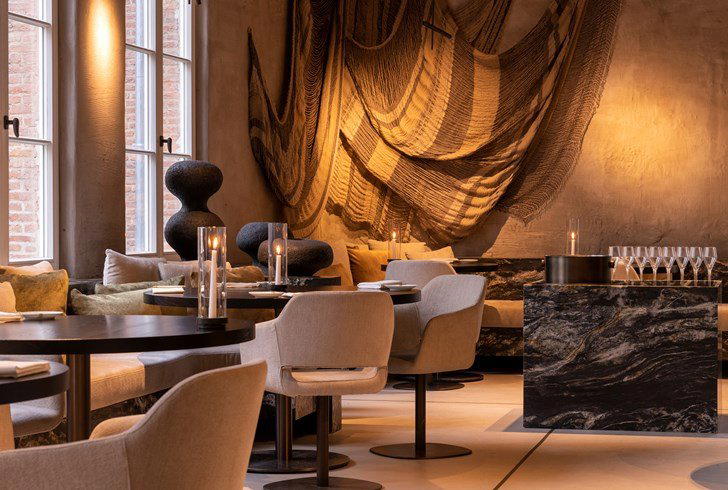
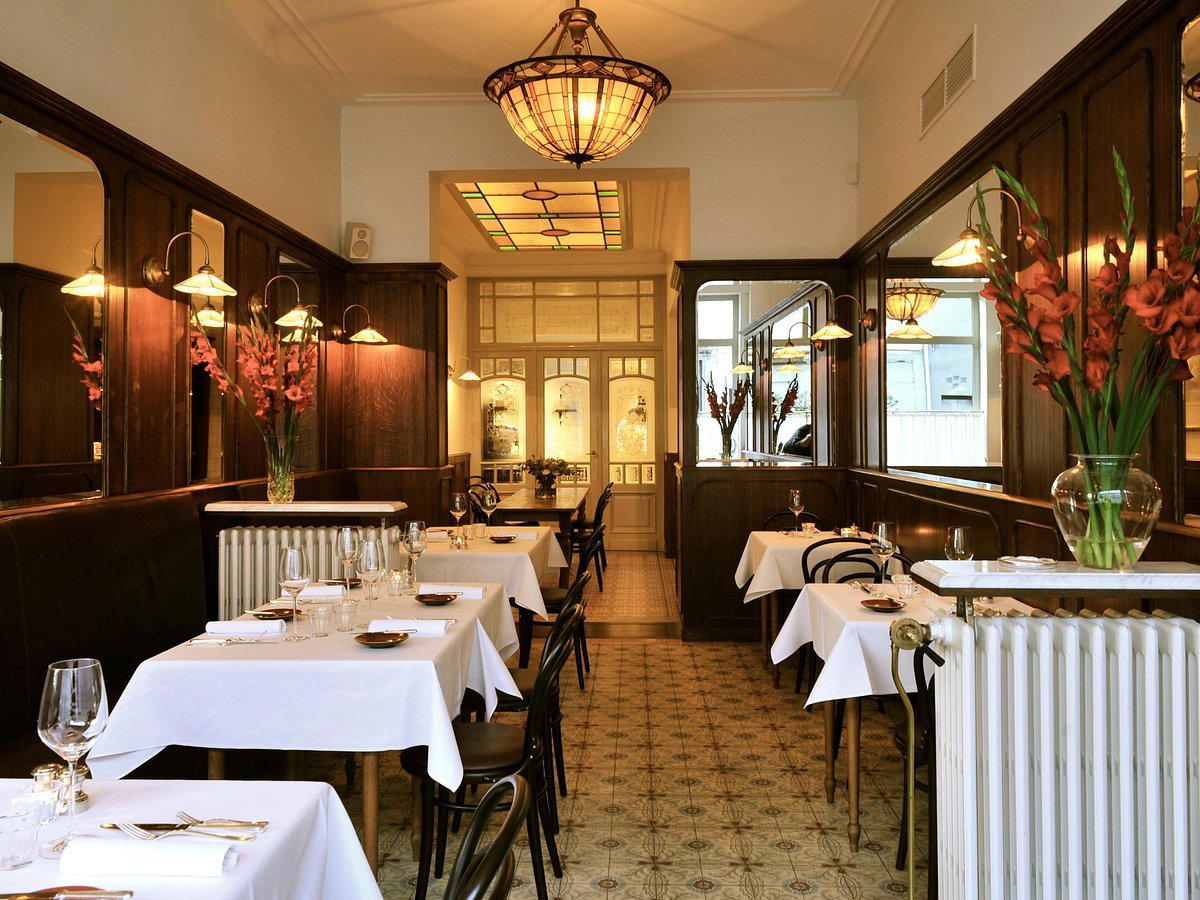
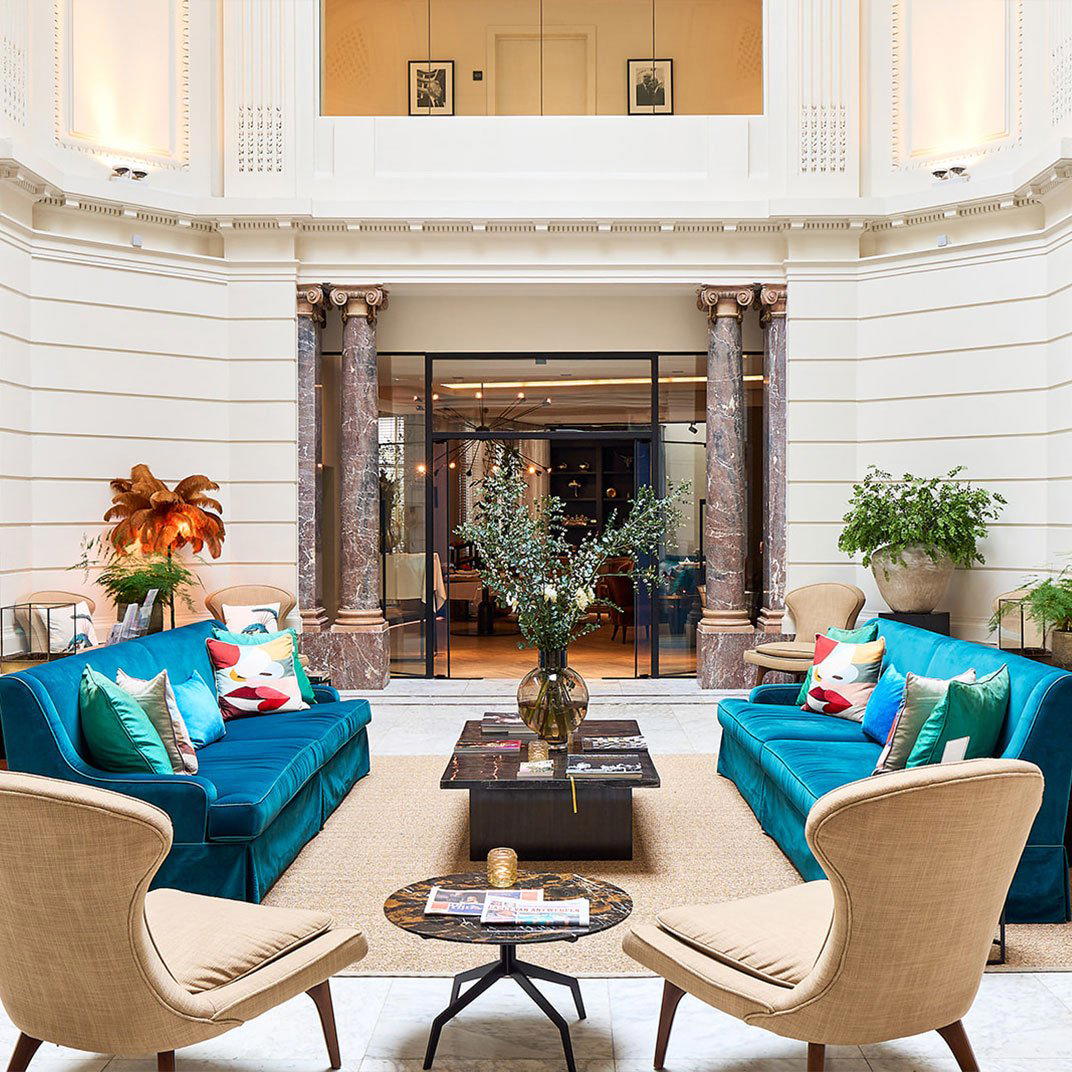
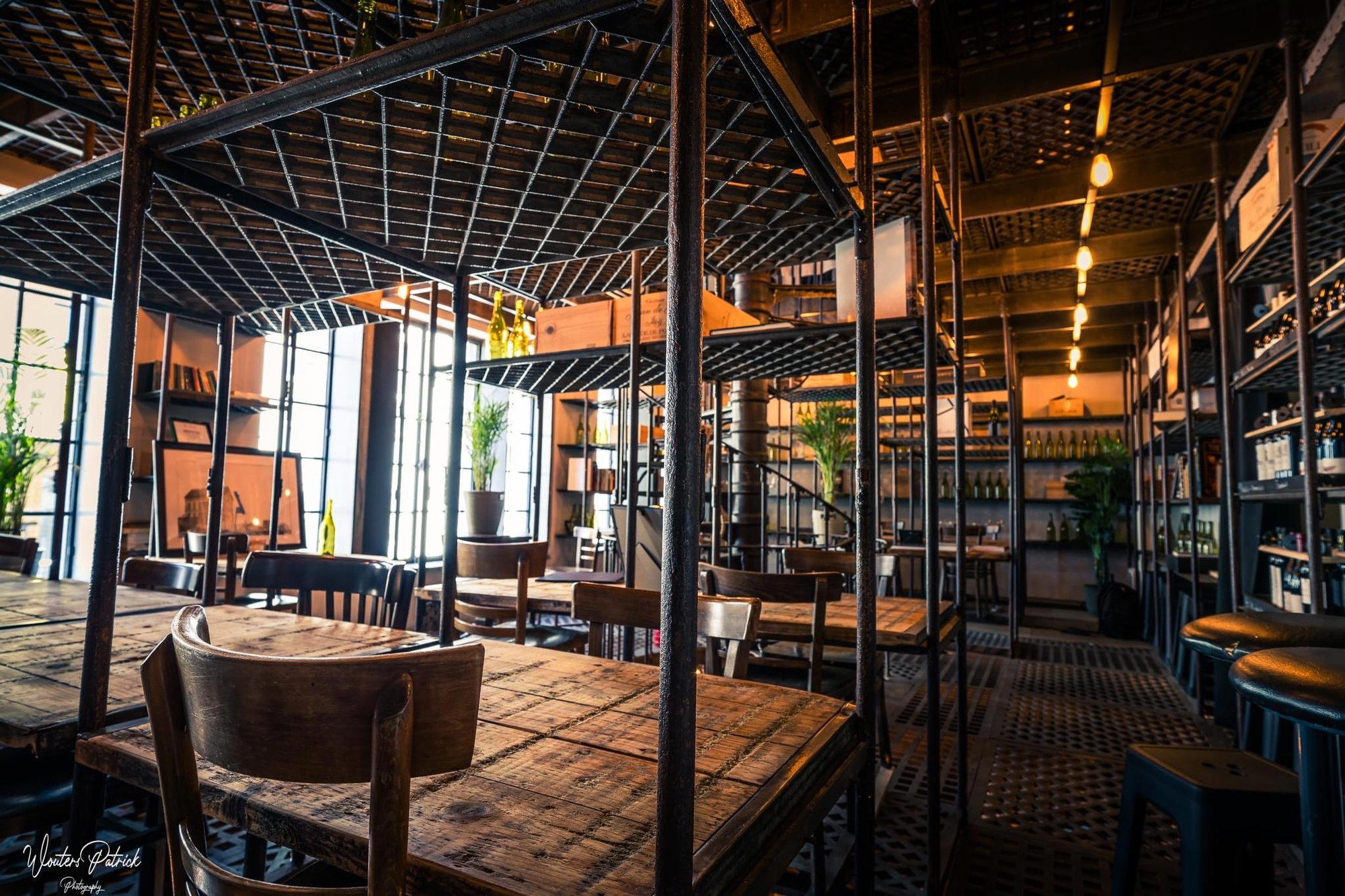
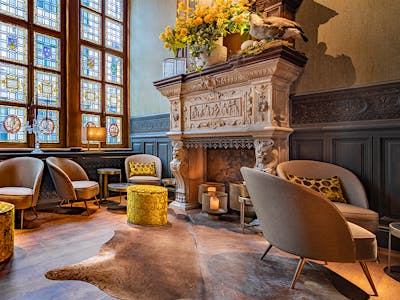
Botanic Sanctuary Antwerp
The wine
- Wine program
- Deep wine list
- Extensive wine list
- Sommelier-led
Details
- Elegant
- Intimate
- Sophisticated
- Quiet
- Modern
- Special Occasion
- Celebration
- Date Night
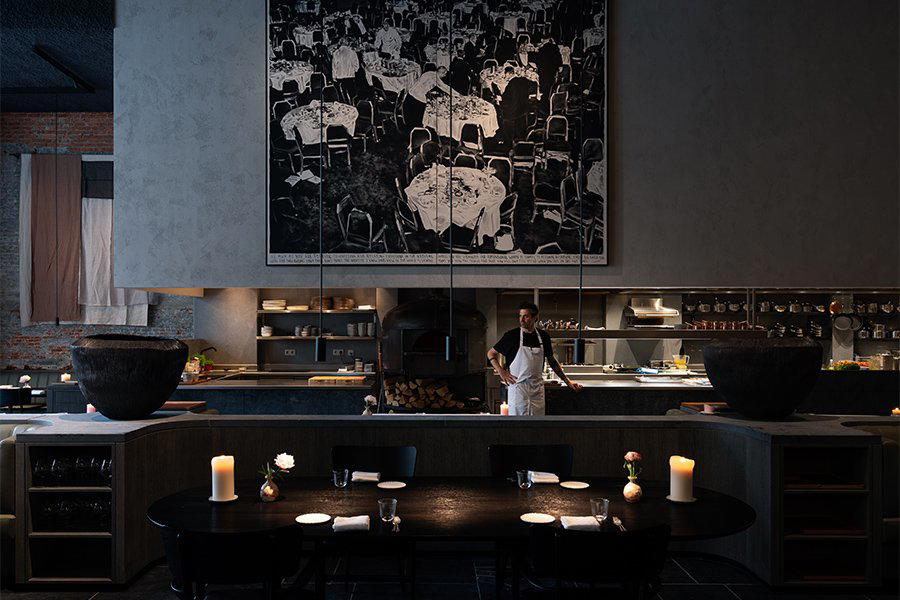
- Open Kitchen
- Garden
- Hotel Restaurant
- Historic Building
- Design Destination
- Extensive Wine List
- Sommelier Led
- Farm To Table
- Local Sourcing
- Organic
- Garden
- Tasting Menu
- Omakase
- Wine Pairing
- Non Alcoholic Pairing
- Vegetarian Friendly
- Allergy Accommodating
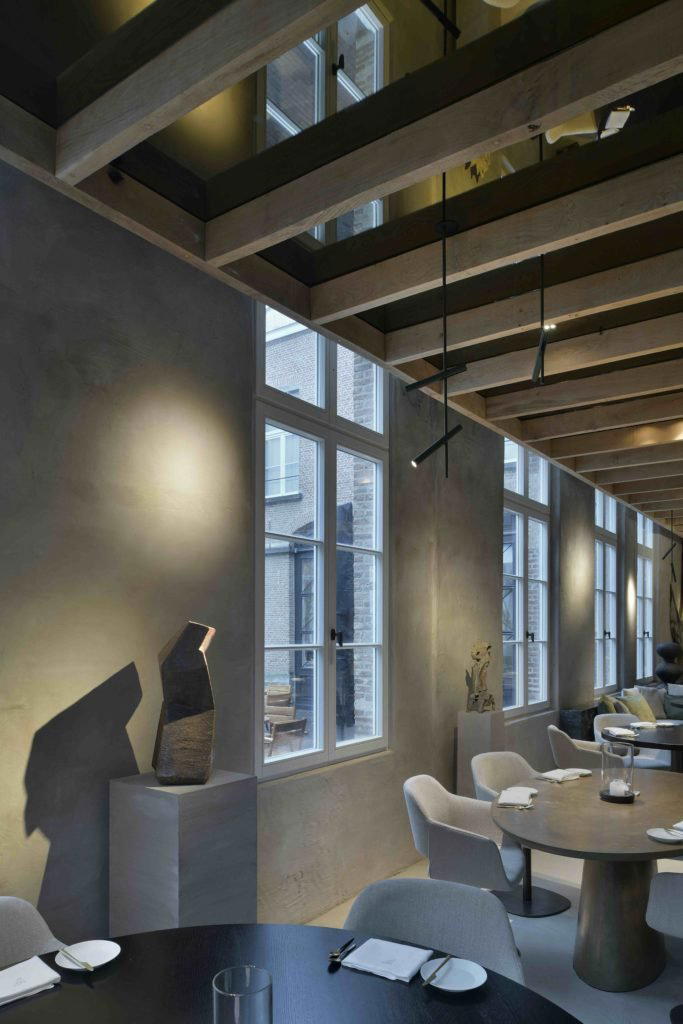
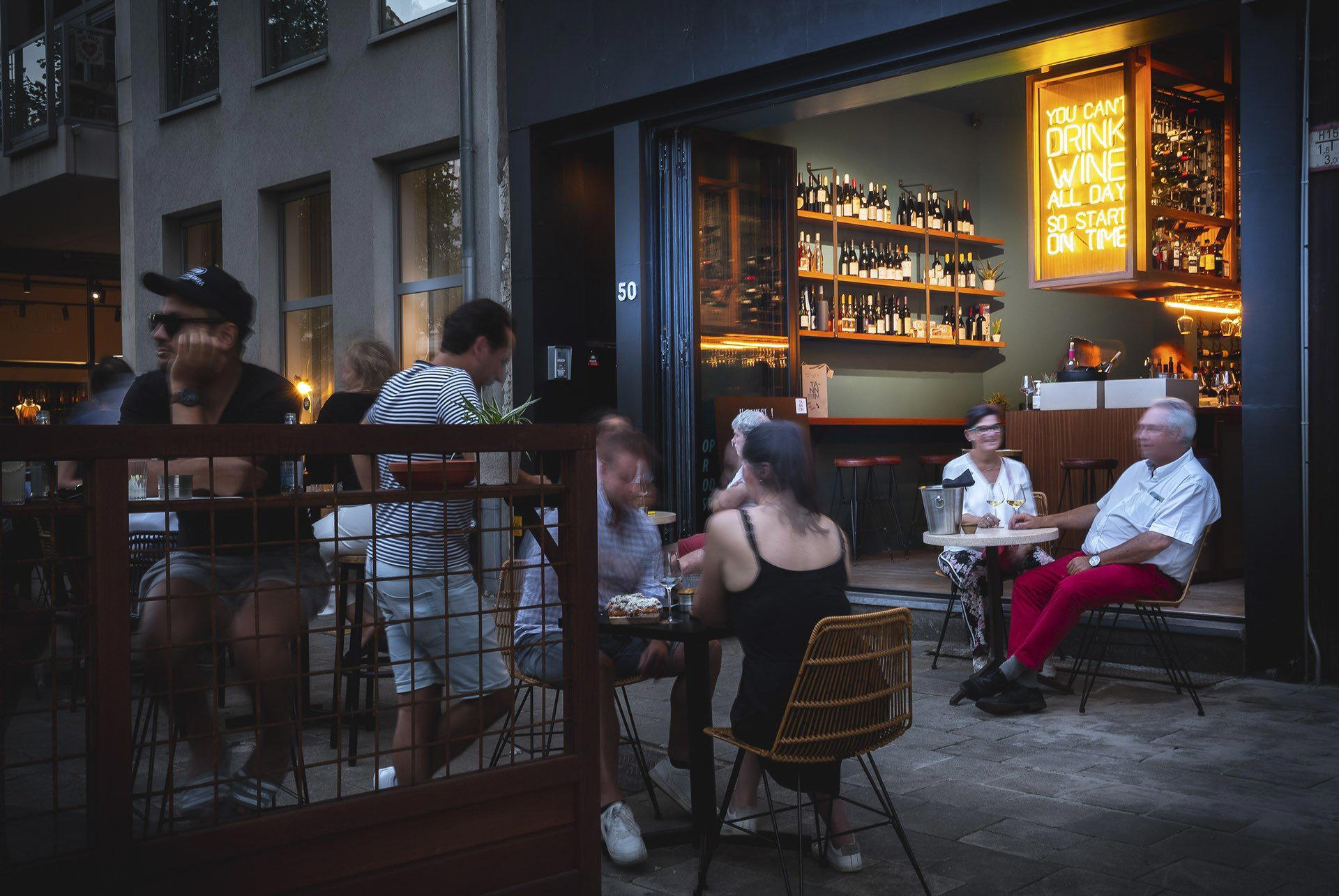
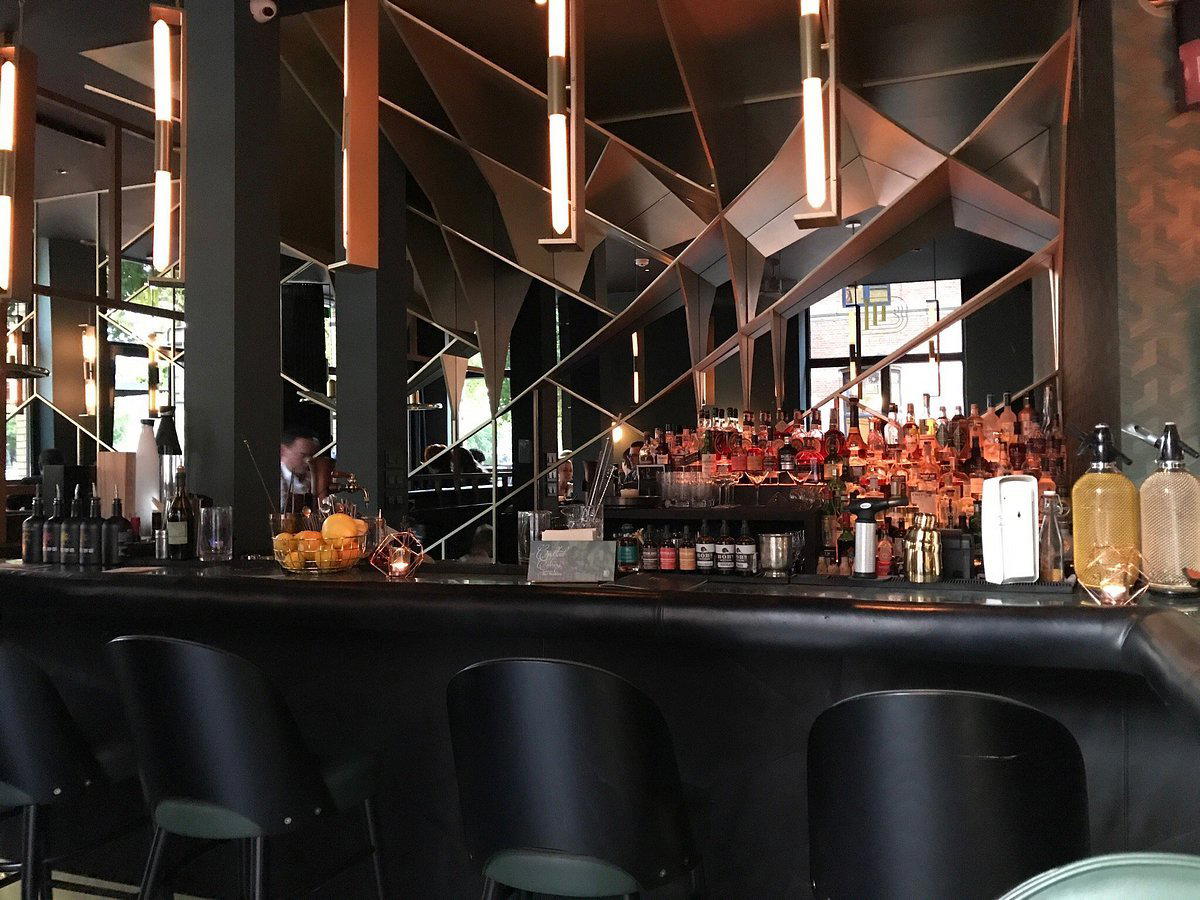
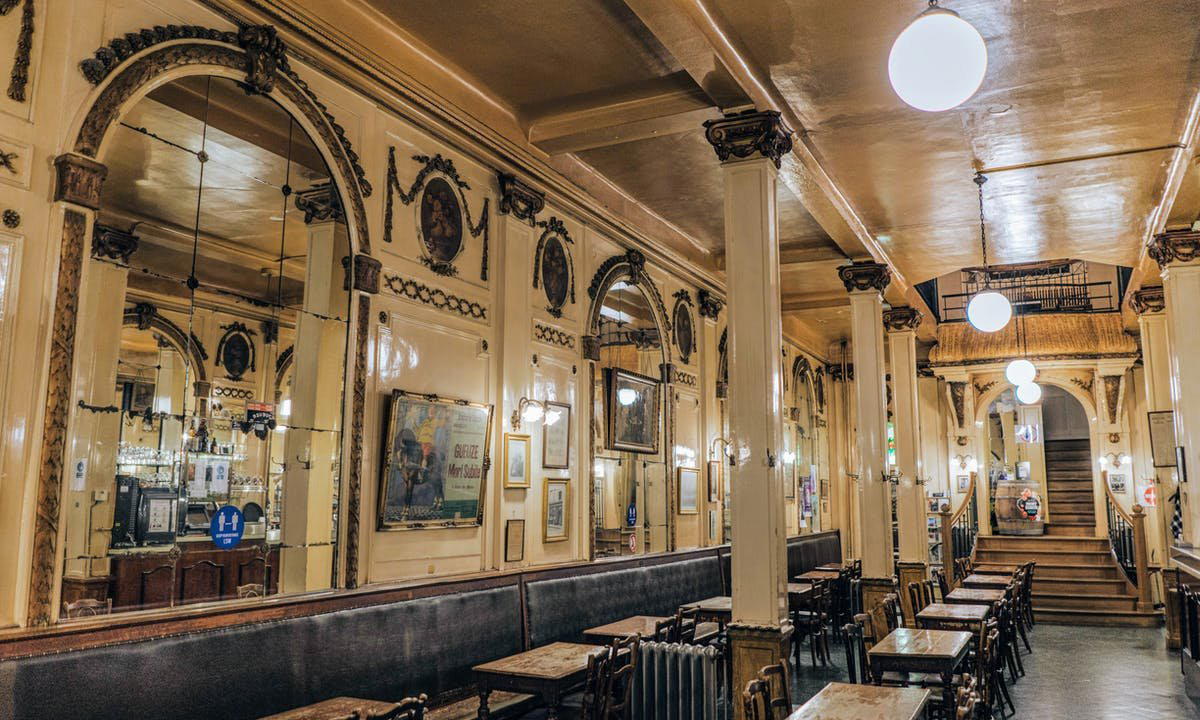
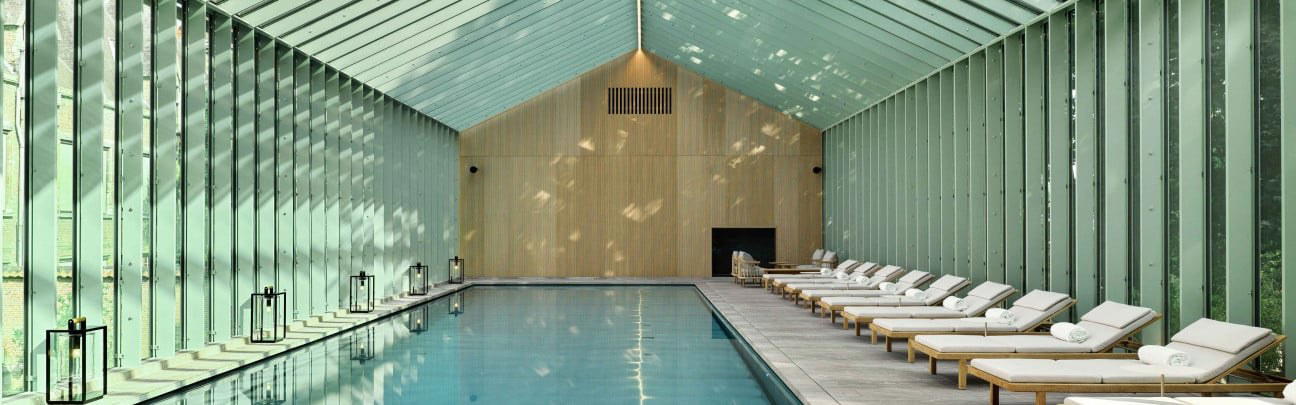
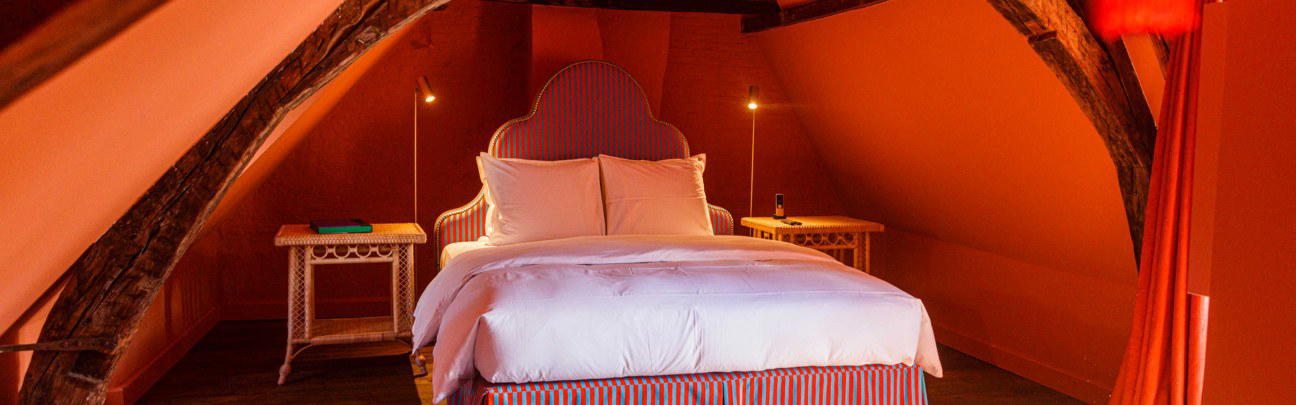
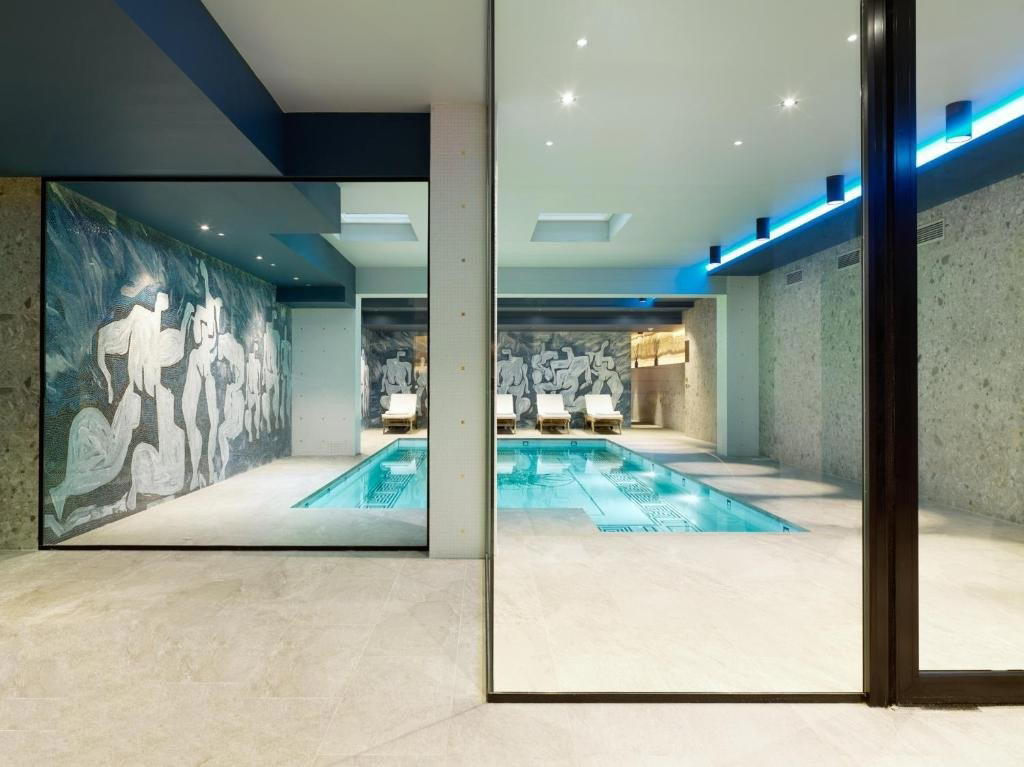
Serene and minimalist with concrete and muted grey tones, intimate architectural backdrop, soft lighting, and a tranquil atmosphere that allows focus on the culinary experience.