Boqueria

Boqueria fits Manhattan’s modern tapas grammar: quick-moving, social, and built around shared plates rather than the ceremony of a long tasting menu. The Spring Street location carries a 2026 Opinionated About Dining Casual Recommended listing, which places it in a useful bracket for readers looking at Spanish small-plates dining with critical recognition but without fine-dining formality.
Pearl is the En Primeur Club membership app — saves, bookings, and concierge access live there. Same editors, same standards.
- Address
- 171 Spring St, Manhattan, New York, United States
- Phone
- 212-343-4255
 Saves & bookings on Pearl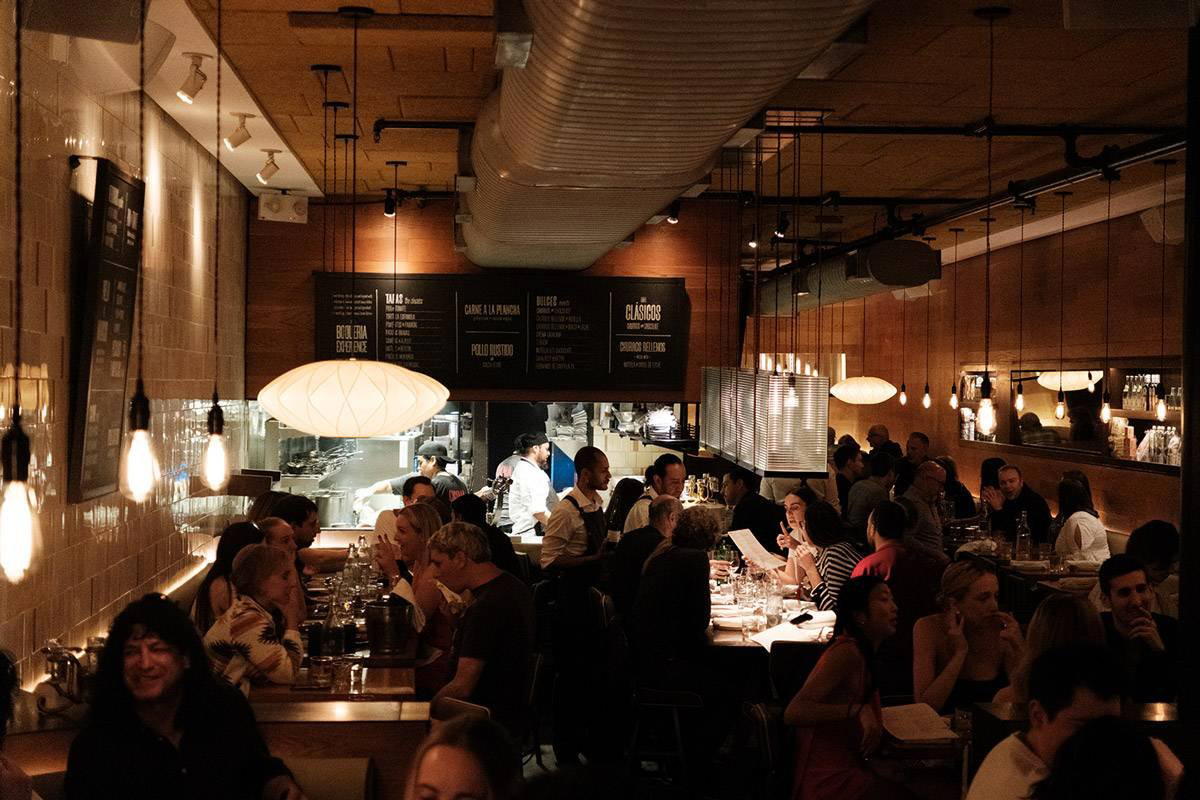
Spring Street gives restaurants little room for hesitation: windows glow onto a busy SoHo pavement, tables turn with downtown urgency, and the room has to declare its purpose before the first round lands. In that setting, tapas make sense. The format rewards momentum, appetite, and negotiation, not a fixed progression. Boqueria sits inside that Manhattan habit of eating socially, where dinner is assembled in rounds and the table’s rhythm matters as much as any single plate.
Spanish small-plates dining has travelled well in New York because it solves a local problem. Groups rarely want the same meal, and Manhattan diners often want the option to make dinner either a stop or the evening’s main event. Tapas lets both happen. A table can order conservatively, add more as the night develops, and shift between snacks, vegetables, seafood, meat, and larger shared dishes without committing to a tasting-menu arc. That elasticity is the point.
Tapas as a social system, not a parade of small dishes
The weak version of tapas culture treats small plates as portion control. The stronger version treats them as pacing. The table starts with immediate, high-salt, high-acid dishes, moves into warmer plates, then decides whether the meal needs another round or should stop cleanly. That is why the format works in SoHo: it suits after-work dinners, pre-theatre planning, late catch-ups, and visitors who want New York energy without a formal dining room.
Boqueria’s category, a tapas bar, matters more than any single dish name here. The appeal lies in ordering across textures and temperatures, then letting the table edit as it goes. Chef Marc Vidal’s name gives the Spring Street room a clear culinary anchor, but the broader story is New York’s adoption of Spanish bar culture as a flexible restaurant format. It is less about replication of Barcelona or San Sebastián than about translation: the counter-and-table sociability of Spain adapted to a city that eats fast, late, and in groups of shifting size.
The 2026 Opinionated About Dining Casual Recommended recognition is useful because it separates the restaurant from anonymous small-plates traffic. OAD’s casual category tends to reward places where the format has purpose rather than polish for its own sake. In Manhattan, that distinction matters. The city has many rooms built for sharing, but fewer where the idea of sharing is tied to an actual dining tradition rather than a menu-engineering trend.
SoHo gives the format its edge
SoHo’s dining character is different from the restaurant corridors farther uptown. It mixes retail footfall, hotel traffic, gallery schedules, downtown residents, and spontaneous groups who have not planned dinner weeks ahead. A tapas bar can absorb that mix better than a rigid restaurant model. The room can support a quick drink with a few plates, a full dinner ordered in waves, or a longer evening where the table keeps extending itself by one more dish.
That makes the Spring Street address part of the experience without turning the meal into a neighbourhood postcard. The surrounding blocks reward restaurants that are energetic but not chaotic, casual but not careless. Spanish small plates fit because they give structure to informality. The table has rules, even if they are unwritten: do not over-order immediately, keep the sequence moving, and pay attention to balance. Fried, cured, grilled, raw, acidic, and bread-based plates should not all arrive as a single blur.
For travellers comparing Manhattan meals, Boqueria belongs in a different decision set from the city’s burger counters, bakeries, and cocktail rooms. A downtown day might place it near the quick-hit appeal of 7th Street Burger (Hamburgers), the morning rhythm of Abraço Bakery (Café), or the drinks-led planning of Angel's Share (Wine Bar). Those are different meals with different clocks. Tapas earns its place when a group wants dinner to remain open-ended.
How to read Boqueria against the wider tapas conversation
New York’s Spanish dining scene sits between two poles: serious regional cooking on one side, crowd-friendly small-plate rooms on the other. The smarter tapas bars avoid turning Spain into a theme. They focus on the mechanics that made the form durable in the first place: salty snacks that wake up the table, dishes designed to be shared without ceremony, and a sequence that lets conversation lead the meal rather than interrupt it.
Comparison helps. Outside Manhattan, Ernesto's, Toro, and another Boqueria location show how the tapas-bar label can stretch across different cities and audiences. Spanish bar culture also reads differently when viewed beside Basque pintxos rooms such as Antonio Bar, Tapas Bar in San Sebastián and Bar Bergara, Tapas Bar in San Sebastián, where the standing-bar ritual and local cadence carry a weight that New York can borrow from but not fully reproduce. Manhattan’s version is more table-driven, more reservation-conscious, and more likely to turn the format into a full dinner.
That distinction is not a flaw. It is the reality of eating tapas in Manhattan. The strongest use of the format here is not historical reenactment; it is practical pleasure with a disciplined ordering logic. Boqueria works for readers who want Spanish small plates in a downtown setting, with enough recognition to justify attention and enough casual energy to avoid making the evening feel over-scripted.
For broader planning, keep it in conversation with Our full Manhattan restaurants guide, then build the rest of the trip through Our full Manhattan hotels guide, Our full Manhattan bars guide, Our full Manhattan wineries guide, and Our full Manhattan experiences guide. If the itinerary is stretching beyond New York, the same casual-format lens applies to Jōdo Saké Bar in Los Angeles, Onigiri Time in Pasadena, ¿Por Qué No? in Portland, 'Ai Love Nalo in Waimanalo Beach, 'āina in San Francisco, 'Ama 'Ama in Kapolei, Apollo Bagels (Bagels), and Au Cheval (French Bistro): each makes a different argument for how informal dining can carry serious intent.
Quick Comparison
Side-by-side context: comparable cuisine and price.
| Venue | Cuisine | Price | Notes |
|---|---|---|---|
| BoqueriaThis venue — the venue you are viewing | Barcelona-style Spanish tapas bar | $$ | Not listed |
| Dante West Side | Italian Small Plates & Cocktail Bar | $$$ | West Village |
| Breads Bakery | Artisan New York Bakery & Café | $$ | Union Square |
| Ci Siamo | Live-Fire Italian | $$$ | Chelsea |
| Congee Village Restaurant & Bar | Traditional Cantonese & Congee House | $$ | Lower East Side |
| Caffé Panna | Italian-inspired ice cream & coffee shop | $$ | Gramercy |
Recognition history
Dated appearances from independent guides and award organizations, with the underlying list record or original source where available.
Opinionated About Dining Casual in North America Recommended
Opinionated About Dining
Continue exploring
More in Manhattan
Restaurants in Manhattan
Browse all →
Bars in Manhattan
Browse all →
Hotels in Manhattan
Browse all →




At a Glance
- Lively
- Energetic
- Modern
- Trendy
- After Work
- Group Dining
- Brunch
- Casual Hangout
- Date Night
- Celebration
- Private Dining
- Standalone
- Craft Cocktails
- Extensive Wine List
- Street Scene
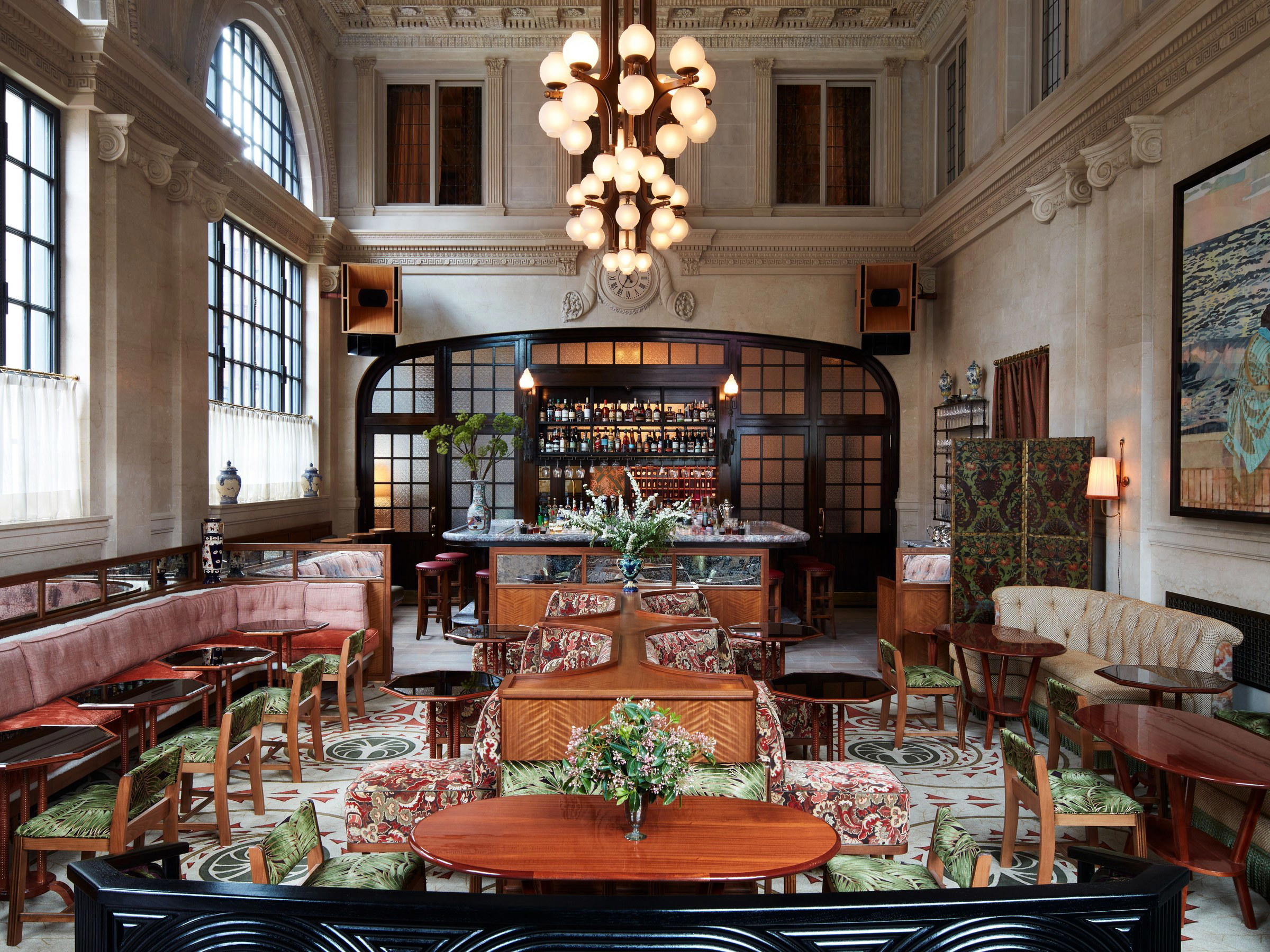
Bustling and energetic tapas bar with a warm, modern interior, bar seating, and closely spaced tables that create a lively, social atmosphere suited to groups and pre- or post-theater visits.