Congee Village Restaurant & Bar

Congee Village Restaurant & Bar sits in Manhattan’s Chinese dining tradition as a communal-table address rather than a chef’s-counter performance. Its 2026 Opinionated About Dining Casual Recommended listing gives it a current trust signal, while the appeal is rooted in banquet pacing: shared plates, congee, and the social choreography of a table that orders broadly.
Pearl is the En Primeur Club membership app — saves, bookings, and concierge access live there. Same editors, same standards.
- Address
- Manhattan, New York, United States
 Saves & bookings on Pearl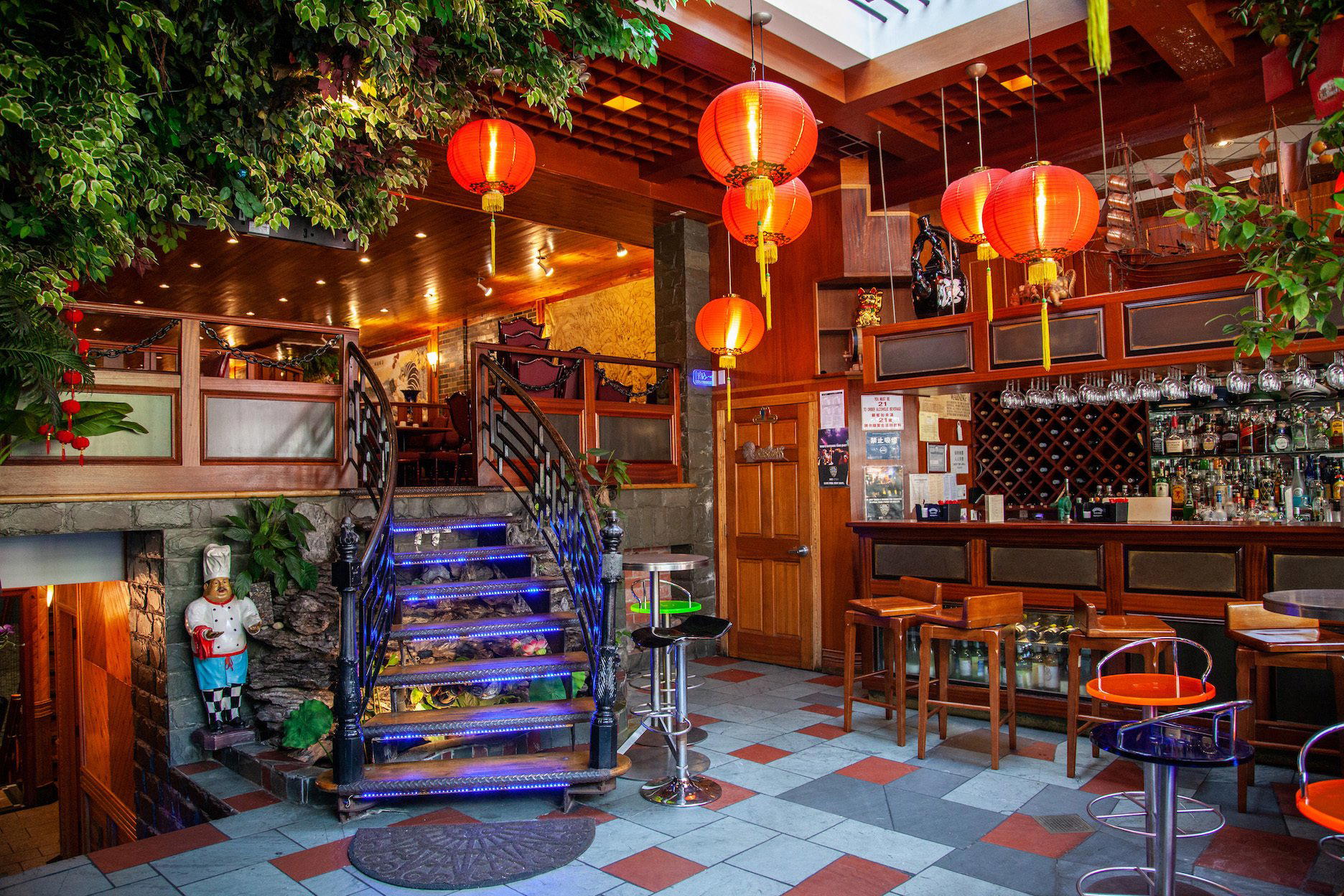
The room belongs to the banquet-table side of New York Chinese dining: groups leaning across round tables, dishes landing in waves, and the meal finding its rhythm through sharing rather than course-by-course ceremony. Congee Village Restaurant & Bar fits that Lower Manhattan mode, where the table matters as much as the kitchen. The format rewards appetite and coordination: one person anchors the order around rice porridge, another pushes toward meat, seafood, or vegetables, and the lazy Susan turns into the evening’s traffic system.
That distinction matters in Manhattan, where Chinese restaurants often get sorted too lazily into takeout, tasting-menu ambition, or banquet-room nostalgia. The more useful split is functional. Some rooms are built for speed, some for ceremony, and some for volume without surrendering range. This restaurant belongs to the third category. Its 2026 Opinionated About Dining Casual Recommended recognition places it within a current North American casual conversation, but the deeper point is cultural continuity: Cantonese-leaning communal dining remains one of the city’s durable social formats.
Congee as anchor, banquet ordering as the point
Congee is often treated outside Chinese communities as a comfort dish, which is accurate but incomplete. In a dining room built around shared ordering, it works more like a stabilizer. It can start the meal, soften the edges of richer plates, and give the table a common center when the order ranges widely. That is why the restaurant’s name is not just a menu signal. It points toward a style of eating in which texture, temperature, and pacing matter, even when the format is casual.
The smarter approach is not to reduce the meal to a single bowl. Chinese banquet grammar depends on contrast: soft against crisp, mild against salty, vegetables against protein, rice or porridge against sauces. A table of two can eat well, but the room makes greater sense with more people because the order can widen. This is where the restaurant’s category becomes clearer. It is not competing with the precision theater of a tasting menu; it is operating in the democratic, high-throughput tradition of a shared table that can handle families, late dinners, and mixed appetites.
Chef Peter Liang is the named culinary lead, but the chef biography is less important than the operating tradition. In this genre, authority is measured through range, consistency across a large menu, and the kitchen’s ability to feed a room moving at several speeds at once. The OAD Casual Recommended citation in 2026 is useful because it recognizes that casual restaurants can carry serious dining value without adopting fine-dining signals.
Where Manhattan's Chinese dining still works socially
Manhattan Chinese dining has never been one thing. It includes quick dumpling counters, polished Midtown rooms, neighborhood noodle shops, banquet specialists, and contemporary Chinese-American projects. The common mistake is to rank those formats against one another as though they answer the same question. They do not. A dumpling stop solves hunger quickly; a banquet table solves the problem of feeding a group with different preferences while keeping the meal collective.
Congee Village Restaurant & Bar is strongest when read through that lens. The value is in the choreography: plates arrive for the group, not for isolated diners, and the table edits the meal in real time. That makes it a useful address for travelers who want a New York Chinese meal with social texture rather than a solitary checklist of dishes. It also explains why the restaurant can feel different from smaller counter-service rooms or more formal dining rooms without needing theatrical design or elaborate ceremony.
For readers mapping the broader city, EP Club’s Manhattan Chinese and casual-dining coverage is better treated as a set of formats rather than a hierarchy. Contemporary fast-casual Chinese cooking appears at Milu, while old-guard dining-room glamour sits closer to Mr. Chow. Noodle and dumpling specialists such as Noodle Village and Shu Jiao Fu Zhou answer a different brief, and roast-meat or banquet cravings point many diners toward rooms such as Peking duck house. The useful question is not which one outranks the others; it is which format matches the night.
How to read the room before ordering
The ordering strategy should follow the table size. A small party should keep the meal focused: one congee direction, one or two contrasting plates, and enough vegetables or rice support to keep the rhythm balanced. A larger group can use the room properly, spreading the order across textures and letting the meal build in waves. That is the advantage of this kind of Manhattan Chinese restaurant: it does not require a fixed sequence to feel complete.
The restaurant’s city context also matters. Manhattan dining can push visitors toward scarcity logic, where the hardest reservation is assumed to be the strongest choice. That logic misses places whose value lies in repeatability, range, and group usefulness. A casual OAD recommendation gives Congee Village Restaurant & Bar a current editorial marker, but the reason to pay attention is simpler: it preserves a style of Chinese dining that works especially well in a city where many meals are organized around either speed or spectacle.
For wider planning, use Our full Manhattan restaurants guide alongside Our full Manhattan hotels guide, Our full Manhattan bars guide, Our full Manhattan wineries guide, and Our full Manhattan experiences guide. Readers comparing casual formats beyond New York can also look at Jōdo Saké Bar in Los Angeles, Onigiri Time in Pasadena, ¿Por Qué No? in Portland, 'Ai Love Nalo in Waimanalo Beach, 'āina in San Francisco, 'Ama 'Ama in Kapolei, 4000 Chinese Restauranat, Chinese in Tokyo, and 4000 Chinese Restaurant, Chinese in Tokyo.
In Context
Comparable venues nearby, for context on price, style, and recognition.
| Venue | Cuisine | Price | Notes |
|---|---|---|---|
| Congee Village Restaurant & BarThis venue — the venue you are viewing | Chinese | $$ | Not listed |
| Black Seed Bagel | Not listed | $ | Multiple Manhattan locations, Bagel shop & bakery café |
| Aurora | SoHo, Rustic Italian Trattoria | $$$ | Not listed |
| Fabrique | Not listed | $$ | Meatpacking District, Swedish artisan bakery & café |
| Bar Goto | Not listed | $$$ | Lower East Side, Japanese Cocktail Bar with Okonomiyaki |
| Dante West Side | Not listed | $$$ | West Village, Italian Small Plates & Cocktail Bar |
Recognition history
Dated appearances from independent guides and award organizations, with the underlying list record or original source where available.
Opinionated About Dining Casual in North America Recommended
Opinionated About Dining
Continue exploring
More in Manhattan
At a Glance
- Lively
- Energetic
- Classic
- Well Known
- Cozy
- Group Dining
- Family
- Celebration
- Casual Hangout
- Late Night
- After Work
- Private Dining
- Standalone
- Beer Program
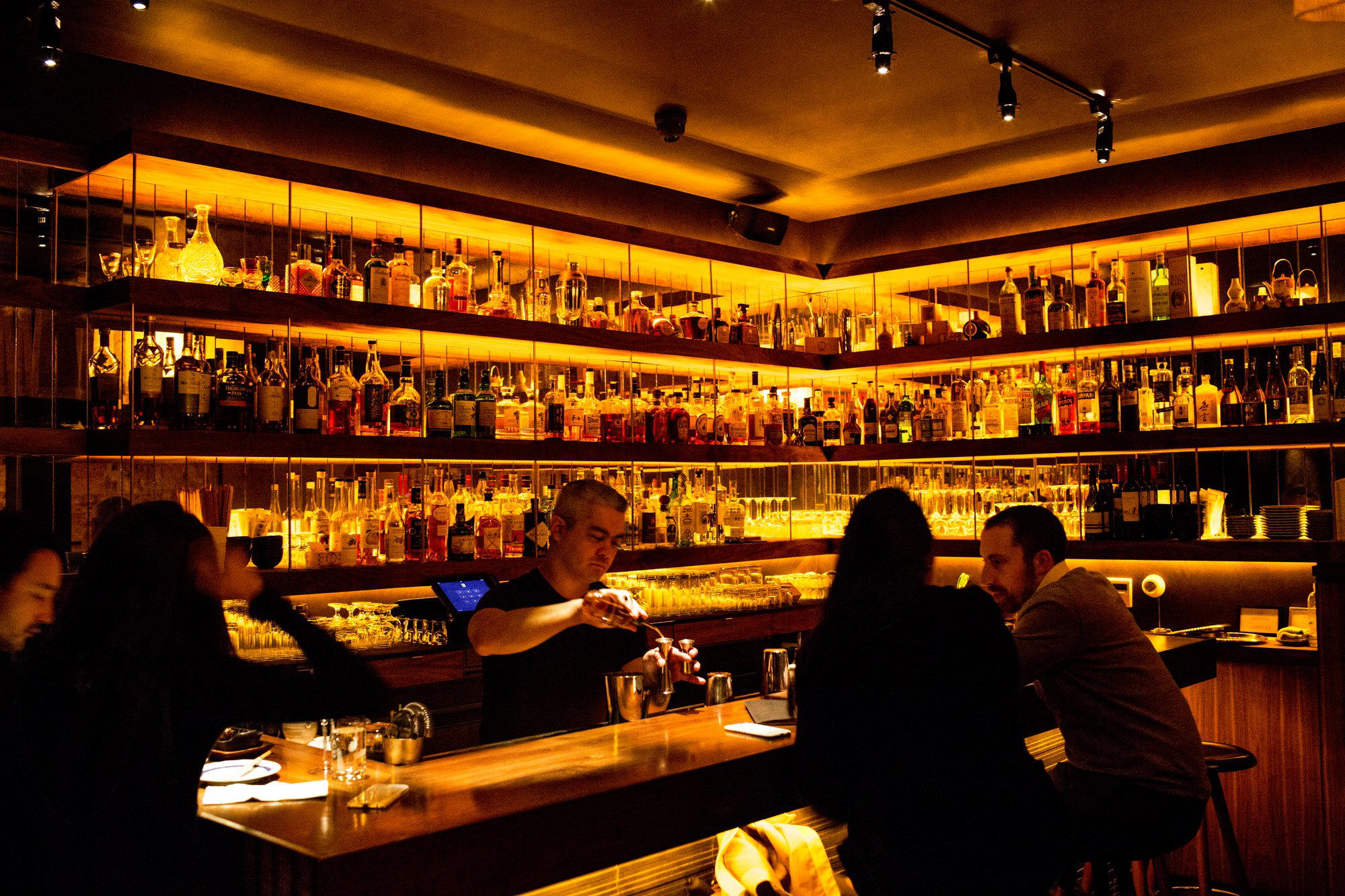
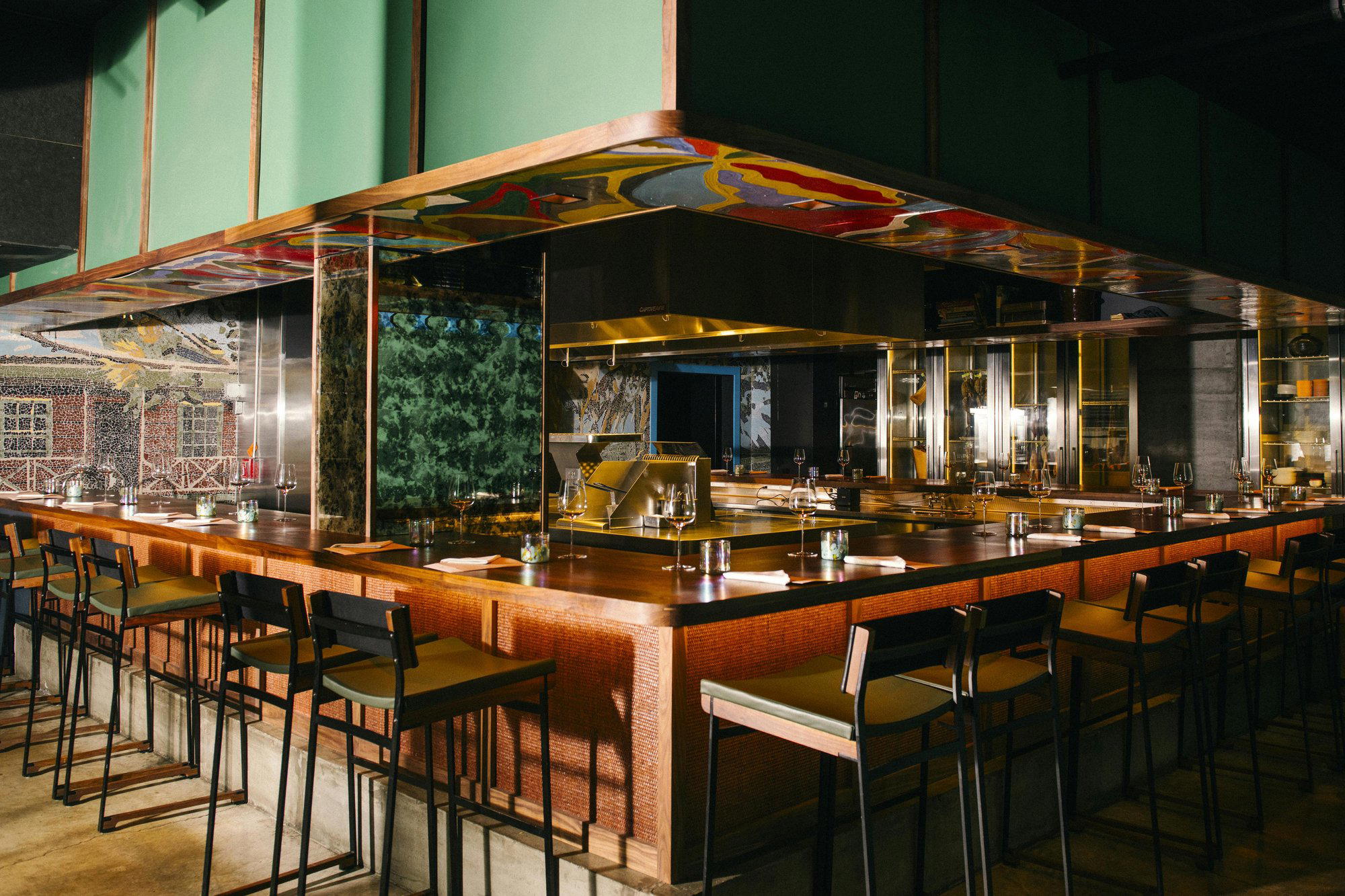
Large, multi‑room dining space with south China and Polynesian decor elements, bustling Chinatown‑meets‑Lower East Side energy, and a lively, noisy atmosphere suited to families and big groups.