.png)

Boon Tong Kee on Balestier Road is one of Singapore's most recognised Hainanese chicken rice addresses, holding a Michelin Plate and back-to-back Opinionated About Dining Casual in Asia rankings in 2023 and 2024. Operating daily from 11am with a price point that keeps it firmly in the everyday-eating tier, it represents the kind of institution that serious eaters treat as a reference point rather than a treat.
 Discover on Pearl
Pearl is the En Primeur Club membership app — saves, bookings, and concierge access live there. Same editors, same standards.
- Address
- Balestier Rd, #399 401 & 403, Singapore 329801
- Phone
- +65 6254 3937
- Website
- boontongkee.com.sg
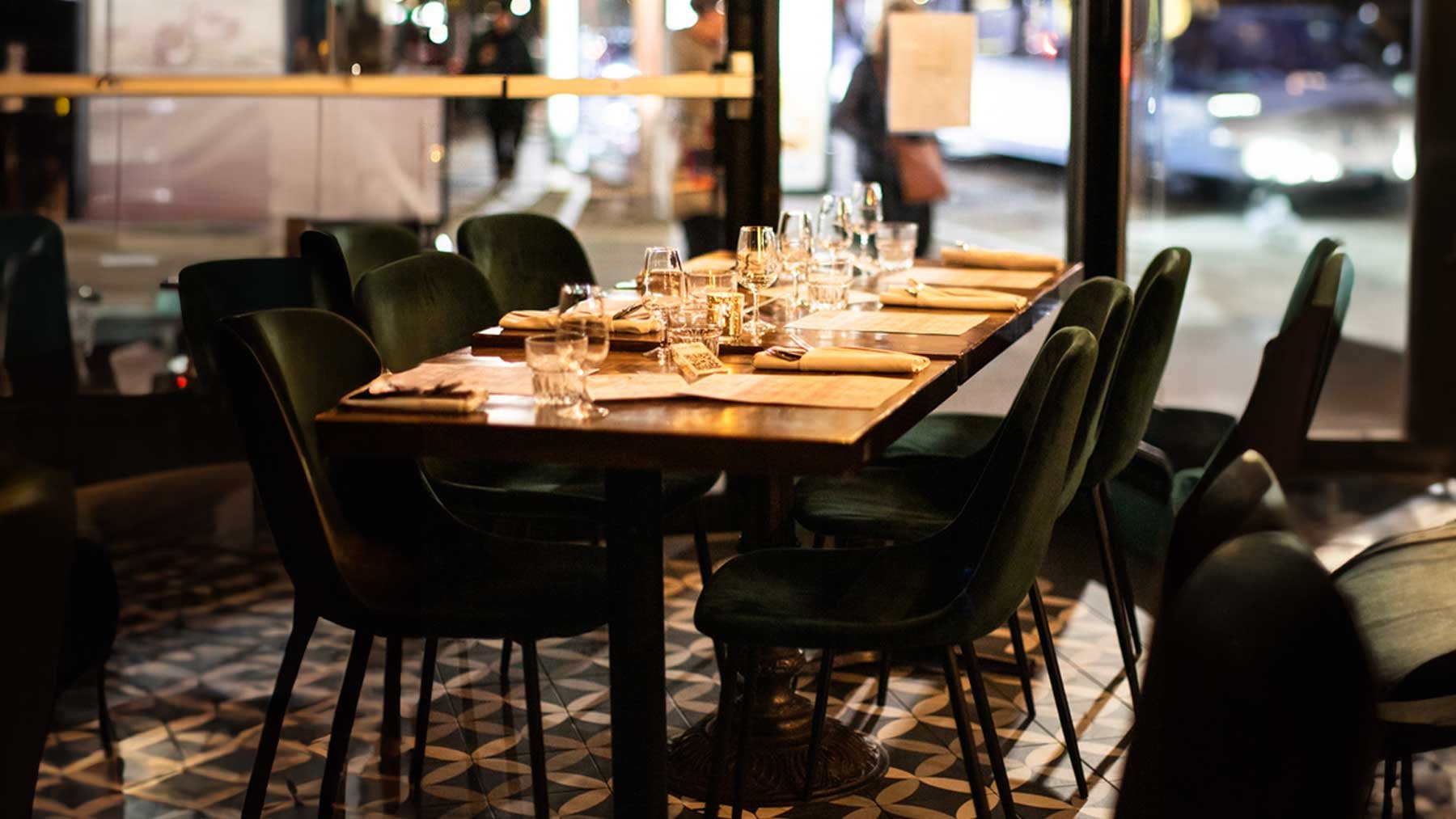
Balestier Road and the Chicken Rice Benchmark
Balestier Road occupies a specific register in Singapore's food geography. Flanked by temple supply shops, tile merchants, and pre-war shophouses, the corridor has never been a destination in the tourist-brochure sense. What it has is density of long-standing eating houses that local families return to across generations, and a street-level seriousness about food that resists the curated-market aesthetic that has reshaped other parts of the city. In that context, Boon Tong Kee sits at 399, 401, and 403 Balestier Road, three adjoining shophouse units that have come to function as a single sprawling reference point for Hainanese chicken rice in Singapore.
Hainanese chicken rice is the category most frequently cited when the question of a Singaporean national dish comes up, and the debate over who does it correctly has never fully settled. The dish's logic is tight: poached or roasted chicken, fragrant rice cooked in rendered fat and stock, chilli sauce, ginger paste, and dark soy. Within that compact framework, the differences between a forgettable plate and a serious one are measured in texture, temperature, and the quality of the stock. Boon Tong Kee has built a multi-decade reputation on that margin, which is why it earns recognition from sources that operate well above the tourism tier.
Recognition in the Awards Tier
Singapore's casual dining scene has developed a credible international critical infrastructure over the past decade. Boon Tong Kee holds a Michelin Plate for 2024, a designation that sits below starred status but signals that a restaurant has cleared Michelin's quality threshold for consistent, recommended cooking. More notable in some respects is the venue's position on the Opinionated About Dining Casual in Asia list, ranked 98th in 2024 and 89th in 2023. Consecutive appearances, with a ranking movement of nine places, suggests sustained performance rather than a single strong year.
For context on what this tier of recognition means in Singapore: the city's most decorated fine dining addresses, Zén operating at four-dollar-sign price points with three Michelin stars, or Jaan by Kirk Westaway with two stars and a British contemporary format, occupy a different category entirely. Boon Tong Kee operates at a single dollar-sign price point, which means its recognition sits in a comparable set that includes other casual Singaporean institutions rather than the city's formal tasting-menu circuit. That distinction matters when calibrating expectations. This is reference-level chicken rice, not a multi-course progression. Google reviews sit at 4.2 from 2,618 submissions.
For a wider view of Singapore's recognised casual restaurants, including places like Da Shi Jia Big Prawn Mee and Kok Sen, see our full Singapore restaurants guide. Visitors wanting to track further across the city's food and hospitality scene can also consult our full Singapore hotels guide, our full Singapore bars guide, our full Singapore wineries guide, and our full Singapore experiences guide.
Planning the Visit: Timing, Access, and What to Expect
The practical case for Boon Tong Kee Balestier is uncomplicated by the standards of Singapore's harder-to-access restaurants. The restaurant operates Monday through Friday from 11am to 2:30pm and 5pm to 11pm, Saturday from 11am to 11pm, and Sunday from 11am to 10:30pm. That schedule covers lunch, dinner, and the late-evening hours when hunger follows a long day rather than a reservation confirmation. Walk-in access is the norm at this price tier and format.
The Balestier stretch is accessible from the city centre but not immediately adjacent to the major MRT interchange clusters. That minor friction is part of the deal with Balestier: the area has not been repositioned for tourist convenience, and restaurants there operate on local rhythms. Lunch service on weekdays draws a working crowd; weekend lunch and early dinner see larger family groups. The three-unit shophouse footprint provides more cover than a single-shop address, but the format is still cafeteria-adjacent in density rather than spread and unhurried.
Visitors comparing chicken rice across Singapore's recognised addresses often use Boon Tong Kee as a reference point alongside Chatterbox, which operates in a hotel setting at a higher price point and with a different service register. The two illustrate how the same core dish translates across different contexts: one rooted in a neighbourhood shophouse, the other in a formal hotel dining room. Neither is a substitute for the other.
The Broader Singaporean Table
Chicken rice is the most internationally legible node on Singapore's food map, but the city's serious eating extends well beyond it. Hainanese cooking represents one strand in a broader Chinese-Malay-Indian-Peranakan weave that takes different forms across the island. Rempapa and Mustard Seed represent the direction that Singaporean and Peranakan cuisine has taken at a more considered, research-driven level, Rempapa drawing on heritage recipes and Mustard Seed applying a tasting-menu format to local traditions. These are not competitors to Boon Tong Kee; they are different arguments about what Singaporean food can be.
The appetite for Singaporean cuisine beyond Singapore's borders has produced some notable iterations. FT Bak Kut Teh in Guangzhou and Old Bazaar Kitchen in Hong Kong both address diaspora demand and cross-border curiosity for the same category of everyday Singaporean cooking. Neither replicates the Balestier context, the shophouse streetfront, the proximity to the city's working-neighbourhood fabric, the decades of local patronage that inform what a place like Boon Tong Kee means as a point of reference. Context is part of the experience at this kind of address, in a way that does not apply at Le Bernardin, Atomix, Alain Ducasse Louis XV, or 8½ Otto e Mezzo Bombana, where the room is designed to insulate you from the street. At Emeril's in New Orleans or Lazy Bear in San Francisco, a specific local culinary identity is also part of what you're paying to be inside, a similar logic, even across very different price tiers. The neighbourhood is part of what Boon Tong Kee is selling, whether or not it frames it that way.
Comparable Spots
Comparable venues nearby, for context on price, style, and recognition.
| Venue | Cuisine | Price | Notes |
|---|---|---|---|
| Boon Tong Kee (Balestier Road)This venue — the venue you are viewing | Singaporean Chicken Rice | $$ | |
| Chef Kang's Noodle House | Michelin Bib Gourmand Wanton Mee | $$ | BRADDELL |
| Da Shi Jia Big Prawn Mee | Singaporean Prawn Mee | $$ | OXLEY |
| Come Daily Fried Hokkien Prawn Mee | Singapore Fried Hokkien Prawn Mee | $ | TOA PAYOH WEST |
| Hougang Traditional Famous Wanton Noodle | Traditional Singaporean Wanton Noodles | $ | ALJUNIED |
| Majestic | Modern Cantonese | $$$ | CENTRAL SUBZONE |
Continue exploring
More in Singapore
Restaurants in Singapore
Browse all →
Bars in Singapore
Browse all →
At a Glance
- Classic
- Cozy
- Group Dining
- Family
- Casual Hangout
- Standalone
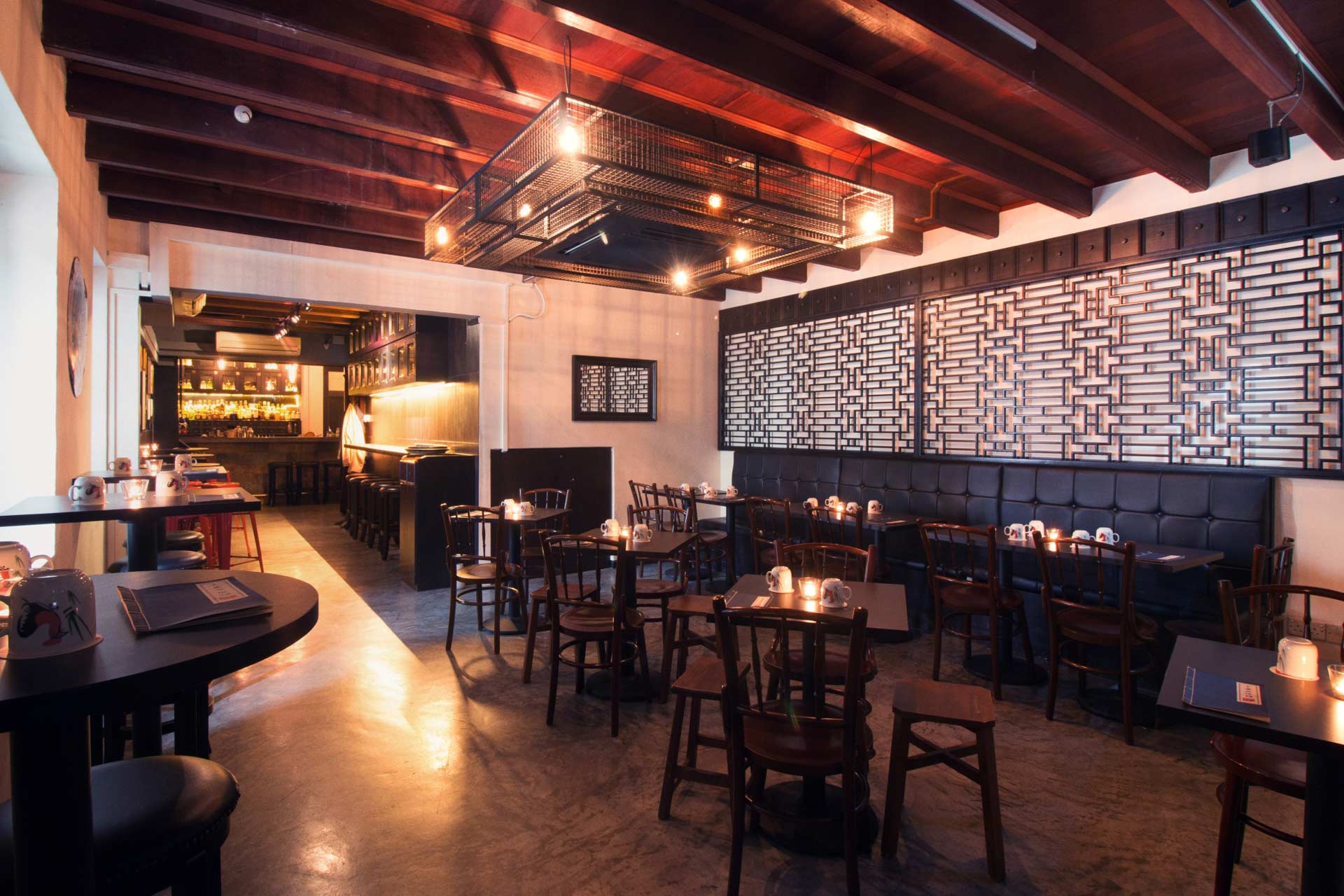
No-frills dining room with bright lights, brown checked tablecloths, paper lantern lamps, and a comfortably nostalgic 70s decor.