
At Old Airport Road Food Centre, one of Singapore's most storied hawker complexes, Hougang Traditional Famous Wanton Noodle serves hand-filled pork wantons alongside yellow noodles cooked to order with a spring in each strand. The shrimp broth carries real depth. This is hawker cooking anchored in technique, not nostalgia.
Pearl is the En Primeur Club membership app — saves, bookings, and concierge access live there. Same editors, same standards.
- Address
- 51 Old Airport Road Food Centre, #01-35, 51 Old Airport Road
- Directions
- Get directions
 Saves & bookings on Pearl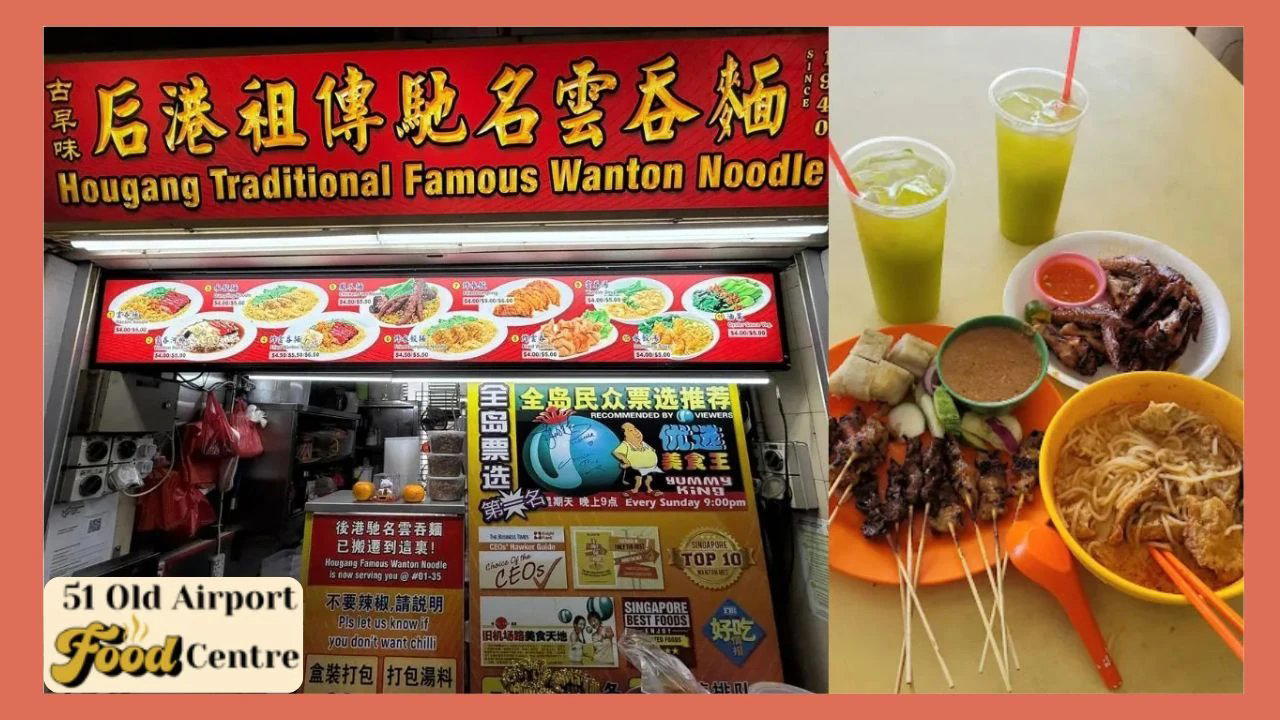
Old Airport Road and the Architecture of the Hawker Meal
Old Airport Road Food Centre occupies a particular position in Singapore's hawker hierarchy. Built on the site of the city's first commercial airport, the complex has operated continuously since the 1970s and today houses more than 150 stalls across two long shed-like floors. The midday light falls hard through the open sides; ceiling fans do the work air-conditioning would elsewhere. Plastic stools, laminate tables, the percussion of woks and ladles, this is the physical grammar of a hawker centre at volume, and it conditions how you eat. You order, you wait at a numbered table, and the food arrives in the sequence it's ready, not the sequence you planned. Stall #01-35, operated under the Hougang Traditional Famous Wanton Noodle name, has been part of this landscape long enough that regulars navigate to it on muscle memory.
The Wanton as a Study in Proportion
Singapore's wanton noodle tradition sits at the intersection of Cantonese and Teochew hawker lineages, both of which arrived with waves of migration in the nineteenth and early twentieth centuries. The dish has since developed its own local identity, distinct from Hong Kong's thinner-soup versions or the chilli-bright dry-toss variants that became popular through the 1980s. What matters in the classic register is proportion: the filling-to-skin ratio in the wanton, the balance between noodle texture and sauce, the clarity or depth of the accompanying broth.
At this stall, the wantons are filled generously with pork, a detail worth pausing on, because the cost-cutting drift in hawker cooking often means thinner fills and more dough. Here, the pork filling holds substance. The choice between blanched (served in noodle soup) and deep-fried is a meaningful fork in the meal's logic: the blanched version stays soft and absorbs broth as it sits, while the fried wantons trade that absorbency for a crisp shell that holds for a few minutes before softening. Both are valid sequences; many regulars order a portion of each to use the fried pieces as textural counterpoint to the soup.
Noodle Texture and the Case for Cooking to Order
The noodles are cooked to order, and this matters more than it sounds. Wanton noodles, thin yellow egg noodles made with an alkaline solution that gives them their colour and snap, lose their defining bounce within minutes of sitting in liquid. A stall that batches them ahead of service, even by ten minutes, is serving a different product. The described texture here is bouncy, the word hawker regulars use to signal that the noodle has retained its spring rather than going limp. In practice, that means the strand pushes back slightly against the tooth before yielding: a physical property that good alkaline noodles hold briefly and lose quickly. Cooking to order is the operational commitment that keeps it.
This positions the stall within a smaller subset of hawker noodle vendors who treat timing as a quality variable rather than a throughput problem. The tradeoff is a slightly longer wait during peak service, typically the lunch rush between noon and 1:30pm and a secondary dinner period on evenings when the centre fills up. The queue at the stall is both the reservation system and the pricing signal: consistent demand over time is how hawker stalls in Singapore accrue their reputation without printed accolades.
The Broth: Yellow Shrimp and the Third Element
The third component of the soup version is the broth itself, and it is especially revealing. A yellow shrimp broth, built from dried shrimp and sometimes shrimp shells, yielding a stock that carries savoury depth and a faint sweetness, is harder to sustain at hawker economics than a simpler pork bone base. The flavour described is loaded rather than subtle: this is not a restrained Japanese-style dashi equivalent but something more assertive, built to hold its own against the alkaline noodle and the pork filling. The colour and intensity of a shrimp broth also change as the pot reduces through service, meaning the later bowls in a long day may differ from the early ones. This is the inherent variability of long-cooked hawker stocks, and it is part of what makes a specific stall's version worth seeking at its moment of leading calibration.
Reading the Meal as a Sequence
There is a logical progression to eating well at this stall, even without a formal tasting architecture. The first move is deciding the format: dry-toss noodles (typically dressed with lard, soy, and chilli, served with broth on the side) versus full soup. The soup version integrates all three elements, noodle, wanton, broth, into a single bowl where the flavours converge as the meal progresses and the broth absorbs a little of the wanton filling over time. The dry version lets each component read more distinctly on first contact. Neither is a lesser choice; they are different experiences of the same ingredients.
Within the soup bowl, the recommended sequence is to eat the fried wantons first if you order them as a side, before the ambient heat softens the shell. The blanched wantons improve with a minute or two of resting in broth, which warms them through to the filling. The noodles are leading early, before they continue to hydrate. This is the informal tasting logic of a bowl that changes in real time, and attending to it produces a more considered meal than eating straight through.
Planning a Visit to Old Airport Road
Old Airport Road Food Centre sits in the Kallang district, accessible by MRT via the Mountbatten or Dakota stations on the Circle Line, both within a ten-to-fifteen minute walk depending on entry point. Stall #01-35 operates on ground level. Like most hawker stalls, Hougang Traditional Famous Wanton Noodle does not take reservations; the system is walk-in, order at the counter, seat yourself. Peak hours run to significant queues, and the stall may sell out of wantons before official closing; arriving before noon on weekdays or before 12:30pm on weekends hedges against that outcome. Payment is typically cash or local payment apps at hawker stalls of this generation. Singapore's hawker centres operate as fully open-air or semi-open spaces, so dress is casual and functional given the heat.
For context on how this stall fits within Singapore's broader restaurant range, the city spans from these sub-S$10 hawker bowls up through the mid-range S$50-100 per person tier to the multi-course fine dining bracket occupied by restaurants like Odette, Les Amis, and Zén. The hawker stall is not a cheaper substitute for the fine dining tier; it is a separate and self-sufficient tradition. Internationally, the parallel would be the kind of specialist single-dish counter that commands loyalty through technique and consistency rather than format, closer in spirit to a focused counter at Le Bernardin or Alinea in its commitment to executing one thing with precision, even if the price points occupy entirely different coordinates. Singapore's hawker heritage and its fine dining scene at venues like Jaan by Kirk Westaway and Meta coexist as expressions of the same city's appetite for cooking done with intent. For a fuller picture of where to eat, drink, and stay across the city, see our full Singapore restaurants guide, our full Singapore bars guide, our full Singapore hotels guide, our full Singapore experiences guide, and our full Singapore wineries guide.
Same-City Peers
Comparable venues nearby, for context on price, style, and recognition.
| Venue | Cuisine | Price | Notes |
|---|---|---|---|
| Hougang Traditional Famous Wanton NoodleThis venue — the venue you are viewing | Traditional Singaporean Wanton Noodles | $ | Not listed |
| Boon Tong Kee Kway Chap‧Braised Duck | Teochew Kway Chap & Braised Duck | $ | CHATSWORTH |
| Kang's Wanton Noodle | Wanton Noodles | $ | CHATSWORTH |
| Poh Cheu (KPT Coffee Shop) | Handmade Traditional Chinese Kueh | $ | ALEXANDRA HILL |
| Traditional Hakka Lui Cha | Traditional Hakka Thunder Tea Rice | $ | ALJUNIED |
| Hong Peng La Mian Xiao Long Bao | Hand-Pulled La Mian & Xiao Long Bao | $ | PEARL'S HILL |
Recognition history
Dated appearances from independent guides and award organizations, with the underlying list record or original source where available.
Michelin Plate
Michelin · 2026 Michelin Plate
Michelin Guide Plate
Michelin Guide
Continue exploring
More in Singapore
Restaurants in Singapore
Browse all →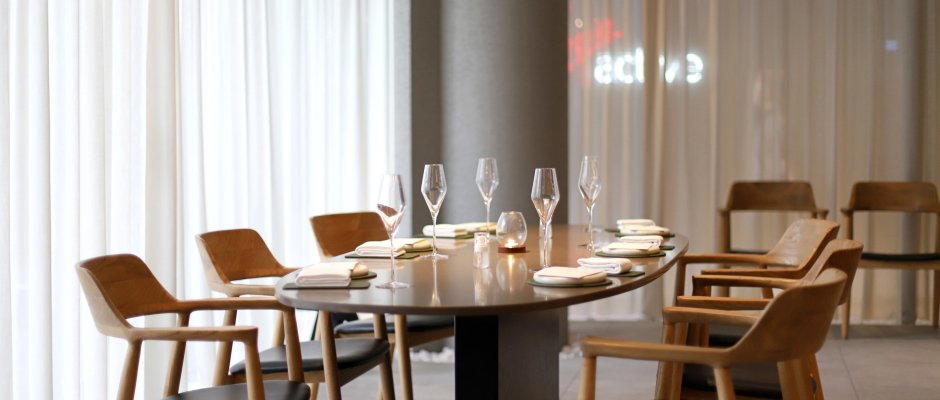
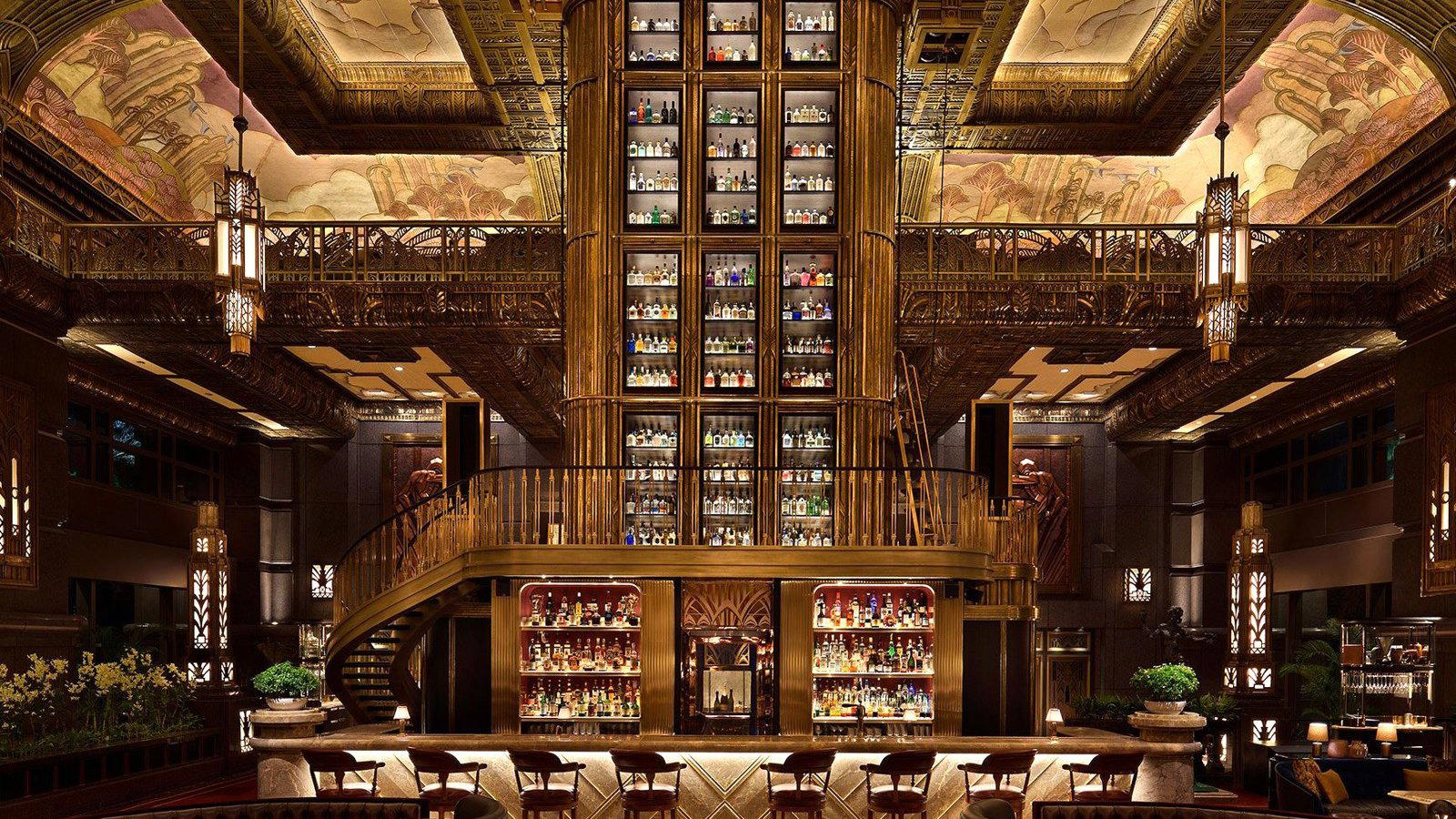
Bars in Singapore
Browse all →
At a Glance
- Classic
- Casual Hangout
- Standalone
Current opening hours
- Monday
- 11 AM–2:30 PM, 6:30–9:30 PM
- Tuesday
- 11 AM–2:30 PM, 6:30–9:30 PM
- Wednesday
- 11 AM–2:30 PM, 6:30–9:30 PM
- Thursday
- 11 AM–2:30 PM, 6:30–9:30 PM
- Friday
- 11 AM–2:30 PM, 6:30–9:30 PM
- Saturday
- Closed
- Sunday
- Closed
Hours can change for holidays and private events. Last verified .
Casual hawker center atmosphere with lively communal seating.