Bong Bong Hot Pot
Bong Bong Hot Pot fits Aurora’s broad, immigrant-led dining character: informal, communal, and built around the table rather than the plate. The draw is hot pot’s sourcing logic, where broth, sliced proteins, vegetables, noodles, and sauces matter because diners control the sequence, pace, and balance themselves.
Pearl is the En Primeur Club membership app — saves, bookings, and concierge access live there. Same editors, same standards.
- Address
- Aurora, United States
- Website
- bongbonghotpot.com
 Saves & bookings on Pearl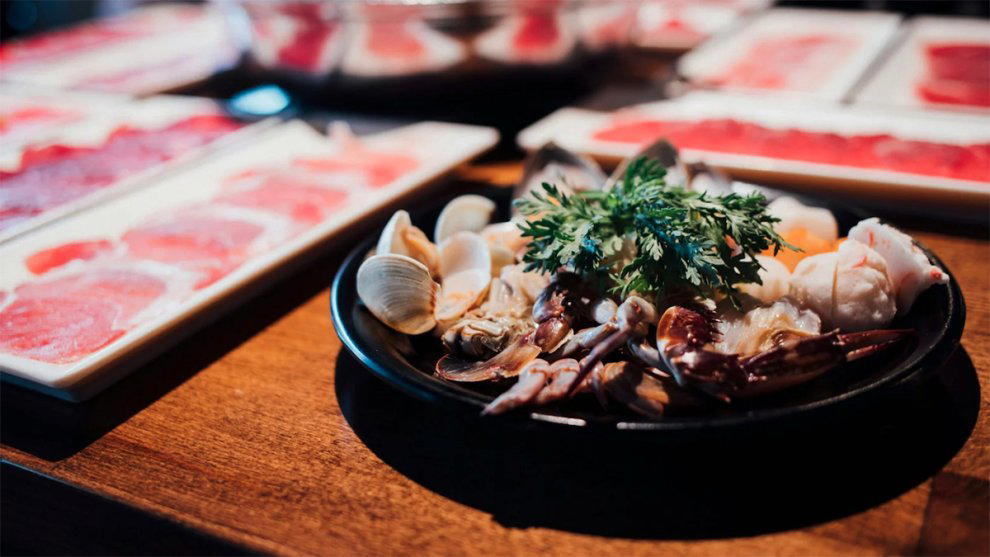
The room to expect around hot pot is not hushed ceremony. It is steam, shared burners, dipping sauces being adjusted mid-meal, and tables that turn dinner into a working conversation. Bong Bong Hot Pot belongs to that tradition in Aurora, a city where East African, Latin American, Korean, Japanese, Chinese, Hawaiian, and other foodways sit closer together than Denver visitors often assume.
Hot pot makes sourcing visible at the table
Hot pot is useful because it strips a meal back to inputs. Broth carries the base note, but the table reads the meal through the condition of the vegetables, the cut of the proteins, the quality of the noodles, and the way sauces bring salt, heat, acid, sesame, garlic, or chile into balance. In a composed restaurant dish, sourcing can hide behind technique. In hot pot, it sits in plain view, because diners decide what enters the broth and when it comes out.
That format explains why the category travels well across cities with strong immigrant food networks. It does not need the performance language of fine dining to communicate care. It needs freshness, replenishment, and enough range for different eaters at the same table to build separate meals from a shared pot. In Aurora, that matters. The city’s dining strength is not a single restaurant row with one dominant cuisine; it is a dispersed map of family-run rooms, strip-mall dining rooms, and regional specialists.
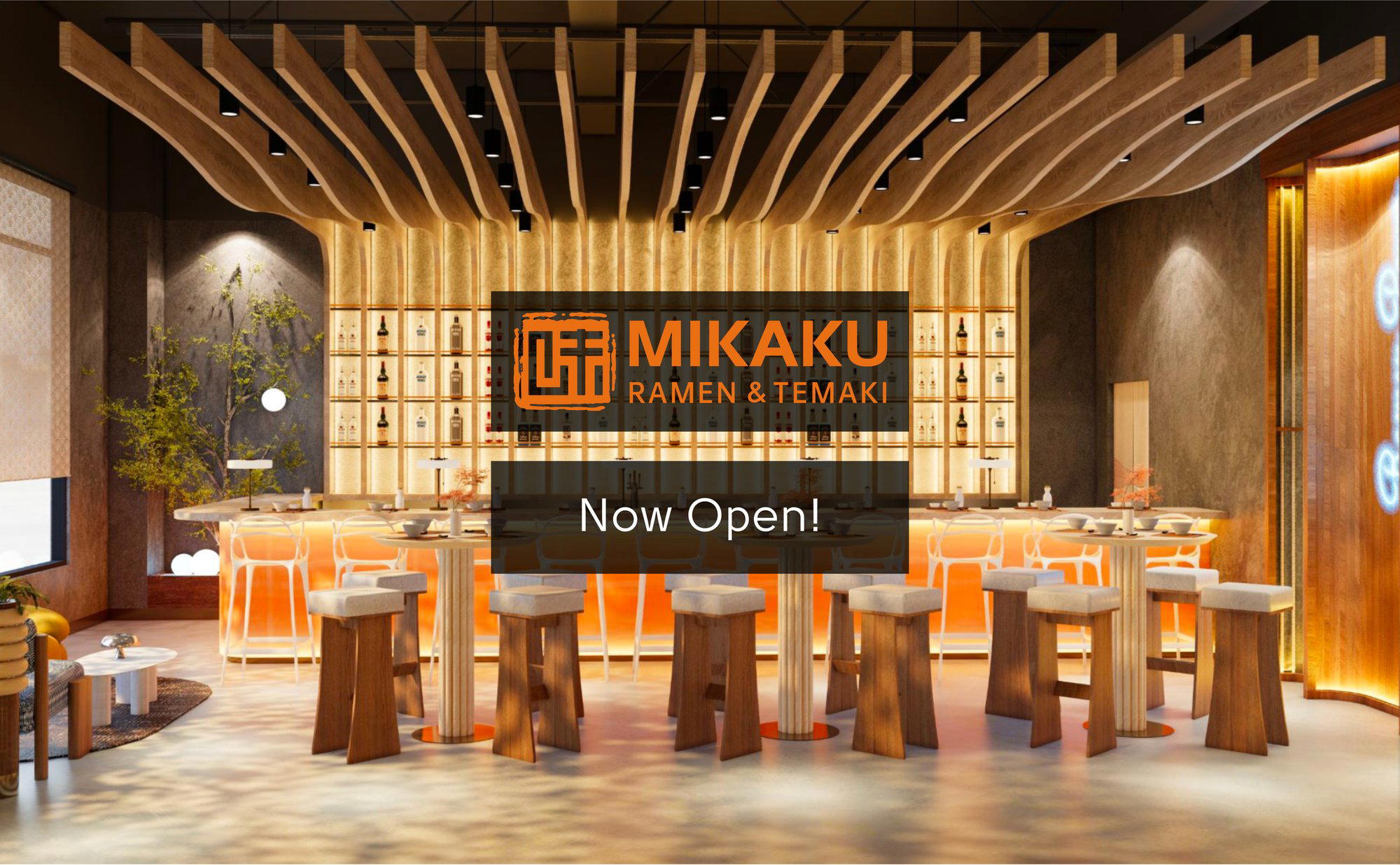
Readers building a broader Aurora food day can see that range through Alice's Corner Bolivian Cuisine, La Machaca De Mi Ama, Megenagna, Mikaku Ramen & Temaki, and Ono Era (Hawaiian-Korean fusion, Korean barbecue). Those are not direct hot pot comparisons; they show the city’s pattern of specific cuisines operating without resorting to generic pan-Asian or pan-Latin shorthand.
The meal works because the table does the editing
The critical pleasure of hot pot is control. A cautious diner can keep the broth clean and build toward herbs, greens, and noodles; a chile-driven table can make heat the spine of the meal from the beginning. That flexibility is why the format suits mixed groups better than many tasting-menu or single-specialty restaurants. Children, spice-averse guests, and serious eaters can share one meal without forcing a single definition of success.
Bong Bong Hot Pot should be understood inside that communal grammar rather than as a chef-driven stage. The point is not a named signature dish or a personality-led menu. The point is the exchange between broth and ingredients, and the small corrections diners make as the meal progresses: a little more sauce, a shorter cook on greens, a longer simmer for items that benefit from broth absorption. That is where hot pot rewards attention.
For travelers reading beyond Colorado, the format also connects Aurora to a wider Pacific and Asian casual-dining conversation. Shanghai’s large-format service culture appears in a different register at HaiDiLao Hotpot, Hot Pot in Shanghai, while Loon Fong Hotpot, Hot pot in Richmond points to the way hot pot adapts in cities with deep Chinese and pan-Asian dining communities. Separate but related casual formats show up at Jōdo Saké Bar in Los Angeles, Onigiri Time in Pasadena, ¿Por Qué No? in Portland, 'Ai Love Nalo in Waimanalo Beach, 'āina in San Francisco, and 'Ama 'Ama in Kapolei, each useful for understanding how ingredient-led, casual-service restaurants can carry serious cultural weight.
Where it fits in an Aurora itinerary
Aurora rewards diners who plan by appetite rather than prestige signals. Bong Bong Hot Pot is the kind of stop that makes sense when the evening calls for a shared table, slow pacing, and a meal that can flex around a group. It is less useful for anyone seeking a tightly choreographed, chef-narrated dinner. That distinction matters: hot pot is interactive by design, and the diner’s choices shape the result.
Use it as part of a wider Aurora plan rather than a single destination bubble. For more city context, start with Our full Aurora restaurants guide. Travelers pairing dinner with a stay or a broader weekend can also scan Our full Aurora hotels guide, Our full Aurora bars guide, Our full Aurora wineries guide, and Our full Aurora experiences guide. The strongest reading of Bong Bong Hot Pot is simple: in a city defined by practical, specific, immigrant-rooted dining, hot pot gives the table agency and lets the ingredients carry the argument.
In Context
Comparable venues nearby, for context on price, style, and recognition.
| Venue | Cuisine | Price | Awards | Notes |
|---|---|---|---|---|
| Bong Bong Hot PotThis venue — the venue you are viewing | Chinese Hot Pot | $$ | , | |
| Megenagna | Ironton Street, Authentic Ethiopian | $$ | , | |
| Mikaku Ramen & Temaki | Japanese Ramen & Temaki | $$ | , | |
| La Machaca De Mi Ama | Aurora, Authentic Mexican Machaca | $$ | , | |
| The Common Good | $$ | , | Anschutz Medical Campus, Contemporary American Comfort | |
| Tofu House | Koreatown, Korean Tofu House & BBQ | $$ | , |
Continue exploring
More in Aurora
Restaurants in Aurora
Browse all →

Bars in Aurora
Browse all →

Hotels in Aurora
Browse all →
At a Glance
- Lively
- Casual
- Energetic
- Cozy
- Trendy
- Group Dining
- Family
- Casual Hangout
- Celebration
- Late Night
- Standalone
- Beer Program
Bright, bustling, and casual with the constant activity of boiling pots and shared platters, creating an energetic, family- and group-friendly atmosphere rather than a quiet or formal setting.