Bombay Nights
Our verdict
Bombay Nights brings Indian cooking to Perry Hall's Honeygo Village retail corridor, where the suburban dining scene skews heavily toward familiar American and Italian formats. The kitchen draws on subcontinental spice traditions in a neighborhood that offers few alternatives in that category. Located at 5007 Honeygo Center Dr, it fills a specific gap in Baltimore County's northeast dining map.

Pearl is the En Primeur Club membership app — saves, bookings, and concierge access live there. Same editors, same standards.
- Address
- 5007 Honeygo Center Dr #101, Perry Hall, MD 21128
- Phone
- (410) 248-3131
- Hours
- Daily 10 AM–10 PM
- Website
- bombaynights.net
- Directions
- Get directions
- Booking
- Book on the venue's website
The menu
What to order
- Chicken Tikka Masala
- Butter Chicken
- Chicken Biryani
Where Perry Hall's Dining Scene Leaves a Gap
Perry Hall sits at the northeastern edge of Baltimore County, a suburb whose restaurant options cluster heavily around Italian-American staples and casual American formats. The Honeygo Village shopping corridor, where Bombay Nights operates at 5007 Honeygo Center Dr, follows that pattern: anchored retail plazas, family-oriented dining, and a customer base that drives rather than walks. Indian cooking occupies a narrow slice of that market in this zip code, which means a restaurant working in that category is not competing on the terms that define, say, the Indian restaurant density of a Rockville or a Towson corridor. It is, instead, addressing a gap.
That positioning matters when thinking about what Bombay Nights represents in its local context. Across the mid-Atlantic, Indian restaurants in suburban retail settings have followed two broad trajectories: the buffet-and-curry-house format aimed at volume and accessibility, and a tighter, more composed approach that treats the cuisine's regional complexity as the actual subject. Which trajectory a given kitchen occupies tells you more about what to expect than any single dish on the menu. For Perry Hall diners accustomed to driving toward the city for this category of cooking, a neighborhood option represents a genuine logistical shift.
The Ingredient Question in Indian Cooking
Indian cuisine is among the most ingredient-driven cooking traditions in the world, and not primarily in the farm-to-table sense that American dining has exported globally. The specificity is older and more technical: particular regional varieties of rice, lentils, and dried chiles; ghee sourced from specific milk cultures; spice blends that vary not just by region but by family and occasion. A curry built on commodity spice mixes reads differently than one assembled from whole spices ground in-house, and the gap is perceptible in both flavor and aroma.
This is the lens through which subcontinental cooking in suburban American markets is most usefully assessed. Restaurants closer to major urban spice markets, South Asian grocery corridors, or supplier networks with direct import relationships tend to have more access to the ingredients that make regional differentiation possible. Baltimore County's northeast suburbs are not that environment. The sourcing challenge is real, and how a kitchen resolves it, whether through established wholesale relationships, proximity to distributors in the Baltimore metro, or menu engineering that works effectively within what is locally available, shapes the result substantially.
The broader American Indian restaurant scene has seen a shift in the past decade toward regional specificity: Keralan seafood preparations, Gujarati vegetarian formats, Lucknowi dum cooking, and Tamil Brahmin traditions have each found urban footholds that did not exist fifteen years ago. Venues like Oyster Oyster in Washington, D.C. illustrate how sourcing philosophy can define an entire restaurant's identity; the principle applies across cuisines. Whether a suburban Maryland kitchen is drawing on that broader shift in ambition, or operating in a more familiar register, is the question a first visit answers.
Suburban Indian Dining in the Baltimore Metro
The Baltimore metro's Indian restaurant concentration runs strongest along the Route 40 corridor toward Catonsville, in Ellicott City, and in pockets of Columbia further south. Perry Hall occupies a different quadrant geographically and demographically, with a South Asian residential population that, while present, is smaller than those western and southern corridors. That demographic reality shapes what a restaurant in this location is likely to prioritize: a broader menu that addresses a wider customer range tends to outperform narrow regional specialization in markets where the core audience for that specialization is thinner.
For context on how ingredient sourcing and menu philosophy interact with location, it is worth noting how the most sourcing-conscious American restaurants, places like Blue Hill at Stone Barns in Tarrytown or Single Thread Farm in Healdsburg, have built their identities around proximity to supply. Those are fine-dining examples operating at a different scale and price tier entirely, but the underlying principle, that the distance between source and kitchen matters, translates to every category. An Indian kitchen in a suburban plaza is negotiating that same principle under different constraints.
Perry Hall's dining map is not without ambition. Liberatore's Ristorante has long anchored the area's Italian-American tradition with a commitment that has sustained it through multiple decades. The broader picture of what the neighborhood supports is covered in our full Perry Hall restaurants guide. Bombay Nights enters that map in a category that has no direct local competition, which is both an advantage and a set of expectations it must meet without reference points nearby.
What the Setting Tells You
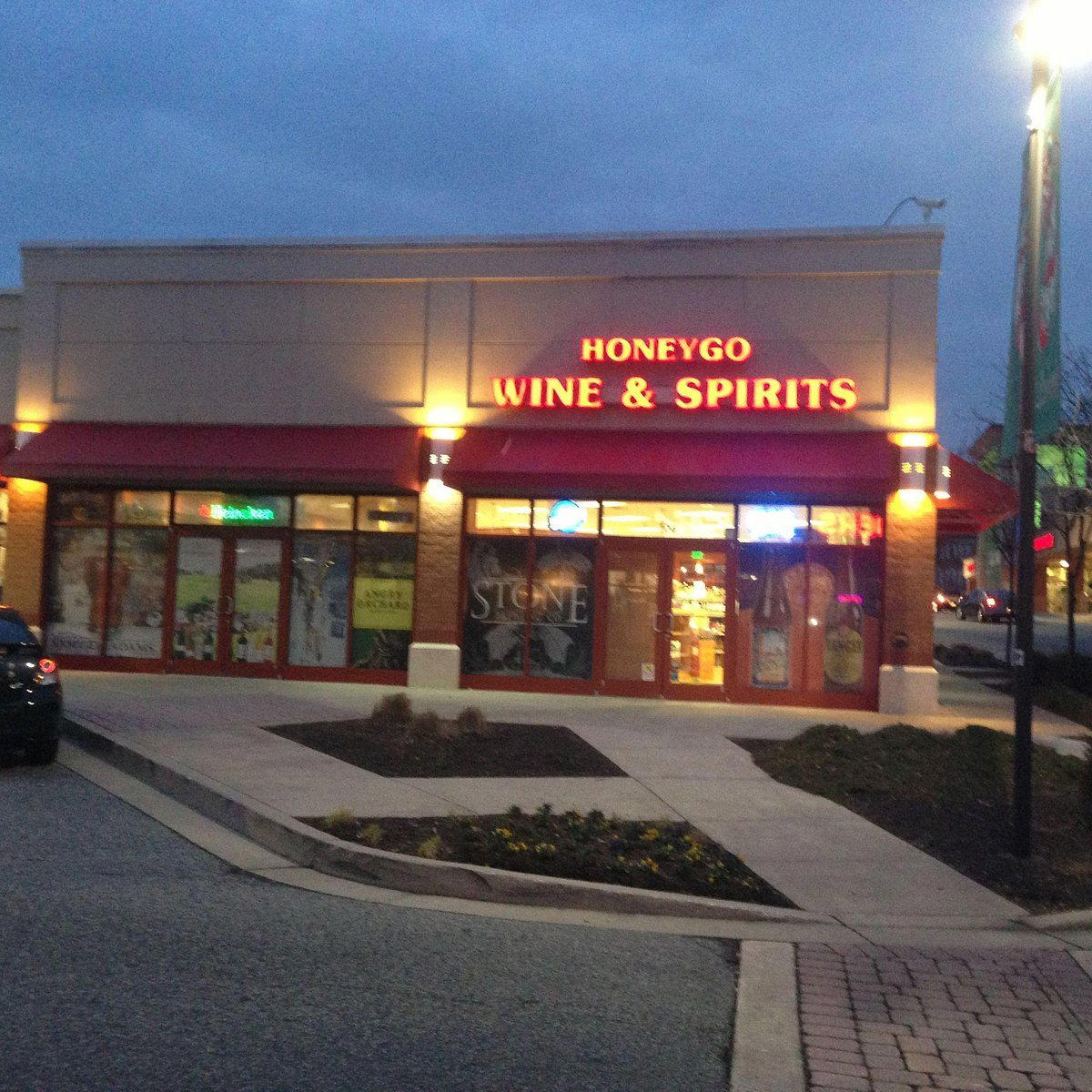
Honeygo Village is a planned retail development, which means the physical environment is a strip plaza rather than a converted rowhouse or a freestanding building with architectural character. Suite 101 in a shopping center sets a particular register before a guest sits down: the context signals neighborhood convenience rather than destination dining. Across the American suburbs, that setting has housed some genuinely accomplished cooking, but it also shapes the terms of the experience. Parking is accessible, the format is likely casual, and the dining room is probably sized for family groups rather than intimate counters.
For comparison, restaurants that have made ingredient sourcing and regional authenticity their calling card in similarly suburban formats, such as Frasca Food and Wine in Boulder or The Wolf's Tailor in Denver, have demonstrated that strip-adjacent or suburban locations do not preclude serious cooking. The format does not determine the ambition. What it does determine is the likely price register and the audience the kitchen is primarily serving.
Planning a Visit
Bombay Nights is located at 5007 Honeygo Center Dr, Suite 101, in Perry Hall, MD 21128. The Honeygo Village corridor is accessible by car from I-695 via the White Marsh exit, and parking in the retail development is free and direct. For current hours, menu details, and any reservation requirements, contacting the restaurant directly or checking current listings is advisable, as those details were not available at time of writing. Given the suburban, family-oriented character of the area and the retail plaza setting, the format is most likely walk-in or phone reservation rather than a digital booking system, though that should be confirmed before visiting.
Frequently asked questions
What kind of setting is Bombay Nights?
Bombay Nights occupies Suite 101 at 5007 Honeygo Center Drive, inside Honeygo Village, a planned retail development in Perry Hall, MD 21128. That means a strip plaza environment rather than a converted townhouse or freestanding building — practical parking, accessible layout, and a neighbourhood dining feel rather than a destination-dining atmosphere. It is one of the few Indian options in this part of Baltimore County, where the suburban corridor skews heavily toward Italian-American and casual chain formats.
Is Bombay Nights one of the only Indian restaurants in the Perry Hall area of Baltimore County?
Perry Hall sits at the northeastern edge of Baltimore County, where Indian restaurant options are sparse compared to denser corridors like Route 40 toward Catonsville or the Ellicott City cluster further west. Bombay Nights at Honeygo Village represents one of the closest Indian dining options for residents of the 21128 zip code who want to avoid the drive into Baltimore City or the Route 40 stretch. That geographic gap gives the restaurant a local relevance that goes beyond cuisine type alone.
Where exactly is Bombay Nights?
Bombay Nights is located at 5007 Honeygo Center Dr #101, Perry Hall, MD 21128, Perry Hall.
How It Stacks Up
Comparable venues nearby, for context on price, style, and recognition.
| Venue | Cuisine | Price | Notes |
|---|---|---|---|
| Bombay NightsThis venue — the venue you are viewing | Indian with Nepalese Fusion | $20–30 | Not listed |
| Liberatore's Ristorante | Classic Italian Ristorante | $20–30 | Perry Hall |
| Ambassador Dining Room | Modern Indian Fine Dining | $30–50 | Roland Park |
| Orchard Market & Café | Persian & Middle Eastern | $20–30 | Towson |
| Miss Toya's Creole House - Baltimore | Authentic Creole | $30–50 | Northwood |
| Angie's Seafood | Maryland Seafood | $30–50 | Fells Point |
Continue exploring
More in Perry Hall
Restaurants in Perry Hall
Browse all →
Bars in Perry Hall
Browse all →
Details
- Family
- Group Dining
- Casual Hangout
- Byob
- A La Carte
- Vegetarian Friendly
- Vegan Options
Current opening hours
- Monday
- 10 AM–10 PM
- Tuesday
- 10 AM–10 PM
- Wednesday
- 10 AM–10 PM
- Thursday
- 10 AM–10 PM
- Friday
- 10 AM–10 PM
- Saturday
- 10 AM–10 PM
- Sunday
- 10 AM–10 PM
Hours can change for holidays and private events. Last verified .
Full atmosphere with quality service as described by guests.