Bombay Bistro
Bombay Bistro brings North and South Indian cooking to 98 W Montgomery Ave in Rockville, with Lamb Shank Bhuna, Tandoori Salmon, and Cauliflower Pecorino Kulcha on the menu.
Pearl is the En Primeur Club membership app — saves, bookings, and concierge access live there. Same editors, same standards.
- Address
- 98 W Montgomery Ave, Rockville, MD 20850
- Phone
- +13017628798
- Website
- bombaybistro.com
- Directions
- Get directions
 Saves & bookings on Pearl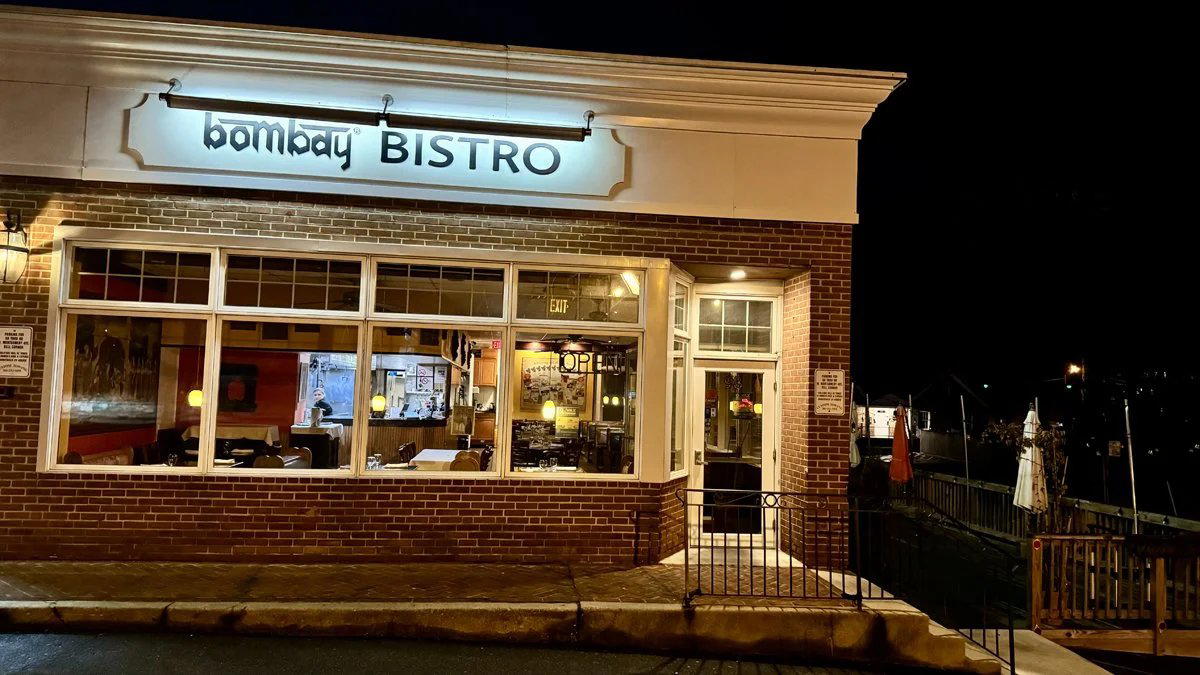
Where Montgomery Avenue Meets the Subcontinent
West Montgomery Avenue in downtown Rockville occupies a particular kind of commercial strip: dense with signage, unhurried in pace, and anchored by restaurants that have earned their regulars through repetition rather than press cycles. Bombay Bistro is a restaurant serving North and South Indian cuisine at 98 W Montgomery Ave in Rockville, Maryland. Bombay Bistro at 98 W Montgomery Ave sits inside that rhythm. The building fronts a stretch where foot traffic comes from proximity to the Rockville Town Center, and the dining room absorbs both the lunch crowd from nearby offices and the evening tables that have been returning for years. It is the kind of address where the experience is shaped less by theatrical staging and more by what arrives on the table and in what order.
The Architecture of an Indian Meal
Indian restaurant dining in the United States has long operated across two registers: the quick-service buffet format, designed for volume and accessibility, and the slower, course-structured sit-down meal that follows closer to the subcontinent's own hospitality customs. The distinction matters because it shapes everything from the pacing of the meal to the temperature at which food is served. Bombay Bistro belongs to the sit-down tradition, where a meal is expected to unfold rather than conclude quickly.
In that format, the opening moves carry weight. Small plates, chutneys, and breads set the register before the main courses arrive. The sequence of a well-executed Indian meal is marked by textures and intensities layered deliberately, with each course recalibrating the palate.
The regional scope of Indian cuisine is also relevant context. The subcontinent encompasses dozens of distinct culinary traditions, from the dry-heat tandoor cooking of the north to the coconut-forward curries of the south and the seafood preparations of the coastal west. A restaurant operating under the broad label of Indian or Bombay-style cuisine is, in most American markets, drawing primarily from Mughal and northern Indian templates, supplemented by Maharashtrian and occasionally south Indian preparations. The Bombay framing specifically signals a cosmopolitan, port-city inflection, historically more tolerant of multiple regional inputs than, say, a strictly Punjabi or Chettinad-focused kitchen.
The Neighborhood Frame
Rockville's dining scene rewards patience and lateral thinking. The city sits at the end of Metro's Red Line, which makes it accessible from Washington, D.C. without requiring a car, though most of the restaurant cluster along Montgomery Avenue and the Town Square benefits from walkability once you arrive. The culinary range here is genuinely wide: A&J Restaurant represents the northern Chinese tradition in a no-frills format that has built a dedicated following; Al Carbon anchors the Latin American end of the spectrum; Asia Cafe draws from the Sichuan playbook; Botanero covers Mexican; and Bouboulina brings a Greek sensibility to the mix. The cumulative effect is a strip that functions more like an immigrant-led dining corridor than a curated restaurant row.
The restaurant fits that context. It is not competing in the same tier as The Inn at Little Washington or Le Bernardin in New York City; the comparable set here is defined by neighborhood function, accessible pricing, and the expectation that the kitchen produces consistent results for a largely repeat clientele. That is a different kind of pressure than the scrutiny applied to The French Laundry in Napa or Blue Hill at Stone Barns in Tarrytown, but it is pressure nonetheless. Regulars notice when a sauce has drifted, when bread arrives less hot than usual, or when the spice calibration shifts between visits.
Eating Here: What the Format Asks of You
The customs of an Indian restaurant meal in this format have their own etiquette. Bread, particularly the naan and roti family, is not incidental in northern Indian cooking; it is a utensil. The practice of tearing and using flatbread to scoop rather than fork through a curry shifts the physical engagement with the food and changes the ratio of starch to sauce in each bite. This is worth paying attention to rather than defaulting to silverware throughout.
Similarly, the practice of ordering multiple dishes for a table rather than one plate per person is the traditional format, and most sit-down Indian restaurants in the American market accommodate it. Shared ordering allows the table to move across flavor registers, and the interplay between a dry preparation and a sauced one, or between a lamb dish and a vegetable side, produces a more complete meal than a single-dish order. This is the ritual logic that defines the format at its leading, whether the kitchen is in South Mumbai or on West Montgomery Avenue.
Those planning a visit should note that Rockville's dining corridor draws steady traffic on weekends, and the more established Indian restaurants in the Maryland suburbs have built loyal enough followings that weekend evenings can fill without much notice. Arriving earlier in the dinner window, or being open to a weekday visit, tends to produce a more relaxed pace.
The broader D.C. metro dining context is also worth holding in mind. Emeril's in New Orleans, Lazy Bear in San Francisco, Providence in Los Angeles, Addison in San Diego, Single Thread Farm in Healdsburg, and Atelier Moessmer Norbert Niederkofler in Brunico each represent the upper register of their respective categories. The restaurant operates in a different register, one defined by neighborhood reliability and value rather than tasting-menu ambition, but the standards that matter in any register are the same: does the food do what it promises, and does the meal hold together as a sequence?
What It’s Closest To
Comparable venues nearby, for context on price, style, and recognition.
| Venue | Cuisine | Price | Notes |
|---|---|---|---|
| Bombay BistroThis venue — the venue you are viewing | North and South Indian | $$ | Not listed |
| Sichuan Jin River | Authentic Sichuan Chinese | $$ | Rockville |
| La Canela | Authentic Peruvian | $$ | Rockville Town Square |
| El Mariachi | Authentic Mexican & Tex-Mex | $$ | Ritchie Center |
| Owen's Ordinary | American Tavern | $$ | North Bethesda |
| A&J Restaurant | Northern Chinese Dim Sum | $ | Rockville Pike |
Continue exploring
More in Rockville
Restaurants in Rockville
Browse all →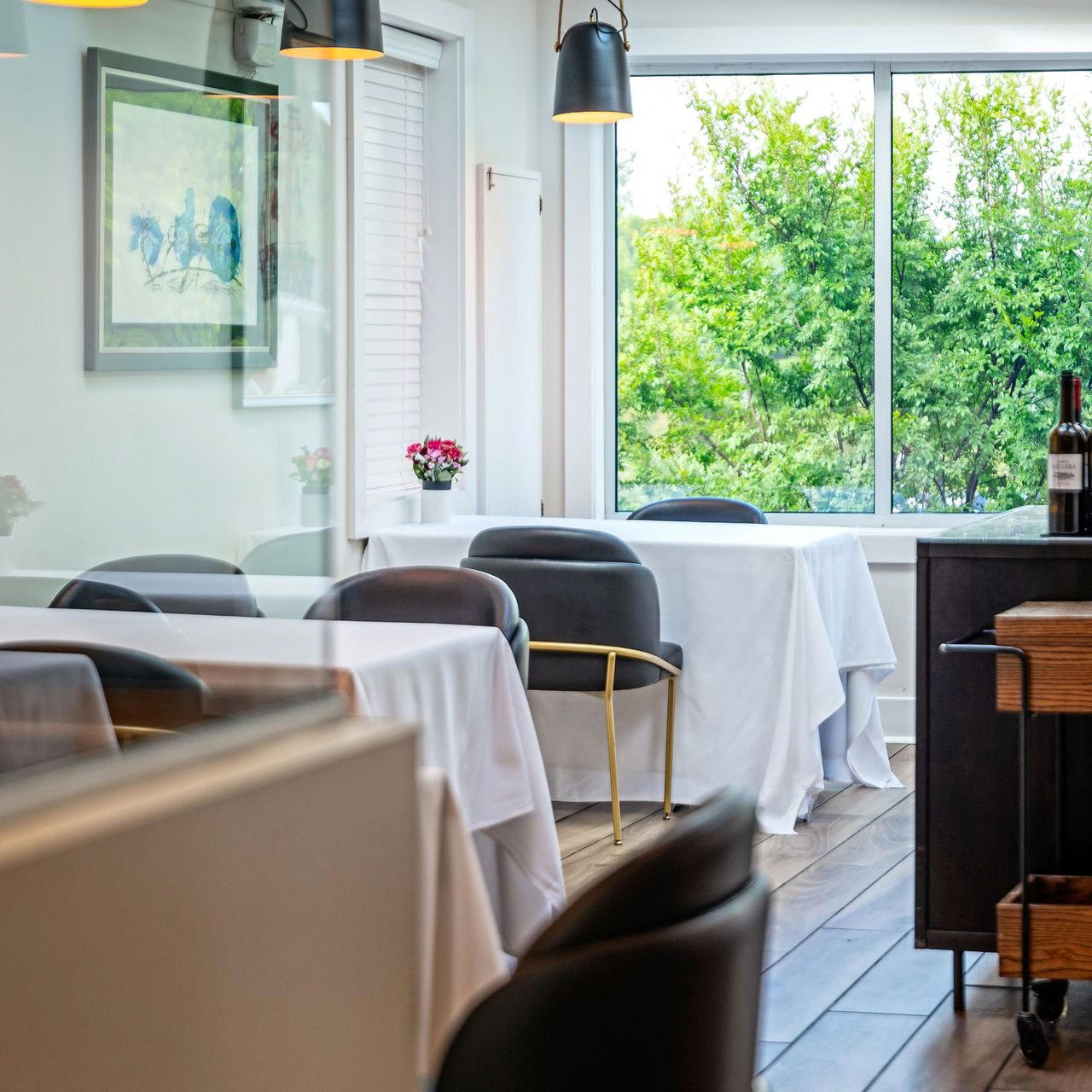
Bars in Rockville
Browse all →
Hotels in Rockville
Browse all →


At a Glance
- Cozy
- Casual
- Family
- Group Dining
- Casual Hangout
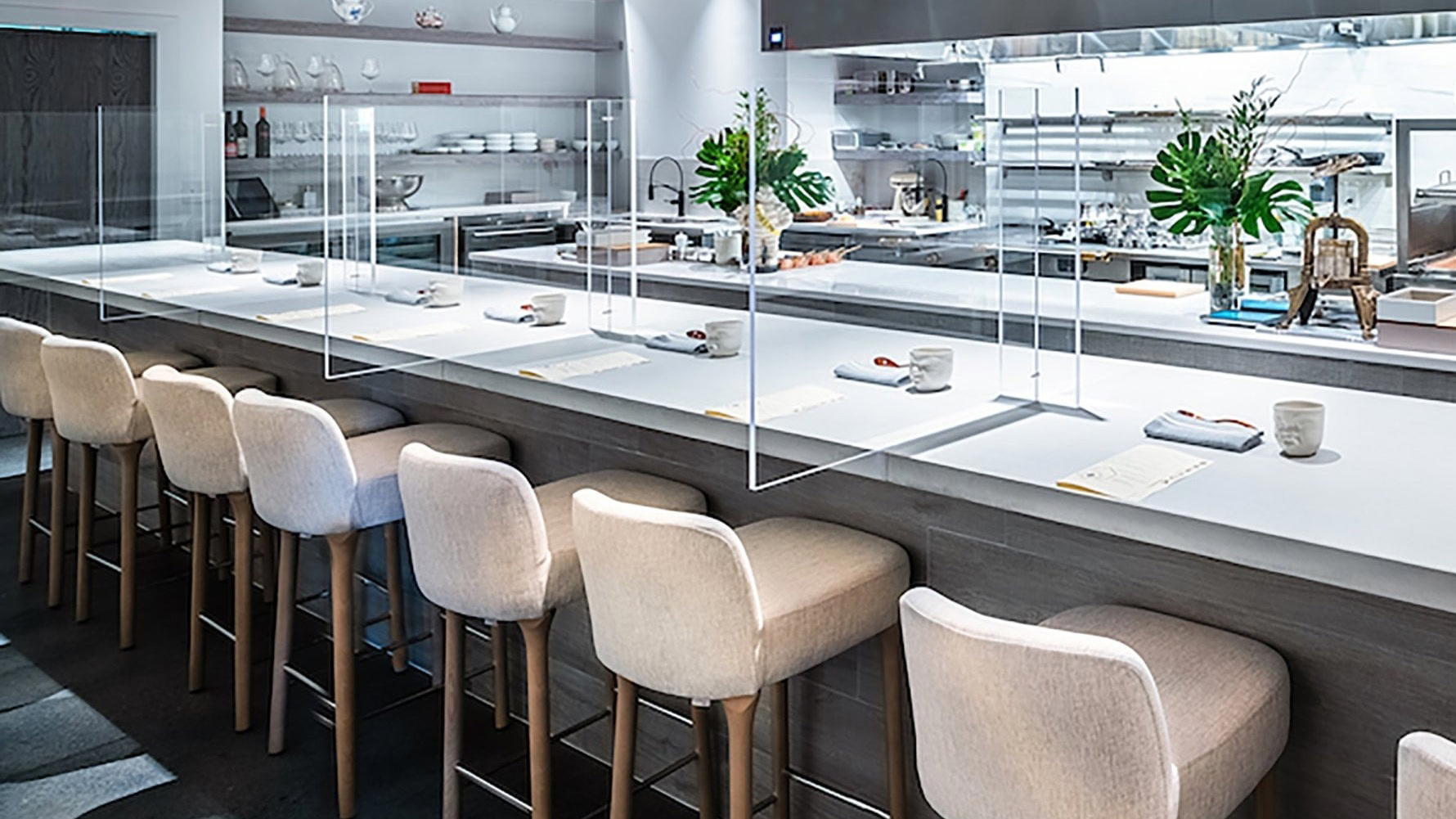
- Open Kitchen
Current opening hours
- Monday
- 11:30 AM–2:30 PM, 5–9 PM
- Tuesday
- 11:30 AM–2:30 PM, 5–9 PM
- Wednesday
- 11:30 AM–2:30 PM, 5–9 PM
- Thursday
- 11:30 AM–2:30 PM, 5–9 PM
- Friday
- 11:30 AM–2:30 PM, 4–9:30 PM
- Saturday
- 12–3 PM, 4–9:30 PM
- Sunday
- 12–3 PM, 4–9 PM
Hours can change for holidays and private events. Last verified .
Comfortable casual atmosphere with cultural decor and open kitchen.