A&J Restaurant

A&J Restaurant on Rockville Pike has been a reference point for northern Chinese cooking in the Washington metro area for decades, drawing regulars with a menu that runs deep on hand-pulled noodles, Taiwanese-style breakfast items, and no-frills preparations that reward repeat visits. The strip-mall address understates what's inside: a practised kitchen with a clear regional identity and a loyal, mixed crowd that keeps tables turning at lunch and dinner.
Pearl is the En Primeur Club membership app — saves, bookings, and concierge access live there. Same editors, same standards.
- Address
- 1319-C, Rockville Pike, Rockville, MD 20852
- Phone
- +13012517878
- Website
- aandjrestaurant.com
- Directions
- Get directions
 Saves & bookings on Pearl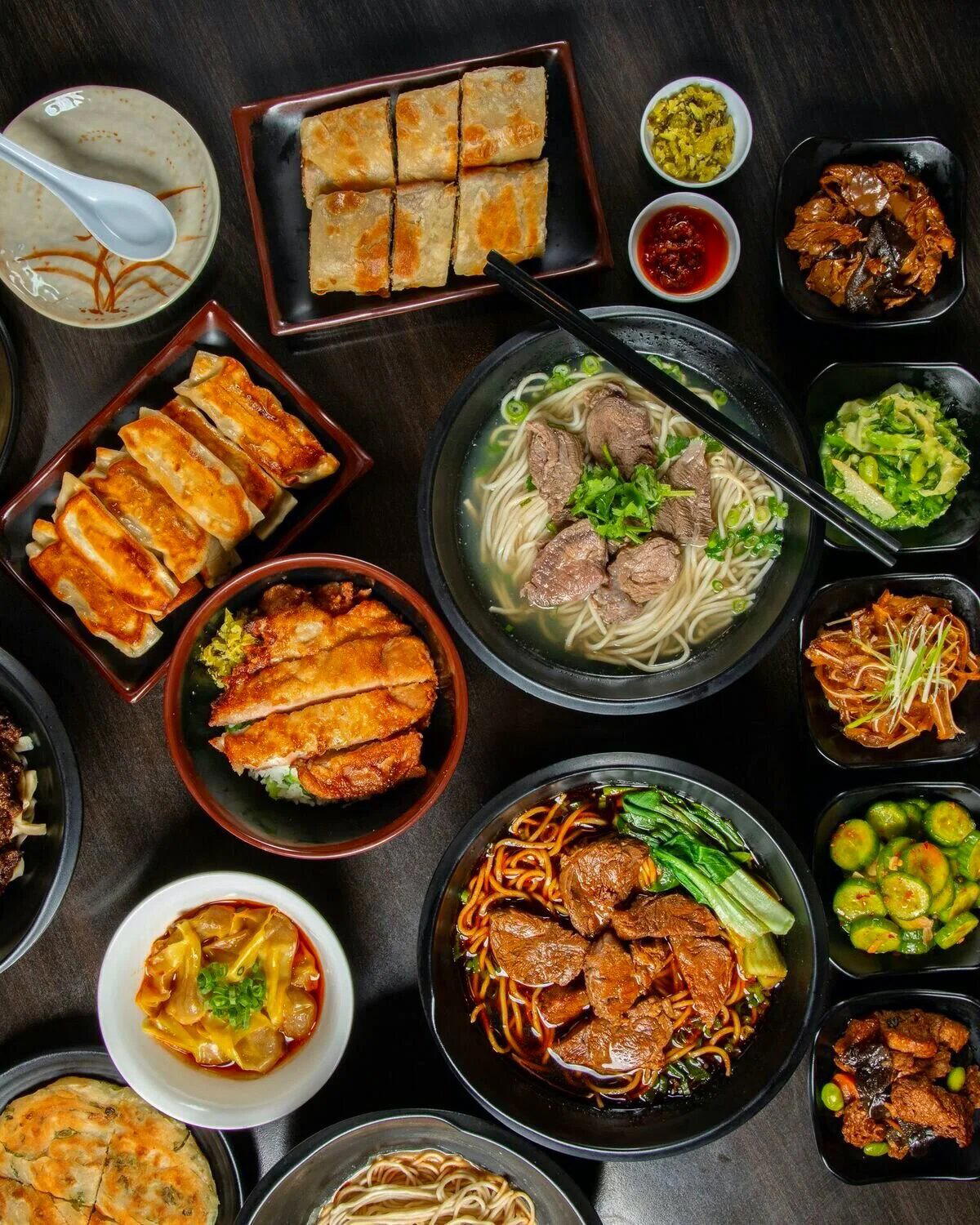
Northern Chinese Cooking on Rockville Pike
The stretch of Rockville Pike running through Montgomery County, Maryland is one of the more quietly consequential corridors for Chinese food on the East Coast. Amid the chain restaurants and big-box retail, a cluster of kitchens has built real reputations over the years, many of them serving regional Chinese cuisines that get short shrift in more prominent dining zip codes. A&J Restaurant is a Northern Chinese Dim Sum spot at 1319-C Rockville Pike in Rockville, Maryland, with a casual setup and walk-in friendly service. It sits inside that pattern, occupying a strip-mall unit that gives nothing away from the outside but delivers northern Chinese cooking with a consistency that has kept it on the local radar for longer than most of its neighbors have existed.
The dining room aesthetic is functional: fluorescent lighting, laminate tables, the low roar of a full house. This is not the kind of room where the architecture competes with the food, and that's the point. Across the Chinese-American dining spectrum, particularly focused regional kitchens have often operated in exactly these conditions, where rent is manageable and the kitchen budget goes into product rather than interiors.
The Cultural Weight of Northern Chinese Cuisine
To understand what A&J; is doing requires some grounding in where northern Chinese cooking sits within a much larger culinary tradition. Chinese food in the United States has long been filtered through Cantonese and, later, Sichuan frameworks. The cooking of northern China, Shandong, Hebei, and particularly the Beijing-Tianjin corridor, operates on different registers: wheat over rice, hand-pulled and hand-cut noodles over stir-fried rice dishes, fermented and preserved flavors developed for cold winters, and a restraint in spice that lets texture and technique do the work.
Taiwan plays an important intermediary role here. Much of what Americans encounter as northern Chinese food arrives via the Taiwanese diaspora, which carried these traditions through the mid-twentieth century. Restaurants like A&J; exist at that intersection, serving items associated with both mainland northern cooking and the Taiwanese breakfast and lunch culture that preserved and adapted those dishes. Scallion pancakes, soy milk, and sesame flatbreads are as much Taipei as Beijing, and the menu logic reflects that dual heritage.
What the Menu Communicates
A&J;'s menu is dense in a way that rewards familiarity. Noodle dishes form a backbone: hand-pulled preparations where the chew comes from process rather than product, served in broths that read as clean and mineral rather than rich or complex. Dumplings appear across several categories, and the differences between them, filling ratio, wrapper thickness, steamed versus pan-fried, are worth attention. The breakfast and all-day items that borrow from Taiwanese morning culture include soy milk served warm and savory, a preparation unfamiliar to most American diners but central to the tradition A&J; is working within.
The kitchen's register is low-intervention: seasoning is restrained, presentations are plain, and the cooking doesn't attempt to translate northern Chinese food into something more accessible to a non-Chinese palate. It also explains the demographic mix in the dining room, which skews heavily toward Chinese and Taiwanese diners who grew up with this food and treat the restaurant accordingly, as a reliable source for something specific, not a destination for novelty.
For readers who use fine-dining experiences as a reference point, the contrast with multi-course American tasting rooms like The Inn at Little Washington or destination farm-to-table formats like Blue Hill at Stone Barns in Tarrytown is instructive. Those kitchens make the meal itself into the event. A&J; makes the food into the point, with no surrounding ceremony. Both approaches have their place; they are simply doing different things.
Rockville as a Chinese Food Corridor
The concentration of Chinese and Chinese-adjacent restaurants along Rockville Pike is not accidental. Montgomery County has one of the highest concentrations of Asian-American households in the Mid-Atlantic region, and the food supply followed the population. The result is a dining corridor where competition is real, turnover is visible, and the restaurants that survive a decade do so because they are actually good at something specific. A&J; has survived considerably longer than that benchmark, which in this market is a signal worth reading seriously.
The wider Rockville dining scene runs across cuisines and price points. Al Carbon and Botanero represent the Latin end of the corridor, while Bouboulina positions itself on the Mediterranean side. A&J; operates in a different lane from all of them, serving a cuisine that has no direct equivalent on the same strip and drawing a constituency that doesn't need the restaurant to be anything other than what it is.
Planning Your Visit
A&J; at 1319-C Rockville Pike is reachable by car with parking in the strip-mall lot, and the White Flint Metro station on the Red Line puts it within walking distance for those coming from central DC or Bethesda. The restaurant is a cash-and-carry operation by instinct if not always by policy, so arriving with payment flexibility is sensible. Lunch service is the peak window: tables turn quickly, the room fills with the weekday lunch crowd, and the noodle dishes that take time to prepare are ready as a matter of kitchen rhythm rather than wait. Weekend mornings, when the Taiwanese breakfast items are in highest demand, draw a different crowd and a different pace. There is no booking system that creates a barrier to entry, which keeps this accessible in a way that many formal dining rooms in the broader DC orbit are not. A&J; requires showing up.
Price and Recognition
Comparable venues nearby, for context on price, style, and recognition.
| Venue | Cuisine | Price | Notes |
|---|---|---|---|
| A&J RestaurantThis venue — the venue you are viewing | Rockville Pike, Northern Chinese Dim Sum | $ | Not listed |
| Yuan Fu Vegetarian | Rockville Pike, Vegan Chinese | $$ | Not listed |
| Al Carbon | Not listed | $ | Rockville, Authentic Wood-Fire Latin American |
| Sichuan Jin River | Rockville, Authentic Sichuan Chinese | $$ | Not listed |
| Asia Cafe | Downtown Rockville, Chinese Takeout | $$ | Not listed |
| Crisp & Juicy | Not listed | $ | Rockville Pike, Peruvian Rotisserie Chicken |
Recognition history
Dated appearances from independent guides and award organizations, with the underlying list record or original source where available.
Washingtonian 100 Very Best Restaurants #52
Washingtonian
Continue exploring
More in Rockville
Restaurants in Rockville
Browse all →
Bars in Rockville
Browse all →

Hotels in Rockville
Browse all →






At a Glance
- Cozy
- Classic
- Family
- Casual Hangout
- Group Dining
- Standalone
Current opening hours
- Monday
- 11:30 AM–9 PM
- Tuesday
- 11:30 AM–9 PM
- Wednesday
- 11:30 AM–9 PM
- Thursday
- 11:30 AM–9 PM
- Friday
- 11:30 AM–9 PM
- Saturday
- 11:30 AM–9 PM
- Sunday
- 11:30 AM–9 PM
Hours can change for holidays and private events. Last verified .
Simple, no-frills, comfortable room with attentive staff.